Flowers Grow In Florida Year Round — Everything You Need to Know
- Why Florida Can Grow Flowers All Year
- Understanding Florida’s Growing Zones
- Cool Season Bloomers (Roughly November Through February)
- Warm Season Powerhouses (March Through October)
- Hibiscus
- Bougainvillea
- Plumbago
- Firebush
- Pentas
- Coral Honeysuckle
- Blanket Flower
- Seasonal Care Tips for Year-Round Blooms
- Common Pests and Problems to Watch For
- Final Thoughts
Flowers Grow In Florida Year Round — Everything You Need to Know
Florida is a strange and wonderful place to garden. While most of the country is watching their beds go dormant under frost, Florida gardeners are out there deadheading zinnias in a t-shirt. That’s the beauty of a subtropical to tropical climate — the growing season basically never stops, it just shifts gears depending on the month.
If you’re new to gardening here, or you’ve moved from a state with actual winters, this can feel a little disorienting. What blooms in January isn’t what blooms in July, and the plants that thrive in Miami won’t always love life in Tallahassee. This guide walks through what makes Florida’s year-round flower scene possible, and how to actually take advantage of it.
Why Florida Can Grow Flowers All Year
Florida spans USDA hardiness zones 8b through 11, which is a huge range for one state. The panhandle gets the occasional frost, while the Keys practically never see one. That range means there’s almost always a flower that’s happy somewhere in the state, no matter the season.
The real magic is the combination of warmth, humidity, and long daylight hours. Most flowering plants need heat to bloom well, and Florida has that in spades for ten or eleven months of the year. Even the “cooler” months rarely dip low enough to stop flowering completely — they just slow certain plants down while speeding others up.
This is also why Florida gardeners talk about “seasons” differently. Instead of spring, summer, fall, winter, it’s often more like wet season and dry season, with a few weeks of cooler nights thrown in for good measure.
Understanding Florida’s Growing Zones

Before picking flowers, it helps to know roughly where you land on the map. North Florida (zones 8b-9a) can get light frost and occasional freezes, which matters for tender tropicals. Central Florida (zones 9b-10a) is more forgiving, with mild winters and hot, humid summers. South Florida and the Keys (zones 10b-11) rarely freeze at all, which opens the door to true tropical flowers that wouldn’t survive anywhere else in the continental U.S.
Knowing your zone isn’t just trivia — it determines whether that hibiscus you fell in love with at the garden center needs to come inside in January or can just stay put forever. A quick zone lookup by zip code will save you a lot of guessing.
Cool Season Bloomers (Roughly November Through February)
Cooler months in Florida, especially in the north and central parts of the state, are actually prime time for a certain group of flowers that struggle in summer heat. Petunias, snapdragons, pansies, and dianthus all do their best work here, especially in full sun with well-draining soil.
This is also when many Florida gardeners plant sweet peas and stock, which would wilt instantly in July but genuinely enjoy the mild, dry winter air. If you garden in containers, this is a good window to experiment since the risk of scorching heat is low.
Don’t skip fertilizing just because it’s “winter” by Florida standards. A balanced liquid fertilizer every few weeks keeps these cool-season annuals blooming steadily instead of petering out early.
Warm Season Powerhouses (March Through October)
This is when Florida really shows off. Zinnias, marigolds, cosmos, and celosia explode with color and barely need convincing. They’re drought tolerant once established, love full sun, and honestly seem to get better the hotter it gets.
Tropical hibiscus also hits its stride here, along with pentas, which pollinators — especially butterflies — absolutely can’t resist. If you’re trying to build a pollinator-friendly garden, warm season is when your efforts really pay off visually.
Watering becomes more important in these months, particularly during dry spells before the summer rains kick in. Deep, infrequent watering encourages stronger roots than a light daily sprinkle.
Hibiscus
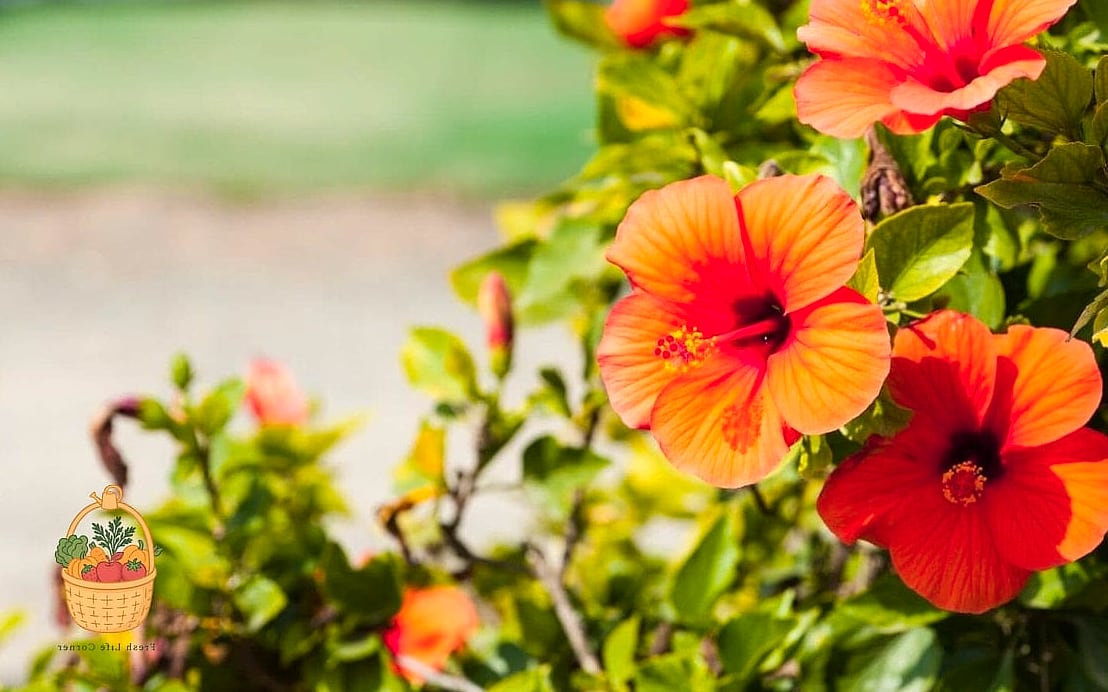
Hibiscus is practically the unofficial flower of Florida, and it’s easy to see why. The blooms are enormous, sometimes six inches across, in shades of red, pink, yellow, and orange that look almost too vivid to be real.
It wants full sun and consistently moist, well-draining soil — sandy loam works great here. In zones 9 and up it can stay outside year-round; further north, it may need protection during a hard freeze. Growth is fast, and a mature shrub can hit six to eight feet without much fuss.
Gardeners love it because it blooms almost continuously in warm weather and gives that unmistakable tropical look. It’s low on the difficulty scale once established, though aphids can show up on new growth, so keep an eye out.
Bougainvillea
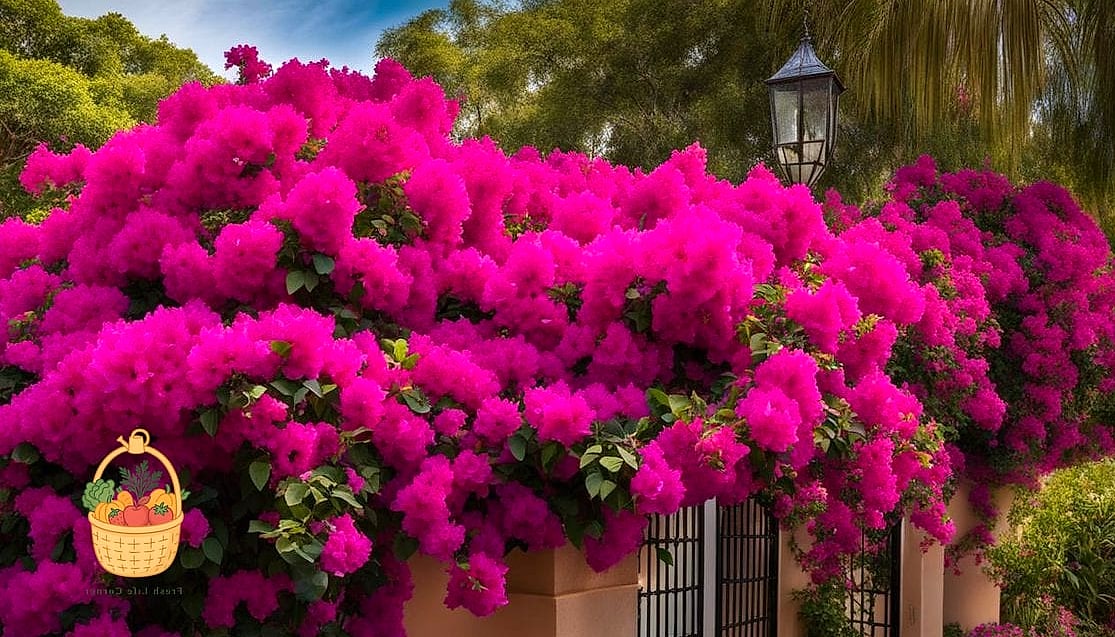
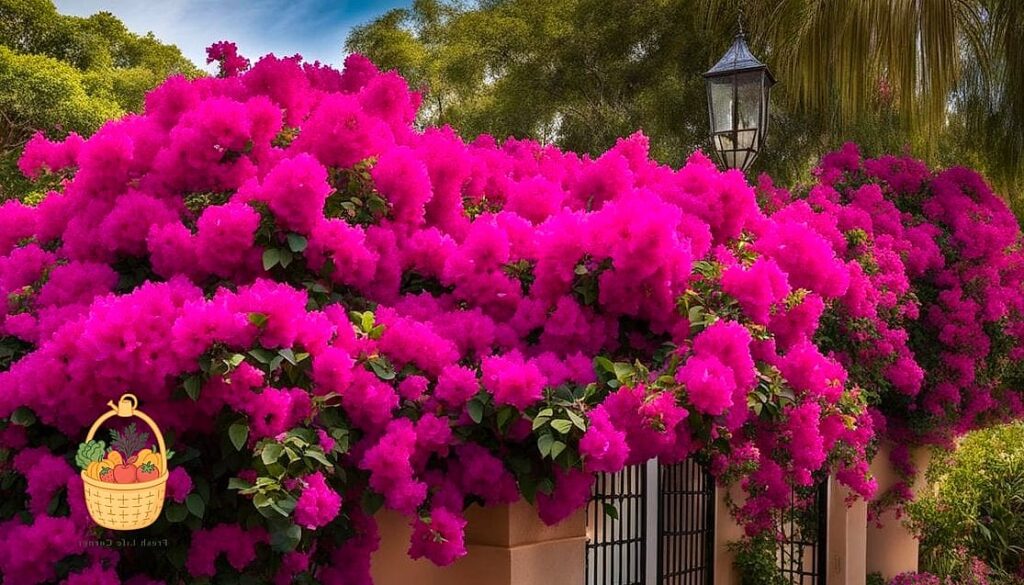
Bougainvillea isn’t technically a flower in the traditional sense — those vibrant purple, pink, or orange “petals” are actually bracts surrounding tiny white flowers — but nobody in Florida cares about that technicality. It’s everywhere, and for good reason.
It thrives in full sun and actually prefers slightly poor, well-draining soil over rich garden beds. Too much fertilizer and you’ll get lush green growth with disappointingly few blooms. It’s extremely drought tolerant once established, which makes it a favorite for xeriscaping.
This plant is best suited to zones 9b and warmer since it’s frost sensitive. It grows fast as a vine or can be trained into a shrub form, and deer tend to leave it alone thanks to its thorny stems.
Plumbago
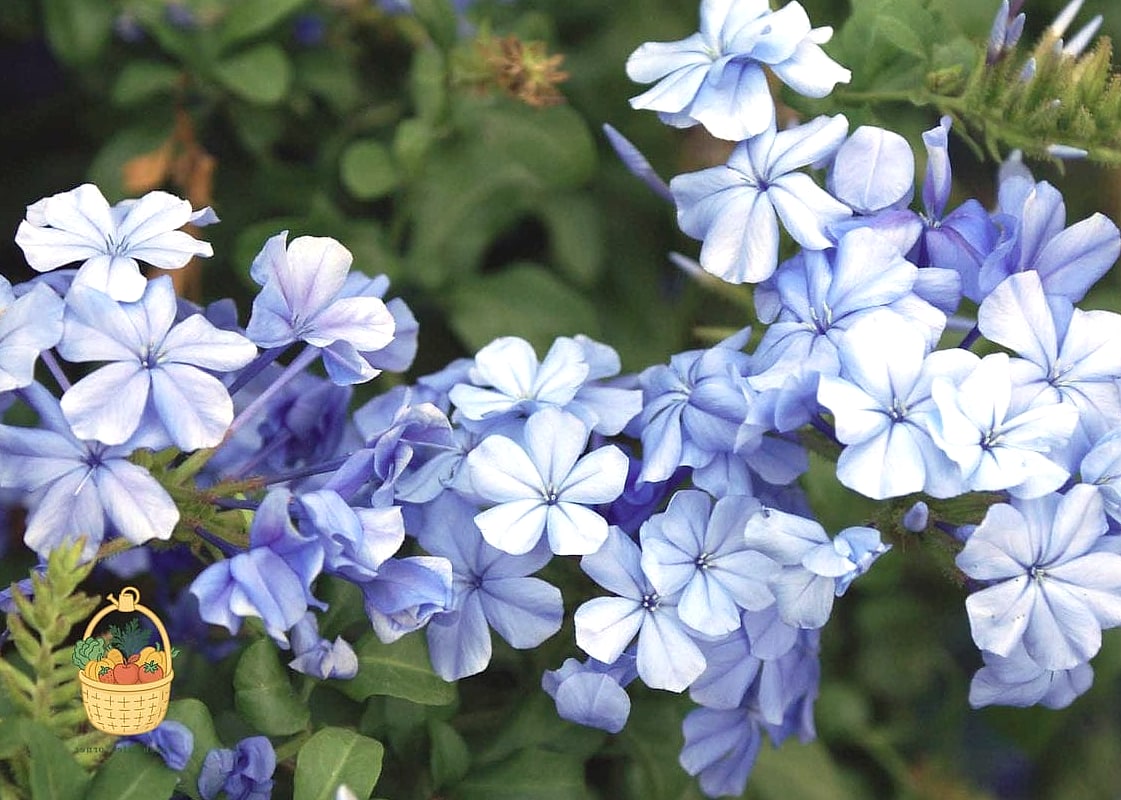
Plumbago is one of those quietly reliable plants that doesn’t get nearly enough credit. The soft blue flowers bloom nearly year-round in Florida and have a delicate, almost powdery quality that pairs beautifully with brighter tropical colors.
It handles full sun to partial shade, isn’t picky about soil as long as it drains reasonably well, and tolerates both drought and Florida’s occasional downpours without complaint. It’s hardy down to zone 9, with root hardiness even in cooler zones if it dies back in a freeze.
It’s a favorite among butterfly gardeners because it’s a host plant for the cassius blue butterfly. Pruning it back hard in late winter keeps it full and blooming rather than leggy.
Firebush
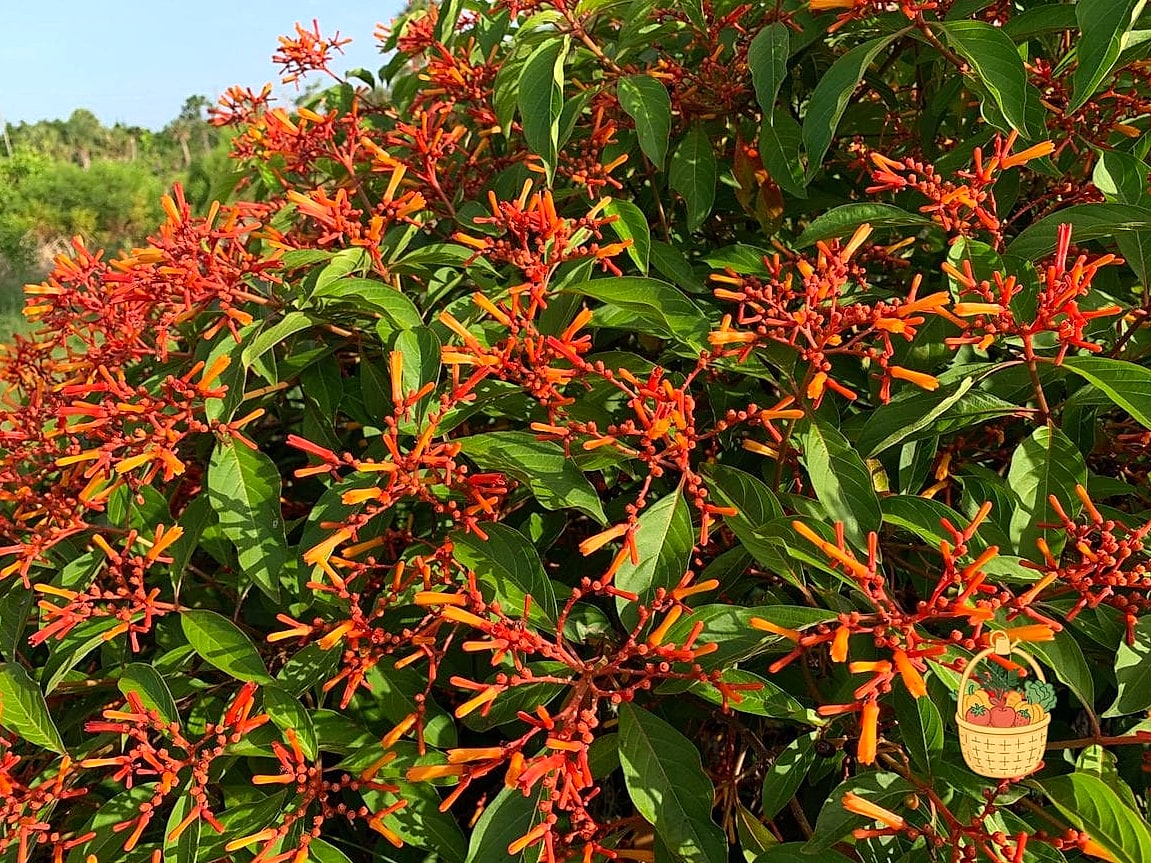
Firebush is a Florida native, which already earns it bonus points from anyone trying to garden with a lighter environmental footprint. The tubular orange-red flowers are a magnet for hummingbirds, and the plant produces small berries that birds enjoy too.
Give it full sun to light shade and average, well-draining soil. It’s fairly drought tolerant once established and grows quickly, often reaching six feet or more in a single season in the right conditions. In central and south Florida it can bloom essentially year-round.
Because it’s native, it’s naturally well-adapted to Florida’s humidity and rainfall patterns, and it tends to shrug off most pests without intervention. This is a great pick for beginner gardeners who want low-maintenance color.
Pentas

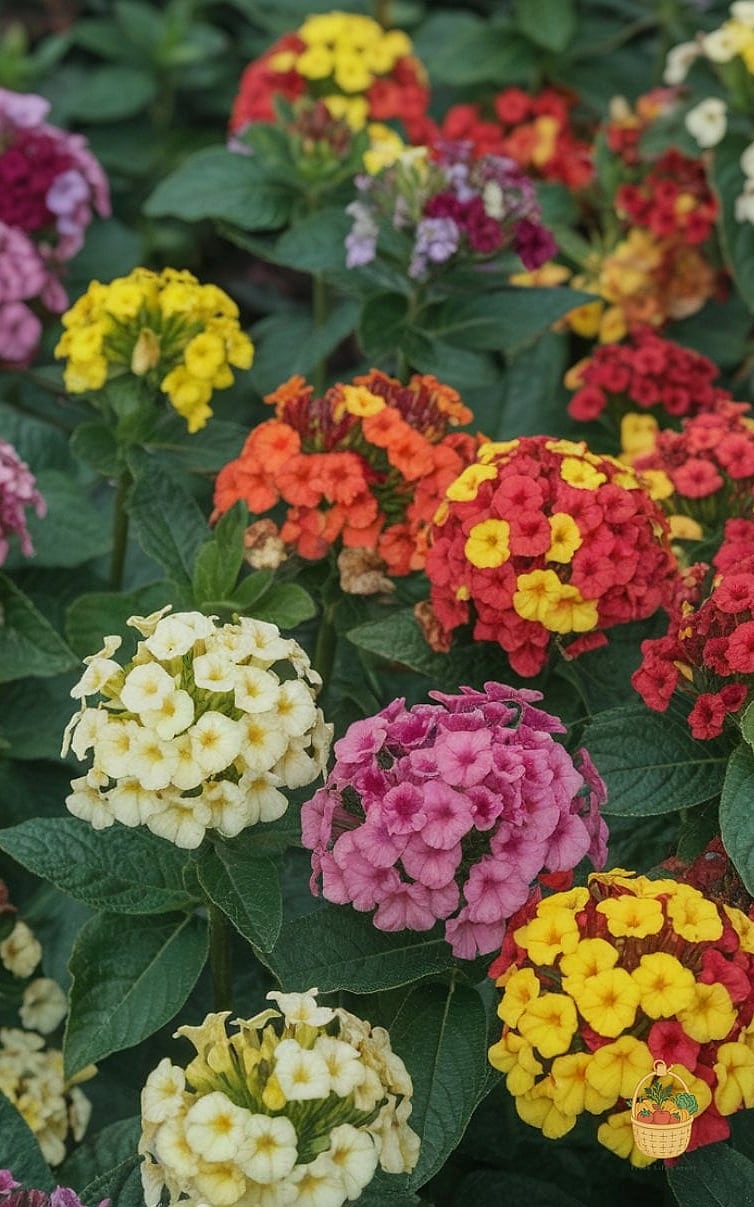
Pentas are the workhorse of pollinator gardens, and honestly, I don’t think they get enough love outside of Florida. The star-shaped clusters of red, pink, white, or lavender flowers bloom nonstop in warm weather and draw butterflies like nothing else in the yard.
They like full sun and consistently moist, well-draining soil, though they’ll tolerate a bit of drought once established. They’re technically perennial in zones 10-11, but many Florida gardeners in cooler zones just grow them as reliable warm-season annuals.
Deadheading spent blooms encourages more flowers, though pentas are forgiving if you forget. They’re an easy choice for anyone new to gardening in Florida who wants quick, dependable results.
Coral Honeysuckle
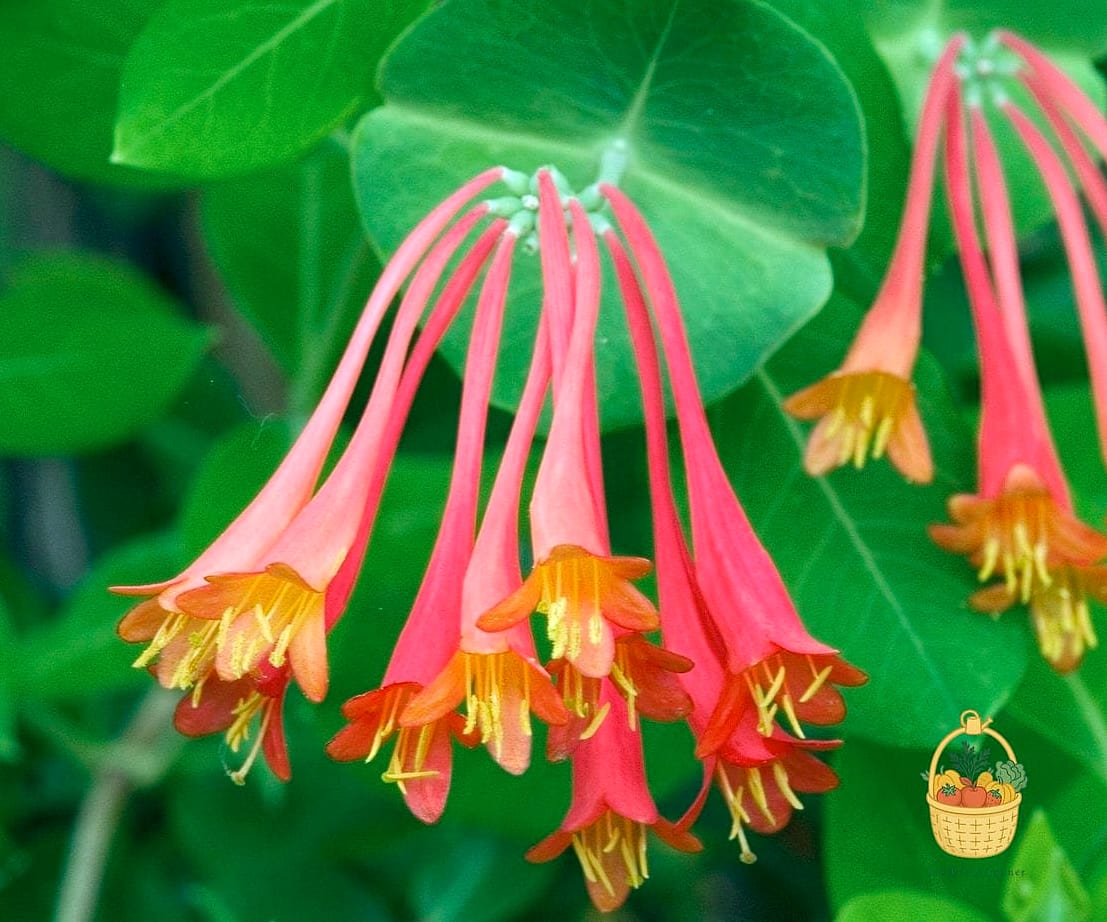
Coral honeysuckle is another Florida native worth knowing, especially if you want vertical color on a trellis or fence. The tubular red-orange flowers bloom in flushes throughout the year in warmer zones, tapering off only briefly in the coolest months.
It prefers full sun to partial shade and adapts to a range of soil types, including sandy soil, as long as drainage is decent. It’s drought tolerant once established and, unlike its invasive Japanese cousin, it won’t take over your entire fence line.
Hummingbirds are drawn to it constantly, making it a great companion plant near patios or windows where you can actually enjoy the show. It’s also deer resistant, which is a nice bonus if you’re gardening near wooded areas.
Blanket Flower
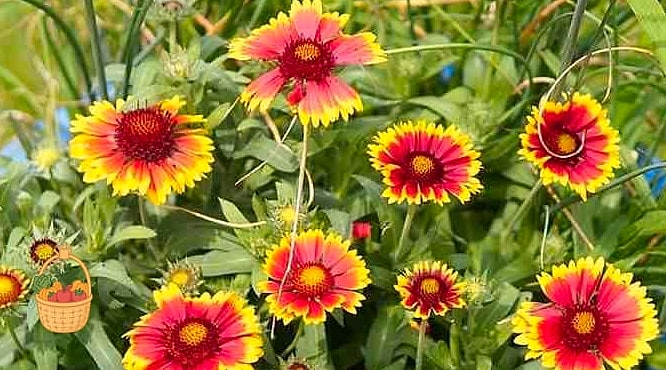
Blanket flower, or gaillardia, is a Florida native perennial that blooms in warm, layered shades of red, orange, and yellow that genuinely do look like a woven blanket. It’s a favorite for anyone wanting a wildflower look without the wild, unpredictable spread.
It wants full sun and well-draining, even sandy, soil — rich garden soil actually works against it by encouraging floppy growth. It’s remarkably drought tolerant and holds up well through Florida’s hot, dry stretches between rains.
Blooming runs nearly year-round in central and south Florida, tapering slightly in winter up north. It self-seeds readily, so don’t be surprised if you find volunteer plants popping up nearby the following season.
Seasonal Care Tips for Year-Round Blooms
Even in a climate this generous, flowers still need some seasonal adjustments. Summer’s heavy rains mean root rot becomes a real risk, so well-draining soil and raised beds are worth the extra effort if your yard tends to stay soggy.
Mulching helps regulate soil temperature and moisture no matter the season, and it cuts down on weeding, which nobody misses doing in 95-degree heat. A two to three inch layer of mulch around your flower beds goes a long way.
During any rare cold snaps, especially in north and central Florida, covering tender tropicals overnight or moving container plants indoors can prevent frost damage that would otherwise set your flowers back for months.
Common Pests and Problems to Watch For
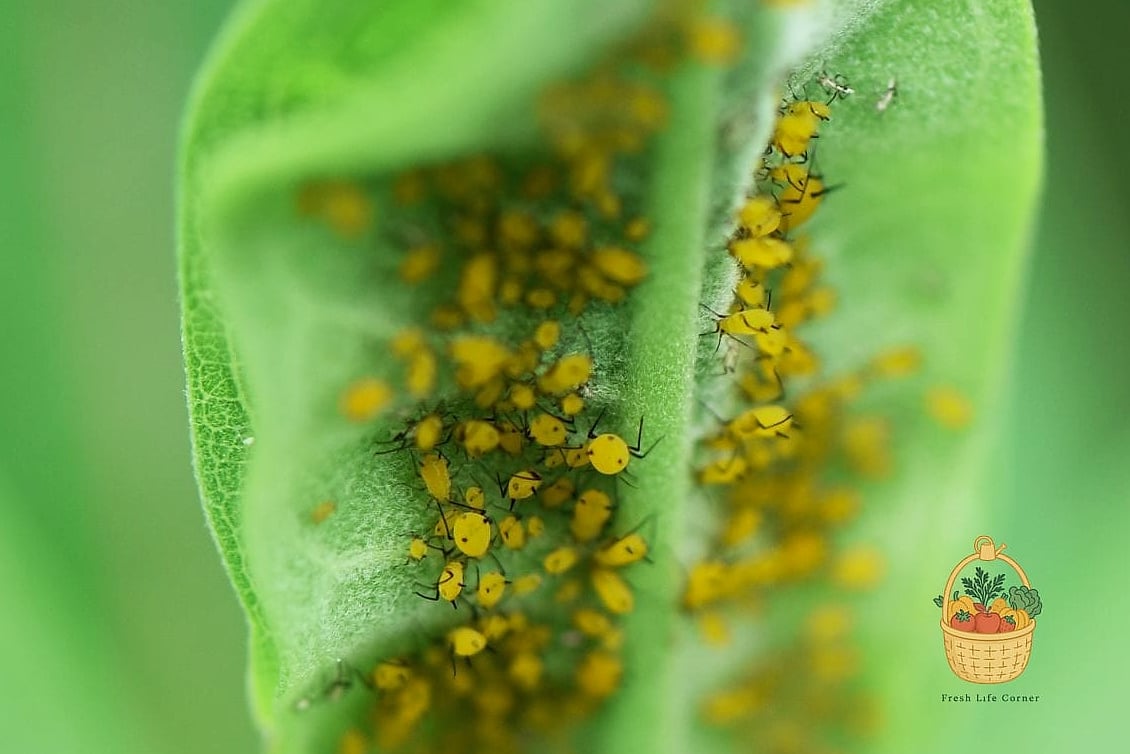
Aphids and spider mites are the two most frequent visitors to Florida flower beds, particularly on new, tender growth. A strong blast of water or an insecticidal soap usually handles small infestations before they spread.
Overwatering is a bigger threat than underwatering in most of Florida, thanks to the humidity and seasonal rains. Yellowing leaves are often a sign of soggy roots rather than thirst, so check the soil before reaching for the watering can.
Fungal issues can pop up during the rainiest months, especially on plants packed too closely together. Giving flowers enough airflow and avoiding overhead watering in the evening helps keep problems like powdery mildew in check.
Final Thoughts
Florida really does live up to its reputation as a place where flowers grow year round — you just have to match the right plant to the right season and zone. Once you get a feel for how the state’s climate rhythms work, gardening here starts to feel less like a challenge and more like a long, colorful conversation that never really stops.
Start with a few of the natives mentioned here if you want an easier entry point, then branch out into tropicals as you get more comfortable. Either way, there’s rarely a bad month to plant something new in a Florida garden.