How To Grow & Care For Four Oclock Flowers — Tips and Tricks That Actually Work

How To Grow & Care For Four Oclock Flowers — Tips and Tricks That Actually Work
If you’ve never grown four o’clocks before, you’re in for a treat. These old-fashioned bloomers have been passed down in gardens for generations, and once you understand why, you’ll want a patch of your own. They’re named for their odd little habit of waiting until late afternoon to actually open up, which makes them one of the more entertaining flowers to watch from a porch chair with a glass of iced tea.
Mirabilis jalapa, as botanists call it, isn’t fussy, isn’t rare, and isn’t hard to find. But growing it well — getting those thick clusters of trumpet-shaped blooms and keeping the plant healthy season after season — takes a bit more than just tossing seeds in the dirt and hoping. Let’s get into how to actually do this right.
Why Gardeners Love It

Four o’clocks have a charm that’s hard to explain until you’ve grown them yourself. The flowers open in the late afternoon and stay open through the night, releasing a sweet fragrance that draws in moths and hummingbirds like a dinner bell.
They’re also refreshingly low-maintenance. This is one of those plants that looks like it requires a horticulture degree to keep alive — but it actually thrives on a little neglect, which is great news for busy people.
Another reason people keep coming back to them: the color show. A single plant can produce flowers in multiple shades — pink, yellow, white, magenta, even striped combinations — sometimes all on the same bush.
Key Features and Appearance

Four o’clock plants grow into rounded, bushy mounds, typically reaching two to three feet tall and just as wide. The foliage is a deep green, heart-shaped, and dense enough to form a nice backdrop for the flowers.
The blooms themselves are trumpet-shaped, similar in form to a petunia, and only about an inch or two across. Don’t let the small size fool you — a mature plant covered in dozens of open flowers at dusk is a genuinely striking sight.
One quirky detail worth knowing: the seeds are large, black, and wrinkled, almost like tiny grenades. Kids find them fascinating, and they’re incredibly easy to save and replant.
Growing Conditions

Four o’clocks want full sun for the best flowering, though they’ll tolerate partial shade, especially in hotter climates where afternoon shade can actually help. Less sun usually just means fewer blooms, not a dead plant.
These are warm-season plants through and through. They grow as perennials in USDA hardiness zones 9 through 11, and as annuals everywhere else, since frost kills them back completely.
If you’re in a colder zone, don’t worry — the tuberous roots can be dug up in fall and stored indoors over winter, much like dahlias. It’s an extra step, but one that dedicated gardeners find worthwhile for keeping a favorite color going year after year.
Four o’clocks are also remarkably drought tolerant once established, making them a solid pick for gardeners who forget to water occasionally (no judgment here).
Soil and Watering Needs
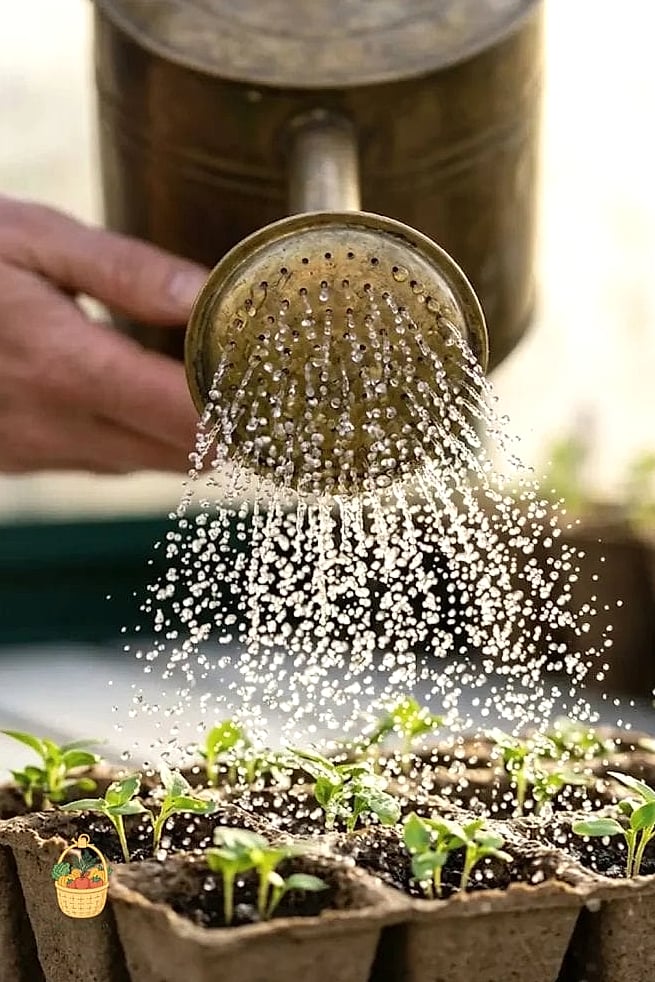
This plant isn’t picky about soil, which is part of why it’s stuck around in gardens for so long. Well-draining soil is really the only non-negotiable — heavy clay soil that stays soggy will eventually cause problems.
A sandy loam or average garden soil works just fine. If your yard leans toward clay, working in some compost before planting will improve drainage and give the roots room to spread out comfortably.
Watering-wise, four o’clocks like consistent moisture while they’re getting established, but they don’t want wet feet. Once the plant has settled in, cut back to watering only when the soil dries out an inch or two down.
Overwatering is actually a bigger risk than underwatering here. Root rot can set in quickly if the soil stays saturated, so it’s better to err on the side of a little dry than constantly damp.
Fertilizing and Pruning

Four o’clocks aren’t heavy feeders, and honestly, too much fertilizer can backfire — you’ll get a plant that’s all leaves and barely any flowers. A light hand is the way to go.
A slow-release fertilizer worked into the soil at planting time is usually enough to carry the plant through the season. If you want to give it an extra boost mid-summer, a diluted liquid fertilizer works well too.
As for pruning, it’s more about shaping than necessity. Pinching back the tips of young plants encourages bushier growth and more flowering branches later on. Deadheading isn’t required since the flowers close and drop on their own, but tidying up spent blooms can keep the plant looking neater.
Cutting the whole plant back by about a third mid-season can also rejuvenate it if it’s starting to look leggy or sparse.
Common Problems and Solutions

Four o’clocks are tough, but they’re not invincible. Aphids and spider mites occasionally show up, especially during hot, dry stretches. A strong blast of water from the hose or a natural pest control option like insecticidal soap usually clears them out.
Yellowing leaves are almost always a watering issue rather than a pest problem. Too much water leads to yellow, droopy leaves and eventual root rot, while too little causes crispy, pale foliage. Check the soil before assuming the worst.
Powdery mildew can appear in humid climates with poor air circulation. Spacing plants properly and avoiding overhead watering late in the day helps keep this in check.
One more thing worth mentioning: every part of this plant is considered toxic if ingested, so it’s smart to keep an eye on pets and small children who might be tempted to sample the seeds or foliage.
Propagation Tips
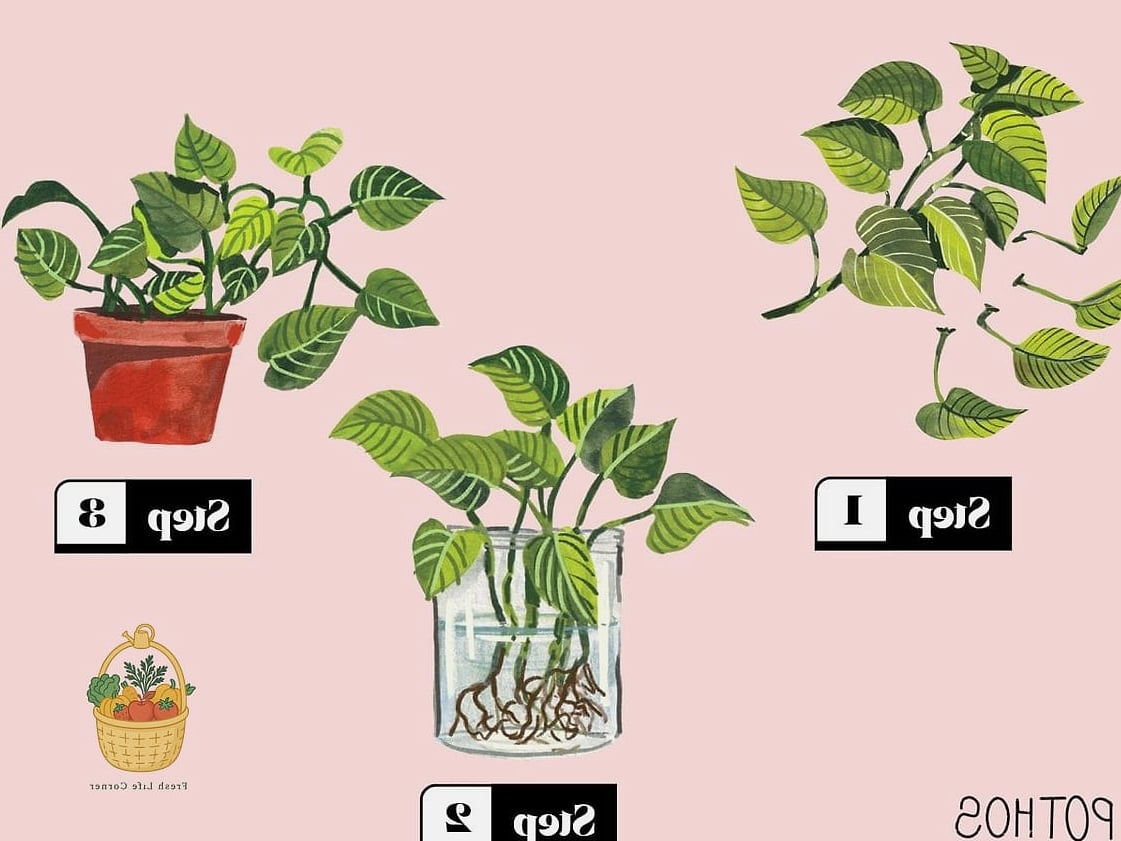
There are two easy ways to get more four o’clocks going, and neither requires much skill.
Propagation by seed is the most common route. The seeds are large enough to handle easily, and they germinate readily when sown directly in the garden after the last frost. Many gardeners simply let the plant self-seed and enjoy volunteers popping up each spring.
Propagation by division works for gardeners who dug up and stored tubers over winter. Come spring, the tuber can be divided and replanted, giving you multiple plants from one original root system.
If you want to start seeds indoors for a head start, soaking them overnight softens the tough seed coat and speeds up germination considerably.
Final Thoughts

Four o’clocks are the kind of plant that rewards patience and a little curiosity. Watching those buds pop open right on schedule every afternoon never really gets old, no matter how many summers you’ve grown them.
Whether you’re planting them in a cottage-style border, a container by the patio, or scattering seeds along a fence line, they bring an easy, old-fashioned charm that fits almost any garden style. Give them decent drainage, a sunny spot, and a bit of restraint with the fertilizer, and they’ll do the rest of the work themselves.