How To Grow Horseradish At Home — Everything You Need to Know
How To Grow Horseradish At Home — Everything You Need to Know
If you’ve ever grated fresh horseradish and felt your sinuses clear on contact, you already know why gardeners get a little obsessed with growing it themselves. Store-bought versions in a jar just don’t compare. Once you’ve had the real thing, fresh from your own garden bed, going back feels like a downgrade.
The good news is that learning how to grow horseradish at home is refreshingly low-drama. This is a plant that basically wants to take over your yard given half a chance, so your job is less about coaxing it along and more about keeping it in check. Let’s get into what it actually takes.
Why Gardeners Love It
Horseradish has a reputation as an “old-timer” crop, the kind of thing your grandparents grew without thinking twice about it. There’s a reason it’s stuck around for generations.
It’s incredibly forgiving. You don’t need perfect soil, ideal weather, or a green thumb pedigree to get a decent harvest. Once established, it just keeps coming back year after year.
There’s also something satisfying about growing a plant that most people buy pre-processed in a jar. Homegrown horseradish root has a sharper, fresher bite, and you control exactly what goes into it — no preservatives, no mystery vinegar blend.
Key Features and Appearance
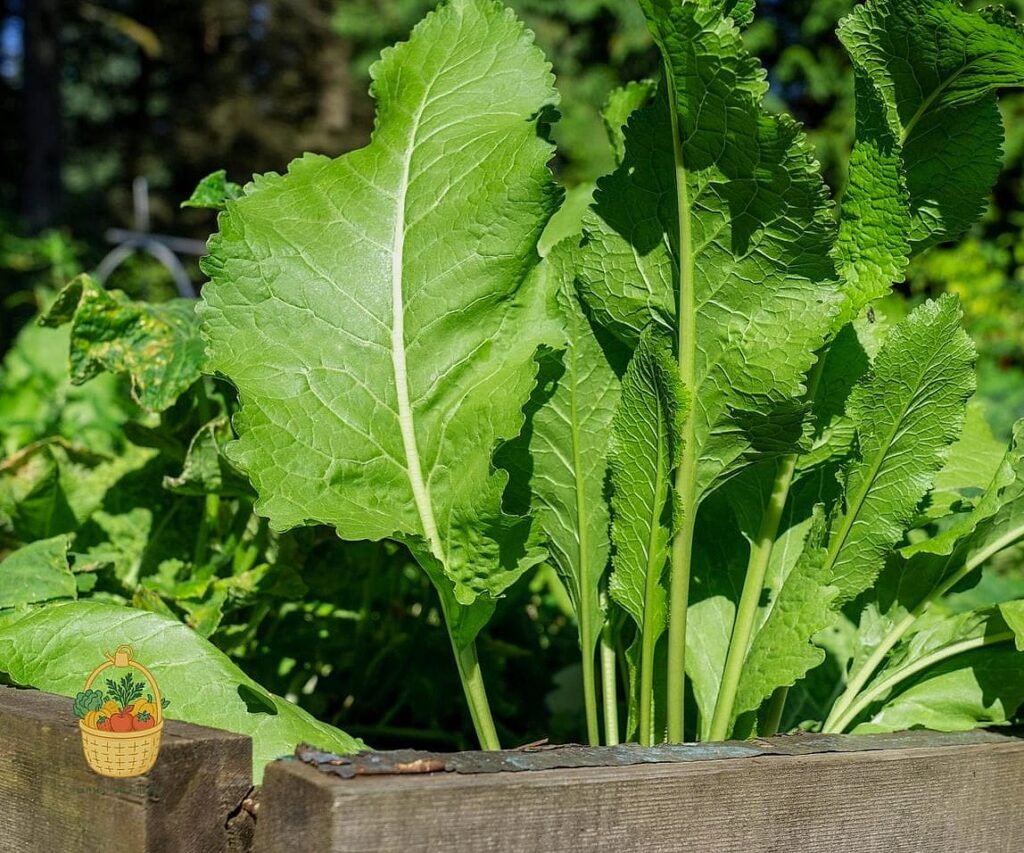
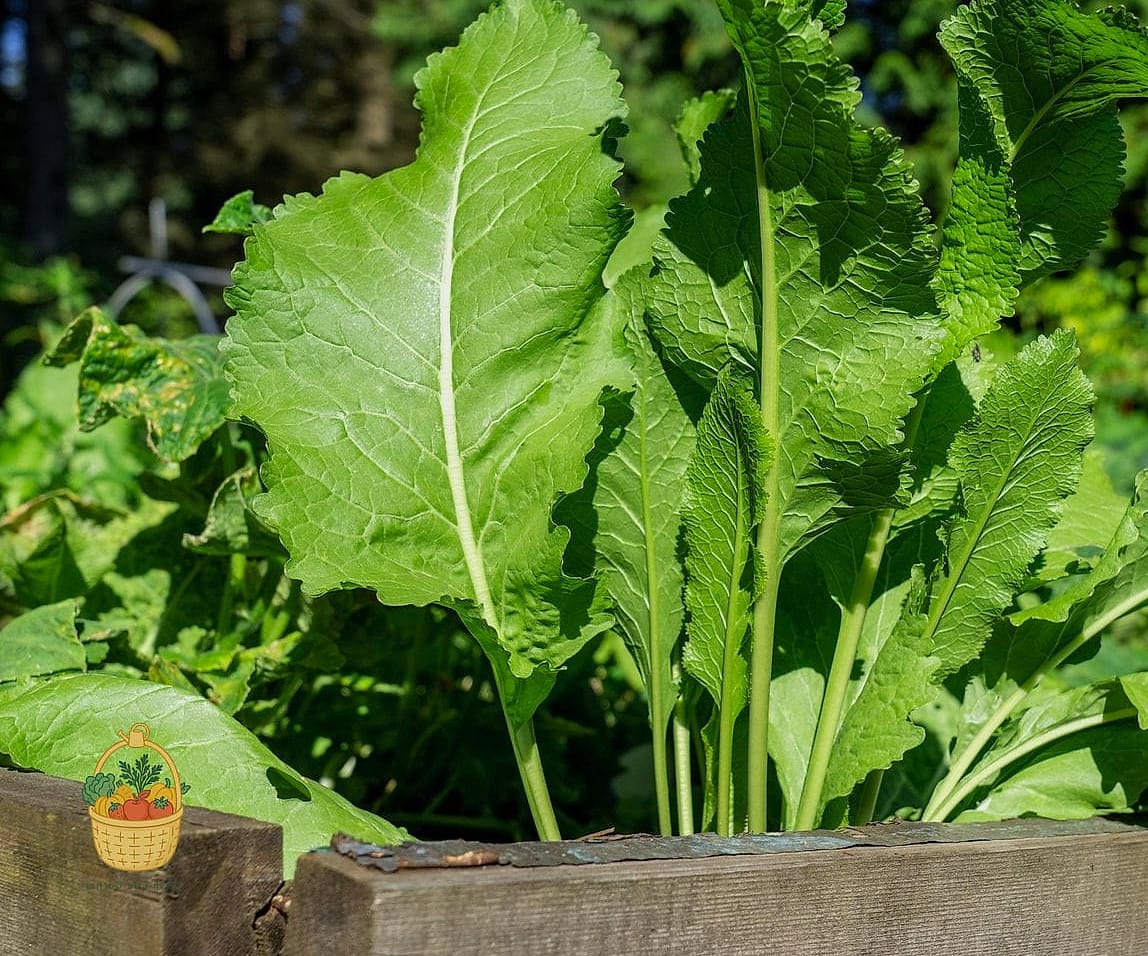
Horseradish is a perennial in the Brassicaceae family, related to mustard, cabbage, and wasabi. Above ground, it’s not particularly showy — large, coarse, dark green leaves that can stretch a couple feet long, growing from a central crown.
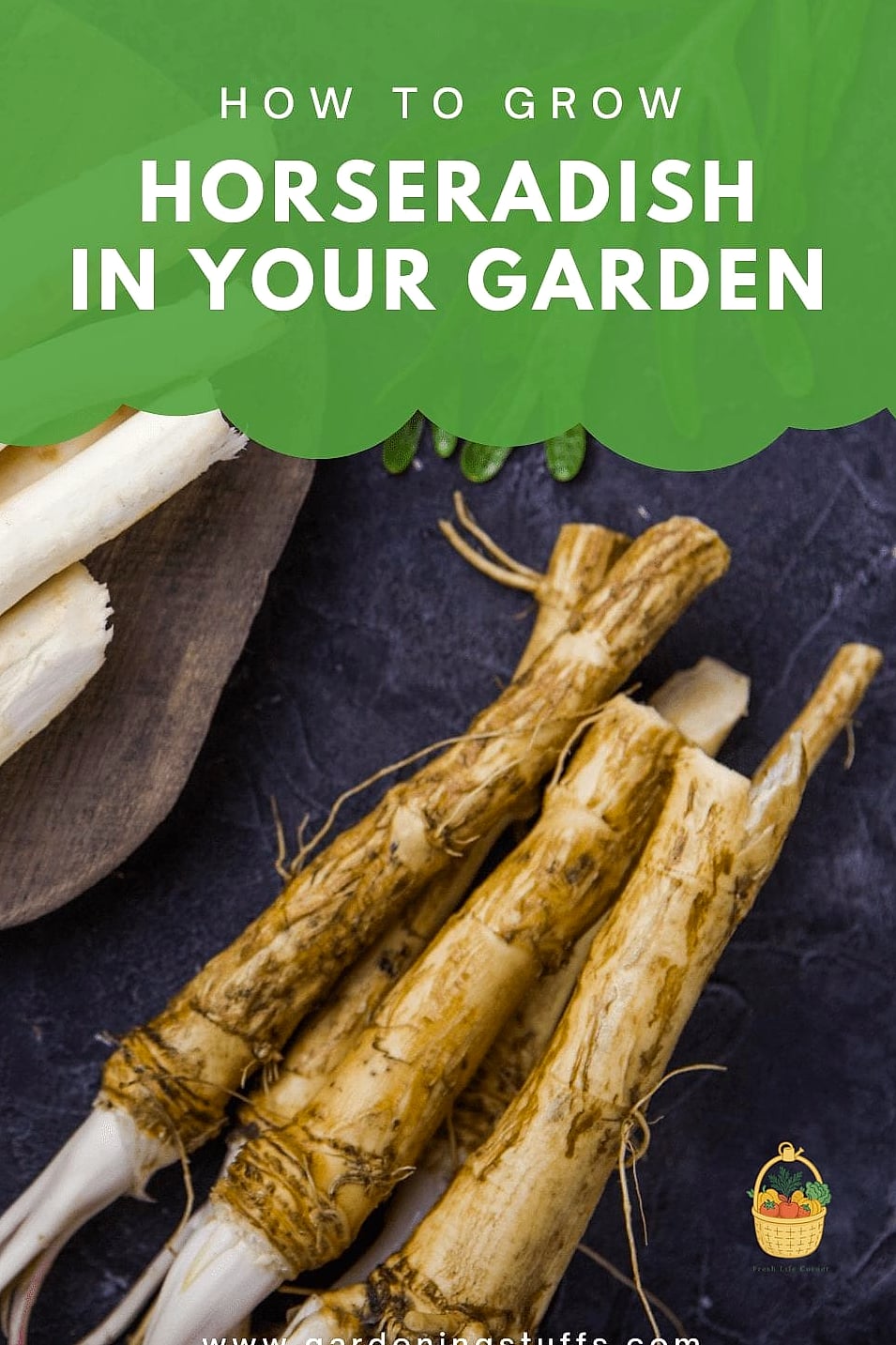
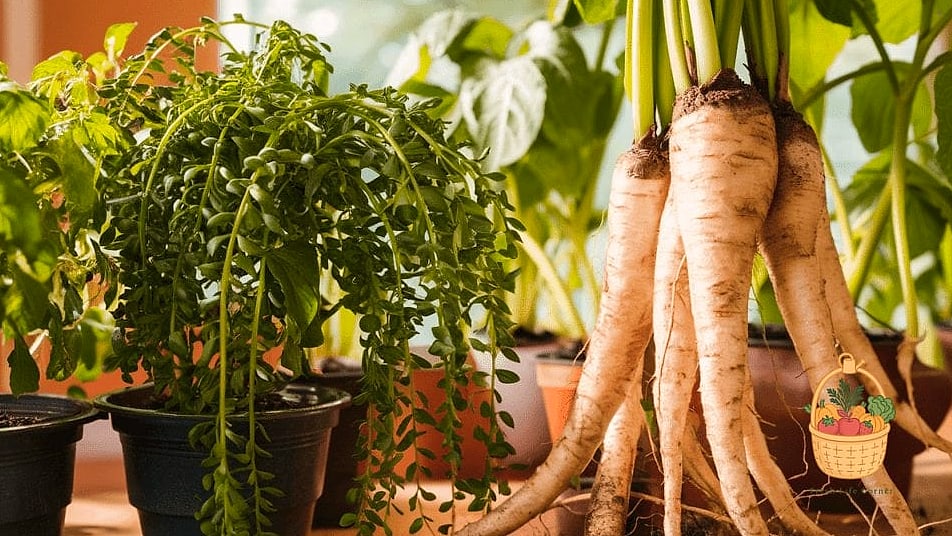
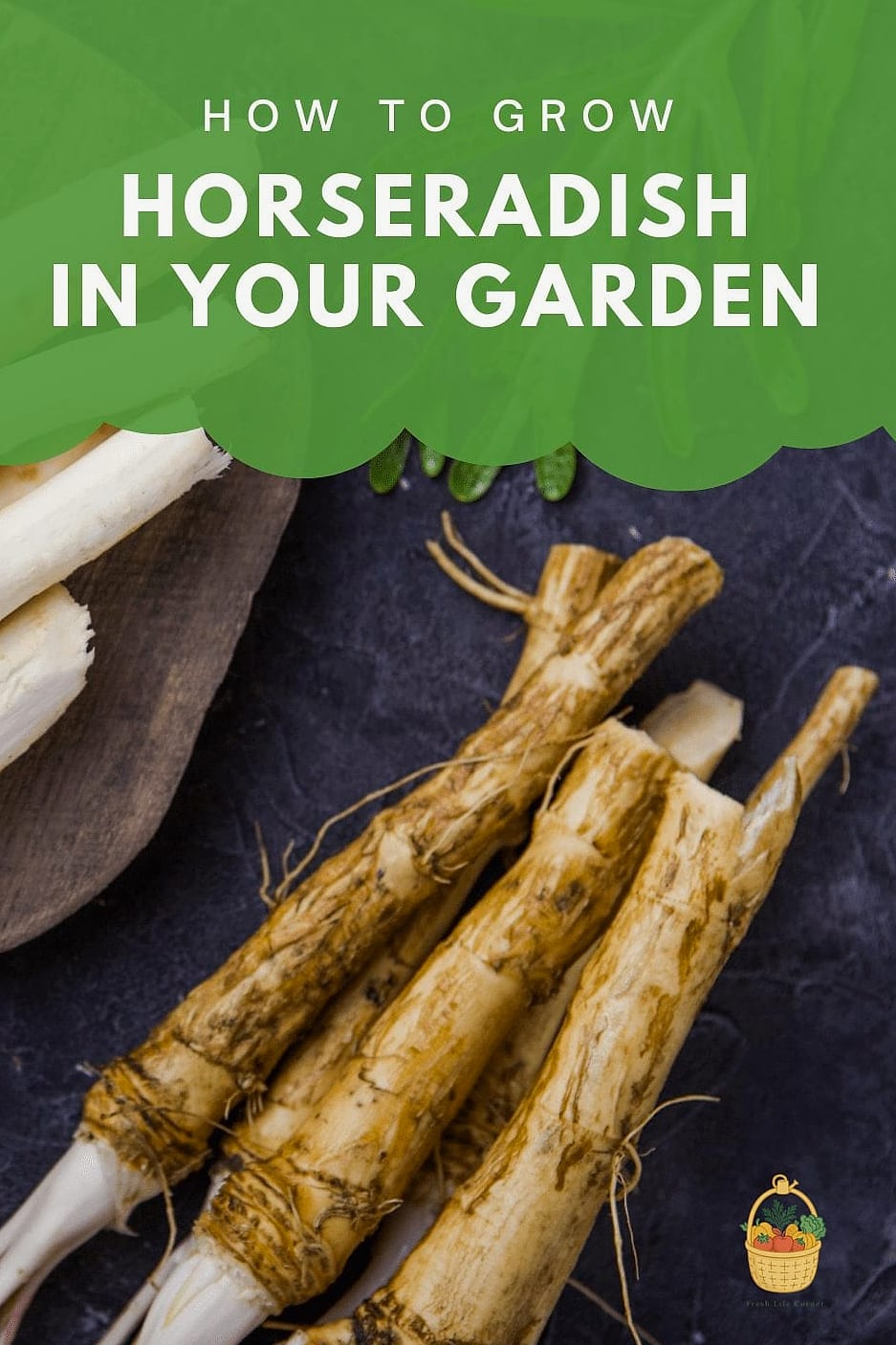
The real action happens underground. The plant produces a thick, pale taproot along with a tangle of smaller roots, and that root system is the entire point of growing it. It’s not going to win any garden beauty contests, but nobody’s planting horseradish for its looks.
Left alone, mature plants can reach two to three feet tall and spread just as wide. It’s a fast grower once it settles in, and honestly, “settles in” undersells it a little — this plant commits.
Growing Conditions
Horseradish does best in USDA hardiness zones 3 through 9, which covers a huge swath of the country. It actually prefers a bit of winter chill, since cold weather helps trigger the dormancy period that makes the roots sweeter and more pungent.
Full sun is ideal, though it’ll tolerate partial shade without much complaint. You’ll just get a slightly smaller root harvest if it’s not getting its preferred six-plus hours of sunlight.
This is very much an in-ground crop rather than a container one, mainly because the roots dig deep and the plant spreads aggressively through root fragments. Container growing is possible if you’re worried about it invading your yard, but you’ll need a genuinely large pot — think half whiskey barrel, not a terracotta planter from the garden center.
Soil and Watering Needs
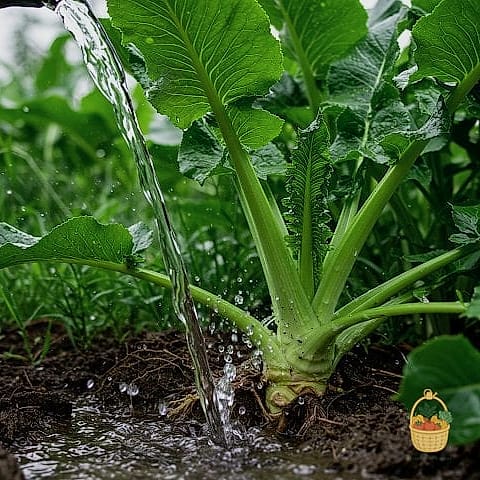
Loose, well-draining soil is non-negotiable if you want long, straight roots instead of a stubby, forked mess. Sandy loam is the gold standard here. Heavy clay soil will still grow the plant, but the roots tend to come out twisted and harder to work with.
Aim for slightly acidic to neutral soil, and dig deep before planting — loosening the soil a good 12 to 15 inches down gives the taproot room to grow straight instead of hitting resistance and forking off in weird directions.
Watering is refreshingly simple. Horseradish likes consistent moisture, especially during the growing season, but it’s fairly drought tolerant once established. A deep watering once a week is usually plenty; overwatering is more likely to cause problems than underwatering.
Mulching around the base helps retain moisture and keeps weeds down, which matters because this plant doesn’t love competing for space with anything, including itself.
Fertilizing and Pruning
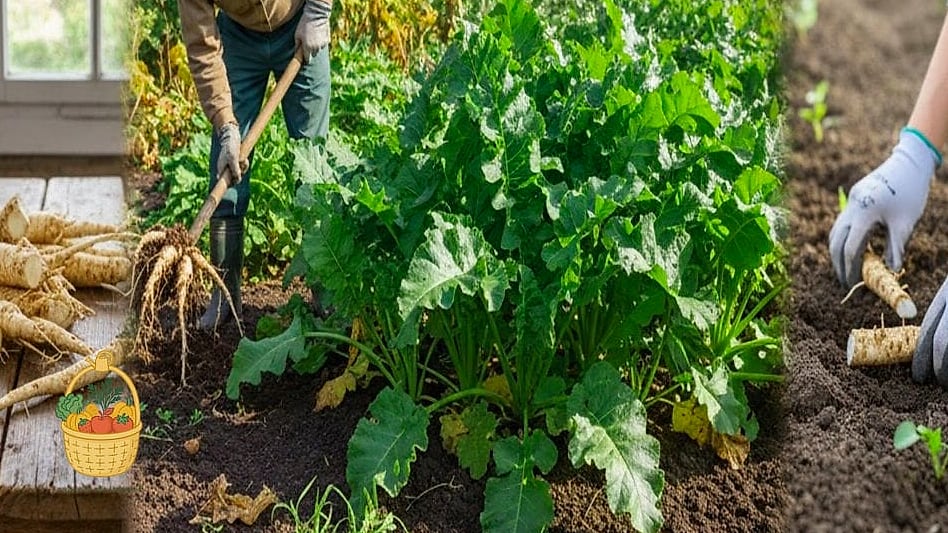
Horseradish isn’t a heavy feeder, but a little encouragement goes a long way. Working compost into the soil before planting gives it a solid nutrient base for the season.
If you want to supplement, a balanced slow-release fertilizer applied in early spring is usually enough. Skip the heavy nitrogen fertilizers — they’ll push out lush leafy growth at the expense of root development, and the root is the whole reason you’re growing this thing.
As for pruning, there’s not much required. Some growers pull side roots away from the main taproot mid-season to encourage a single, thicker root rather than a tangle of smaller ones. It’s an optional step, but if you’re after that classic long, straight horseradish root for grating, it’s worth the extra ten minutes.
Common Problems and Solutions
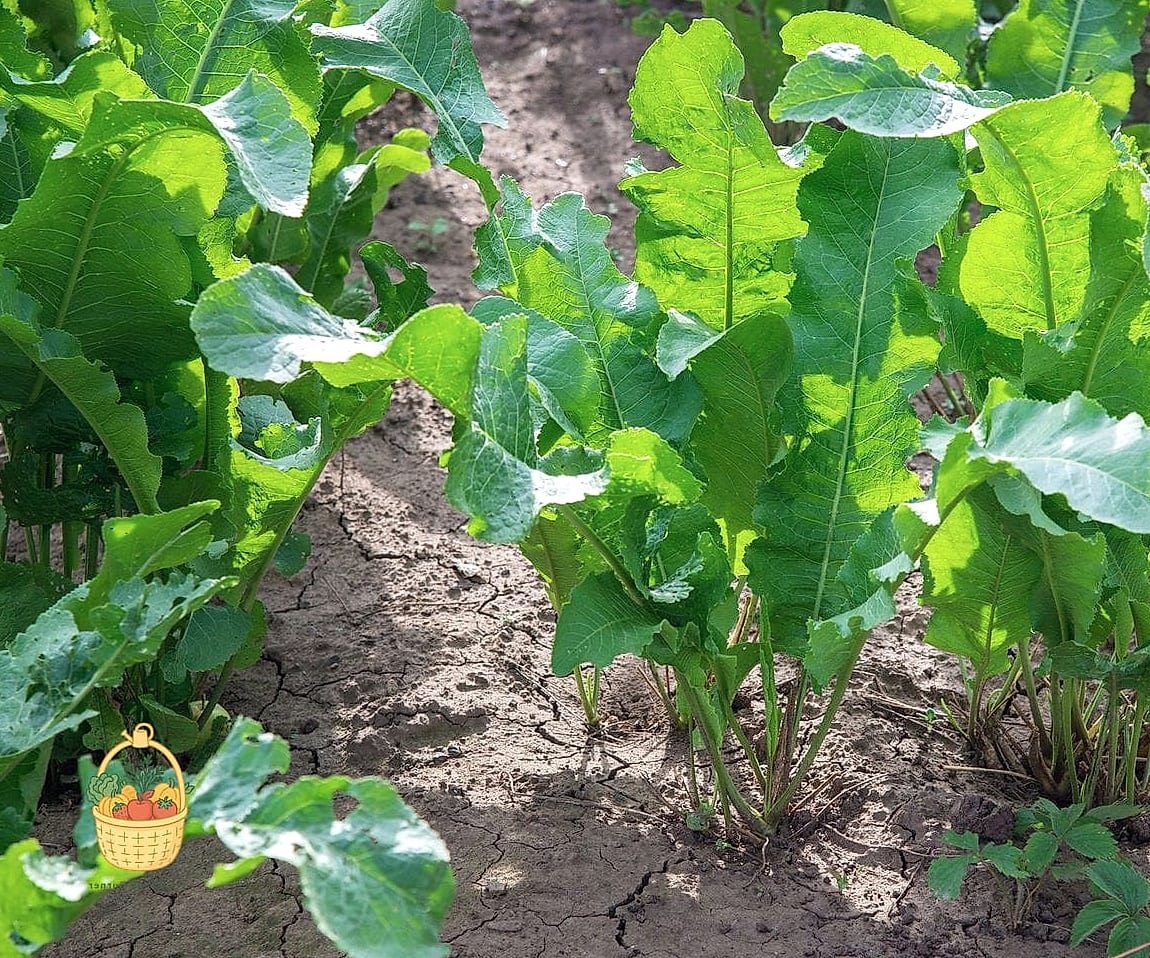
The most common issue isn’t disease or pests — it’s the plant spreading further than intended. Any little root fragment left in the soil can sprout a new plant, so removal requires real diligence if you ever decide you’re done growing it.
Pests like flea beetles and aphids show up occasionally, chewing small holes in the leaves. It rarely affects the root harvest, but if it bothers you, insecticidal soap or a strong blast from the hose usually handles it without resorting to anything harsh.
Root rot can happen in soil that stays too wet for too long, which is really the main watering mistake to avoid. If leaves start yellowing and the crown feels mushy, that’s your sign the drainage needs work.
White rust and leaf spot fungal issues can occasionally show up in humid climates. Good airflow around the plant and avoiding wetting the foliage when you water go a long way toward preventing both.
Propagation Tips
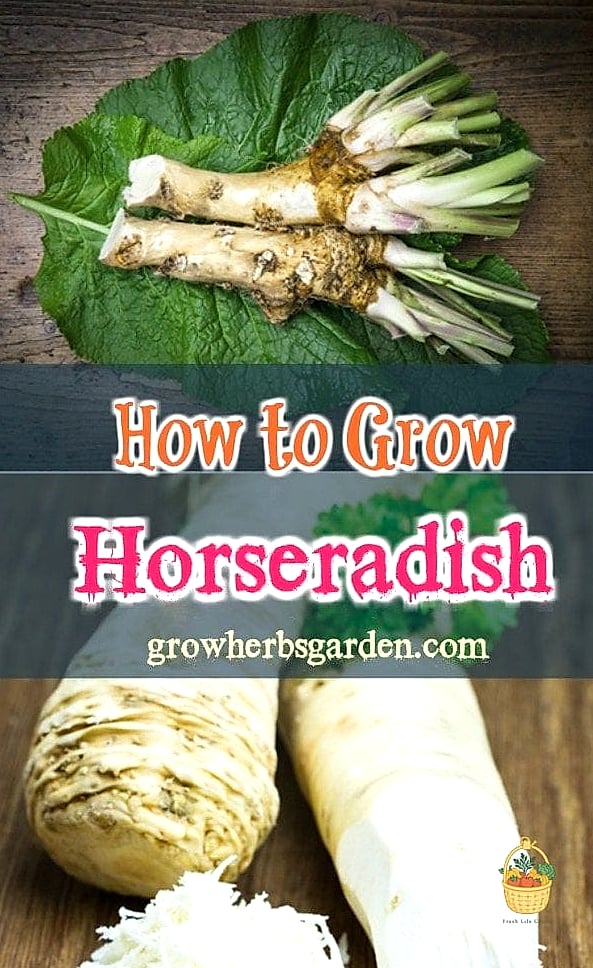
Propagation by division is really the only method most home gardeners bother with, and it’s almost too easy. In early spring, take root cuttings about six to eight inches long from an established plant.
Plant them at a slight angle, about two to three inches deep, with the thicker end up. Space new plantings roughly two feet apart since they’ll fill in more than you’d expect by the end of the season.
Within a few weeks, you’ll see leafy growth pop up, and from there it’s mostly a waiting game until harvest, which usually happens in fall after the first frost has sweetened the roots.
Final Thoughts
Horseradish is one of those crops that rewards a slightly hands-off approach. Give it decent soil, consistent water, and a spot with good sun, and it’ll do the rest without asking much of you.
The main thing to keep in mind is containment — plant it somewhere you’re happy to have it for years, whether that’s a dedicated bed, a buried barrier, or a large container. Once you’ve got that sorted, growing horseradish at home is about as low-maintenance as gardening gets, and the payoff at grating time is well worth the minimal effort.