22 Flowers For Your Window Boxes That Actually Work
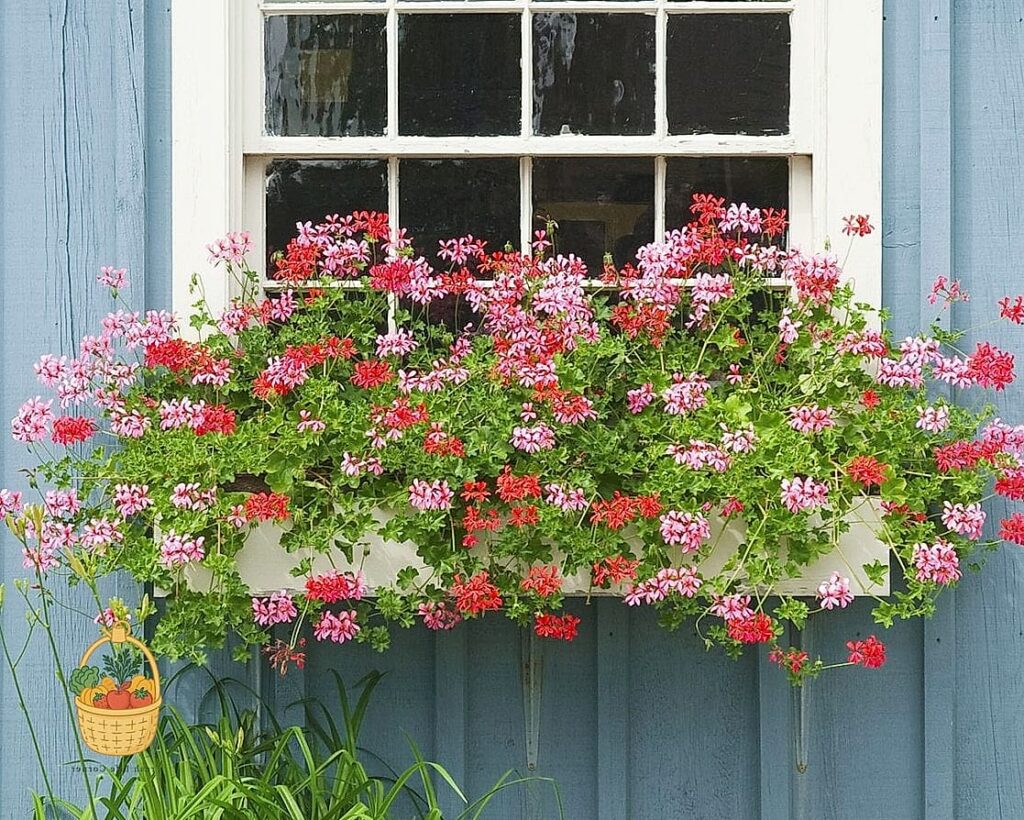
22 Flowers For Your Window Boxes That Actually Work
Window boxes look charming in every magazine spread, but let’s be honest — half the flowers people recommend for them flop, wilt, or turn leggy within a month. A window box is a tough spot to garden in. It’s shallow, it dries out fast, and it’s often exposed to more wind and reflected heat than a regular garden bed.
So this list skips the fussy stuff. These are 22 flowers for your window boxes that actually work, meaning they tolerate the cramped roots, the quick-drying soil, and the up-and-down weather without demanding constant attention. Some love full sun, some prefer shade, and a few don’t care either way — I’ve noted the details so you can match plants to your actual exposure instead of guessing.
Petunias
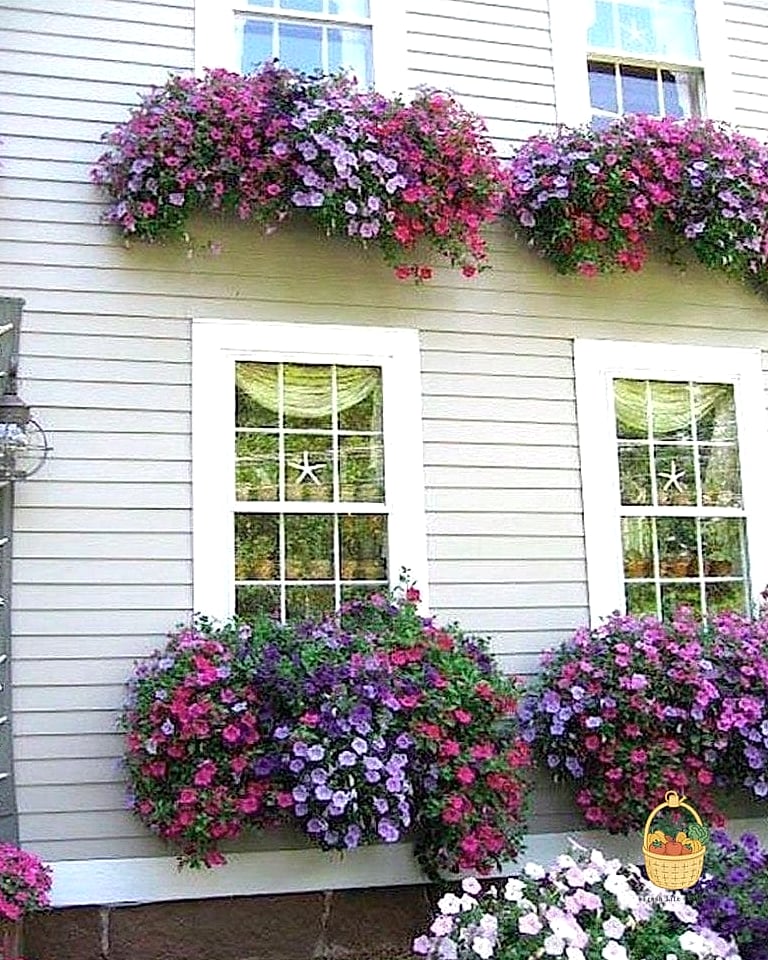
Petunias are the classic window box flower for a reason. They bloom nonstop from late spring through frost, spilling over the edge in a way that makes even a plain box look intentional.
They want full sun and well-draining soil, and they’re happier with a slow-release fertilizer mixed in at planting since window box soil depletes fast. Deadheading helps, though the newer spreading varieties are pretty self-cleaning. Drought tolerant once established, but shallow containers still need regular watering in summer heat.
Calibrachoa
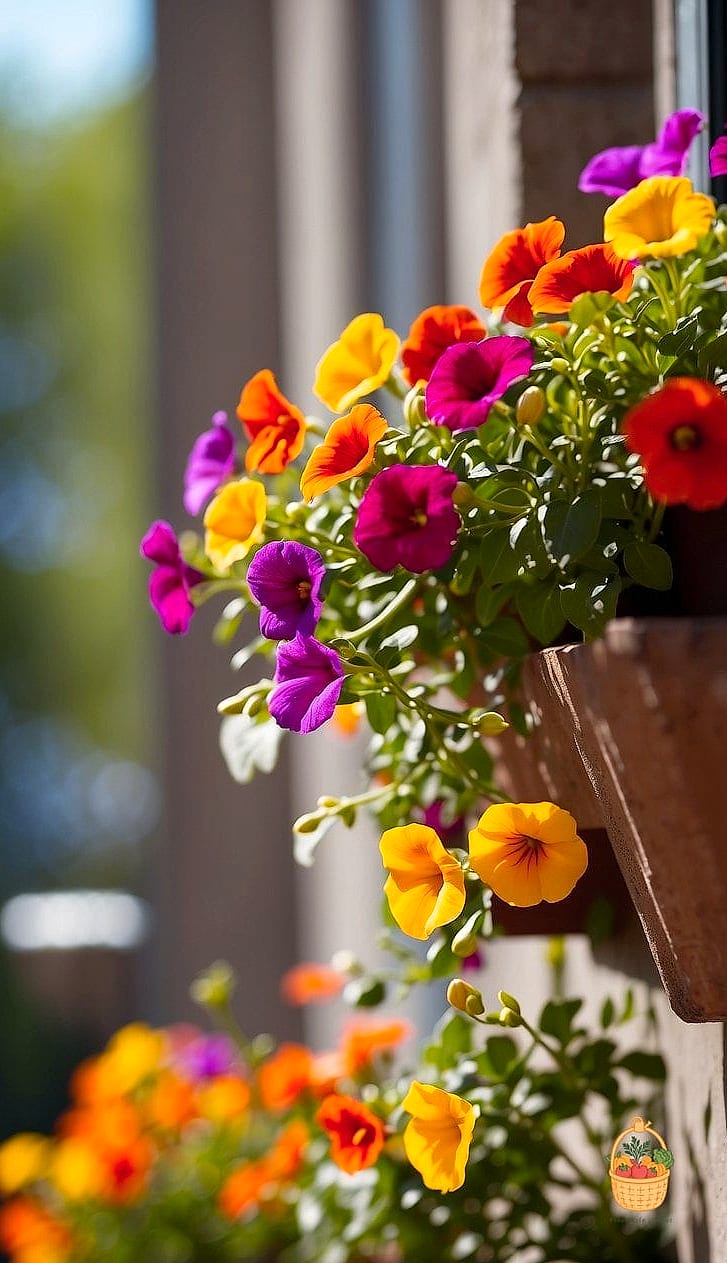
Think of calibrachoa as petunias’ smaller, more polished cousin — tiny trumpet blooms, same trailing habit, less deadheading required. Gardeners love them because they just keep flowering without much fuss.
Full sun is best, though they’ll tolerate light afternoon shade in hot climates. They’re heavy feeders, so a liquid fertilizer every couple of weeks keeps the color coming. USDA zones 9-11 treat them as perennials; everywhere else, they’re a reliable annual.
Lobelia
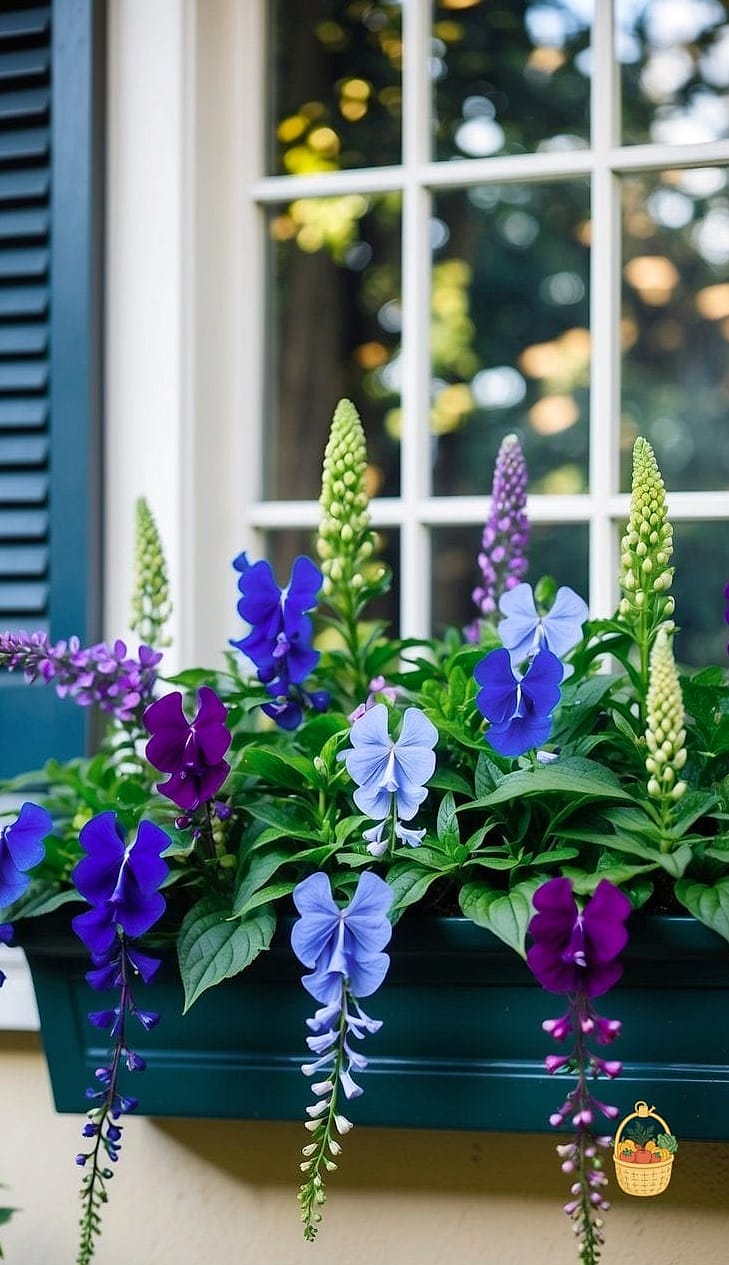
Lobelia brings that soft blue-purple haze that fills in gaps between bigger blooms. It’s a low, mounding plant that also trails a little, which makes it great for softening the front edge of a box.
It actually prefers partial shade and cooler temperatures — it can sulk in blazing midsummer sun. Keep the soil consistently moist; lobelia is not the plant to forget about during a heat wave. A light trim mid-season encourages a second flush.
Bacopa
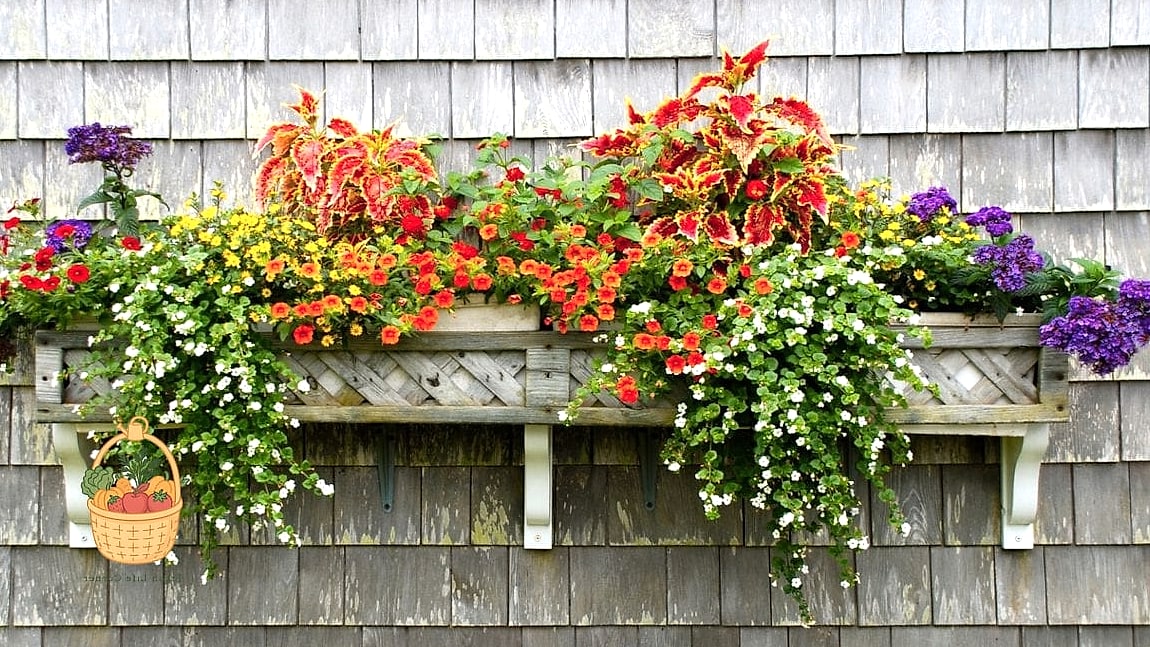
Bacopa is one of those quiet workhorses. Small white or lavender flowers, delicate trailing stems, and a habit of just doing its job without complaint.
It likes full sun to partial shade and evenly moist soil — not soggy, just consistently damp. Pair it with something upright like a geranium for contrast. It’s a solid choice for beginner gardeners since it forgives the occasional missed watering.
Geraniums
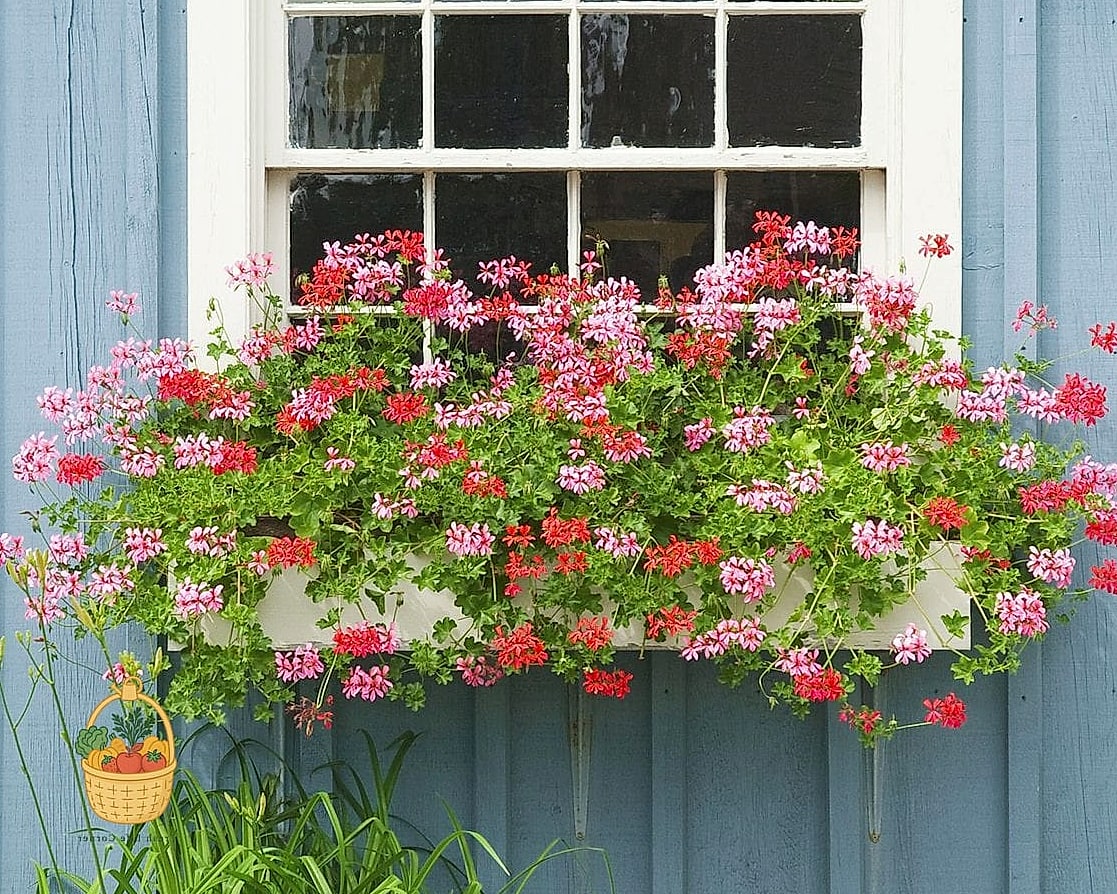
Geraniums (technically pelargoniums, but nobody calls them that at the garden center) are sturdy, upright, and long-blooming. They give a window box some real structure instead of everything just trailing everywhere.
Full sun and well-draining soil are non-negotiable — soggy roots are their main enemy. They’re drought tolerant once established and genuinely thrive on a little neglect, which is great news if watering isn’t your daily ritual. Deadhead spent blooms to keep new ones coming.
Verbena
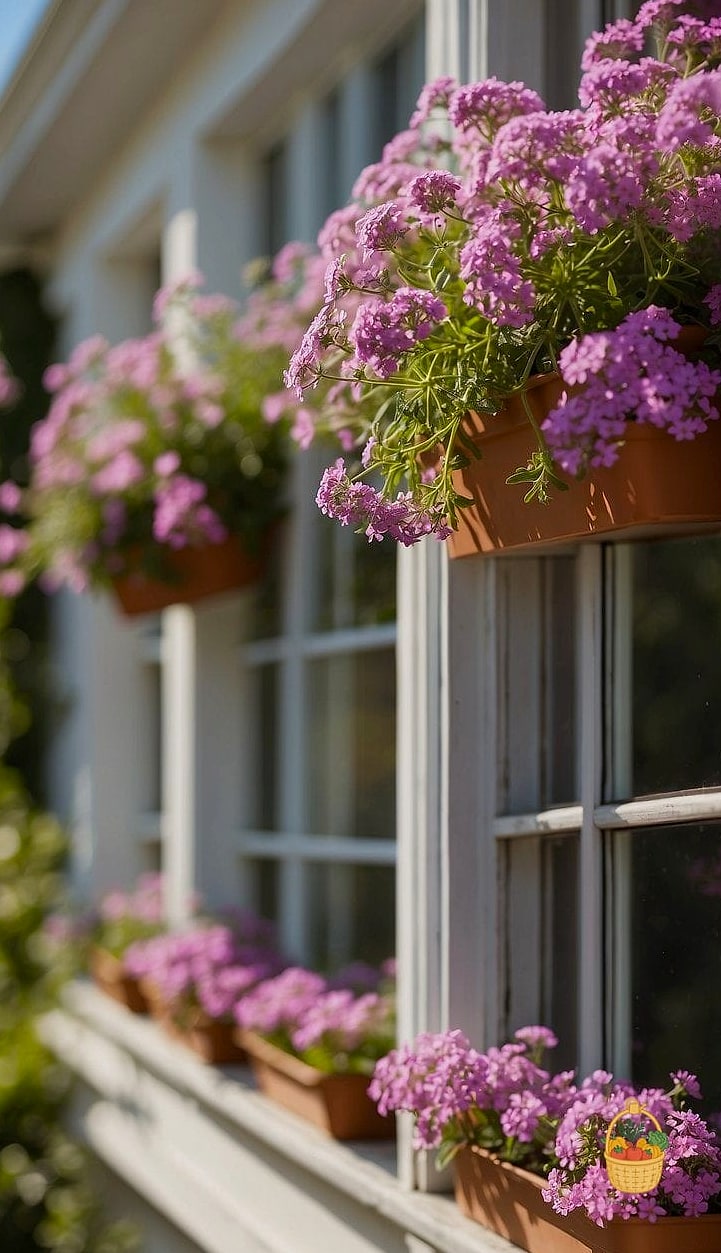
Verbena has this wiry, wildflower energy that looks great cascading over a window box ledge. The clusters of small flowers come in hot pinks, purples, and reds that pollinators can’t resist.
It wants full sun and is genuinely drought tolerant, actually blooming better when it’s not overwatered. Good air circulation helps prevent powdery mildew, so don’t overcrowd it with denser plants. This one’s a magnet for bees and butterflies if that matters to you.
Trailing Nasturtiums
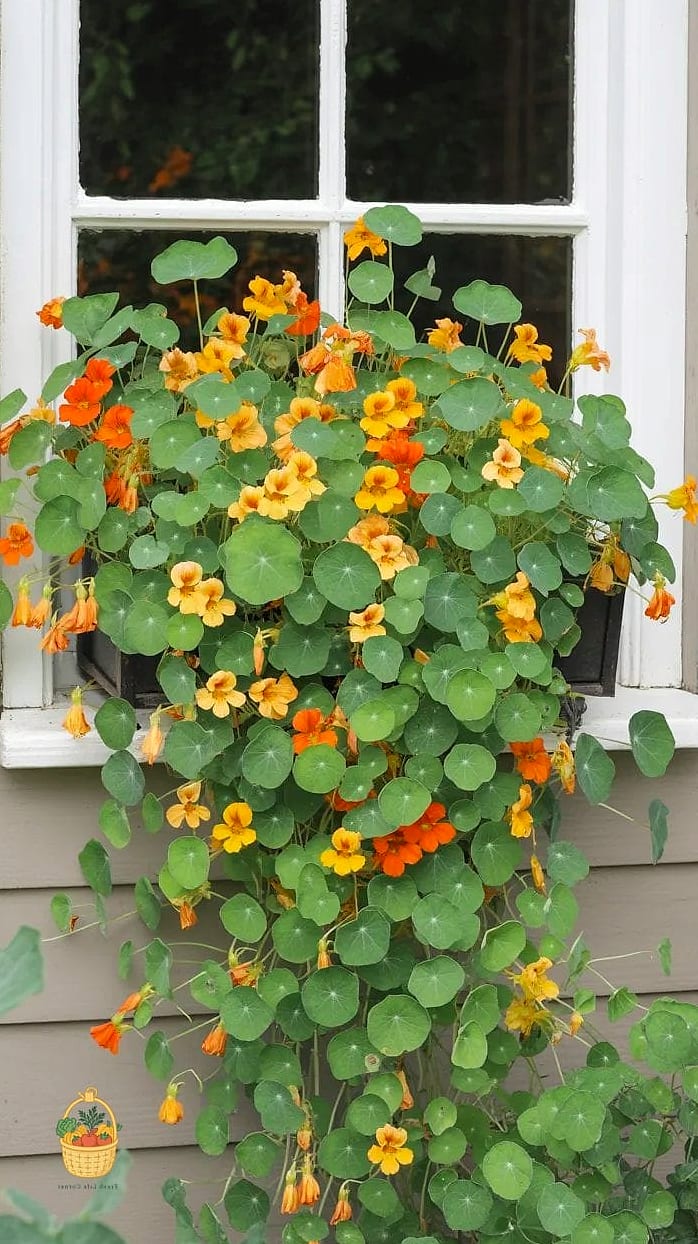
Nasturtiums are the multitaskers of the flower world — edible, pollinator-friendly, and fast-growing enough to fill a window box in a matter of weeks.
They actually prefer poor to average soil; too much fertilizer gives you lush leaves and fewer flowers. Full sun is ideal, though they’ll tolerate partial shade. Water when the top inch of soil dries out. Bonus: the peppery flowers and leaves are genuinely tasty in salads.
Lantana
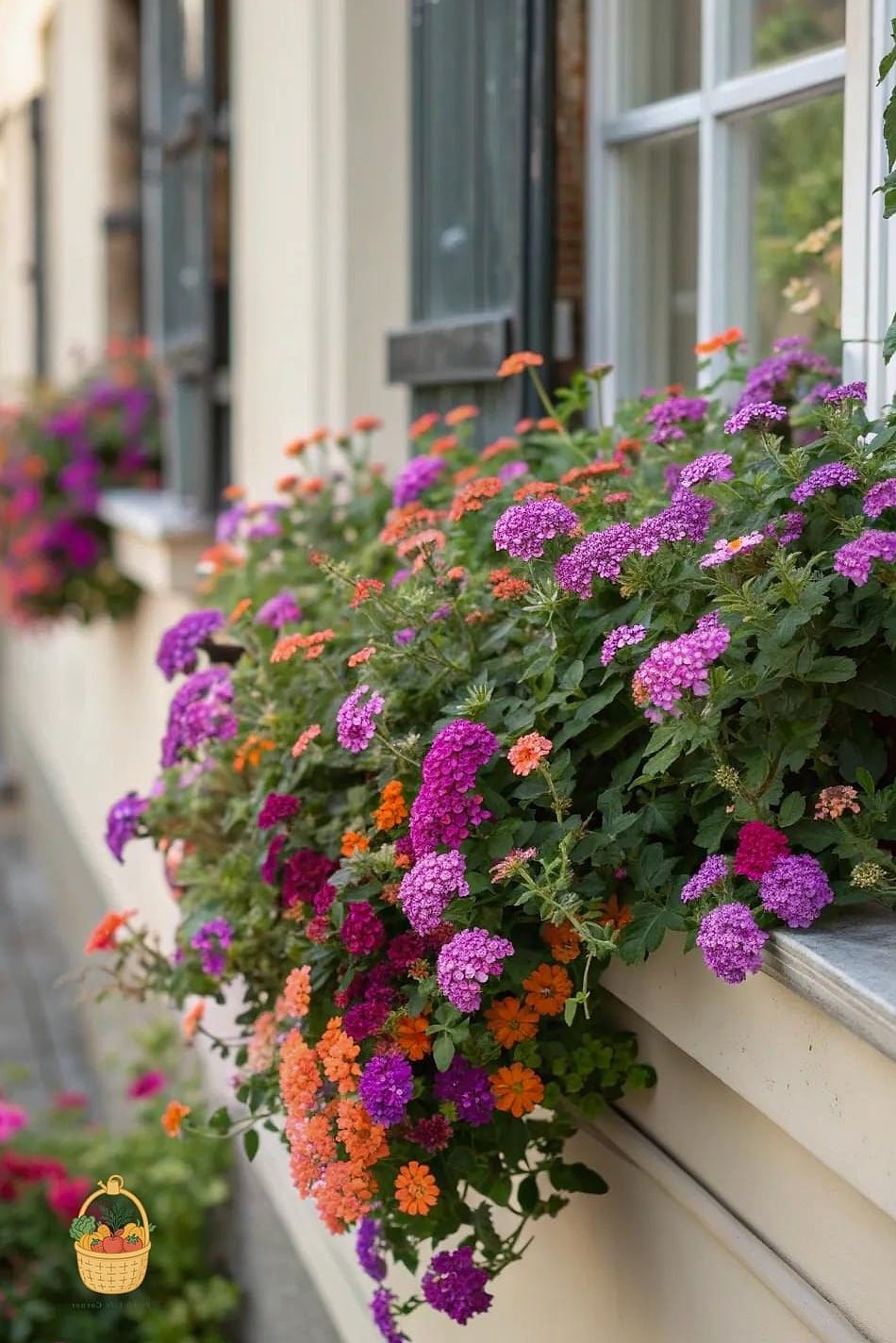
Lantana is basically built for tough conditions — heat, humidity, dry spells, it shrugs all of it off. The clustered flowers shift color as they age, giving each bloom head a little ombré effect.
Full sun is a must. It’s drought tolerant and doesn’t ask for rich soil, though a light feeding monthly keeps it blooming heavily. It’s also deer resistant and rabbit resistant, which matters if your window box is at ground-floor level in a rural area.
Dwarf Marigolds
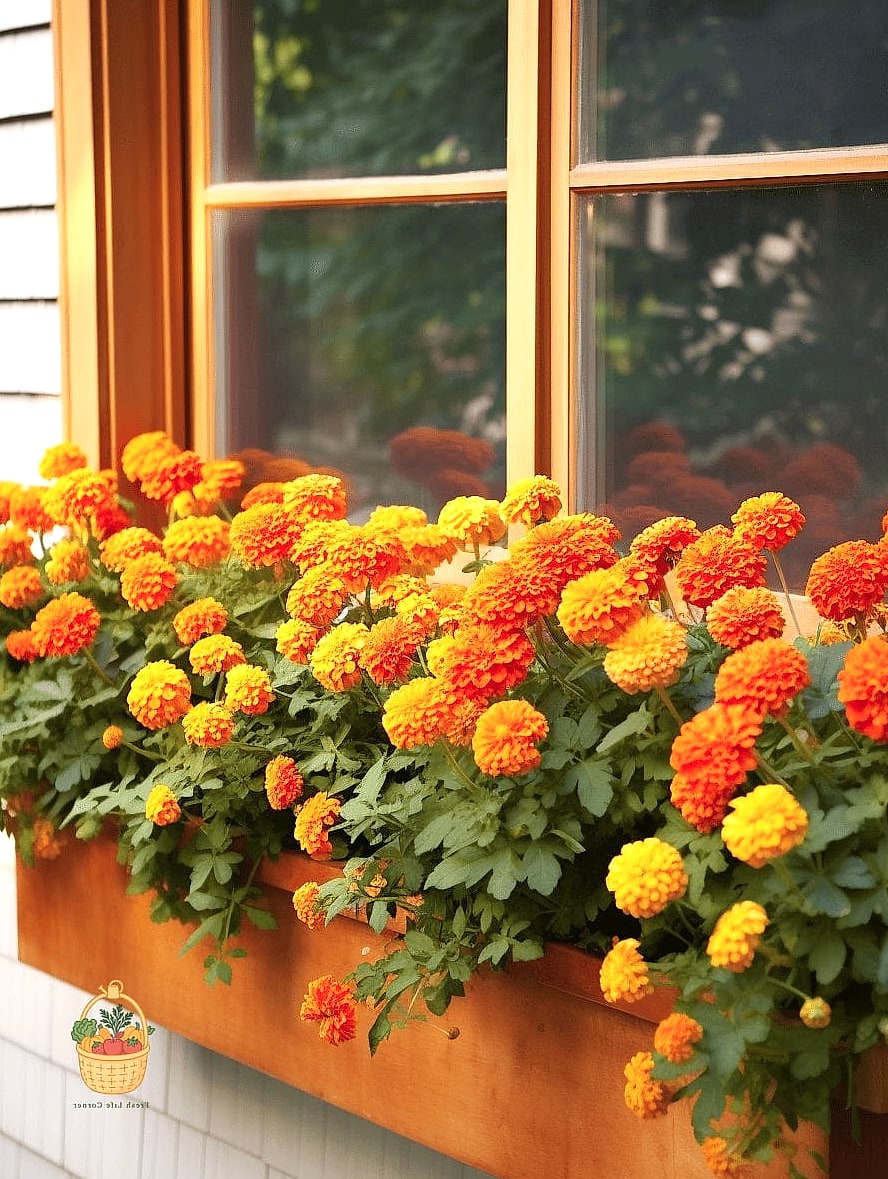
Marigolds bring that cheerful orange-and-gold punch, and the dwarf or compact varieties are sized just right for window boxes without overwhelming the space.
They want full sun and average, well-draining soil. They’re genuinely low-maintenance and somewhat pest-repellent, which makes them a smart companion planting choice near vegetables or herbs on a windowsill garden. Deadhead regularly for continuous bloom through fall.
Alyssum
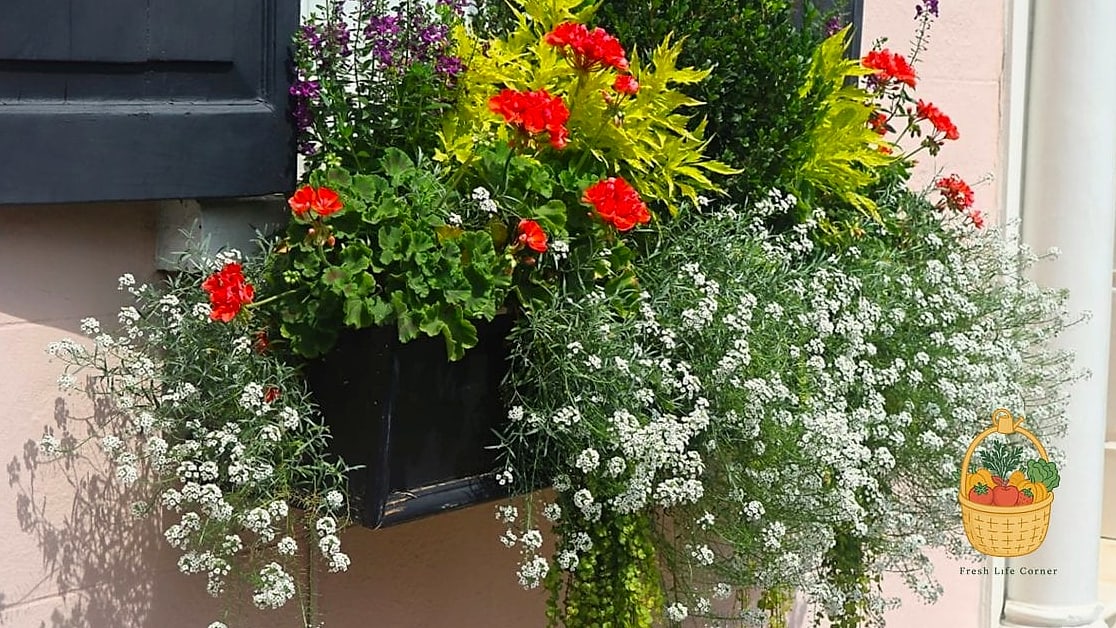
Sweet alyssum forms a low carpet of tiny flowers with a honey-like scent that’s stronger than you’d expect from something so small. It fills gaps between taller plants beautifully.
It tolerates full sun to partial shade and prefers cooler weather, often slowing down in peak summer heat before rebounding in fall. Shear it back by half if it gets leggy — it’ll flush out again within a couple of weeks.
Impatiens
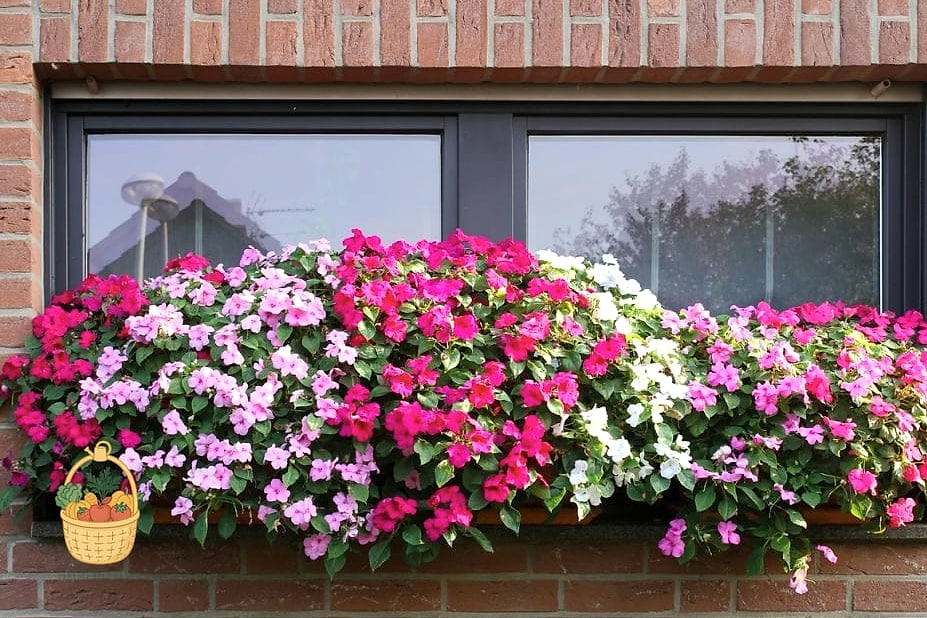
For a shady window box, impatiens are hard to beat. They bloom heavily in spots where sun-loving flowers would just give up, and the color range is enormous.
Partial to full shade suits them best, and they need consistently moist soil since shallow containers dry out fast even without direct sun. Watch for signs of underwatering like drooping leaves — they recover quickly once watered, which is oddly satisfying to watch.
Begonias
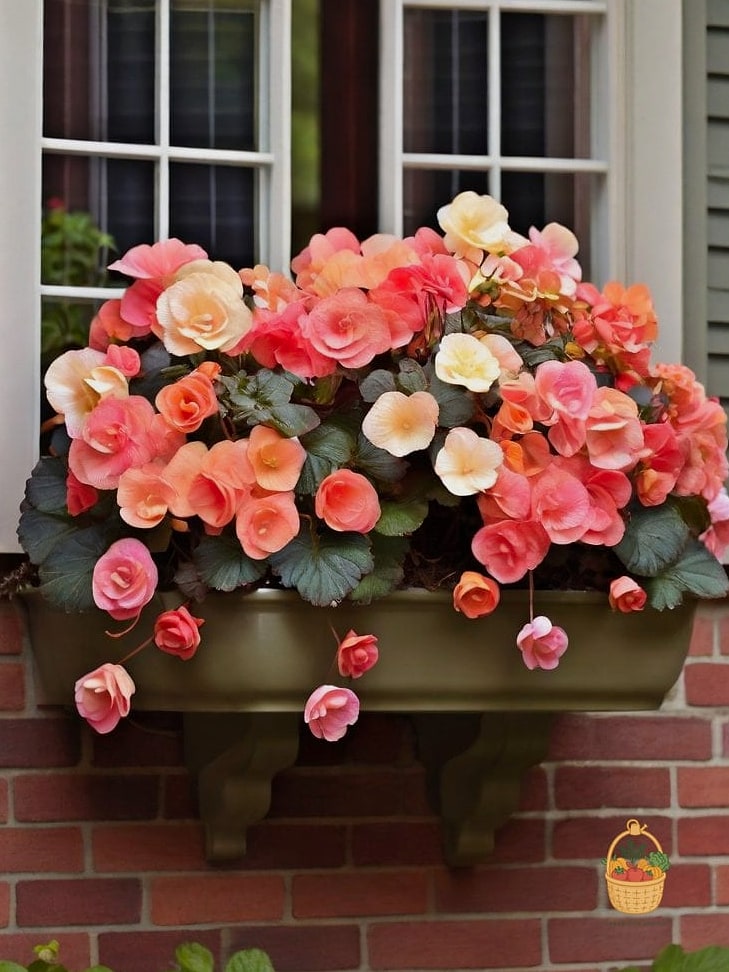
Begonias, especially the wax and trailing varieties, handle shade and part-sun spots with waxy leaves that look good even when nothing’s blooming.
They prefer partial shade and well-draining soil — soggy roots lead to rot fairly quickly. Fertilize lightly during the growing season. They’re a great pick for north-facing window boxes where a lot of other flowers just stall out.
Trailing Ivy Geraniums
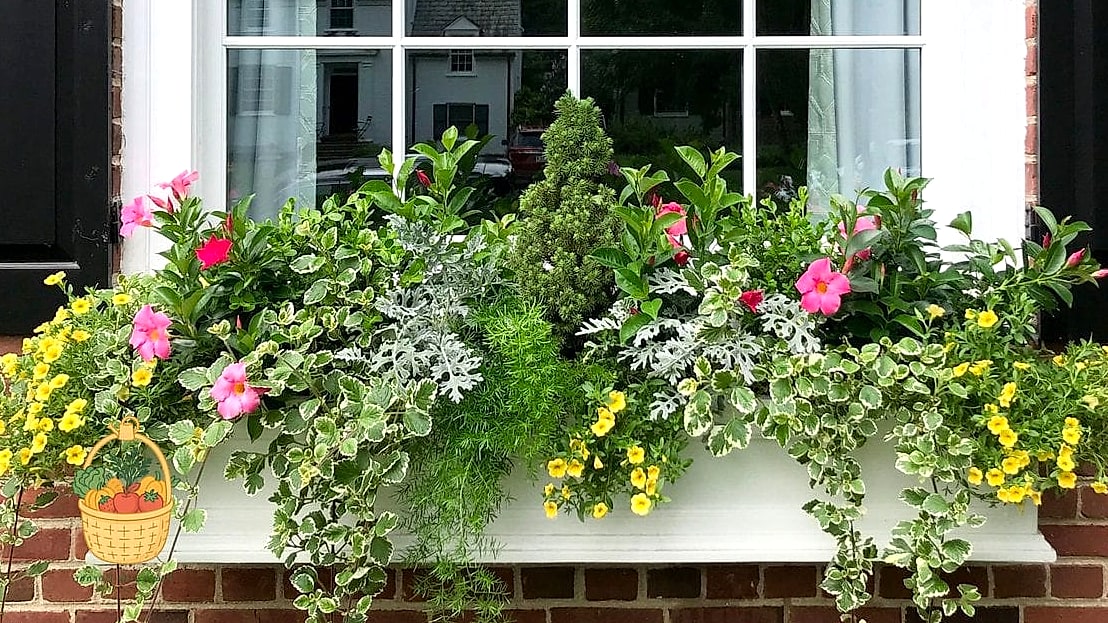
Different from the upright type, ivy geraniums have a cascading, almost vine-like habit with glossy, ivy-shaped leaves. They’re the plant that makes a window box look properly overflowing by midsummer.
Full sun to partial shade works, and they’re fairly drought tolerant. Let the soil dry slightly between waterings to avoid root rot. Regular light feeding with a liquid fertilizer keeps the trailing stems covered in blooms rather than just leaves.
Diascia
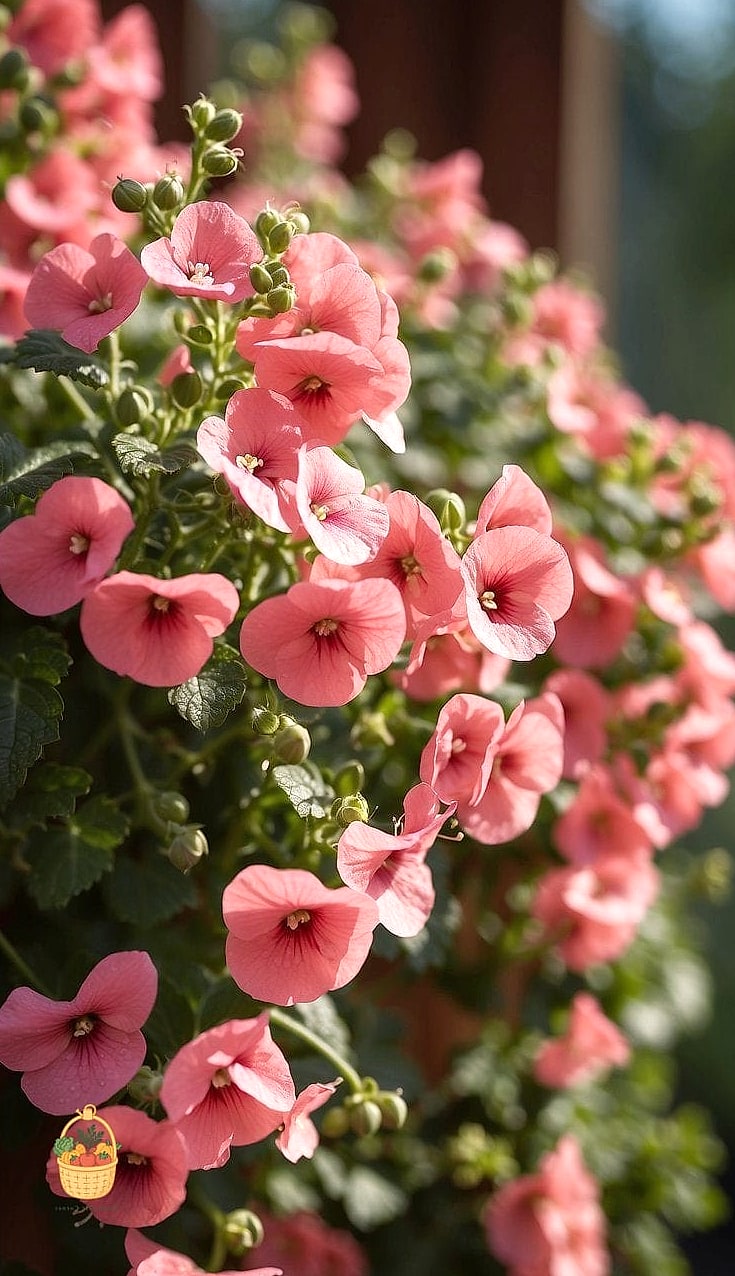
Diascia isn’t as commonly planted, but it deserves more attention — the little snapdragon-like flowers come in soft coral and pink tones that pair beautifully with cooler-toned neighbors.
It prefers full sun in cooler climates and partial shade where summers run hot. Keep soil evenly moist. It can get straggly by midsummer, but a hard trim brings it right back for a fall rebloom.
Trailing Pansies
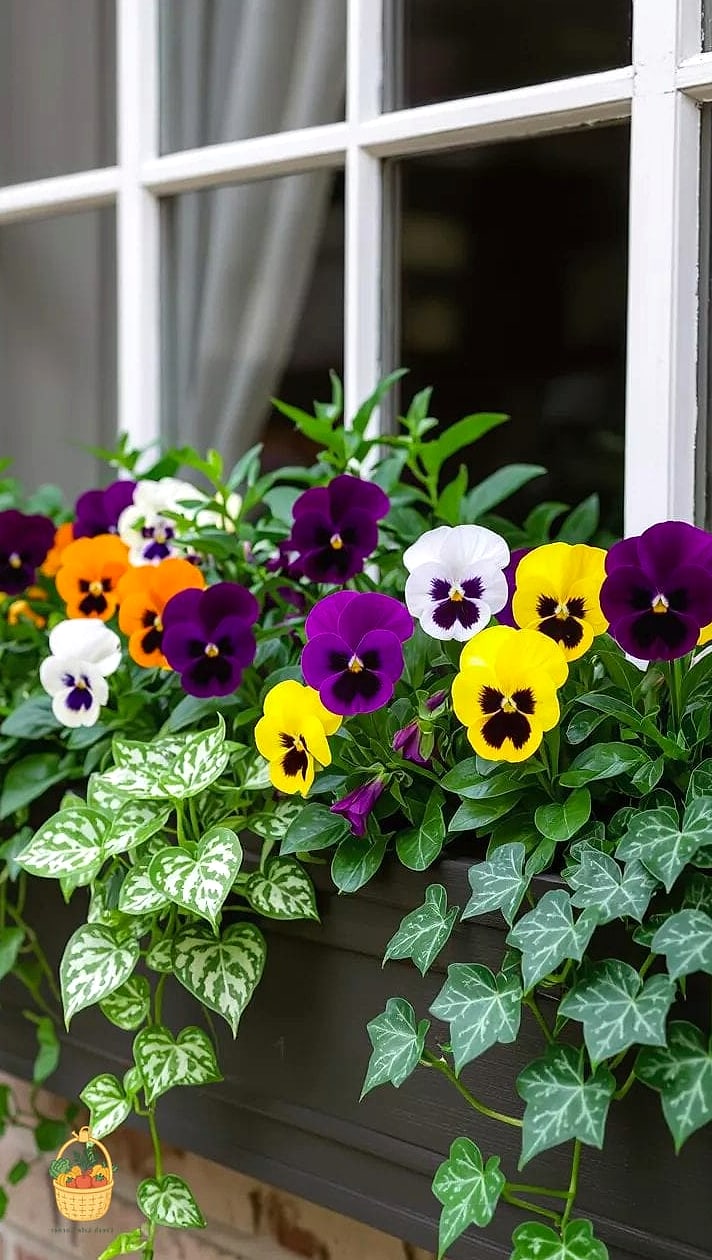
Pansies get dismissed as a spring-only flower, but the trailing varieties hold up well in cooler window boxes and even tolerate a light frost, which extends your color season on either end.
They like full sun to partial shade and cool temperatures — they genuinely struggle in summer heat. Rich, well-draining soil with regular moisture keeps them going. Great for early spring or fall window box refreshes.
Angelonia
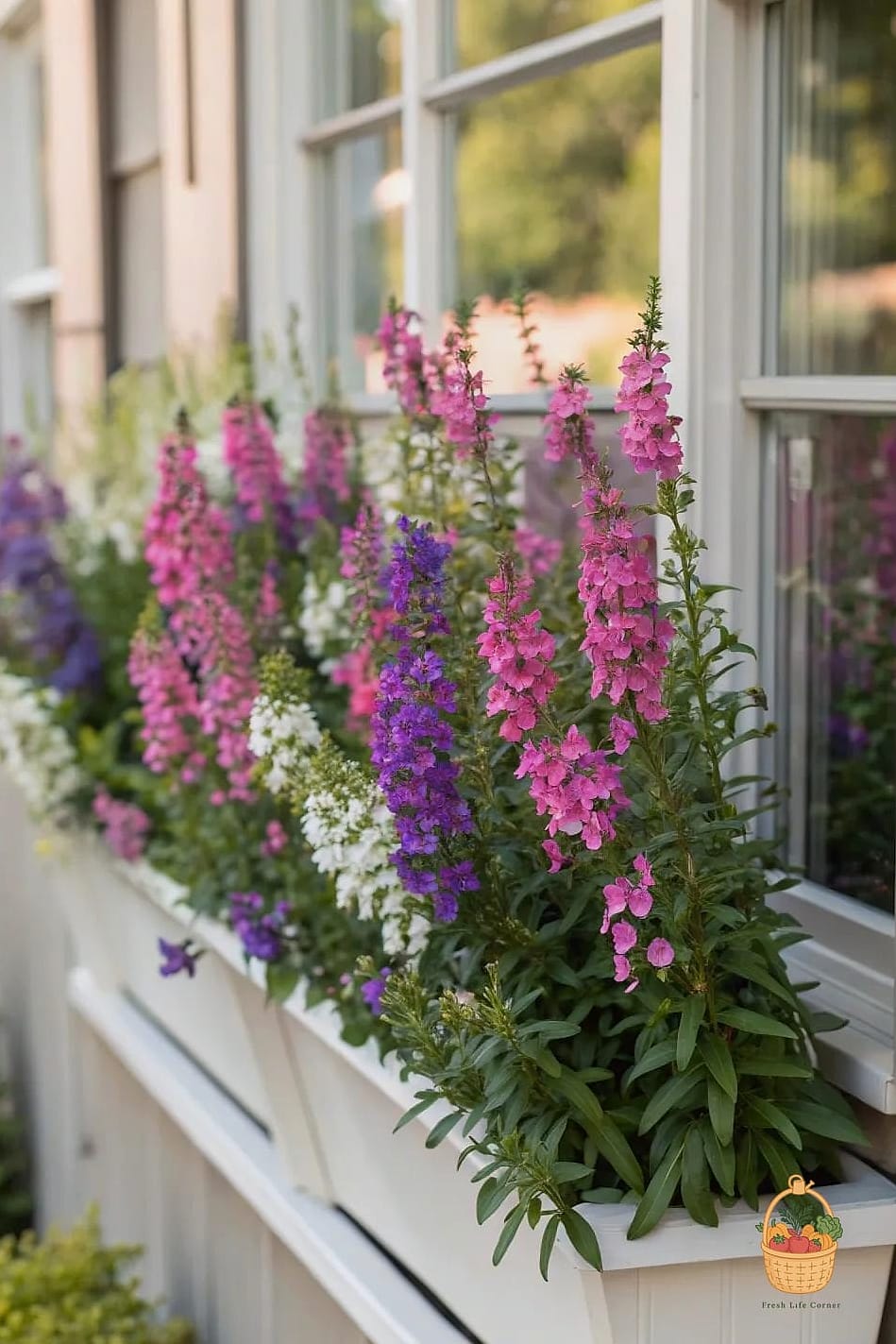
Angelonia, sometimes called summer snapdragon, brings tall spikes of flowers that add welcome height to an otherwise trailing-heavy window box arrangement.
It wants full sun and is genuinely heat and humidity tolerant, actually performing better in the dog days of summer than a lot of other flowers on this list. Well-draining soil is important, and it’s fairly drought tolerant once rooted in.
Torenia
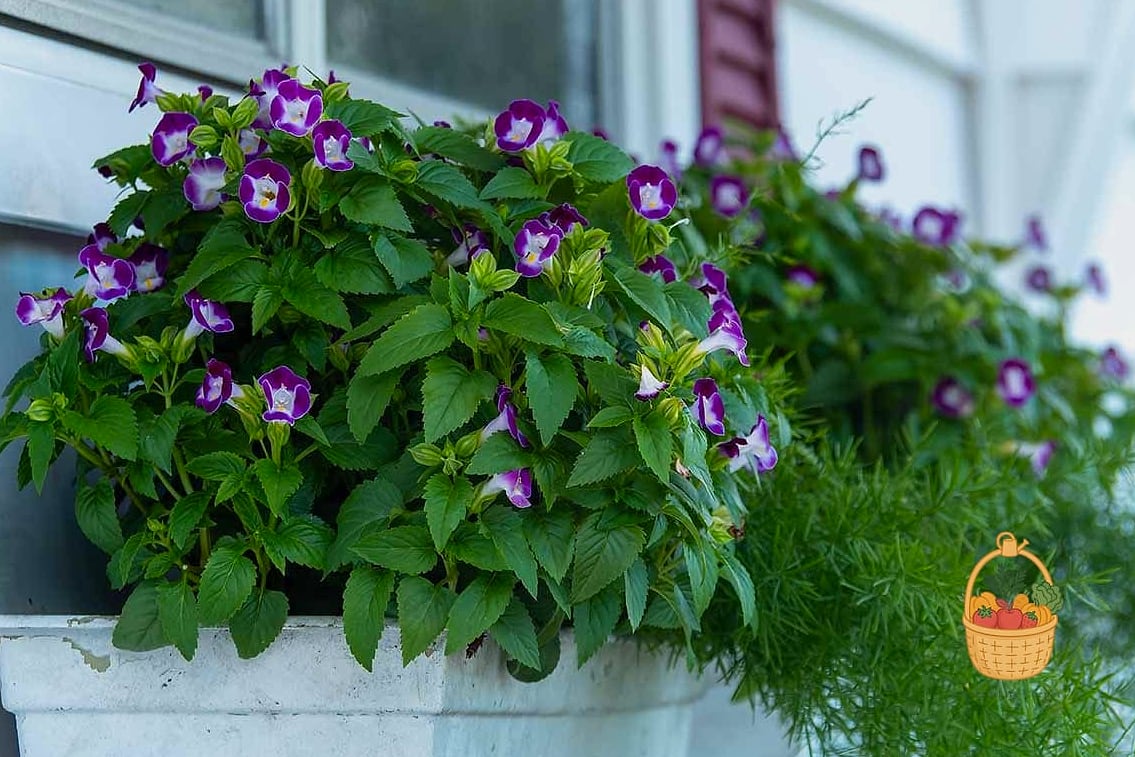
Torenia, or wishbone flower, is one of the better options for a window box that gets filtered light rather than direct sun — think under an awning or on an east-facing sill.
Partial shade is ideal, and it needs consistently moist soil to keep the two-toned blooms coming. It’s not particularly drought tolerant, so this isn’t the plant to forget about during a vacation week.
Dwarf Zinnias
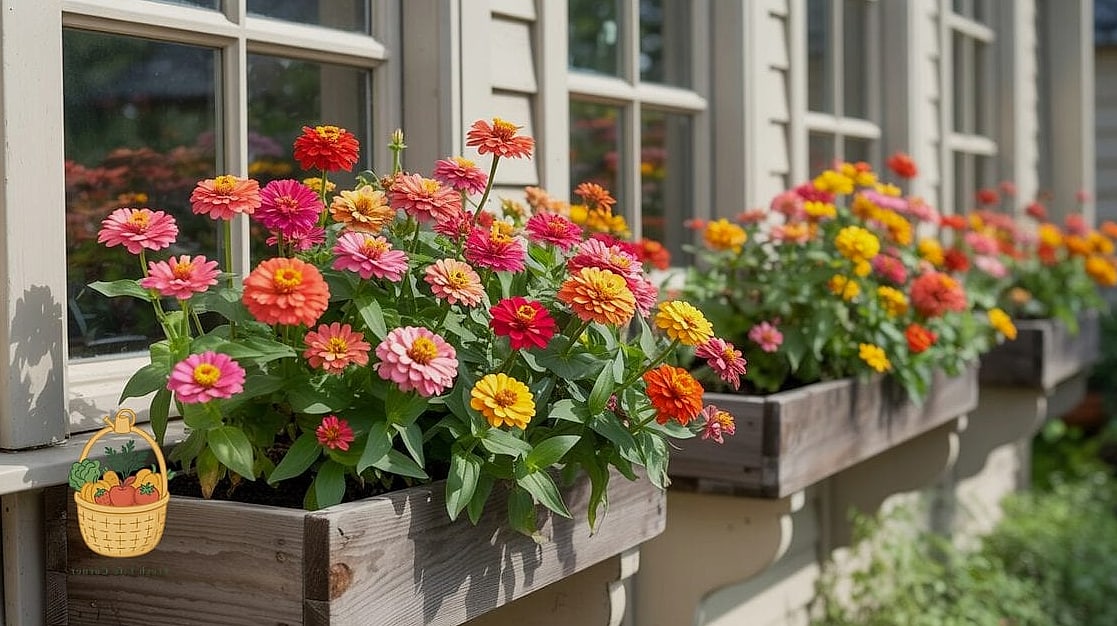
Zinnias aren’t always thought of as a window box flower, but the dwarf varieties stay compact and bloom in bold, saturated colors that hold up well through summer heat.
Full sun and well-draining soil are key. They’re fast-growing and genuinely low-maintenance, though good air circulation helps prevent powdery mildew in a crowded box. Deadhead regularly and they’ll keep flowering right up to frost.
Trailing Fuchsia
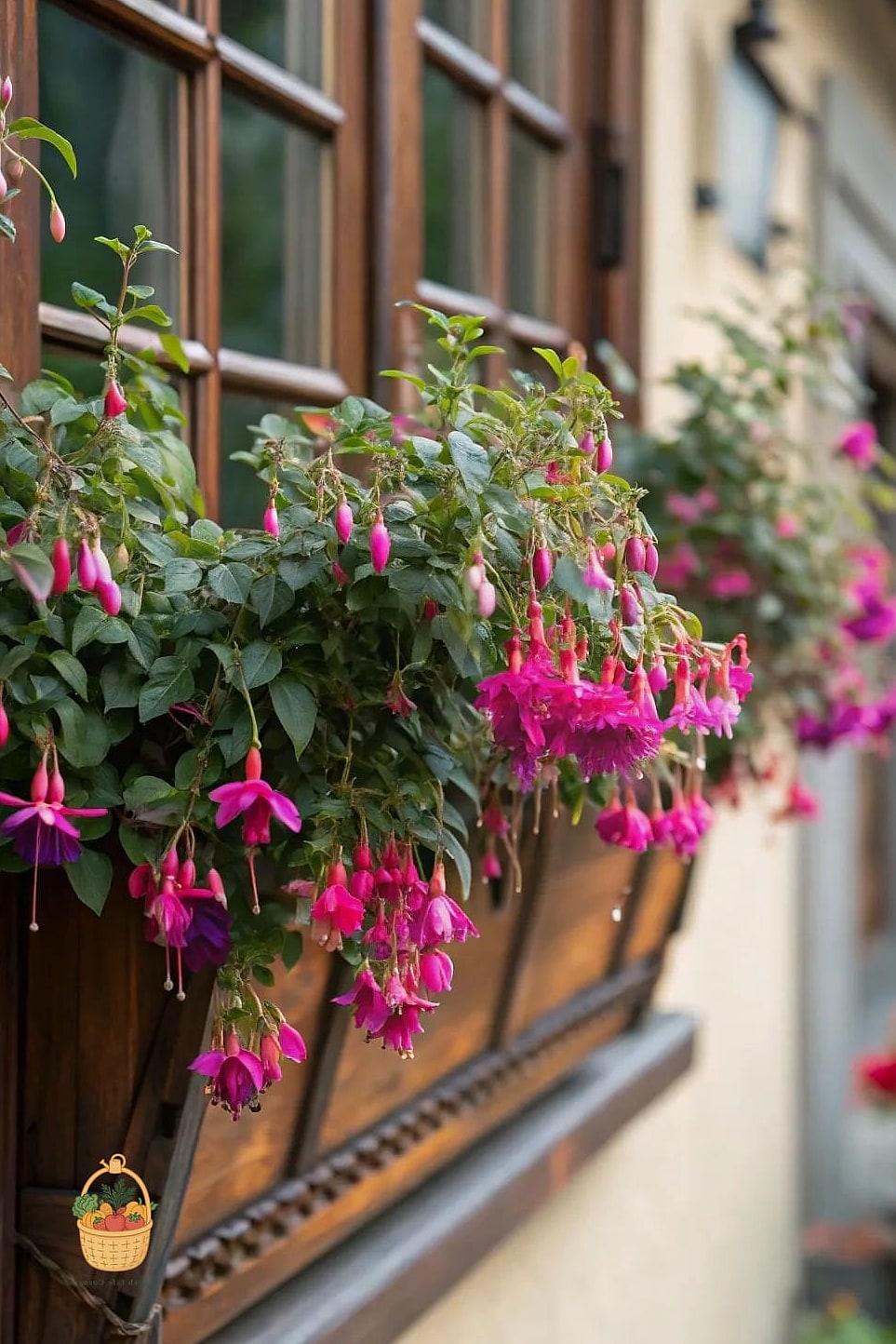
Fuchsia’s dangling, two-toned flowers look almost tropical, and they’re a favorite for shadier window boxes where you still want serious visual drama.
Partial to full shade suits them, especially in hot climates where direct sun scorches the blooms. Keep soil consistently moist and feed regularly during the growing season. Hummingbirds genuinely love this plant, so it’s a nice pick if you enjoy watching them visit.
Osteospermum
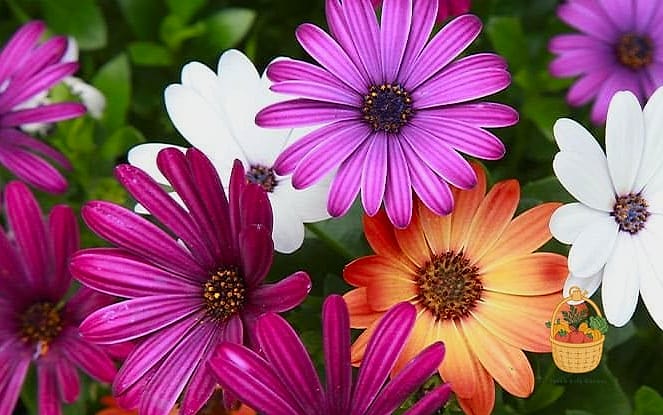
Osteospermum, or African daisy, has this slightly exotic look with spoon-shaped petals and a dark central disc. It’s sturdier than it looks, honestly.
Full sun and well-draining soil suit it best. It’s fairly drought tolerant and holds up in wind better than a lot of delicate-looking flowers. It can close up on overcast days, which surprises people the first time they see it happen.
Trailing Sedum
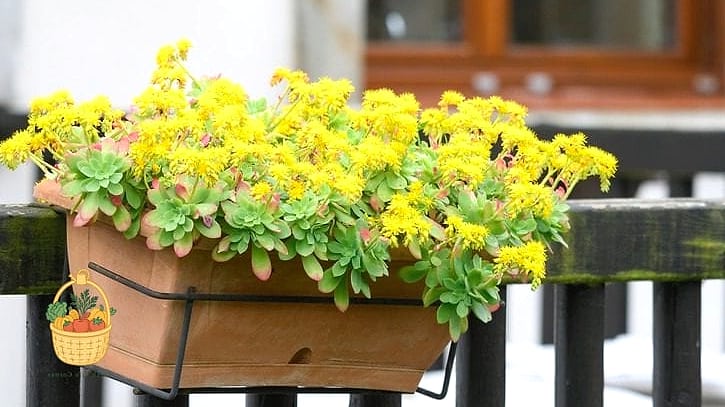
For a low-maintenance, almost architectural touch, trailing sedum varieties add texture and a succulent look that contrasts nicely with softer flowering plants nearby.
Full sun and sharply well-draining soil are essential — this is one plant where overwatering is the real risk, not underwatering. It’s extremely drought tolerant, so it’s a smart pick for a window box you tend to forget about occasionally.
Dwarf Snapdragons
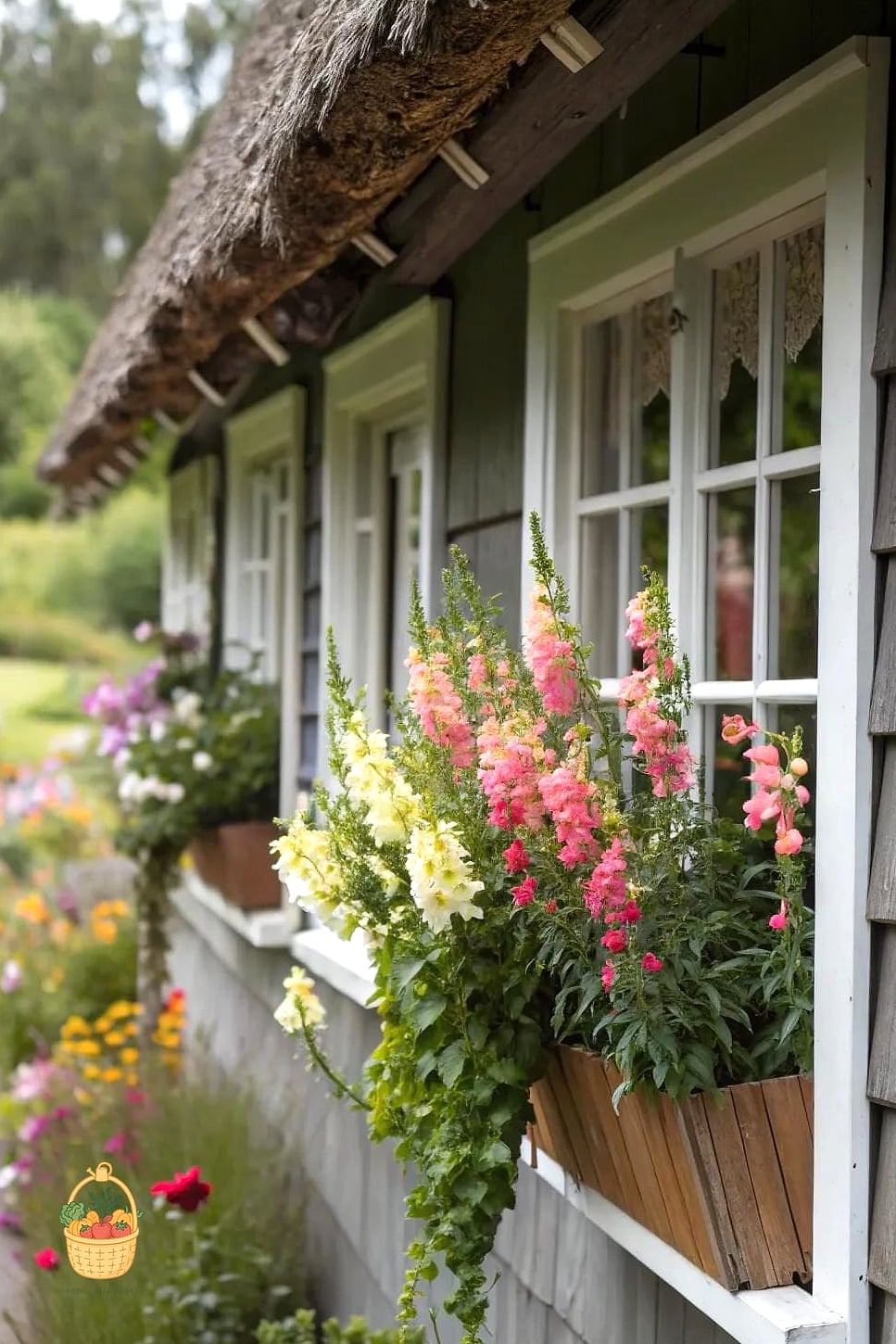
Snapdragons bring that classic cottage-garden charm, and the dwarf varieties are compact enough to fit comfortably without overwhelming the box. Kids also love squeezing the blooms to make them “talk.”
Full sun to partial shade works, and they prefer cooler temperatures, often slowing in peak summer heat. Well-draining soil with regular moisture and occasional deadheading keeps them blooming in flushes through the season.
Putting together a window box that actually holds up all season comes down to matching plants to your light and being honest about how often you’ll actually water. Mix a few trailers, a couple of upright plants for height, and something drought tolerant as insurance, and you’ve got a combination that’ll outlast the ones that just looked good on the nursery shelf.