How To Grow & Care For Lisianthus — Everything You Need to Know
How To Grow & Care For Lisianthus — Everything You Need to Know
If you’ve ever seen lisianthus at a florist and assumed it was some fussy greenhouse-only rose relative, you’re not alone. Those ruffled, rose-like blooms in soft purples, pinks, and creams look far too polished to be garden-variety flowers. But lisianthus (Eustoma grandiflorum) is very much a real garden plant, and with the right setup, you can grow it yourself instead of paying florist prices every time you want a vase full of them.
This guide covers everything you need to know about growing and caring for lisianthus, from soil and sunlight to the common headaches that trip up first-time growers.
Why Gardeners Love It
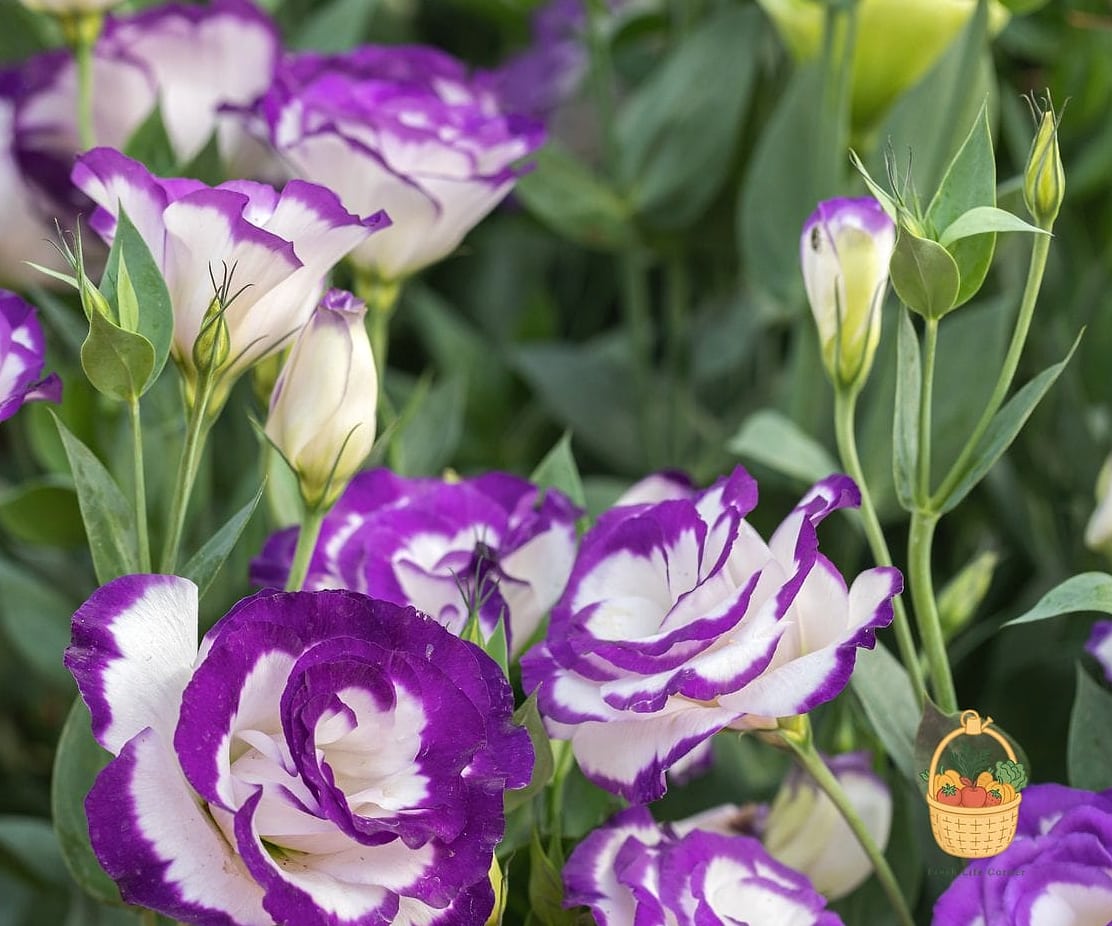
Lisianthus has this reputation for being difficult, and honestly, that reputation isn’t entirely undeserved — it’s a slow starter and a bit particular about its early life. But once established, it rewards you with weeks of long-lasting blooms that rival roses and peonies in elegance.
It’s also a favorite among cut flower growers because the stems hold up beautifully in a vase, often lasting two weeks or more. If you love growing your own bouquet flowers, this one earns its space in the garden.
Key Features and Appearance
Lisianthus produces tall, slender stems topped with multiple ruffled, papery-thin blooms that resemble roses or poppies depending on the variety. Colors range from classic white and soft pink to deep purple, lavender, and even bicolor varieties with picotee edges.
The foliage is a smooth, slightly waxy blue-green, which contrasts nicely with the delicate flowers. Plants typically reach 18 to 36 inches tall, depending on whether you’re growing a bedding type or a taller cut-flower variety. Growth is slow and steady rather than fast, so patience is part of the deal here.
Growing Conditions
Lisianthus thrives in full sun, needing at least six hours of direct light a day to produce strong stems and abundant blooms. In hotter climates, a bit of afternoon shade can help prevent the flowers from fading too quickly.
This plant does best in USDA hardiness zones 8 through 10 as a perennial, though it’s widely grown as an annual in cooler zones. If you’re gardening in zone 7 or below, treat it as a seasonal bloomer or start it indoors well ahead of your last frost date.
Lisianthus isn’t particularly cold hardy and won’t tolerate frost, so timing your planting after the danger of frost has passed is essential. It also appreciates good air circulation, which helps ward off fungal issues later in the season.
Soil and Watering Needs
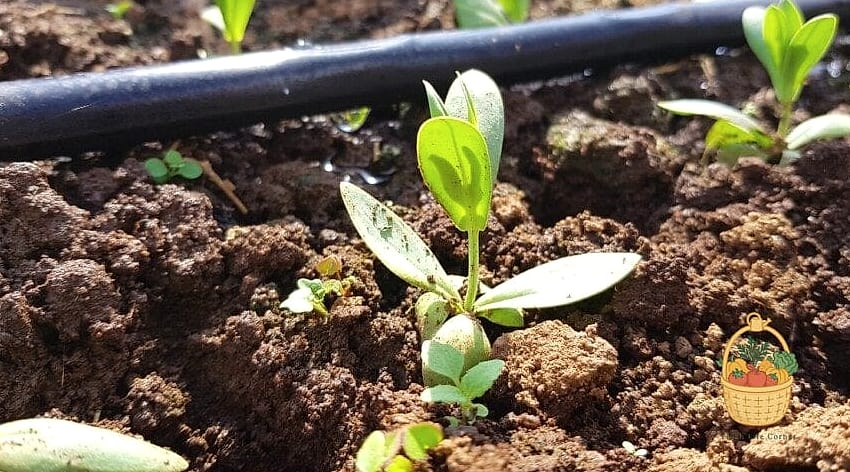
Well-draining soil is non-negotiable for lisianthus. It despises soggy roots and is prone to root rot if planted in heavy clay soil or an area where water tends to pool. A sandy loam enriched with compost gives it the drainage and nutrients it wants.
Aim for a soil pH that’s slightly acidic to neutral, somewhere around 6.5 to 7.0. If your native soil is dense clay, consider amending it generously or growing in raised beds where you have more control over the mix.
Watering should be consistent but never excessive. Let the top inch of soil dry out slightly between waterings, and always water at the base rather than overhead to keep the foliage and blooms dry. Drip irrigation works wonderfully here since it delivers water right to the root zone without wetting the leaves.
Overwatering is the fastest way to kill lisianthus, so when in doubt, err on the side of slightly under-watering rather than drowning it.
Fertilizing and Pruning

Feed lisianthus with a balanced liquid fertilizer every two to three weeks during the growing season to support steady bloom production. A slow-release fertilizer mixed into the soil at planting time also works well if you’d rather not keep track of a feeding schedule.
Avoid heavy nitrogen fertilizers, which tend to push leafy growth at the expense of flowers — not exactly what you’re going for with a plant grown mainly for its blooms.
As for pruning, deadheading spent flowers encourages the plant to keep producing new buds instead of putting energy into seed production. Use clean pruning shears to snip faded blooms just above a leaf node. If you’re growing lisianthus for cut flowers, harvest stems when one or two buds have opened, since the remaining buds will continue to open in the vase.
Common Problems and Solutions
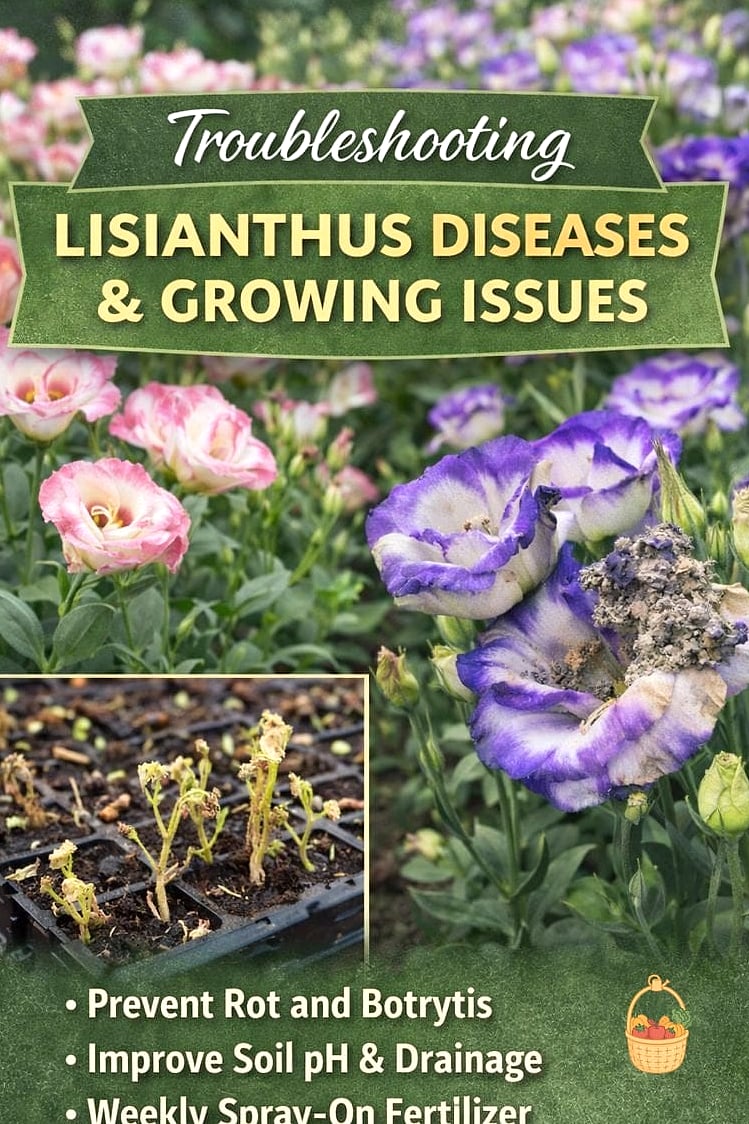
Root rot is probably the most common issue, and it almost always comes back to overwatering or poor drainage. If you notice yellowing leaves and a mushy stem base, pull back on watering immediately and check that your soil is draining properly.
Fungal diseases like botrytis (gray mold) can show up in humid conditions, especially if plants are watered overhead or spaced too closely together. Improving air circulation and switching to base watering usually solves this.
Aphids and spider mites occasionally show up, particularly on stressed or overly dry plants. A strong spray of water or insecticidal soap handles most infestations without resorting to harsher chemicals. Ladybugs are also happy to help if you’re leaning toward natural pest control.
Yellowing leaves can mean a few different things — overwatering, nutrient deficiency, or simply the plant adjusting after transplanting. If new growth looks healthy, it’s usually nothing to worry about.
Propagation Tips
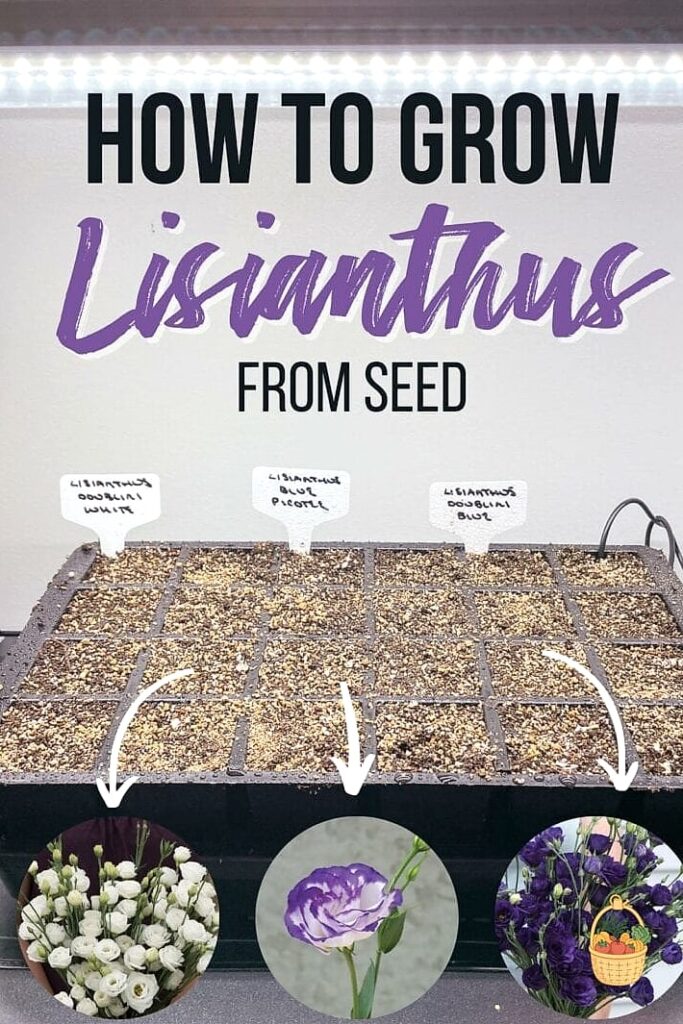
Lisianthus is typically grown from seed rather than cuttings or division, and honestly, this is where a lot of the plant’s “difficult” reputation comes from. The seeds are tiny — almost dust-like — and need light to germinate, so they shouldn’t be buried, just pressed gently into the soil surface.
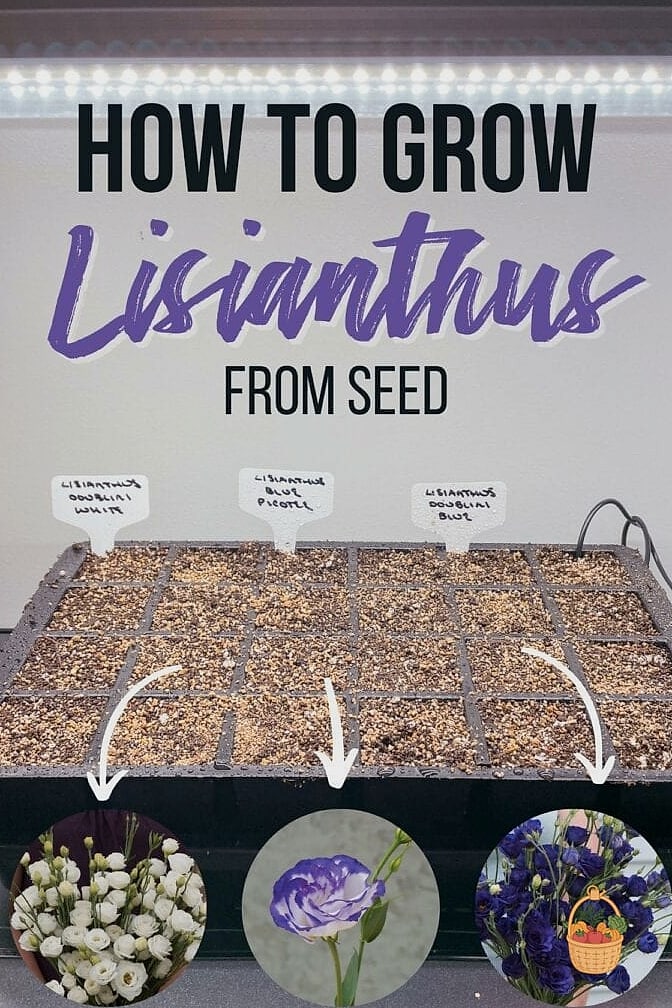
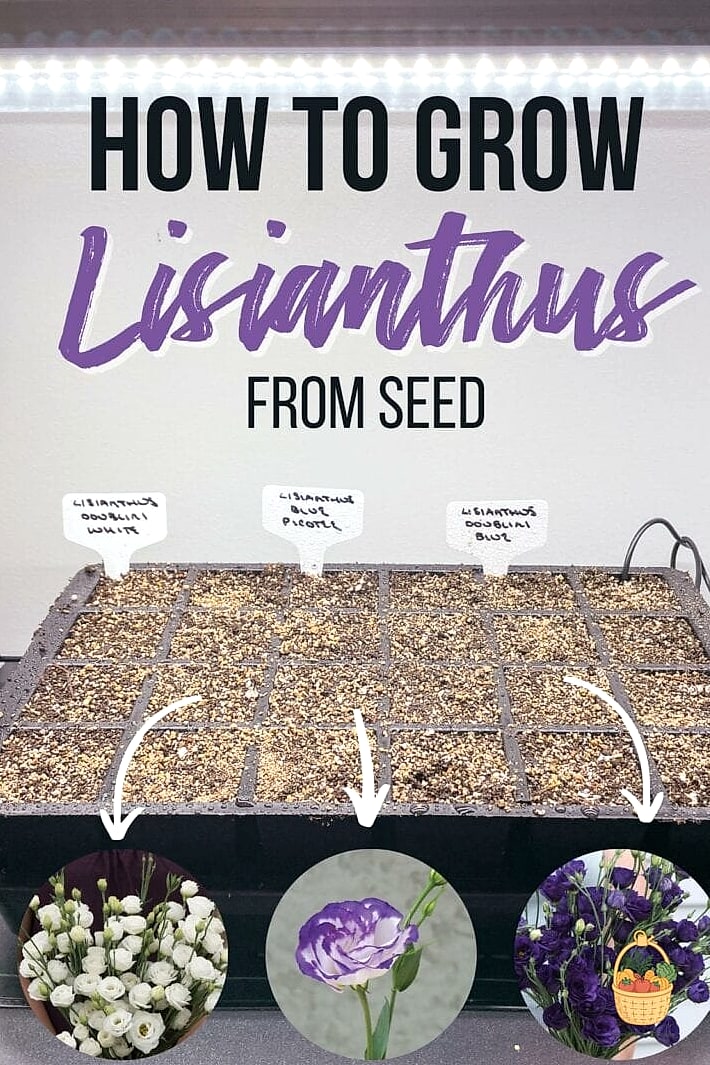
Germination is slow, often taking two to three weeks, and seedlings grow at a leisurely pace for the first couple of months. Starting seeds indoors under grow lights, roughly 10 to 12 weeks before your last frost date, gives them a solid head start.
Because of the slow, exacting germination process, many home gardeners skip the seed stage entirely and simply buy young lisianthus plants or plugs from a nursery. There’s no shame in this — even experienced growers often go this route to save themselves the wait.
Final Thoughts
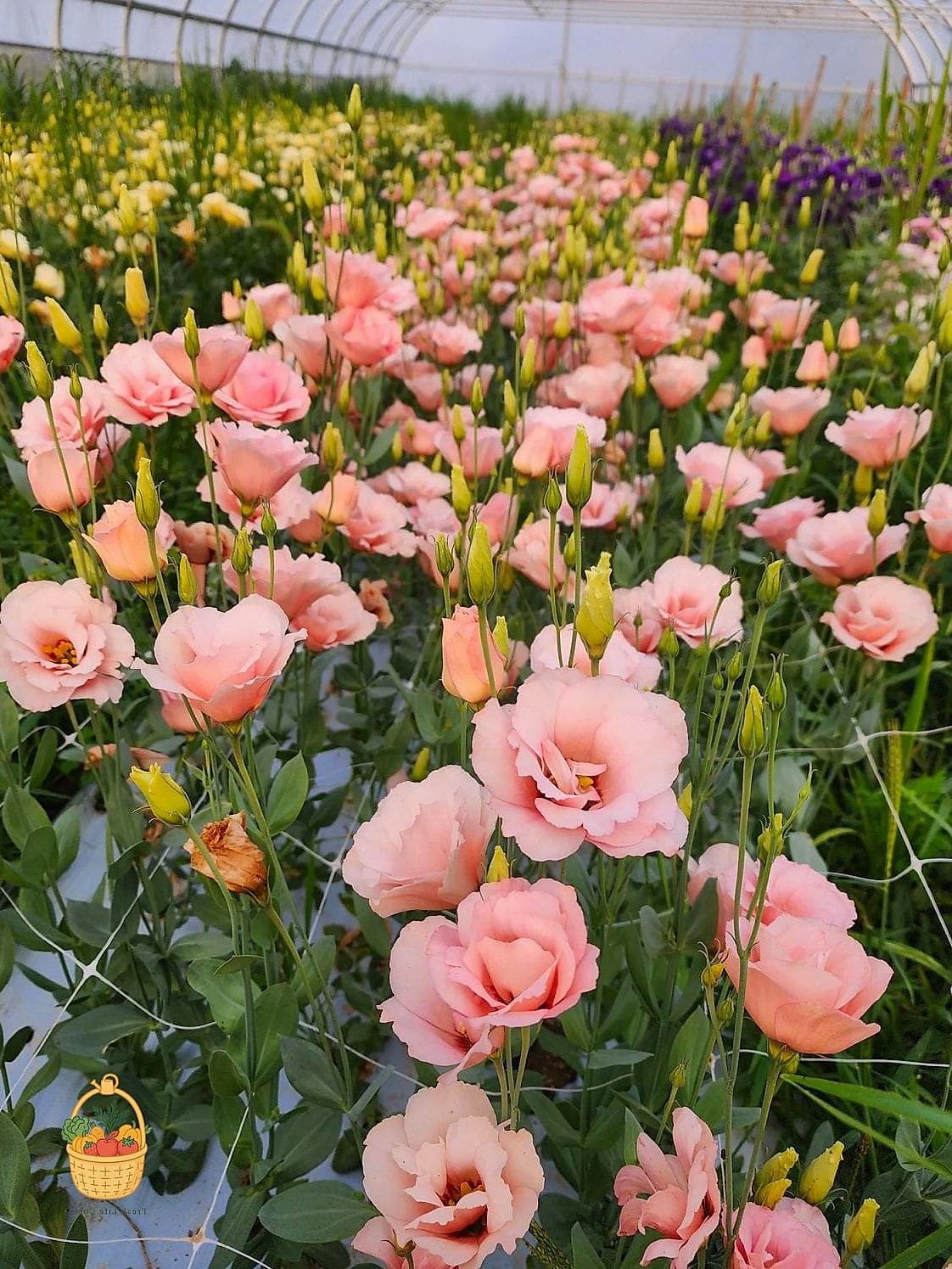
Lisianthus isn’t a plant that rewards impatience, but if you’re willing to give it well-draining soil, full sun, and steady (not excessive) watering, it will pay you back with some of the most elegant blooms you can grow at home. Whether you’re planting it for cut flower bouquets or simply want something a little more refined in your flower beds, it’s worth the extra attention it asks for.
Once you’ve got the hang of how to grow and care for lisianthus, you’ll likely find yourself adding a few more plants each season — it has a way of becoming a garden favorite once you see those first ruffled blooms open up.