30 Types Of Mosses That Actually Work
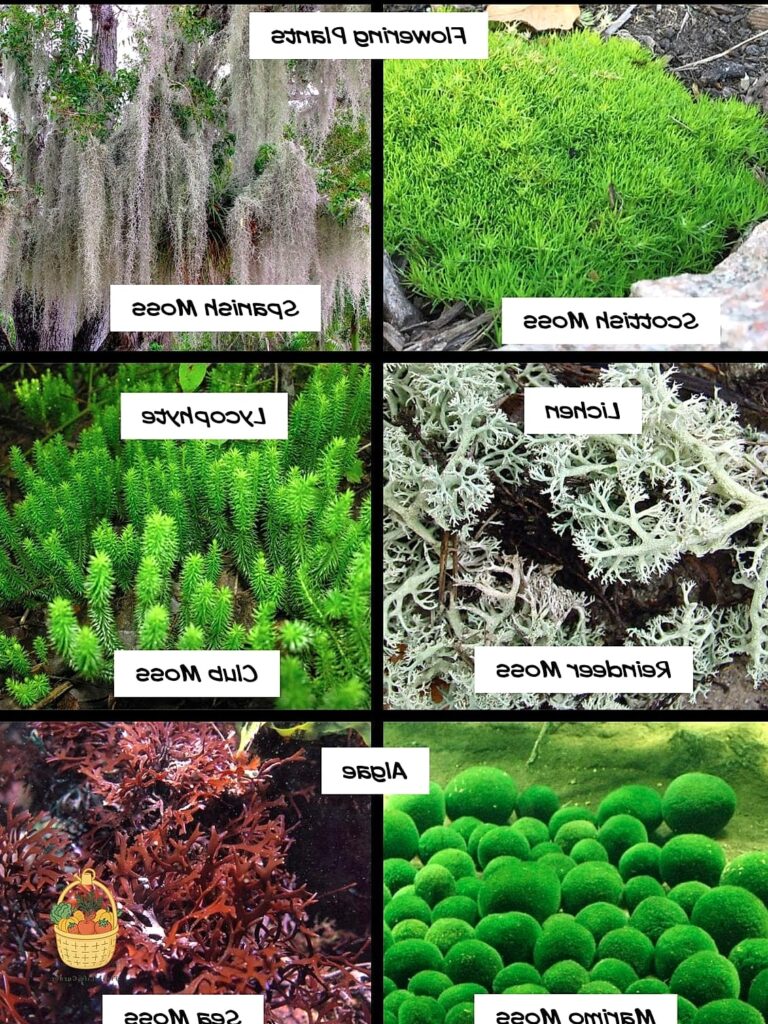
- Cushion Moss
- Sheet Moss
- Fern Moss
- Rock Cap Moss
- Sphagnum Moss
- Haircap Moss
- Star Moss
- Broom Moss
- Pincushion Moss
- Fire Moss
- Tree Moss
- Sand Moss
- Feather Moss
- Rose Moss
- Fountain Moss
- Plume Moss
- Cord Moss
- Water Moss
- Silvergreen Bryum Moss
- Juniper Moss
- Ceratodon Moss
- Grey Cushion Moss
- Delicate Fern Moss
- Big Red Stem Moss
- Springy Turf Moss
- Common Liverwort-Associated Moss
- Dicranum Moss
- Common Green Sheet Moss
- Rock Moss
- Tortula Moss
30 Types Of Mosses That Actually Work
If you’ve ever looked at a shady, damp corner of your yard and wondered what could possibly grow there, moss is probably the answer you’ve been avoiding. It’s not glamorous like a peony or dramatic like a Japanese maple, but moss might be the most underrated groundcover in the plant world. It doesn’t need mowing, it doesn’t need fertilizer most of the time, and it actually prefers the compacted, acidic, shady soil that makes other plants sulk.
This list rounds up 30 types of mosses that actually work in real gardens, terrariums, and landscaping projects — not just in theory. Some are better for pathways, some for rock gardens, some for indoor jars. I’ll walk through what each one looks like, where it thrives, and why it’s worth a spot in your space.
Cushion Moss

Cushion moss forms tight, rounded clumps that genuinely look like little green pillows scattered across soil or rock. It’s a favorite for terrariums and bonsai displays because of that sculptural, bun-like shape.
It likes partial to deep shade and consistently moist (not soggy) conditions. Outdoors, it does well in USDA zones 4 through 8. It’s slow-growing, so patience is part of the deal, but that also means less maintenance once it’s established.
Sheet Moss

Sheet moss is the classic “carpet” moss — flat, spreading, and perfect for covering large areas quickly. Landscapers love it for filling in bare patches under trees where grass refuses to grow.
It prefers shaded, humid spots with acidic soil and steady moisture. It spreads at a moderate pace and tolerates foot traffic better than most mosses, which makes it a solid choice for informal garden paths.
Fern Moss
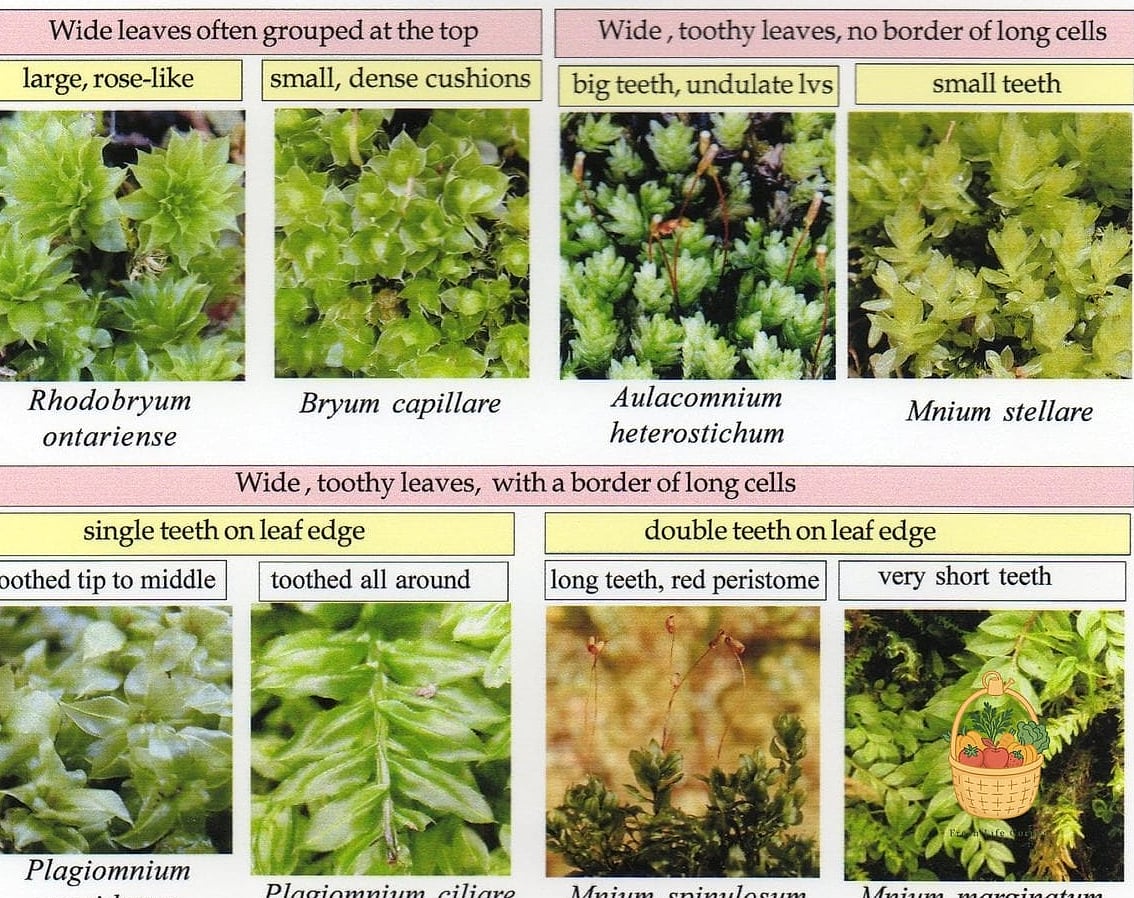
Fern moss earns its name from its feathery, almost lacy fronds that give it a delicate, woodland look. It’s one of the prettier mosses if you want texture rather than a flat green mat.
It grows well in zones 3 through 9, tolerates partial shade to full shade, and prefers soil that stays evenly damp. It’s a great companion for hostas and ferns since they all enjoy similar shady, moist conditions.
Rock Cap Moss
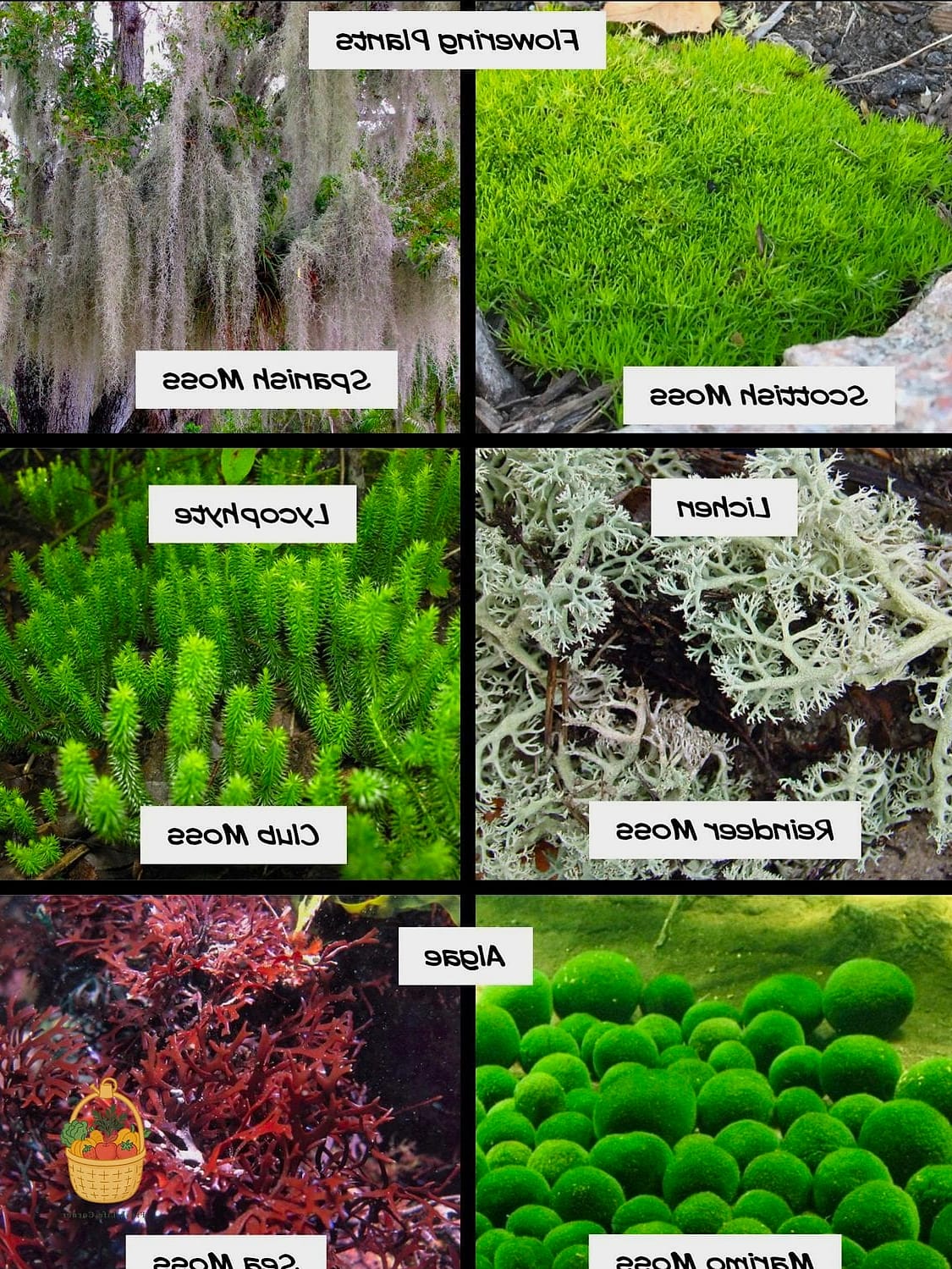
As the name suggests, rock cap moss clings to boulders, stone walls, and pavers, giving hardscaping that aged, storybook look. It’s a favorite for rock gardens and Japanese-style landscapes.
It handles drier conditions better than many mosses once established, though it still appreciates shade and occasional misting. It’s slow-growing, which is actually a plus here since you want it to stay put on your stones rather than take over.
Sphagnum Moss
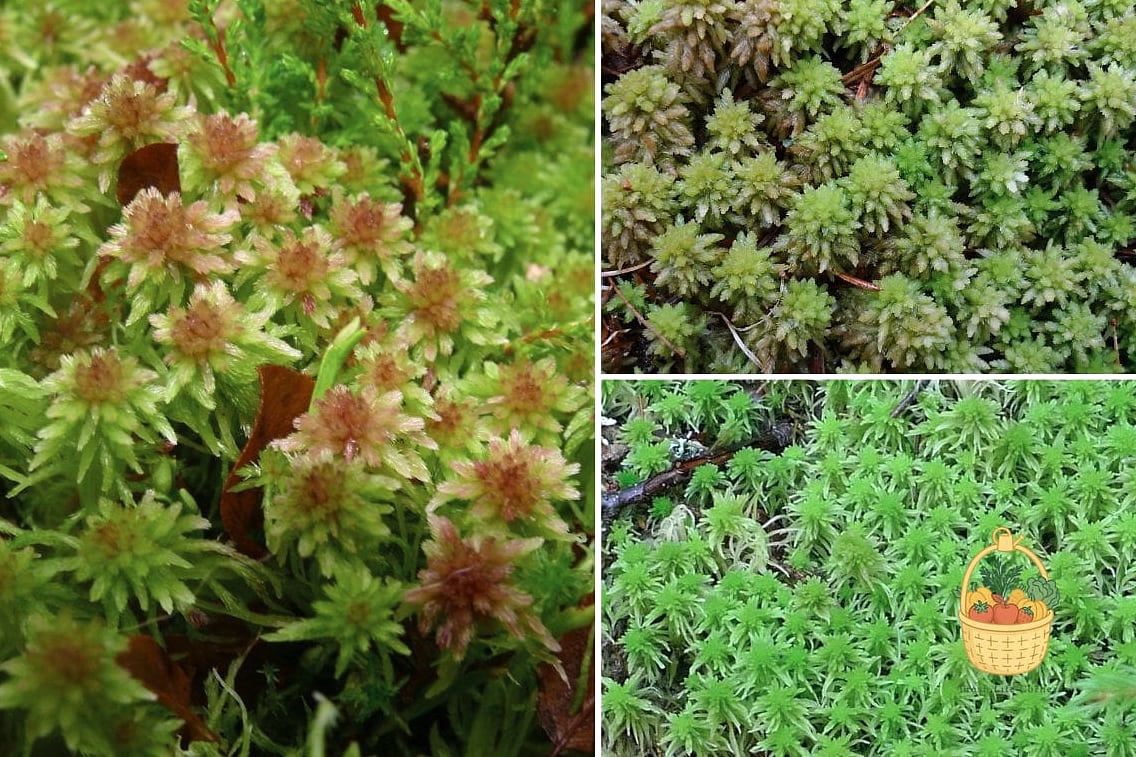
Sphagnum moss is less about garden aesthetics and more about function — it’s the moss most people know from potting mixes and hanging baskets. It holds an enormous amount of water relative to its size.
It grows naturally in bogs and wetlands, thriving in acidic, consistently wet conditions. Gardeners use it to line hanging baskets, boost moisture retention in container soil, and even as a natural rooting medium for propagation.
Haircap Moss
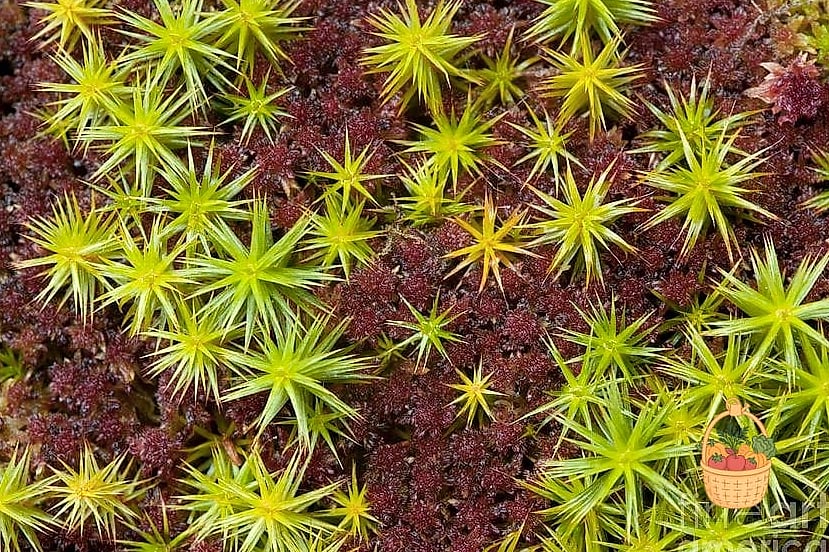
Haircap moss stands taller than most mosses, with wiry, upright stems that almost resemble tiny pine seedlings from a distance. It adds nice vertical texture to a moss garden instead of everything being flat.
It prefers full to partial shade and acidic, well-draining soil, and it’s hardy in zones 3 through 8. It’s a slower spreader, so it works best as an accent rather than a full groundcover.
Star Moss
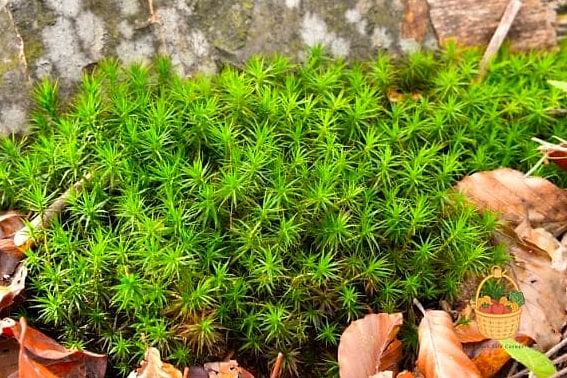
Star moss gets its name from the little star-shaped rosettes it forms when dry, which is honestly one of the more charming details in the moss world. It’s commonly found colonizing sidewalk cracks and compacted soil.
It’s surprisingly drought tolerant for a moss, curling up when dry and rehydrating quickly after rain. This makes it a forgiving choice for beginners who might forget to mist their moss garden every day.
Broom Moss
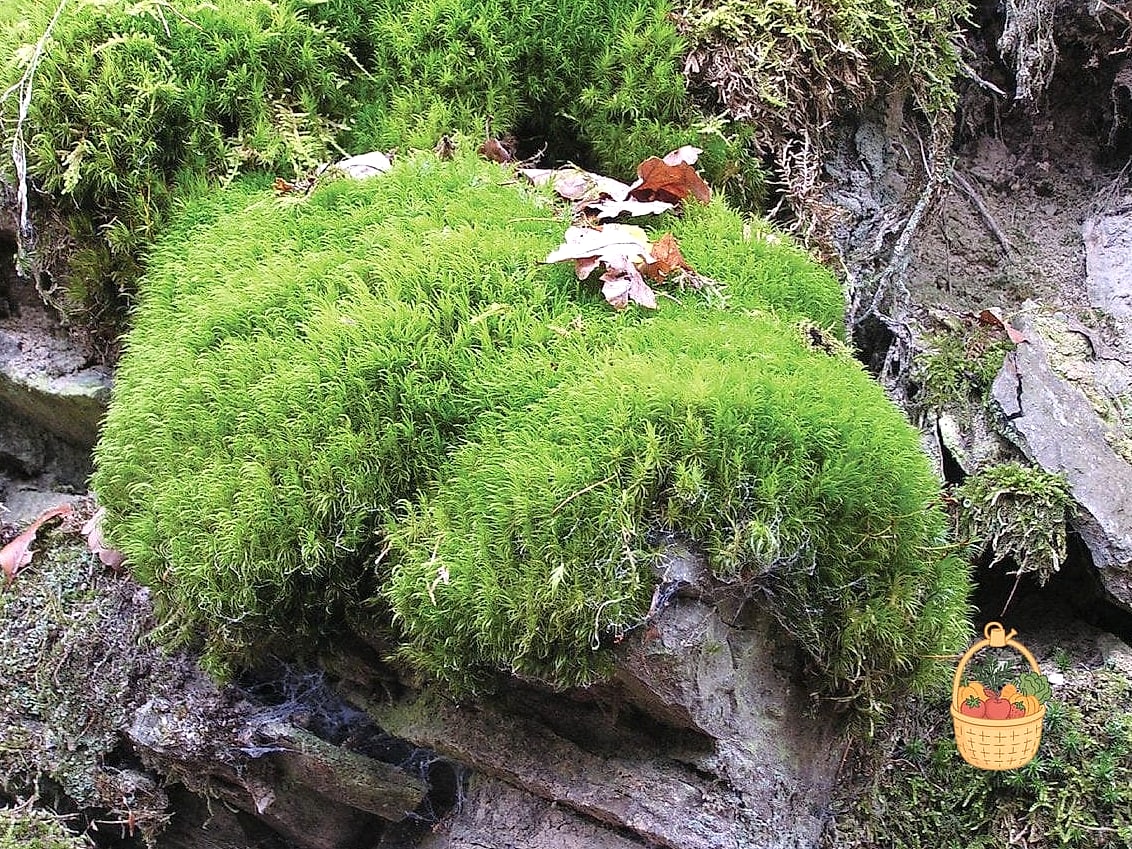
Broom moss has an upright, tufted growth habit that looks a bit like tiny green brushes standing at attention. It’s common in wooded areas and does especially well in dappled shade.
It prefers acidic soil and moderate moisture, and it’s hardy through zones 4 to 9. It pairs nicely with rock cap moss in mixed moss gardens because the textures contrast well.
Pincushion Moss
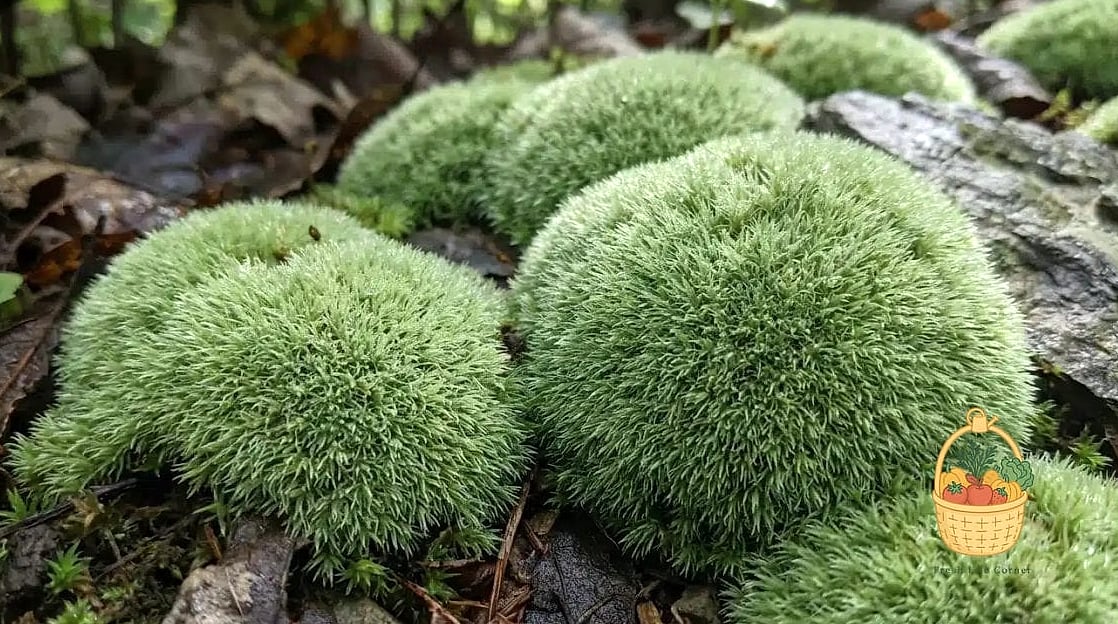
Pincushion moss forms dense, rounded mounds similar to cushion moss but with a slightly coarser texture. It’s a popular choice for bonsai pots and miniature garden displays.
It likes partial shade and slightly acidic, well-draining soil. It’s slow-growing and low-maintenance once settled, making it a good pick for anyone who wants moss without fussing over it constantly.
Fire Moss
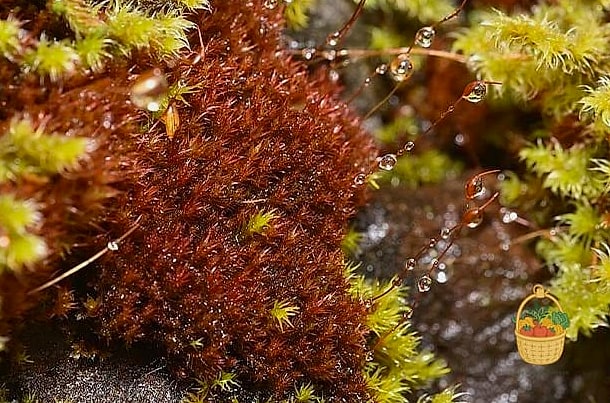
Fire moss is one of the first mosses to colonize disturbed soil after a fire or excavation, which is where it gets its name. It’s a tough, adaptable little moss.
It tolerates a range of light conditions from partial shade to more open areas and isn’t picky about soil pH. Because it’s such an early colonizer, it’s genuinely useful for stabilizing bare patches while other plants establish.
Tree Moss
Tree moss has a branching, almost miniature-tree structure that makes it a standout in terrariums and fairy garden designs. It genuinely looks like a tiny forest if you use enough of it.
It prefers shade and consistent moisture, doing best in zones 4 through 8. It’s slower growing than sheet moss, so it’s better suited to small display areas than large groundcover projects.
Sand Moss
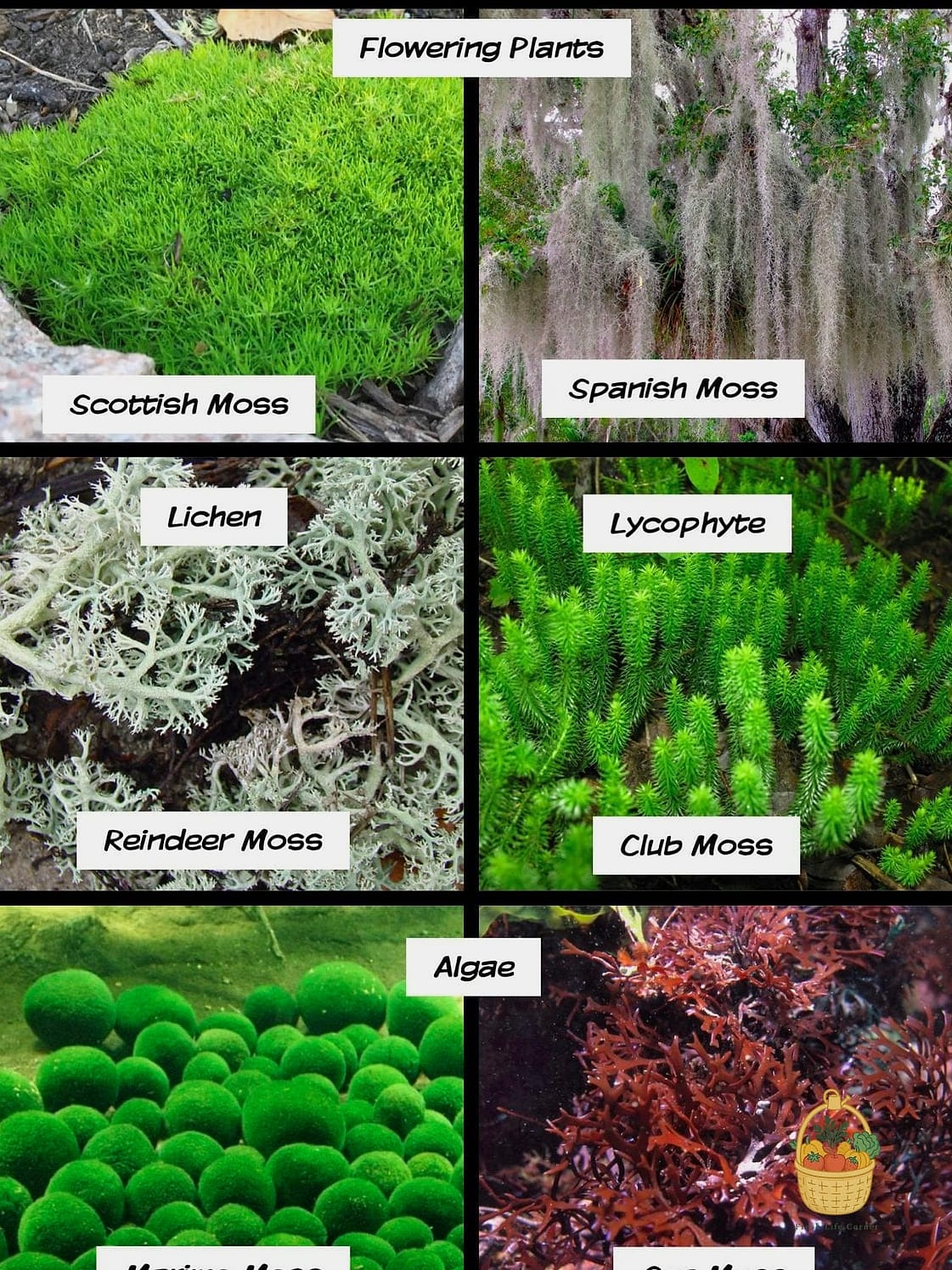
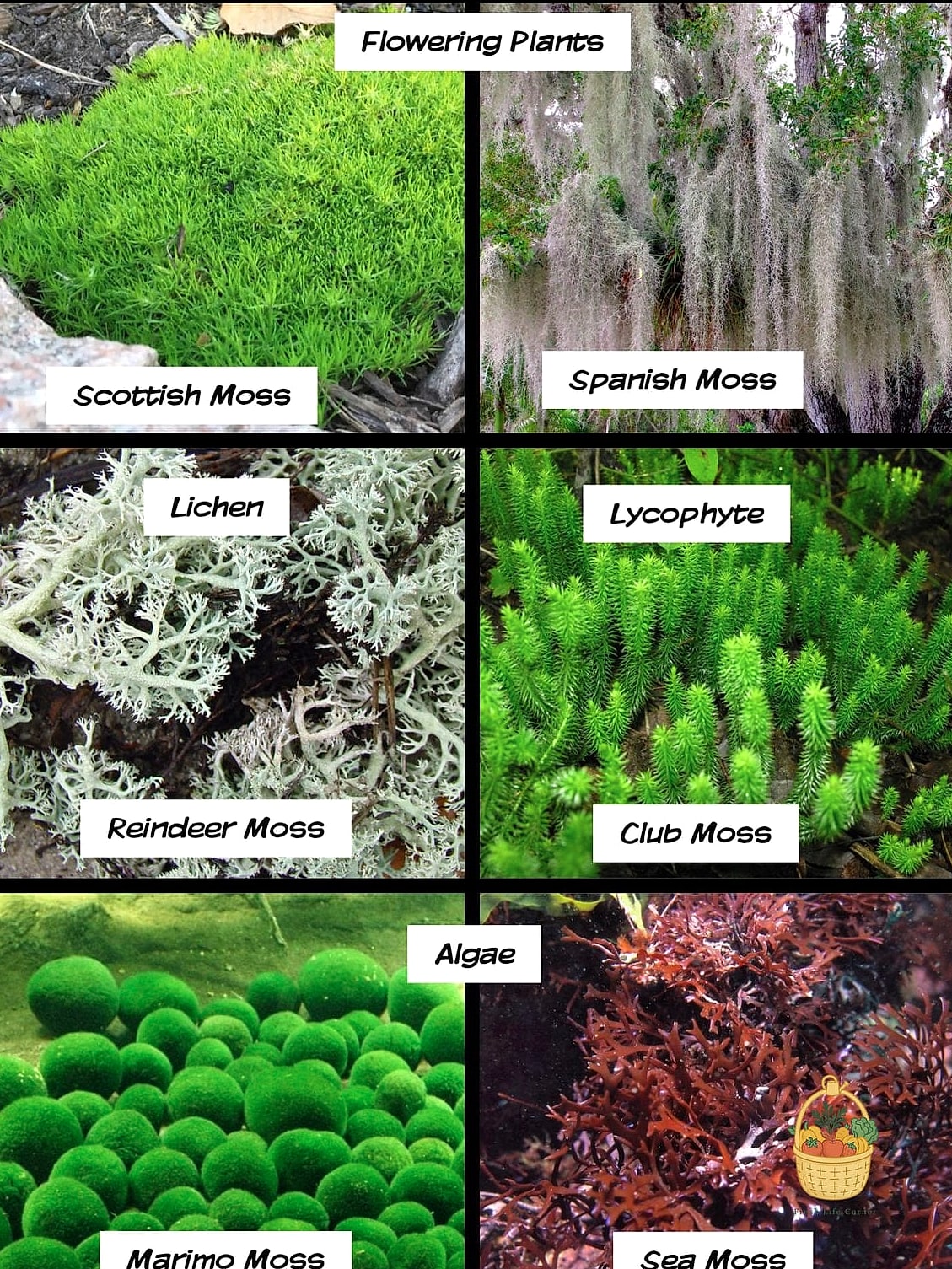
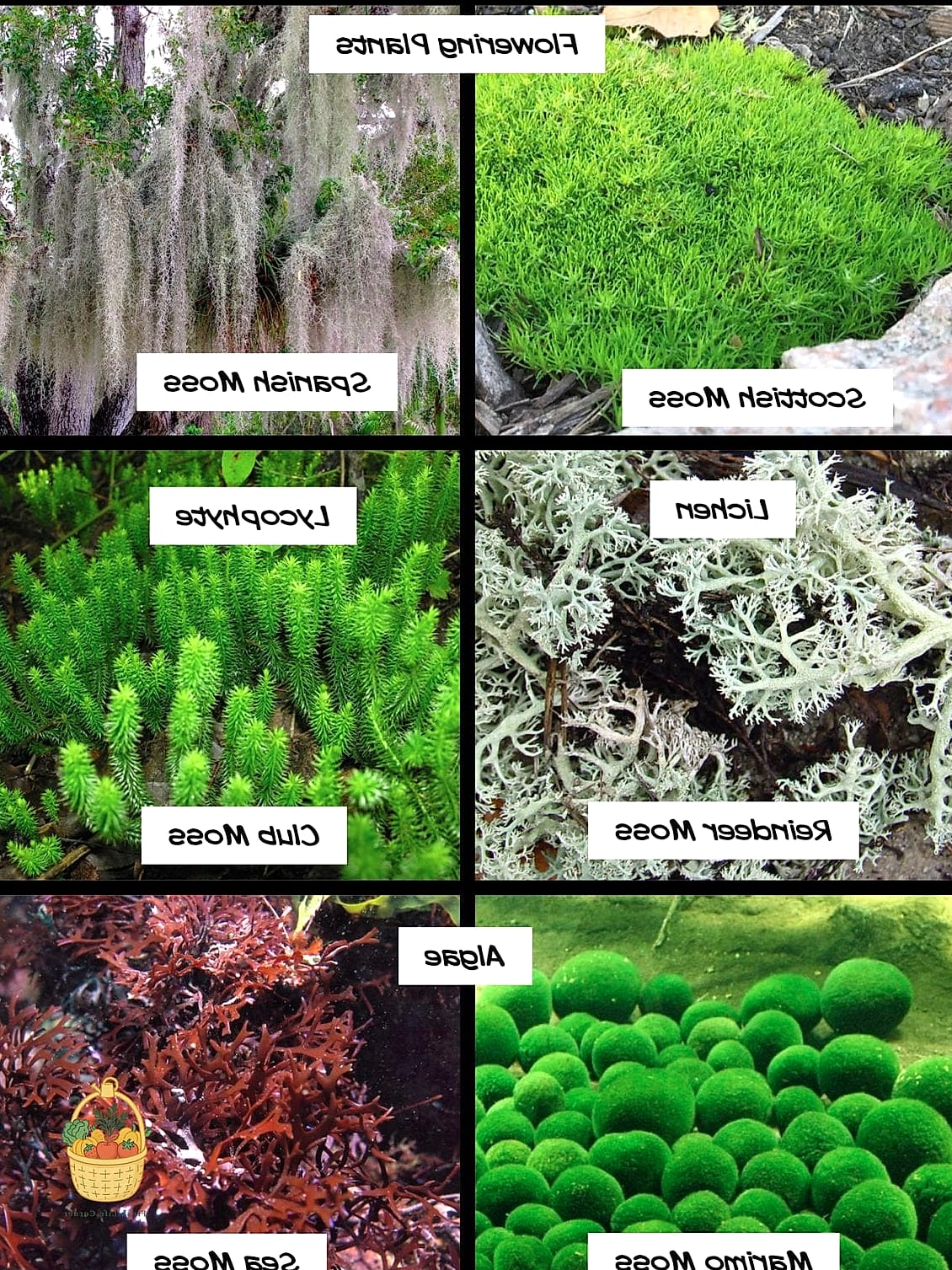
Sand moss, sometimes called reindeer moss in casual conversation (though it’s technically a lichen relative in some regions), forms cushiony gray-green patches. It’s a texture lover’s moss.
It tolerates drier, sandier soil better than most true mosses, which makes it useful in rock gardens or areas with poor drainage elsewhere in the yard. It’s slow-growing and low fuss.
Feather Moss
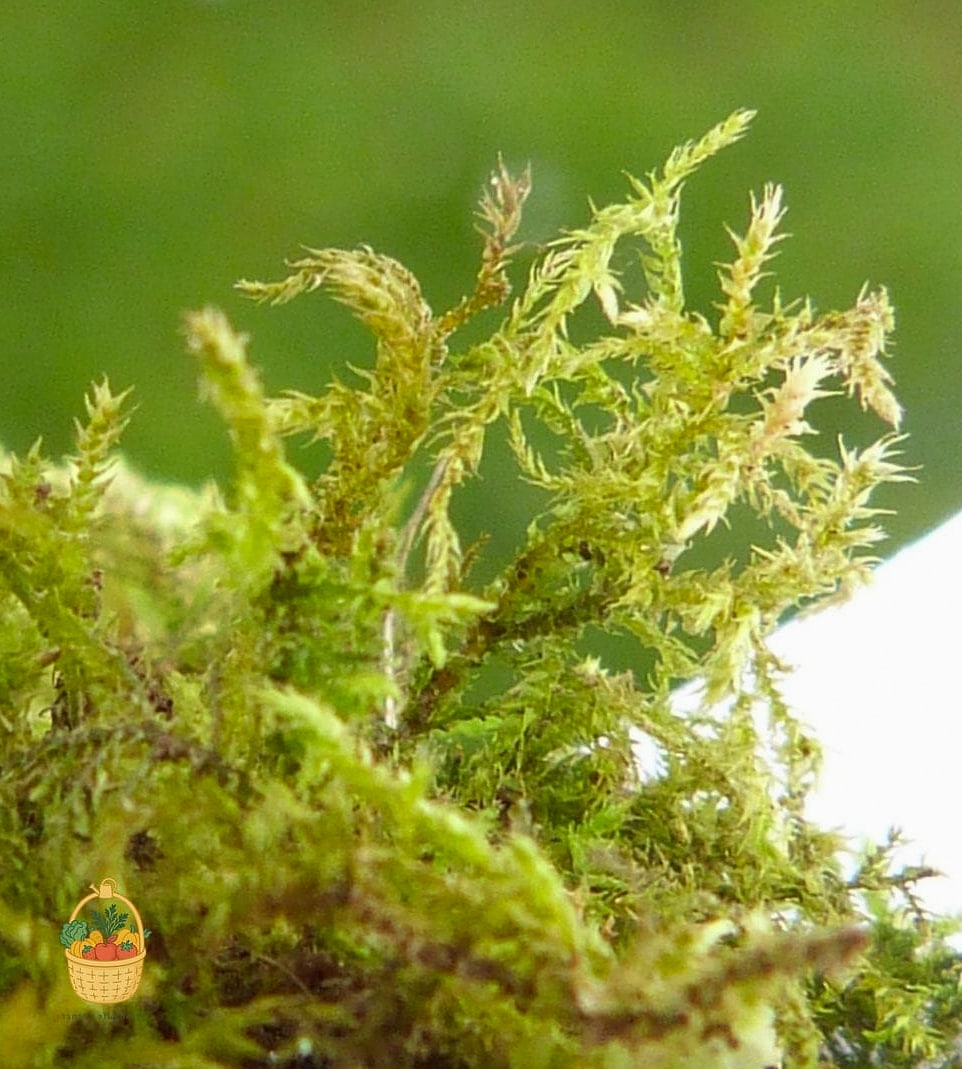
Feather moss has soft, feathery fronds that create a lush, almost velvety carpet. It’s commonly used in shaded woodland gardens and under conifers where the soil stays cool.
It likes acidic, moist soil and partial to full shade, thriving in zones 3 through 7. It spreads at a moderate rate and looks especially good paired with ferns and hostas for a layered woodland feel.
Rose Moss
Rose moss forms rosette-like clusters that genuinely resemble tiny green roses when viewed up close. It’s a favorite for close-up garden features like stepping stone borders.
It prefers partial shade and evenly moist, slightly acidic soil. It’s a slower grower, so it works best as an accent moss rather than something you’re counting on to cover ground fast.
Fountain Moss
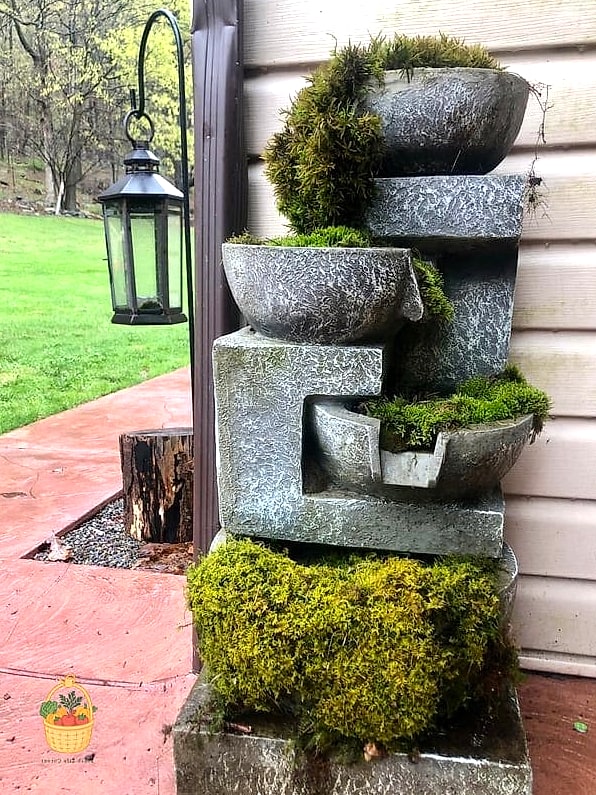
Fountain moss gets its name from the way its fronds arch outward and downward, creating a cascading effect similar to a small green fountain. It looks fantastic draping over rocks or pot edges.
It does well in shaded, humid environments and appreciates consistent moisture without waterlogging. It’s a popular pick for terrariums where that cascading habit really gets to shine.
Plume Moss

Plume moss has soft, plumy fronds that give it a slightly wild, untamed texture compared to tighter cushion mosses. It adds movement and softness to a moss planting.
It grows well in zones 4 through 9 and prefers partial to full shade with acidic, moisture-retentive soil. It’s a good mid-tier grower — not as fast as sheet moss, not as slow as rock cap moss.
Cord Moss

Cord moss has thin, wiry stems that trail and weave through soil and leaf litter, giving it a slightly scruffy but interesting texture. It’s less common in ornamental use but shows up in naturalized woodland areas.
It tolerates a range of light conditions and prefers consistently damp soil. It’s a good candidate if you want a moss garden that looks a little more wild and less manicured.
Water Moss

Water moss thrives in genuinely wet conditions, including along stream banks, pond edges, and bog gardens. If you have a consistently soggy spot that nothing else wants to grow in, this is worth trying.
It handles full shade to partial sun and needs soil that stays saturated most of the time. It’s commonly used in aquascaping and water feature landscaping for that reason.
Silvergreen Bryum Moss

Silvergreen bryum moss has a distinctive silvery-green hue that sets it apart from the deeper greens of most other mosses. It often shows up uninvited in lawns, which frustrates some homeowners but delights moss gardeners.
It’s remarkably drought tolerant and adaptable to sun or shade, doing well in zones 3 through 9. Honestly, if your lawn keeps growing this instead of grass, it might be worth just leaning into it.
Juniper Moss
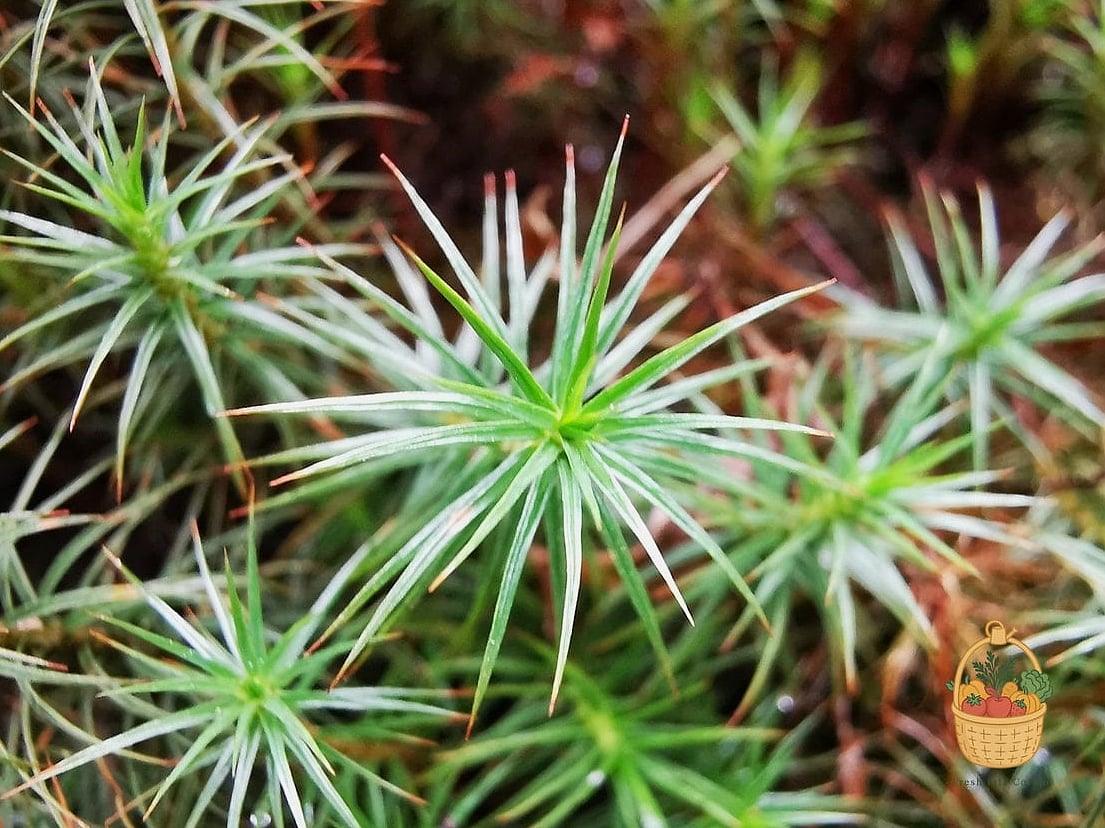
Juniper moss has needle-like leaves that genuinely resemble tiny juniper branches, giving it a coniferous, textured look. It’s a nice choice for adding variety to a mixed moss planting.
It prefers acidic, well-draining soil and partial shade, and it’s cold hardy down to zone 3. It grows at a moderate pace and tolerates brief dry spells better than some of the more delicate mosses on this list.
Ceratodon Moss
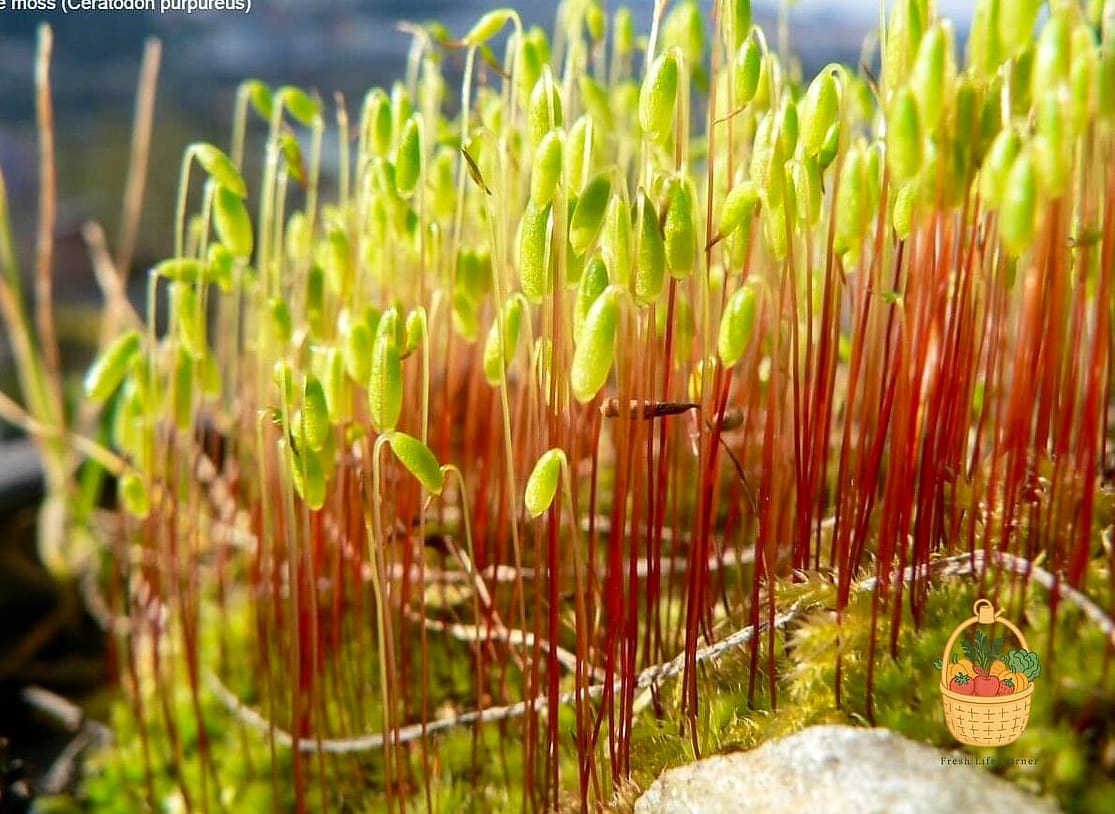
Ceratodon moss, sometimes called purple horn-toothed moss, develops a reddish tint when producing spore capsules, adding unexpected color to a green moss garden. It’s a tough, adaptable species.
It grows in a wide range of conditions from full sun to shade and tolerates poor, compacted soil. This resilience makes it one of the more beginner-friendly mosses if you’re just starting to experiment with moss gardening.
Grey Cushion Moss
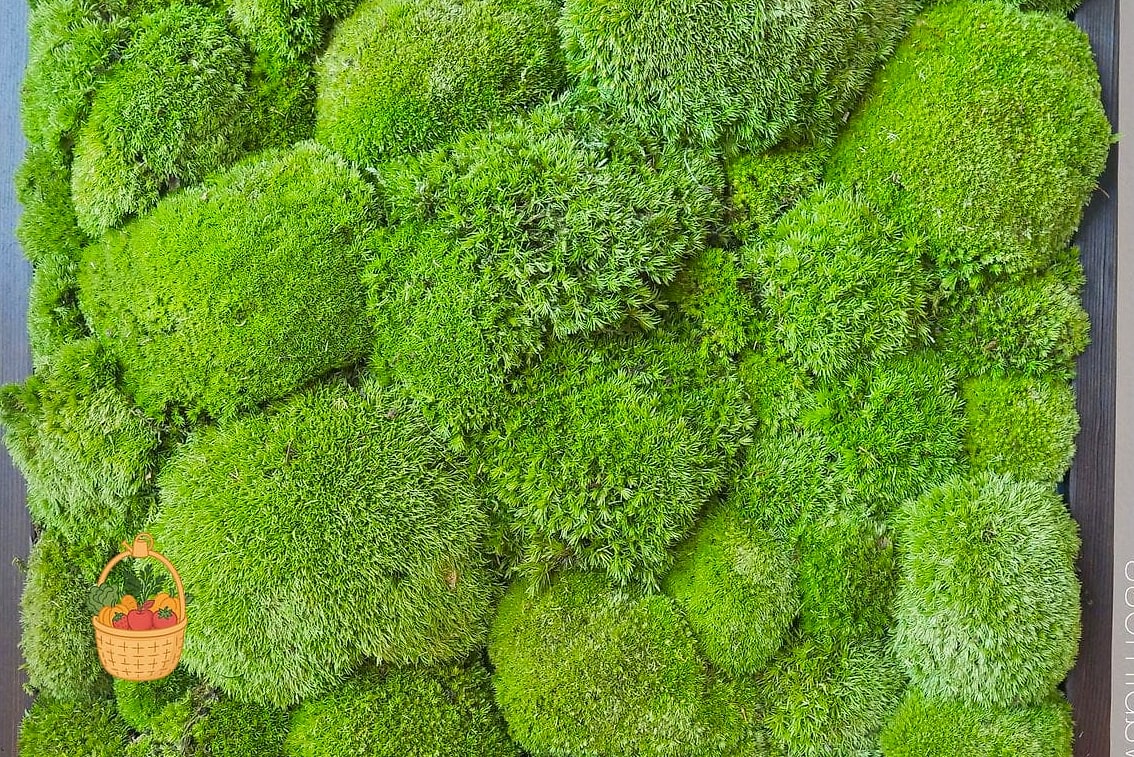
Grey cushion moss forms low, grayish-green mounds that read as more muted and subtle than brighter mosses. It works well as a quiet backdrop for more colorful plantings nearby.
It handles drier conditions and more sun exposure than most cushion-forming mosses, making it useful for transitional areas between full shade and part sun. It’s slow-growing and holds its shape nicely over time.
Delicate Fern Moss
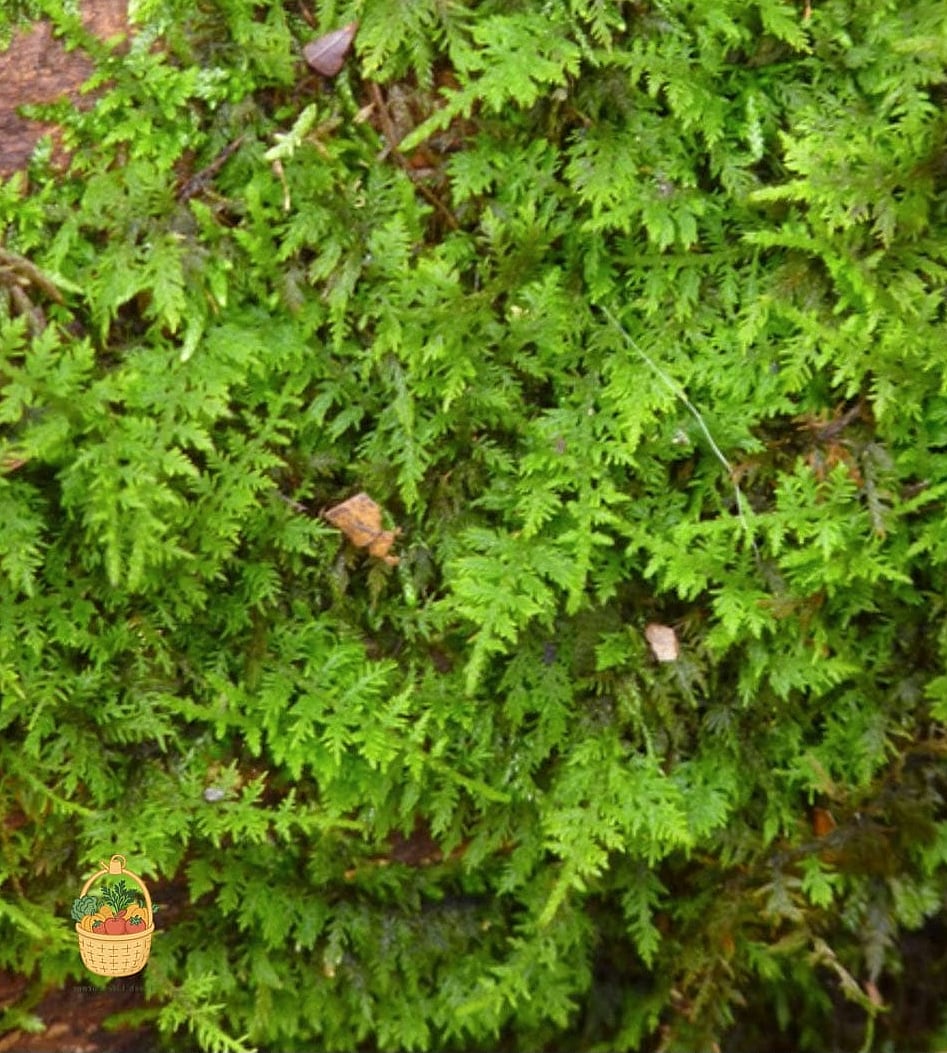
Delicate fern moss is a finer, more feathery relative of standard fern moss, with an even lacier appearance. It’s often used in high-end terrarium designs where texture detail really matters.
It needs consistent moisture and full to partial shade, and it’s a bit more particular about humidity than its coarser cousin. It’s worth the extra attention if you want that refined, detailed look.
Big Red Stem Moss
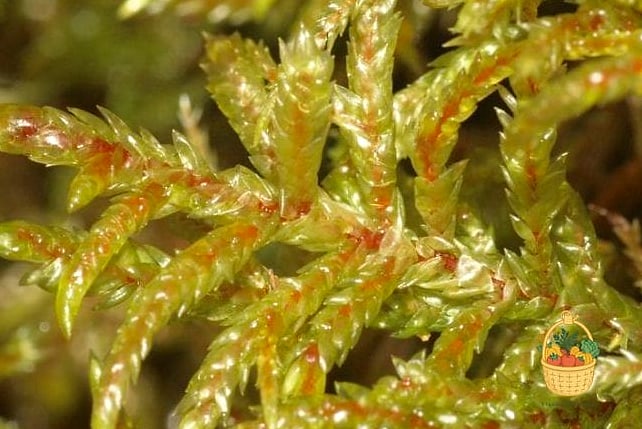
Big red stem moss has reddish stems beneath its green foliage, which peek through and add subtle warmth to a moss carpet. It’s a common forest floor species in cooler climates.
It thrives in zones 2 through 7, preferring cool temperatures, high humidity, and acidic soil. It’s not the best pick for hot, humid southern gardens, but it’s fantastic in northern woodland settings.
Springy Turf Moss
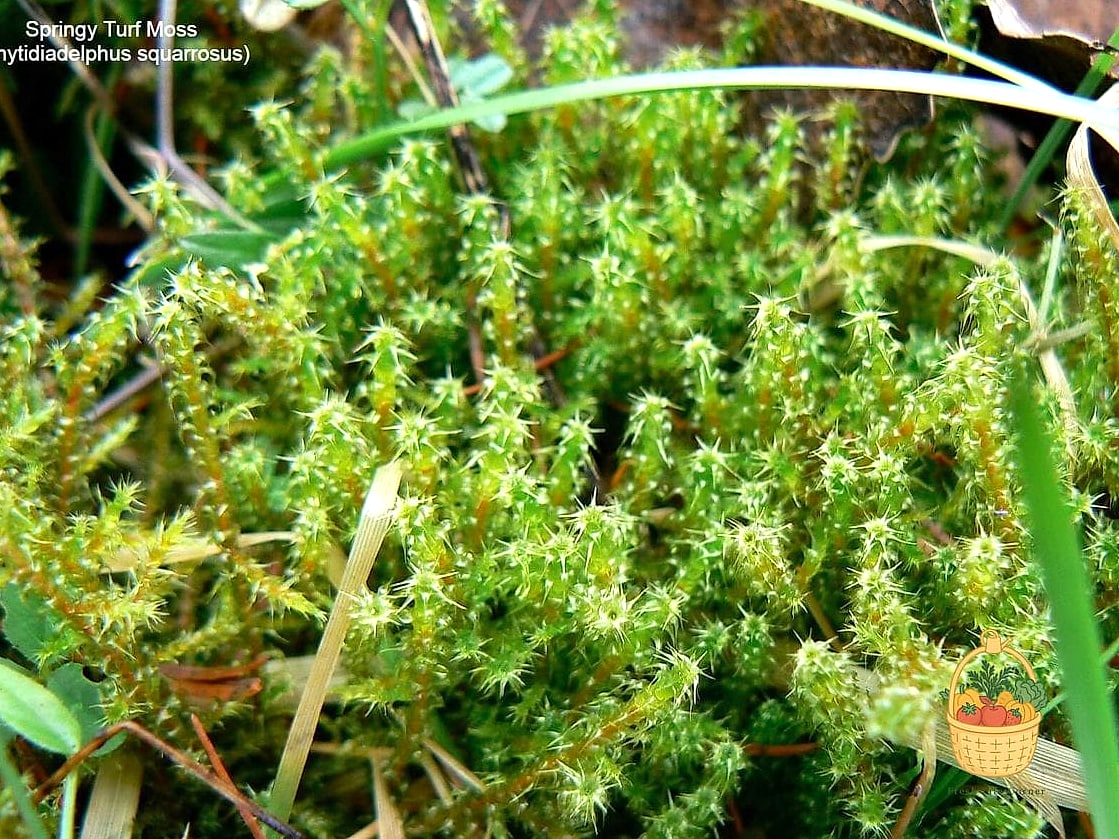
Springy turf moss forms a dense, bouncy mat that genuinely feels springy underfoot, which is a fun detail if you’re building a moss path people will actually walk on. It handles light foot traffic reasonably well.
It prefers partial shade and moist, slightly acidic soil, growing well in zones 4 through 8. It spreads at a decent pace, making it a practical choice for pathway projects.
Common Liverwort-Associated Moss
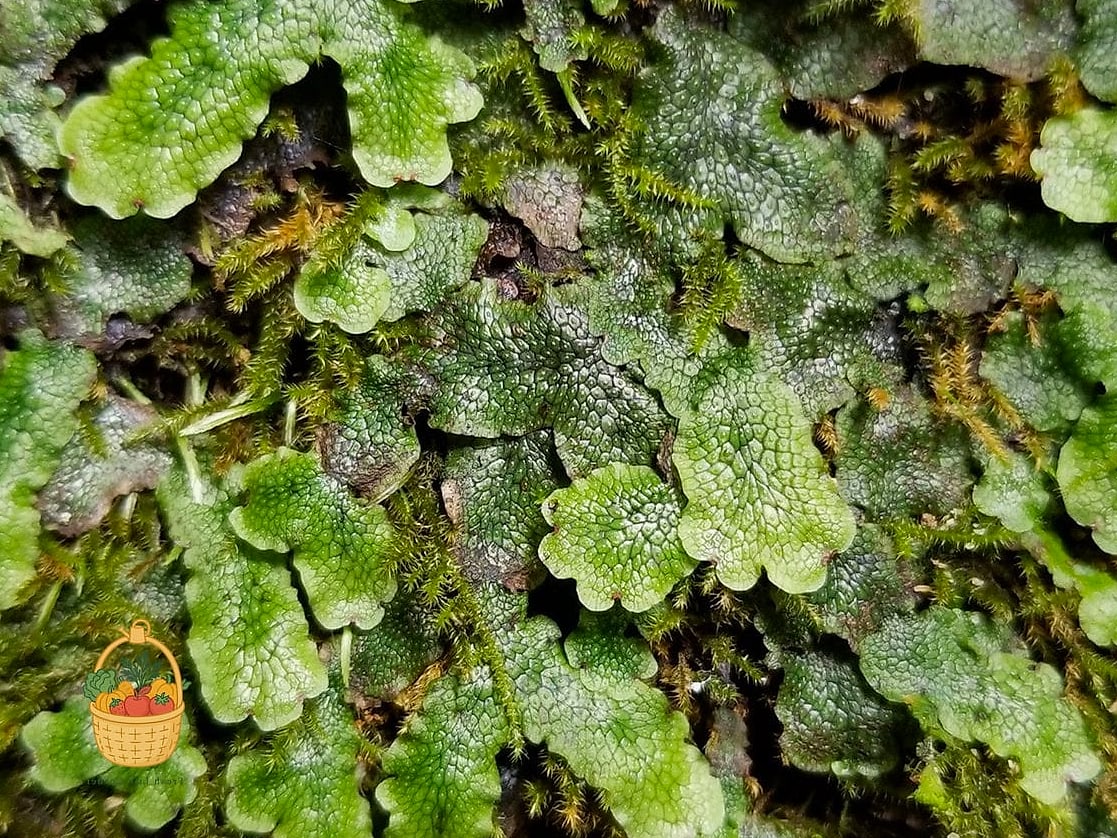
This is a catch-all term gardeners sometimes use for mosses that colonize alongside liverworts in consistently damp, shaded containers and greenhouse floors. It’s more of a “if it shows up, let it stay” moss than one you’d plant deliberately.
It thrives in high humidity and low light, which is exactly the environment many greenhouses and plant rooms provide. It’s a good sign your growing conditions are humid enough for moisture-loving plants in general.
Dicranum Moss
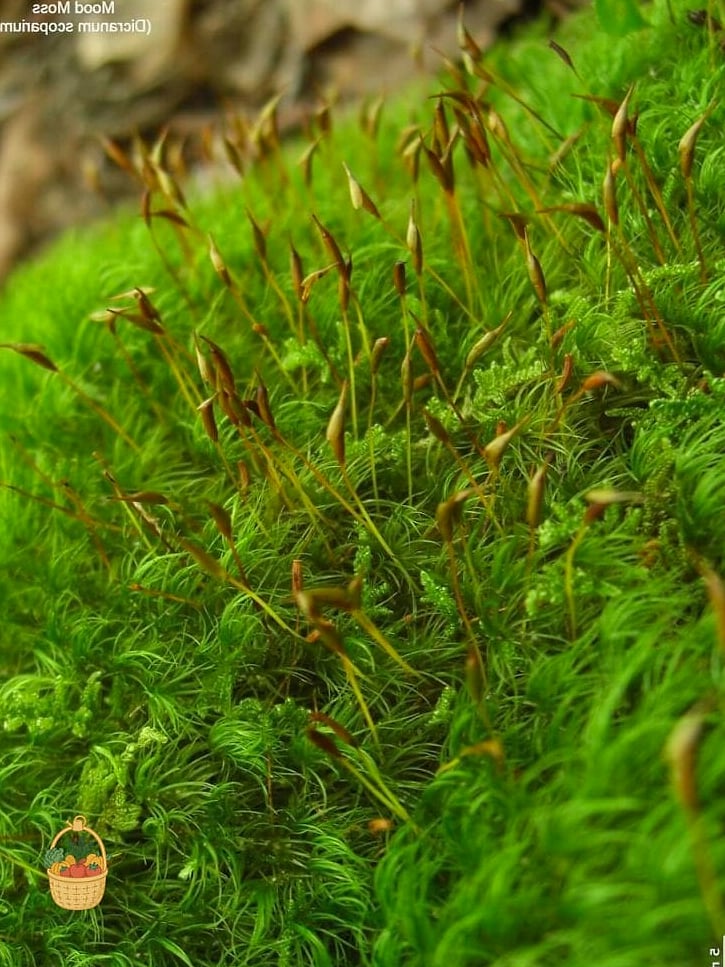
Dicranum moss, often called broom fork moss, has curved, sweeping leaves that all seem to point the same direction, giving it a windswept look even indoors. It’s a popular choice for terrarium designers who want visual movement.
It prefers acidic, well-draining soil and partial to full shade, doing well in zones 3 through 8. It’s moderately slow-growing, so a little goes a long way in a small display.
Common Green Sheet Moss
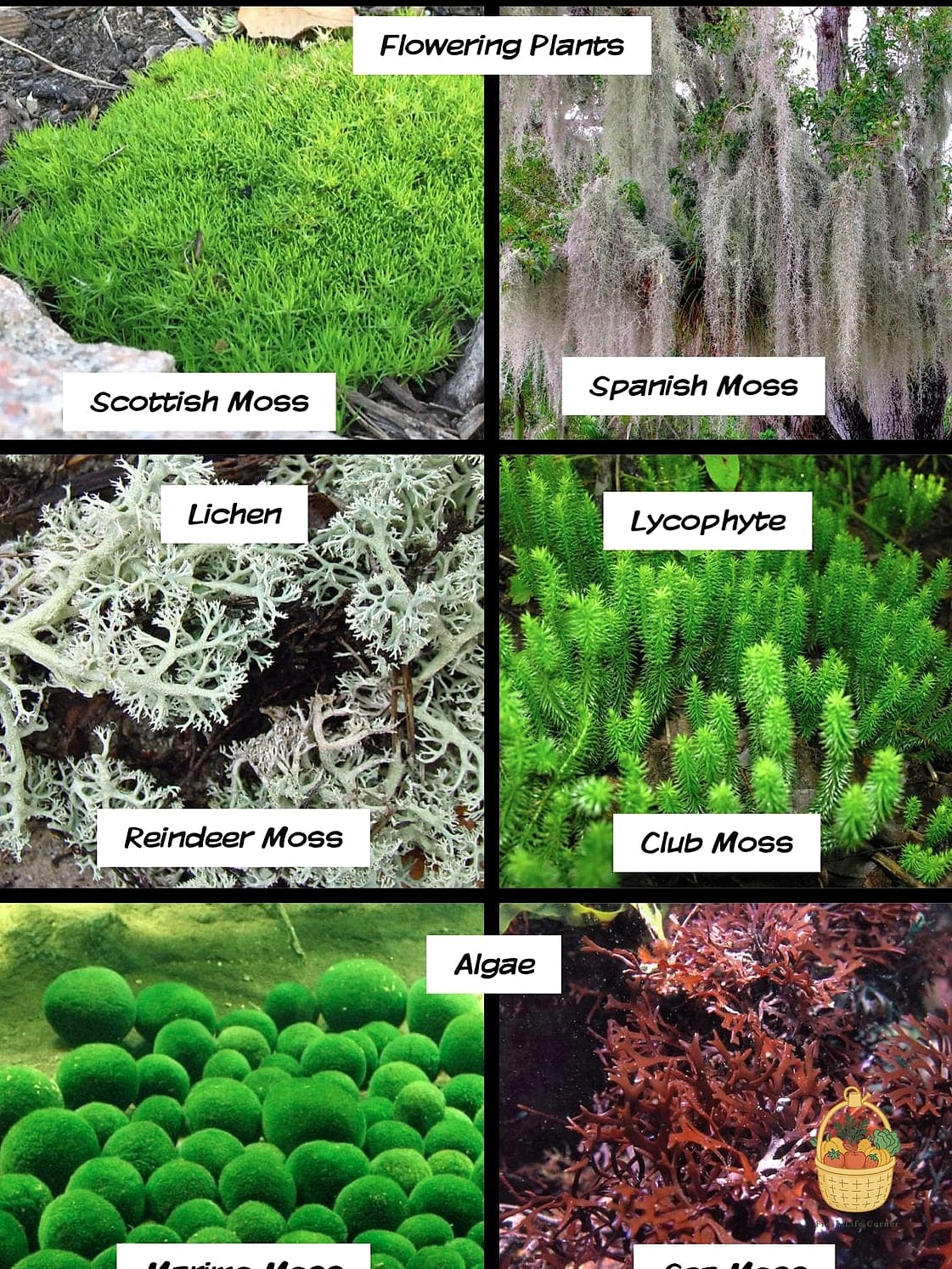
This is the everyday moss most people picture when they hear the word “moss” — flat, bright green, and forgiving. It’s an excellent starter moss for anyone new to moss gardening.
It tolerates a decent range of shade levels and moisture conditions, which is part of why it’s so widespread. It spreads readily, so it’s a strong pick if your main goal is quick, reliable coverage.
Rock Moss
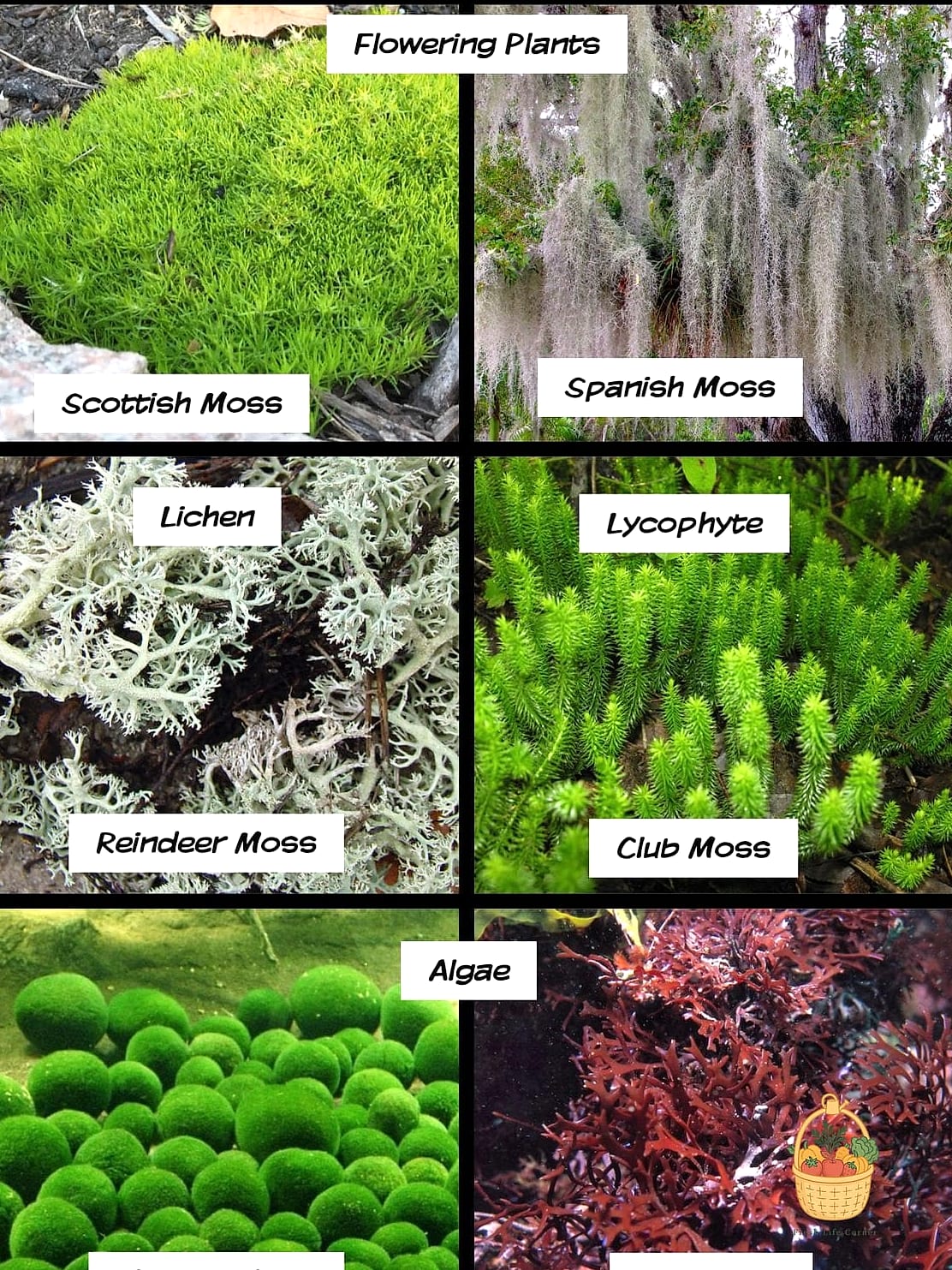
Rock moss, distinct from rock cap moss, tends to grow in thinner patches directly on stone surfaces rather than forming thick cushions. It’s often the first moss to appear on new pavers or retaining walls.
It tolerates more sun exposure than many mosses and needs very little soil to establish, since it’s drawing moisture largely from the stone surface itself and ambient humidity. It’s essentially maintenance-free once it takes hold.
Tortula Moss
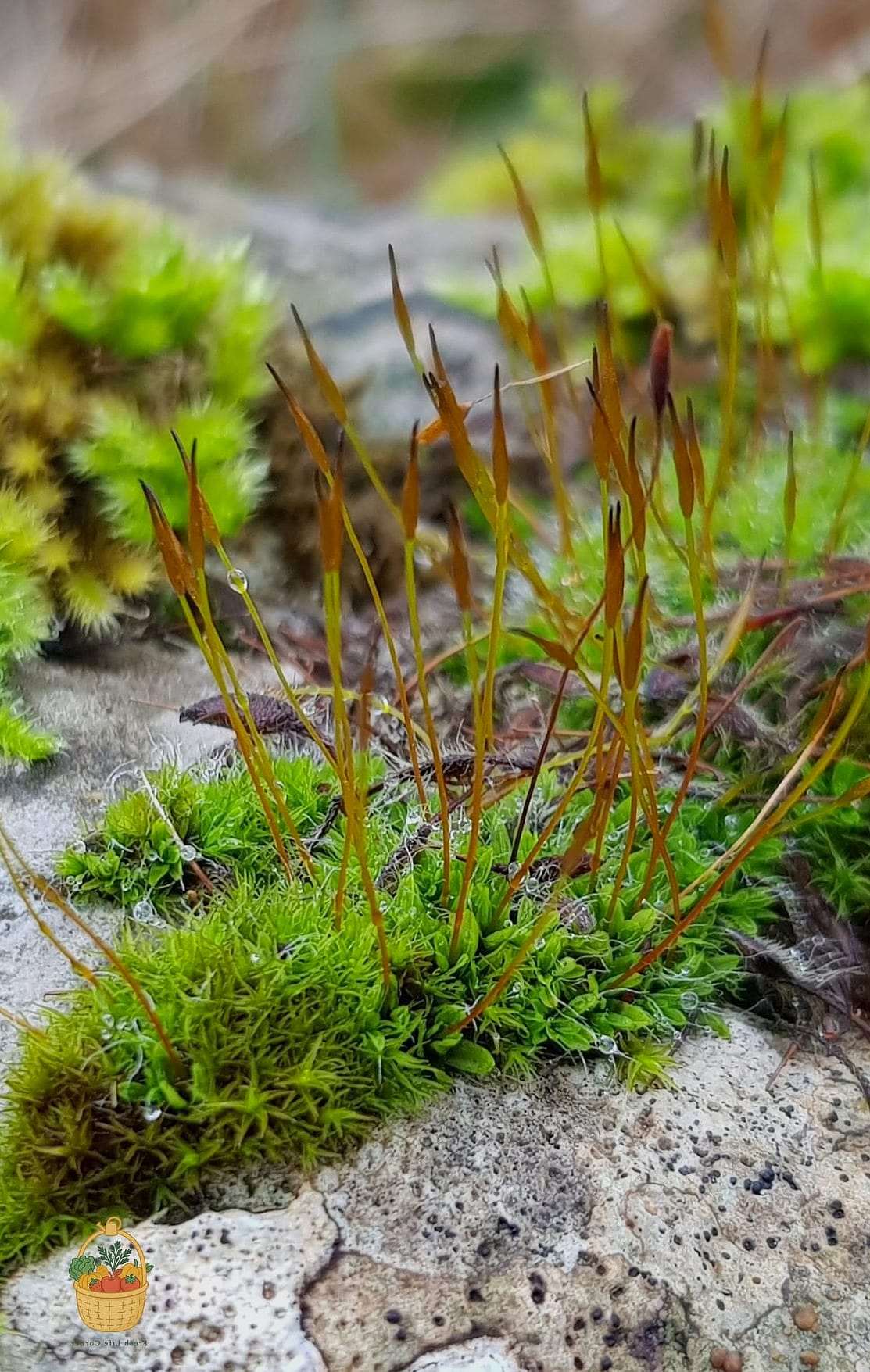
Tortula moss, sometimes called twisted moss for the way its leaves curl when dry, is a hardy little species that pops up in sidewalk cracks and rooftop gardens alike. It’s tougher than it looks.
It handles full sun to partial shade and tolerates drought better than most mosses on this list, curling tight when dry and unfurling after rain. That resilience makes it a smart pick for green roofs and other exposed spots where other mosses would struggle.
Building a moss garden isn’t about forcing a single species to do everything — it’s about mixing textures, from the tight cushions of pincushion moss to the feathery spread of fern moss, and letting each one do what it does best. Start with whatever’s already trying to grow in your shady, damp corners, since that’s usually a strong hint about which moss will actually thrive there without a fight.