21 Not Kill Your Indoor Ferns Worth Pinning Right Now
- Boston Fern
- Maidenhair Fern
- Bird’s Nest Fern
- Staghorn Fern
- Kimberly Queen Fern
- Rabbit’s Foot Fern
- Asparagus Fern
- Button Fern
- Holly Fern
- Autumn Fern
- Fishtail Fern
- Silver Lace Fern
- Japanese Painted Fern
- Cinnamon Fern
- Lemon Button Fern
- Tassel Fern
- Squirrel’s Foot Fern
- Blue Star Fern
- Crocodile Fern
- Ribbon Fern
- Rooster’s Comb Fern
21 Not Kill Your Indoor Ferns Worth Pinning Right Now
Ferns have this reputation for being fussy, dramatic, and prone to dying the second you look away. Honestly? Some of that reputation is earned. But there are plenty of indoor ferns that forgive a missed watering or a little too much sun without turning into a crispy mess on your windowsill.
If you’ve been pinning fern photos for months without actually buying one, this list is for you. These are 21 ferns that indoor growers actually keep alive — some famously easy, some a bit more particular, but all worth the counter space. I’ve grown a good chunk of these myself, killed a couple in the process of learning, and I’m sharing what actually works.
Boston Fern
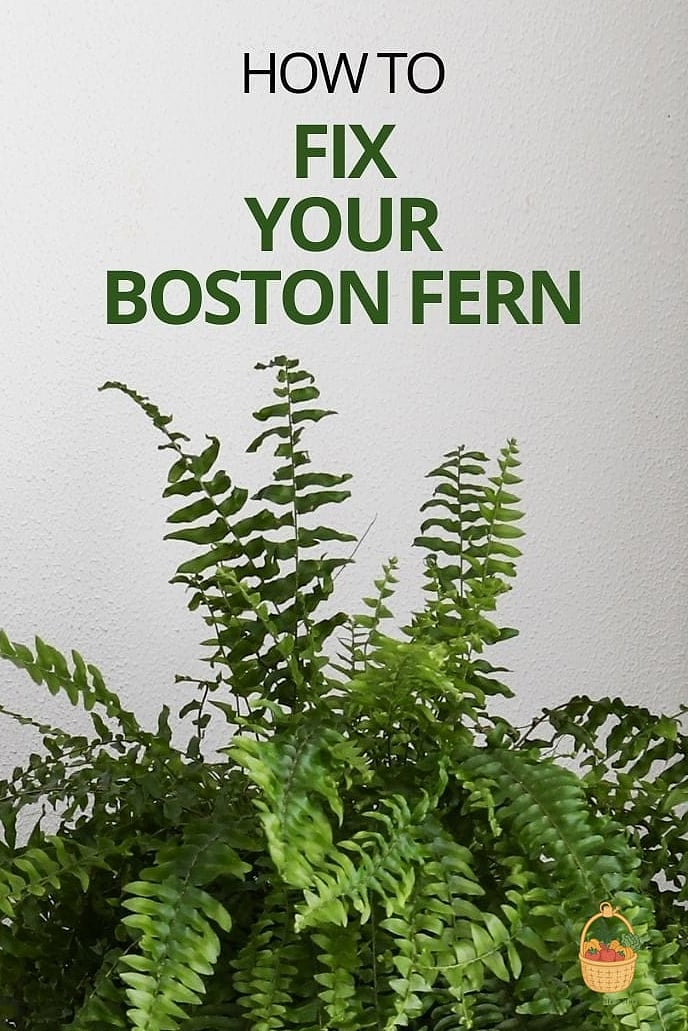
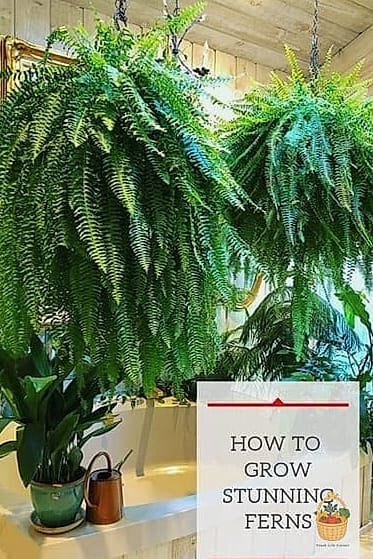
The classic. Boston fern has those long, arching fronds packed with tiny leaflets that give it a full, feathery look — the kind of plant that makes a room feel lived-in. It wants bright, indirect light and soil that stays consistently moist, never soggy.
Humidity is the real key here; dry indoor air in winter is what usually does it in, so a bathroom or a pebble tray helps a lot. It grows at a moderate pace and can get surprisingly large in a hanging basket. Care difficulty sits at moderate, mostly because of the humidity demand. Gardeners love it because it’s the fern that started it all — the one you picture when someone says “fern.”
Maidenhair Fern
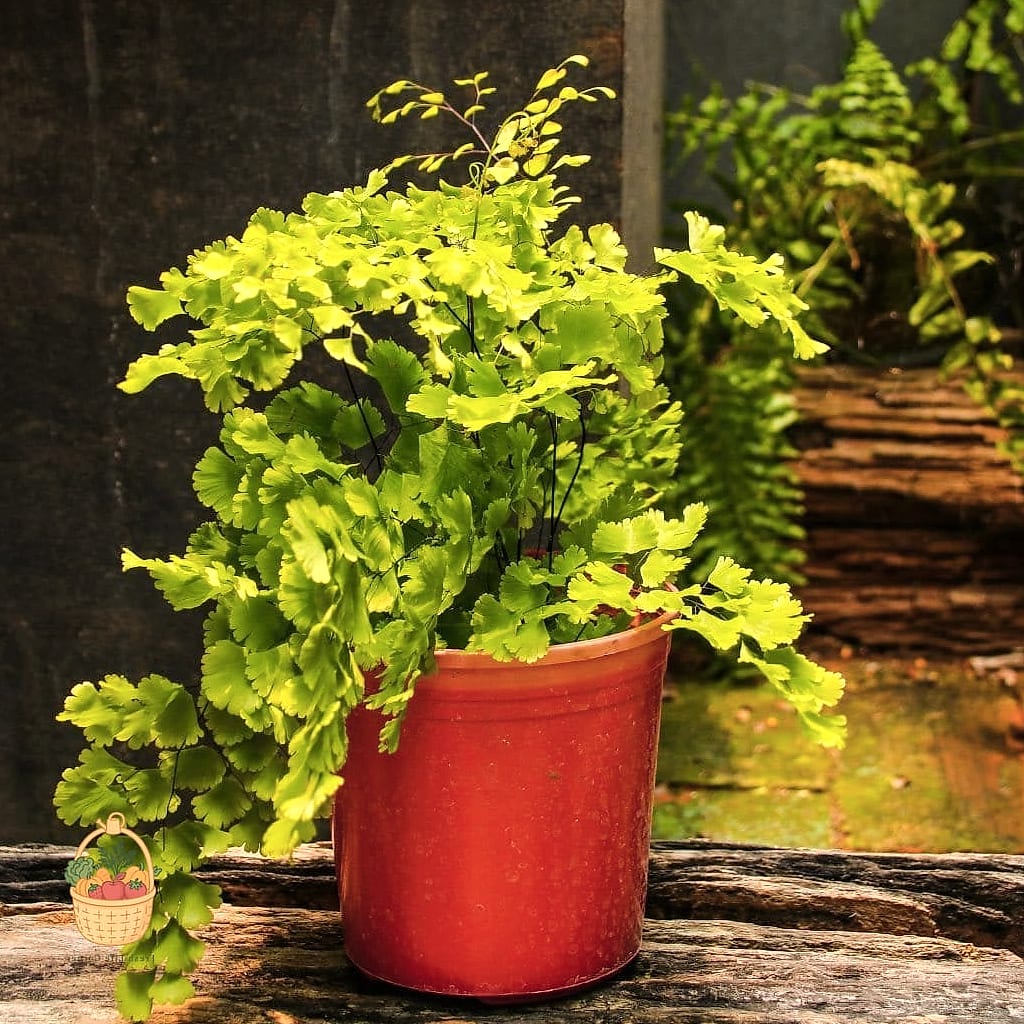
Delicate, almost lacy, with black wiry stems and fan-shaped leaflets that flutter with the slightest breeze. It’s gorgeous, but I won’t lie to you — maidenhair fern is one of the pickier ones on this list.
It needs consistently moist soil, high humidity, and bright indirect light, and it sulks the moment it dries out even slightly. This one’s better suited to experienced growers or anyone willing to check on it daily. Terrariums are actually a great home for it since they hold humidity so well.
Bird’s Nest Fern
This one looks nothing like a typical fern, and that’s part of the charm. Instead of feathery fronds, it has broad, wavy, apple-green leaves that grow in a rosette, like a nest — hence the name.
It tolerates lower light better than most ferns and prefers to dry out slightly between waterings, which makes it far more forgiving. Avoid getting water in the central crown, since that can lead to rot. Beginners tend to have good luck with this one, and it makes a striking statement plant on its own.
Staghorn Fern
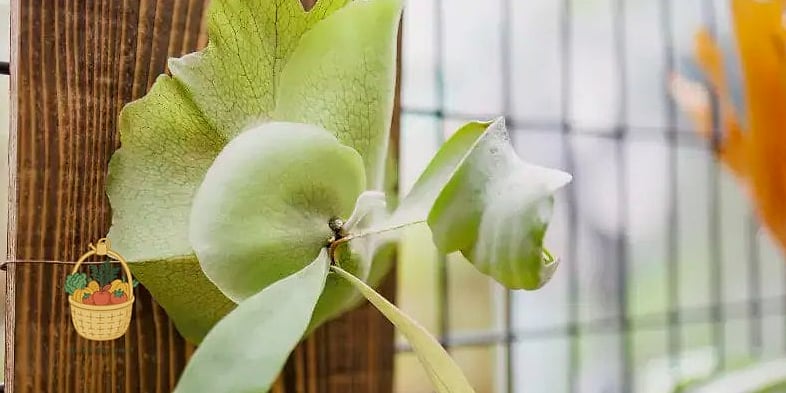
Staghorn fern grows in a totally different shape — flat, antler-like fronds that mount beautifully on wood slabs instead of sitting in a pot. It’s become a favorite for a reason; nothing else looks quite like it hanging on a living room wall.
It likes bright indirect light and a good soak once a week rather than frequent light watering. Growth is slow at first but picks up once established. This is more of an intermediate plant, mainly because mounting and watering technique take a little practice.
Kimberly Queen Fern
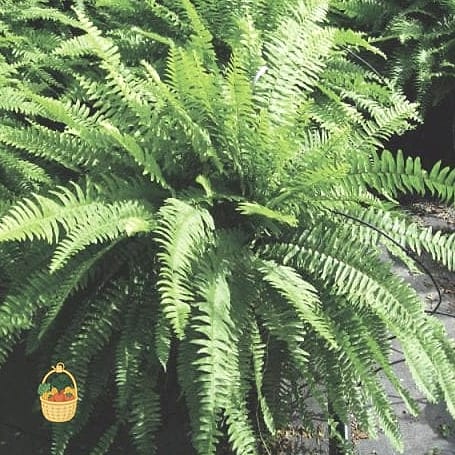
If you love the look of a Boston fern but want something a bit more upright and tolerant of dry indoor air, Kimberly queen fern is the answer. The fronds grow more vertically instead of trailing everywhere, which makes it easier to place on a shelf or side table.
It handles average indoor humidity better than most ferns and prefers evenly moist, well-draining soil. Fast-growing and fairly forgiving, it’s a solid pick for someone newer to fern care who still wants that classic fern texture.
Rabbit’s Foot Fern
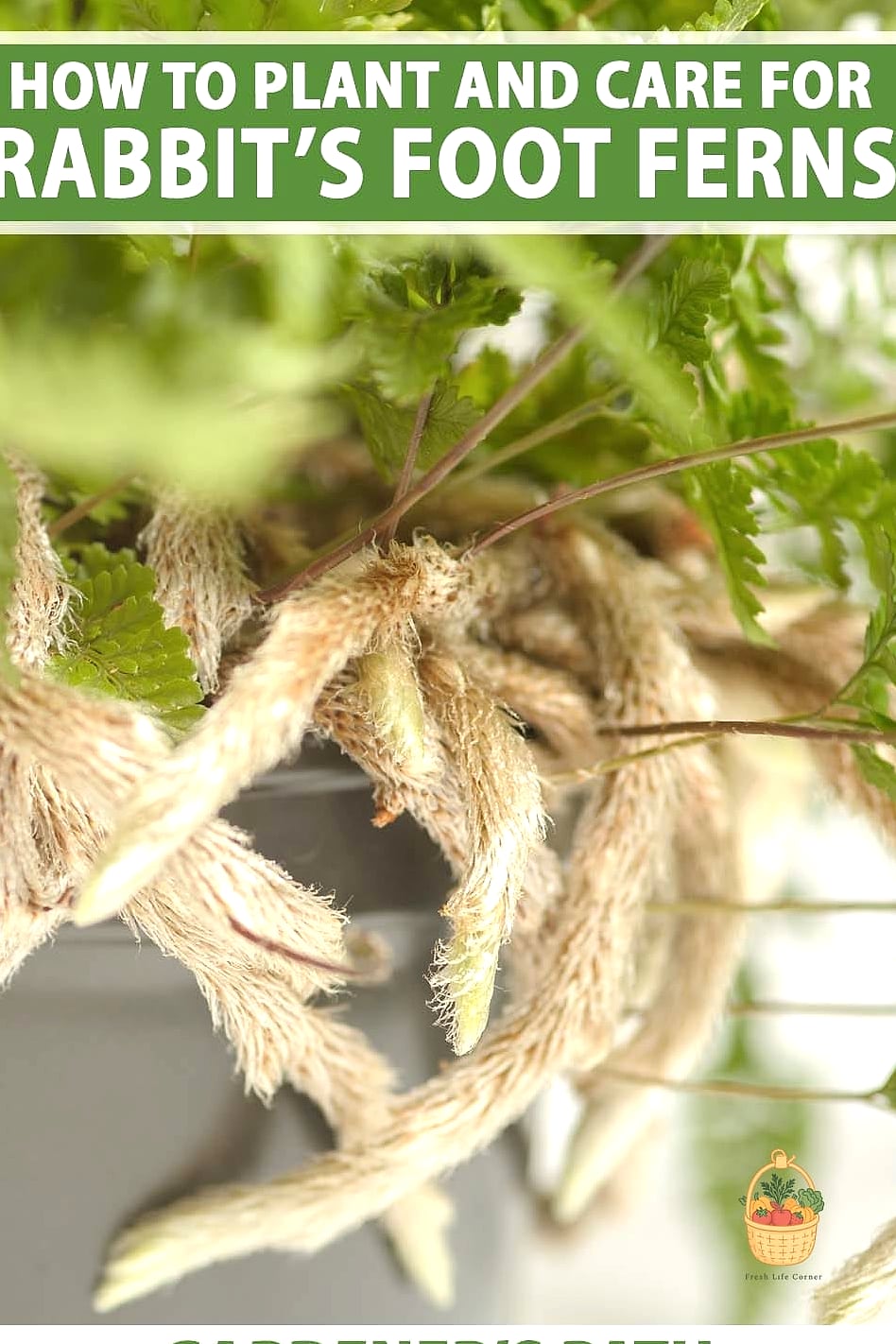
Named for its fuzzy, brown rhizomes that creep over the pot’s edge looking like little furry paws. It’s a genuinely fun plant to watch grow, and those rhizomes are half the appeal.
Rabbit’s foot fern likes bright indirect light and soil that dries slightly on the surface between waterings. It’s more drought-tolerant than a lot of ferns thanks to those rhizomes storing moisture. A shallow, wide pot works better than a deep one, since the rhizomes like to spread across the surface.
Asparagus Fern
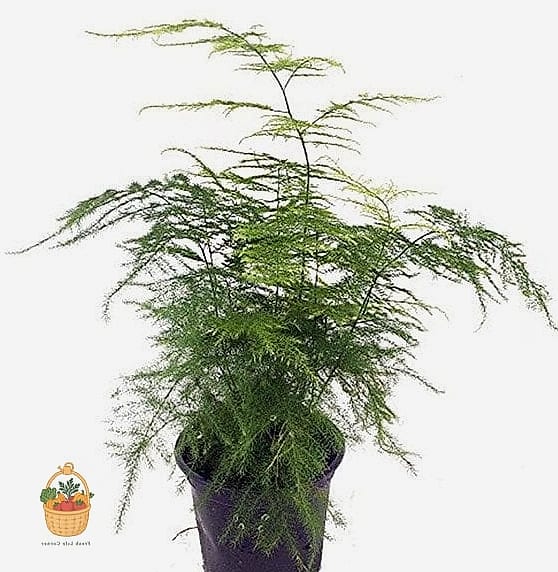
Not a true fern botanically, but it’s sold and grown as one everywhere, so it earns its spot here. The needle-like foliage is soft and feathery, almost cloud-like when it fills out.
It prefers bright indirect light and consistently moist soil, and it’s noticeably more tolerant of occasional neglect than true ferns. Watch for tiny sharp thorns along the stems — not dangerous, just surprising the first time you touch one. Great for hanging baskets where that airy texture can really show off.
Button Fern
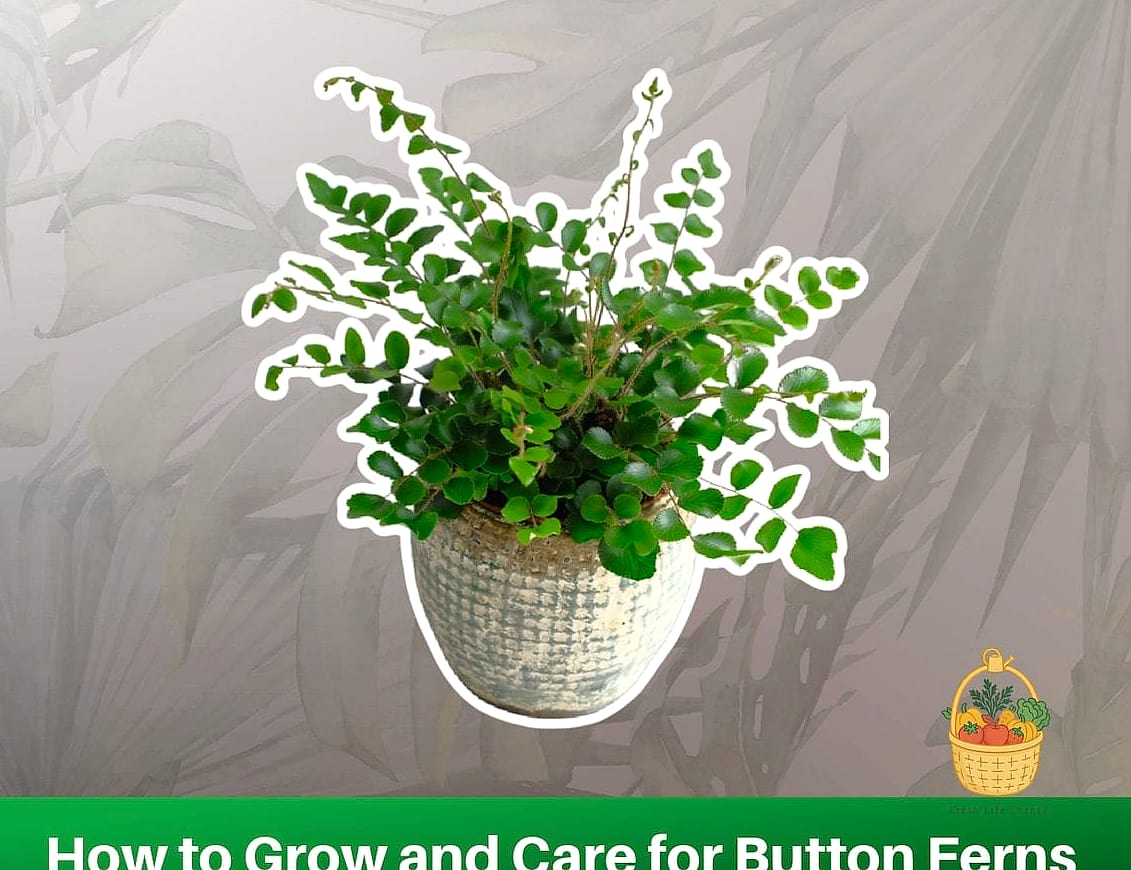
Small, round, glossy leaflets that genuinely look like little green buttons lined up along the stem. It’s compact, slow-growing, and honestly kind of adorable on a desk or windowsill.
Button fern tolerates lower light and slightly drier conditions than most ferns, which makes it a good low-maintenance option. Well-draining soil is important here since it’s more sensitive to soggy roots than to dry ones. This is one I’d recommend to someone who’s killed a Boston fern and needs a confidence boost.
Holly Fern
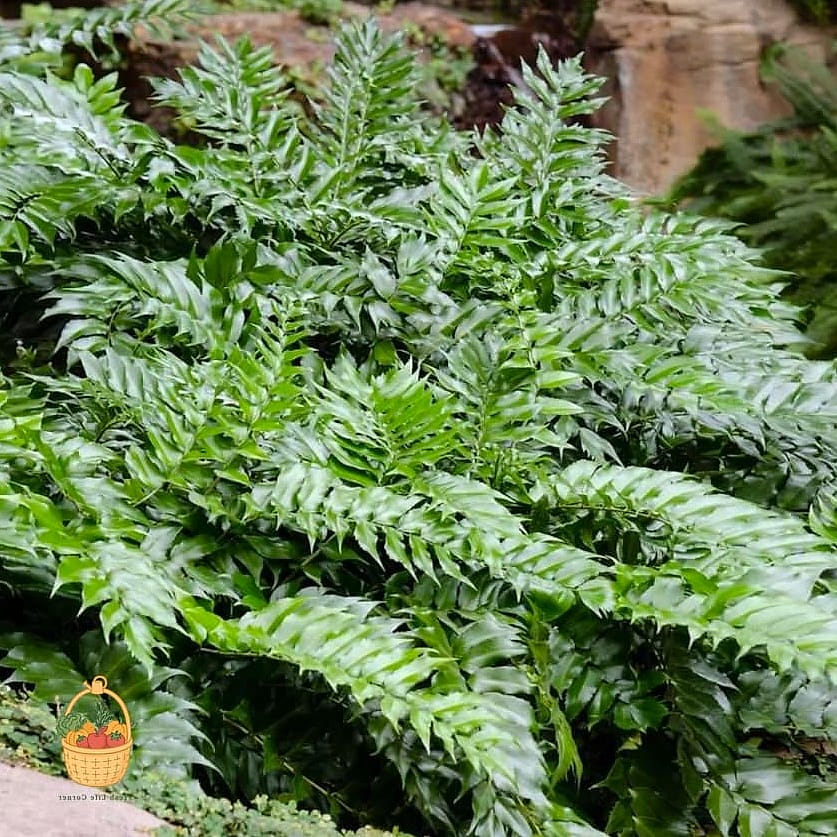
Tough, leathery, dark green fronds that look almost like holiday holly leaves — hence the name. Holly fern is one of the more durable indoor ferns, tolerating lower humidity and inconsistent watering better than most.
It does fine in medium to bright indirect light and prefers soil that dries slightly between waterings. The thick fronds hold up well against occasional dry spells, making this a good choice for offices or rooms without a humidifier running.
Autumn Fern
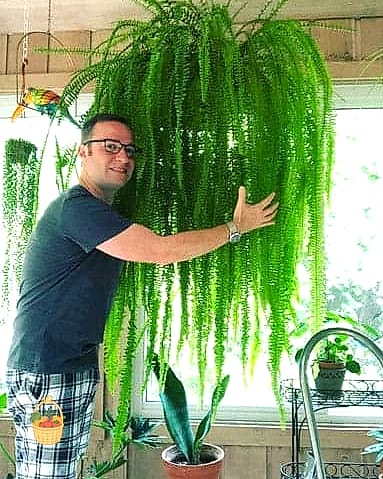
Autumn fern gets its name from the coppery, reddish new growth that eventually matures to green — it’s genuinely one of the prettiest color transitions in the fern world. New fronds practically glow when the light hits them right.
It prefers bright indirect light indoors and consistently moist, well-draining soil. It’s a bit hardier than the classic ferns on this list and tolerates brief dry spells without total meltdown. A great pick if you want something with visual interest beyond plain green.
Fishtail Fern
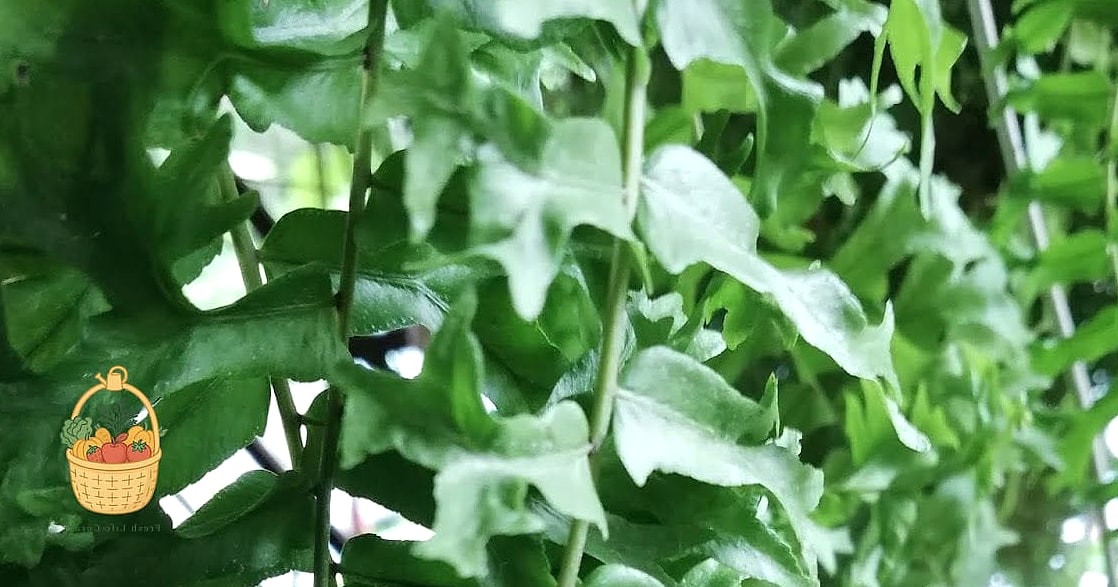
The fronds here fork at the tips like a fish’s tail, giving the whole plant a wavy, ruffled texture that’s different from anything else on this list. It’s an eye-catcher without trying too hard.
Fishtail fern likes bright indirect light and evenly moist soil, similar to a Boston fern’s needs. It’s moderately humidity-loving, so grouping it with other plants or using a pebble tray helps. Growth rate is moderate, and mature plants can get impressively full.
Silver Lace Fern
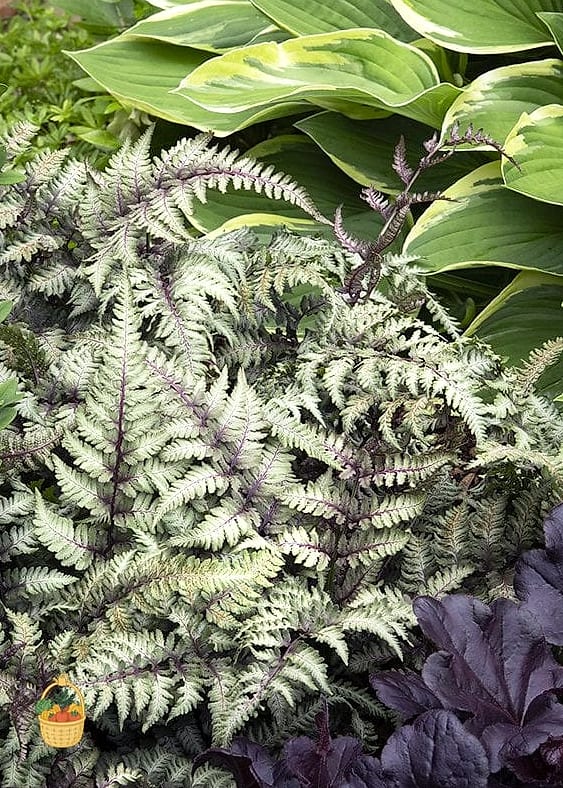
This one’s compact and finely textured, with silvery-gray markings running along the center of each leaflet. It stays small, which makes it a nice option for tighter spaces like bathroom shelves or kitchen windowsills.
Bright indirect light and consistently moist soil keep it happy. It’s a little more sensitive to dry air than some tougher ferns on this list, so a humid bathroom setting genuinely suits it well. Slow-growing, but reliable once it’s settled in.
Japanese Painted Fern
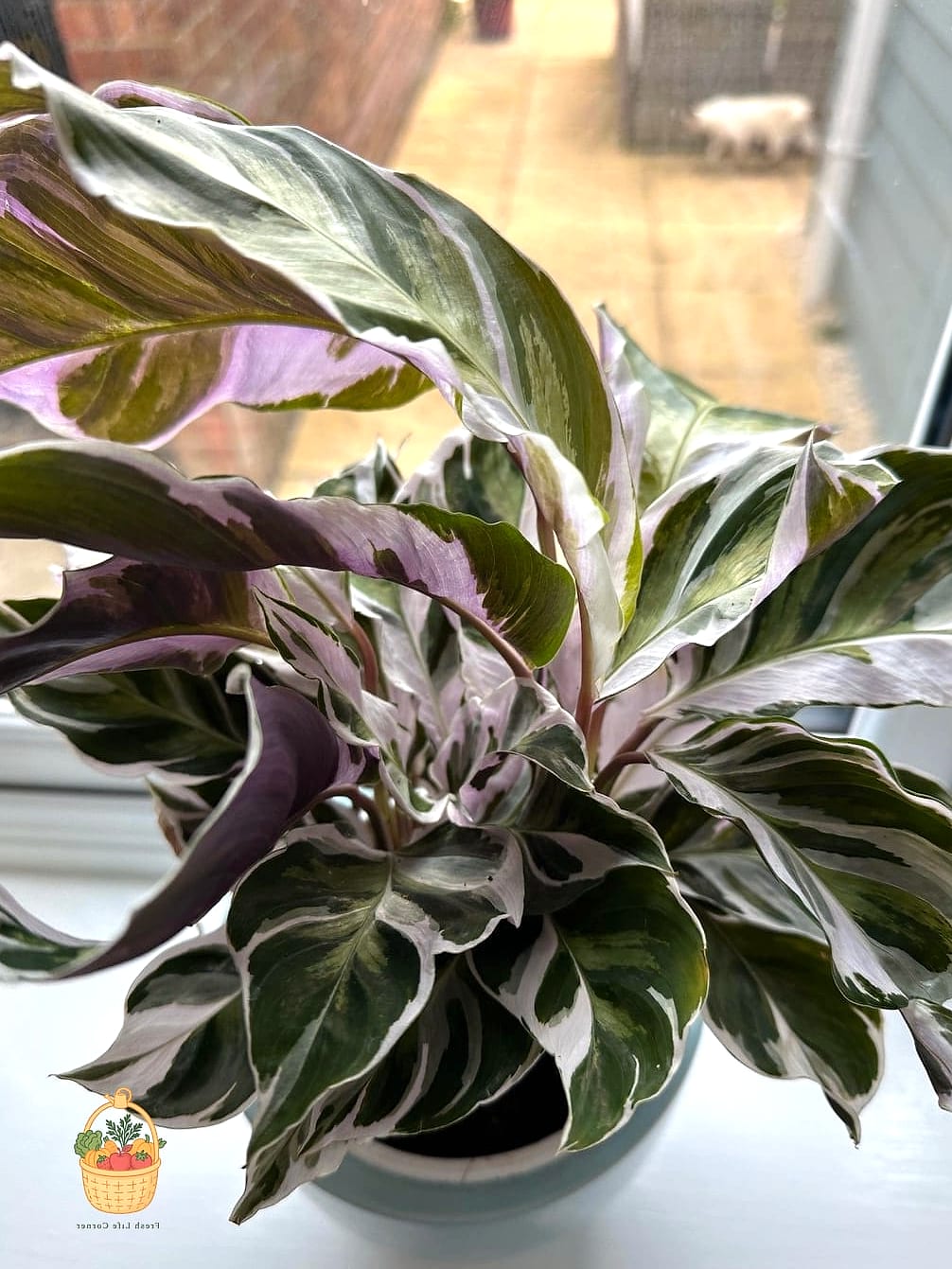
Technically more common as a shade garden plant outdoors, but it does surprisingly well as an indoor container fern too, especially in cooler rooms. The silvery-blue and burgundy coloring in the fronds is unlike anything else here.
It prefers bright indirect light indoors and evenly moist soil, and it appreciates cooler indoor temperatures rather than a warm, stuffy room. Hardy to USDA zones 3 through 8 if you ever want to move it outside for summer. The color alone makes it worth pinning.
Cinnamon Fern
Named for the cinnamon-colored fertile fronds that shoot up from the center of the plant, contrasting against the green sterile fronds around them. It’s a bold, architectural fern that reads as more “wild” than tidy.
Indoors it needs bright indirect light and soil that never fully dries out — this one is genuinely thirsty. It’s better suited to experienced growers who don’t mind a more demanding watering schedule, but the payoff in texture is real.
Lemon Button Fern
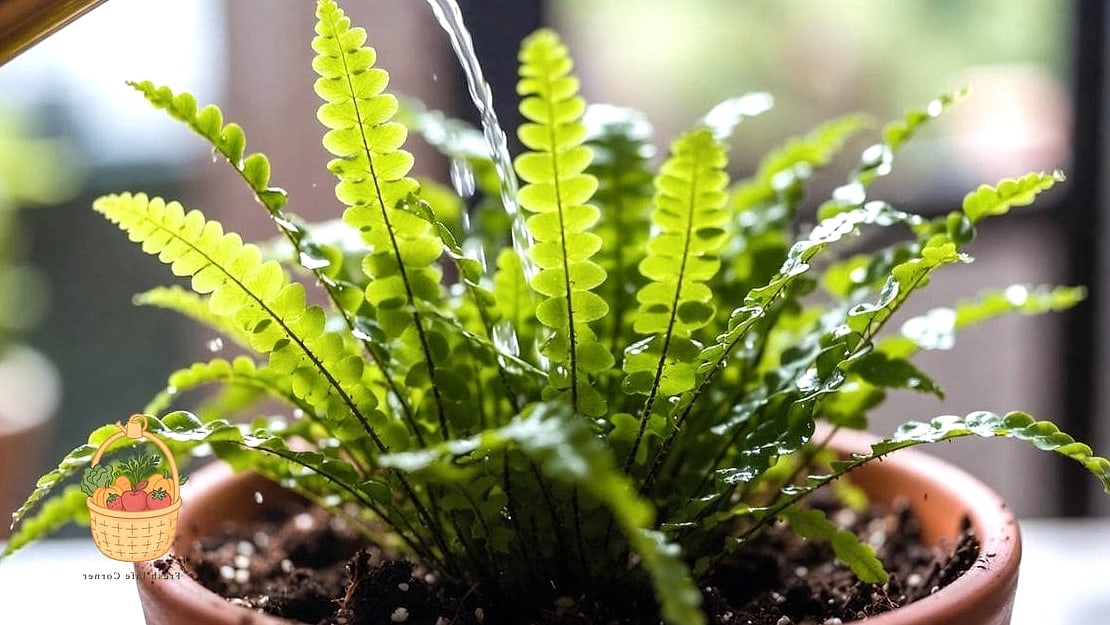
A smaller cousin of the button fern, with a citrusy scent when the foliage is brushed or bruised, which is a fun little bonus most ferns don’t offer. The rounded leaflets stay tidy and compact.
It likes bright indirect light and evenly moist, well-draining soil, and it’s more tolerant of average indoor humidity than a lot of ferns its size. This is another good confidence-builder for someone newer to growing ferns indoors.
Tassel Fern
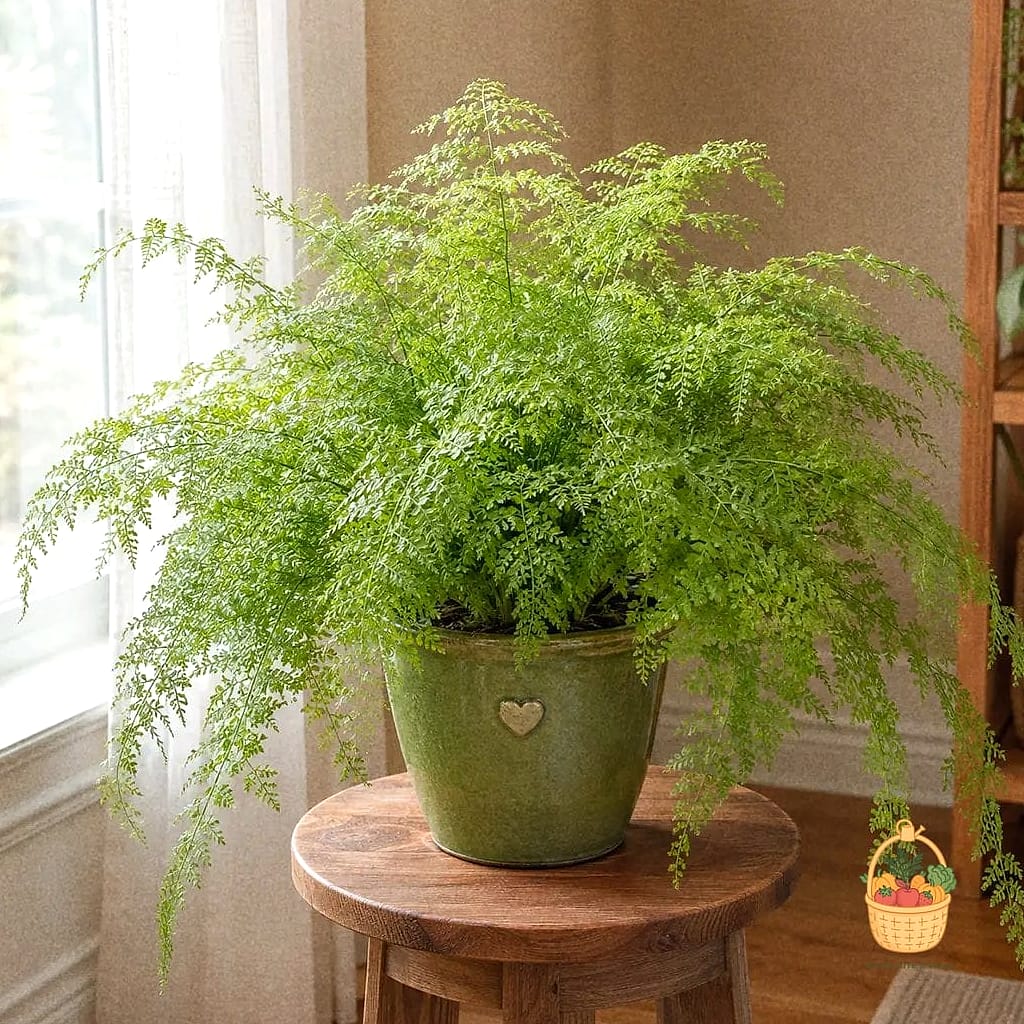
Dense, dark green, almost bristly-looking fronds give tassel fern a sturdier, more architectural presence than delicate lacy ferns. It reads more “structural houseplant” than “wispy fern,” if that makes sense.
Medium to bright indirect light and soil that’s allowed to dry slightly on top between waterings work well. It’s more drought-tolerant than most ferns here, which makes it a decent option if you tend to forget watering days.
Squirrel’s Foot Fern

Closely related to rabbit’s foot fern, with similarly fuzzy rhizomes but a slightly finer, more delicate frond texture. It’s a fun conversation piece, especially in a hanging planter where those rhizomes can dangle over the edge.
Bright indirect light and slightly-dry-between-waterings soil suit it best. Like its rabbit’s foot cousin, it stores some moisture in those rhizomes, giving it a bit more buffer against inconsistent watering than true ferns typically have.
Blue Star Fern

The fronds here are broad, wavy, and have a genuine blue-green tint that looks almost otherworldly under the right light. It’s become a popular pick for plant collectors wanting something a little different.
It prefers bright indirect light and soil that dries out somewhat between waterings — it’s more forgiving of drought than overwatering, which trips people up since most ferns are the opposite. Well-draining soil is non-negotiable here.
Crocodile Fern
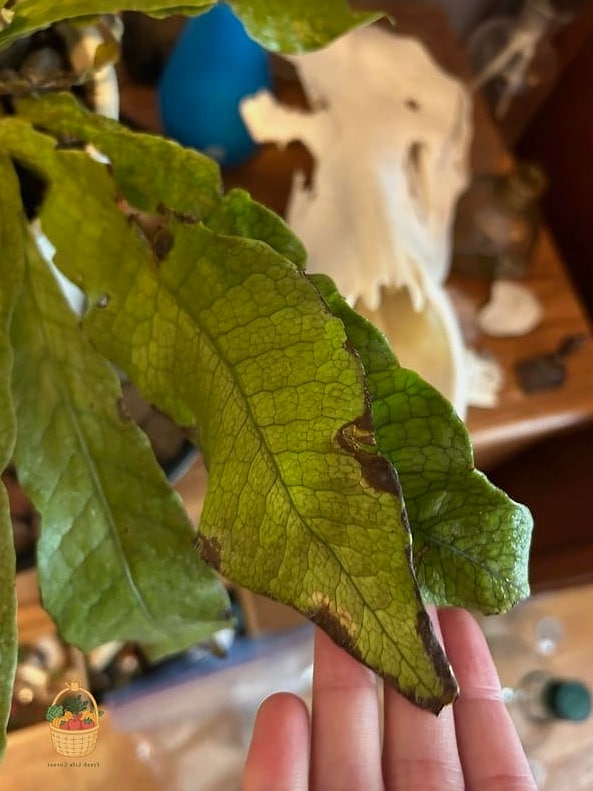
Named for the textured, ridged pattern on its leaves that genuinely resembles crocodile skin. It’s a bold, sculptural plant that looks more like something from a botanical garden than a typical houseplant fern.
Bright indirect light and consistently moist soil keep it thriving, along with decent humidity. It’s a bit more particular than some others on this list, so I’d call it intermediate difficulty — worth it for how unique it looks on a shelf.
Ribbon Fern
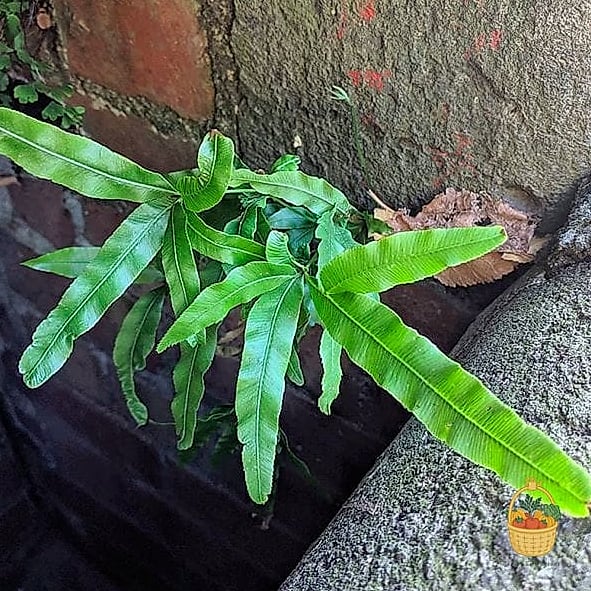
Long, narrow, ribbon-like fronds give this fern a completely different silhouette from anything bushy or lacy — it almost looks more like a grass than a fern at first glance. It works beautifully trailing from a hanging pot.
It wants bright indirect light and evenly moist soil, similar to Boston fern’s care needs. Moderate humidity helps keep the tips from browning. It’s an underrated pick if you want fern texture without the classic feathery look.
Rooster’s Comb Fern
A variety of Boston fern with ruffled, crested frond tips that give it a frillier, more textured appearance than the standard version. If you already love Boston ferns, this is a fun variation to add into the mix.
Care needs mirror the standard Boston fern — bright indirect light, consistently moist soil, and decent humidity. The ruffled texture makes it a nice contrast plant next to smoother-leafed houseplants nearby.
Whatever ends up on your pinboard, remember that most fern failures come down to two things: letting the soil dry out completely or starving the plant of humidity. Fix those two issues and honestly, most of these 21 indoor ferns worth pinning right now will reward you with fresh green growth for years. Start with one or two of the easier ones, get a feel for what your space can support, and build your fern collection from there.