How To Grow & Care For Hyacinth — Your Step-by-Step Guide to Success
How To Grow & Care For Hyacinth — Your Step-by-Step Guide to Success
There’s something about the smell of hyacinths that stops people in their tracks. You’ll be walking past a garden bed in early spring and suddenly catch that thick, sweet fragrance before you even see the flowers. That’s the hyacinth doing its thing.
If you’ve ever wondered how to grow and care for hyacinth successfully, whether in the ground or in a pot on your windowsill, you’re in the right place. This guide walks through everything from planting to troubleshooting, without the jargon overload.
Why Gardeners Love It
Hyacinths are one of those bulbs that give you a huge payoff for very little effort. Plant them once in fall, and you’re rewarded with dense spikes of color and fragrance the following spring.
They also work beautifully in mixed spring displays alongside tulips and daffodils. The contrast between their tightly packed florets and the looser shape of other spring bulbs is genuinely striking.
I’ll admit a personal bias here: hyacinths are my favorite bulb to force indoors during the gray months of late winter. There’s nothing quite like walking into a room that smells like spring when there’s still snow outside.
Key Features and Appearance
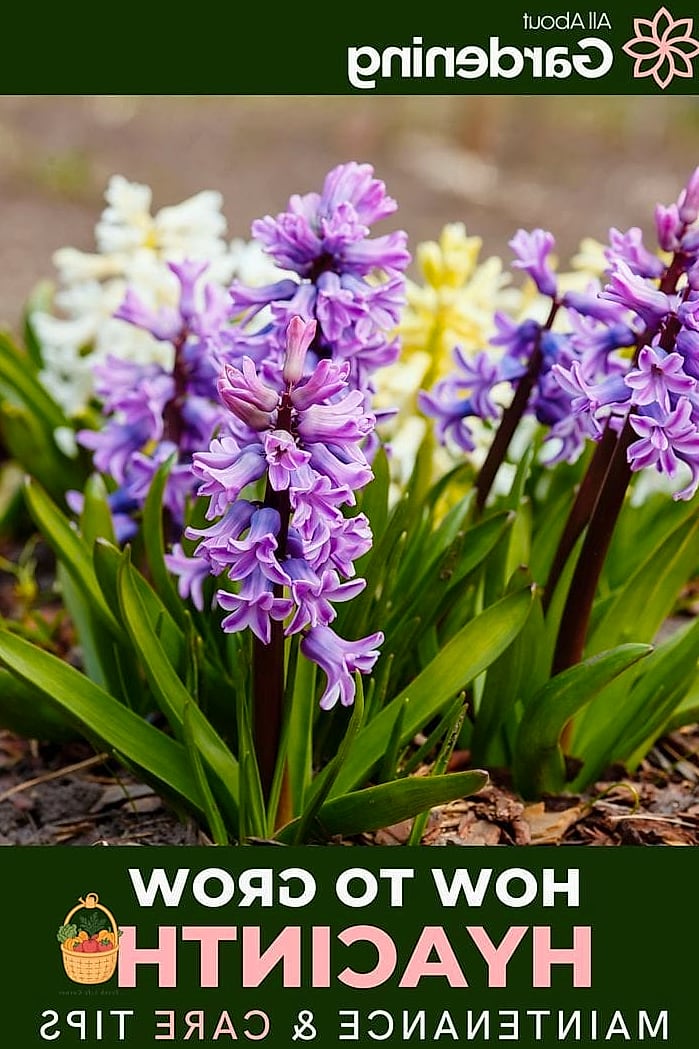
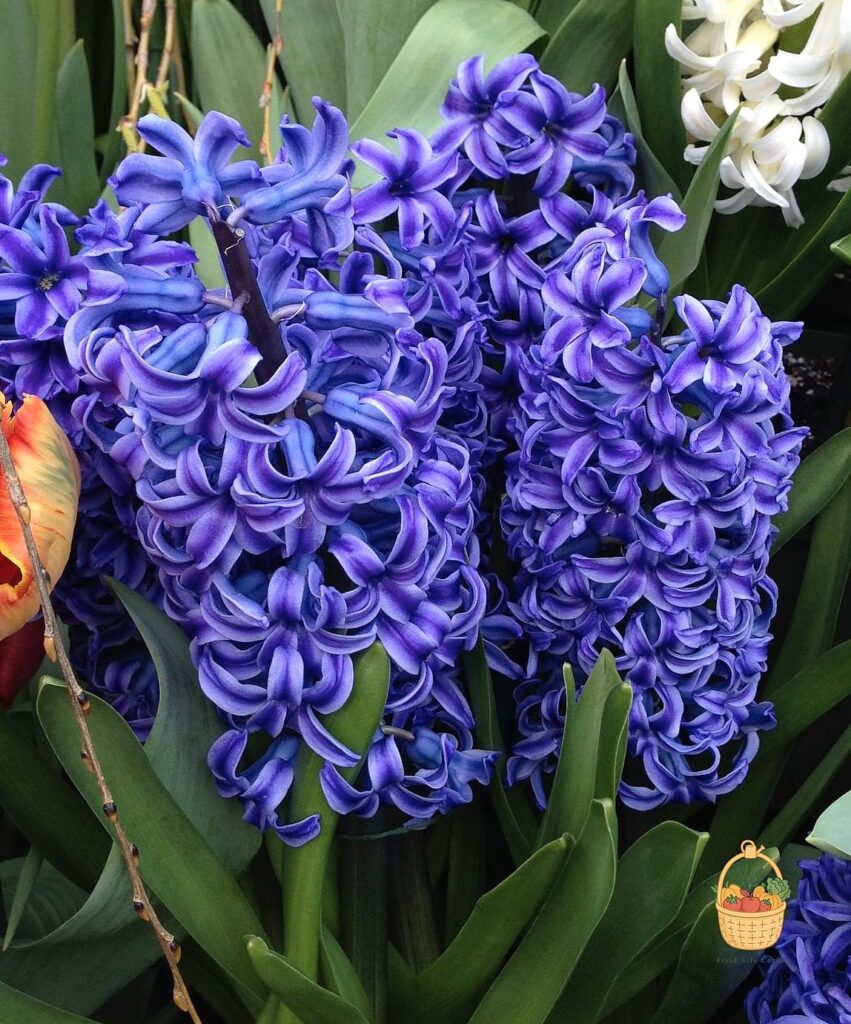
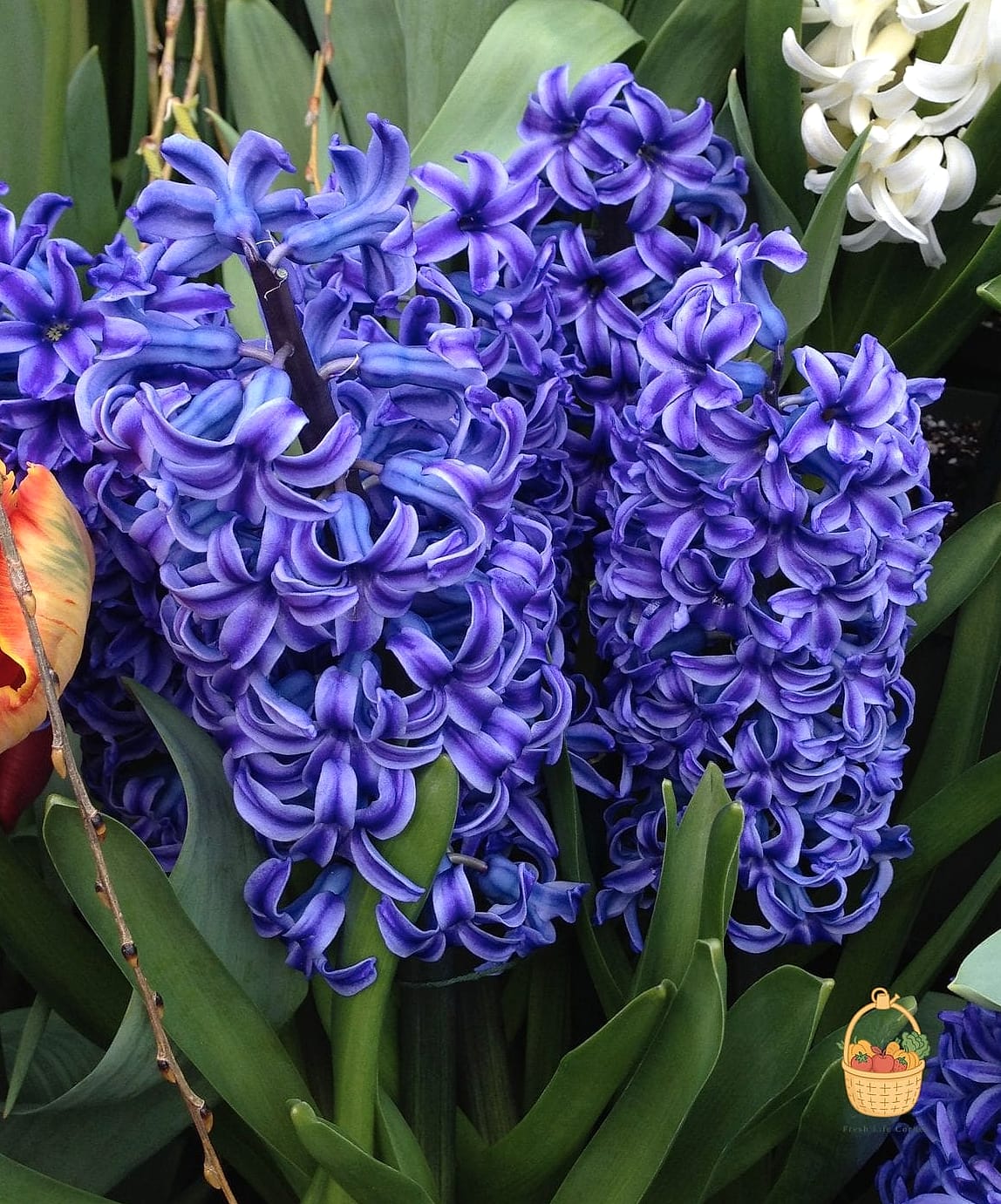
Hyacinths grow from bulbs and produce a single, dense flower spike per bulb, usually somewhere between 6 and 12 inches tall. The individual florets are star-shaped and packed tightly around the stem, which is what gives the plant its almost architectural look.
Colors range from classic purple and blue to pink, white, red, and soft yellow. The strappy, glossy green leaves emerge alongside the flower stalk and stay low to the ground.
This is not a plant that blends into the background. Even a small cluster of three or four bulbs makes a statement in a border or container.
Growing Conditions
Hyacinths do best in full sun to partial shade, meaning at least four to six hours of direct light daily. In hotter climates, a bit of afternoon shade actually helps prolong the bloom.
These bulbs are winter hardy in USDA zones 4 through 8, which covers a huge swath of the country. If you’re in a warmer zone, you may need to pre-chill your bulbs in the refrigerator for six to ten weeks before planting, since hyacinths need a cold period to trigger blooming.
Plant bulbs in fall, roughly six weeks before your first hard frost, so they have time to establish roots before winter sets in. Set them about 4 to 6 inches deep and 3 to 4 inches apart, pointy side up.
Hyacinths also do surprisingly well in containers, which makes them a good option for patios, balconies, or anyone who wants to move the display around as blooms fade. Just make sure whatever pot you use has drainage holes.
Soil and Watering Needs
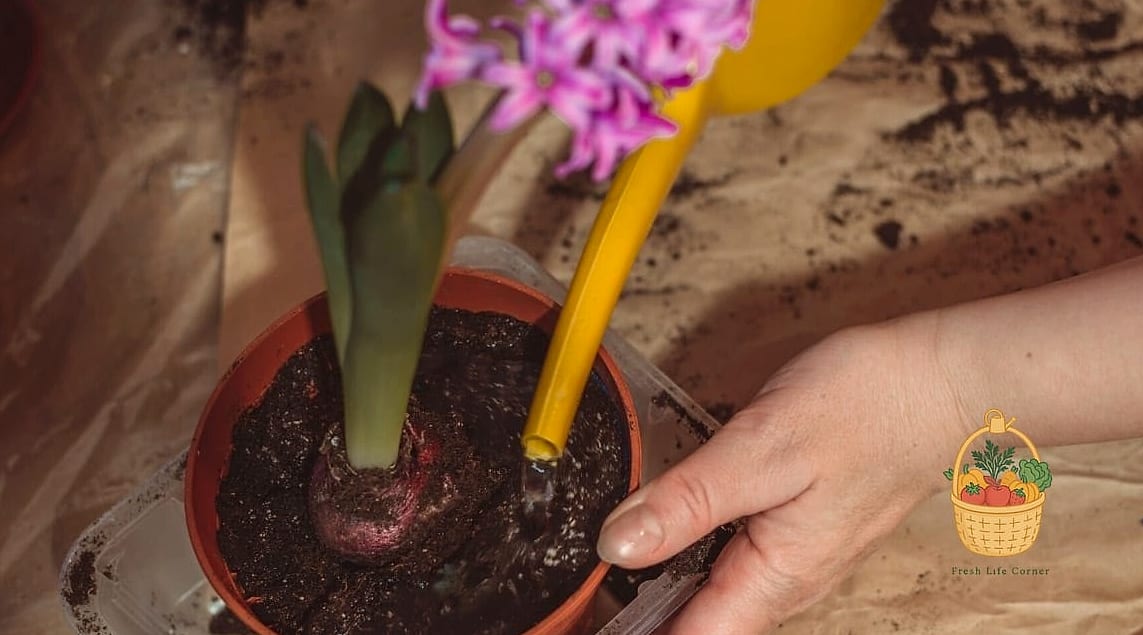
Well-draining soil is non-negotiable with hyacinths. They’re prone to rot if the bulbs sit in soggy conditions, so heavy clay soil should be amended with compost or coarse sand before planting.
A loose, sandy loam is ideal. If you’re planting in containers, a standard potting mix with a handful of perlite mixed in works well.
Water thoroughly after planting to help the bulbs settle, then let the soil dry out somewhat between waterings during the dormant fall and winter months. Once growth appears in spring, keep the soil consistently moist but never waterlogged.
Overwatering is a far more common problem than underwatering with hyacinths. If you notice mushy bulbs or yellowing foliage early in the season, cut back on watering immediately.
Fertilizing and Pruning
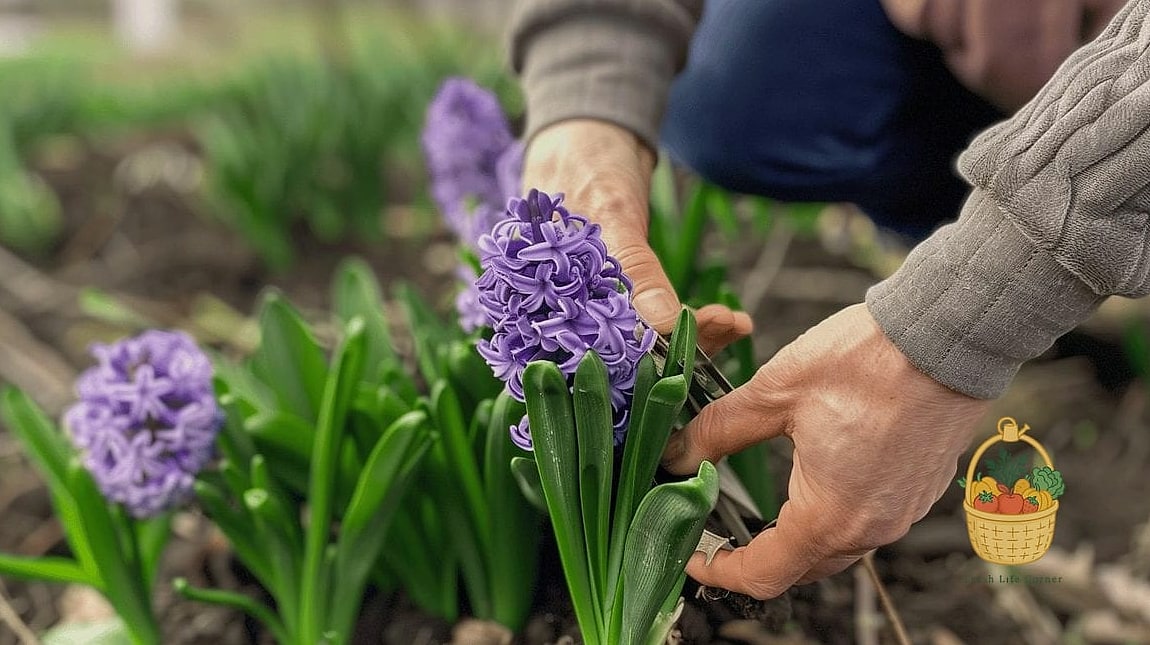
Feed your hyacinths with a slow-release bulb fertilizer at planting time, then again in early spring as shoots emerge. A balanced granular fertilizer or one formulated specifically for bulbs works fine here — nothing fancy needed.
Skip the liquid fertilizer during bloom, as it tends to push growth too fast and can shorten flowering time. Save it instead for after the flowers fade, when the plant is storing energy in the bulb for next year.
As for pruning, deadhead spent flower spikes once blooms fade, but leave the foliage alone. Those leaves are busy photosynthesizing and feeding the bulb for next year’s show, even though they look a little sad and floppy toward the end.
Resist the urge to braid or trim the leaves early. I know it’s tempting because the yellowing foliage isn’t exactly a design highlight, but cutting it back too soon is one of the most common mistakes people make with spring bulbs in general.
Common Problems and Solutions
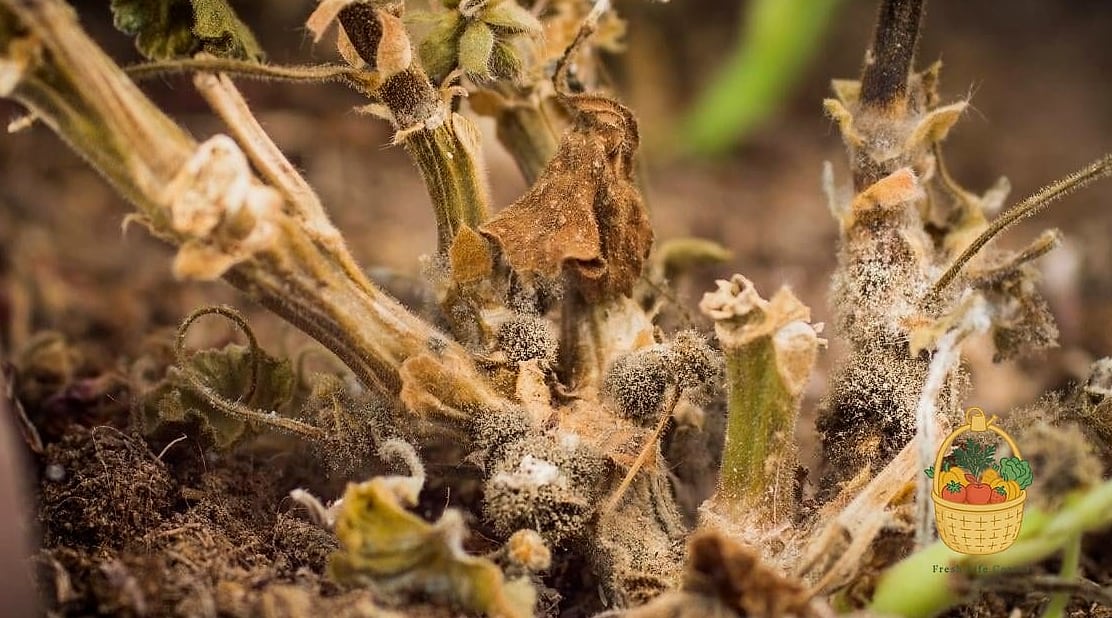
Root rot is the biggest issue hyacinth growers run into, and it almost always traces back to poor drainage or overwatering. If you catch it early, you can sometimes save the bulb by moving it to drier soil, but severely mushy bulbs are usually a lost cause.
Bulb rot in storage is another common complaint, especially if bulbs are kept somewhere humid before planting. Store unplanted bulbs in a cool, dry, well-ventilated spot, ideally in a paper bag rather than plastic.
Pests like aphids and bulb mites occasionally show up, though hyacinths are fairly pest-resistant overall. A blast of water or insecticidal soap usually handles aphids without much fuss.
One nice bonus: hyacinths are largely deer resistant and rabbit resistant, thanks to the compounds in the bulb that make them mildly toxic if eaten. That’s actually worth mentioning to anyone with a deer problem in their garden, since so few spring bulbs can make that claim.
You might also notice fewer or smaller blooms in a hyacinth’s second or third year. This is normal — hyacinths tend to put on their best show the first year after planting, then gradually produce smaller flower spikes over time. Many gardeners treat them as annuals for this reason, replanting fresh bulbs each fall for the biggest display.
Propagation Tips
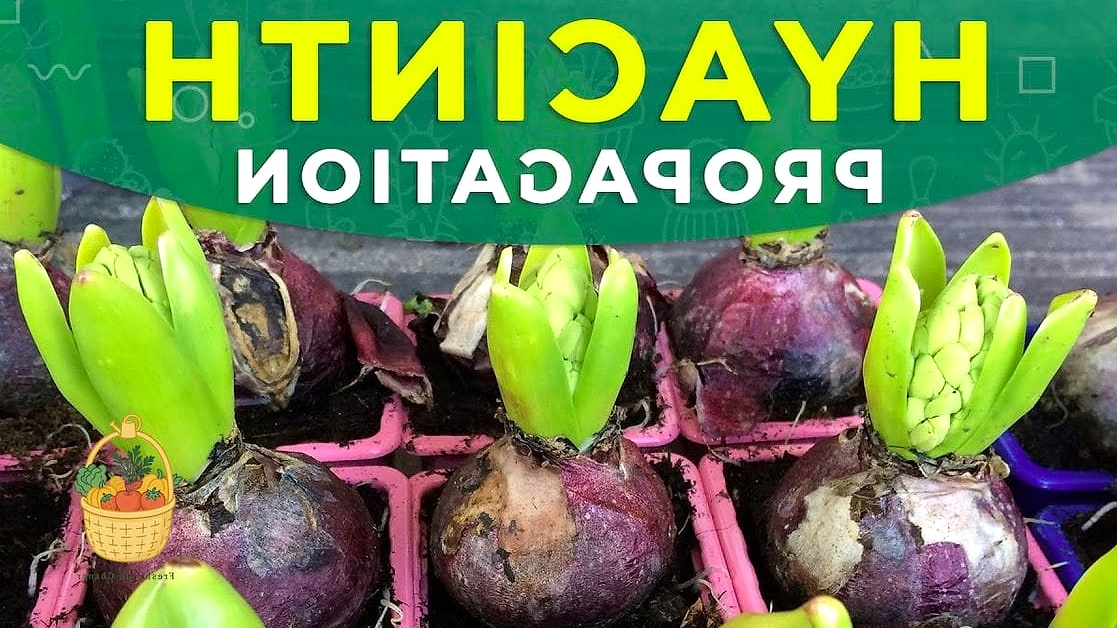
Hyacinths are typically propagated through offsets, which are small bulblets that form naturally at the base of the mother bulb over a few growing seasons. Once you notice offsets forming, you can gently separate them during the dormant period in summer.
Plant the offsets at the same depth and spacing as mature bulbs, though be patient. It often takes two to three years for offsets to mature enough to produce their own flower spikes.
Growing hyacinths from seed is technically possible but rarely done by home gardeners, since it can take four to five years to get a blooming plant. Division of offsets is the far more practical route if you want to expand your collection.
If you’re forcing hyacinths indoors in water or a bulb vase, note that those bulbs are usually spent afterward and won’t perform well if replanted outside. It’s a fun one-time display rather than a long-term investment.
Final Thoughts
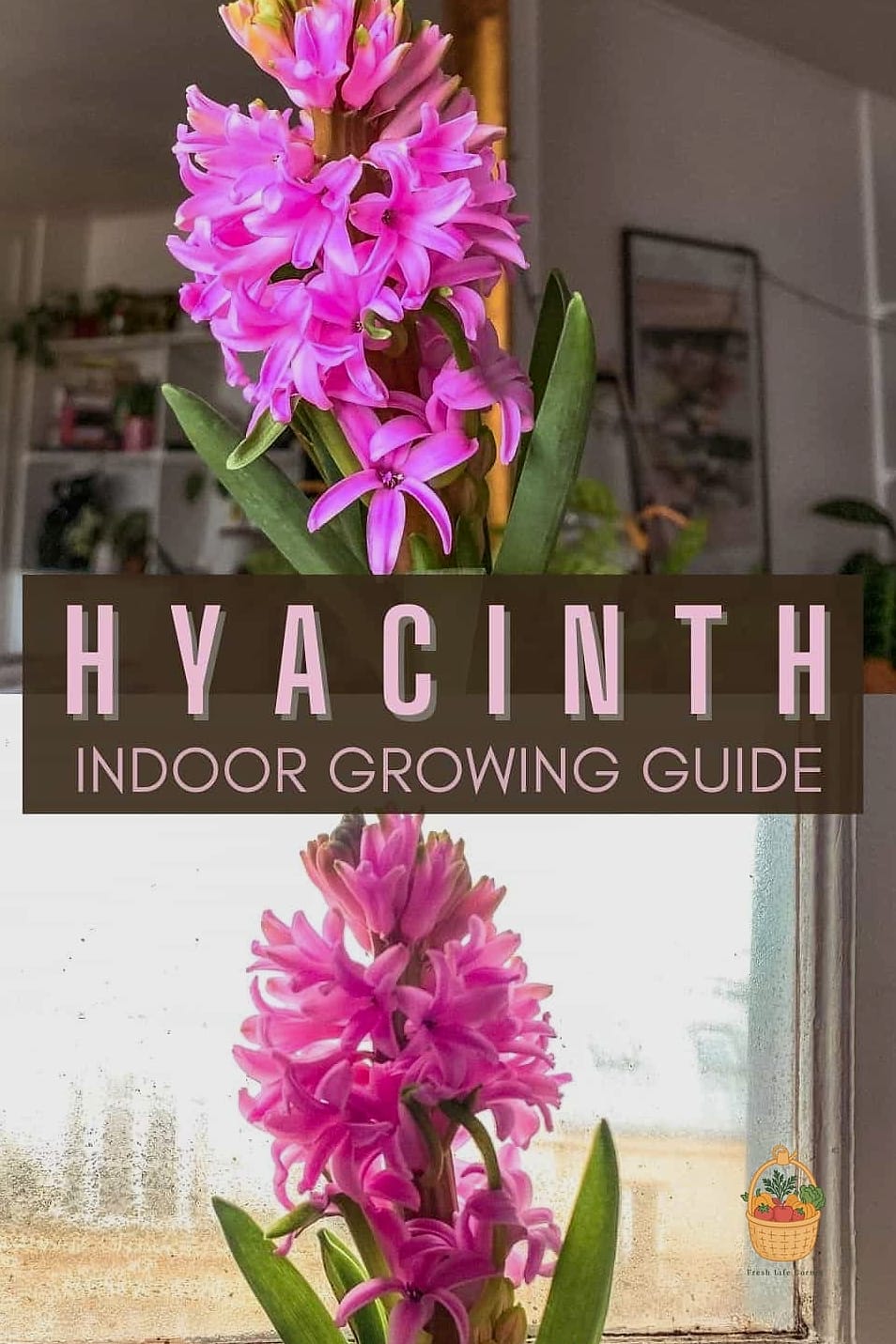
Hyacinths reward you with fragrance and color right when you need it most, at the tail end of winter when the garden still looks mostly bare. They’re not fussy plants, as long as you give them well-draining soil, enough sun, and a bit of restraint with the watering can.
Whether you’re tucking a few bulbs into a garden bed this fall or forcing a pot indoors to brighten up a windowsill, hyacinths are one of those plants that make the wait for spring feel a little shorter. Once you’ve grown them one season, it’s hard not to make room for a few more the next.