How To Grow & Care For Gardenia — Your Step-by-Step Guide to Success
How To Grow & Care For Gardenia — Your Step-by-Step Guide to Success
There’s a reason gardenias show up in so many “favorite plant” conversations. That heavy, sweet fragrance drifting across a porch on a warm evening is hard to beat, and those creamy white blooms against dark glossy leaves look almost too perfect to be real. But gardenias also have a reputation for being fussy, and honestly, that reputation is earned to some degree. This guide walks through everything you need to know to grow and care for gardenia successfully, from picking the right spot to troubleshooting those inevitable yellow leaves.
Why Gardeners Love It
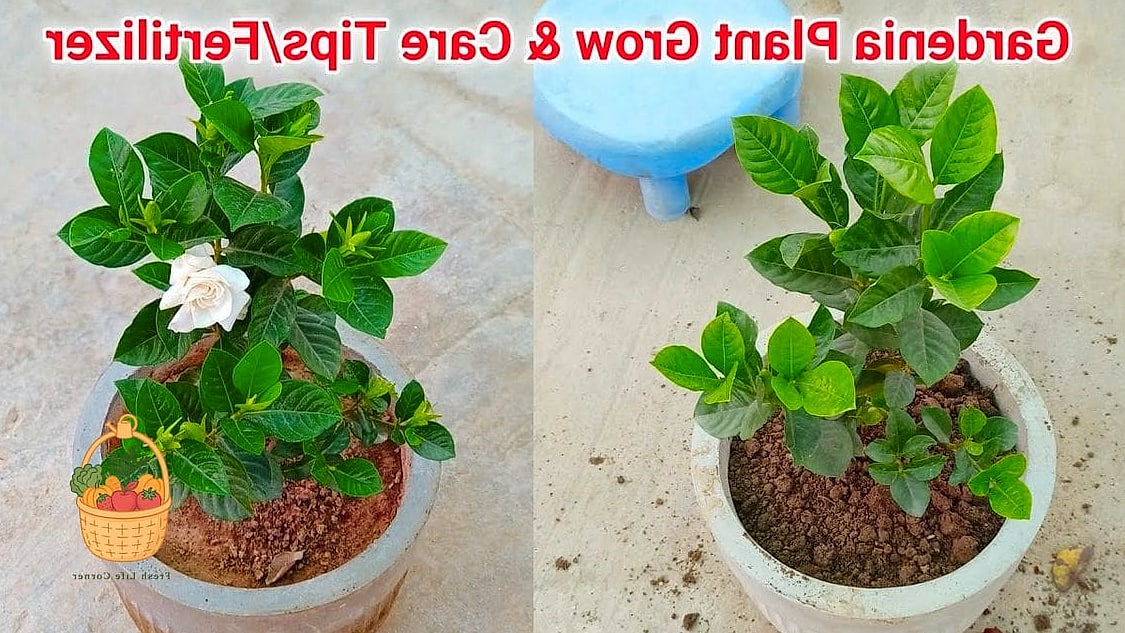
People don’t grow gardenias for convenience — they grow them for that intoxicating scent and the sheer elegance of the blooms. A single flower can perfume an entire room, which is why gardenias have been a favorite for cut flower arrangements and corsages for generations.
Beyond the fragrance, gardenias offer year-round interest. The foliage is a deep, waxy green that looks good even when nothing is blooming, so the shrub earns its space in the garden long before flowering season arrives.
They’re also somewhat deer resistant, which is a nice bonus if you garden in an area where deer treat your landscaping like a buffet. That doesn’t mean deer will never touch one, but it’s not their first choice.
Key Features and Appearance
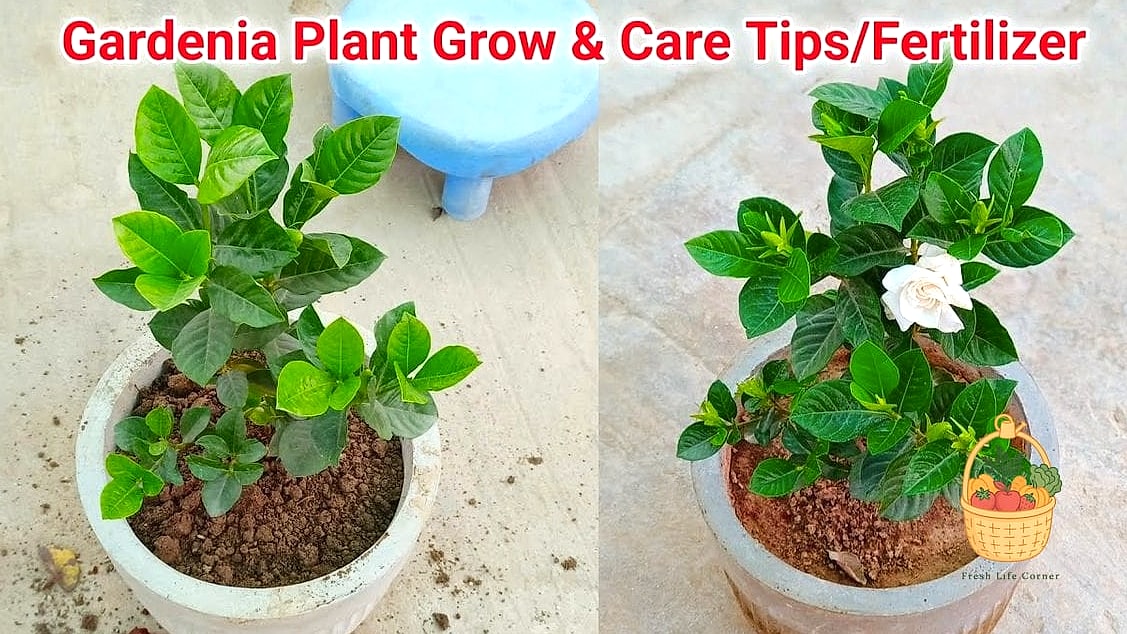
Gardenias are evergreen shrubs, typically growing anywhere from two to eight feet tall depending on the variety, with some compact cultivars staying under three feet — great for container gardening or small spaces.
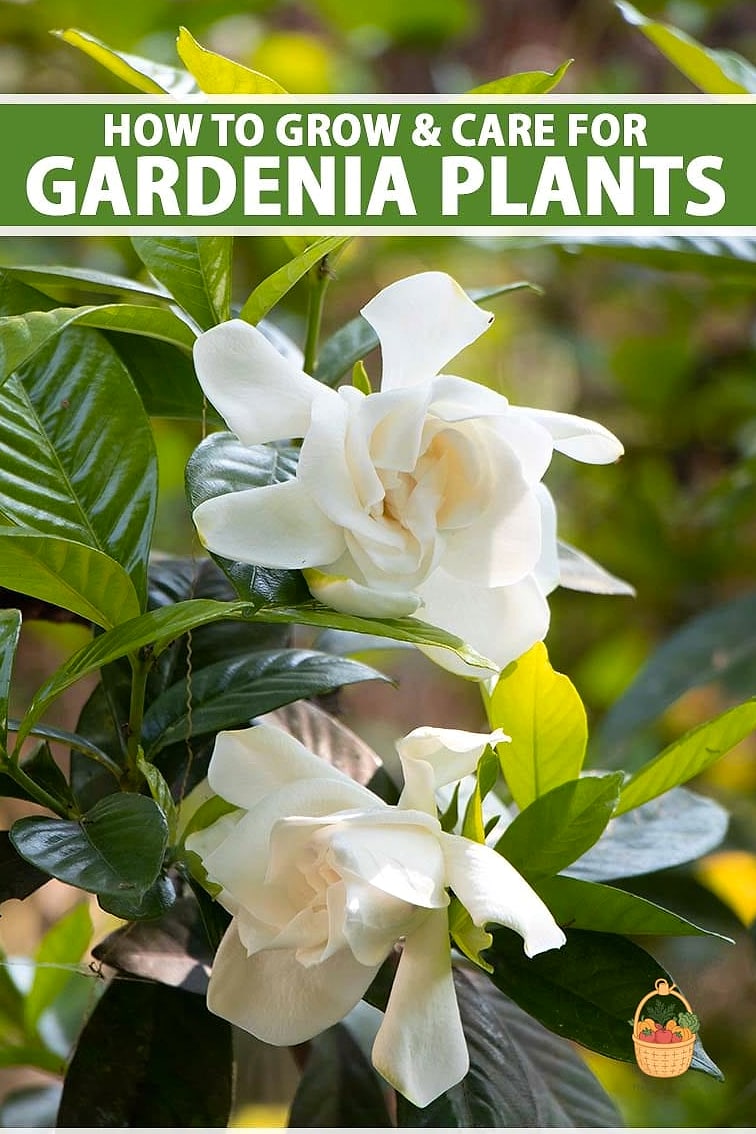
The leaves are thick, shiny, and dark green, giving the plant a polished look even without flowers. Blooms are usually white or ivory, often with a swirled, rose-like shape, and they tend to appear in late spring through summer.
Popular varieties include Gardenia jasminoides (the classic), ‘August Beauty,’ ‘Frost Proof,’ and the dwarf ‘Radicans,’ which works nicely as a low border planting or in pots on a patio.
Growing Conditions
Gardenias are happiest in USDA hardiness zones 8 through 11, though ‘Frost Proof’ and a few other cultivars can handle brief dips into zone 7 with some winter protection. If you’re in a colder zone, container growing lets you bring the plant indoors when temperatures drop.
They want a spot with morning sun and afternoon shade. Too much direct, hot afternoon sun — especially in southern climates — can scorch the leaves and stress the plant. Too little light, on the other hand, means fewer blooms.
Humidity matters more than people expect. Gardenias are native to humid regions of Asia, and dry indoor air or arid climates can lead to bud drop before flowers even get a chance to open. A pebble tray with water underneath a potted gardenia, or grouping it near other plants, can help raise humidity levels.
Soil and Watering Needs
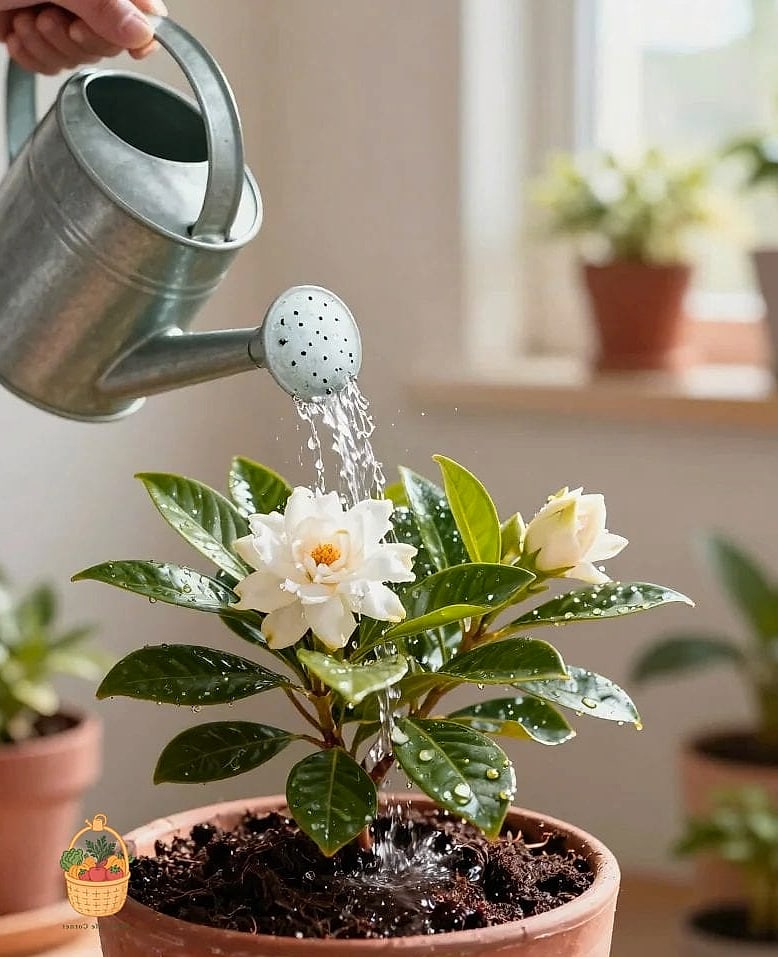
This is where a lot of gardenia trouble starts. These shrubs need acidic soil, ideally with a pH between 5.0 and 6.0. If your soil is naturally alkaline, amending with peat moss, pine bark, or a soil mix formulated for acid-loving plants like azaleas and camellias will make a real difference.
Well-draining soil is non-negotiable. Gardenias hate soggy roots, and heavy clay soil that holds water is a fast track to root rot. If your native soil is dense clay, consider a raised bed or container where you can control drainage more precisely.
Watering should be consistent but not excessive — think evenly moist, not wet. Let the top inch of soil dry out slightly between waterings. Drip irrigation works beautifully for outdoor gardenias because it delivers steady moisture without wetting the foliage, which can invite fungal issues.
Yellowing leaves are often a sign of the wrong soil pH rather than a watering problem, so before you assume overwatering or underwatering, it’s worth testing your soil first.
Fertilizing and Pruning
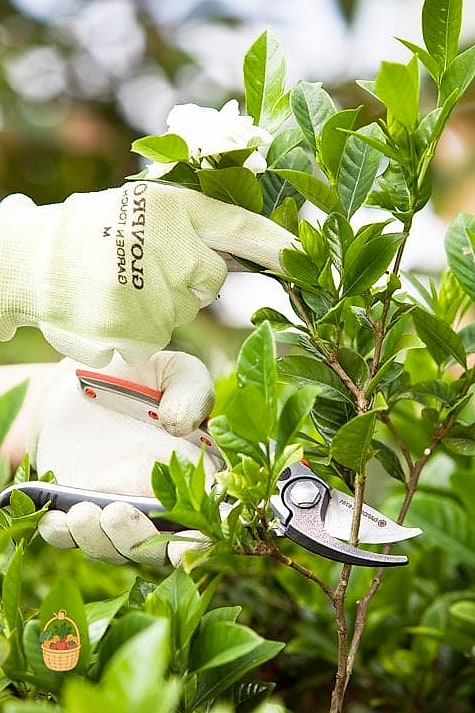
Feed gardenias with a fertilizer formulated for acid-loving plants, applied in early spring as new growth starts and again in early summer. A slow-release fertilizer designed for azaleas or camellias works well here, and a liquid fertilizer can supplement during the active growing season if you want an extra boost.
Avoid fertilizing in fall or winter — gardenias go semi-dormant then, and pushing new growth right before cold weather can leave tender shoots vulnerable.
Pruning is best done right after the blooming cycle finishes, usually mid to late summer. Use clean pruning shears to remove spent blooms, shape the shrub, and cut out any dead or crossing branches. Pruning too late in the season risks cutting off next year’s flower buds, since gardenias set buds on old wood.
Common Problems and Solutions
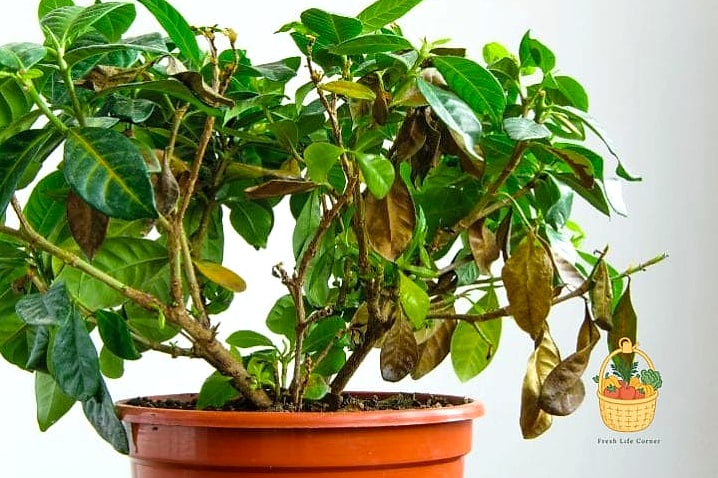
Bud drop is probably the most frustrating issue gardenia growers face. It’s usually caused by sudden temperature swings, low humidity, inconsistent watering, or moving the plant to a new location. Keeping conditions stable is the best prevention.
Yellowing leaves, as mentioned, often point to alkaline soil or a nutrient deficiency rather than a watering mistake. A soil test and an acidifying fertilizer usually solve it.
Pests like aphids and spider mites do show up on gardenias, particularly on stressed or indoor plants. A insecticidal soap or neem oil spray handles most infestations without resorting to harsher chemicals, and encouraging natural predators like ladybugs helps keep populations in check outdoors.
Sooty mold is another common complaint — it’s a black, powdery fungus that grows on the sticky honeydew left behind by aphids or scale insects. Treating the underlying pest problem usually clears up the mold issue on its own.
Root rot from overly wet, poorly draining soil is one of the more serious problems, since it can kill the plant if caught late. Prevention through proper drainage really is the best cure here — once root rot sets in, recovery is an uphill battle.
Propagation Tips
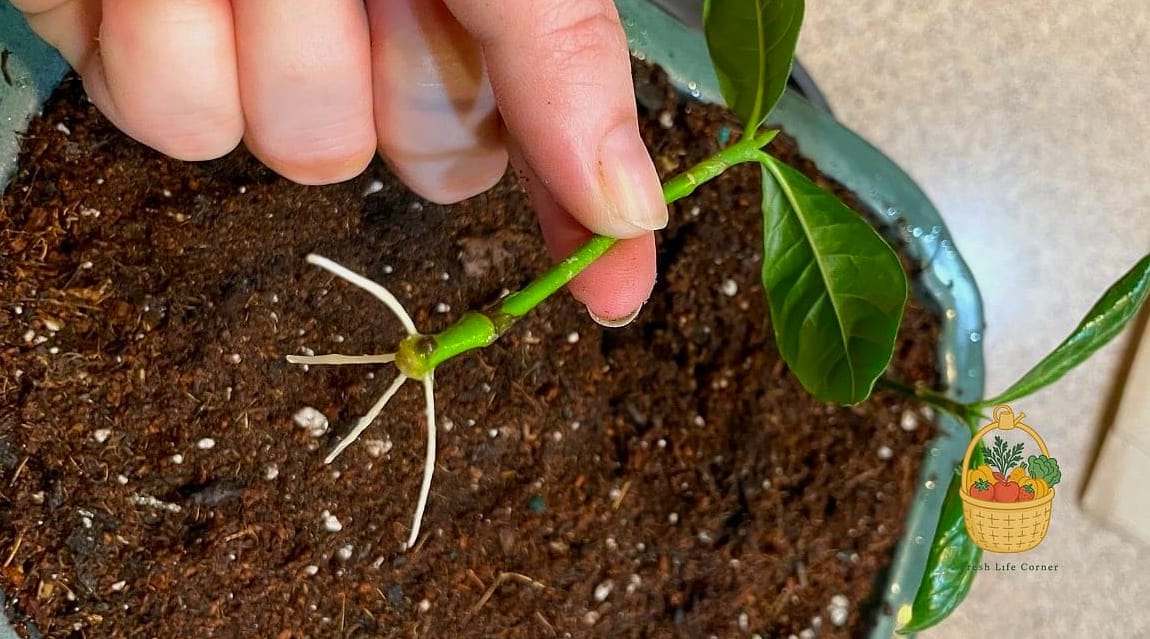
Gardenias propagate well from stem cuttings, which is genuinely one of the more rewarding ways to multiply your collection without spending more money at the nursery.
Take a four to six inch cutting from a healthy, non-flowering stem in late spring or early summer. Strip the lower leaves, dip the cut end in rooting hormone, and plant it in a well-draining mix of perlite and peat.
Keep the cutting warm, humid, and out of direct sun — a clear plastic bag loosely draped over the pot creates a mini greenhouse effect that really speeds things along. Roots typically develop within four to eight weeks, and once you see new growth, that’s your cue the cutting has taken.
Final Thoughts

Gardenias ask for a bit more attention than your average shrub, but the payoff — that unmistakable fragrance and those gorgeous blooms — makes the effort worthwhile for a lot of gardeners. Get the soil acidity right, keep watering consistent, and give the plant morning sun with some afternoon relief, and you’re most of the way there.
This isn’t a plant that thrives on neglect, but it’s also not as impossible as its reputation suggests. Once you dial in the right conditions, gardenias tend to reward you season after season, and there’s something satisfying about walking past a thriving one on your way in the door each evening.