How To Grow & Care For Red Twig Dogwood — Your Step-by-Step Guide to Success
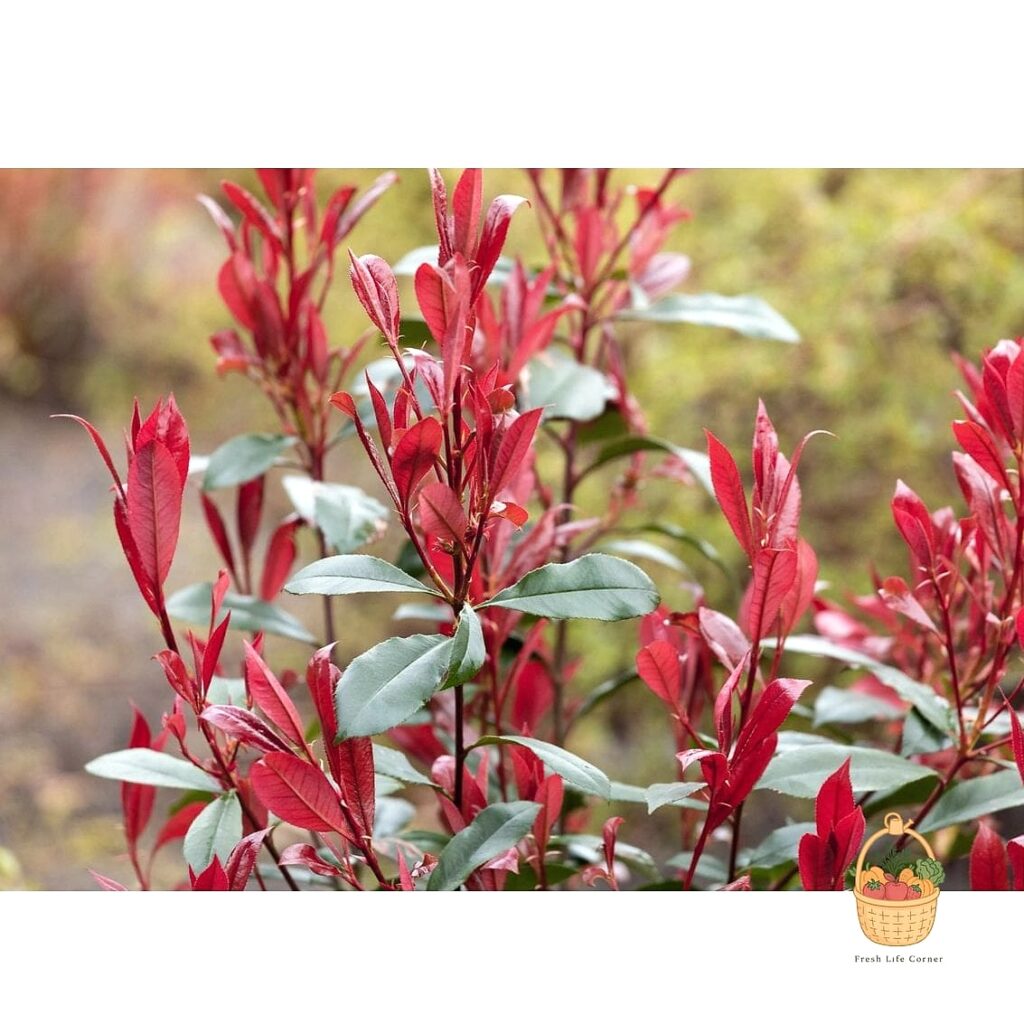
How To Grow & Care For Red Twig Dogwood — Your Step-by-Step Guide to Success
If you’ve ever driven past a garden in the dead of winter and spotted a burst of bright red stems glowing against the snow, you’ve seen red twig dogwood doing what it does best. This shrub is one of the few plants that actually gets more interesting once the leaves drop, and that’s exactly why so many gardeners keep coming back to it.
This guide walks you through everything you need to know to grow and care for red twig dogwood successfully, from planting to pruning to solving the occasional problem. Whether you’re working with a soggy corner of the yard or just want more winter color, this shrub deserves a spot on your list.
Why Gardeners Love It

Red twig dogwood (Cornus sericea, sometimes sold as Cornus alba) earns its keep in every season, which is rare for a shrub this low-maintenance. Spring brings small white flower clusters, summer gives you full green foliage, fall turns things reddish-purple, and then winter reveals those signature crimson stems.
It’s also tough as nails. This is a native plant across much of North America, so it’s well adapted to erratic weather, wet soil, and cold snaps that would send more finicky shrubs into a sulk. Gardeners in colder zones especially appreciate having something this vibrant to look at when everything else has gone dormant.
On top of the visual appeal, it’s genuinely useful in the landscape. It handles wet spots near downspouts or ponds, it’s deer resistant more often than not, and it supports pollinators and birds. Not bad for a plant that basically thrives on being ignored for most of the year.
Key Features and Appearance
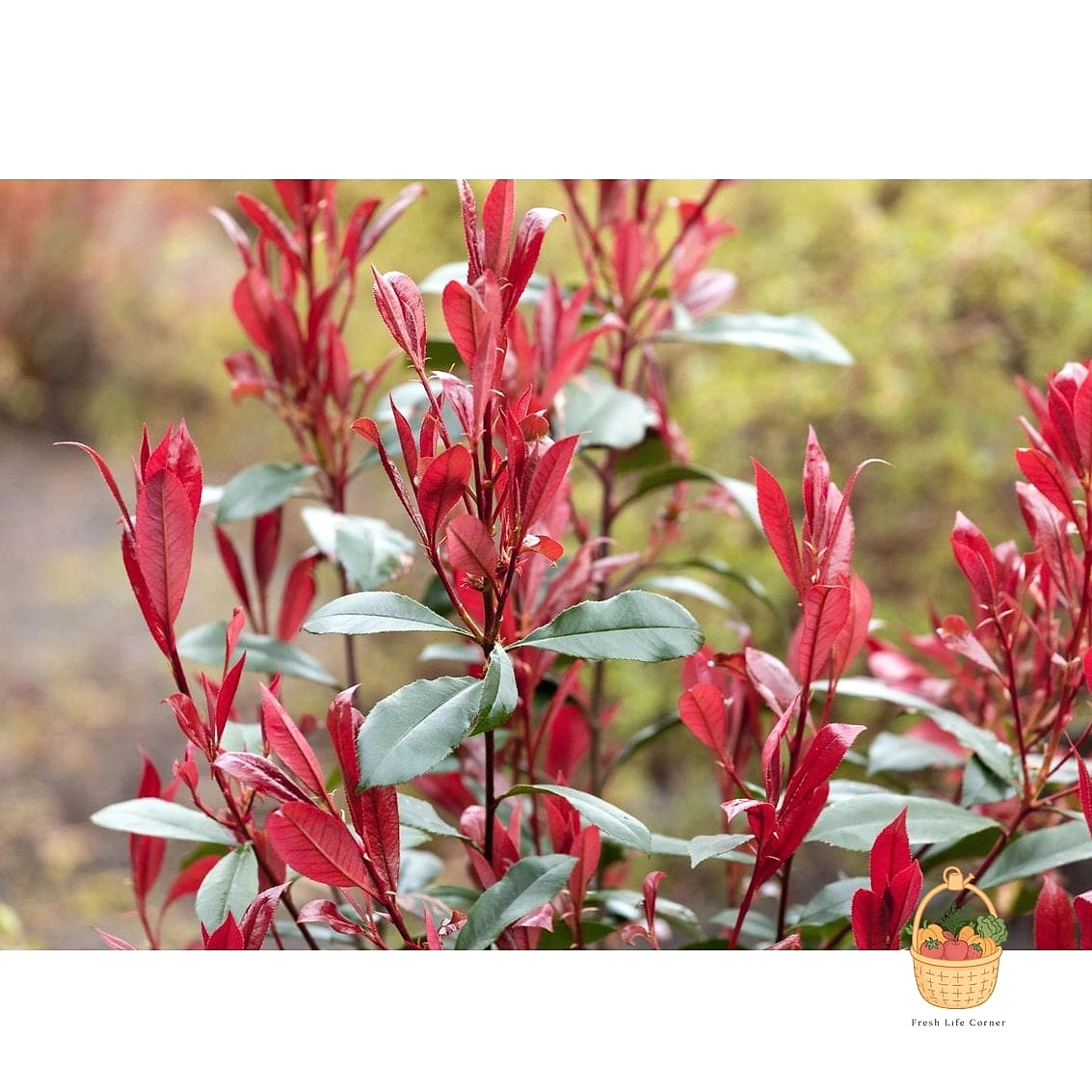
The stems are the star of the show. Depending on the variety, you’ll get anything from deep coral-red to a more subdued burgundy, and some cultivars like ‘Flaviramea’ go yellow instead. New growth is always the most vivid, which is an important detail for pruning later on.
The shrub typically grows 6 to 9 feet tall and just as wide, though compact cultivars like ‘Kelsey’ stay closer to 2 to 3 feet. It has a naturally suckering, multi-stemmed habit, so it spreads gradually and forms a dense thicket over time rather than staying a tidy single-trunk specimen.
Leaves are oval, medium green, and turn a soft reddish-purple in autumn. Small white flower clusters appear in late spring, followed by white or pale blue berries that birds seem to genuinely enjoy. It’s not a showstopper flower shrub, but the overall package more than makes up for it.
Growing Conditions
Red twig dogwood is hardy in USDA zones 3 through 8, which covers a huge swath of the country. It’s genuinely one of the better choices for gardeners dealing with harsh winters, since cold is basically its comfort zone.
It prefers full sun to partial shade. You’ll get the most vibrant stem color in full sun, so if winter interest is your main goal, skip the deep shade spots. That said, it tolerates partial shade just fine if you’re more interested in the foliage and berries.
This shrub is famously happy in wet, poorly drained areas where other plants struggle. It’s a great pick for rain gardens, low spots that collect runoff, or areas near a pond or stream. That said, it also adapts reasonably well to average garden soil once established, so you don’t need a swamp to grow it successfully.
Soil and Watering Needs
Red twig dogwood isn’t picky about soil type. It grows in clay soil, loam, or sandy soil, and it tolerates a wide pH range from slightly acidic to slightly alkaline. If your yard has that heavy clay soil that drains slowly after every rain, this shrub will probably be thrilled about it.
Consistent moisture is more important than perfect soil. Newly planted shrubs need regular watering for the first year or two while roots establish, roughly once or twice a week depending on rainfall. Once mature, it’s quite drought tolerant, though it still performs best with occasional deep watering during long dry spells.
A layer of mulch around the base helps retain moisture and keeps roots cool in summer. Just pull it back a couple inches from the stems so you’re not inviting rot. Overwatering isn’t usually a concern here given how much wet soil this shrub can handle, but poor drainage combined with heavy clay and no organic matter can occasionally lead to root rot in containers.
Fertilizing and Pruning
This isn’t a hungry plant. A layer of compost worked into the soil in spring is usually enough to keep it happy. If you want to give it a little extra, a slow-release, balanced fertilizer applied once in early spring does the job without pushing excessive soft growth.
Pruning is really where red twig dogwood care makes or breaks your results. Remember that the brightest stem color comes from new growth, so older stems gradually fade to a duller brown-gray. Without regular pruning, your once-vivid shrub slowly loses its winter punch.
The simplest approach is to cut back about a third of the oldest stems to the ground each spring, right after the winter color show has done its job. Some gardeners prefer a harder renewal prune every 2 to 3 years, cutting the entire shrub back to 6 inches or so, which sounds drastic but the shrub bounces back fast. Use clean, sharp pruning shears and make cuts at an angle to help with water runoff and healing.
Common Problems and Solutions
Leaf spot fungus is probably the most common issue, especially in humid climates or when foliage stays wet for extended periods. You’ll notice small brown or purple spots on the leaves. It rarely kills the plant, but improving air circulation through pruning and avoiding overhead watering helps keep it in check.
Aphids and spider mites occasionally show up, particularly during hot, dry stretches. A strong spray of water from the hose knocks most of them off, and insecticidal soap handles more stubborn infestations without resorting to harsher chemicals. Ladybugs are a nice natural pest control option if you want to let nature do some of the work.
Canker and stem dieback can occur, usually on stressed or older wood, which is yet another reason regular pruning pays off. If you notice yellowing leaves or stems that seem to be struggling despite good care, check the planting depth and drainage first, since those two issues cause more problems than people expect.
Overly vigorous suckering can also become a nuisance in small gardens. If the shrub is spreading further than you’d like, simply dig up and remove unwanted suckers in spring or fall.
Propagation Tips
Good news here: red twig dogwood is refreshingly easy to propagate, which makes it a great candidate if you want to fill out a hedge or share starts with a fellow gardener.
Softwood cuttings taken in early summer root readily. Snip a 4 to 6 inch piece from healthy new growth, remove the lower leaves, dip the cut end in rooting hormone, and place it in a moist potting mix. Keep it in bright, indirect light and consistently damp soil, and you should see roots developing within a few weeks.
Hardwood cuttings taken in late fall or winter, once the shrub is dormant, work well too and are arguably even easier since there’s no wilting foliage to worry about. Simply stick the cuttings directly into prepared soil outdoors or in a cold frame, and let them root over winter.
Division is another option if your shrub has already formed a dense thicket of suckers. Dig up a rooted sucker in early spring or fall, separate it from the parent plant, and transplant it to its new home right away.
Final Thoughts
Red twig dogwood is one of those shrubs that quietly does more work in the landscape than people give it credit for. It handles wet soil, shrugs off cold winters, and turns into a genuine focal point exactly when the rest of the garden has nothing to offer.
If you follow the basics in this step-by-step guide to success — decent sun, consistent moisture while it establishes, and yearly pruning to keep those stems bright — you’ll have a shrub that rewards fairly minimal effort with maximum seasonal payoff. Give it a spot near a window where you’ll actually see it in winter, and you’ll understand why so many gardeners consider it a must in their landscape lineup.