28 Ways To Use Rosemary Every Gardener Needs to Know About

- Cooking With Fresh Sprigs
- Infused Cooking Oils
- Herbal Vinegar
- Rosemary Salt
- Grilling Skewers
- Natural Insect Repellent
- Companion Planting for Pest Control
- Attracting Pollinators
- Deer and Rabbit Deterrent Border
- Topiary and Formal Shaping
- Living Privacy Hedge
- Ground Cover on Slopes
- Container Gardening for Small Spaces
- Bringing Indoors for Winter
- Rosemary Wreaths
- DIY Hair Rinse
- Herbal Bath Soak
- Homemade Potpourri
- Natural Air Freshener
- Culinary Garnish
- Rosemary Simple Syrup
- Bread and Focaccia Flavoring
- Herbal Tea
- Natural Cleaning Spray
- Fire Starter Bundles
- Erosion Control on Dry Banks
- Xeriscaping and Drought-Tolerant Beds
- Culinary Salt-Free Seasoning Blends
- Propagating for More Plants (and Gifts)
28 Ways To Use Rosemary Every Gardener Needs to Know About
Rosemary is one of those plants that earns its keep a hundred times over. It’s drought tolerant, deer resistant, fragrant, and forgiving of neglect — basically the low-maintenance friend every garden needs. But most people only think of it as a pot on the kitchen windowsill for roasting potatoes. That’s selling it short.
Once you start growing rosemary seriously, you realize it’s got a job in almost every corner of the yard, the kitchen, and even the medicine cabinet. Below are 28 ways to use rosemary every gardener needs to know about, whether you’ve got a single container on a balcony or a whole Mediterranean-style bed going.
Cooking With Fresh Sprigs

The obvious one, but worth starting here. Fresh rosemary has a resin-forward, piney flavor that dried versions just can’t match. Snip a sprig, strip the needles, and toss into roasted potatoes, bread dough, or grilled meats. A mature plant in full sun with well-draining soil will give you sprigs to harvest nearly year-round in warmer zones.
Infused Cooking Oils
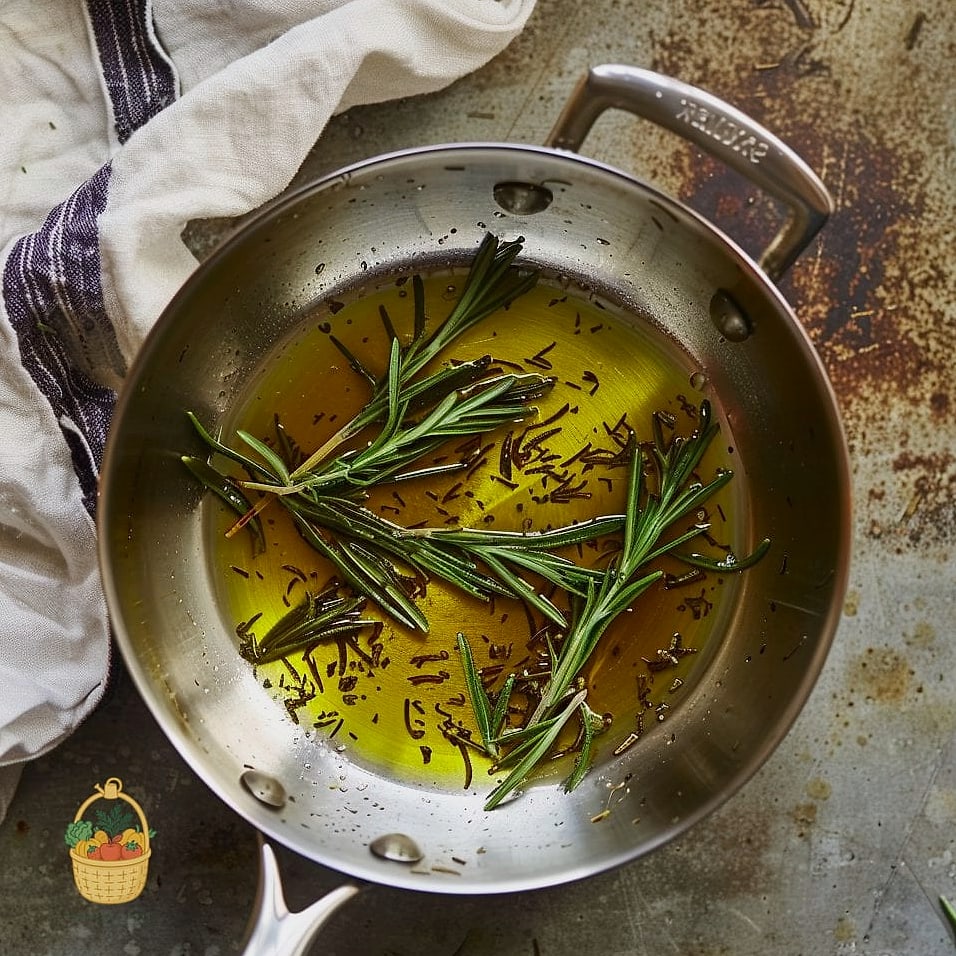
Rosemary infused olive oil is stupidly easy and makes your pantry look like you know what you’re doing. Warm oil gently with a few sprigs, let it steep, strain, and store in a cool, dark spot. This is a great use for the slightly woody stems that aren’t tender enough for garnish.
Herbal Vinegar

Similar idea, different acid. Drop a few rosemary sprigs into white wine vinegar or apple cider vinegar and let it sit for a couple of weeks. Use it in salad dressings or as a splash over roasted vegetables. It’s a nice way to use up a rosemary plant that’s gotten leggy and needs a hard prune anyway.
Rosemary Salt
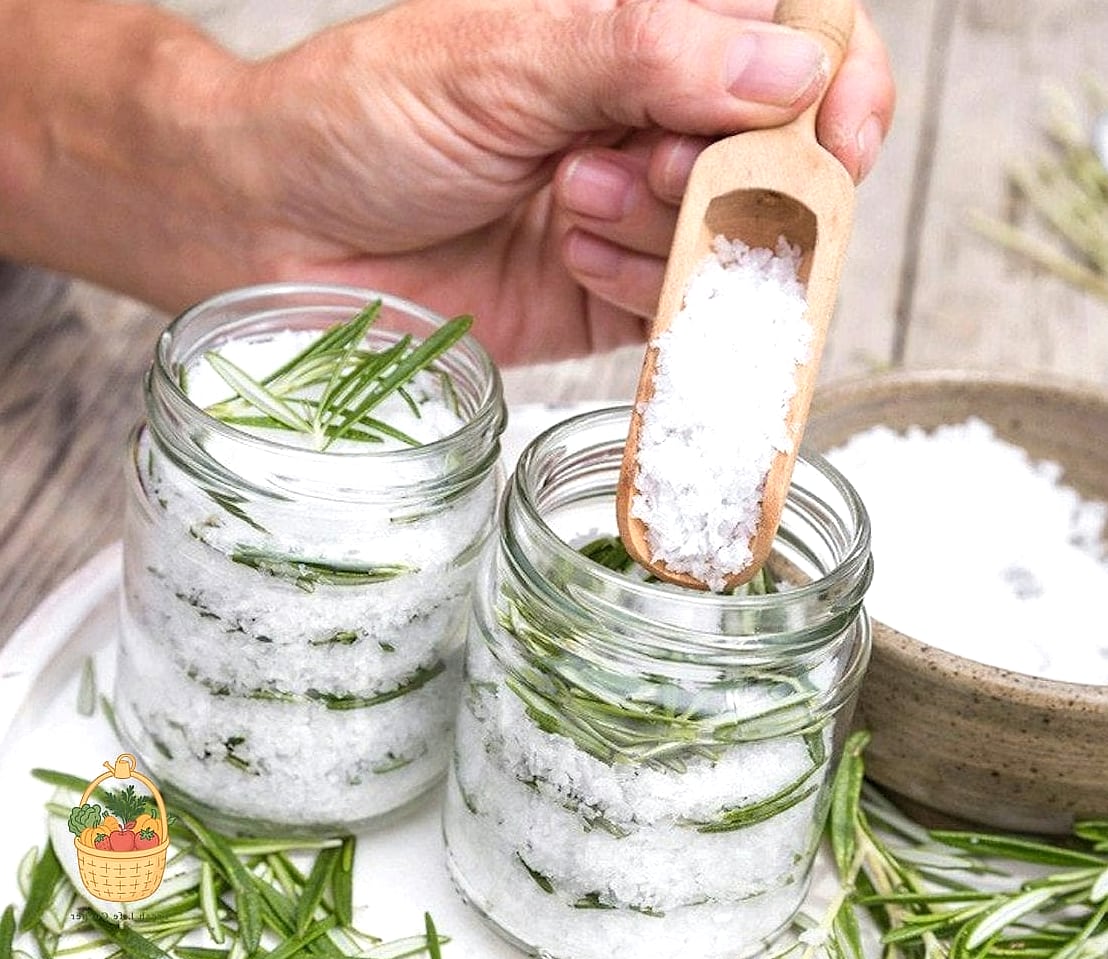
Dry a few sprigs, strip the leaves, and pulse them with coarse sea salt in a food processor. Spread it out to fully dry, then store in a jar. It’s a simple homemade gift that doesn’t scream “I panicked and bought this at the last minute.”
Grilling Skewers

Strip the leaves off a sturdy rosemary stem and use the woody stalk itself as a skewer for grilled shrimp, chicken, or vegetables. The herb’s oils seep into the food as it cooks. This only works with mature, thick stems, which is a good excuse to let a plant get a little woody and shrubby.
Natural Insect Repellent

Rosemary’s strong scent isn’t just for humans who love it — it actively repels mosquitoes and some garden pests. Toss a few dried sprigs on a fire pit or grill (careful, it can spark and pop) or crush fresh leaves and rub on skin in a pinch. Not a substitute for real repellent on a bad mosquito night, but genuinely helpful outdoors.
Companion Planting for Pest Control

Plant rosemary near cabbage, beans, carrots, and sage. Its scent confuses cabbage moths and bean beetles looking for their host plants by smell. This is one of the easiest ways to get natural pest control without spraying anything, and it works especially well in raised beds where crops are close together.
Attracting Pollinators
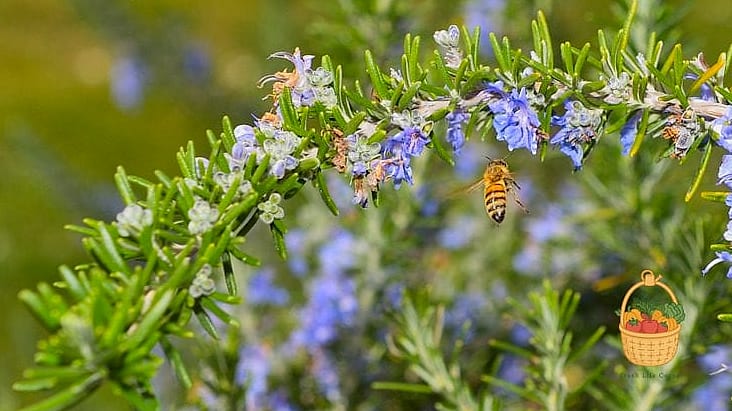
When rosemary blooms with its small blue or lavender flowers, bees go a little wild for it. It’s an excellent early-season pollinator plant, often flowering before many other herbs even wake up. If you’re building a pollinator-friendly garden, rosemary earns a spot near your lavender and thyme.
Deer and Rabbit Deterrent Border

The strong, resinous scent that makes rosemary so good in the kitchen is exactly what deer and rabbits find unappealing. Planting a low hedge of rosemary along the border of a vegetable garden can help discourage browsing, especially in drier climates where it grows into a dense, woody shrub.
Topiary and Formal Shaping

Rosemary responds surprisingly well to pruning, which makes it a fun candidate for topiary. Cone shapes, standards, even simple balls — with regular pruning shears and a bit of patience, you can shape a rosemary plant into something that looks intentional and a little fancy without much fuss.
Living Privacy Hedge
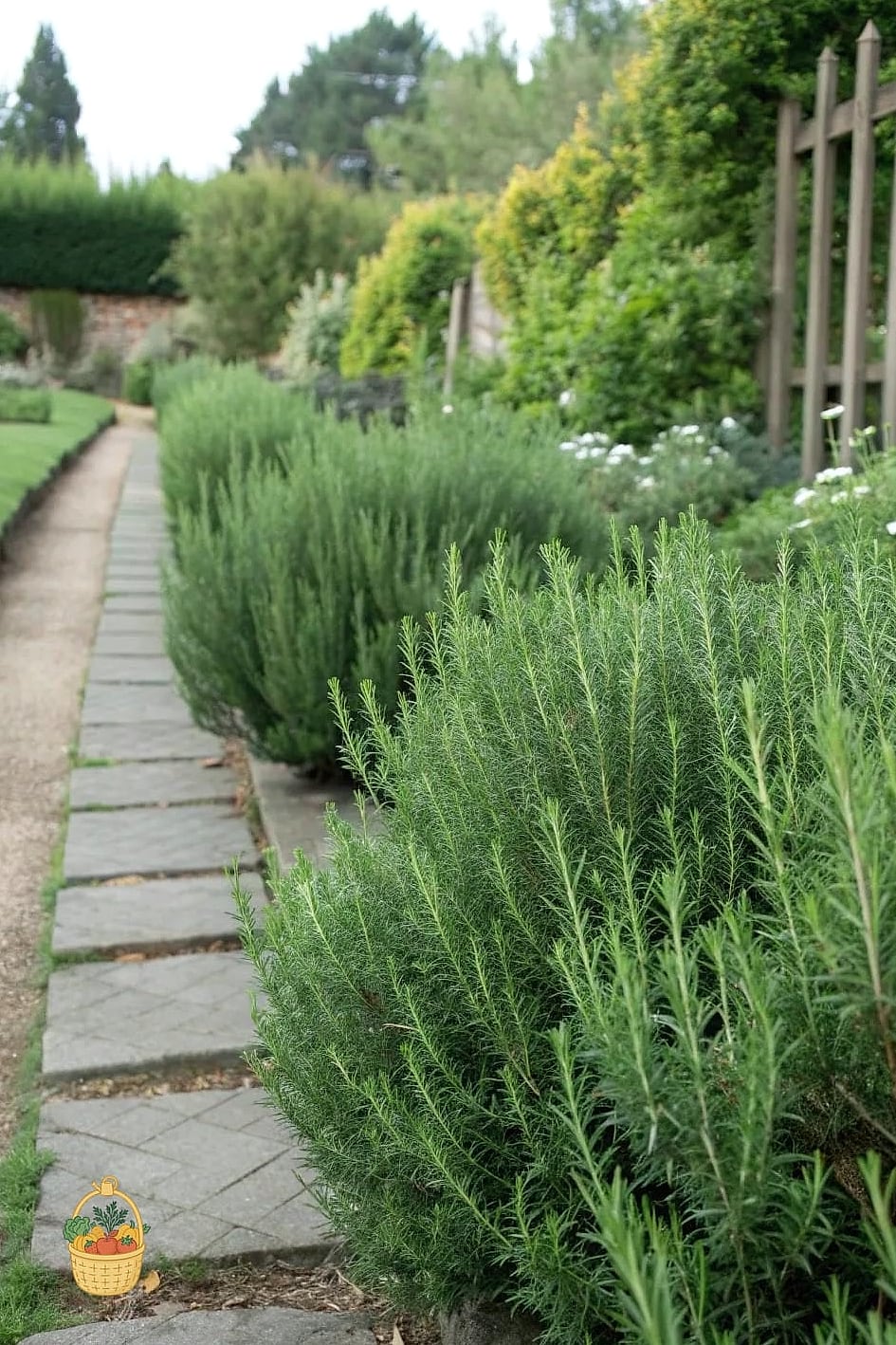
In warmer zones (roughly 8 through 10), upright rosemary varieties like ‘Tuscan Blue’ can grow into a dense, evergreen hedge four to six feet tall. It’s slower than a traditional hedge shrub but needs far less water once established, which matters a lot in drought-prone regions.
Ground Cover on Slopes
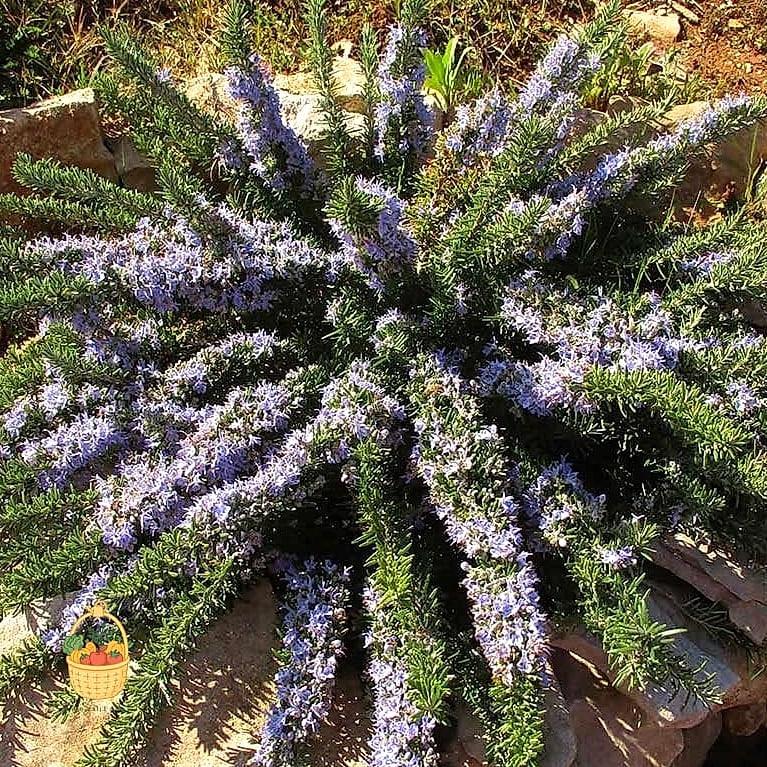
Prostrate or trailing rosemary varieties spread low and wide, making excellent ground cover for slopes, rock gardens, or spots where mowing is a pain. It tolerates poor, sandy soil and doesn’t mind being a little ignored, which is exactly what a tricky slope needs.
Container Gardening for Small Spaces
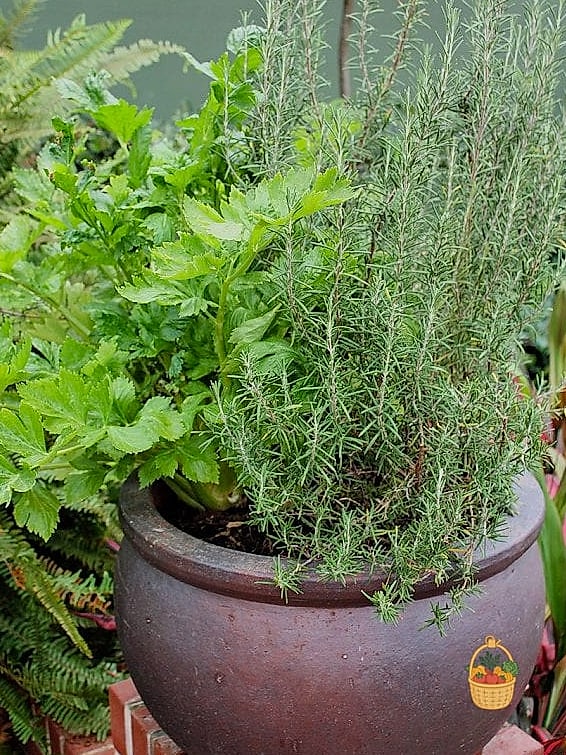
Rosemary does beautifully in a terracotta pot, which actually helps because the porous material lets excess moisture escape — important since rosemary hates wet feet. A container also lets gardeners in colder zones move the plant indoors before frost hits.
Bringing Indoors for Winter
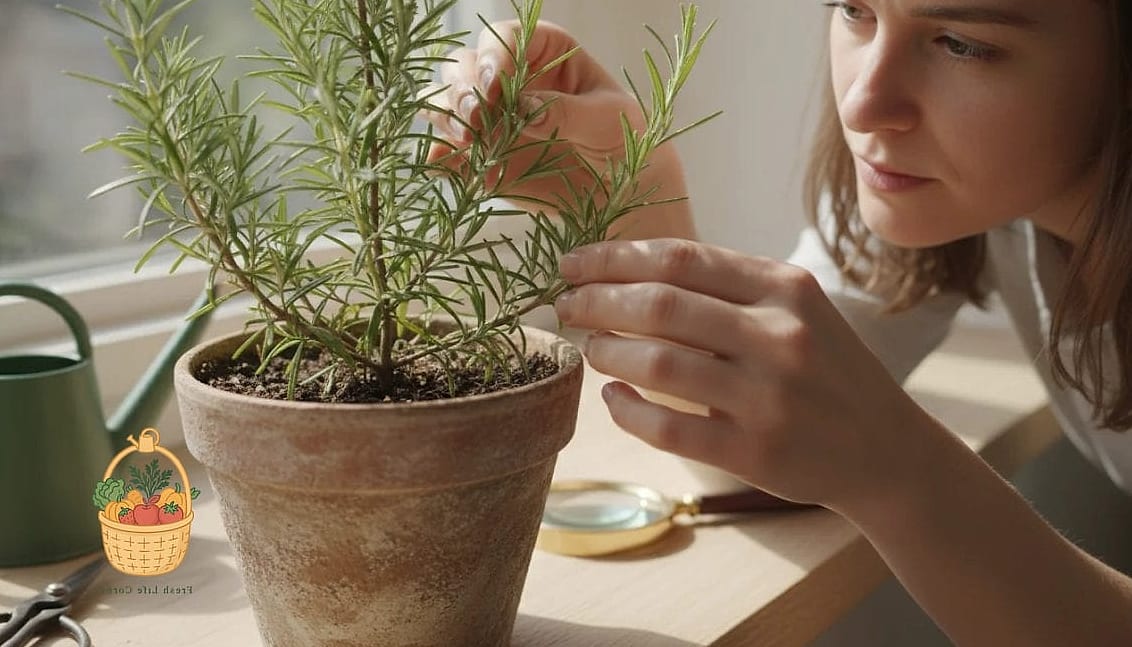
If you’re outside rosemary’s frost-hardy comfort zone, dig it up or grow it in a container you can bring inside. It needs a bright spot, ideally near a south-facing window or under a grow light, and much less water indoors than it gets outside in summer.
Rosemary Wreaths

Fresh or dried rosemary makes a fragrant, rustic wreath, especially nice around the holidays. Bend flexible young stems around a wire frame and let them dry in place, or weave fresh sprigs for a one-time centerpiece that fills the room with scent.
DIY Hair Rinse

Rosemary has a long folk history as a hair care herb, often steeped into a rinse believed to support scalp health and shine. Simmer sprigs in water, let it cool completely, and use as a final rinse after shampooing. It’s a nice low-cost way to use up plant trimmings.
Herbal Bath Soak

Tie a bundle of fresh rosemary in cheesecloth and drop it into a warm bath, or steep it into a strong tea and add to bathwater. The scent is grounding and a little invigorating, which makes it a favorite for gardeners who want to use what they grow beyond the kitchen.
Homemade Potpourri

Dried rosemary holds its scent for a long time, which makes it a solid base for homemade potpourri. Mix with dried citrus peel, cinnamon, and cloves for something that smells more expensive than it was to make.
Natural Air Freshener
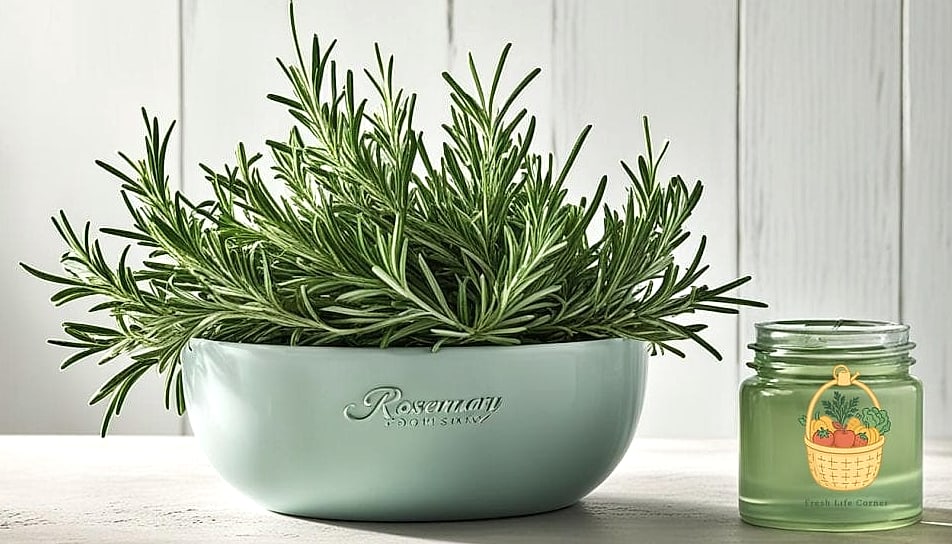
Simmer rosemary sprigs on the stove with a little water and a slice of lemon. It’s an old trick, but it works — the whole house smells clean and herby within minutes, no plug-in air fresheners required.
Culinary Garnish

Beyond cooking with it, rosemary sprigs make an elegant garnish for cocktails, roasted dishes, or even desserts like poached pears. A single sprig laid across a plate signals “I put thought into this” even if dinner was mostly improvised.
Rosemary Simple Syrup

Simmer sugar, water, and rosemary sprigs together, strain, and cool. It’s fantastic in lemonade, iced tea, or a gin cocktail. This is another great use for a plant that’s producing faster than you can eat it.
Bread and Focaccia Flavoring

Chopped fresh rosemary pressed into focaccia dough before baking, along with flaky salt and olive oil, is one of the simplest ways to make homemade bread taste like it came from a bakery. The needles get slightly crisp on top and stay soft where they’re pressed into the dough.
Herbal Tea

Steep a sprig of fresh or dried rosemary in hot water for a woodsy, slightly bitter tea. Some people add honey and lemon. It’s worth noting this is more of a folk remedy than a clinically proven one, so treat it as a pleasant herbal drink rather than medicine.
Natural Cleaning Spray
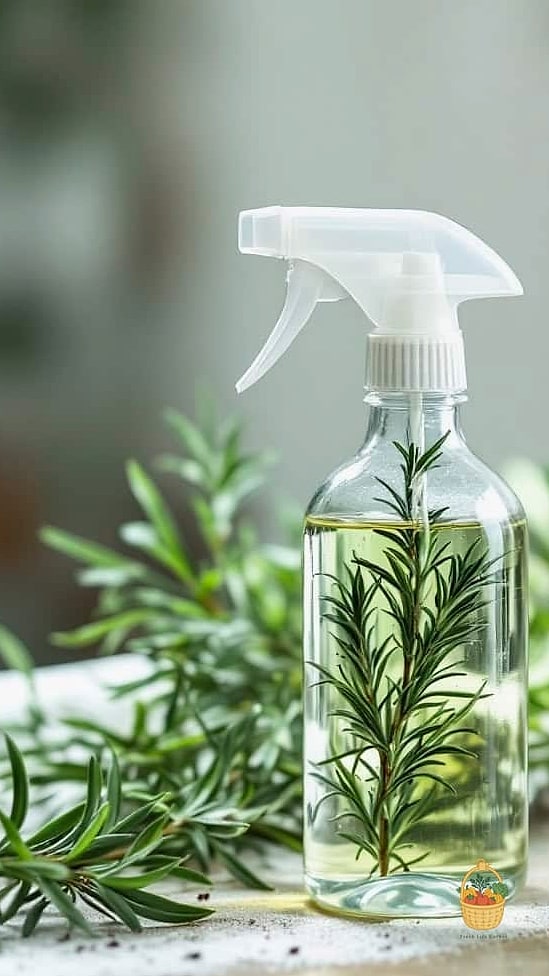
Combine rosemary-infused vinegar with water in a spray bottle for an all-purpose surface cleaner. The essential oils in rosemary have mild antibacterial properties, and the scent is a lot more pleasant than straight vinegar on its own.
Fire Starter Bundles
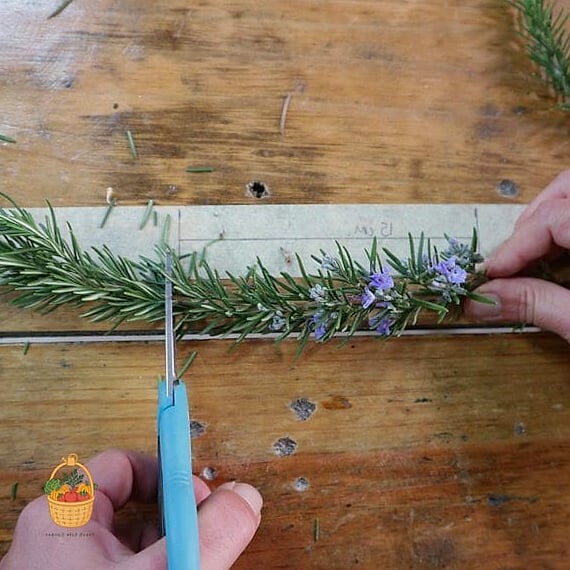
Dried rosemary stems are woody and full of aromatic oils, which makes them surprisingly good kindling for a fire pit or wood stove. Bundle a few dried stems together with twine for an easy, fragrant fire starter.
Erosion Control on Dry Banks
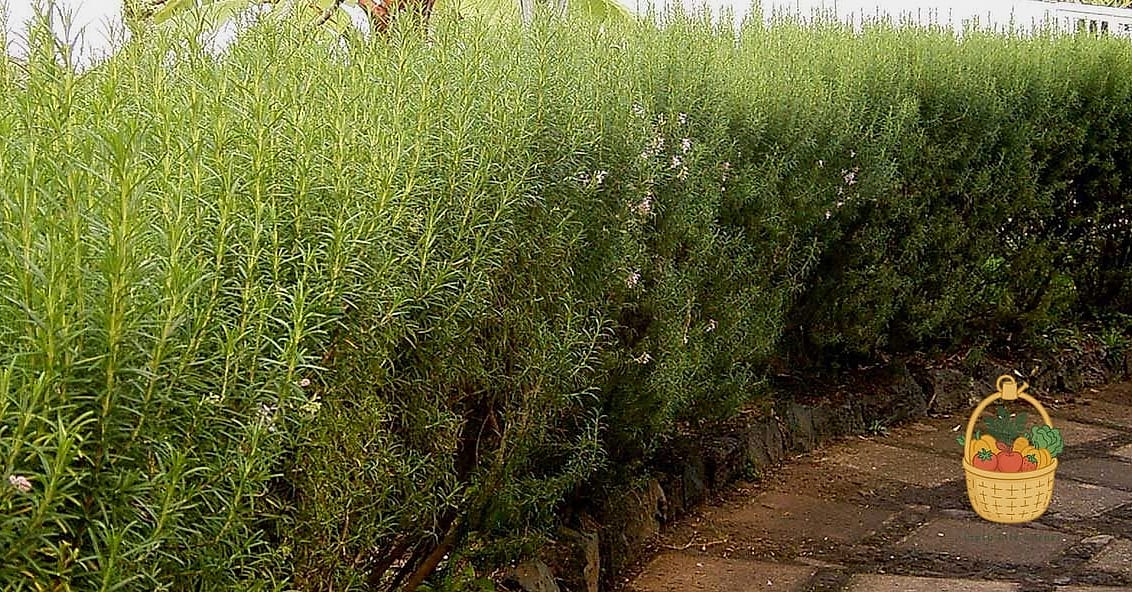
Because rosemary is drought tolerant and develops a fibrous root system, it’s a solid choice for stabilizing dry, sunny banks where erosion is a problem. Prostrate varieties spread and knit the soil together over a season or two.
Xeriscaping and Drought-Tolerant Beds

If you’re designing a xeriscape or low-water garden, rosemary belongs on the plant list. It thrives in sandy or rocky, well-draining soil and actually performs worse in rich, constantly moist soil, which makes it perfect for gardeners trying to cut back on irrigation.
Culinary Salt-Free Seasoning Blends
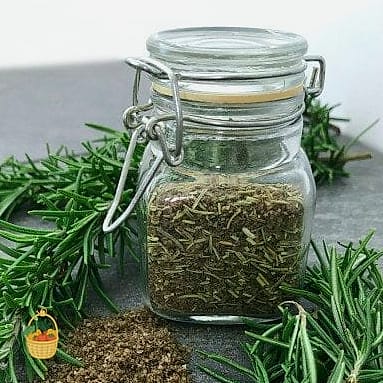
Dried and crumbled rosemary mixed with other dried herbs like thyme and oregano makes a great salt-free seasoning blend for anyone watching sodium intake. It adds a savory depth to roasted vegetables and meats without reaching for the salt shaker.
Propagating for More Plants (and Gifts)
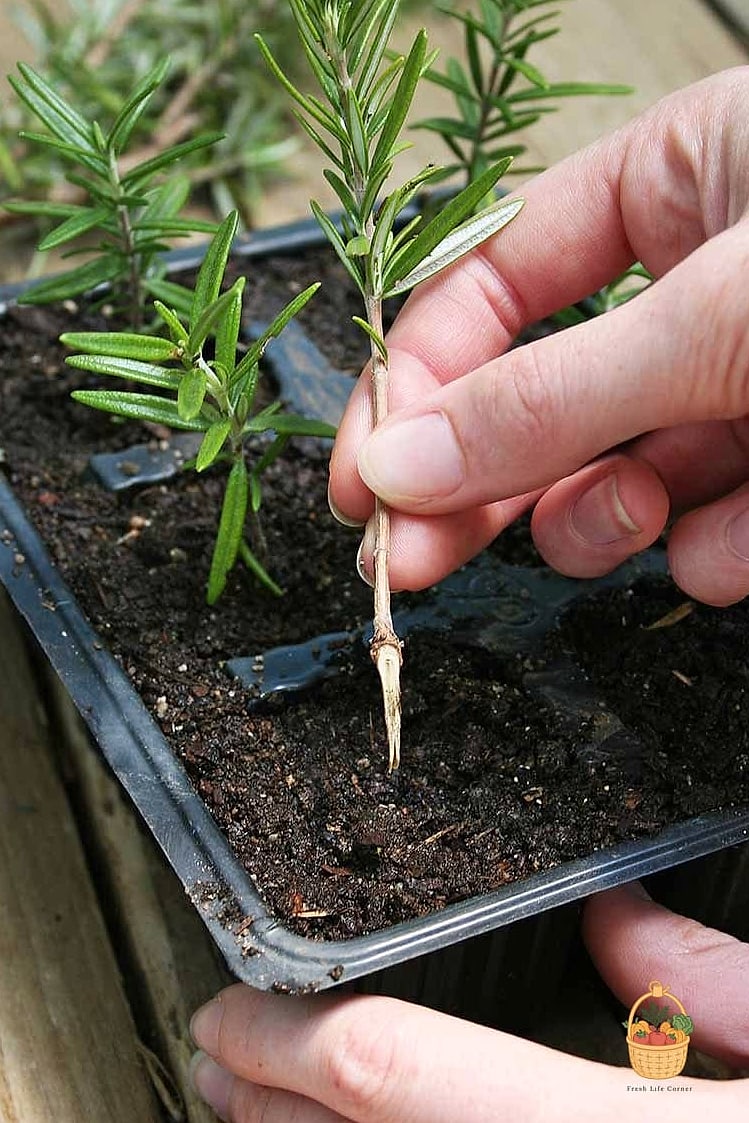
One rosemary plant can become many. Take four to six inch cuttings from non-flowering stems, strip the lower leaves, and root them in water or moist potting mix. It’s an easy, satisfying propagation method, and rooted cuttings make lovely low-cost gifts for other gardeners.
Growing rosemary well comes down to a few consistent basics across most of these uses: full sun, well-draining soil (it truly despises soggy roots and is prone to root rot if overwatered), and patience with slow growth in the first year. Once established, it’s remarkably drought tolerant and low-fuss, whether you’re growing it in a raised bed, a terracotta pot, or a sprawling hillside planting.
Keep a decent pair of pruning shears on hand, because regular trimming keeps rosemary bushy instead of leggy and gives you a steady supply of trimmings for all the projects above. Feed it sparingly — a light application of slow-release fertilizer in spring is usually plenty, since rosemary actually prefers lean soil over rich, heavily fertilized beds.
Whether you’re a beginner with one pot on a sunny windowsill or an experienced gardener shaping a rosemary hedge, this plant rewards attention without demanding much of it. That’s a pretty rare combination, and it’s exactly why so many gardeners end up growing more of it than they originally planned.