24 Eggshells Houseplants Every Gardener Needs to Know About
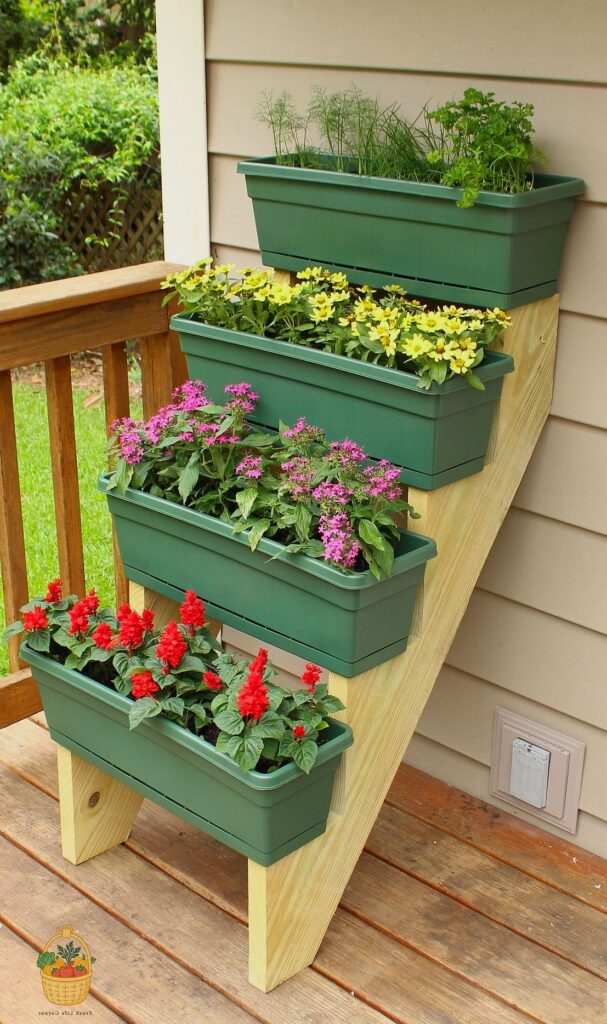
24 Eggshells Houseplants Every Gardener Needs to Know About
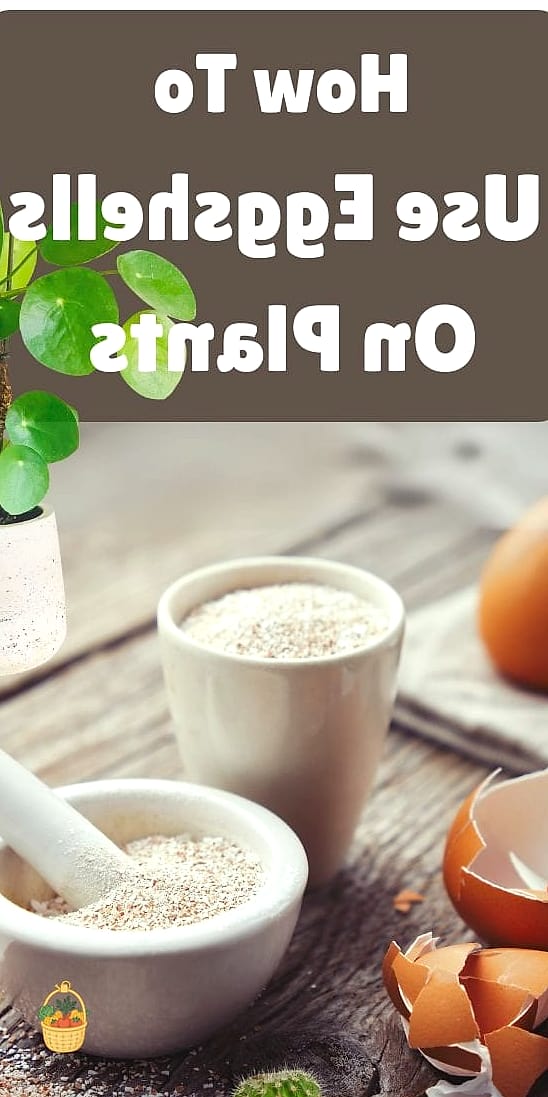
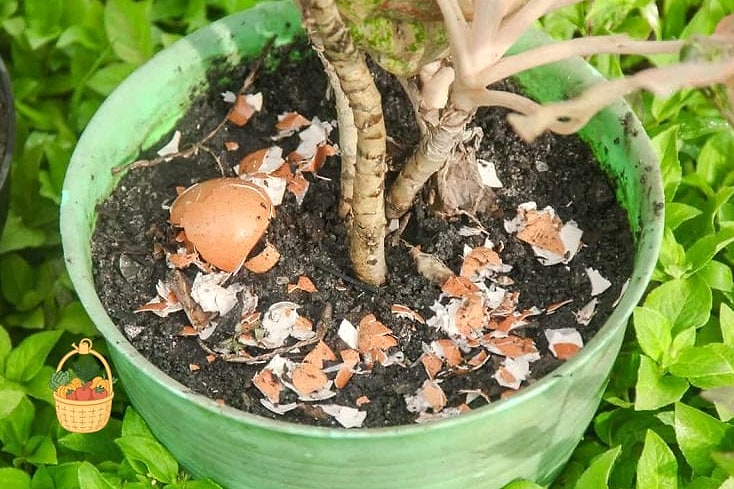
If you’ve ever tossed your morning eggshells straight into the trash, it’s time to rethink that habit. Eggshells are packed with calcium carbonate and trace minerals that many houseplants genuinely appreciate, whether crushed into the soil, steeped into a calcium-rich water, or worked into a homemade fertilizer mix. This list of 24 Eggshells Houseplants Every Gardener Needs to Know About covers the specific plants that respond especially well to this kitchen scrap, along with the growing conditions, care level, and quirks that make each one worth having on a windowsill or plant shelf.
Not every houseplant needs extra calcium, but the ones on this list tend to show visible benefits — sturdier stems, fewer cases of blossom-end issues in fruiting varieties, and generally perkier growth. Let’s get into it.
Snake Plant
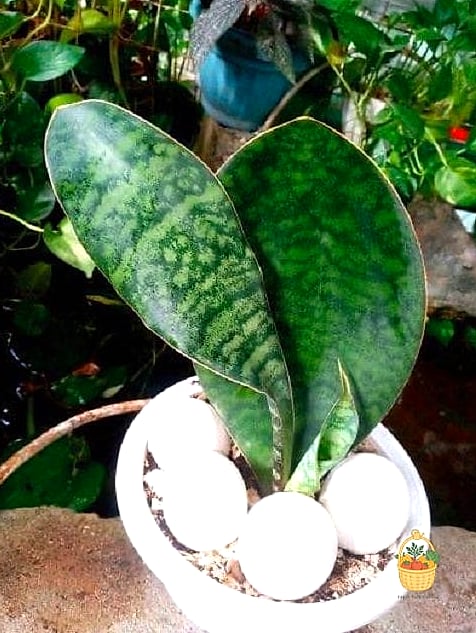
Snake plant (Sansevieria, now technically Dracaena trifasciata) is about as forgiving as houseplants get, and it takes well to a light dusting of crushed eggshell mixed into its potting mix every few months. The calcium helps reinforce its thick, upright leaves, which can otherwise become a bit floppy in low light. It prefers well-draining soil, tolerates everything from bright indirect light to deep shade, and only needs watering every two to three weeks. This is a great pick for beginners or anyone who travels a lot.
Pothos
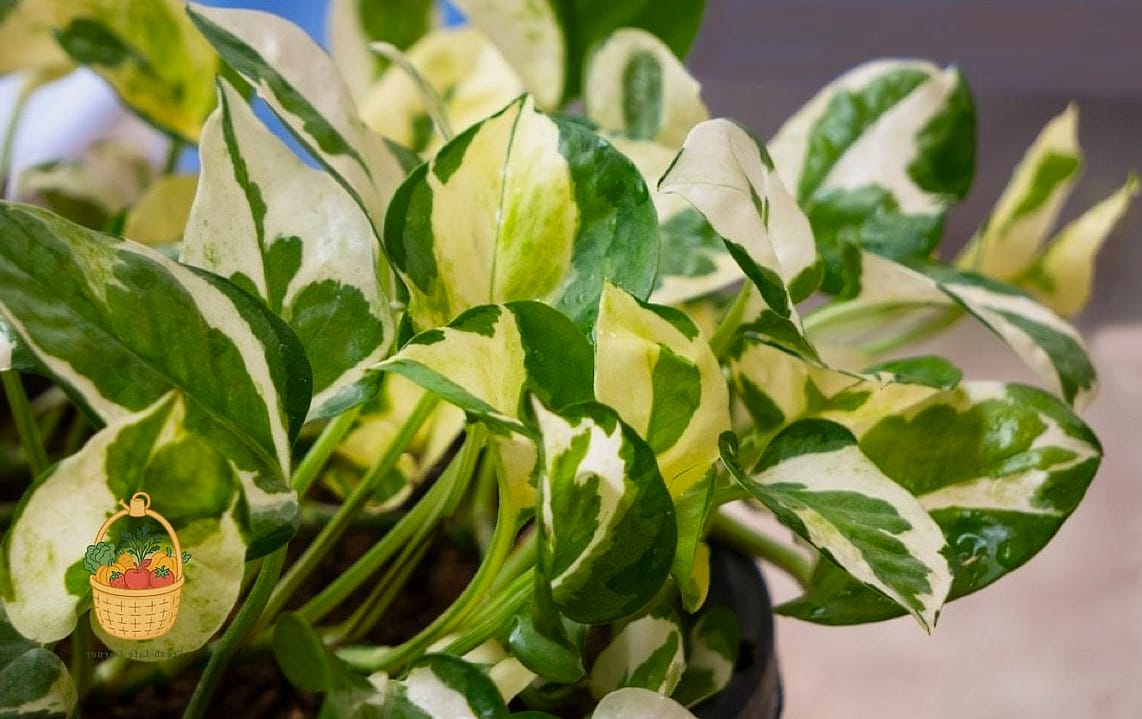
Pothos is the houseplant equivalent of a good friend who never asks for much. Adding eggshell water (eggshells steeped overnight, then strained) to its regular watering routine every month or so can help keep vines lush and leaves a rich green. It grows fast in bright, indirect light but tolerates lower light too, and it roots easily in water for propagation. Trailing pothos looks fantastic on a shelf or in a hanging basket, cascading down in a way that feels effortless even when you barely lift a finger.
Peace Lily
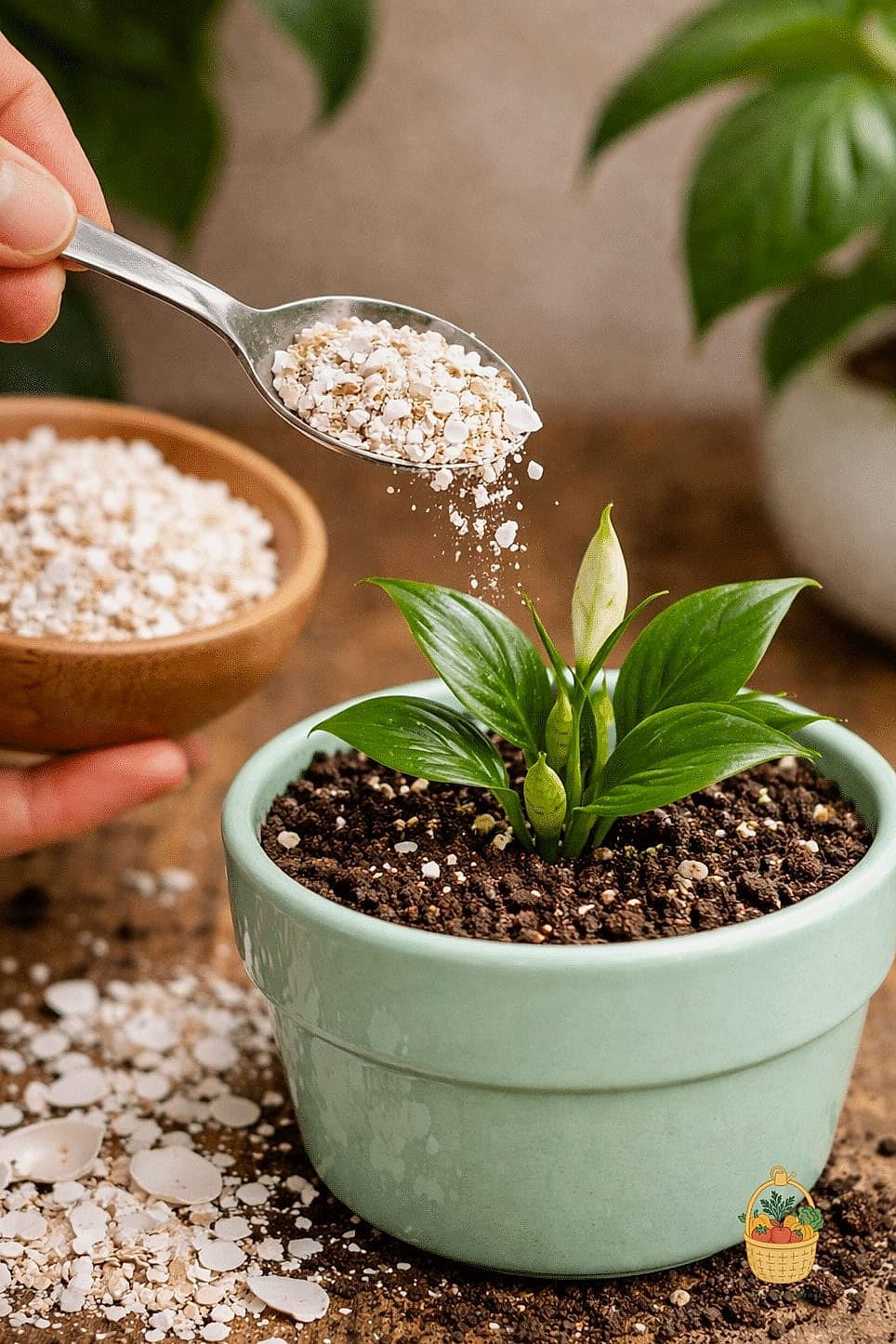
Peace lilies love a boost of calcium, and eggshell fertilizer water can help reduce the yellowing leaves that often show up from mineral deficiencies. They prefer partial shade, consistently moist (not soggy) soil, and a humid spot away from cold drafts. Peace lilies are famous for drooping dramatically when thirsty, then bouncing back within hours of watering — it’s honestly a little theatrical, but it makes them easy to read.
Fiddle Leaf Fig
Fiddle leaf figs are notorious for being fussy, but crushed eggshells worked into the topsoil can support stronger cell walls in those big, dramatic leaves, making them slightly less prone to splitting or drooping. This plant wants bright, indirect light, infrequent but thorough watering, and zero tolerance for being moved around too much. It’s a slow grower at first but can eventually reach ceiling height indoors, so give it room.
Rubber Plant
Rubber plant (Ficus elastica) has thick, glossy leaves that benefit from the extra calcium in eggshell tea, which supports firm cell structure and that signature waxy shine. It likes bright indirect light, well-draining soil, and watering only once the top couple inches of soil dry out. This is a solid choice for someone who wants a bold, architectural plant without constant fussing.
Spider Plant
Spider plants are fast growers that send out little plantlets on long stems, and eggshell-enriched soil can help fuel that rapid production. They’re drought tolerant, adaptable to a range of light conditions, and practically impossible to kill outright. Propagation is as simple as snipping off a baby plantlet and rooting it in water, which makes spider plants a favorite for sharing with friends.
Aloe Vera
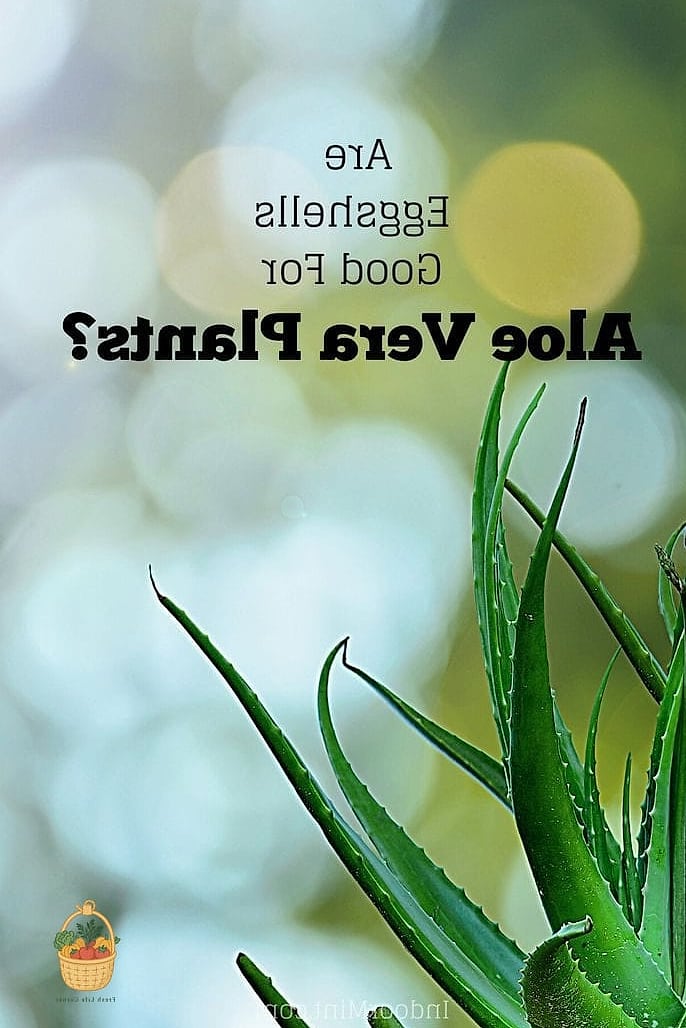
Aloe vera thrives in sandy, well-draining soil, and mixing in finely crushed eggshells can raise the calcium content just enough to support thick, healthy gel-filled leaves. It needs bright light, minimal water, and a pot with excellent drainage since root rot is its biggest enemy. Beyond being decorative, aloe is genuinely useful — snap off a leaf for minor burns or skin irritation.
ZZ Plant
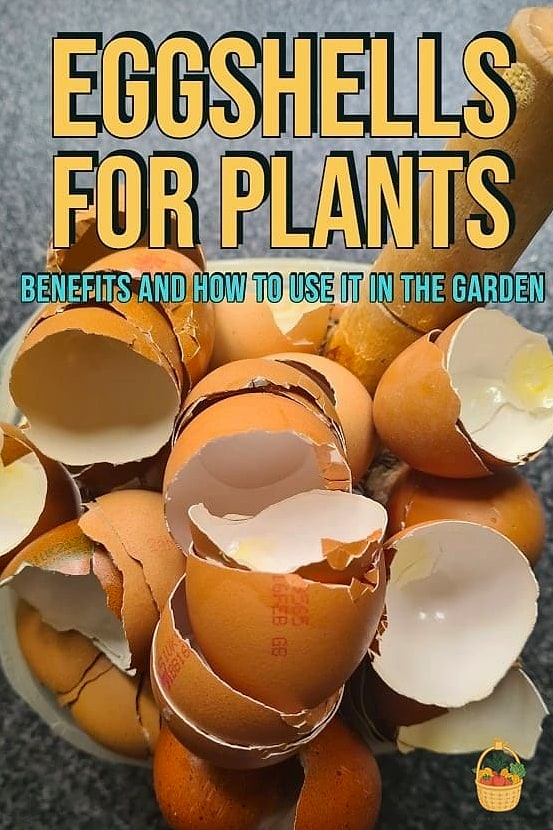
The ZZ plant is often recommended for people who claim they “kill everything,” and for good reason. A light eggshell amendment in the potting mix every few months supports its glossy, rubbery leaves without requiring any real effort on your part. It tolerates low light, infrequent watering, and long stretches of neglect. Just don’t overwater it, since that’s really the only way to cause trouble here.
Chinese Money Plant
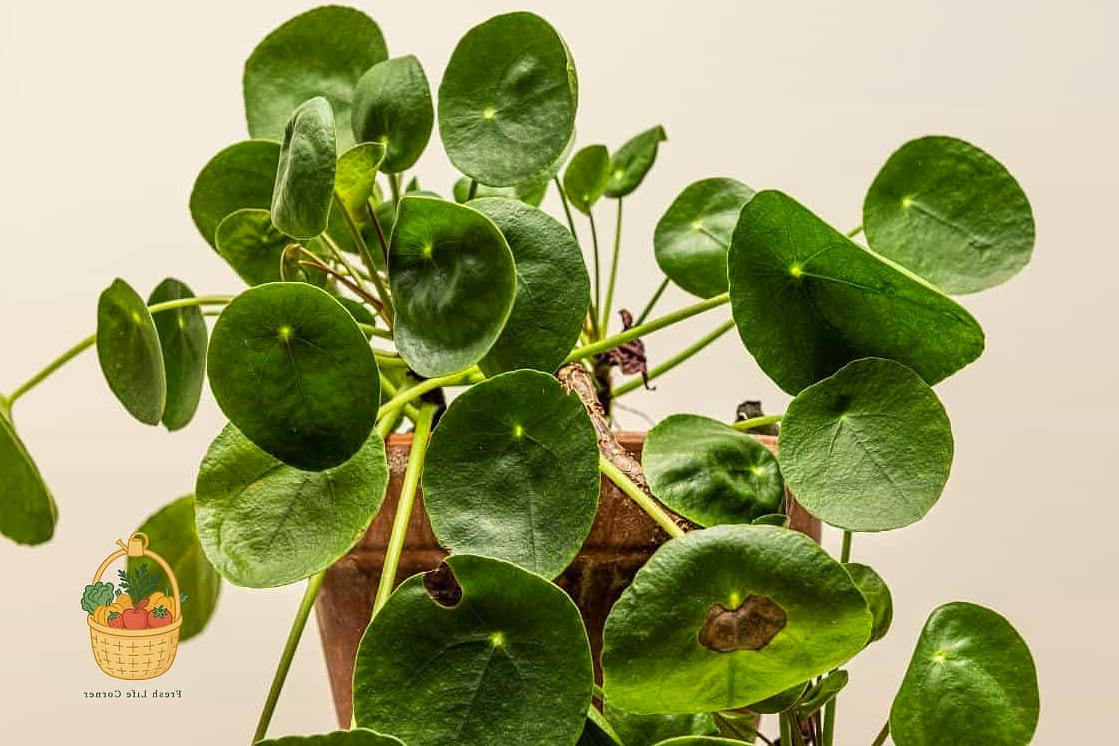
Chinese money plant (Pilea peperomioides) has round, coin-shaped leaves that seem to love a splash of eggshell water mixed into its regular watering can every month. It prefers bright, indirect light and soil that dries out slightly between waterings. This plant is a prolific pup-producer, sending up baby plants around its base that you can pot up separately — a nice bonus for anyone who likes propagating.
Boston Fern
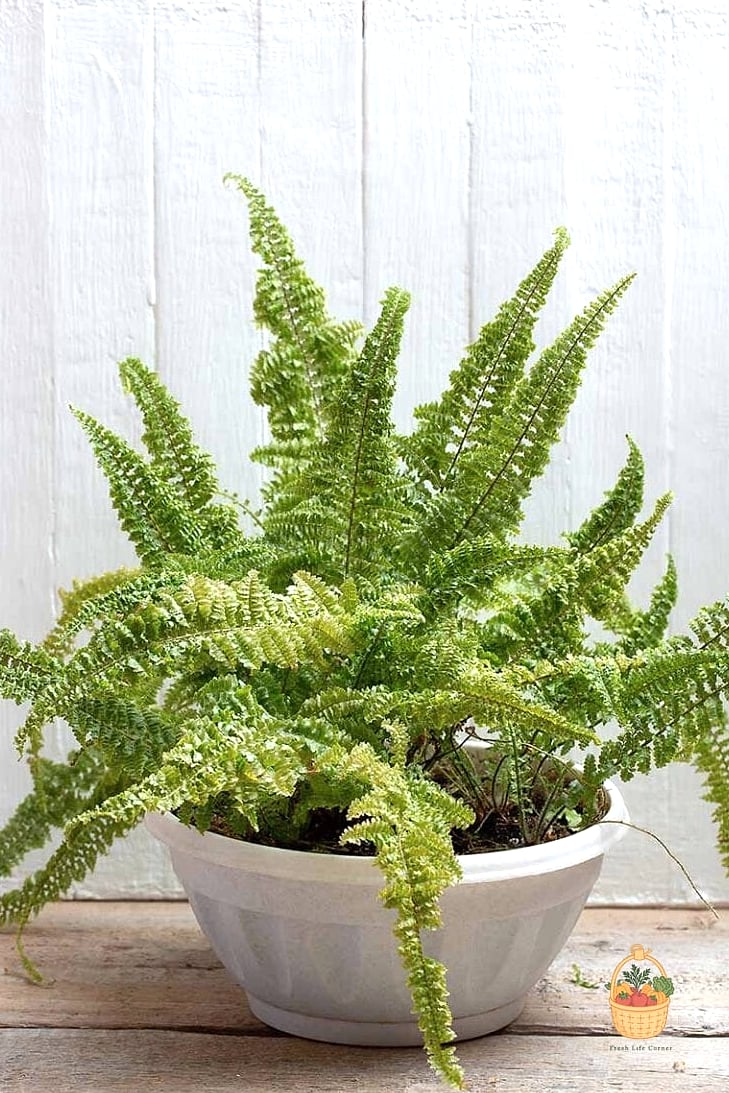
Boston ferns can be a bit high-maintenance with their humidity needs, but adding eggshell-infused water occasionally helps counteract some of the mineral loss that comes from frequent misting and watering. They want indirect light, consistently moist soil, and a humid bathroom or kitchen environment if possible. When happy, the fronds arch out in a soft, feathery way that instantly makes a space feel greener.
Jade Plant
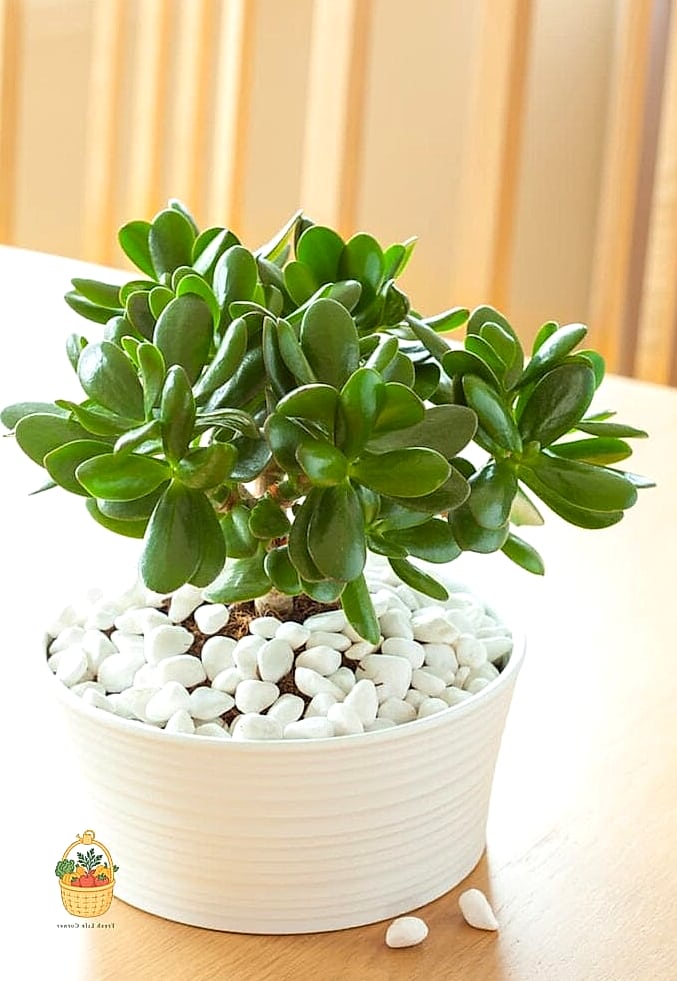
Jade plant is a classic succulent with thick, coin-like leaves, and it responds well to eggshells crushed directly into its well-draining, sandy soil. It needs bright light, infrequent watering, and a pot that won’t hold excess moisture. Jade plants are slow growers but can live for decades, eventually developing a thick, tree-like trunk that makes them feel more like a bonsai than a houseplant.
Calathea
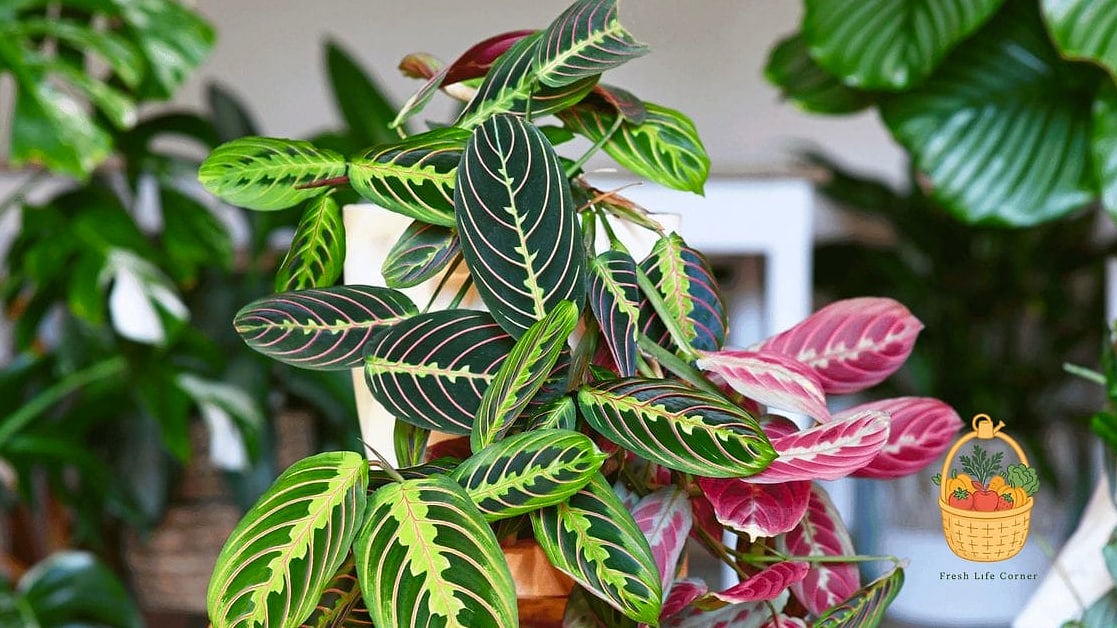
Calathea varieties, with their striking patterned leaves, can be sensitive to mineral buildup from tap water, and occasional eggshell water can help balance things out while providing a bit of calcium. They like medium to bright indirect light, consistently moist soil, and high humidity. This is one of those plants that looks like it requires a horticulture degree to keep alive, but with the right humidity setup it settles into a manageable routine.
Philodendron Heartleaf
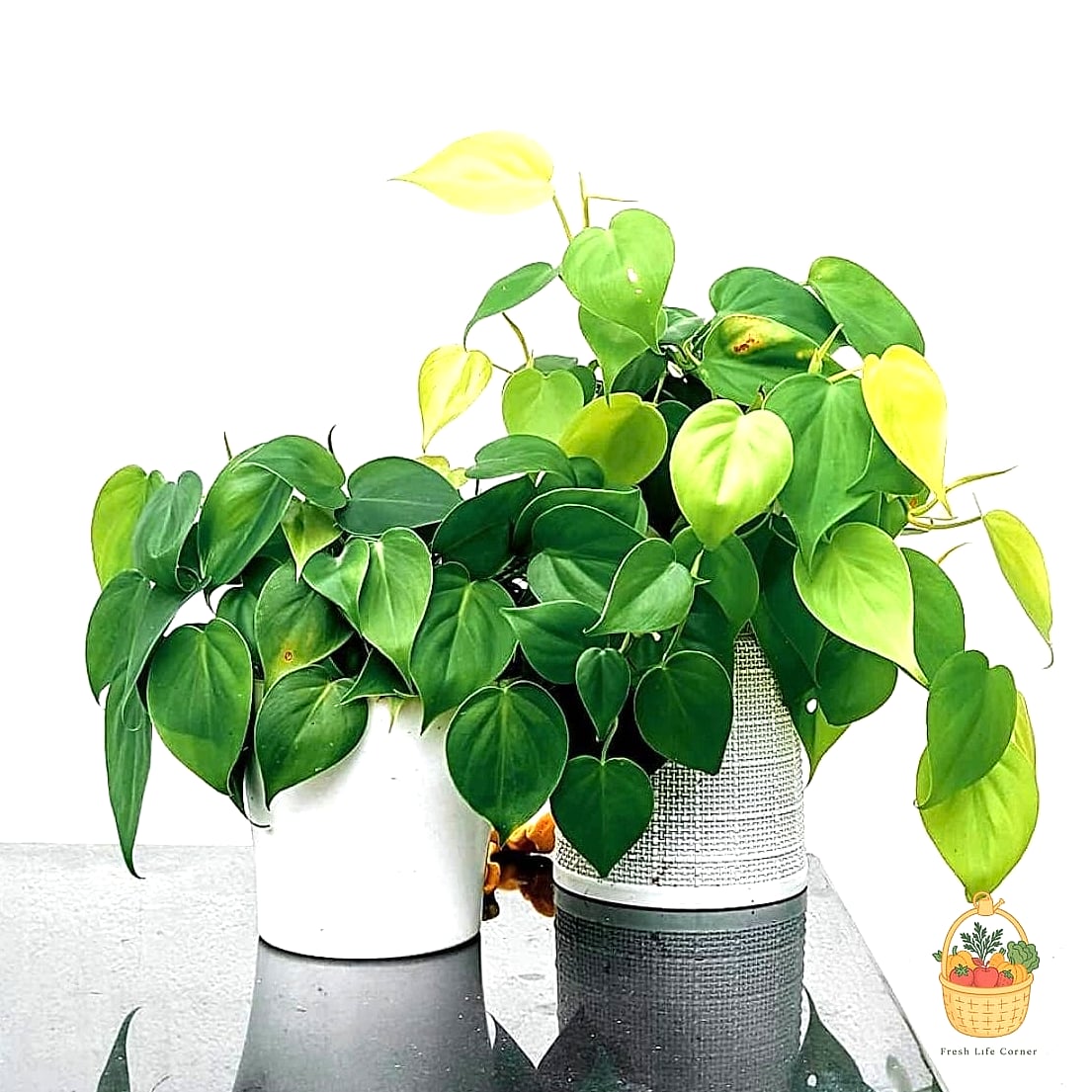
Heartleaf philodendron is a trailing vine with glossy, heart-shaped leaves, and it appreciates the trace minerals in eggshell fertilizer to keep those leaves a deep, healthy green. It tolerates lower light better than most trailing plants and only needs watering when the top inch of soil feels dry. This is an easy, rewarding choice for a beginner who wants that cascading, jungly look.
African Violet
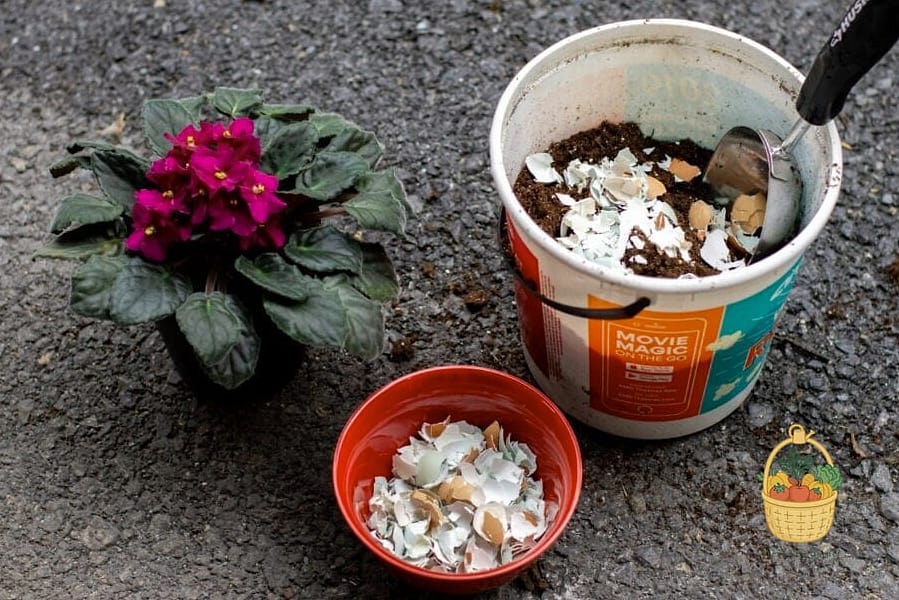
African violets are famous for their fuzzy leaves and near-constant blooms, and a light eggshell fertilizer boost can support both leaf health and flower production. They prefer bright, indirect light, consistently moist (but never soggy) soil, and watering from below to avoid spotting the leaves. Keep them away from cold windowsills in winter, since they’re sensitive to chilly drafts.
Monstera Deliciosa
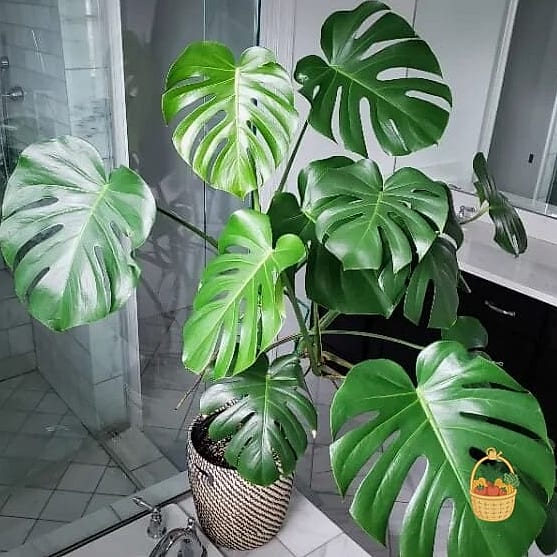
Monstera’s famous split leaves benefit from the calcium in eggshell water, which supports strong cell walls as new leaves unfurl. It wants bright, indirect light, a chunky well-draining mix, and a moss pole or trellis to climb as it matures. This is a plant that rewards patience — new leaves take time to develop their signature holes, called fenestrations, as the plant ages.
Christmas Cactus
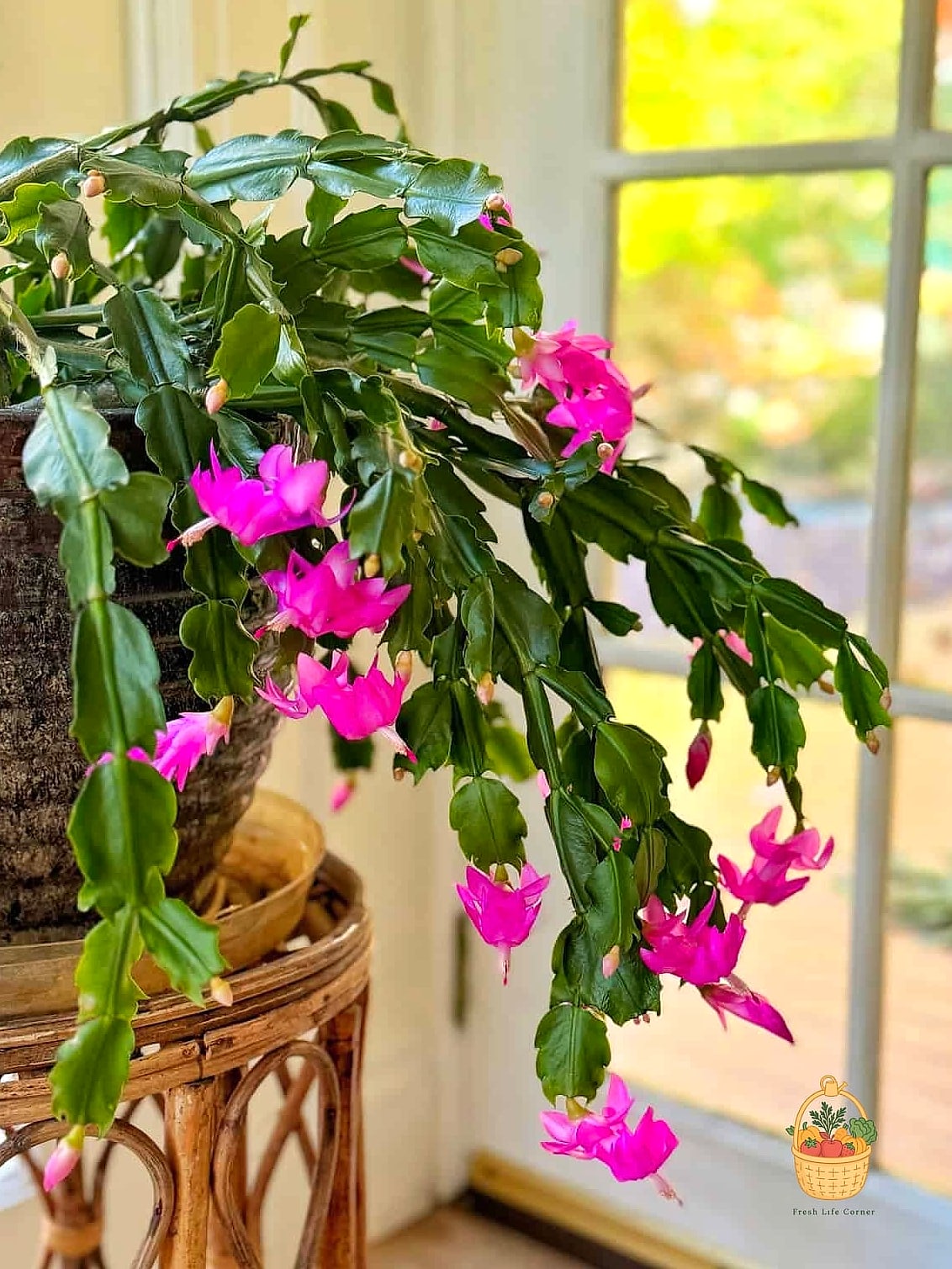
Christmas cactus blooms with vibrant, tubular flowers around the holidays, and a bit of eggshell fertilizer worked into the soil in late summer can help fuel bud formation. It likes bright but indirect light, slightly dry soil between waterings, and a period of cooler temperatures in fall to trigger blooming. Unlike desert cacti, this one actually prefers a bit more humidity and organic matter in its mix.
English Ivy
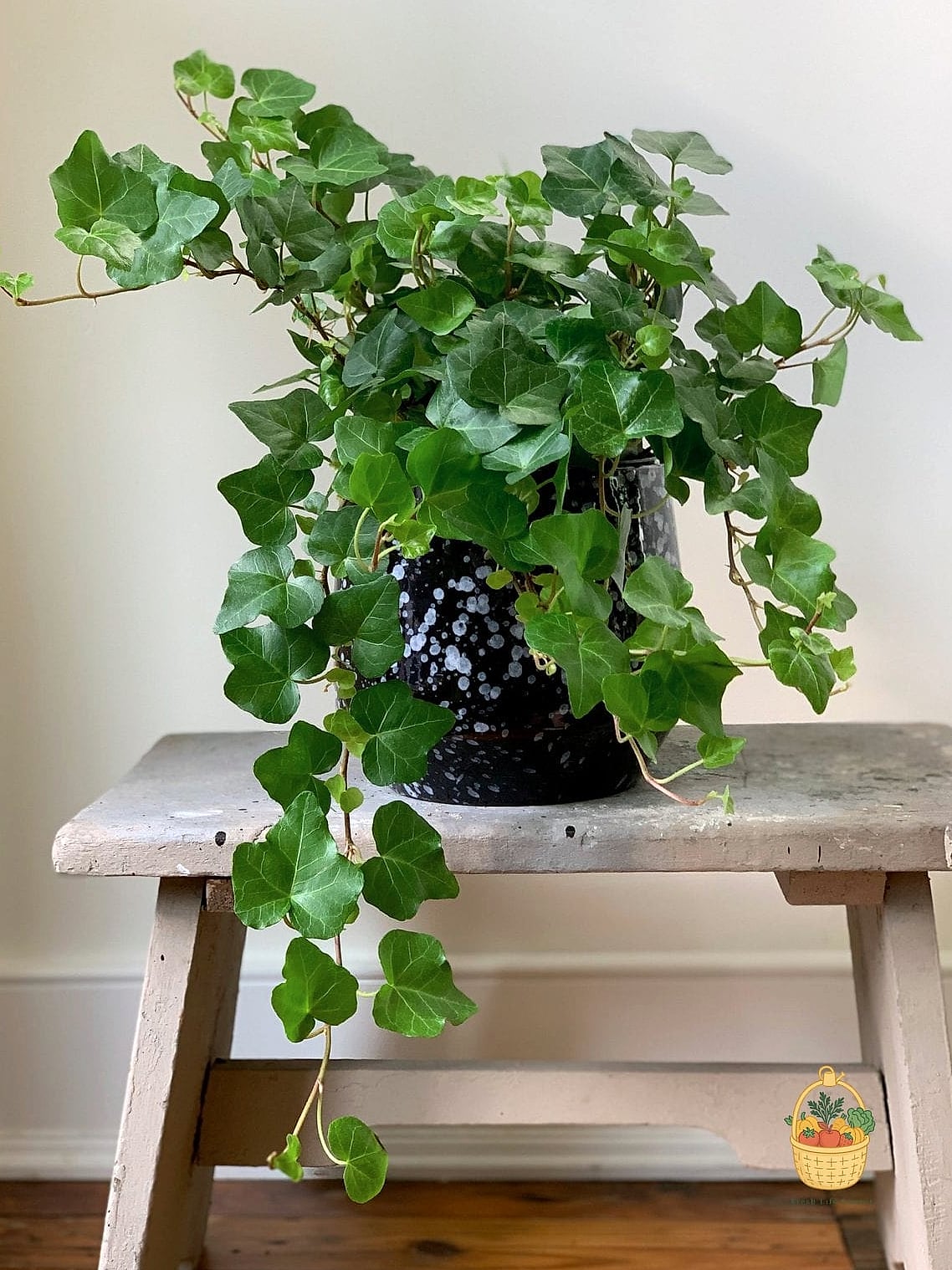
English ivy grows quickly and can benefit from the extra calcium in eggshell tea, which helps keep its small, lobed leaves from looking pale or thin. It prefers bright to moderate indirect light and evenly moist soil. Indoors, it’s a lovely trailing option for shelves or hanging baskets, though it’s worth noting this one can become invasive if grown outdoors in the wrong climate.
Dracaena Marginata
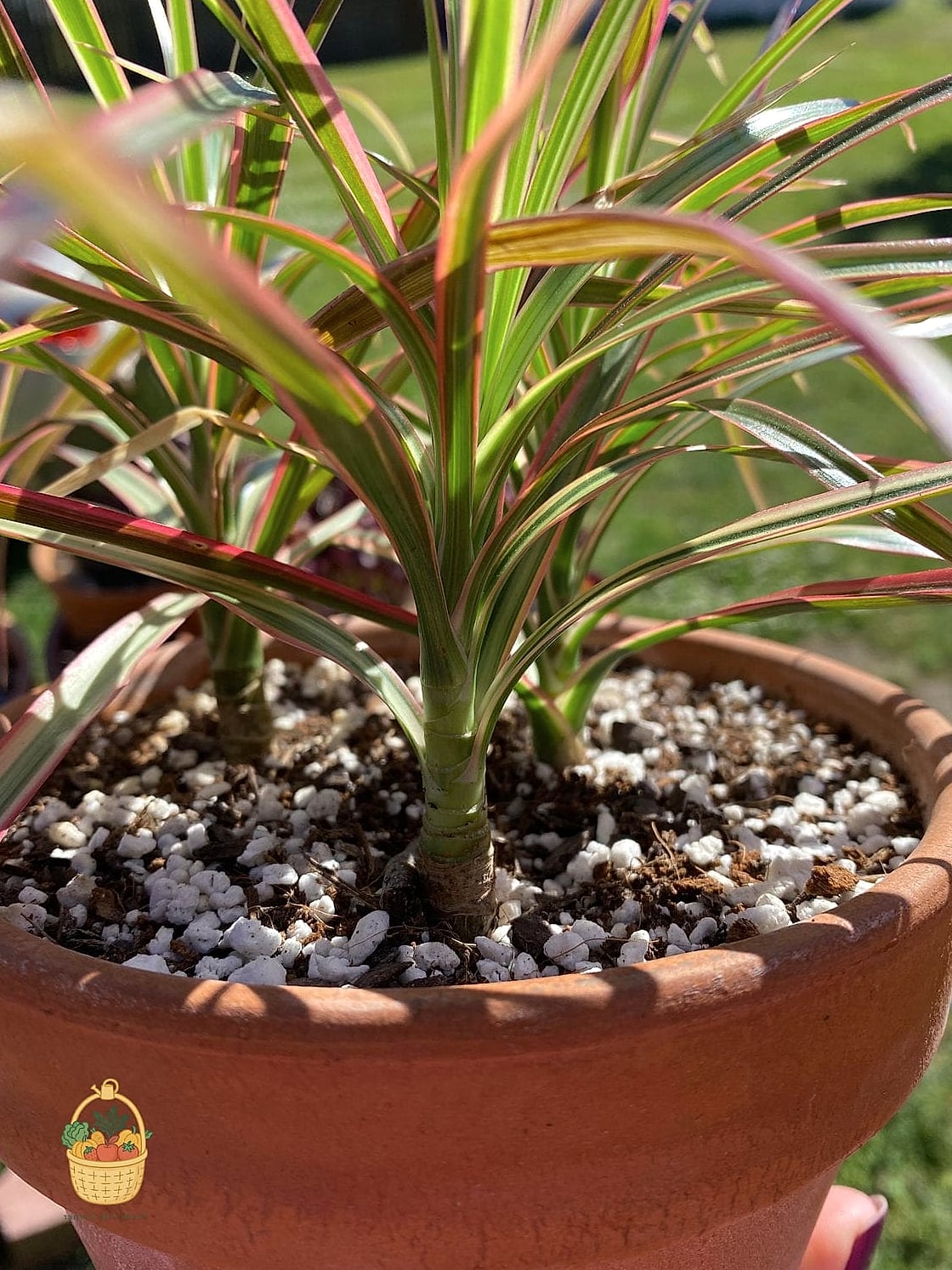
Dracaena marginata, sometimes called dragon tree, has thin, spiky leaves with red edges that hold up well when the soil gets an occasional eggshell boost. It tolerates low to bright indirect light and prefers to dry out somewhat between waterings. This is a slow, low-fuss grower that adds a sculptural, almost palm-like silhouette to a room.
Croton
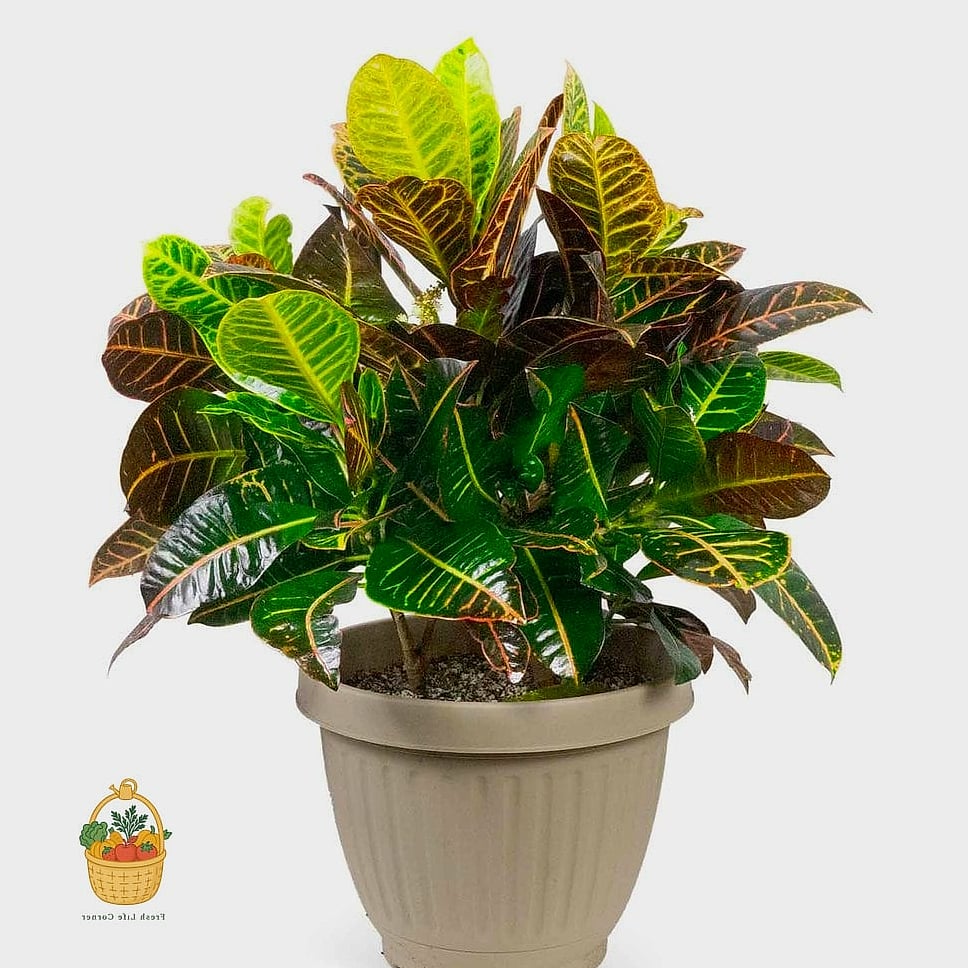
Croton’s wildly colorful leaves — streaked in red, orange, and yellow — depend on good nutrition to keep their vibrancy, and eggshell fertilizer can help support that colorful pigmentation alongside regular feeding. It needs bright light (the brighter, the better the color) and consistently moist soil. Crotons can be a little dramatic about sudden changes in light or temperature, dropping leaves in protest, so keep their spot consistent.
Anthurium
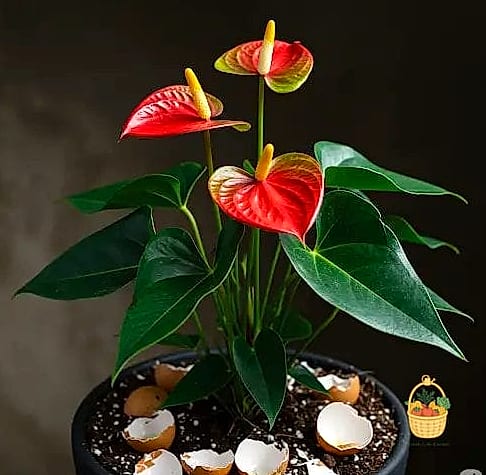
Anthurium’s glossy, heart-shaped flowers (technically modified leaves called spathes) can benefit from the calcium in eggshell water, which supports sturdier stems and blooms. It prefers bright, indirect light, high humidity, and a chunky, well-draining aroid mix. This plant tends to bloom nearly year-round when it’s happy, making it one of the more consistently rewarding flowering houseplants.
Bird’s Nest Fern
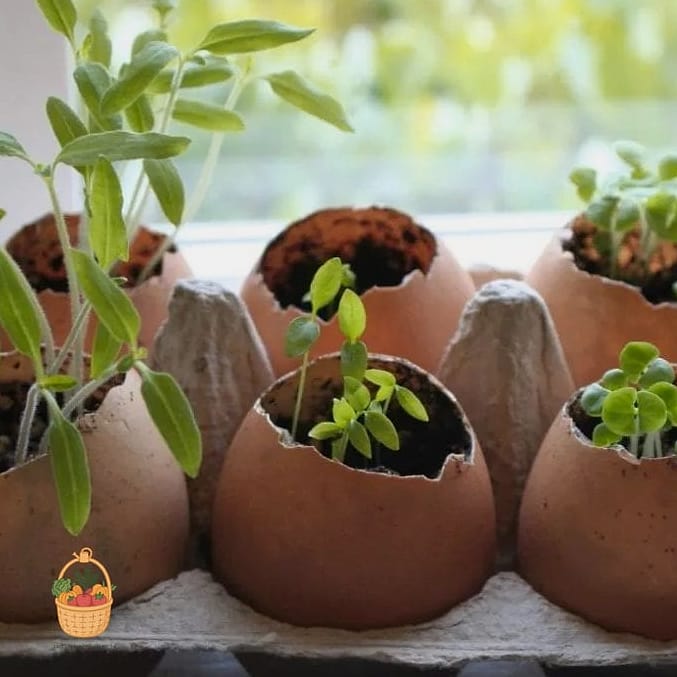
Bird’s nest fern has crinkled, ribbon-like fronds that fan out from a central rosette, and occasional eggshell water can help offset mineral depletion from frequent misting. It likes medium indirect light, high humidity, and soil that stays lightly moist. Avoid touching the new, tightly curled fronds in the center, since they’re delicate while unfurling.
String of Pearls
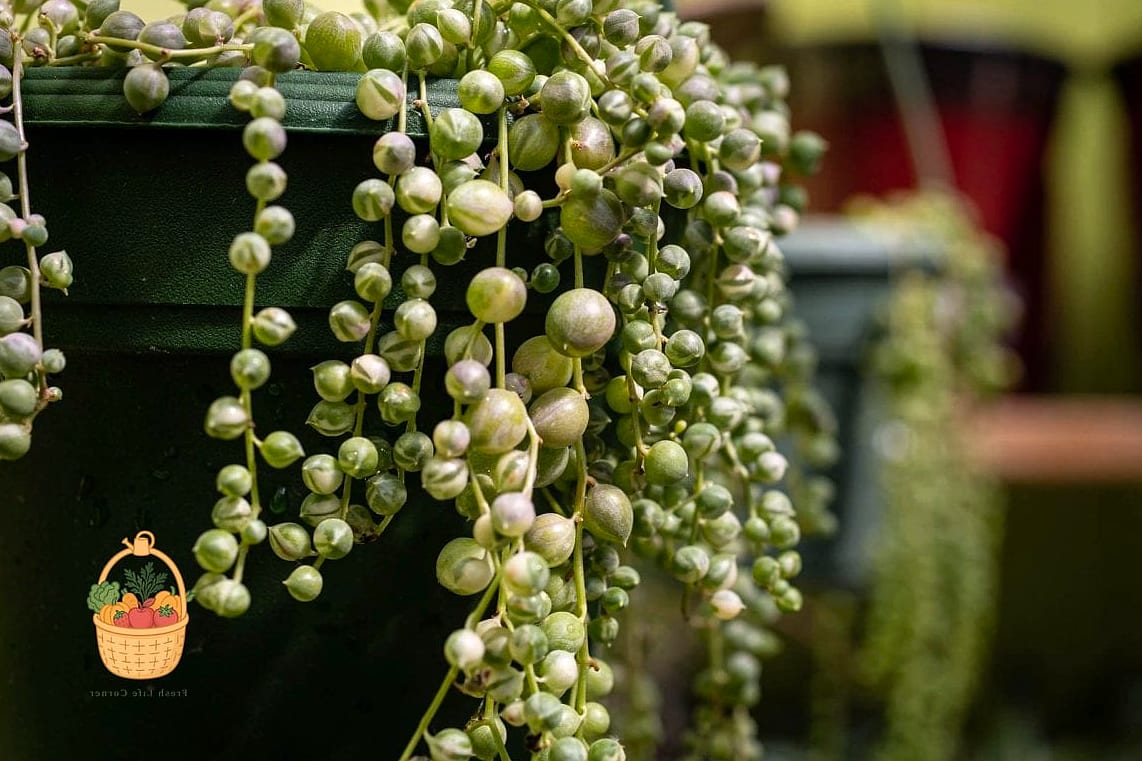
String of pearls is a trailing succulent with bead-like leaves, and a light dusting of crushed eggshell in its fast-draining, sandy soil can support those little round leaves. It wants bright light and very infrequent watering, since it’s extremely prone to rot if overwatered. This is a fun, low-maintenance option for a hanging planter, though it’s a bit brittle, so handle it gently.
Prayer Plant
Prayer plant (Maranta) gets its name from the way its leaves fold up at night like hands in prayer, and a touch of eggshell fertilizer can help maintain the vivid patterning on its foliage. It prefers medium to bright indirect light, consistently moist soil, and higher humidity. It’s a slightly finicky grower, but watching those leaves move throughout the day is genuinely satisfying.
Areca Palm
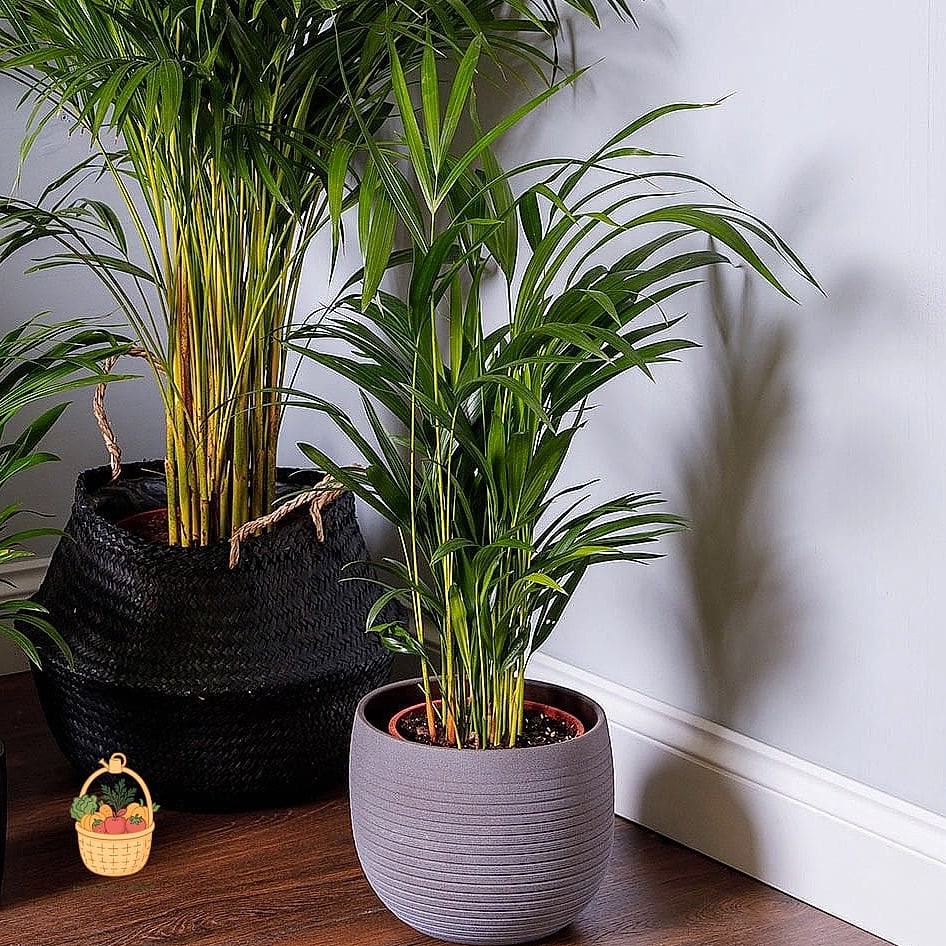
Areca palm brings a breezy, tropical feel indoors, and its fronds can benefit from the calcium and trace minerals in eggshell tea, especially in plants grown in containers where soil nutrients deplete faster. It likes bright, indirect light, evenly moist soil, and decent humidity. This is a larger plant that works well for filling an empty corner, though it does appreciate an occasional wipe-down of its fronds to keep dust from building up.
Working eggshells into your houseplant routine is a small, low-cost habit that pays off in sturdier growth and richer color across a surprising number of species. Whether you crush them straight into the potting mix, steep them for a calcium-rich watering solution, or work them into homemade compost, the plants on this list of 24 Eggshells Houseplants Every Gardener Needs to Know About are proof that sometimes the best plant food is already sitting in your kitchen trash.