How To Grow & Care For Goldfish Plant Indoors — Your Step-by-Step Guide to Success
How To Grow & Care For Goldfish Plant Indoors — Your Step-by-Step Guide to Success
If you’ve never met a goldfish plant before, get ready to fall in love. Those little tubular orange-red blooms really do look like tiny fish leaping off the trailing stems, and it’s one of those houseplants that makes people stop and ask “wait, what is that?” every single time.
The goldfish plant (Nematanthus or Columnea, depending on the variety) is a trailing tropical that’s become a favorite for hanging baskets and bright shelves. It’s related to African violets, which tells you a lot about what it wants: warmth, humidity, and a little consistency. Here’s everything you need to know to keep yours happy and blooming for years.
Why Gardeners Love It
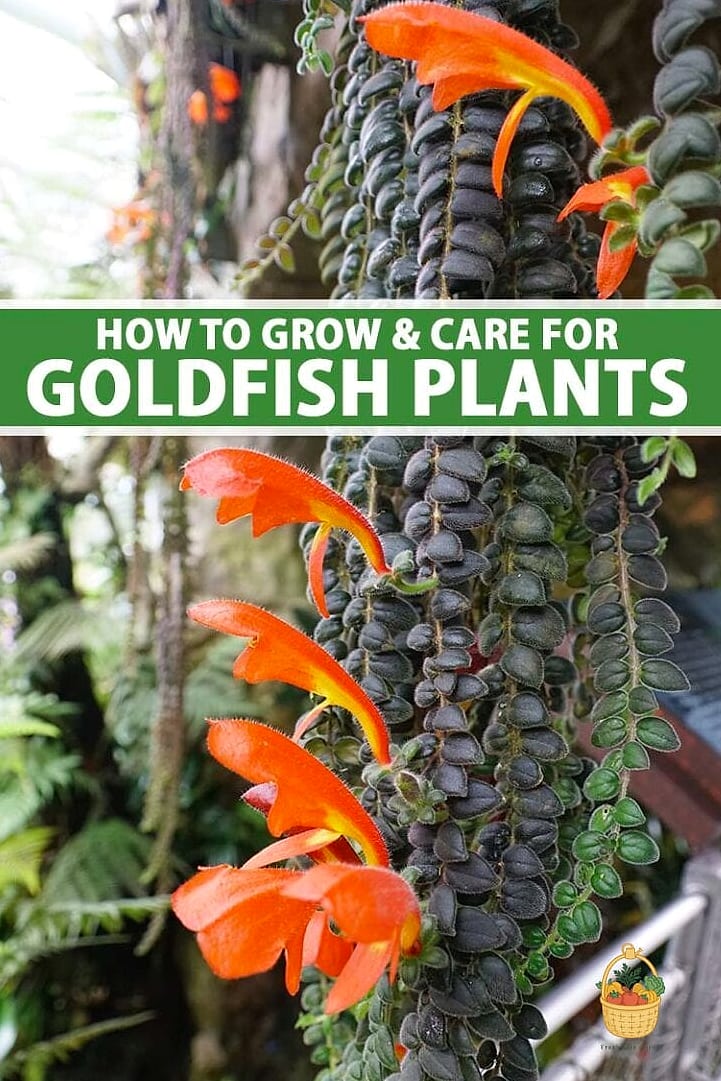
There’s something genuinely joyful about this plant. The glossy, dark green leaves are attractive on their own, but then those quirky orange, red, or yellow flowers show up and steal the whole show.
I’ve had plant-hating friends stop mid-conversation to ask about mine. It’s a great conversation starter, and it’s also surprisingly forgiving once you understand its basic preferences.
It’s also a plant that rewards a little patience. Give it decent light and consistent care, and it will often flower on and off throughout the year rather than just once. That’s rare for a houseplant that isn’t asking for a ton of fuss in return.
Key Features and Appearance
Goldfish plants have thick, waxy, dark green leaves on trailing or slightly arching stems, which makes them perfect for hanging baskets or a high shelf where the foliage can spill over the edge.
The real star, though, is the flower. Depending on the variety, the blooms can look like little pouches, fish, or even tiny slippers, usually in shades of orange, red, coral, or yellow. Some newer cultivars have speckled or two-toned blooms that are especially fun to spot up close.
Mature plants can trail anywhere from one to three feet, and they’re fast enough growers that you’ll notice progress within a season, not years. That makes them satisfying for beginners who want to see results without an agonizing wait.
Growing Conditions
Bright, indirect light is the sweet spot for growing a goldfish plant indoors. An east or west-facing window usually works well — enough brightness to encourage blooming without scorching those glossy leaves.
Too little light and you’ll get a leggy plant with plenty of leaves but no flowers, which is the most common complaint I hear. Too much direct sun, especially through south-facing glass in summer, can leave leaves looking bleached or crispy.
If your home runs on the darker side, a simple grow light can make a real difference. These plants also appreciate warmth — they’re happiest between 65-80°F and don’t love drafts, so keep them away from cold windowsills in winter and away from heating vents that dry the air out.
Humidity matters more than people expect. Native to humid tropical forests, goldfish plants do best with some extra moisture in the air. A pebble tray, a nearby humidifier, or grouping it with other houseplants all help mimic that native environment.
Soil and Watering Needs
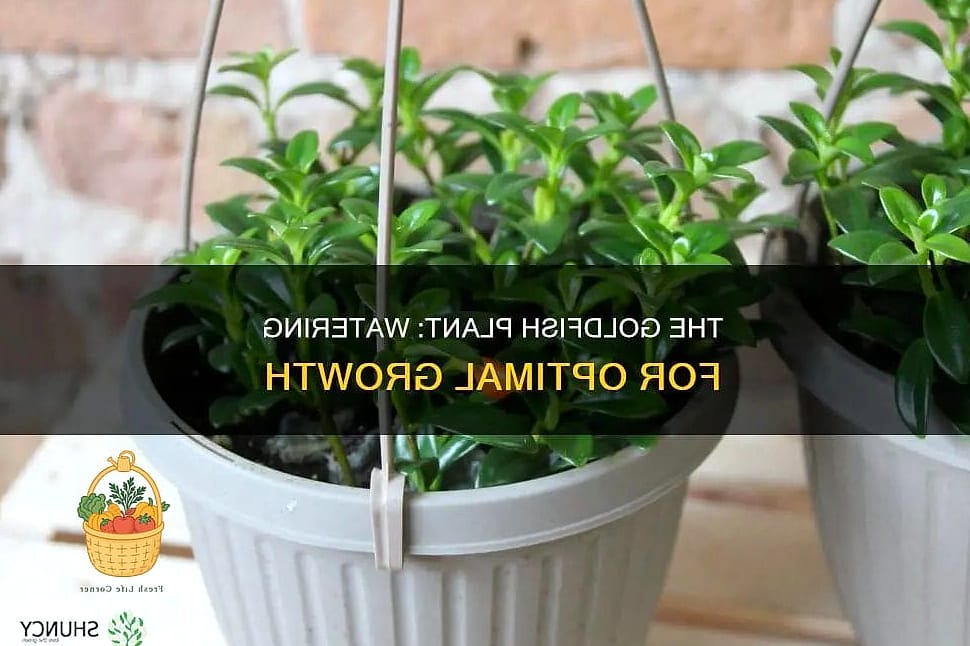
A well-draining potting mix is essential here. A standard African violet mix or a regular potting soil amended with perlite works beautifully, since it holds some moisture without staying soggy.
Watering is where most goldfish plant problems actually start. Let the top inch or so of soil dry out between waterings, then water thoroughly until it drains from the bottom of the pot. Consistently soggy soil leads to root rot fairly quickly, and yellowing leaves are often the first warning sign.
On the flip side, underwatering shows up as dry, curling, or dropping leaves, so aim for that middle ground rather than a rigid schedule. I check mine with a finger in the soil rather than trusting the calendar, since indoor conditions shift with the seasons anyway.
Terracotta pots are a nice option here because they help wick away excess moisture, which is a small safety net if you tend to overwater. Just make sure whatever container you choose has drainage holes — that part really isn’t optional.
Fertilizing and Pruning
During spring and summer, a diluted liquid fertilizer every two to four weeks will keep growth steady and encourage more of those fish-shaped blooms. Look for something balanced or slightly higher in phosphorus to support flowering.
Ease off in fall and winter when growth naturally slows down. Feeding a dormant or resting plant doesn’t help it and can actually cause fertilizer buildup in the soil, which shows up as crispy leaf edges.
Pruning is simple and honestly kind of satisfying. Pinch back leggy stems after a bloom cycle to encourage bushier growth, and don’t be afraid to trim it back fairly hard once or twice a year if it’s gotten sparse. This plant bounces back quickly, and a light trim usually triggers a fresh flush of growth within a few weeks.
Common Problems and Solutions
Leaf drop is usually a stress response to sudden temperature changes, drafts, or a big shift in light. Try to keep conditions as steady as you can, especially through winter when heating systems dry out indoor air.
Pests like aphids and spider mites can show up occasionally, particularly on stressed or overly dry plants. A insecticidal soap or a strong rinse in the shower usually handles small infestations before they spread, and checking new growth regularly helps catch problems early.
No flowers at all almost always points back to insufficient light. Before assuming something’s wrong with the plant itself, try moving it to a brighter spot and see if that solves things within a few weeks.
Yellowing leaves, as mentioned, usually mean overwatering or poor drainage. Root rot is the more serious version of this problem, so if you notice mushy stems near the soil line, it’s worth unpotting to check the roots and trimming away any that look brown and soft.
Propagation Tips
Good news: propagation by cuttings is easy and honestly one of the more fun parts of owning this plant. Snip a four to six inch piece just below a leaf node, remove the lower leaves, and place it in water or moist potting mix.
Roots typically show up within a few weeks, especially with some warmth and indirect light to encourage the process. Once you see a couple inches of root growth in water, it’s safe to transfer the cutting to soil.
This makes goldfish plants a great one to share with friends, or to use for filling out a sparse hanging basket without buying a whole new plant. I usually take a few cuttings whenever I prune, just so nothing goes to waste.
Final Thoughts
Growing and caring for a goldfish plant indoors really comes down to a few consistent habits: bright indirect light, well-draining soil, steady warmth, and not overdoing it with water. Get those basics right and this plant tends to take care of the rest.
It’s a rewarding one to keep around, whether it’s trailing from a hanging basket by a window or perched on a plant stand where those little blooms can really show off. Give it what it needs, and it’ll keep surprising you with flowers season after season.