How To Grow Moss Indoors — Pro Tips for a Healthy Plant
- Why Moss Is Different From Other Houseplants
- Choosing the Right Type of Moss
- Picking the Right Container or Space
- Light Requirements for Healthy Moss
- Watering Without Overdoing It
- Humidity Is the Real Secret
- Temperature and Seasonal Considerations
- Soil and Substrate — Do You Even Need It?
- Fertilizing — Less Is More
- Common Problems and How to Fix Them
- Propagating Moss for More Coverage
- Best Uses for Indoor Moss
- Final Thoughts
How To Grow Moss Indoors — Pro Tips for a Healthy Plant
There’s something almost meditative about a patch of moss growing quietly in a corner of your home. No flowers to deadhead, no leaves to dust, just this soft green carpet that seems to glow under the right light. If you’ve ever hiked through a damp forest and wondered how to bring that feeling indoors, moss is probably the easiest way to do it.
Growing moss indoors isn’t like growing your average houseplant, and that’s actually good news. Once you understand what moss actually wants — which is honestly not much — it becomes one of the lowest-maintenance additions to your indoor plant collection. Here’s how to get it right.
Why Moss Is Different From Other Houseplants

Moss doesn’t have roots in the traditional sense. Instead of pulling water and nutrients from soil, it absorbs moisture and minerals directly through its leaf-like structures. This is why you’ll often see moss thriving on rocks, bark, or even concrete — it doesn’t need soil to survive, just consistent humidity and something to cling to.
This also means moss care flips a lot of standard houseplant advice on its head. You’re not really watering “the plant” so much as you’re maintaining an environment. Get the humidity and light right, and the moss pretty much takes care of itself.
Choosing the Right Type of Moss

Not all mosses behave the same way indoors, so picking the right variety matters more than people expect. Cushion moss and sheet moss are popular for terrariums because they form a dense, even mat. Mood moss has a fluffier, more textured look that works well if you want something that reads as more “wild forest floor” than manicured lawn.
Java moss is a bit of an outlier here — it’s actually an aquatic moss, which makes it a great choice for paludariums or anything with standing water nearby. If you’re just starting out, sheet moss is probably your best bet since it’s forgiving and widely available from nurseries or online moss suppliers.
Picking the Right Container or Space
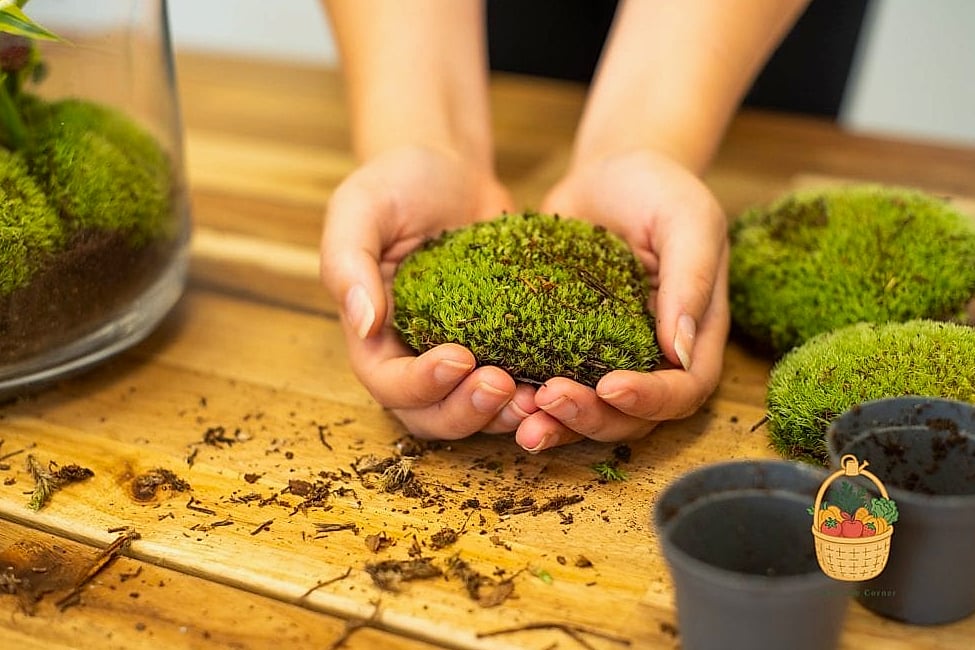
Moss thrives in enclosed or semi-enclosed environments where humidity stays high without much effort on your part. Glass terrariums, apothecary jars, and even simple glass bowls with a loose lid all work well. The enclosure traps moisture, which cuts down on how often you need to mist.
If you’re growing moss in an open dish or as part of a larger indoor garden display, you’ll need to be more diligent about humidity. It’s not impossible, just a bit more hands-on, so factor that into how much time you actually want to spend on upkeep.
Light Requirements for Healthy Moss
This is where moss really surprises people. Unlike most houseplants that beg for bright light, moss actually prefers indirect, filtered light — think dappled forest canopy, not a sunny windowsill. Direct sunlight will dry it out fast and can scorch it within a day or two.
A spot a few feet back from an east or north-facing window usually does the trick. If your home doesn’t get much natural light, a small grow light set on a low intensity works fine too, and honestly gives you more control over consistency than a window ever will.
Watering Without Overdoing It
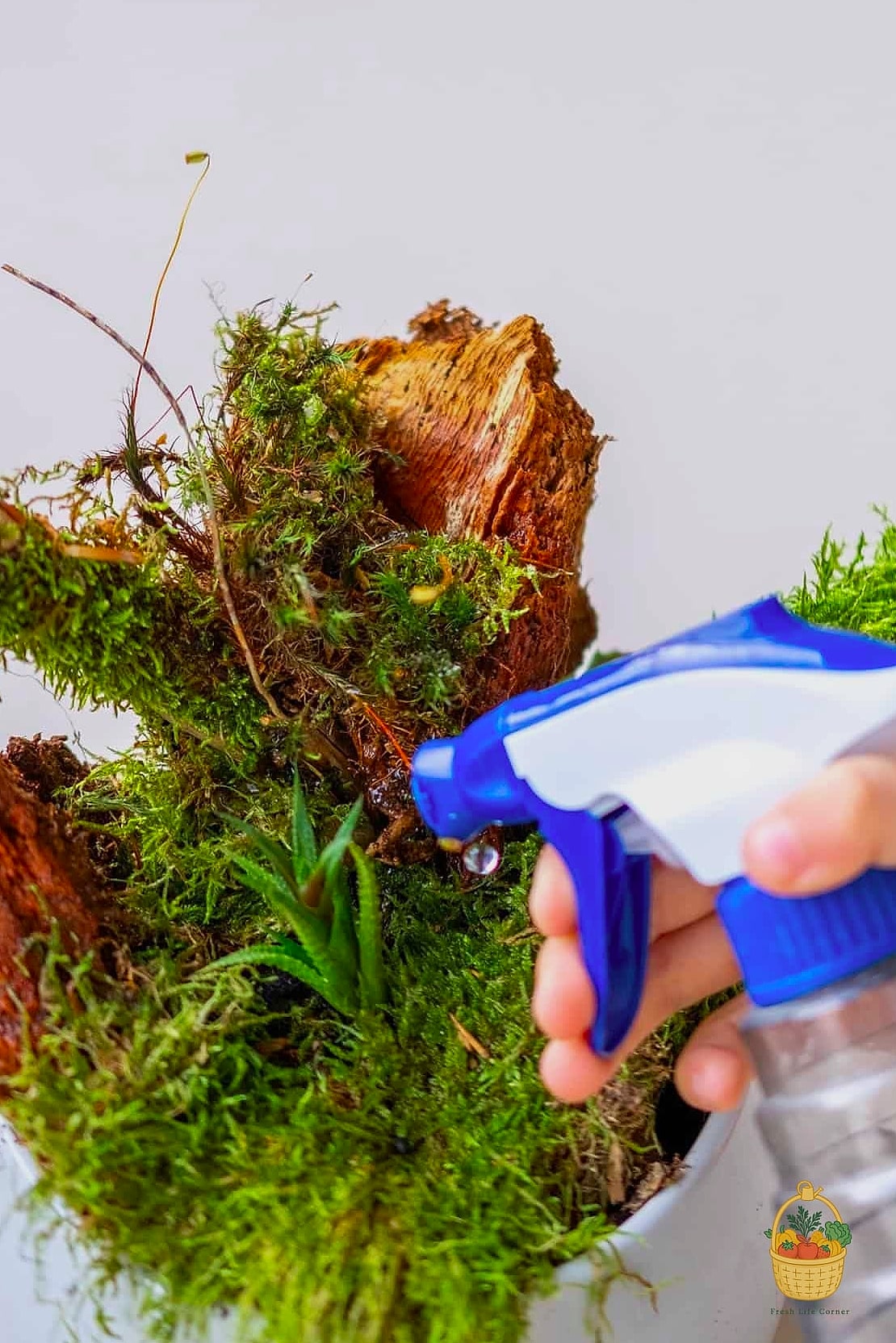
Since moss absorbs moisture through its surface rather than through roots, misting is your main watering method — not pouring water into the container. A spray bottle with a fine mist setting is really all the equipment you need here.
Aim to mist every two to three days, adjusting based on how quickly the moss dries out in your specific setup. The moss should feel damp but never soggy or waterlogged. If you notice water pooling at the base, that’s your sign you’re overdoing it, and pooled water can lead to rot pretty quickly.
Tap water is usually fine for most mosses, though if your water is heavily chlorinated or very hard, letting it sit out overnight before using it can help.
Humidity Is the Real Secret
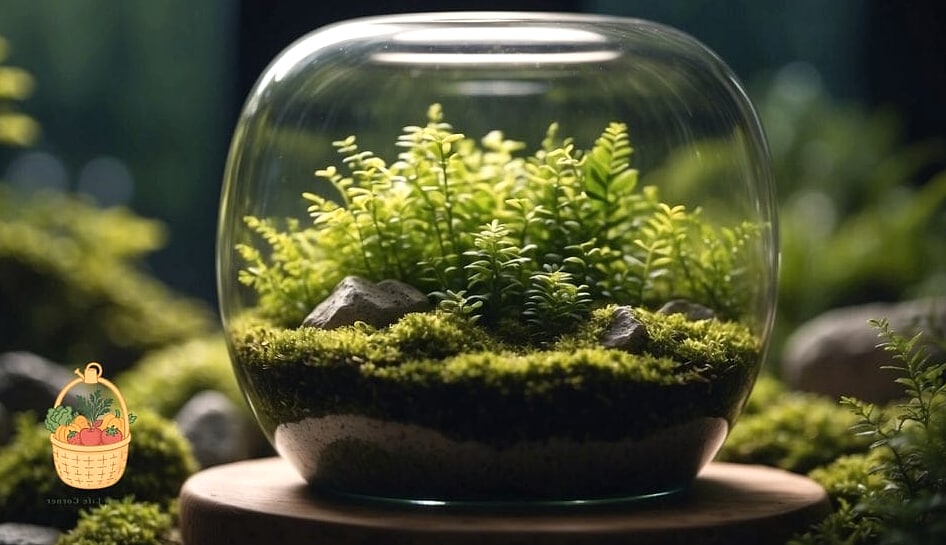
If there’s one factor that makes or breaks indoor moss growing, it’s humidity. Moss wants a consistently damp environment, somewhere in the 70 to 90 percent humidity range, which is a lot higher than most homes naturally provide.
This is exactly why enclosed terrariums work so well — they create a self-contained humid microclimate. If you’re growing moss in the open, grouping it near other humidity-loving plants or placing it in a naturally moist room like a bathroom with a window can help close the gap.
A small humidifier nearby is another option, especially in drier climates or during winter when indoor heating tends to suck the moisture right out of the air.
Temperature and Seasonal Considerations
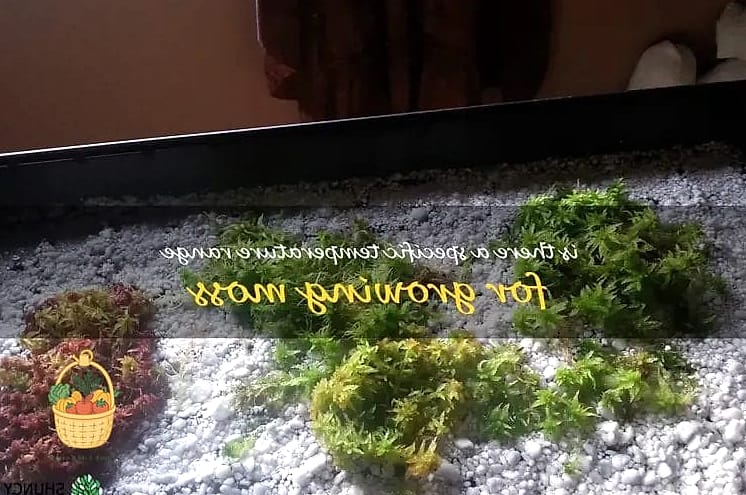
Most indoor moss varieties do best in the same temperature range that feels comfortable to us, roughly 60 to 75°F. Sudden temperature swings, drafts from air conditioning vents, or proximity to heating registers can stress the moss and dry it out faster than usual.
Winter tends to be the trickier season indoors, mainly because heating systems drop ambient humidity significantly. You may need to mist a bit more often during these months, or add a humidifier if your moss starts looking a little crispy at the edges.
Soil and Substrate — Do You Even Need It?
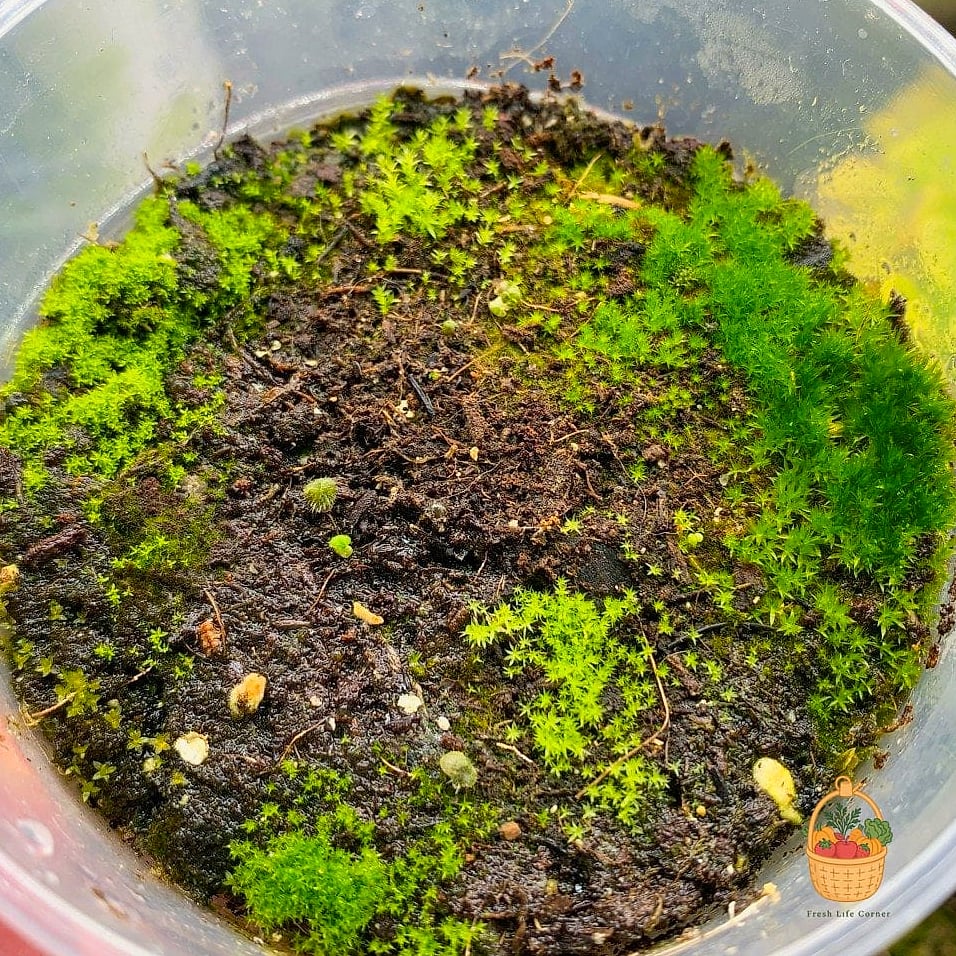
Technically, moss doesn’t need soil to grow, but a substrate still matters for aesthetics and moisture retention. A thin layer of well-draining potting mix or a mix of soil and sand under the moss helps hold ambient moisture, which the moss can then absorb.
Some growers skip soil entirely and place moss directly on rocks, driftwood, or ceramic surfaces, misting regularly to keep it alive. Both approaches work — it really comes down to the look you’re going for and how hands-on you want to be with maintenance.
Fertilizing — Less Is More
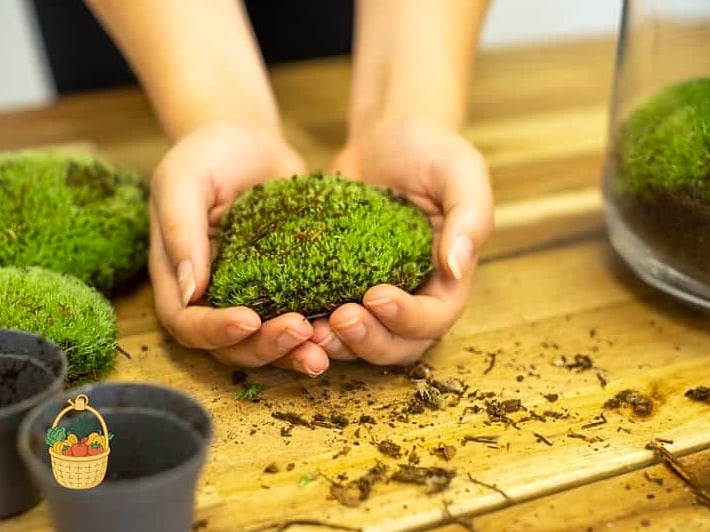
Here’s some good news for anyone tired of tracking fertilizer schedules: moss really doesn’t need much, if any, supplemental feeding. It gets most of what it needs from the air and moisture around it.
If you want to give it a very occasional boost, a heavily diluted liquid fertilizer — about a quarter strength — applied once every couple of months is plenty. Over-fertilizing moss can actually encourage algae growth in humid enclosures, which is more of a headache to deal with than underfeeding ever would be.
Common Problems and How to Fix Them
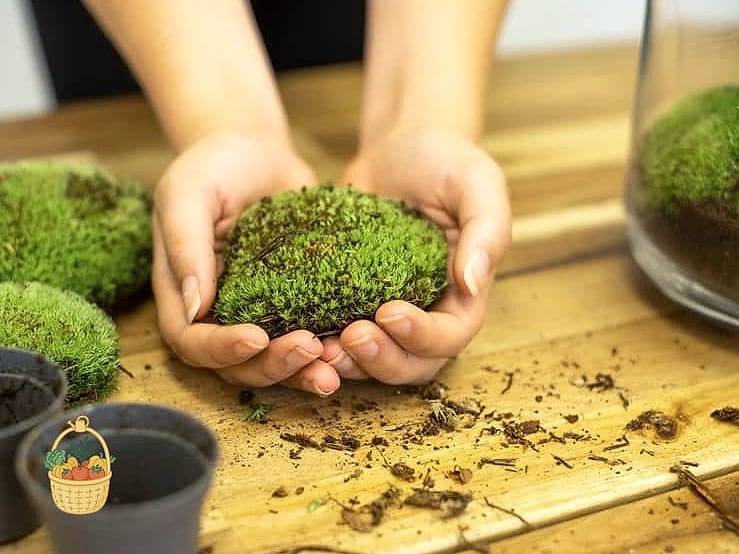
Moss turning brown or crispy usually points to low humidity or too much direct light. Move it to a shadier spot and increase misting frequency, and you’ll often see it green back up within a week or two.
Yellowing or mushy moss, on the other hand, usually means too much water. Cut back on misting and make sure any enclosure has some airflow, even a few times a week, to prevent stagnant moisture from causing rot.
Mold or algae showing up in a terrarium is a sign of excess moisture combined with poor air circulation. Cracking the lid open for an hour a day can help reset the balance without sacrificing the humid environment moss needs overall.
Propagating Moss for More Coverage
One of the more satisfying parts of growing moss indoors is how easy it is to expand your collection. You can propagate moss by simply breaking off small clumps and pressing them onto a new moist surface — no rooting hormone or special tools required.
Blending moss with buttermilk or water into a slurry and painting it onto rocks or bark is another popular method, sometimes called moss “milkshake” propagation. It takes a few weeks to see real growth, but it’s a fun, low-stakes project if you enjoy experimenting.
Best Uses for Indoor Moss
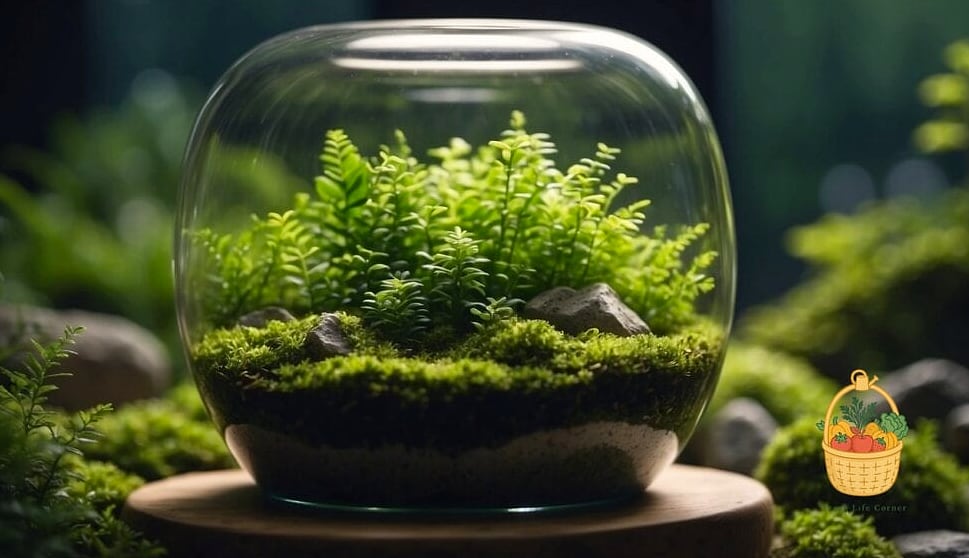
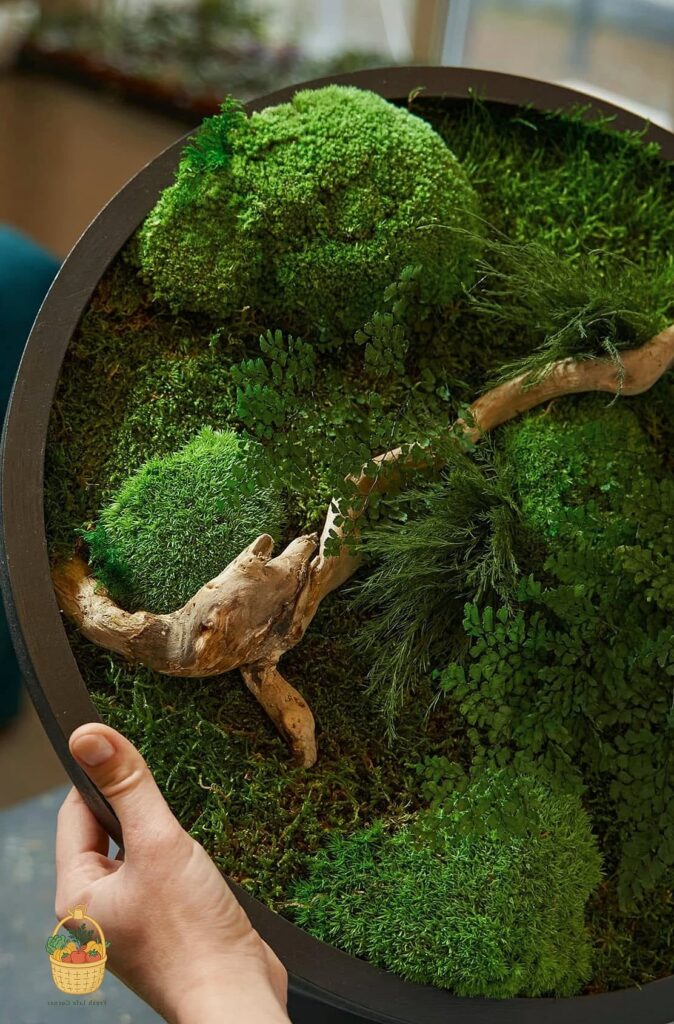
Beyond terrariums, moss works beautifully as a living groundcover for potted plants, helping retain soil moisture while adding a finished, natural look. It’s also a favorite for kokedama, the Japanese moss ball technique where a plant’s root ball is wrapped in moss instead of a traditional pot.
Some people use moss purely decoratively, filling small dishes or trays as living centerpieces. Whatever direction you take, moss adds a texture and calm that’s hard to replicate with typical foliage plants.
Final Thoughts
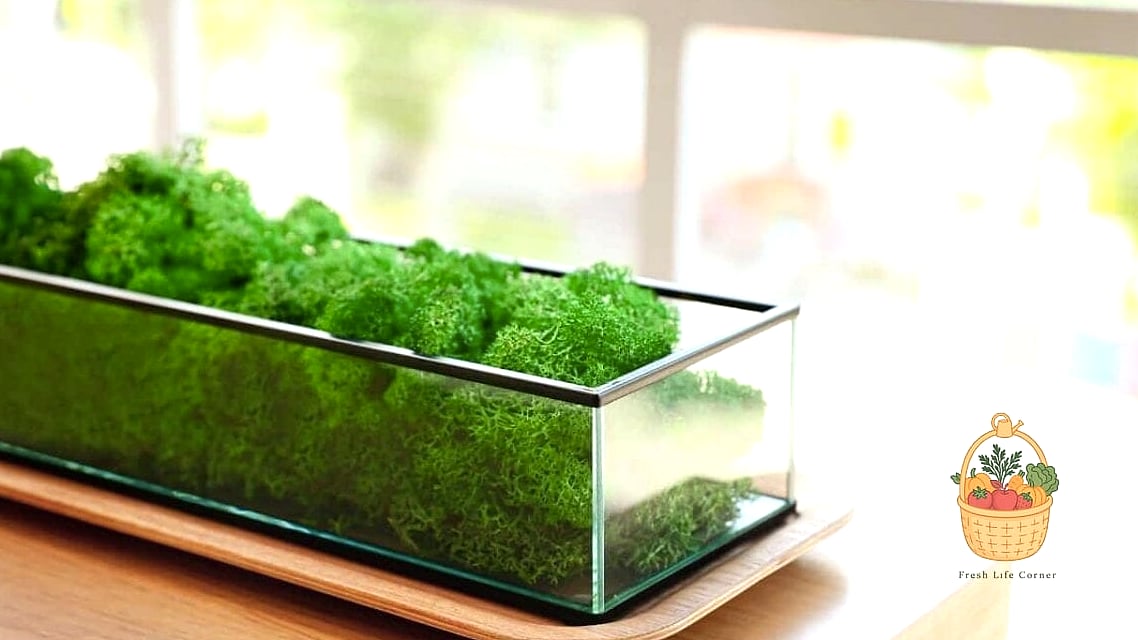
Learning how to grow moss indoors really comes down to mimicking a forest floor: soft filtered light, high humidity, and consistent moisture without ever letting things get soggy. It’s less about daily care and more about setting up the right environment once and then making small adjustments as you go.
Give it a spot away from direct sun, keep the humidity up, and mist regularly, and you’ll have a small patch of green that feels a little bit like bringing the woods inside. It’s a rewarding, low-pressure way to keep something alive and thriving, even if the rest of your plant collection needs a bit more hand-holding.