22 Beautiful Flowers to Plant in October for Fall and Winter Color
- Pansies
- Violas
- Ornamental Kale and Cabbage
- Chrysanthemums
- Asters
- Ornamental Peppers
- Sedum (Autumn Joy)
- Snapdragons
- Ornamental Grasses (Flowering Types)
- Calendula
- Flowering Cabbage
- Toad Lily
- Japanese Anemone
- Autumn Crocus
- Colchicum
- Winter Pansy Violas
- Ornamental Sage (Salvia)
- Camellia (Fall-Blooming Varieties)
- Winter Jasmine
- Hellebore
- Winter-Flowering Heather
- Flowering Quince
22 Beautiful Flowers to Plant in October for Fall and Winter Color
October gets written off as the end of the gardening season, but honestly, it’s one of the best times to be out there with a trowel in hand. Cooler soil temperatures mean roots settle in without the stress of summer heat, and a surprising number of flowers actually prefer this timing. Whether you’re after cheerful color that carries you through the first frosts or blooms that quietly wait out winter to explode in spring, this list has something for nearly every yard.
Pansies
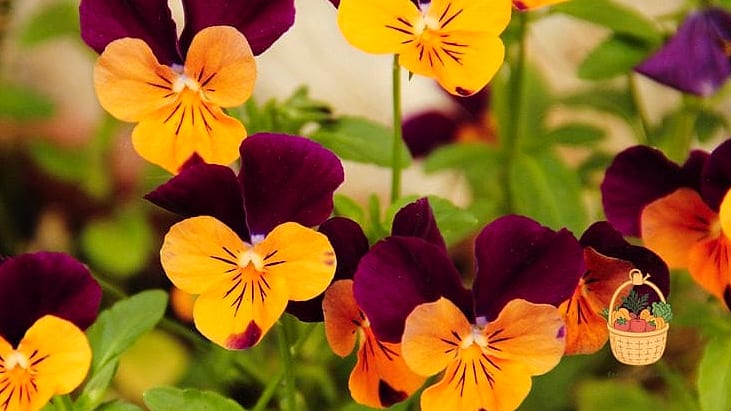
Pansies are the classic October pick, and for good reason. Their cheerful, almost cartoonish faces come in every color combination imaginable, and they genuinely shrug off light frost. Plant them in well-draining soil with full sun to partial shade, and keep the soil lightly moist without letting it get soggy. They’re forgiving enough for beginners, and they pair beautifully with ornamental kale in a fall container.
Violas

Violas are basically pansies’ smaller, tougher cousins. The blooms are more delicate looking, but don’t let that fool you — they’re remarkably frost hardy and often outlast pansies into winter. They do well in USDA zones 4-8 and appreciate a bit of slow-release fertilizer at planting time. Tuck them along a border edge where their small size won’t get lost.
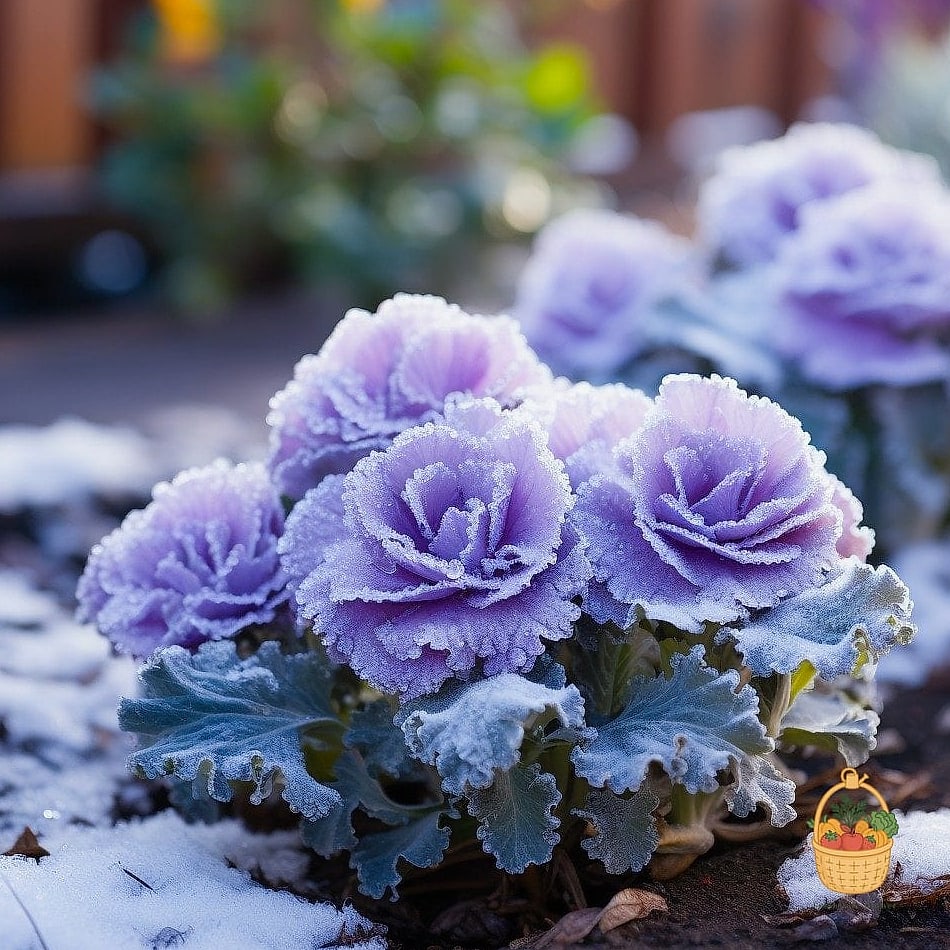
Ornamental Kale and Cabbage
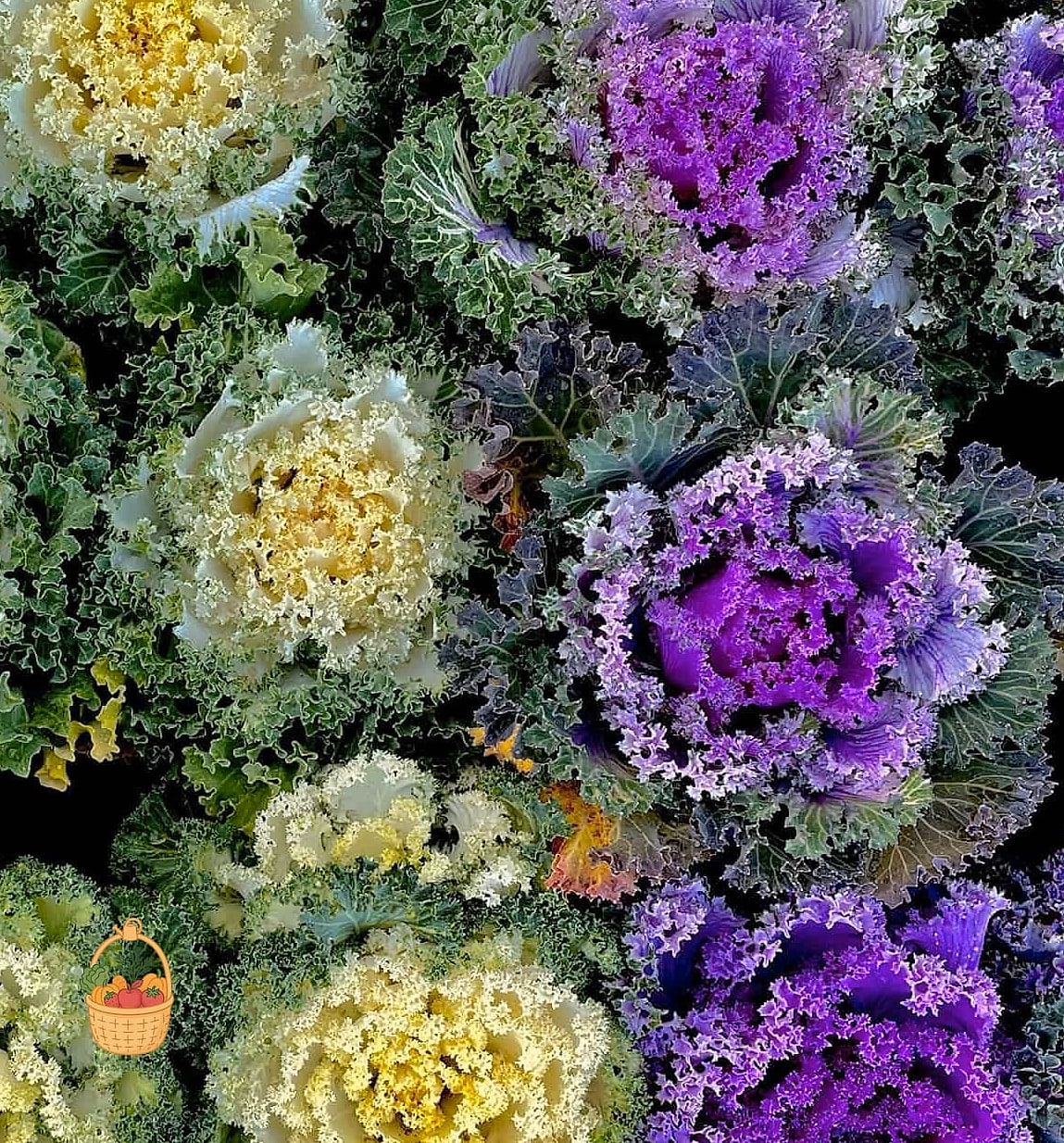
Okay, technically this is foliage, not a flower, but nobody plants an October display without it. The rosettes deepen in color as temperatures drop, ranging from creamy white to deep purple. It thrives in full sun and rich, well-draining soil, and it genuinely gets better looking the colder it gets. Great in raised beds or large terracotta pots as a centerpiece.
Chrysanthemums
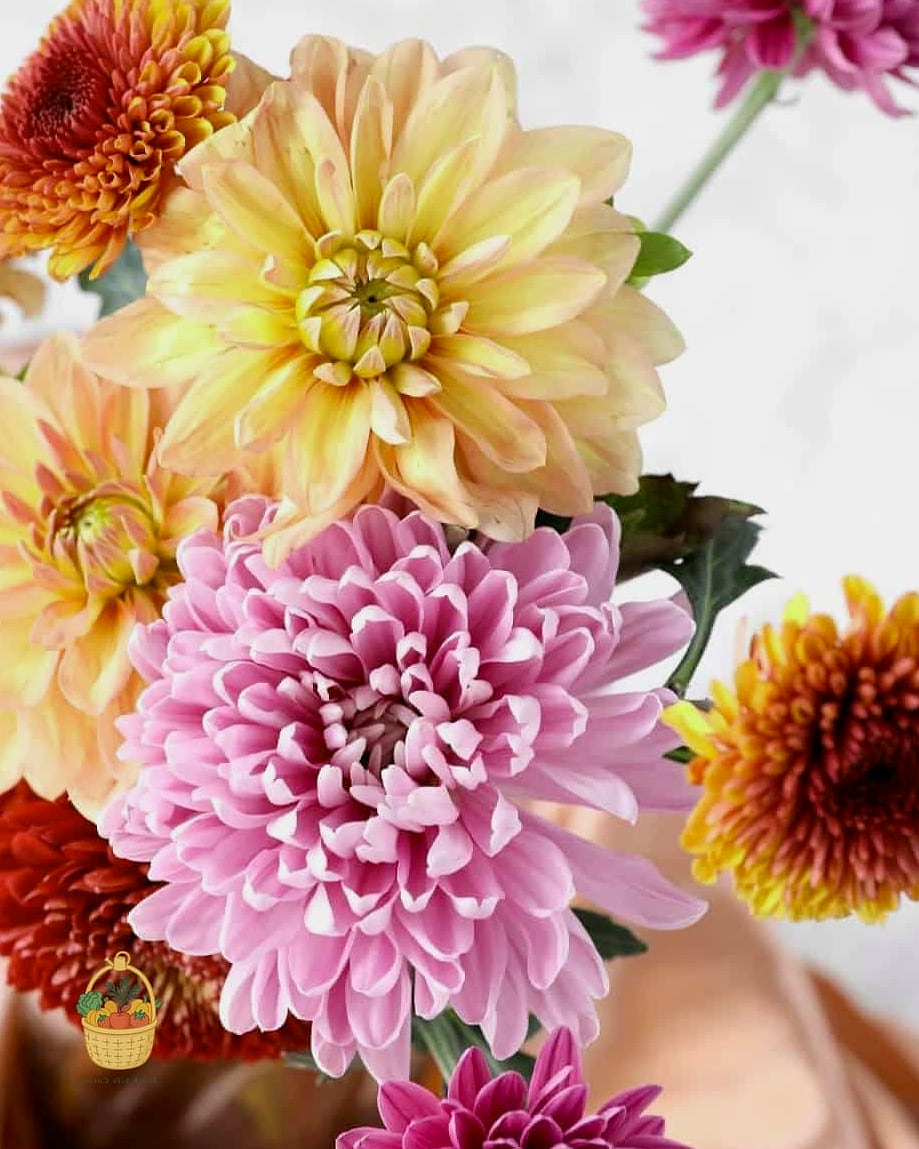
Mums are the workhorse of fall color, and there’s a reason garden centers sell them by the truckload every October. They come in nearly every warm hue — rust, gold, burgundy, deep purple — and hold their shape for weeks. Give them full sun and well-draining soil, and don’t be afraid to deadhead spent blooms to keep the show going. Hardy mums can even come back next year if planted early enough to establish roots before a hard freeze.
Asters
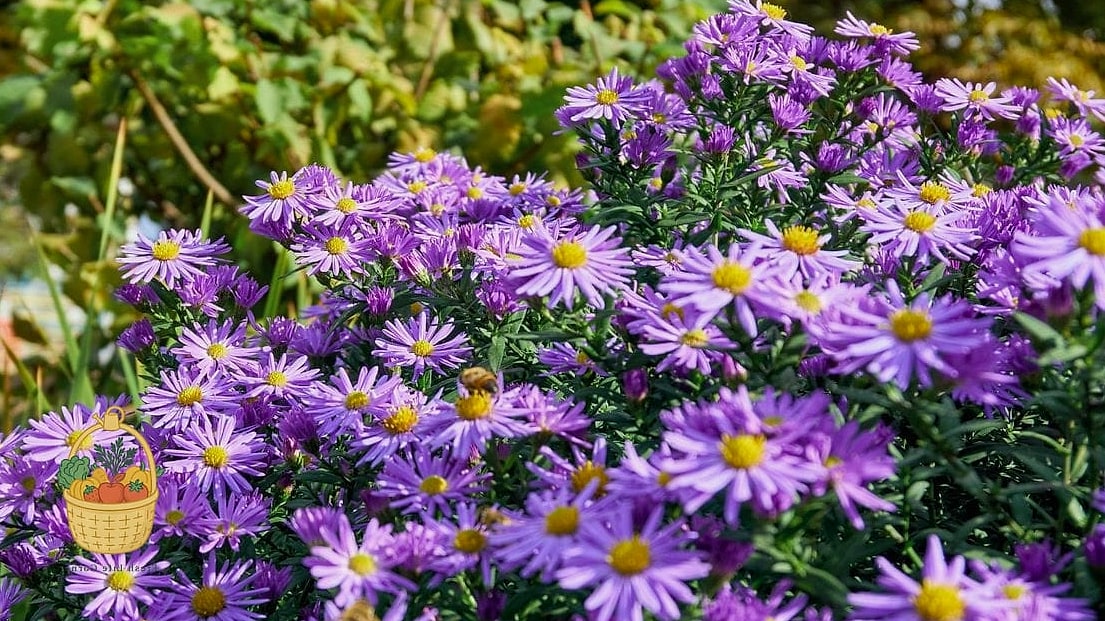
Asters are pollinator magnets right up until frost, which makes them one of my favorite late-season plants for anyone trying to support bees. The daisy-like blooms in purple, pink, and blue look almost wild and unstructured, which I love. They prefer full sun and average, well-draining soil, and they’re quite drought tolerant once established. Native aster varieties are especially good if you’re leaning into a pollinator-friendly design.
Ornamental Peppers
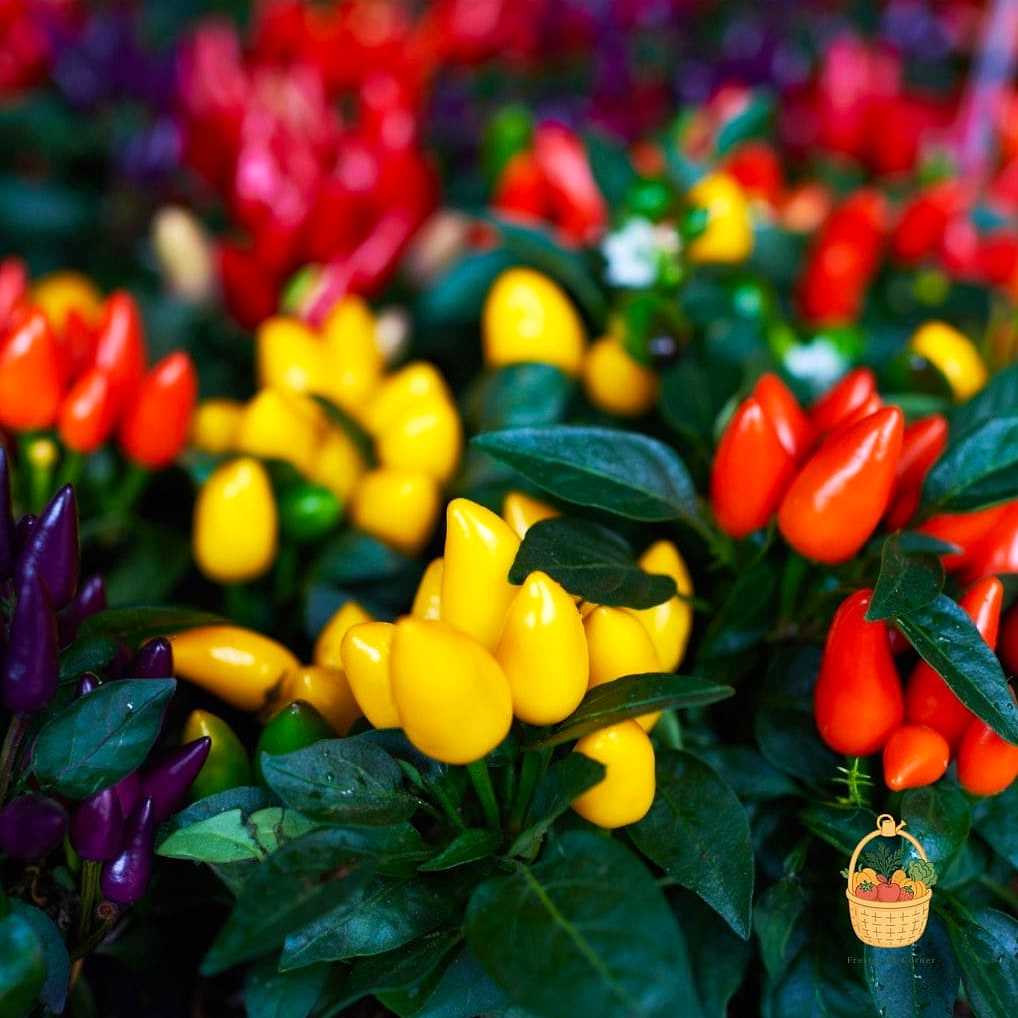
These little shrubby plants produce upright, jewel-toned peppers in purple, orange, and red that look more like flowers than vegetables. They’re not cold hardy, but they hold their color beautifully through the first light frosts. Full sun and consistent watering keep them looking their best. Fair warning: they’re ornamental, not culinary — some varieties are shockingly hot.
Sedum (Autumn Joy)
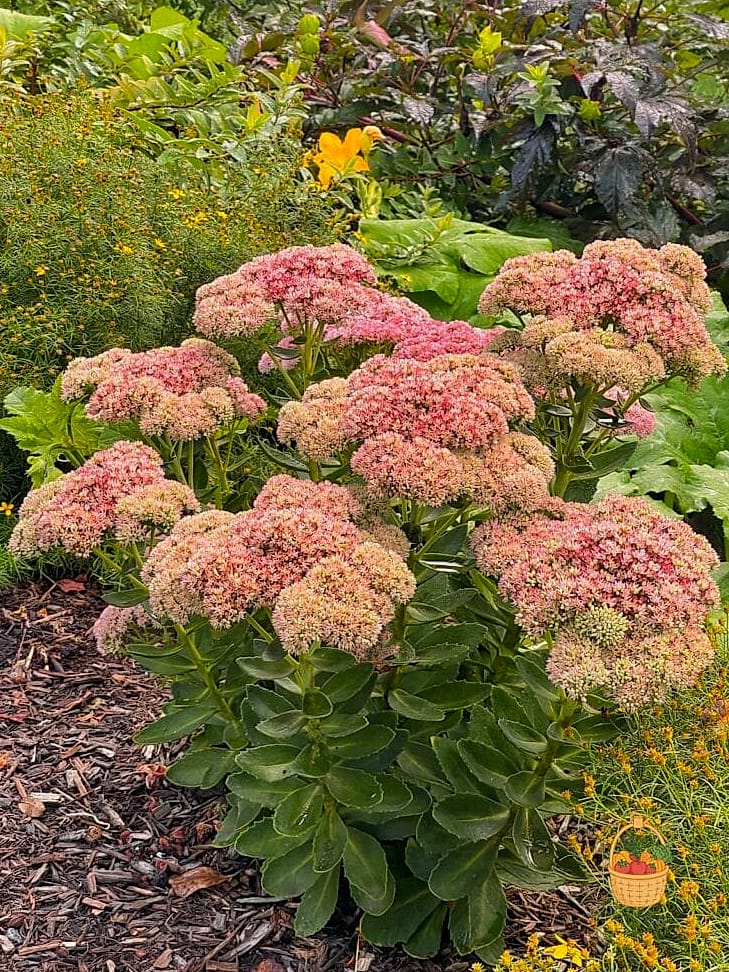
Sedum Autumn Joy is one of those plants that looks like it requires a horticulture degree to keep alive — but it actually thrives on a little neglect, which is great news for busy people. The flower clusters start pink and deepen to rusty bronze as the season goes on. It’s drought tolerant, loves full sun, and does best in soil that isn’t too rich. Deer tend to leave it alone too, which is a nice bonus if that’s a battle you’re fighting.
Snapdragons
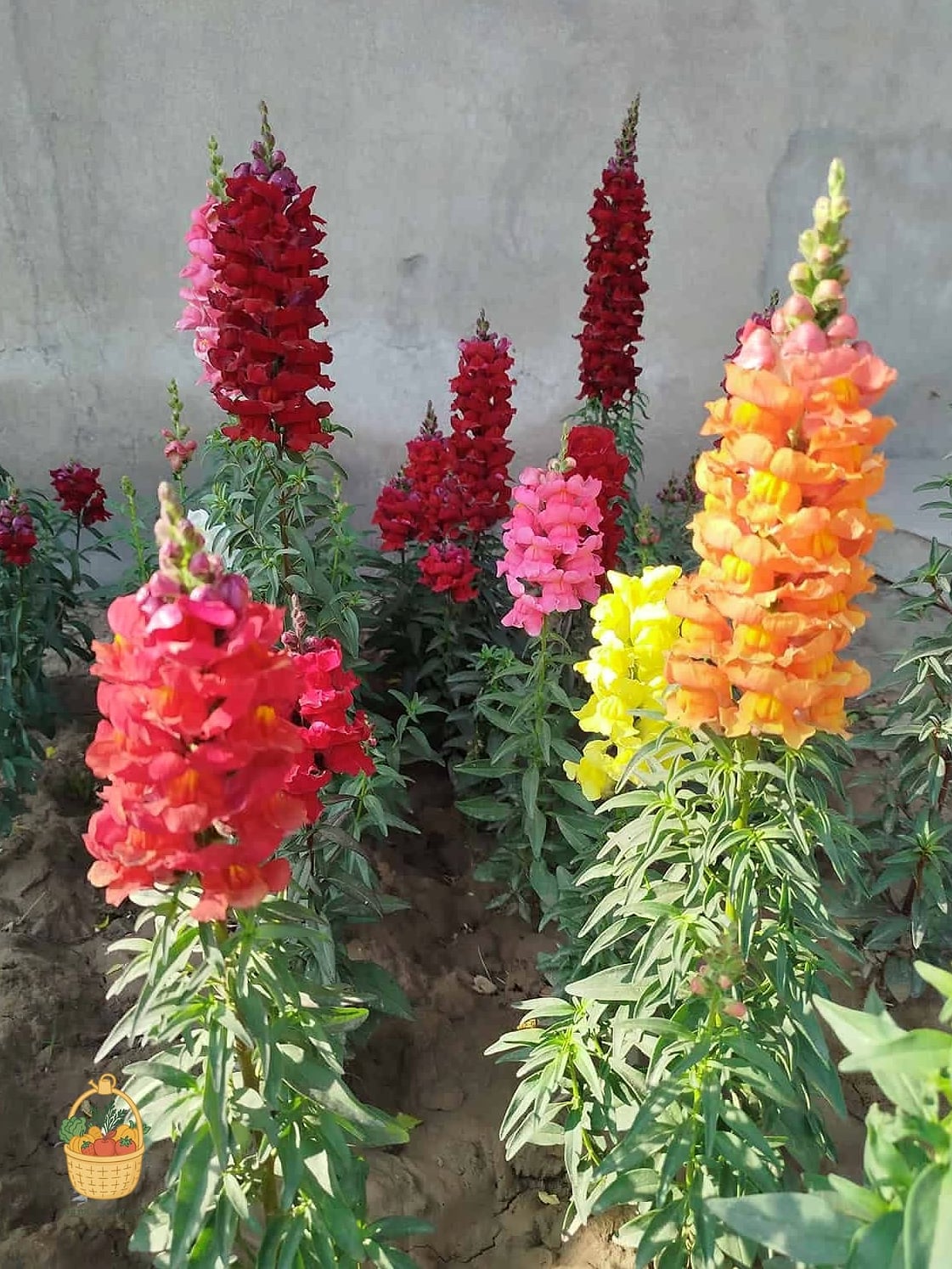
Snapdragons can be planted in fall in milder climates (zones 7 and up) for winter and early spring blooms. The tall spikes come in nearly every color and add wonderful vertical interest to a bed that’s otherwise gone flat. They like full sun, rich soil, and consistent moisture. Kids love squeezing the blooms to make them “snap” open, which is a fun little bonus if you’re gardening with family.
Ornamental Grasses (Flowering Types)
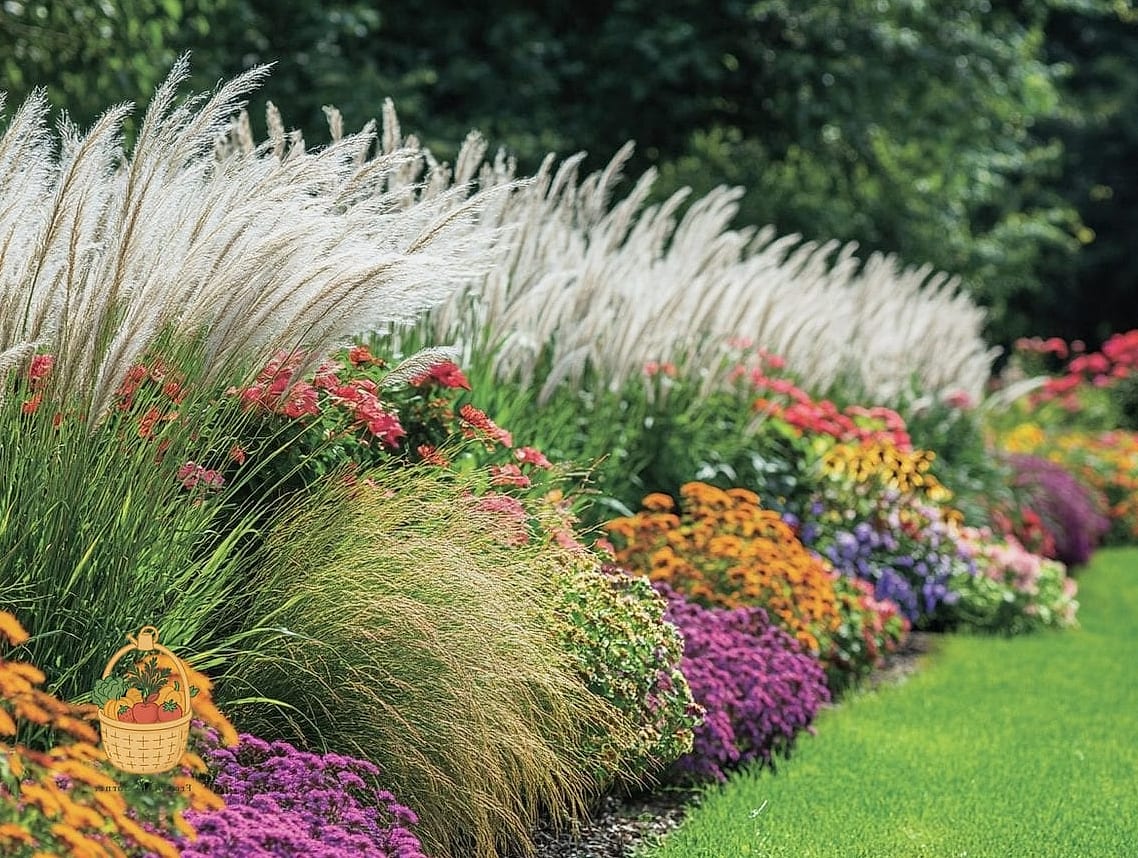
Grasses like fountain grass or muhly grass produce feathery plumes that catch the light beautifully in October, especially at golden hour. They’re low maintenance, drought tolerant once established, and add movement to a garden that’s otherwise gone still. Plant in full sun with well-draining soil. Muhly grass in particular puts on a pink haze display that stops people in their tracks.
Calendula
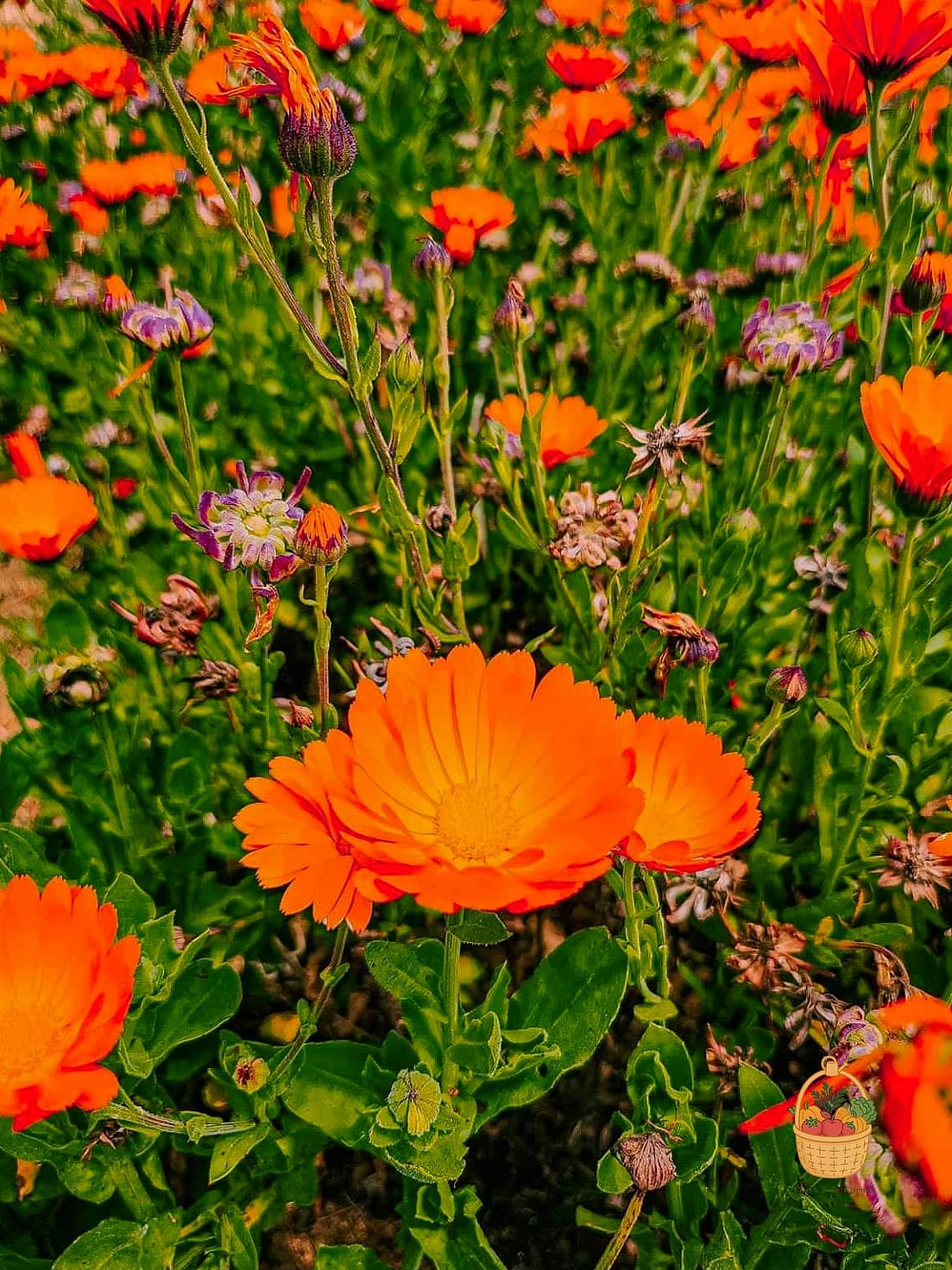
Calendula, sometimes called pot marigold, keeps blooming right through cool weather with cheerful orange and yellow flowers. It’s an easy one for beginners and self-seeds readily, so you might get volunteers next year without trying. Full sun and average soil are all it asks for. It’s also edible and has a long history of medicinal use, which makes it a fun addition to a kitchen garden bed.
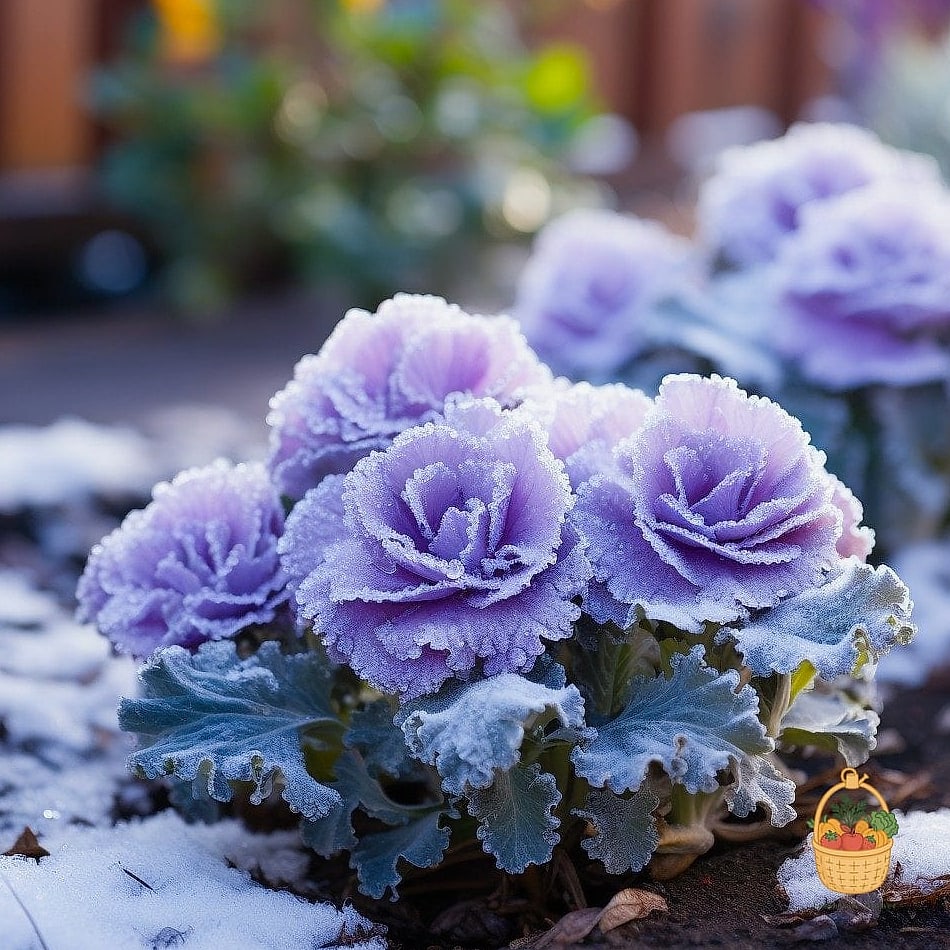
Flowering Cabbage
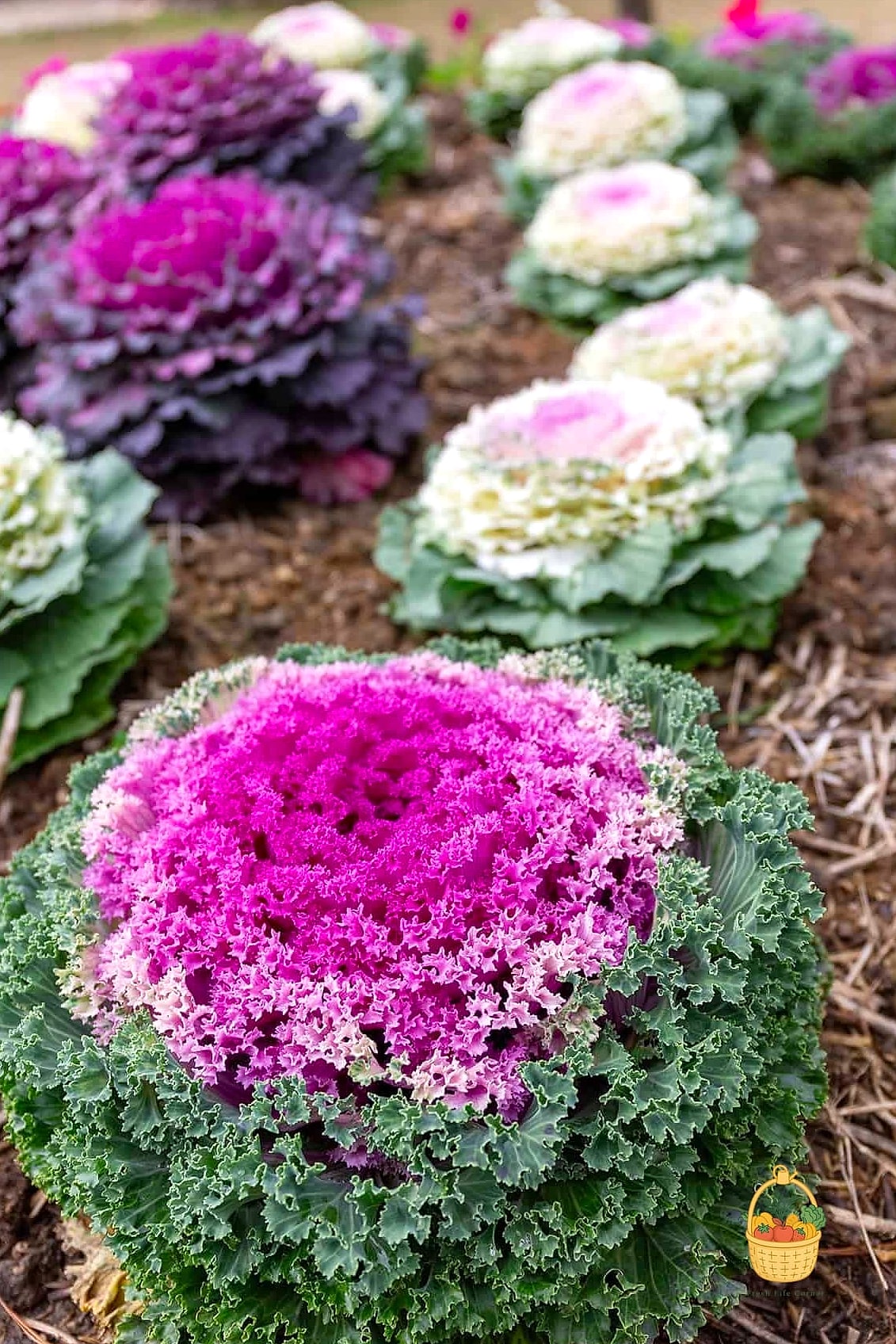
Similar to ornamental kale but with smoother, rounder leaves that form a rose-like shape, flowering cabbage is a fall container staple. It actually intensifies in color after a light frost, so don’t panic when the temperature drops. Full sun and well-draining soil keep it happy. I like mixing it with mums for contrasting textures in the same pot.
Toad Lily
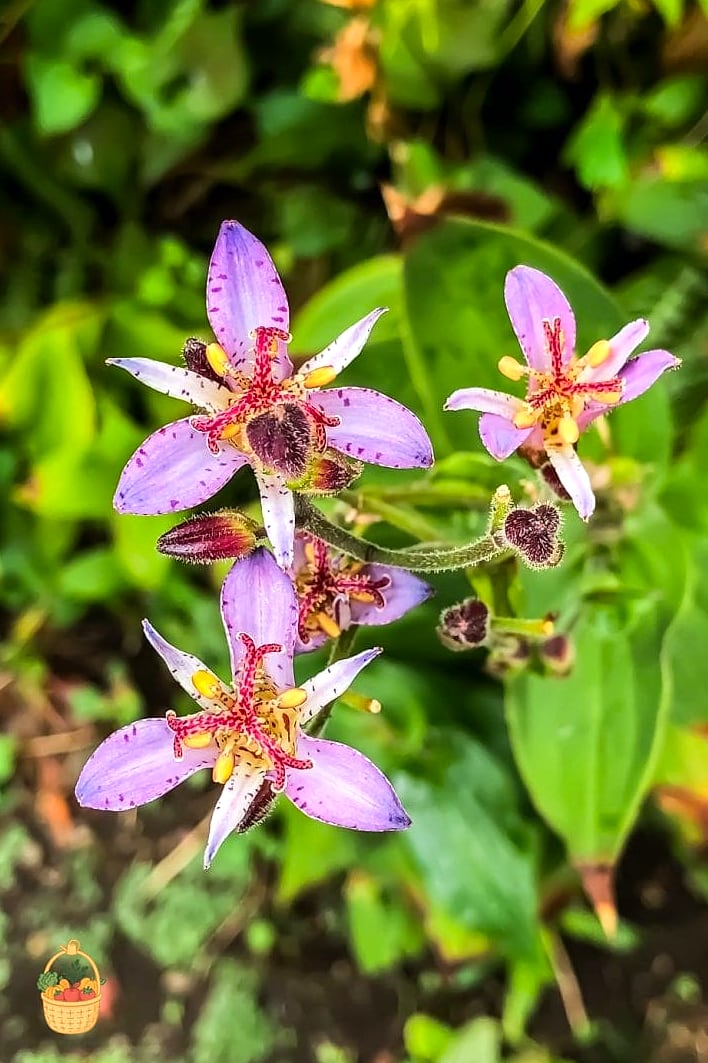
Toad lily is an underused shade perennial that blooms in October with speckled, orchid-like flowers in purple and white. It’s a great option if most of your yard is shaded and you’re tired of hearing that nothing blooms this late in those conditions. It prefers partial to deep shade and consistently moist, well-draining soil. Give it a spot near a woodland path where its unusual flowers can be appreciated up close.
Japanese Anemone
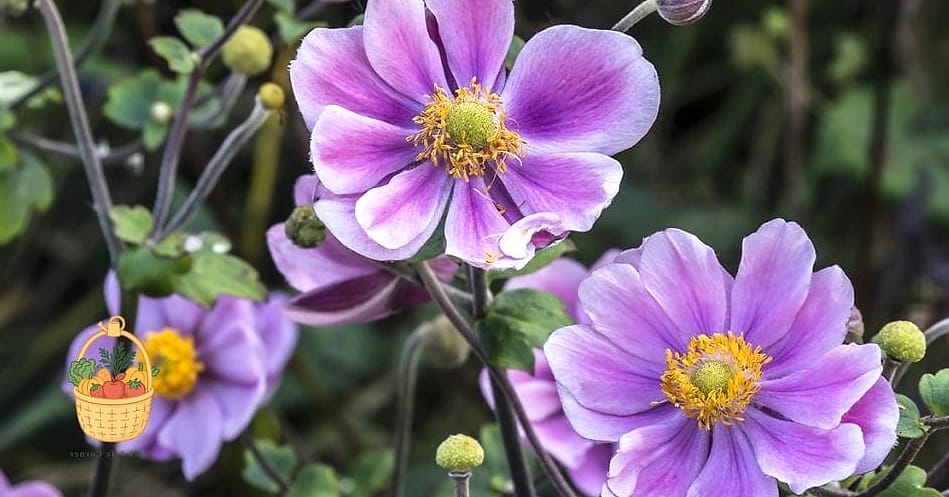
Japanese anemone brings soft, papery blooms in white or pink on tall, wiry stems that sway in the slightest breeze. It blooms later than most perennials, often carrying into October, and spreads gradually by rhizomes once established. Partial shade and rich, well-draining soil suit it best. It’s a slower starter, so give it a season or two before expecting a full display.
Autumn Crocus
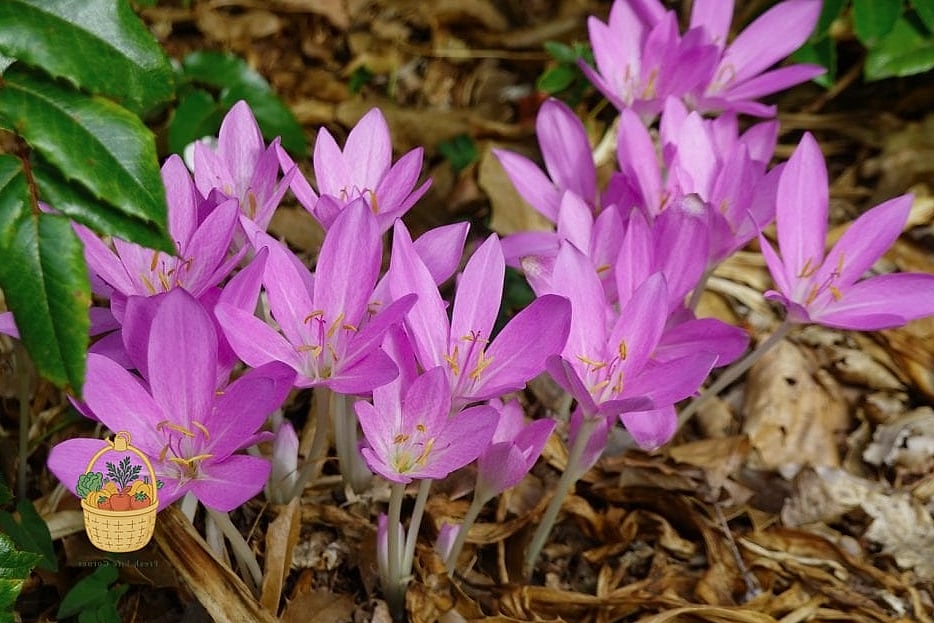
Not a true crocus botanically, but close enough in looks to earn the name. Autumn crocus pushes up goblet-shaped purple or white flowers directly from bare soil, often with no leaves in sight, which always surprises people the first time they see it. Plant the corms in well-draining soil with full sun to partial shade. It’s a fun one to tuck under deciduous trees for a surprise burst of color.
Colchicum

Closely related in appearance to autumn crocus, colchicum produces larger, more substantial blooms in similar purple and white tones. It’s deer and rabbit resistant, which is a real selling point if wildlife has been raiding your beds all season. Well-draining soil and a sunny to lightly shaded spot are all it needs. Just know the leaves that follow in spring are large and take a while to die back.
Winter Pansy Violas
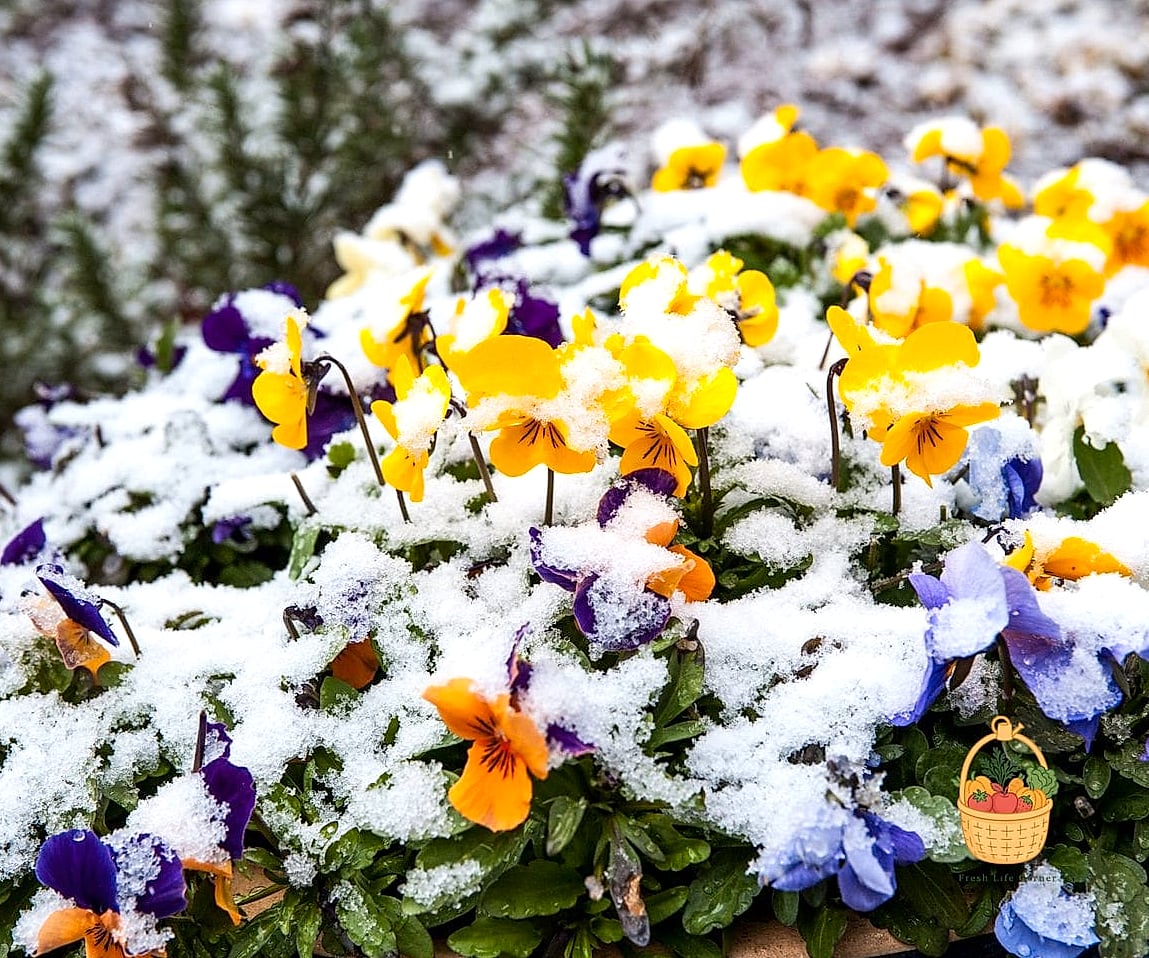
Bred specifically to handle the cold better than standard violas, these hold their blooms through light snow in many regions. They’re an excellent choice for zones 6-9 if you want color that genuinely persists into winter rather than fading with the first freeze. Full sun to partial shade and rich, well-draining soil keep them going strong.
Ornamental Sage (Salvia)
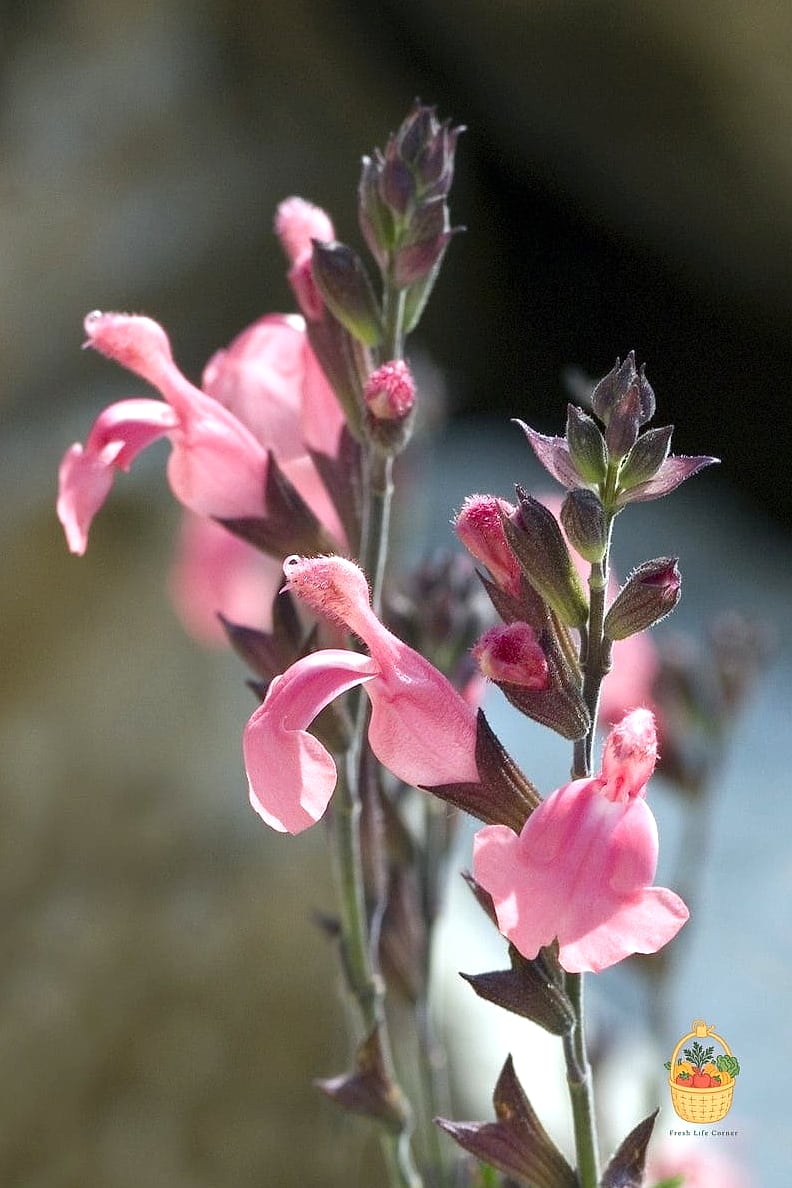
Certain salvia varieties, like Mexican bush sage, hit their peak in October with fuzzy purple and white spikes that pollinators absolutely love. It’s drought tolerant once established and prefers full sun. This is a great companion plant near asters or mums, since the contrasting bloom shapes play off each other nicely without competing for attention.
Camellia (Fall-Blooming Varieties)
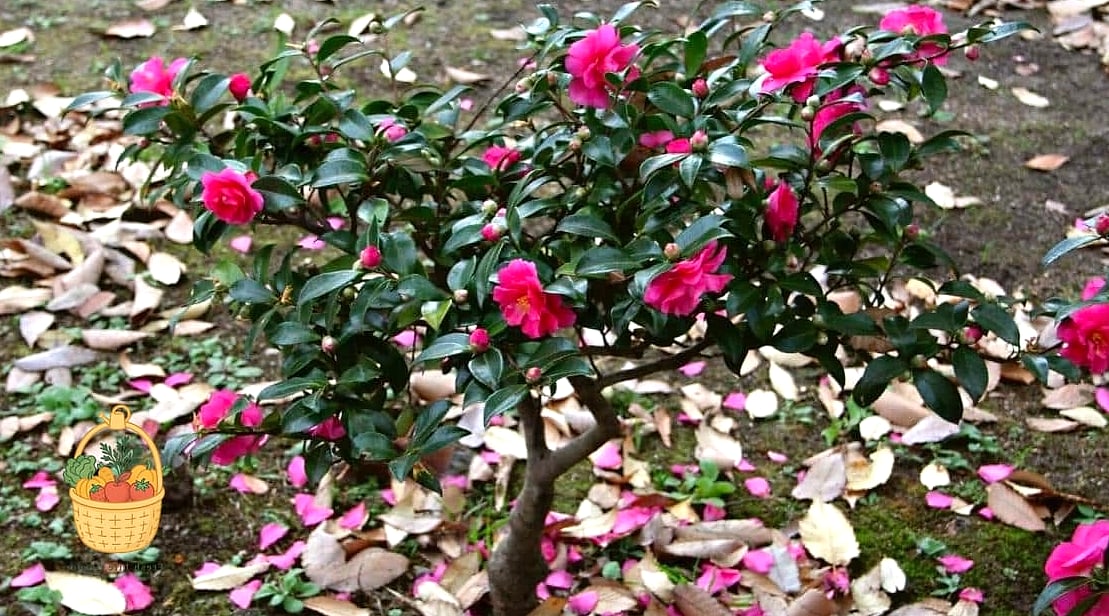
Fall camellias, like Camellia sasanqua, produce elegant, rose-like blooms in pink, white, or red just as most other shrubs are shutting down for the year. They prefer partial shade and slightly acidic, well-draining soil. It’s a slower-growing shrub, so patience is part of the deal, but the payoff is a glossy-leaved evergreen that blooms when almost nothing else does.
Winter Jasmine
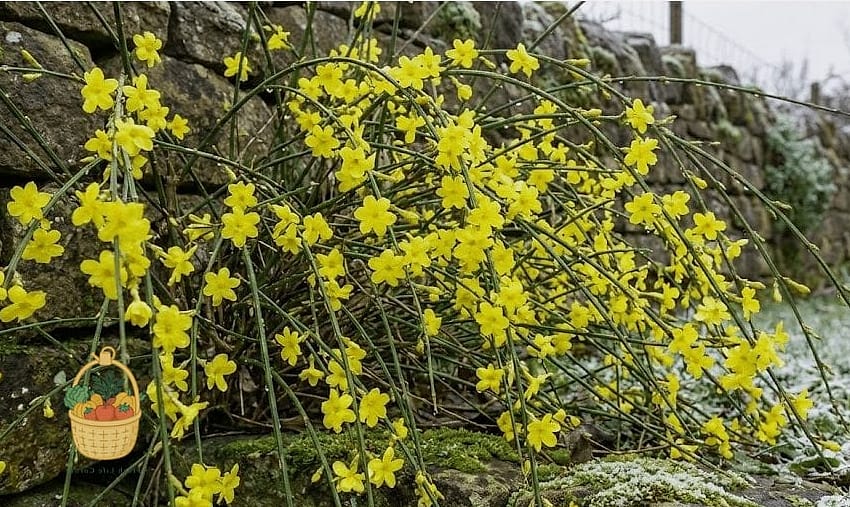
Winter jasmine isn’t a fall flower exactly, but planting it in October gives it time to establish before it bursts into bright yellow blooms in late winter, often before the leaves even appear. It tolerates a range of soil types and prefers full sun to partial shade. It’s a sprawling, fast-growing shrub, so give it room or a wall to cascade over.
Hellebore
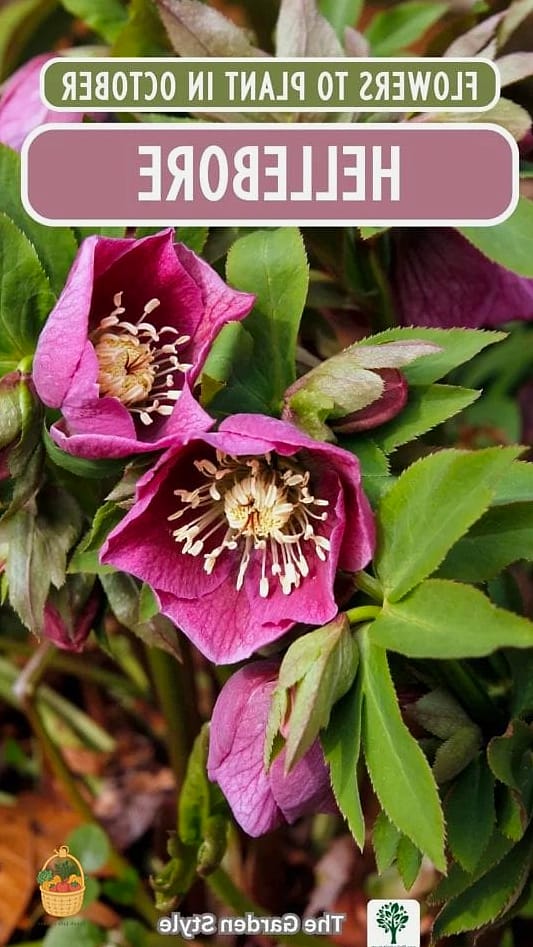
Hellebores, often called Lenten roses, are planted in fall for blooms that appear in late winter through early spring, sometimes pushing through snow. They thrive in partial to deep shade and rich, well-draining soil, which makes them a rare gift for shady yards that feel dead all winter. They’re also deer and rabbit resistant, and honestly, that alone earns them a spot on this list.
Winter-Flowering Heather
Heather brings low, spreading mounds of tiny bell-shaped flowers in pink, purple, or white, blooming right through cold months in the right climate. It prefers acidic, well-draining soil and full sun. It’s an excellent ground cover option if you’re dealing with a slope or a spot where grass struggles to grow.
Flowering Quince
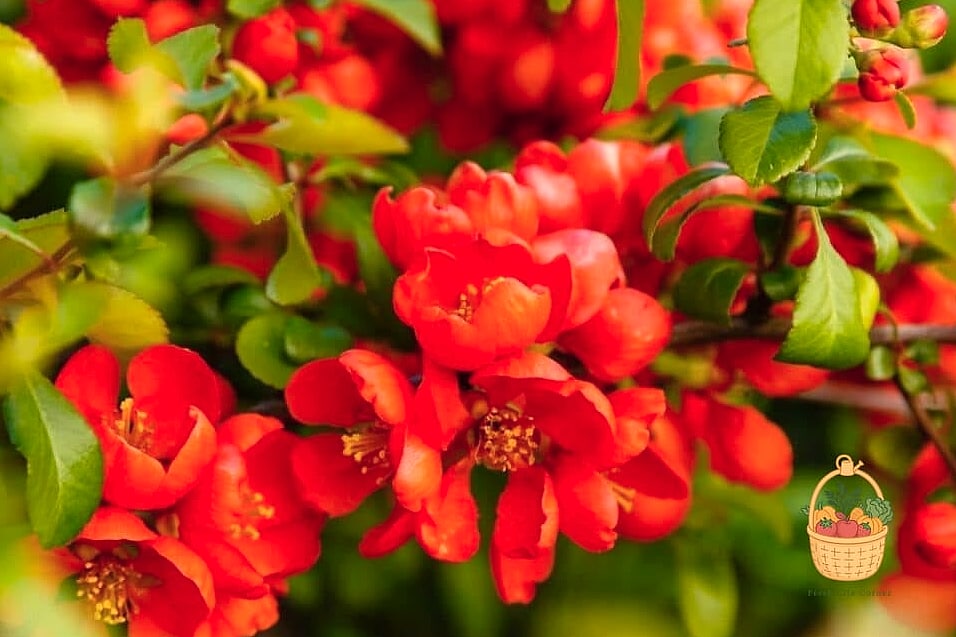
Planted in fall, flowering quince rewards you with an explosion of red, pink, or orange blossoms in late winter to early spring, often before its leaves emerge. It tolerates a range of soils but does best in full sun with good drainage. It’s a fairly fast grower and makes a striking early-season hedge or specimen shrub once mature.
Planting in October means you’re working with the garden’s natural rhythm instead of against it — cooler air, warmer soil, and roots that get a head start before winter dormancy sets in. Mix a few frost-hardy annuals like pansies and mums for instant impact with slower perennials like hellebores and camellias for payoff down the road. However you plan your beds, October is proof that the gardening season doesn’t really end — it just changes what it’s offering.