How To Grow Cassava — Your Step-by-Step Guide to Success
How To Grow Cassava — Your Step-by-Step Guide to Success
If you’ve never grown cassava before, you’re in for a treat. This tough, tropical root crop has been feeding people for thousands of years, and once you understand its rhythm, it’s honestly one of the more forgiving plants you can put in the ground. Whether you’re gardening in a warm coastal zone or just experimenting in containers, this guide walks you through everything you need to know about how to grow cassava successfully, from planting to harvest.
Why Gardeners Love It
Cassava has a quiet charm that sneaks up on you. It’s not flashy like a dahlia or fussy like an orchid — it just grows, steadily and reliably, asking very little in return.
Gardeners in warm climates love it because it tolerates poor soil, shrugs off drought once established, and produces a genuinely useful harvest: starchy tuberous roots that can feed a family for months. It’s also low on the pest-magnet list compared to many vegetable crops, which is a nice break if you’ve been battling aphids on everything else in your yard.
There’s also something satisfying about growing your own staple food crop instead of just herbs and tomatoes. Cassava feels substantial, like you’re doing real homestead-style gardening even if you only have a modest backyard plot.
Key Features and Appearance
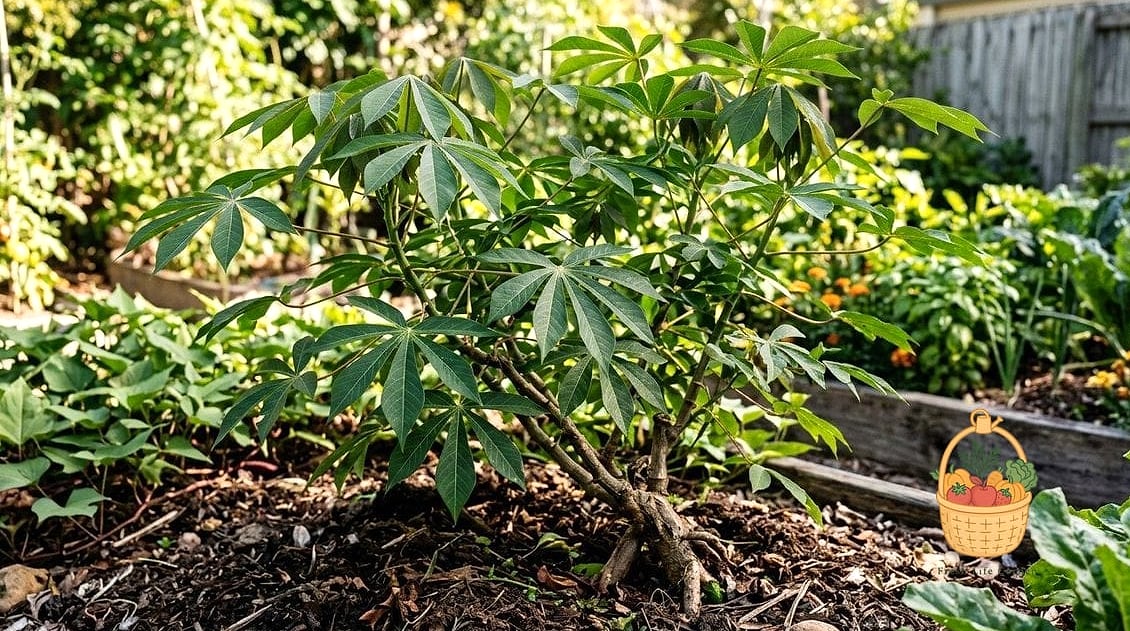
Cassava (Manihot esculenta) is a woody shrub that can reach six to ten feet tall in a single growing season, with slender stems and distinctive palm-shaped leaves that fan out on long petioles. The leaves start out a coppery red-green when young and mature into a deeper green.
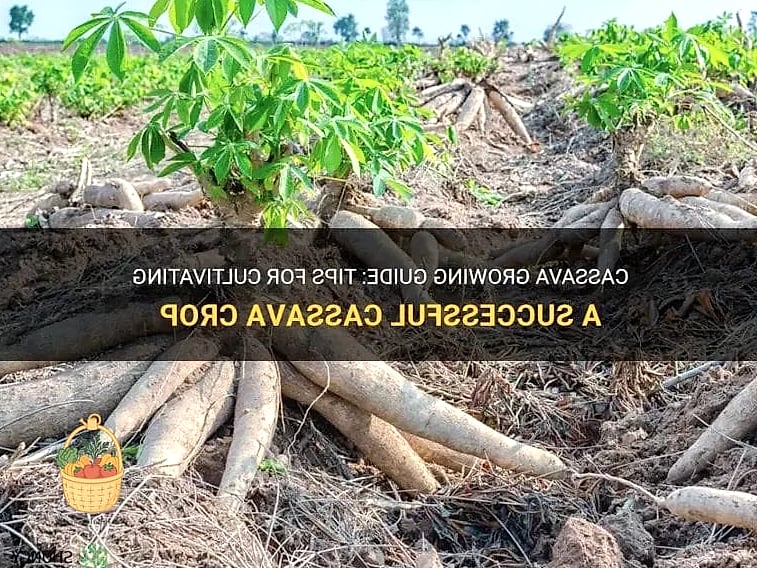
Underground is where the real action happens. The plant sends out thick, elongated tuberous roots, usually a foot or more in length, with a rough brown skin and starchy white or slightly yellow flesh inside. A single healthy plant can produce several of these roots clustered around the base.
It’s a fast-growing plant once it gets going, though the roots themselves take their time — patience is part of the deal here.
Growing Conditions
Cassava is a tropical and subtropical plant through and through. It thrives in USDA hardiness zones 9 through 11, though gardeners in cooler zones sometimes grow it as an annual or in large containers that can be moved indoors before frost.
Full sun is non-negotiable. Give it at least six to eight hours of direct sunlight a day, and it’ll reward you with vigorous growth. In partial shade, it survives but produces smaller, less satisfying roots.
Warmth matters more than almost anything else. Cassava wants consistent temperatures above 60°F and genuinely sulks — or dies back — if exposed to frost. If you’re in a marginal zone, treat frost protection as part of your regular seasonal care routine, not an afterthought.
Soil and Watering Needs
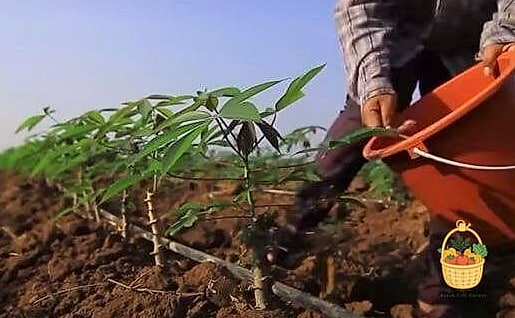
Well-draining soil is essential for cassava, and this is one area where I see beginner gardeners run into trouble. Heavy clay soil that holds water will lead to rot before the roots even get a chance to develop.
Sandy loam is the gold standard here. If your native soil is heavy, amend it generously with compost and coarse sand to loosen things up before planting. Raised beds are a smart workaround too, since they naturally improve drainage.
As for watering, cassava is surprisingly drought tolerant once established, which is one of its best qualities. Water deeply but infrequently during the first few months while roots are forming, then taper off. Overwatering is a bigger risk than underwatering with this plant — soggy soil invites root rot faster than dry spells cause real damage.
Mulch around the base helps retain moisture during dry stretches and keeps weeds down, which matters since cassava doesn’t love competing for nutrients early on.
Fertilizing and Pruning
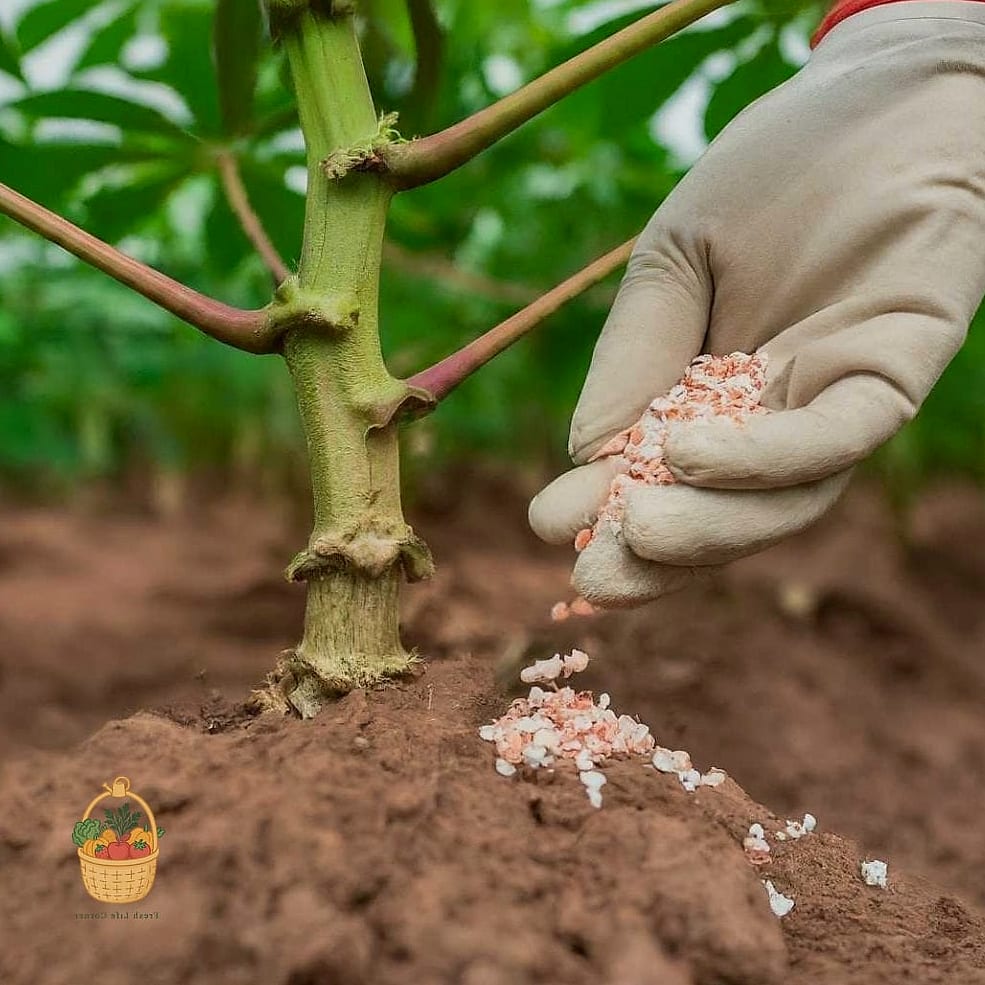
Cassava isn’t a heavy feeder, but a little support goes a long way. Work compost into the soil before planting, then follow up with a balanced slow-release fertilizer every couple of months during the growing season.
Avoid going overboard on nitrogen. Too much nitrogen encourages lush leafy growth at the expense of root development, which defeats the purpose if you’re growing cassava for its tubers. A fertilizer formulated with a bit more phosphorus and potassium tends to serve the roots better.
Pruning isn’t strictly necessary, but many growers trim back leggy stems midseason to encourage a bushier, sturdier plant. It also makes harvesting easier later since you’re not wading through a jungle of stems.
Common Problems and Solutions
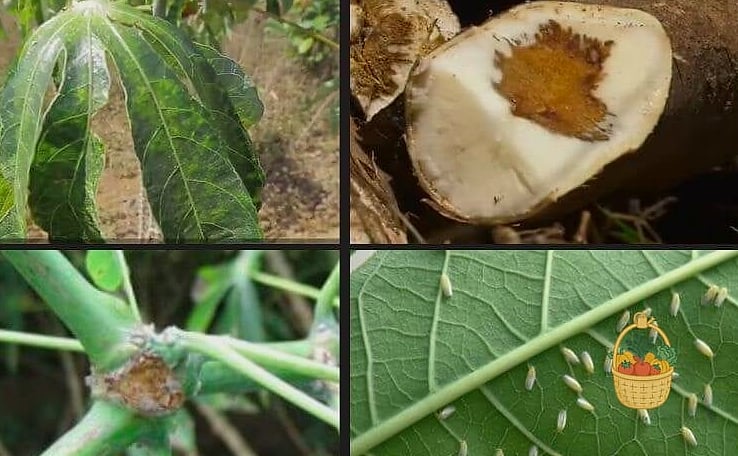
Cassava is fairly low-maintenance, but a few issues do pop up. Yellowing leaves are usually a sign of overwatering or nitrogen deficiency — check your soil moisture first before reaching for fertilizer.
Root rot is the most serious threat, and it almost always traces back to poor drainage. If you notice wilting despite moist soil, it’s worth pulling one plant to inspect the roots early rather than losing the whole patch.
Pests like spider mites and mealybugs occasionally show up, especially in dry, dusty conditions. A strong spray of water or insecticidal soap usually handles minor infestations without needing anything harsher.
One thing worth mentioning: raw cassava contains natural compounds that are toxic if eaten unprocessed. This isn’t a growing problem exactly, but it’s an important note for anyone planning to harvest and cook their own roots — proper peeling, soaking, and cooking are essential steps.
Propagation Tips
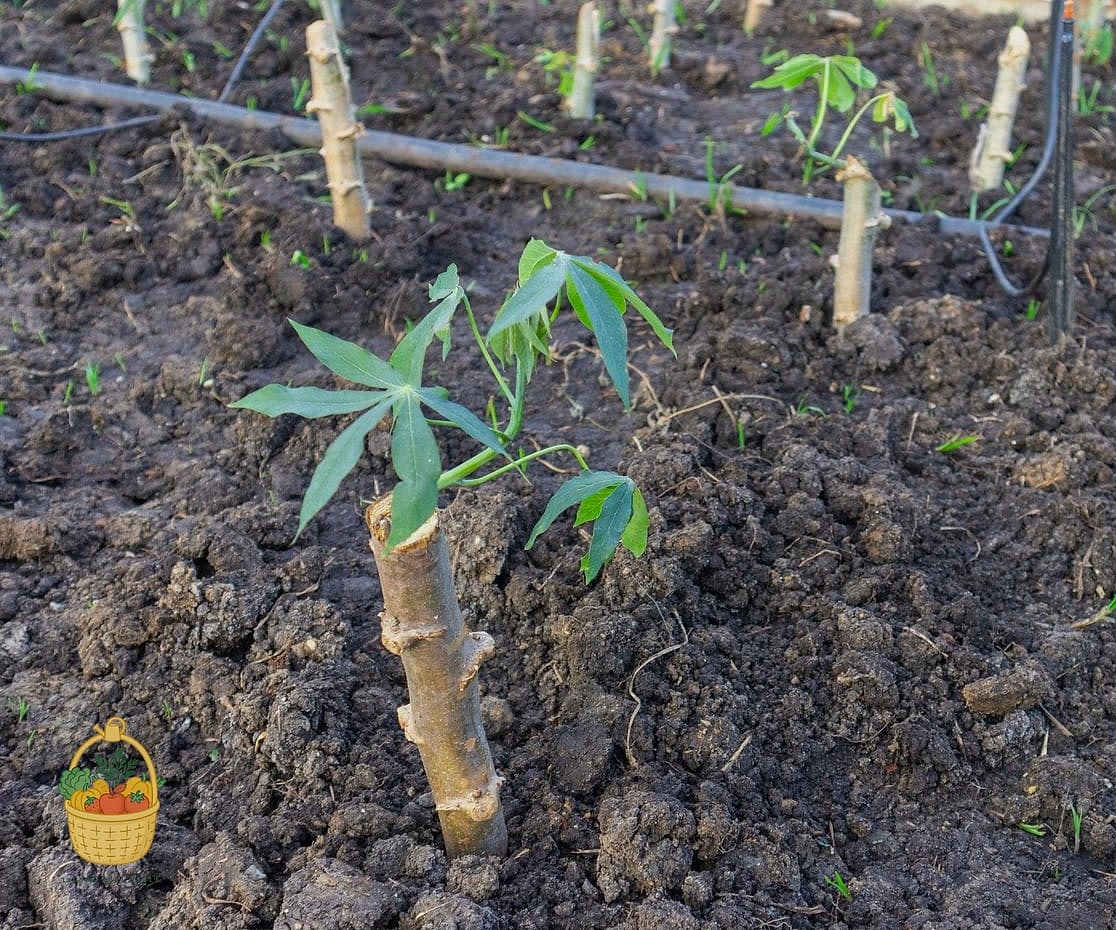
This is where cassava really shines for low-effort gardeners. Propagation by cuttings is the standard method, and it’s about as easy as plant propagation gets.
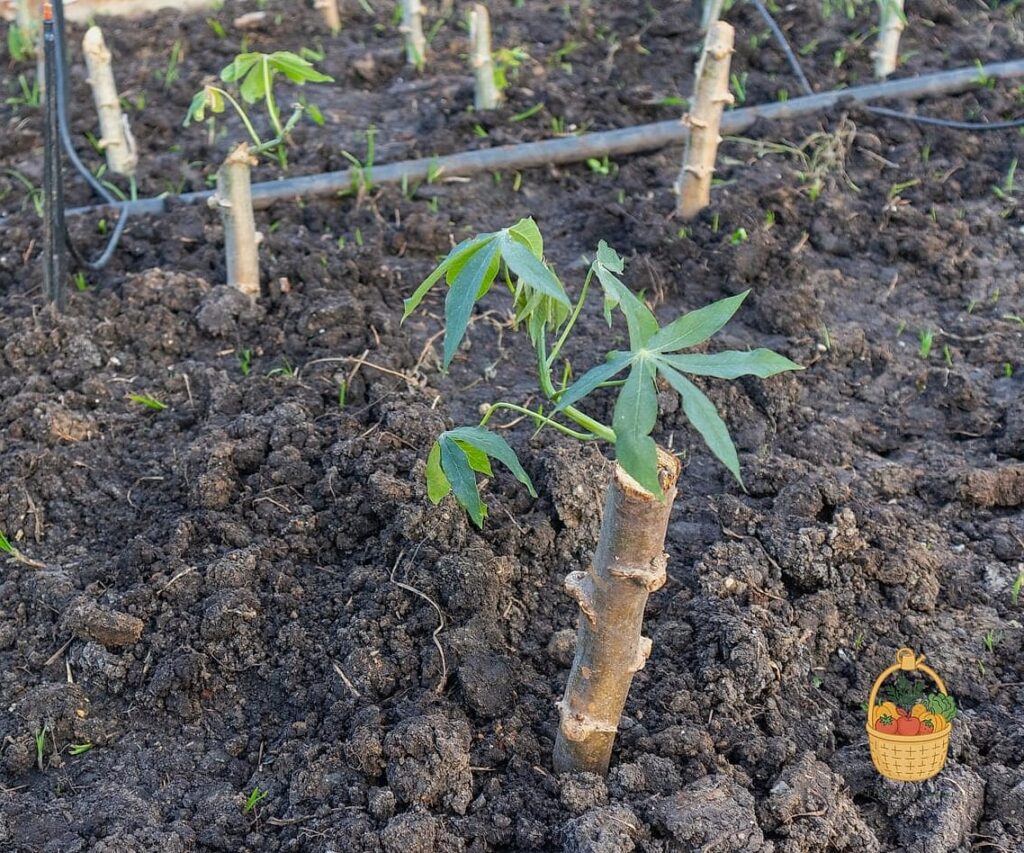
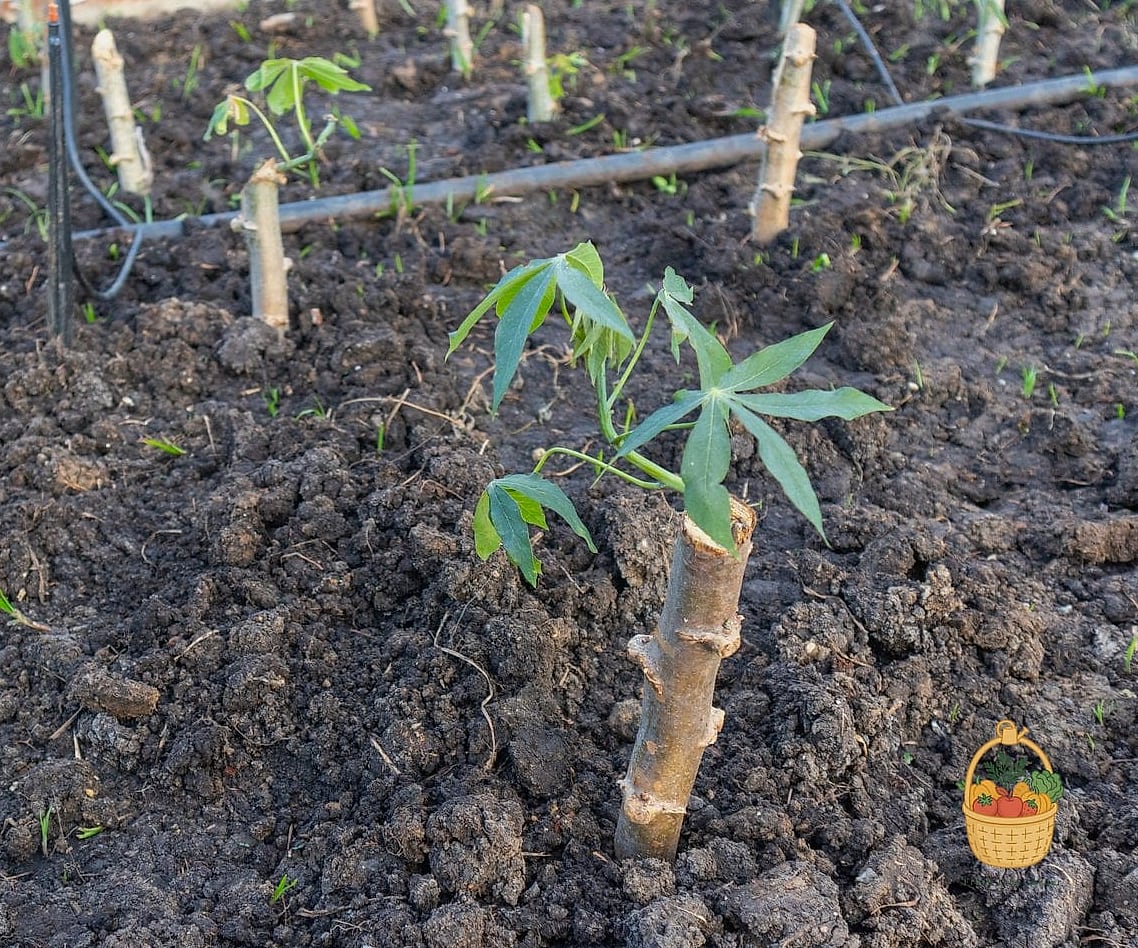
Take a woody stem cutting eight to twelve inches long from a mature plant, ideally with several visible nodes. Let the cut end callus over for a day or two, then plant it directly into well-draining soil, burying about two-thirds of its length.
Keep the soil lightly moist while roots establish, which usually takes a few weeks. No rooting hormone is required, though it can speed things along slightly. This is also how most growers save cassava season to season, since it doesn’t reliably come true from seed and seed propagation is rarely used commercially anyway.
Final Thoughts

Cassava rewards patience more than skill. Give it sun, well-draining soil, and enough warmth, and it mostly takes care of the rest on its own.
If you’ve been searching for a step-by-step guide to success with this crop, the short version is: plant good cuttings, don’t drown the roots, and wait. Somewhere between six and twelve months later, you’ll be digging up a harvest that feels genuinely earned.