20 Full Sun Perennials That Will Transform Your Garden
- Coneflower (Echinacea purpurea)
- Black-Eyed Susan (Rudbeckia hirta)
- Russian Sage (Perovskia atriplicifolia)
- Daylily (Hemerocallis)
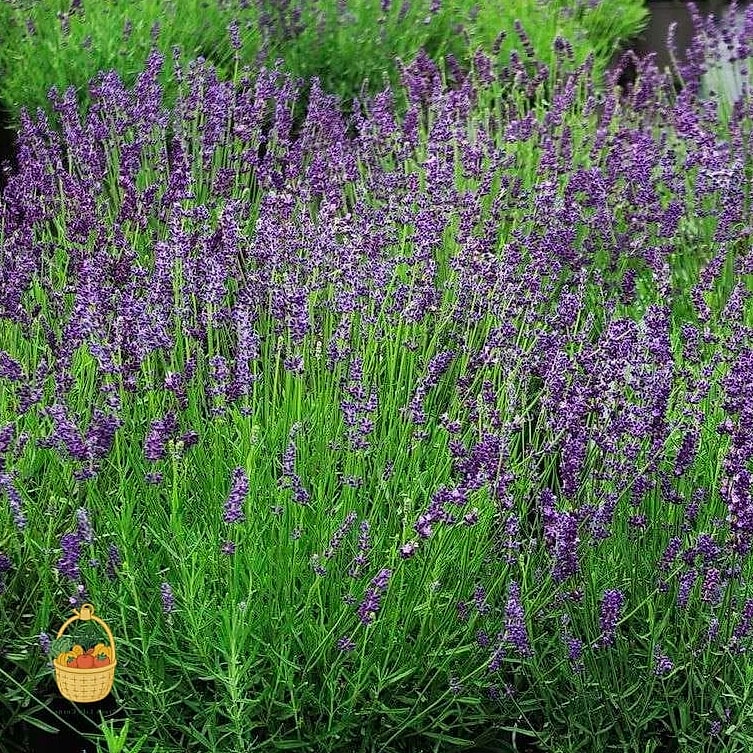
- Lavender (Lavandula angustifolia)
- Sedum (Hylotelephium spp.)
- Yarrow (Achillea millefolium)
- Blanket Flower (Gaillardia)
- Catmint (Nepeta)
- Coreopsis (Coreopsis verticillata)
- Salvia (Salvia nemorosa)
- Shasta Daisy (Leucanthemum x superbum)
- Butterfly Weed (Asclepias tuberosa)
- Ornamental Grasses — Little Bluestem (Schizachyrium scoparium)
- Bee Balm (Monarda didyma)
- Purple Coneflower’s Cousin: Rattlesnake Master (Eryngium yuccifolium)
- Threadleaf Bluestar (Amsonia hubrichtii)
- Penstemon (Penstemon digitalis)
- Blazing Star (Liatris spicata)
- Ice Plant (Delosperma cooperi)
20 Full Sun Perennials That Will Transform Your Garden
If your yard bakes in sunshine for six hours or more a day, you’re actually sitting on a huge opportunity. So many of the toughest, most rewarding perennials out there practically demand full sun — they get leggy and sad in the shade but turn into showstoppers once they’re basking in it. Below are 20 full sun perennials that will transform your garden from a patch of green into something people slow down to look at while driving by.
I’ve mixed in classic cottage garden favorites with a few tougher, drought-tolerant options for anyone who’d rather spend weekends relaxing than dragging a hose around. Let’s get into it.
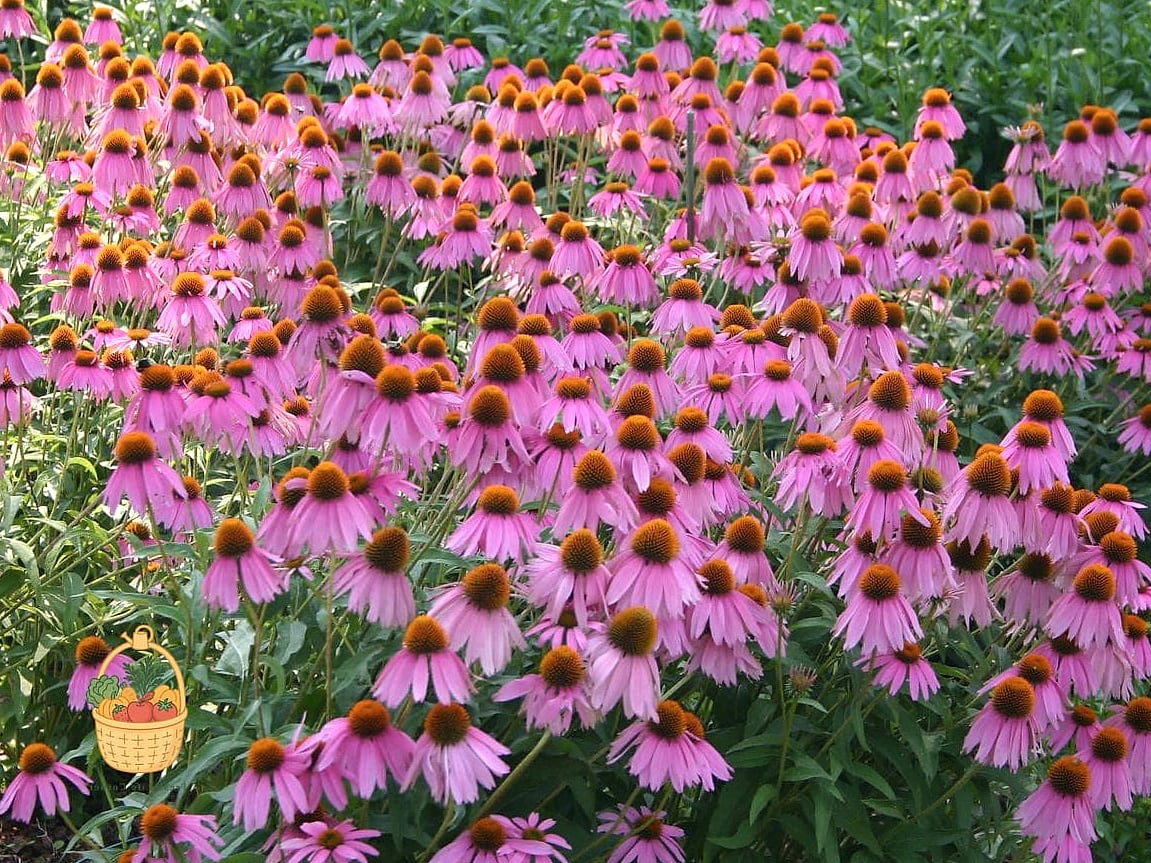
Coneflower (Echinacea purpurea)
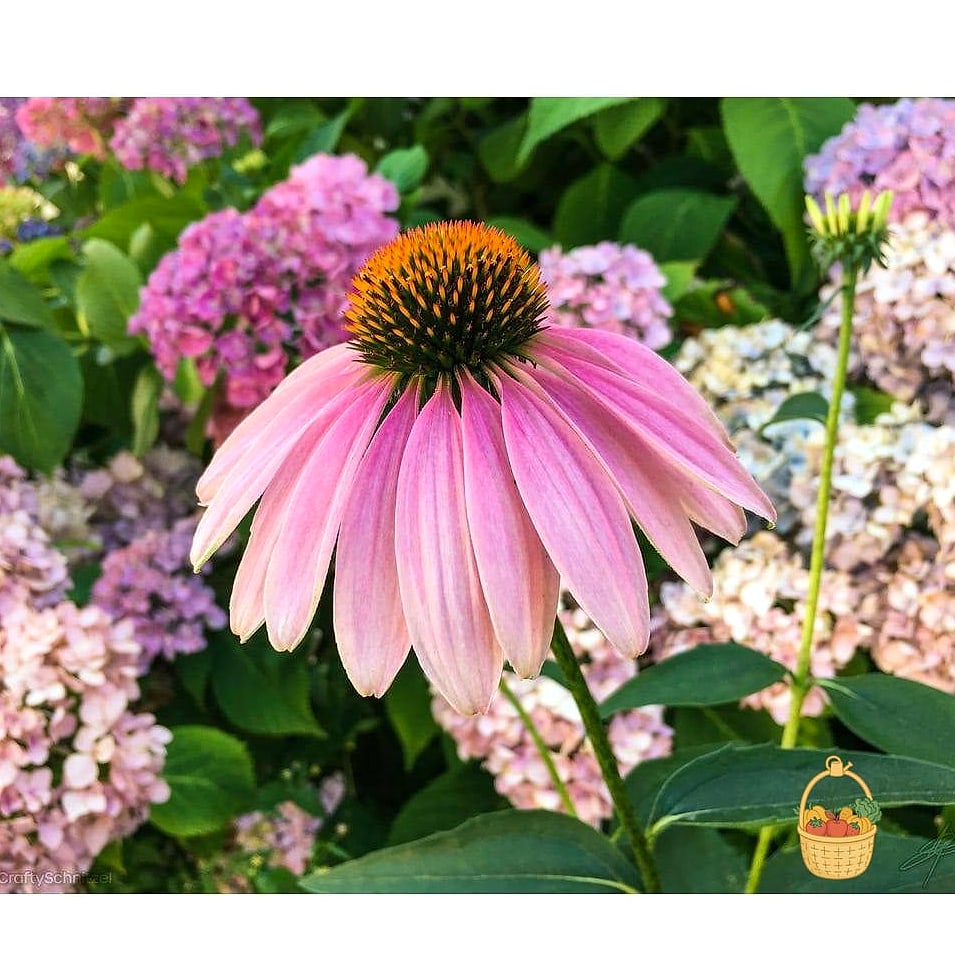
Coneflower is one of those plants that just makes sense in a sunny border. The daisy-like purple (or pink, white, orange) petals surround a spiky bronze cone that pollinators absolutely swarm.
It thrives in USDA zones 3-9, prefers well-draining soil, and honestly does better with a bit of neglect than constant babying. Once established, it’s quite drought tolerant. Coneflower reaches 2-4 feet tall, spreads slowly by self-seeding, and is a magnet for butterflies and bees. Deer tend to leave it alone, which is always a win. Pair it with black-eyed Susans for that classic prairie look.
Black-Eyed Susan (Rudbeckia hirta)
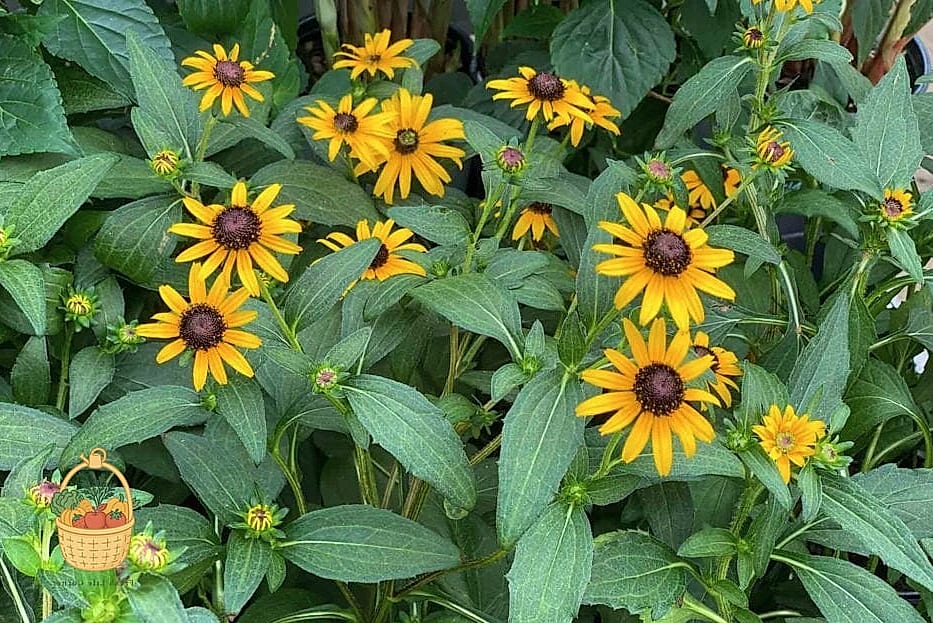
Black-eyed Susan brings that golden-yellow, chocolate-centered charm that just screams late summer. It’s a fast grower, often blooming the first year from seed, and handles heat like a champ.
Give it full sun and average, well-draining soil — it’s not fussy about fertility. Zones 3-9 work well. It tops out around 2-3 feet and self-seeds generously, so expect volunteers popping up nearby. Rabbit resistant and pollinator-friendly, this one’s a great pick for beginners who want fast, reliable color.
Russian Sage (Perovskia atriplicifolia)
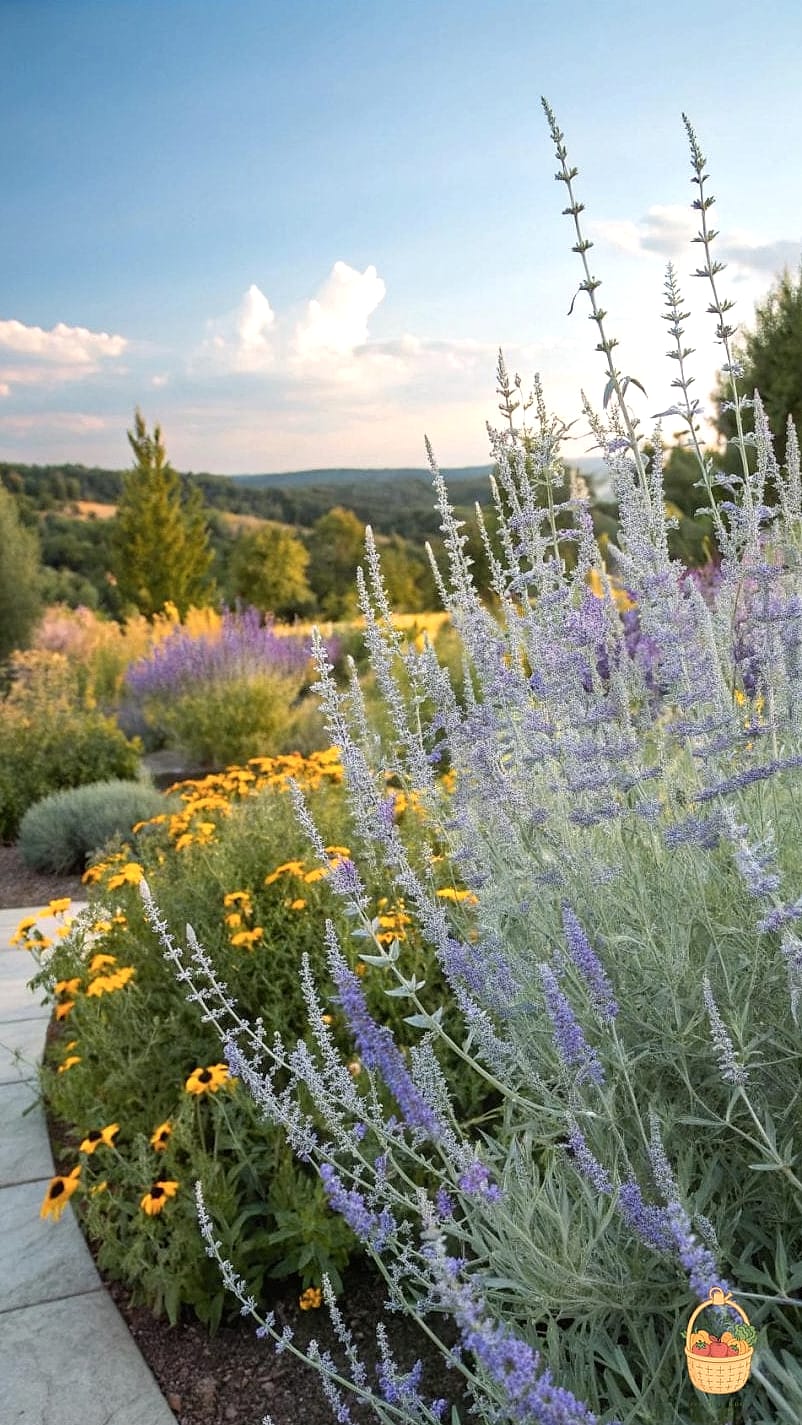
Russian sage brings a silvery, airy texture with tall spikes of lavender-blue flowers that seem to shimmer in the breeze. It’s technically a subshrub, but gardeners treat it like a perennial, and it earns its spot in any full sun lineup.
It loves sandy loam or rocky soil and genuinely resents wet feet, so good drainage is non-negotiable. Hardy in zones 4-9, it’s remarkably drought tolerant once established and rarely bothered by deer or rabbits. Expect it to reach 3-4 feet with a similar spread. Cut it back hard in early spring for the best shape.
Daylily (Hemerocallis)
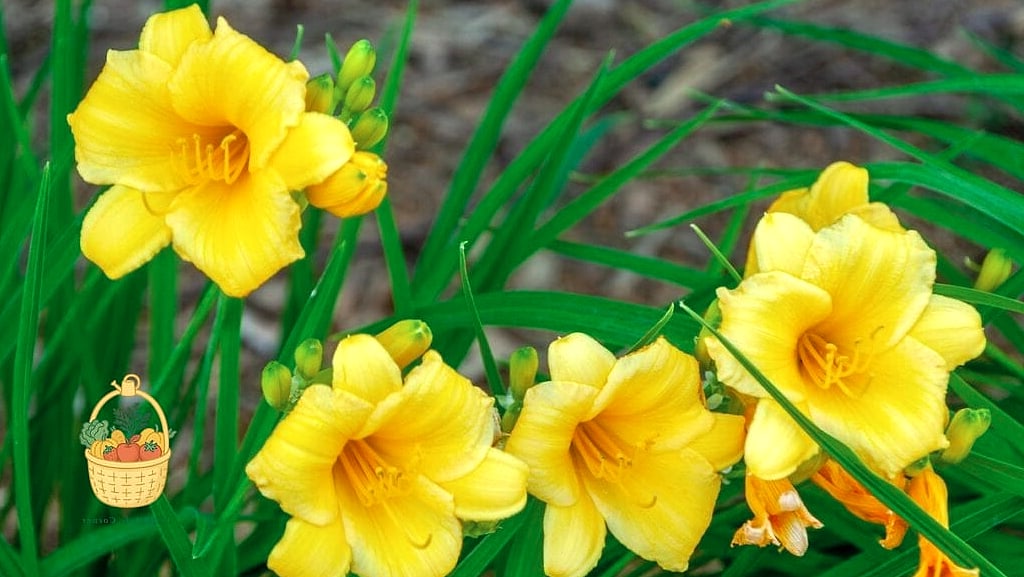
Daylilies are the workhorses of the sunny perennial border — tough, forgiving, and available in more colors than you’d think possible. Each bloom only lasts a day, but plants produce so many buds that the show goes on for weeks.
They tolerate nearly any soil as long as it drains reasonably well, and they’re hardy in zones 3-9. Size varies widely by variety, from 1 to 4 feet. Divide clumps every few years to keep them vigorous — it’s an easy way to get free plants for other parts of the yard, too.
Lavender (Lavandula angustifolia)
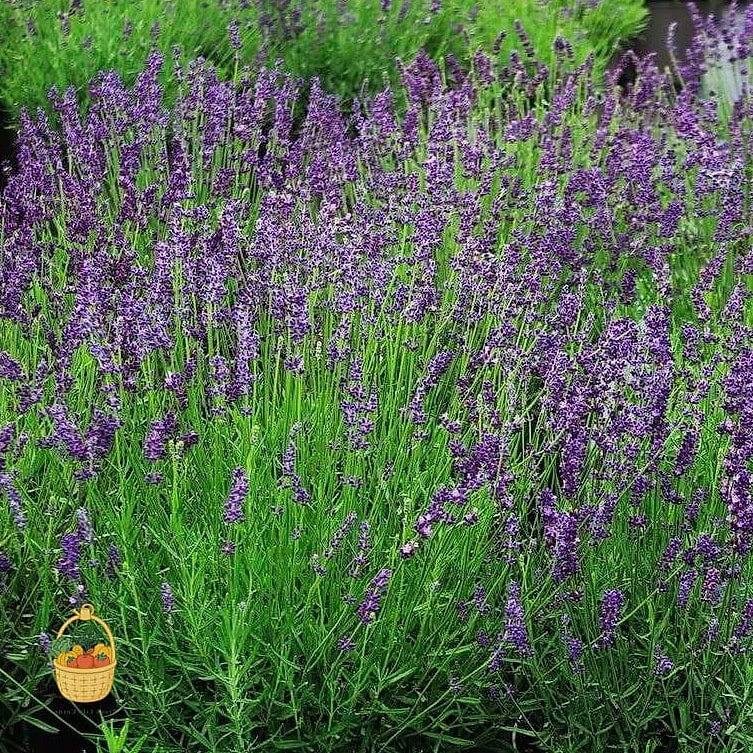
Lavender is the plant that convinces people they can’t kill anything after all. It wants full sun, lean soil, and minimal water — the exact opposite of what most garden plants ask for.
Well-draining, slightly alkaline soil is ideal, and raised beds or containers work beautifully if your native soil holds too much moisture. Hardy in zones 5-9 depending on variety, lavender grows 1-3 feet tall and rewards you with fragrant purple spikes and a steady stream of bees. It’s also deer and rabbit resistant, plus useful for cooking, sachets, and homemade oils.
Sedum (Hylotelephium spp.)
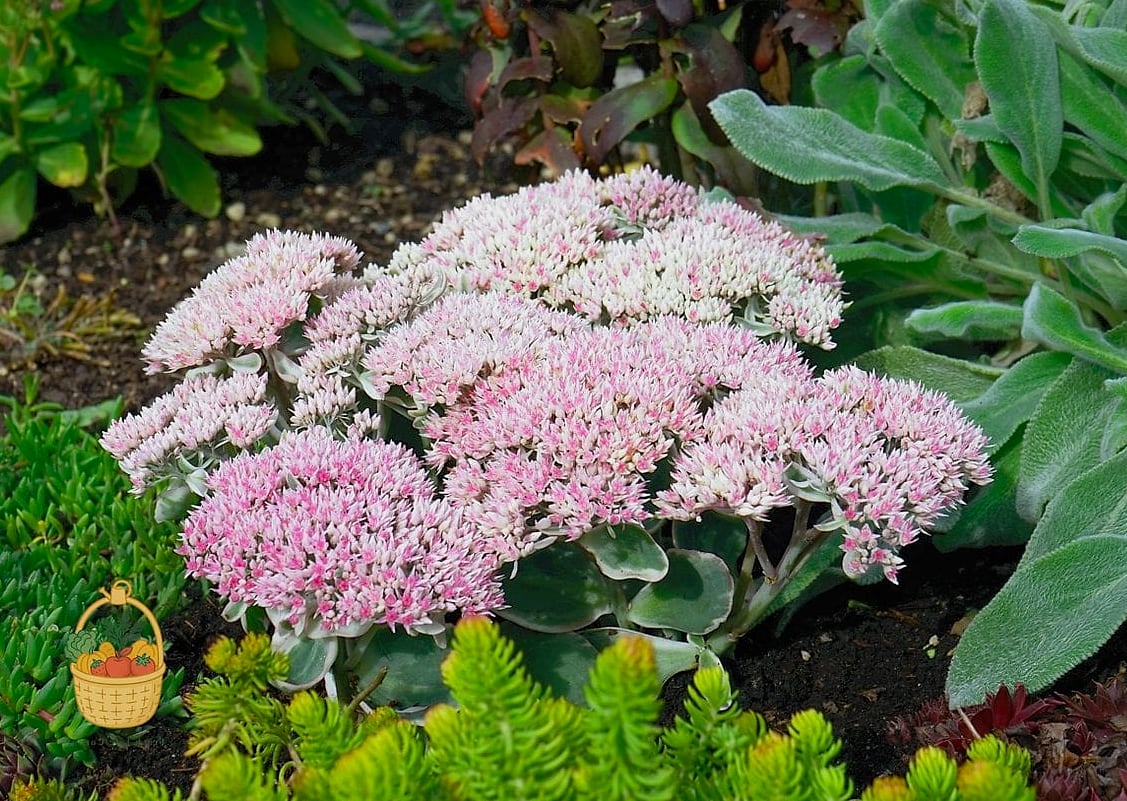
Sedum, especially the popular ‘Autumn Joy’ variety, is about as low-maintenance as full sun perennials get. Thick, succulent leaves store water, which means this plant shrugs off drought without complaint.
It handles poor, well-draining soil just fine and actually performs worse in rich, overly fertile beds. Zones 3-9 suit it well. Sedum grows 1-2 feet tall, forms tidy mounds, and turns a rusty pink-bronze in fall that pairs beautifully with ornamental grasses. Great for rock gardens or the front of a border.
Yarrow (Achillea millefolium)
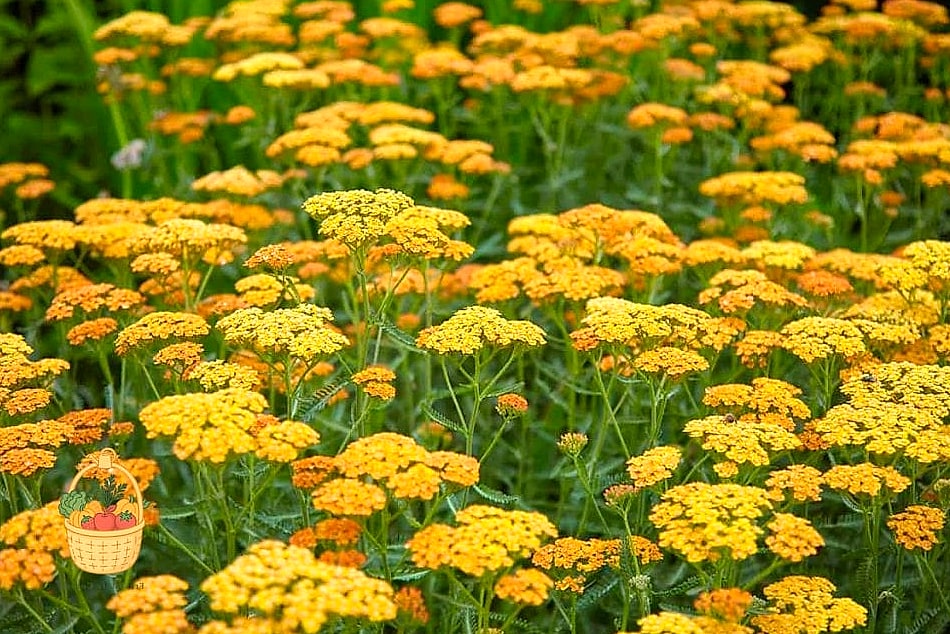
Yarrow has this fantastic ferny foliage topped with flat clusters of tiny flowers in yellow, pink, or white. It’s a native plant in many regions and a real workhorse for pollinator gardens.
It prefers well-draining, even sandy soil and genuinely doesn’t want to be fussed over with fertilizer. Hardy in zones 3-9, yarrow reaches 2-3 feet and spreads by rhizomes, so give it room or plan to divide it occasionally. Drought tolerant and deer resistant, it’s a natural companion for coneflower and Russian sage.
Blanket Flower (Gaillardia)
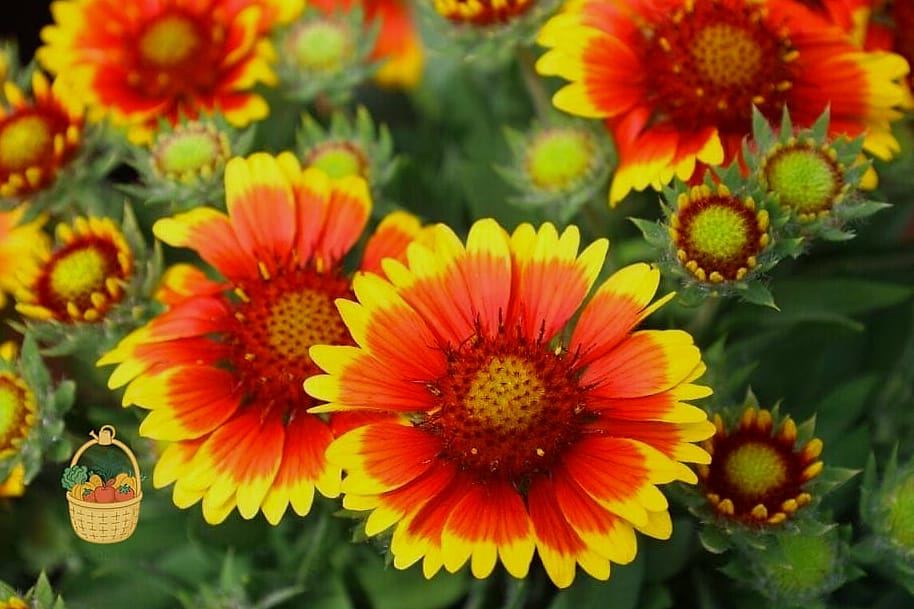
Blanket flower brings warm, sunset-toned blooms — reds, oranges, yellows — that keep going from early summer clear into fall. It’s short-lived as perennials go, but it self-seeds so readily you’ll barely notice the difference.
It wants full sun and sharp drainage; soggy soil is basically its kryptonite. Hardy in zones 3-10, it stays compact at 1-2 feet, making it perfect for the front of a bed or a container. Butterflies love it, and it handles heat and humidity better than a lot of its cousins.
Catmint (Nepeta)
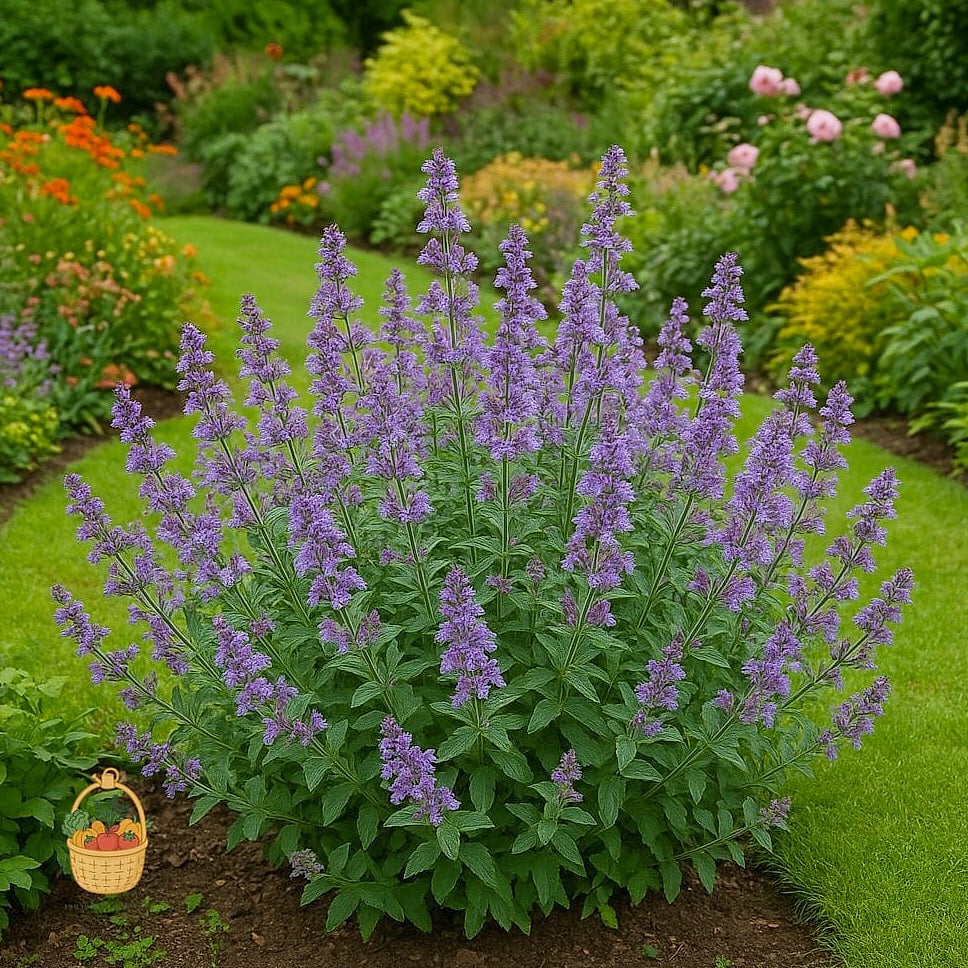
Catmint gives you that soft, billowy lavender-blue haze for months on end, and it’s genuinely one of the easiest plants to keep looking good. A quick shear after the first flush of blooms brings on a second round.
It tolerates average to poor soil as long as drainage is decent, and it’s hardy in zones 3-8. Expect a mounding habit around 1-3 feet tall and wide. Catmint is famously deer and rabbit resistant (though actual cats may take an interest), and it’s a favorite edging plant along sunny walkways.
Coreopsis (Coreopsis verticillata)
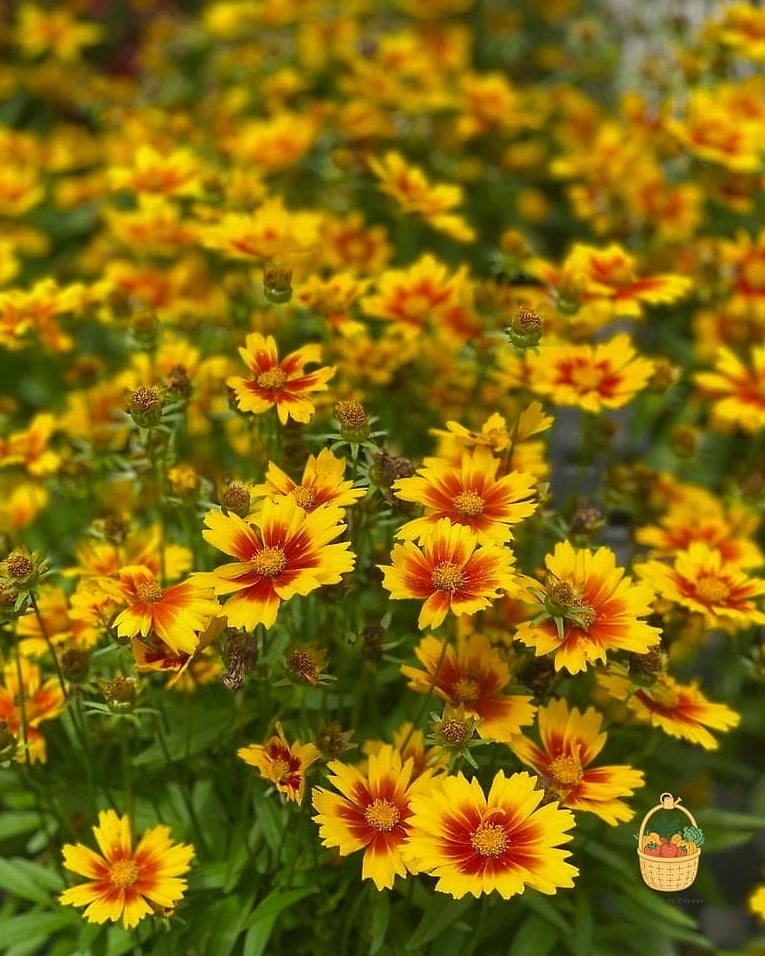
Coreopsis, often called tickseed, produces cheerful yellow daisy flowers on fine, thread-like foliage that gives the whole plant a light, airy feel. It blooms prolifically from early summer through fall.
Well-draining soil is important here, and it genuinely prefers being a little underfed rather than overfed. Zones 4-9 are its comfort zone. It grows 1-2 feet tall, spreads at a moderate pace, and tolerates drought well once established. It’s a natural companion for salvia or Russian sage.
Salvia (Salvia nemorosa)
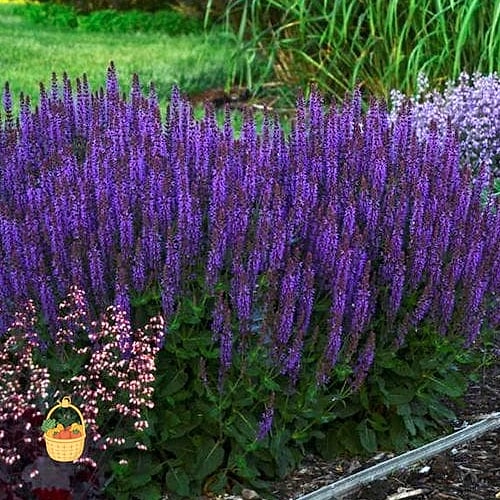
Salvia’s dense purple-blue flower spikes add vertical structure that a lot of mounding perennials lack. Bees and hummingbirds treat it like a buffet line all summer.
It prefers well-draining soil and doesn’t need much fertilizer to perform. Hardy in zones 4-8, salvia typically reaches 1-3 feet. Deadheading spent spikes encourages repeat blooming, sometimes right through fall. It’s drought tolerant once settled in and rarely bothered by deer.
Shasta Daisy (Leucanthemum x superbum)
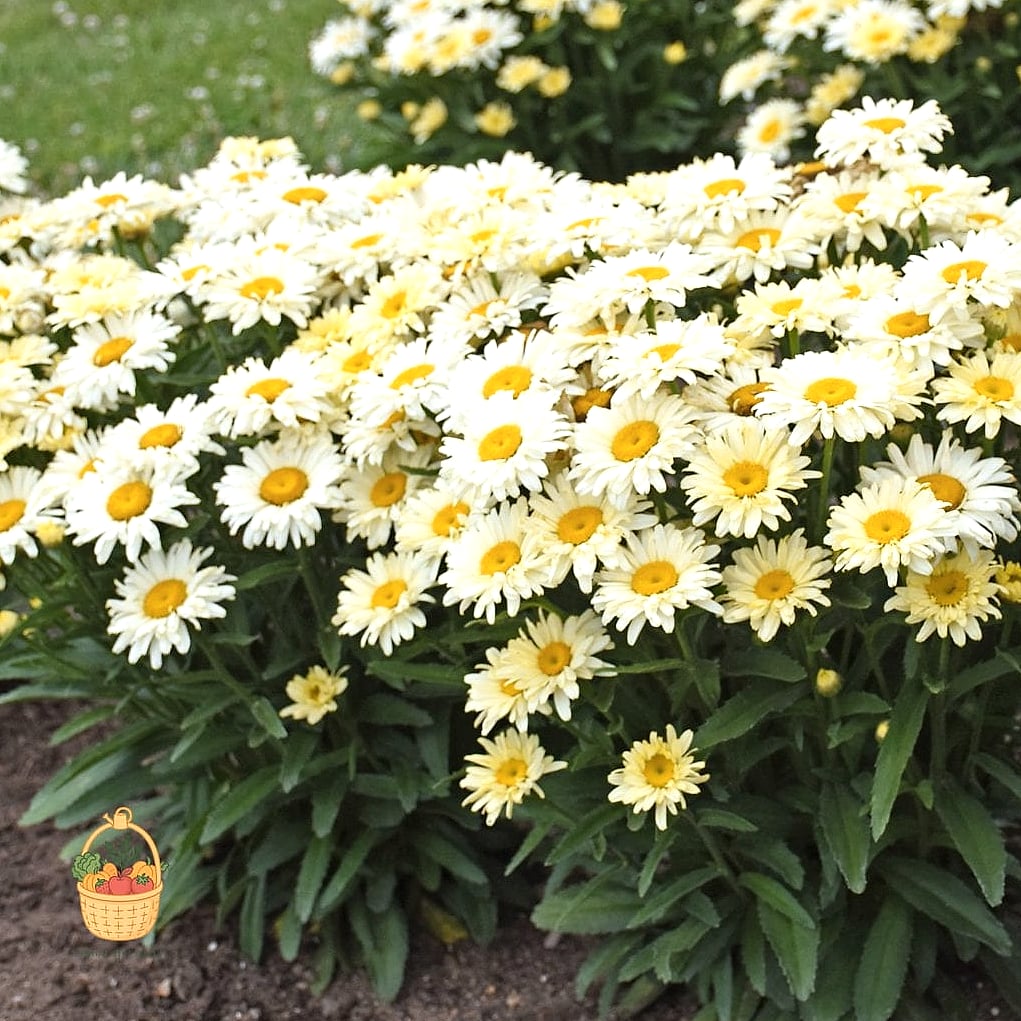
Shasta daisy delivers that classic white-petal, yellow-center look that reads as instantly cheerful in any garden. It’s a reliable bloomer that pairs well with almost anything you plant near it.
It likes fertile, well-draining soil and appreciates consistent moisture more than some of the drought-tolerant options on this list. Zones 5-9 work well. It grows 1-3 feet tall and benefits from division every couple of years to prevent the center from dying out. Great as a cut flower, too.
Butterfly Weed (Asclepias tuberosa)
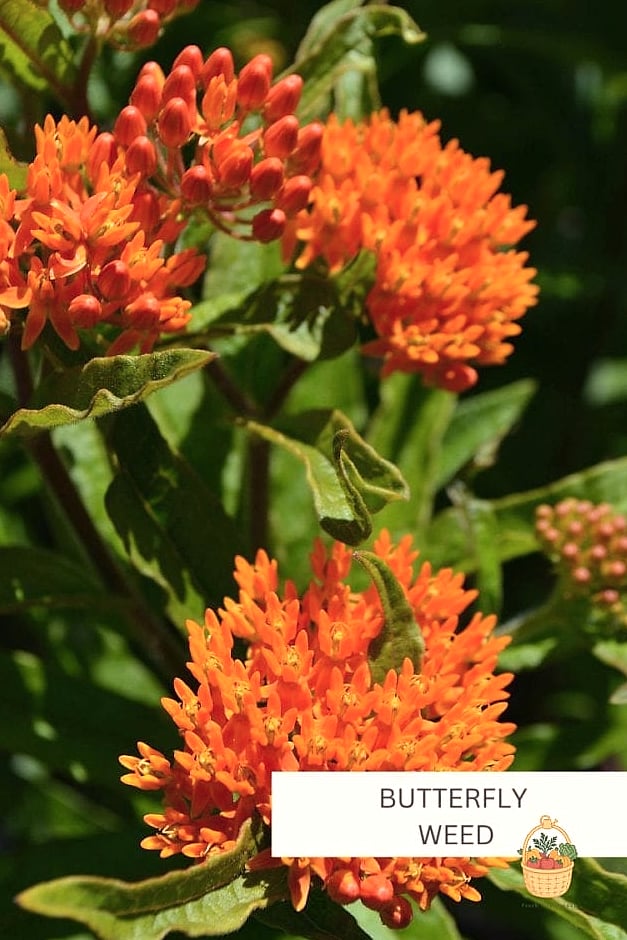
Butterfly weed is a native milkweed species with bright orange clusters of flowers, and it’s essential if you’re hoping to support monarch butterflies. The caterpillars actually depend on milkweed species to survive.
It’s remarkably drought tolerant thanks to a deep taproot, and it actually prefers poor, sandy, well-draining soil. Hardy in zones 3-9, it grows 1-3 feet tall. It’s slow to emerge in spring, so don’t panic and assume it died — patience pays off here.
Ornamental Grasses — Little Bluestem (Schizachyrium scoparium)
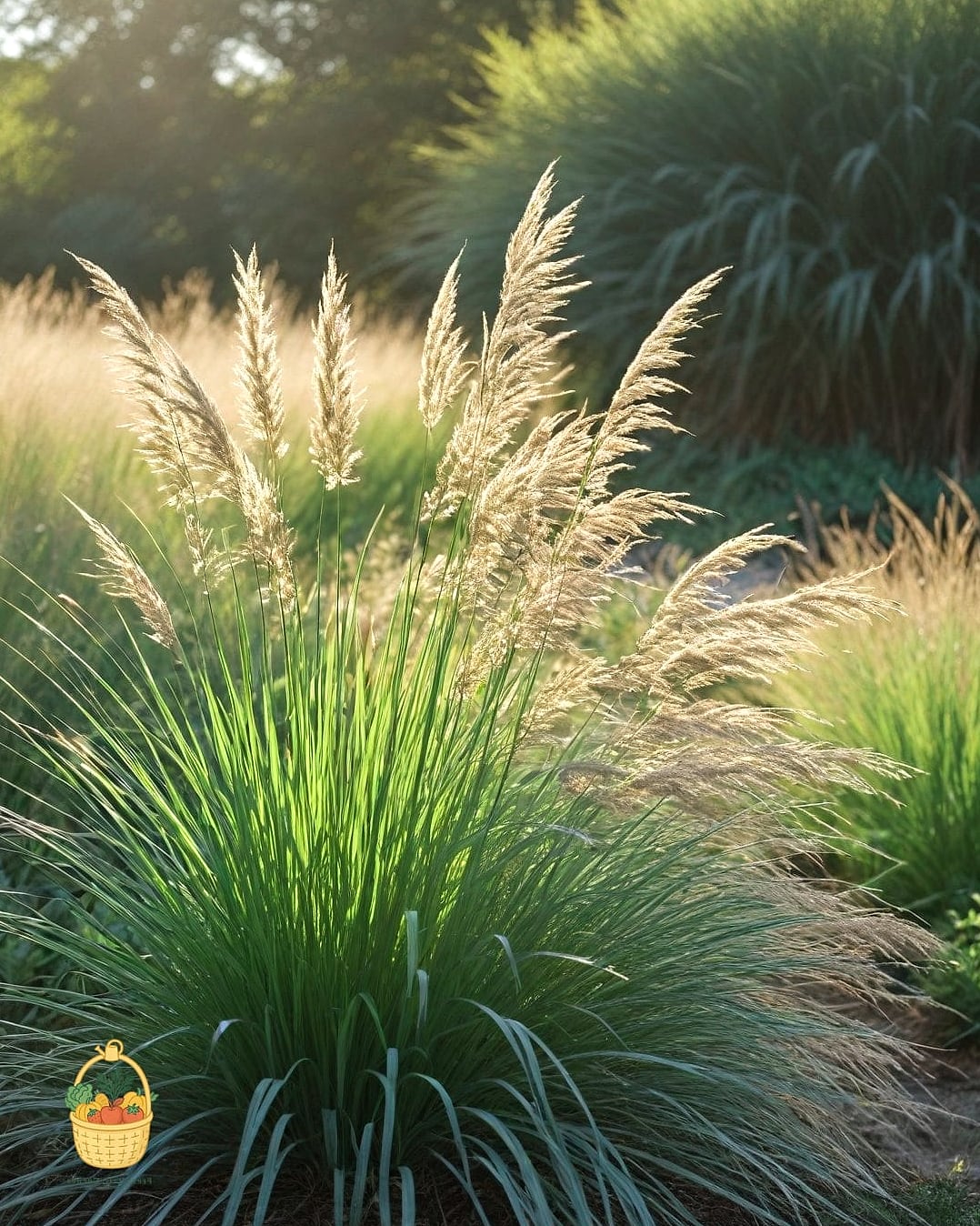
Little bluestem isn’t a flower, but it earns its place as a full sun perennial that adds movement, texture, and multi-season interest few blooming plants can match. Blue-green summer foliage shifts to copper and mahogany in fall.
It thrives in poor, well-draining soil and is genuinely drought tolerant once rooted in. Zones 3-9 suit it fine. It reaches 2-4 feet and looks fantastic swaying next to coneflower or blanket flower. Cut it back in late winter before new growth starts.
Bee Balm (Monarda didyma)
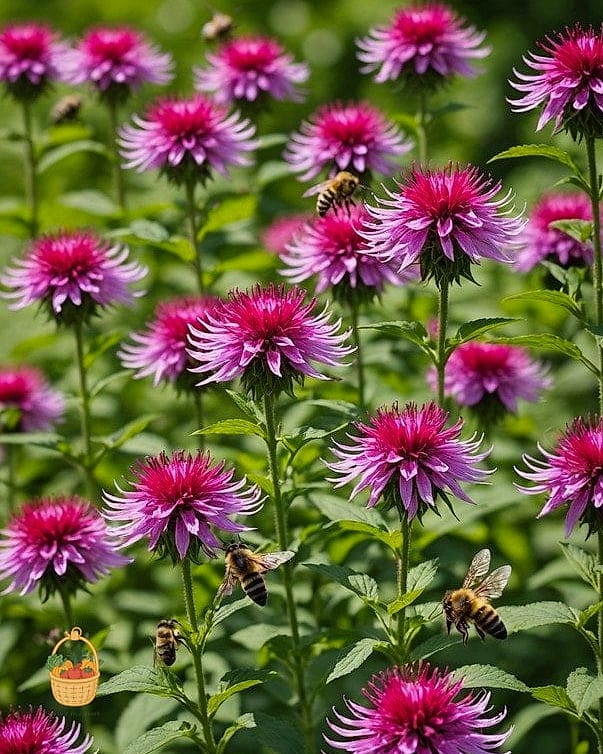
Bee balm produces these wild, shaggy-looking red, pink, or purple flowers that hummingbirds absolutely can’t resist. The foliage is aromatic too, with a minty-citrus scent when brushed.
It likes rich, well-draining soil with consistent moisture, so it’s slightly thirstier than some others here. Hardy in zones 4-9, it grows 2-4 feet tall and spreads via rhizomes, so give it space or plan to divide it. Good air circulation helps prevent powdery mildew, a common issue in humid climates.
Purple Coneflower’s Cousin: Rattlesnake Master (Eryngium yuccifolium)
This one’s a bit of a conversation starter — spiky, silvery-green, globe-shaped flower heads on stiff stems that look almost architectural. It’s a native prairie plant that pollinators genuinely love, even though it looks a little intimidating.
It prefers well-draining, even rocky soil and handles drought without complaint. Zones 4-9 work well. It reaches 3-4 feet and adds unusual texture to a border that’s otherwise full of soft, rounded blooms.
Threadleaf Bluestar (Amsonia hubrichtii)
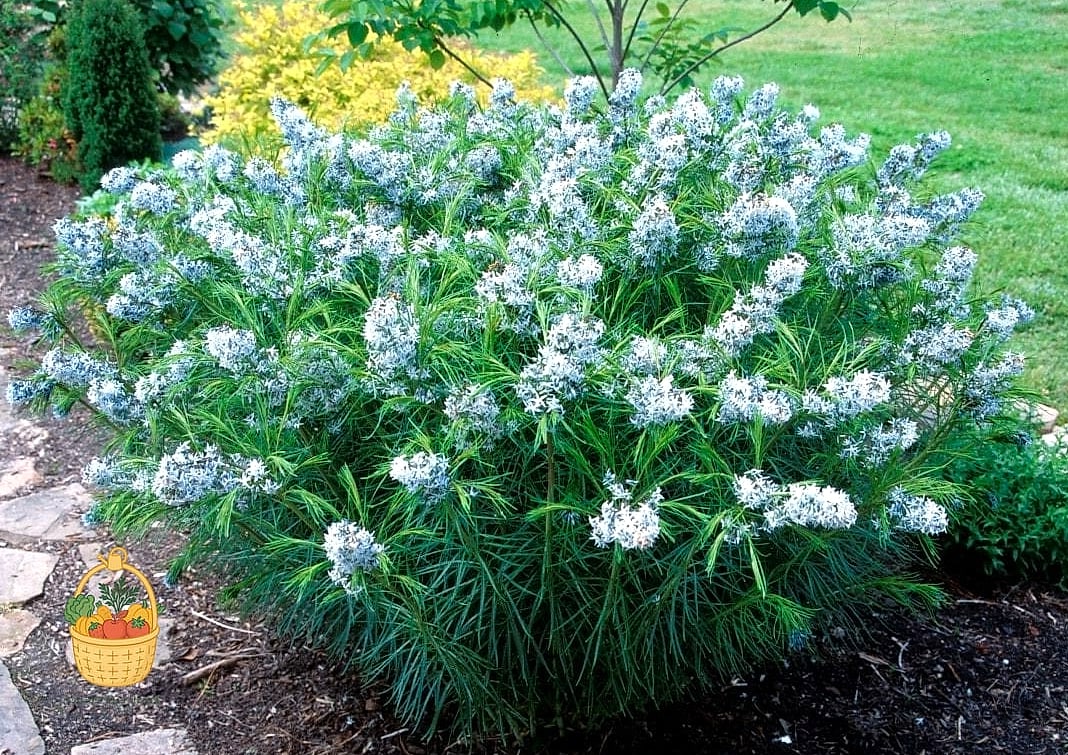
Amsonia gives you soft blue star-shaped flowers in spring, then rewards you again in fall when the fine, needle-like foliage turns a brilliant golden yellow. It’s a two-season plant in the best way.
Well-draining soil suits it best, though it tolerates average conditions once established. Hardy in zones 5-8, it forms a rounded mound 2-3 feet tall and wide. It’s low-maintenance, deer resistant, and genuinely one of the more underused perennials for full sun gardens.
Penstemon (Penstemon digitalis)
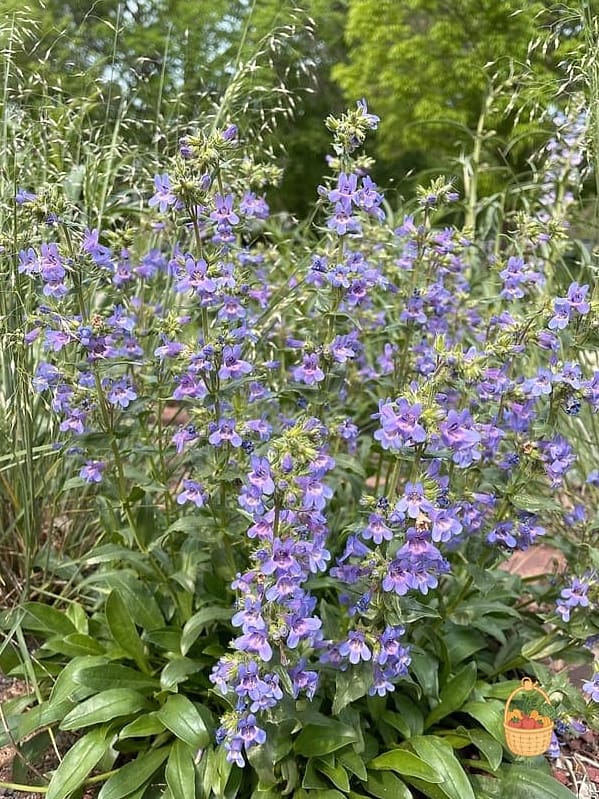
Penstemon, sometimes called beardtongue, sends up tall spikes of tubular white or pink flowers that hummingbirds find irresistible. Some varieties have striking burgundy foliage that adds color even before blooming starts.
It prefers well-draining soil and doesn’t love heavy clay or standing water. Zones 3-8 are typical. It grows 2-3 feet tall and tends to be short-lived but self-seeds enough to keep a colony going. A great choice if you want height without staking.
Blazing Star (Liatris spicata)
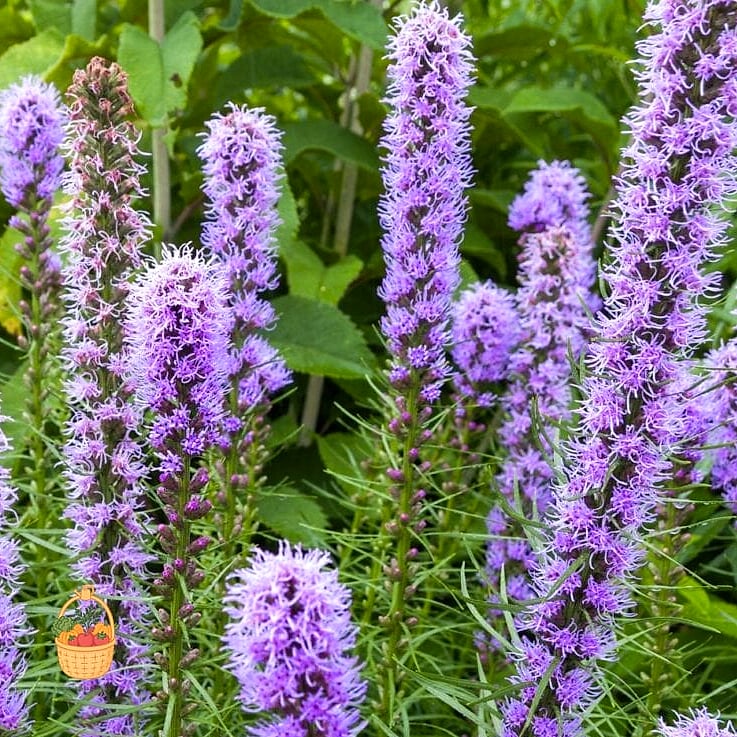
Blazing star produces tall, fuzzy purple flower spikes that open from the top down, which is a little unusual and always gets questions from garden visitors. Butterflies, especially monarchs, flock to it during migration season.
It grows from a corm and prefers well-draining soil, though it tolerates average conditions. Hardy in zones 3-9, it reaches 2-4 feet tall. It’s drought tolerant once established and pairs beautifully with ornamental grasses for a naturalistic, prairie-style planting.
Ice Plant (Delosperma cooperi)
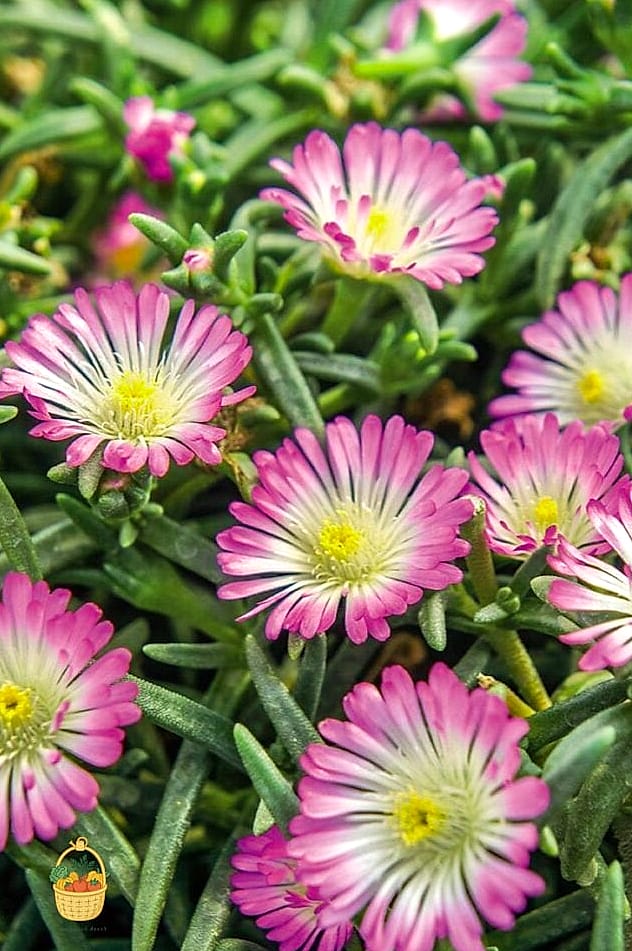
Ice plant is a low, mat-forming succulent perennial that produces almost neon-bright magenta, purple, or orange flowers. It’s one of the toughest groundcover options for a hot, sunny, dry spot where other things struggle.
It absolutely needs sharp drainage — sandy or gravelly soil is ideal, and soggy conditions will rot it quickly. Zones 5-9 suit it well. It stays under 6 inches tall but spreads readily, making it a great choice for rock gardens, slopes, or the edges of a container garden.
Any one of these 20 full sun perennials that will transform your garden could anchor a new bed on its own, but the real magic happens when you start combining them — tall spiky bloomers next to airy grasses, drought-tolerant natives next to classic cottage garden staples. Start with two or three that match your soil and climate, get them established, and build out from there. Full sun gardening rewards patience, and honestly, it’s hard to go wrong with this list.