21 Bushes For The Front Of Your House That Are Going Viral on Pinterest
21 Bushes For The Front Of Your House That Are Going Viral on Pinterest
If your front yard feels a little flat, the fastest fix isn’t always flowers — it’s the right bush in the right spot. Pinterest has been flooded lately with photos of foundation plantings that actually look intentional instead of like leftover landscaping from the previous homeowner. I’ve spent years digging around in beds trying to figure out which shrubs earn their keep, and the ones below keep popping up again and again for good reason. They’re the kind of plants that make people slow down while walking their dog and ask what’s growing by your porch.
Whether you’re working with full sun baking your front steps all afternoon or a shady spot under an overhang, there’s something here that’ll fit. Let’s get into it.
Hydrangea ‘Limelight’
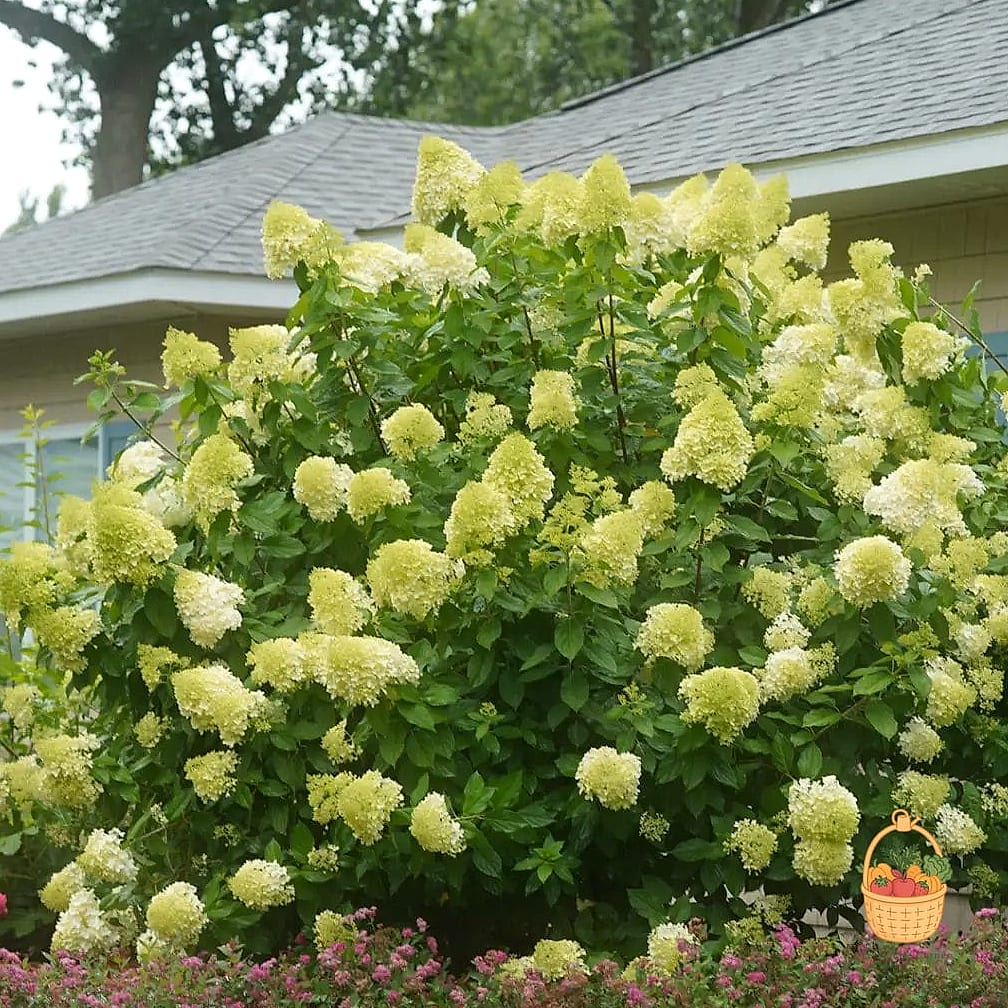
Limelight hydrangea puts out cone-shaped blooms that start lime green, fade to soft pink, then dry to a warm tan that looks gorgeous well into fall. It’s the shrub that launched a thousand Pinterest boards, honestly.
This one wants full sun to partial shade and consistently moist, well-draining soil. It’s hardy in zones 3 through 8, so it handles cold winters better than most hydrangeas. Expect it to reach 6 to 8 feet tall if left alone, though it responds well to hard pruning in late winter.
Gardeners love it because it blooms on new wood, so a late frost won’t ruin your flower show. Pair it with boxwood for structure and you’ve basically got a magazine cover.
Boxwood
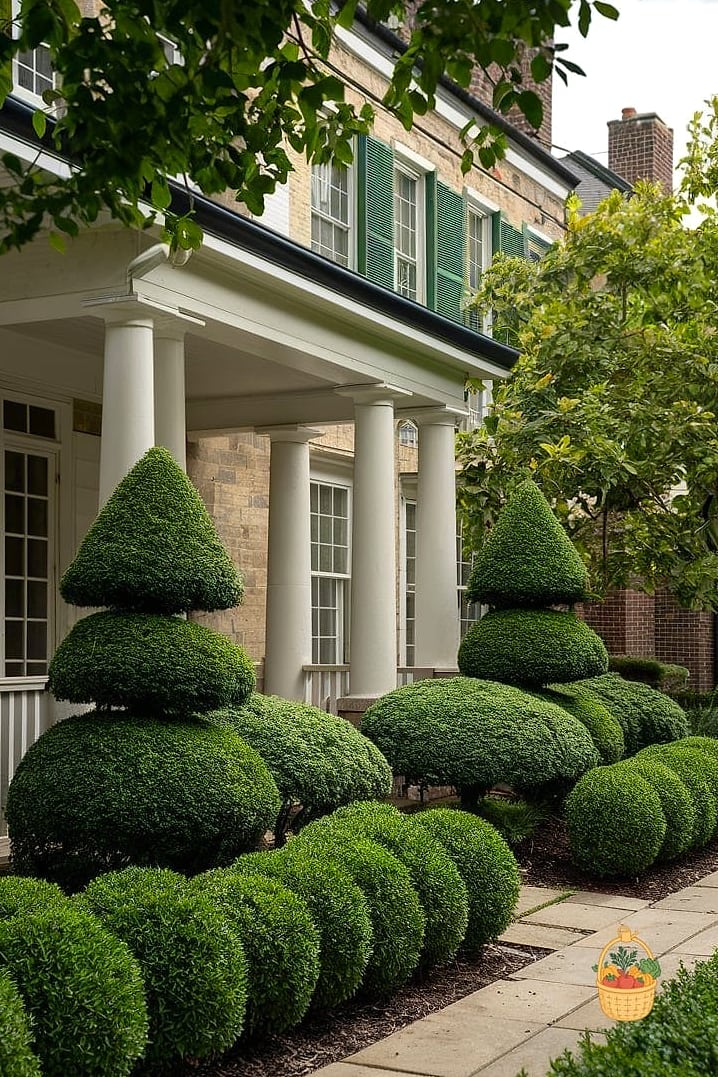
Boxwood is the quiet workhorse of front-yard landscaping. Its dense, small evergreen leaves make it perfect for clipped hedges, rounded mounds, or those tidy little balls flanking a front door.
It prefers well-draining soil and tolerates full sun to partial shade, and it’s happy in zones 5 through 9. Growth is slow, which is actually a blessing if you hate constant pruning.
Boxwood blight is the main disease to watch for, so give plants good airflow and avoid overhead watering. It’s a classic for a reason — deer mostly leave it alone, and it looks sharp in every season.
Knock Out Rose
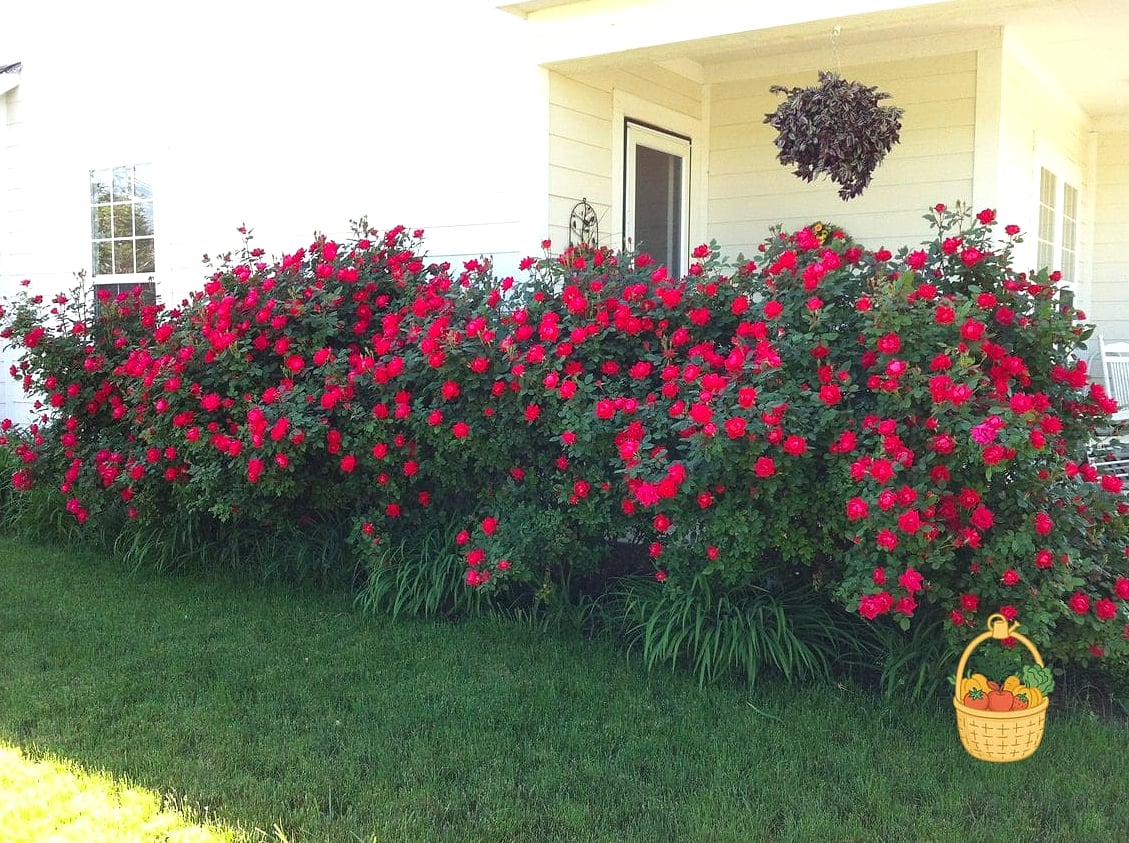
Knock Out roses reblooms nonstop from late spring through frost, which is why landscapers use them everywhere. The flowers come in red, pink, and yellow, and unlike old-fashioned roses, they shrug off black spot and powdery mildew.
Give them full sun, at least six hours a day, and well-draining soil enriched with compost. They’re hardy in zones 4 through 11 and grow at a fast clip, easily hitting 3 to 4 feet in a season.
I’ll admit I was skeptical of the hype when they first came out, but after ignoring one for two summers and watching it still bloom its head off, I became a believer.
Weigela
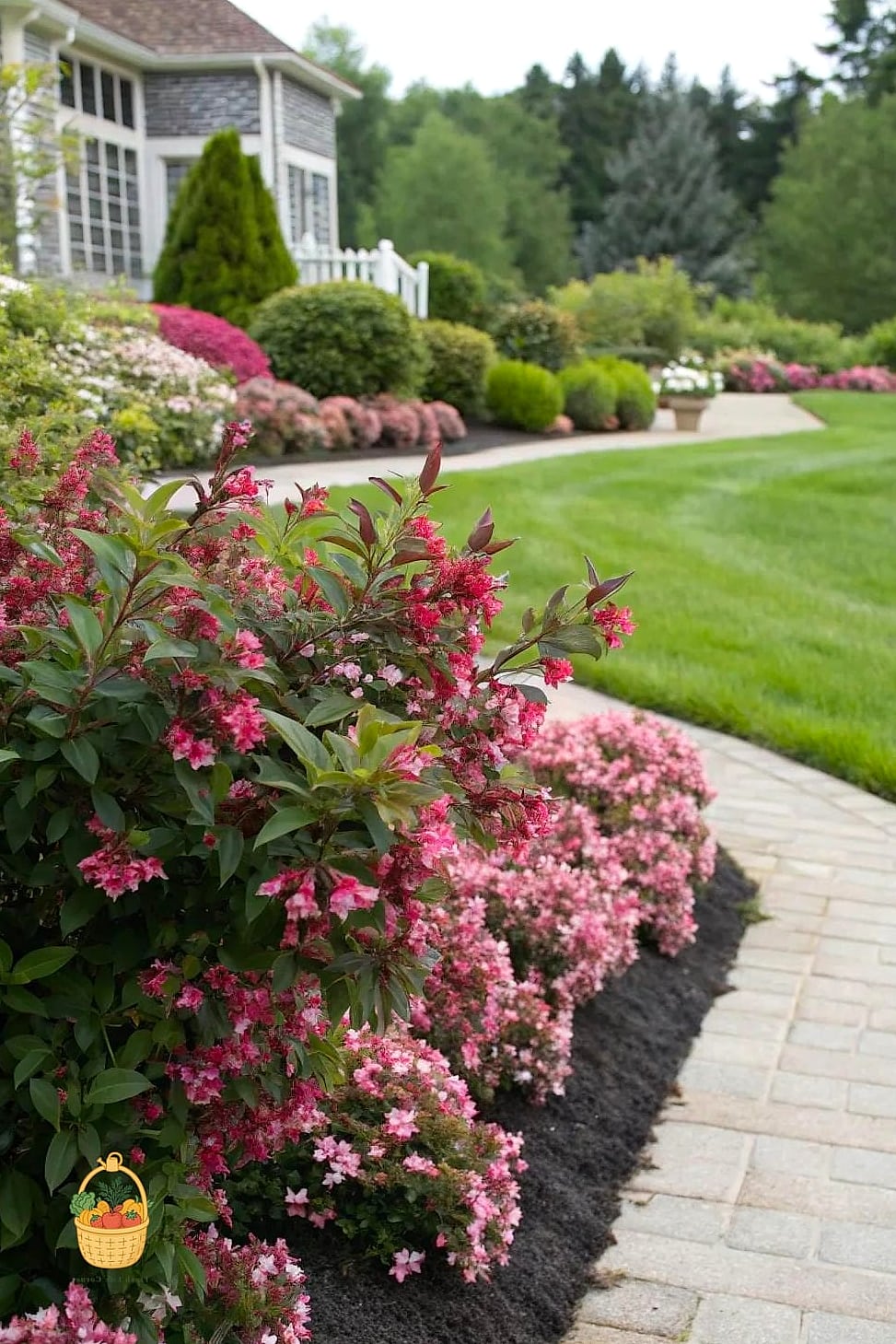
Weigela is one of those shrubs that gets overlooked until it’s covered in trumpet-shaped pink or red blooms in late spring, and then everyone suddenly wants one. Varieties like ‘Wine and Roses’ bring dark burgundy foliage into the mix too.
It grows best in full sun for the richest flower and leaf color, though it tolerates light shade. Soil should be well-draining, and it’s cold hardy in zones 4 through 8.
It’s fast-growing and can reach 4 to 6 feet, making it a good filler shrub. Pollinators, especially hummingbirds, show up for the blooms, so it earns its spot as a pollinator-friendly pick.
Dwarf Alberta Spruce

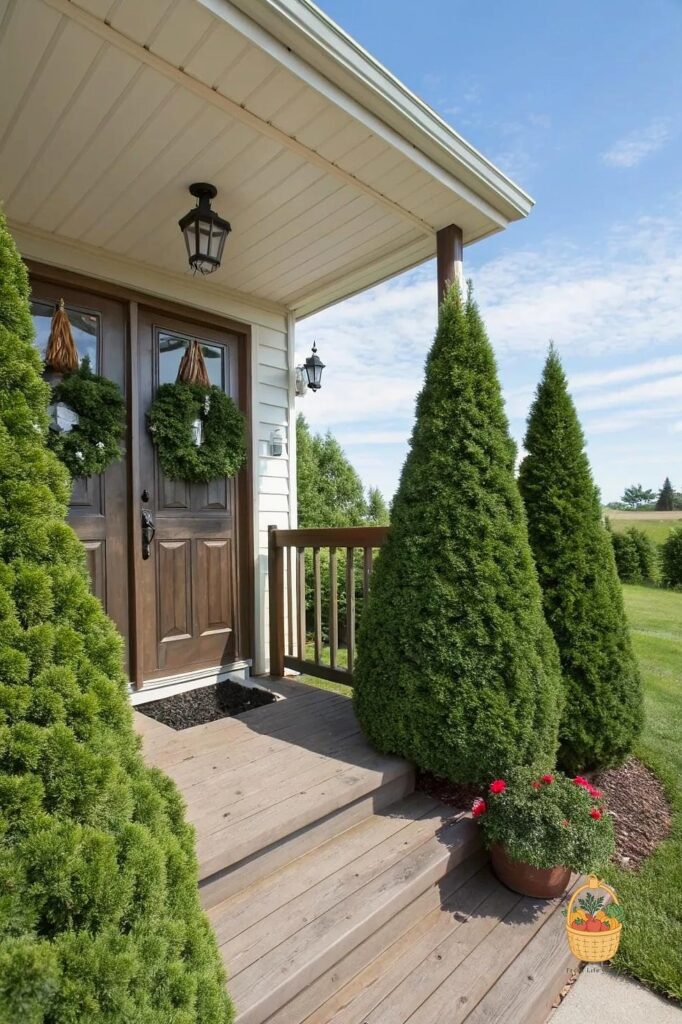
This little conical evergreen has a neat, formal shape without any pruning required, which makes it a favorite for flanking front doors in matching pairs. The needles are soft and dense, giving it a almost fuzzy, storybook look.
It likes full sun to partial shade and well-draining soil, and thrives in zones 2 through 8. Growth is famously slow, just 2 to 4 inches a year, so what you plant is roughly what you’ll have for a long while.
Spider mites can be an issue in hot, dry summers, so keep an eye out and hose down the foliage occasionally. It’s a low-maintenance choice for anyone who wants structure without fuss.
Azalea
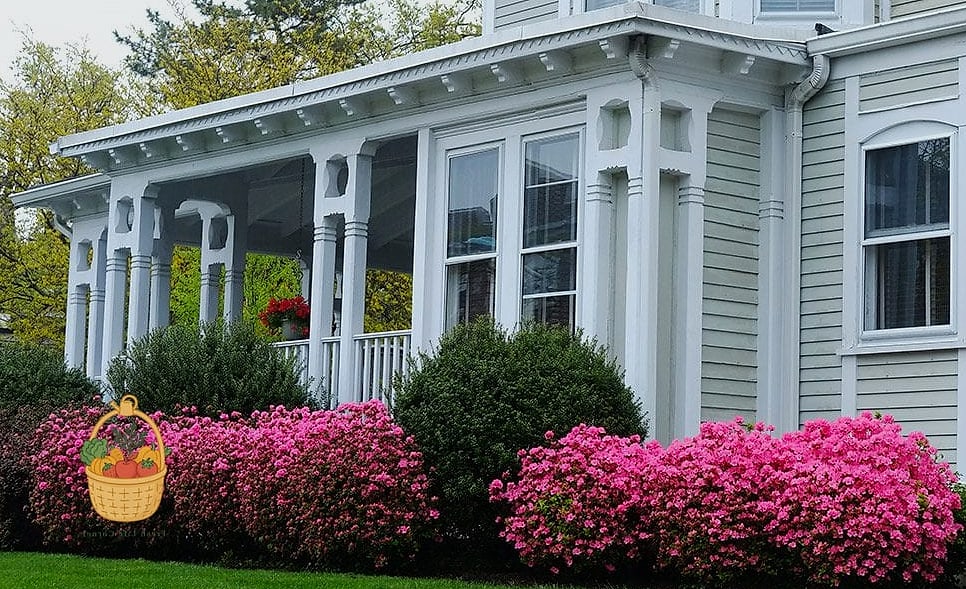
Azaleas turn front yards into color explosions every spring, with blooms ranging from soft pastel pink to hot magenta and pure white. They’re broadleaf evergreens in many varieties, so you get some structure even after the flowers fade.
They need acidic, well-draining soil and prefer partial shade, especially protection from harsh afternoon sun. Hardiness depends on variety, but many do well in zones 6 through 9.
Mulch with pine straw to help maintain that acidic soil they crave. Southern gardeners have been leaning on azaleas for generations, and honestly, the Pinterest crowd is just catching up.
Spirea
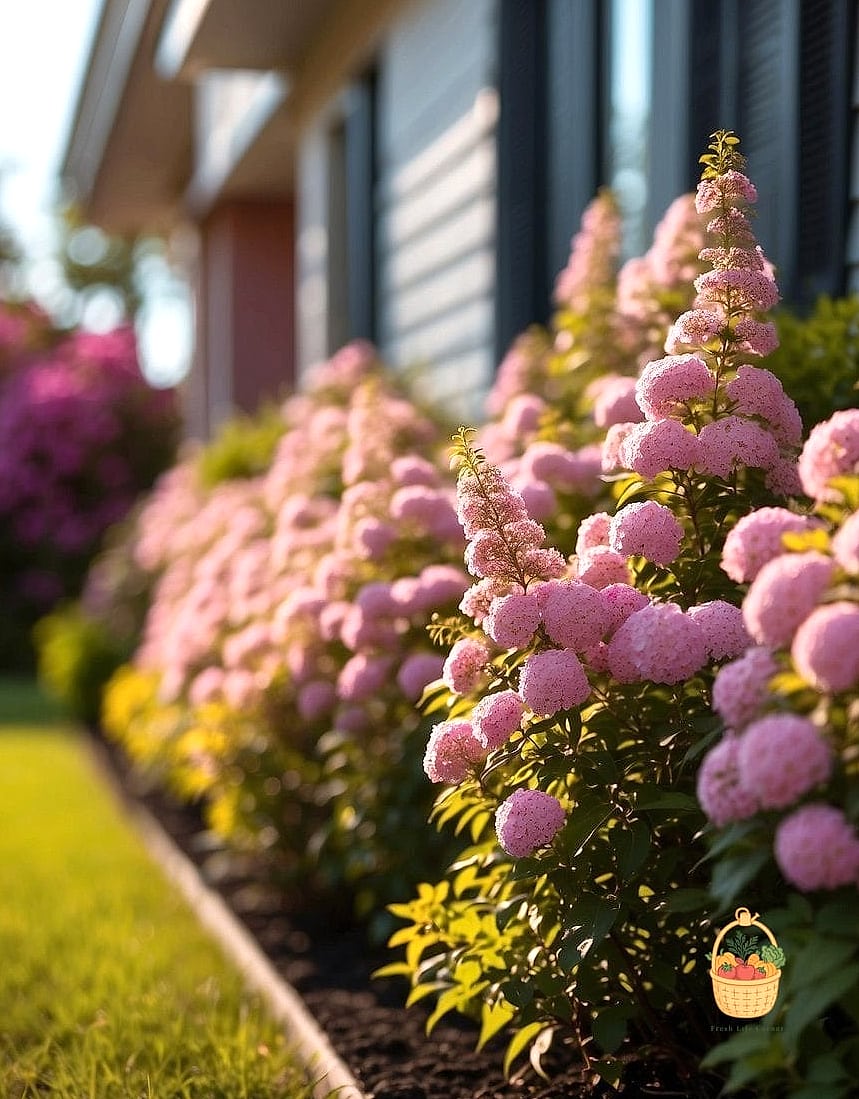
Spirea is criminally underrated for how much bloom it produces for so little effort. Varieties like ‘Goldflame’ bring chartreuse foliage plus pink flower clusters, giving you color even when it’s not in bloom.
Plant it in full sun for the best flowering and foliage color, in well-draining soil. It’s hardy in zones 4 through 8 and grows fast, often 2 feet or more per year until mature.
It’s deer resistant and pretty forgiving of poor soil, which makes it a solid choice for beginner gardeners who want quick results without babying anything.
Hydrangea ‘Endless Summer’
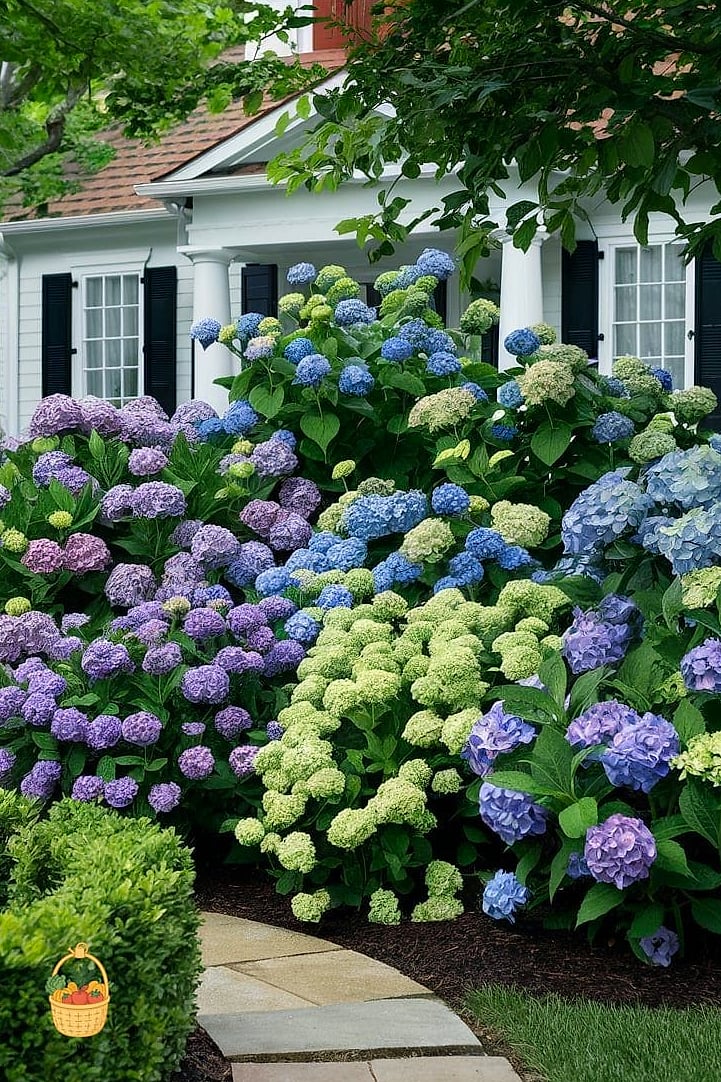
Unlike Limelight, Endless Summer hydrangea produces those classic mophead blooms in blue or pink depending on your soil’s pH — acidic soil gives you blue, alkaline gives you pink. It’s a fun bit of garden chemistry.
It wants morning sun with afternoon shade and rich, moist, well-draining soil. Hardy in zones 4 through 9, it blooms on both old and new wood, so you get flowers even after a rough winter.
Water consistently, since hydrangeas wilt dramatically when thirsty, though they usually perk back up once watered. It’s a favorite for cottage-style front entrances.
Japanese Holly
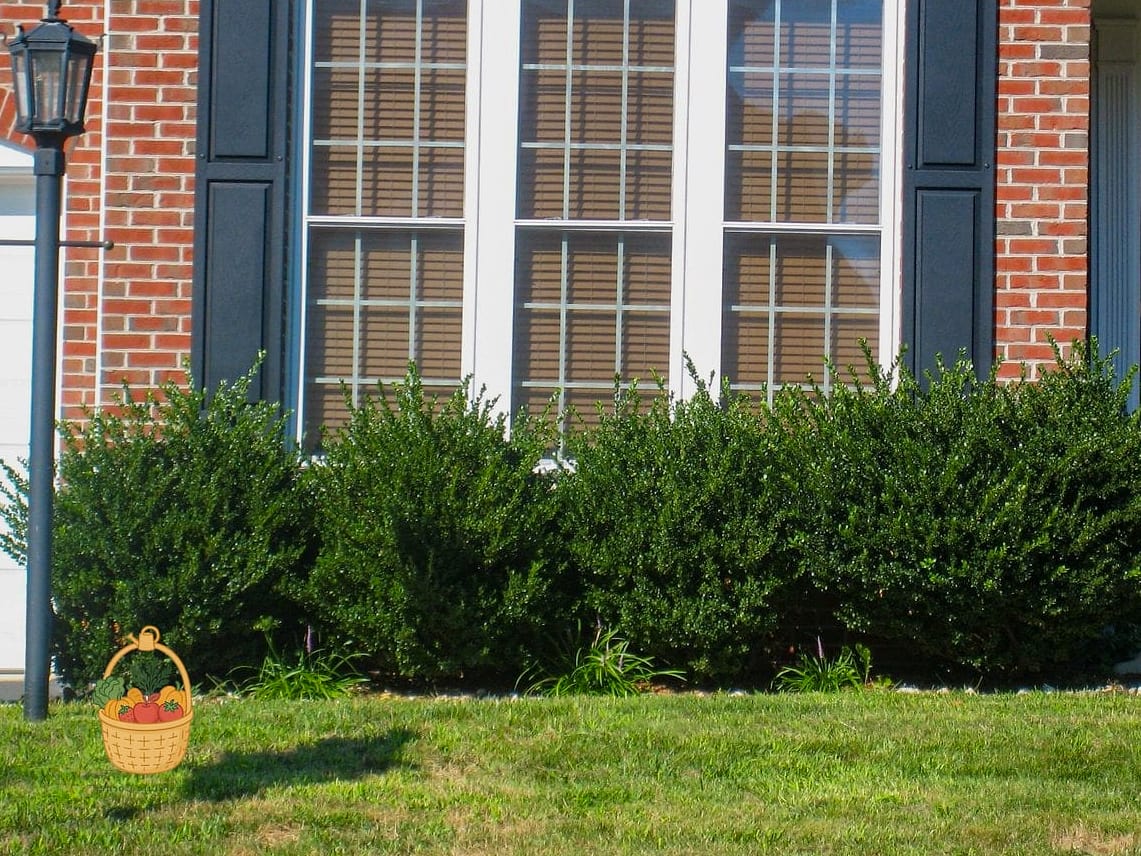
Japanese holly mimics boxwood’s tidy look but tends to handle heat and humidity a bit better in southern climates. The small, glossy leaves stay dark green year-round without the spines of traditional holly.
It grows in full sun to partial shade and prefers well-draining, slightly acidic soil. Zones 5 through 8 suit it well, and it grows at a moderate pace.
It’s an easy swap if boxwood blight has scared you off boxwood entirely. Shape it into hedges or let it grow into a natural mound — either way it stays neat.
Forsythia
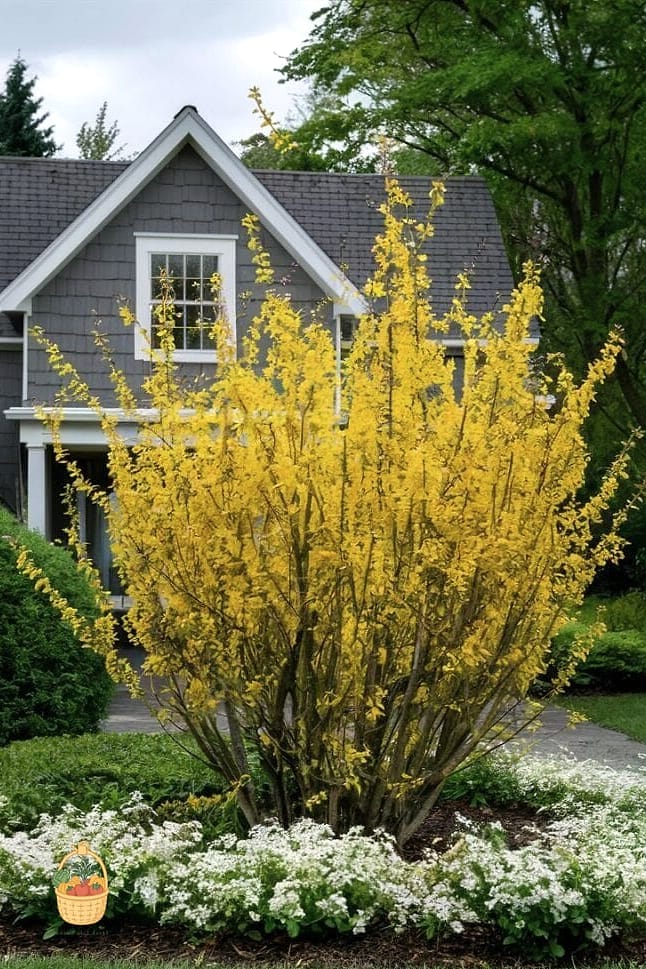
Forsythia is the shrub that announces spring before almost anything else, bursting into bright yellow blooms on bare branches while everything around it is still gray and dormant. It’s a mood boost after a long winter.
Full sun brings out the heaviest bloom, and it tolerates average, well-draining soil without complaint. It’s hardy in zones 5 through 8 and grows quickly, often adding a couple feet a year.
Prune right after flowering since it sets buds on old wood. It’s tough, drought tolerant once established, and about as low-maintenance as flowering shrubs get.
Lavender
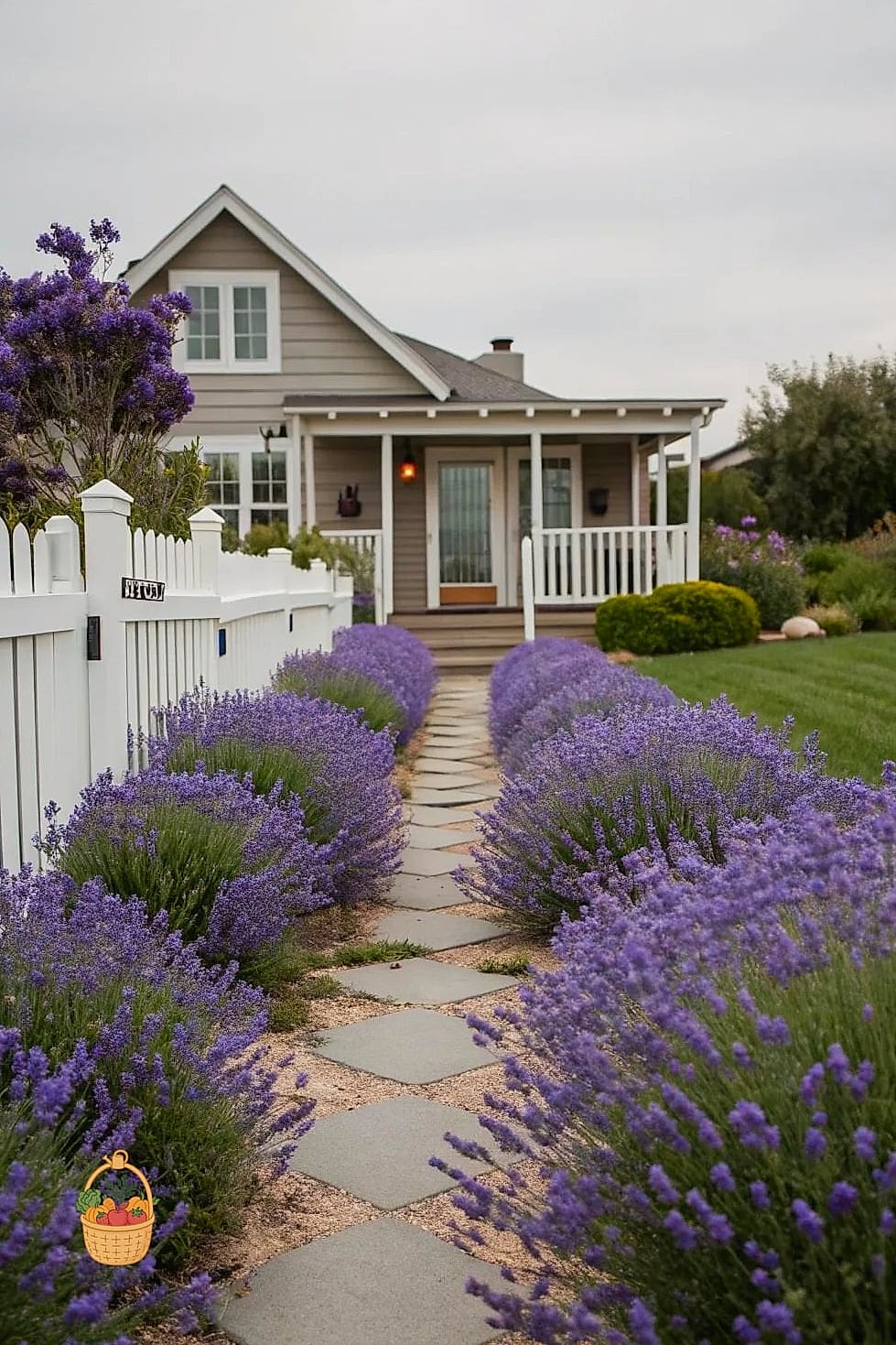
Technically a woody perennial herb, lavender gets used as a low front-of-house border constantly, and its silvery foliage and purple spikes photograph beautifully against brick or white siding. The scent alone is worth it.
It demands full sun and sharp, well-draining soil — sandy or gravelly is ideal, since soggy roots kill it fast. It thrives in zones 5 through 9 and stays fairly compact, usually under 3 feet.
Skip the heavy fertilizer here; lavender actually prefers lean soil. Bees adore it, making it a pollinator magnet, and it’s naturally deer and rabbit resistant.
Ninebark
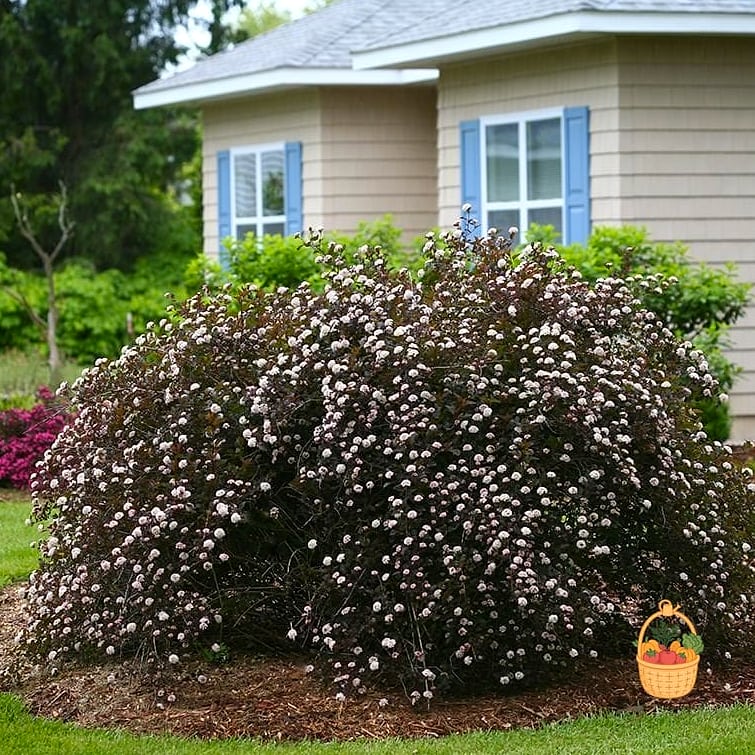
Ninebark brings dramatic foliage color to the front yard, with varieties like ‘Diabolo’ offering deep purple leaves that hold their color all season. Clusters of small white or pink flowers show up in early summer as a bonus.
It handles full sun to partial shade and adapts to most soil types as long as drainage is decent. Hardy in zones 3 through 7, it’s a fast grower and can reach 5 to 8 feet.
It’s native to North America, which means local pollinators and birds recognize it as food and shelter. A great pick if you want a native plant that still feels ornamental.
Camellia
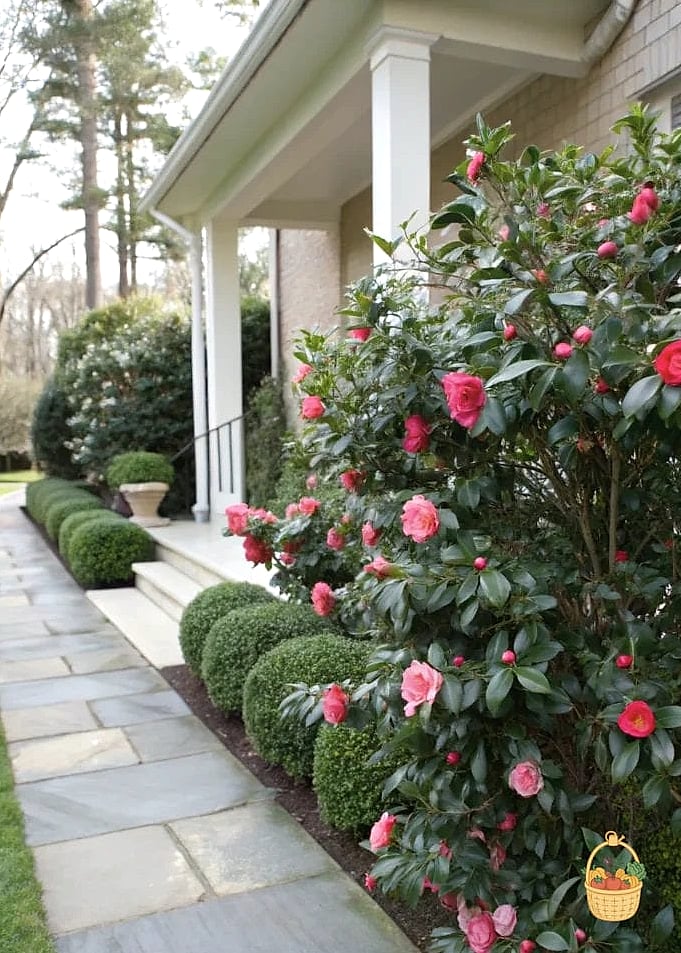
Camellias bring old-world elegance with rose-like blooms in winter or early spring, when almost nothing else in the garden is flowering. The glossy, dark green leaves look good even without a single flower.
They need partial shade, protection from harsh afternoon sun, and acidic, well-draining soil. Zones 7 through 9 are the sweet spot, though cold-hardy varieties push into zone 6.
Mulch generously to protect roots and retain moisture. Camellias grow slowly, so patience is part of the deal, but the payoff is a shrub that looks refined for decades.
Rose of Sharon
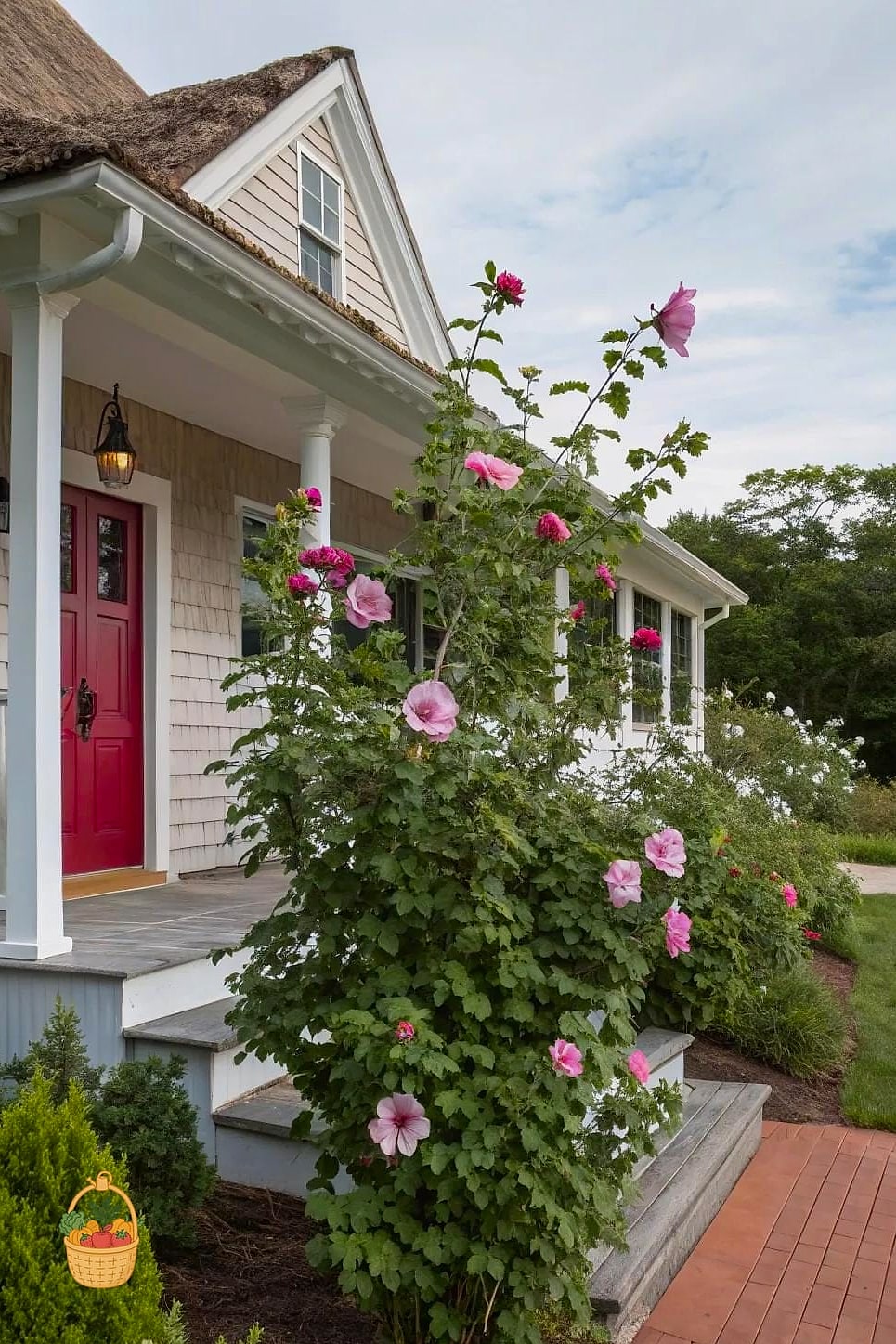
Rose of Sharon blooms through the hottest part of summer when a lot of other shrubs have given up, producing hibiscus-like flowers in purple, pink, white, or blue. It’s a workhorse for late-season color.
Full sun brings the best bloom, and it tolerates a wide range of soils as long as drainage is adequate. It’s hardy in zones 5 through 9 and grows quickly, often reaching 8 to 12 feet.
Some varieties self-seed aggressively, so look for sterile cultivars if you don’t want volunteer seedlings popping up everywhere next spring.
Dwarf Fothergilla
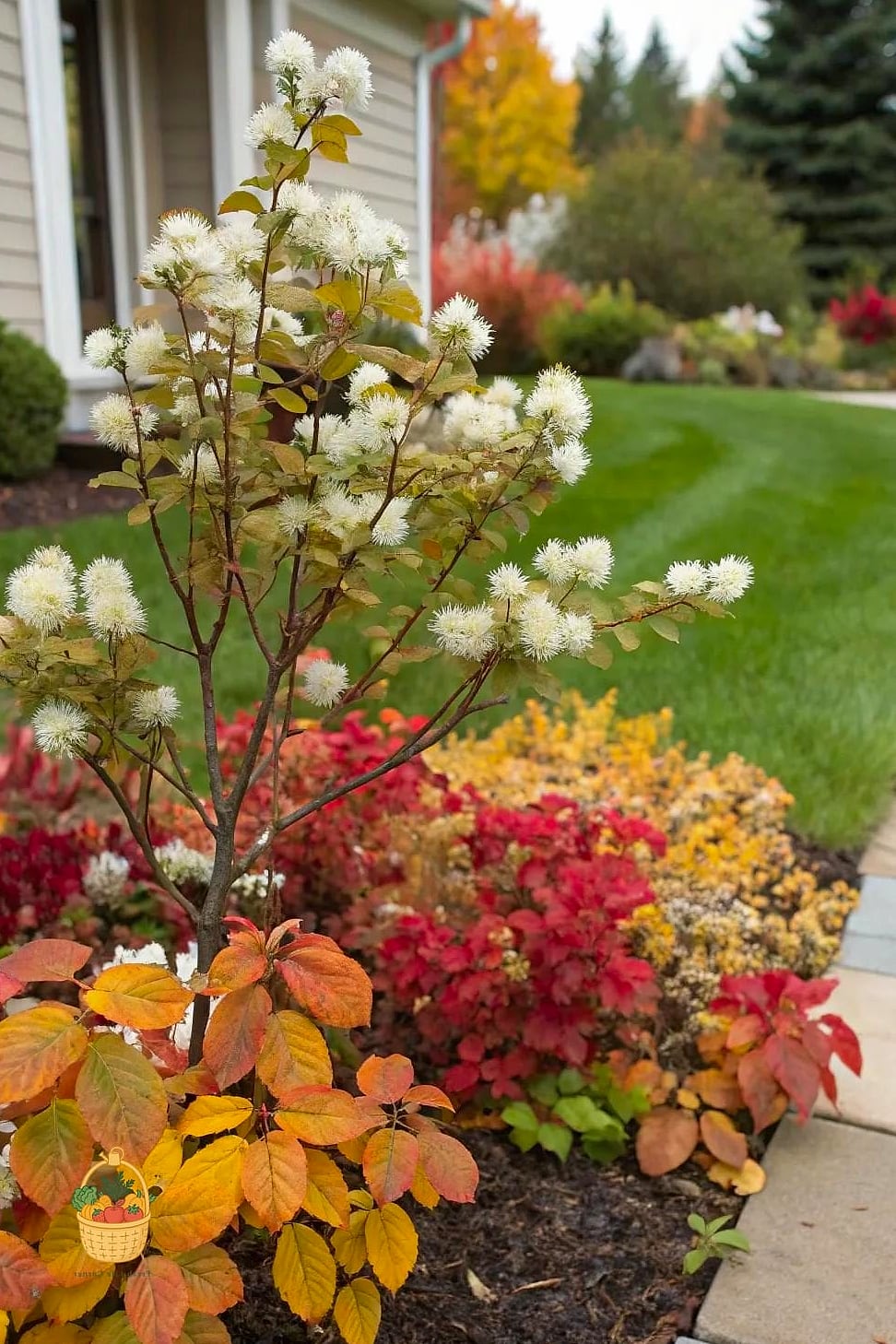
Fothergilla is a bit of a sleeper hit — bottlebrush-like white flowers in spring, then fantastic fall color in shades of orange, yellow, and red on the same plant. It’s a three-season shrub in a two-season world.
It grows well in full sun to partial shade and prefers acidic, well-draining, moist soil. Hardy in zones 5 through 8, it stays compact, usually 2 to 3 feet tall, making it great for smaller foundation beds.
It’s native to the southeastern U.S. and rarely bothered by pests, which makes it an easy, low-drama choice.
Barberry
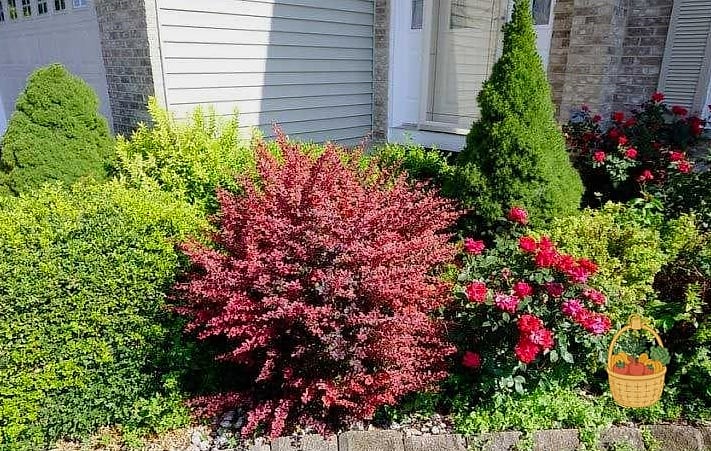
Barberry brings color and texture with its small, often burgundy or gold foliage, and its dense, thorny branches double as a natural deterrent for anyone tempted to cut across your lawn. Practical and pretty.
It thrives in full sun for best color and tolerates poor, dry soil better than most shrubs on this list. Hardy in zones 4 through 9, it grows at a moderate rate and stays compact.
Some regions consider certain barberry varieties invasive, so check local guidelines before planting and look for sterile cultivars where needed.
Viburnum
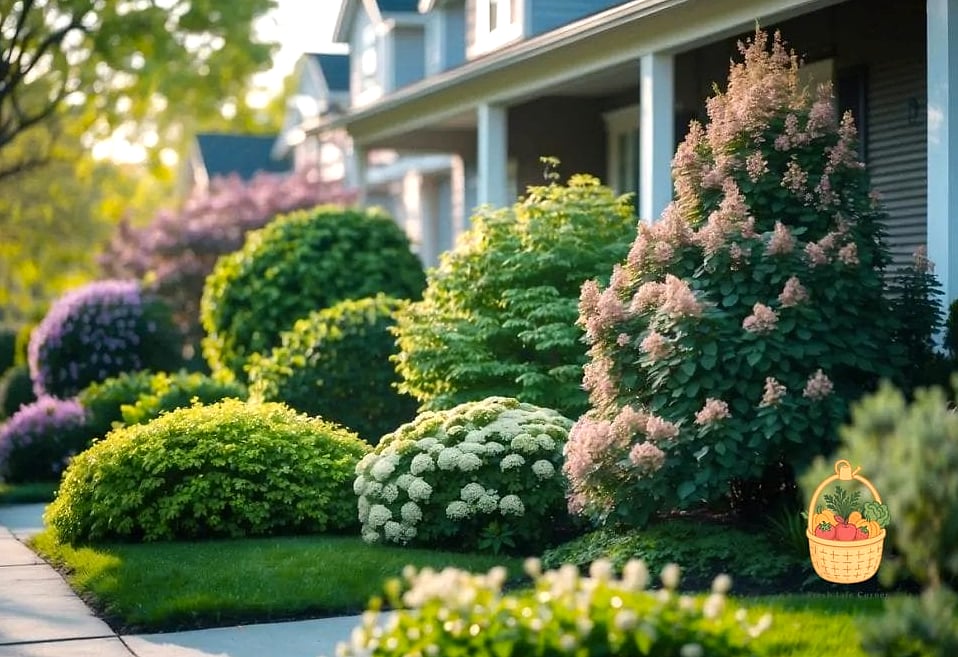
Viburnum is a big family of shrubs, but many varieties offer fragrant spring flowers, berries that feed birds, and solid fall color, all in one plant. It’s a real workhorse for wildlife gardens.
Most varieties prefer full sun to partial shade and rich, well-draining soil. Depending on the species, hardiness ranges from zones 4 through 8. Growth rates vary, but many reach 6 to 10 feet at maturity.
Plant two different varieties near each other for better berry production, since some viburnums need a pollination partner to fruit well.
Hosta

Hosta isn’t technically a bush, but its mounding, leafy form gets used exactly like one along shaded front entries, and the variety of leaf colors, from blue-green to variegated cream, gives serious visual interest without a single flower needed.
It prefers partial to deep shade and rich, moist, well-draining soil. Hardy in zones 3 through 9, it’s a slow-to-moderate grower that spreads nicely over a few seasons.
Slugs are the main pest to watch for, so keep some natural pest control on hand, like copper tape or diatomaceous earth, if you notice chewed leaves.
Rhododendron
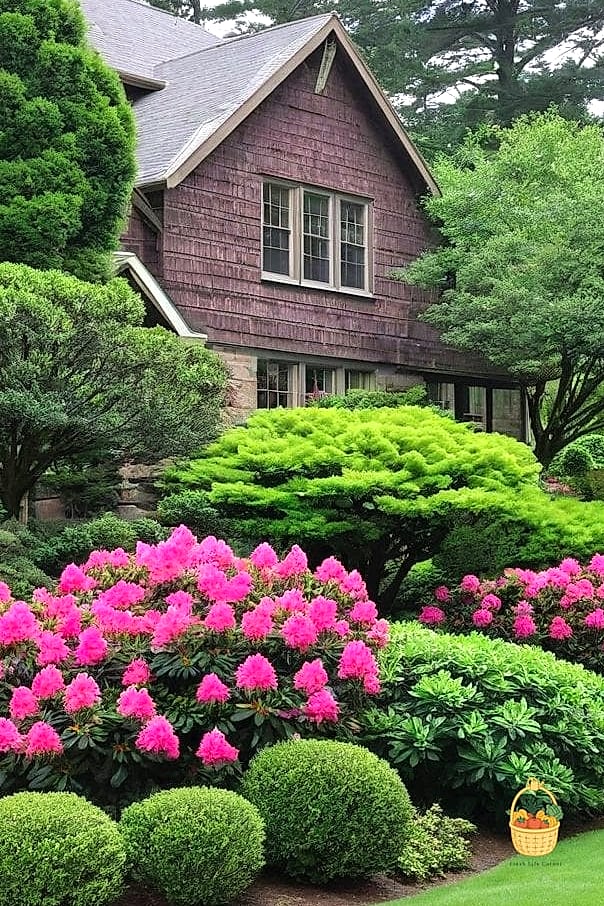
Rhododendron brings big, dramatic clusters of blooms in colors from white to deep purple, with large evergreen leaves giving year-round structure even before the flowers show up. It’s a statement shrub if there ever was one.
It needs partial shade and acidic, well-draining soil, and struggles in heavy clay. Hardy in zones 4 through 8 depending on variety, it grows slowly, which keeps maintenance low.
Mulch heavily and avoid planting too deep, since rhododendron roots are shallow and don’t like being buried or compacted.
Butterfly Bush
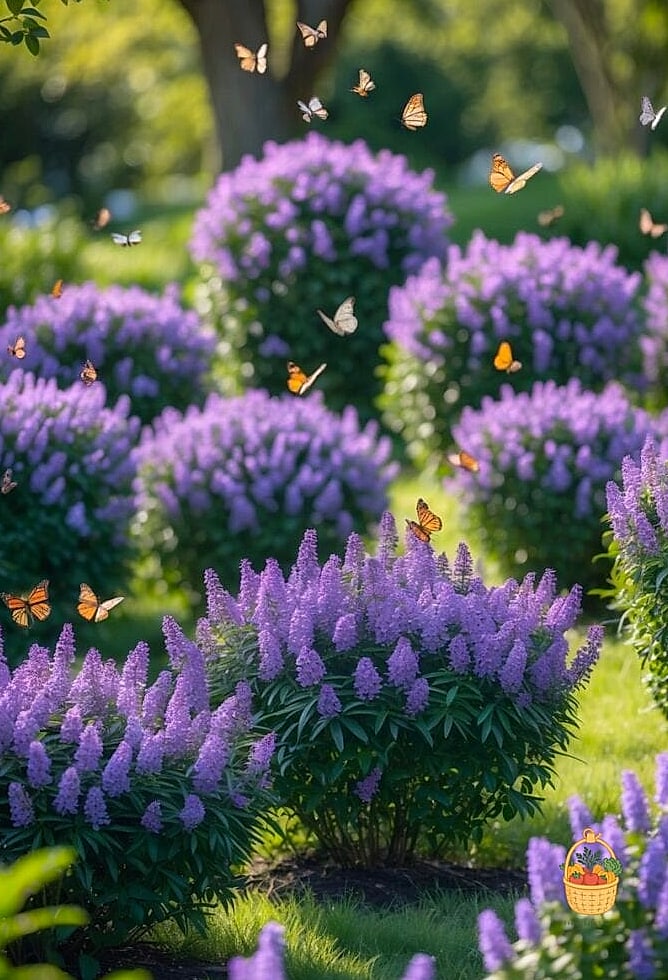
Butterfly bush earns its name honestly — plant one and you’ll have butterflies and bees all summer long, drawn to the long, fragrant flower spikes in purple, pink, or white. It’s one of the easiest pollinator-friendly shrubs to grow.
Full sun and well-draining soil are all it really asks for, and it’s remarkably drought tolerant once established. Hardy in zones 5 through 9, it’s a fast grower, often reaching 5 to 10 feet in a season.
Some areas flag it as invasive, so check local restrictions and consider deadheading spent blooms to limit self-seeding.
Juniper

Juniper rounds out this list as the ultimate low-maintenance evergreen, with varieties ranging from low spreading ground covers to upright columns, so there’s a shape for pretty much any front-yard layout. The blue-green or gold foliage adds texture year-round.
It demands full sun and, above all, well-draining soil — juniper hates wet feet more than almost anything. Hardy in zones 3 through 9, it’s slow to moderate growing and famously drought tolerant.
It’s deer resistant and rabbit resistant, and honestly about as close to a “plant it and forget it” shrub as you’ll find, which is probably why it keeps showing up in every low-maintenance front yard roundup on Pinterest.
Picking bushes for your front yard really comes down to matching the plant to your light, soil, and how much upkeep you actually want to commit to. Mix a few evergreens for year-round structure with a couple of flowering shrubs for seasonal color, and you’ll end up with a front yard that looks good in every month, not just the three when everything’s blooming at once.