27 Vegetables Herbs 5 Gallon Buckets That Will Transform Your Garden
27 Vegetables Herbs 5 Gallon Buckets That Will Transform Your Garden
If you’ve got a sunny patio, a cracked driveway, or a backyard with soil that fights you every step of the way, five gallon buckets might be the best gardening decision you never knew you needed. They’re cheap, portable, and forgiving. You can move them to chase sunlight, drag them indoors before a frost, or line them up along a fence and call it a garden. Below are 27 vegetables and herbs that genuinely thrive in bucket culture, along with what each one actually needs to succeed.
Tomatoes
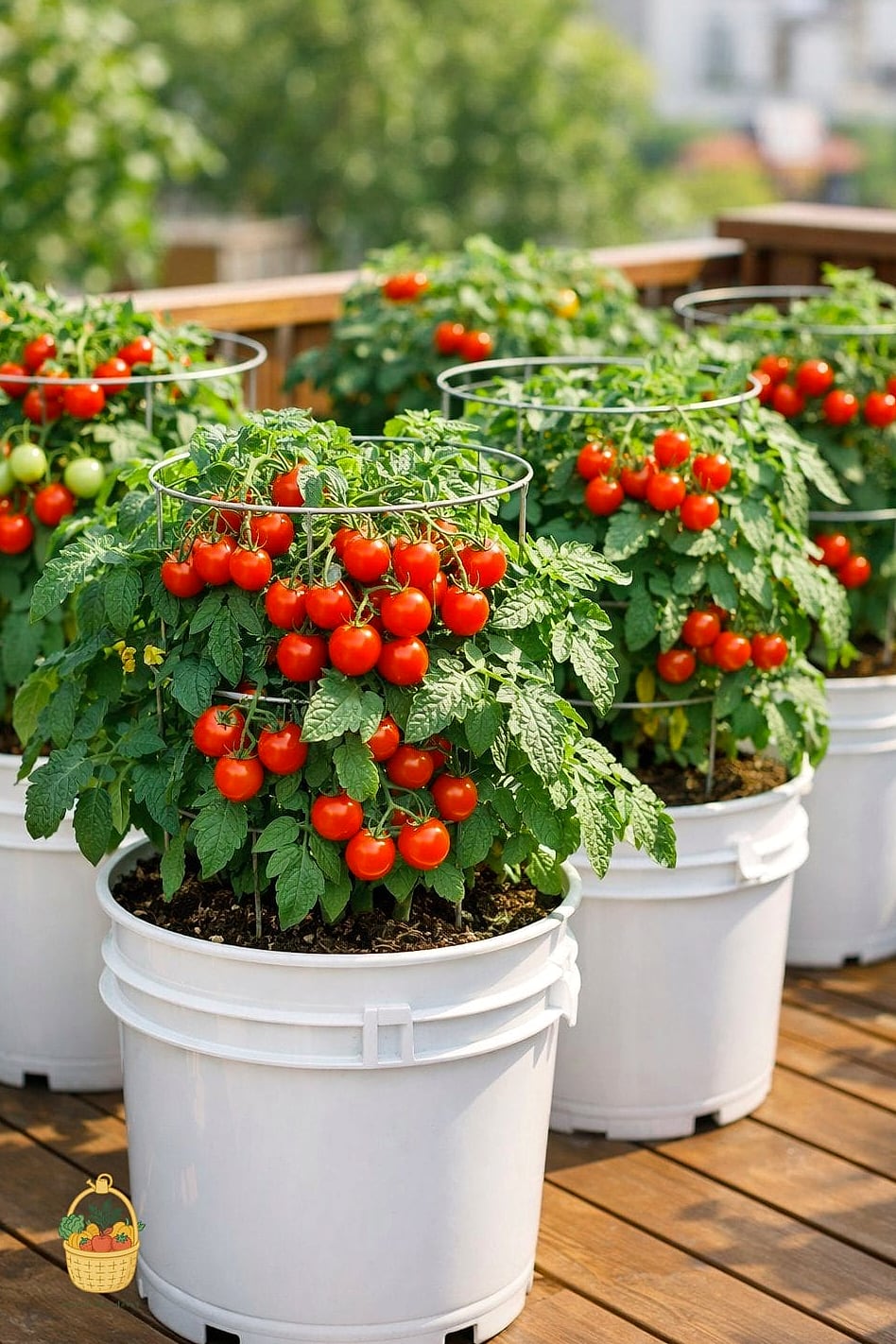
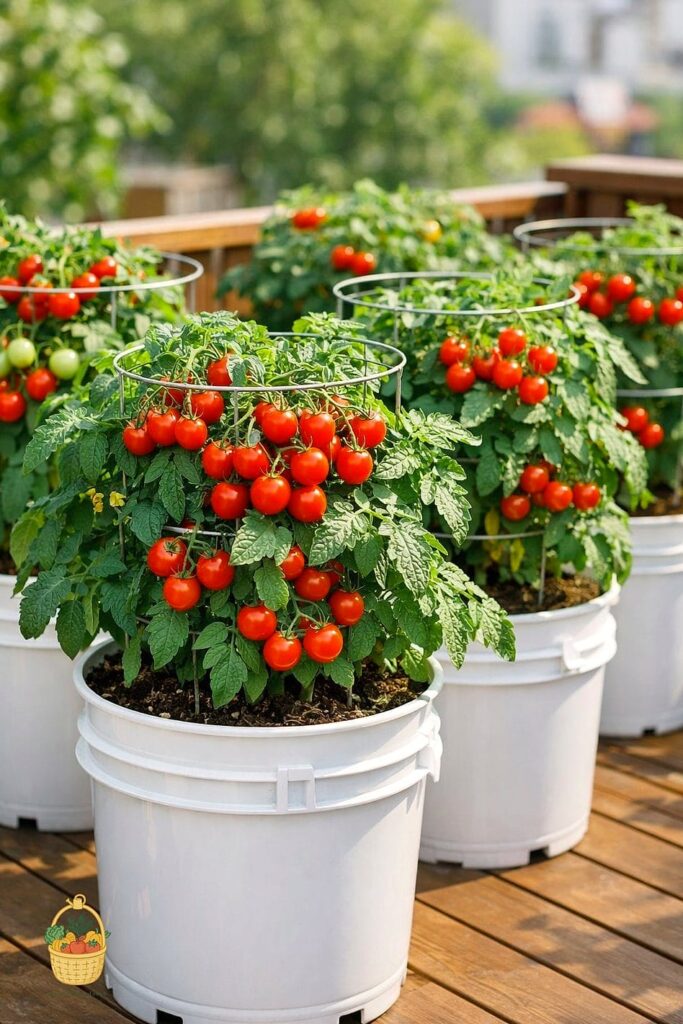
Tomatoes are the classic bucket crop, and for good reason. A single determinate variety like Patio or Bush Early Girl fits comfortably in one bucket with drainage holes drilled in the bottom. They want full sun, at least six hours daily, and consistent watering since buckets dry out faster than garden beds. Use a well-draining potting mix with compost worked in, and feed every couple weeks with a liquid fertilizer once flowering starts. Watch for yellowing lower leaves, which usually means it’s thirsty or hungry, not diseased.
Peppers

Both sweet and hot peppers do wonderfully in five gallon containers. They like heat, full sun, and soil that drains well but doesn’t dry out completely between waterings. One plant per bucket is plenty since pepper roots don’t need a ton of horizontal space. Slow-release fertilizer at planting time carries them a long way. Gardeners in cooler zones love buckets for peppers because you can shuffle them onto a warm patio when nights turn chilly.
Cucumbers
Cucumbers surprise a lot of people once they realize a bucket with a small trellis produces just as much as a garden row. Bush varieties like Bush Champion work best, but even vining types manage if you give them something to climb. They’re thirsty plants, so daily watering during hot stretches keeps them from turning bitter. Full sun and rich, compost-amended soil are non-negotiables here.
Zucchini
Zucchini in a bucket sounds almost comedic given how sprawling this plant usually gets, but a compact variety like Raven or Astia stays surprisingly tidy. One plant per five gallon bucket, full sun, and steady moisture will keep it productive all summer. Powdery mildew can show up in humid weather, so give it good airflow and avoid overhead watering late in the day.
Bush Beans
Bush beans are about as low-maintenance as vegetables get, which makes them a great pick for beginner container gardeners. Sow seeds directly into the bucket, keep soil moist until germination, then ease off slightly. They’re not heavy feeders, so light compost is usually enough. Full sun brings the best yields, though they’ll tolerate a few hours of afternoon shade.
Carrots
Carrots need depth more than width, and a five gallon bucket gives them just enough room to develop straight roots. Loose, sandy loam without rocks or clumps is essential, since compacted soil causes forked or stunted carrots. Keep the soil evenly moist while seedlings establish. This is one of those crops where patience pays off, since carrots grow slowly but reward you with a sweet harvest.
Radishes
If you want quick satisfaction, radishes are your answer. They mature in as little as three to four weeks and don’t mind a bit of crowding in a bucket. Full sun to partial shade works fine, and they prefer soil that stays consistently damp rather than soggy. This is a fun one to grow with kids since the payoff comes so fast.
Beets
Beets handle bucket life well because their roots stay compact while still producing tender greens you can eat too. They like loose soil free of stones, full sun, and steady moisture to prevent woody texture. Thinning seedlings early gives remaining plants room to bulb up properly. Few crops give you two harvests — root and greens — from one planting.
Lettuce
Lettuce is practically made for containers since its roots are shallow and its growing season is short. A bucket works especially well in partial shade during warmer months, since lettuce bolts quickly once temperatures climb. Keep the soil moist and harvest outer leaves continuously for a longer-lasting supply. This is an easy win for anyone nervous about their first container garden.
Spinach
Spinach prefers cooler weather and partial shade in warmer climates, making it a great spring or fall bucket crop. Rich soil with compost mixed in helps it grow quickly and stay tender. Keep an eye on aphids, which seem to love spinach more than any other green. Regular harvesting of outer leaves keeps the plant productive for weeks.
Swiss Chard
Chard is one of the most forgiving vegetables you can grow, tolerating heat, partial shade, and irregular watering better than most greens. Its colorful stems make it as ornamental as it is edible, so don’t be surprised if visitors mistake it for a flower. One or two plants per bucket is plenty given how large the leaves get. Slow-release fertilizer at planting keeps it producing steadily.
Kale
Kale thrives in five gallon buckets and actually improves in flavor after a light frost, which makes it a great fall container crop. Full sun to partial shade suits it well, and it’s fairly drought tolerant once established compared to other leafy greens. Watch for cabbage worms, which can shred leaves fast if left unchecked. Harvest outer leaves regularly rather than waiting for a single big cutting.
Green Onions
Green onions are almost embarrassingly easy in buckets, needing little more than moist soil and partial to full sun. You can even regrow them from kitchen scraps by placing root ends in soil. They don’t need much depth, so a bucket gives them more room than they’ll ever use. This is a great crop for renters who want fresh herbs without committing to a full garden.
Garlic
Garlic wants a long, cool growing season, so plant cloves in fall for a summer harvest. Well-draining soil is critical since sitting in wet soil causes bulb rot quickly. Full sun and minimal fussing are really all it asks for. One bucket can hold several cloves spaced a few inches apart, giving you a surprisingly good yield from a small footprint.
Potatoes
Potatoes in buckets have become something of a gardening trend, and honestly, it works better than people expect. Start with a few inches of soil, plant seed potatoes, then keep adding soil as vines grow, a method called hilling. Full sun and consistent moisture keep tubers developing well. Harvesting is oddly satisfying since you basically dump the bucket and dig through soil like a treasure hunt.
Eggplant
Eggplant loves heat and full sun, making it a natural fit for a dark plastic bucket that warms soil quickly. One plant per container gives roots enough room to support the plant’s heavier fruit. Consistent watering prevents bitterness, and a stake or small cage helps support branches once fruit sets. Flea beetles can be a nuisance, so keep an eye on new leaves early in the season.
Basil
Basil practically begs to be grown in containers, and buckets give it plenty of room to bush out. Full sun, well-draining soil, and regular pinching of flower buds keep it productive all summer. It pairs beautifully with tomatoes, both in the kitchen and in companion planting theory, since some gardeners believe it helps repel certain pests. This is one herb where more harvesting genuinely means more growth.
Rosemary
Rosemary is a Mediterranean herb that actually prefers to be slightly neglected, making it perfect for gardeners who forget to water sometimes. It wants full sun, sandy or gritty well-draining soil, and minimal fertilizer. Overwatering is the fastest way to kill it through root rot. In colder zones, growing it in a bucket means you can bring it indoors before frost hits.
Thyme
Thyme is drought tolerant, low-growing, and happy in the same gritty, fast-draining soil that rosemary prefers. Full sun brings out its strongest flavor, while too much moisture leads to root problems. It’s a slow spreader in a bucket, staying tidy rather than sprawling everywhere. Bees adore thyme flowers, so leave a few blooms if you enjoy pollinator activity nearby.
Oregano
Oregano is a vigorous grower that can take over garden beds, which makes a bucket the smarter choice if you want to keep it contained. Full sun and well-draining soil suit it best, and it actually develops more intense flavor when slightly stressed by dry conditions. This is a low-maintenance herb that keeps coming back season after season in the right climate.
Mint
Mint is famously invasive in open ground, spreading through underground runners that are nearly impossible to fully remove once established. A bucket solves this problem entirely by containing its roots. It tolerates partial shade better than most herbs and likes consistently moist soil. If you’ve ever hesitated to plant mint because of horror stories from other gardeners, this is your loophole.
Cilantro
Cilantro grows fast and bolts even faster, especially in hot weather, so partial shade during summer extends its usable life. Consistent moisture and rich soil keep leaves tender rather than bitter. Because it goes to seed quickly, many gardeners succession plant a new bucket every few weeks for a steady supply. Once it flowers, let it go to seed and you’ll have coriander as a bonus.
Parsley
Parsley is a biennial herb that handles partial shade and full sun equally well, making it flexible for different bucket placements. It prefers evenly moist, rich soil and rewards regular harvesting with fresh new growth. This is one of those herbs that looks unassuming but shows up in more recipes than almost anything else you’ll grow. It also attracts beneficial insects when allowed to flower in its second year.
Chives
Chives are perennial in many zones, meaning a single bucket planting can come back year after year with almost no effort. They prefer full sun and soil that drains well but stays lightly moist. Their purple flowers are edible and attract pollinators, which is a nice bonus for a strictly utilitarian herb. Dividing clumps every couple years keeps them vigorous.
Sage
Sage shares rosemary’s preference for gritty, well-draining soil and minimal water once established. Full sun brings out its strongest aroma, and it actually dislikes rich, heavily fertilized soil. This is a slow-growing herb, so patience is part of the deal. Its woody stems and silvery leaves make it attractive enough to double as an ornamental accent among your buckets.
Dill
Dill grows tall and a bit floppy, so a bucket with some wind protection helps keep it upright. Full sun and consistently moist soil support strong, feathery growth. It’s a favorite host plant for swallowtail butterfly caterpillars, so don’t panic if you find some munching on it. Let a few plants flower and self-seed if you want dill returning on its own next season.
Lemongrass
Lemongrass is a tropical grass that loves heat, full sun, and a deep five gallon bucket to accommodate its clumping growth habit. It’s not frost hardy, so container growing lets you bring it indoors before cold weather hits in most zones. Regular watering and occasional feeding keep stalks thick and flavorful. This is a fun, slightly unexpected herb for anyone who cooks Thai or Vietnamese food regularly.
Stevia
Stevia is a less common bucket herb, but it grows well in full sun to partial shade with evenly moist, well-draining soil. It’s frost sensitive, so container growing is really the only practical option outside tropical zones. Pinching growth tips encourages bushier plants and more leaves for harvesting. It’s a fun conversation starter, and homegrown stevia leaves genuinely taste sweet enough to sample straight off the plant.
Getting Started
Whatever combination you choose from this list of 27 vegetables herbs 5 gallon buckets, the basics stay consistent: drill drainage holes, use quality potting mix rather than garden soil, and match sun exposure to what each plant actually needs. Buckets forgive a lot of mistakes, but they punish neglectful watering faster than in-ground beds do. Start with a handful of these, see what thrives in your specific spot, and expand from there. Container gardening has a way of turning even a small concrete patio into something worth showing off.