23 Leggy Pothos Causes What To Do That Will Transform Your Garden
- Not Enough Light
- Too Much Direct Sun
- Skipping Pruning Entirely
- Old, Neglected Growth
- Nutrient Deficiency
- Overfertilizing
- Compacted or Depleted Soil
- Rootbound Conditions
- Inconsistent Watering
- Chronic Underwatering
- Overwatering and Root Rot
- Low Humidity
- Temperature Stress
- Wrong Pot Size
- Natural Vining Growth Habit
- Lack of Support or Structure
- Seasonal Slowdown
- Pest Infestations
- Poor Air Circulation
- Propagating From a Leggy Cutting
- Not Rotating the Plant
- Using the Wrong Fertilizer Ratio
- Skipping Repotting for Too Long
23 Leggy Pothos Causes What To Do That Will Transform Your Garden
If your pothos has turned into a sad, sparse vine with yards of bare stem and a few leaves clinging to the very end, you’re not alone. Legginess is probably the most common complaint I hear from pothos owners, and the good news is it’s almost always fixable. Below are 23 real reasons your pothos gets leggy, along with what actually works to bring it back to that lush, trailing look everyone wants.
Not Enough Light

Pothos is famous for tolerating low light, but tolerating isn’t the same as thriving. When light is too dim, the vine stretches toward the nearest window searching for more, leaving long gaps between leaves. Move it closer to a bright spot with indirect light, or add a grow light on a timer for consistent results.
Too Much Direct Sun

Oddly enough, harsh direct sun can also cause stretching as the plant tries to escape scorching rays while leaves shrink defensively. Bright, indirect light is the sweet spot. If your window gets intense afternoon sun, sheer curtains solve this instantly.
Skipping Pruning Entirely
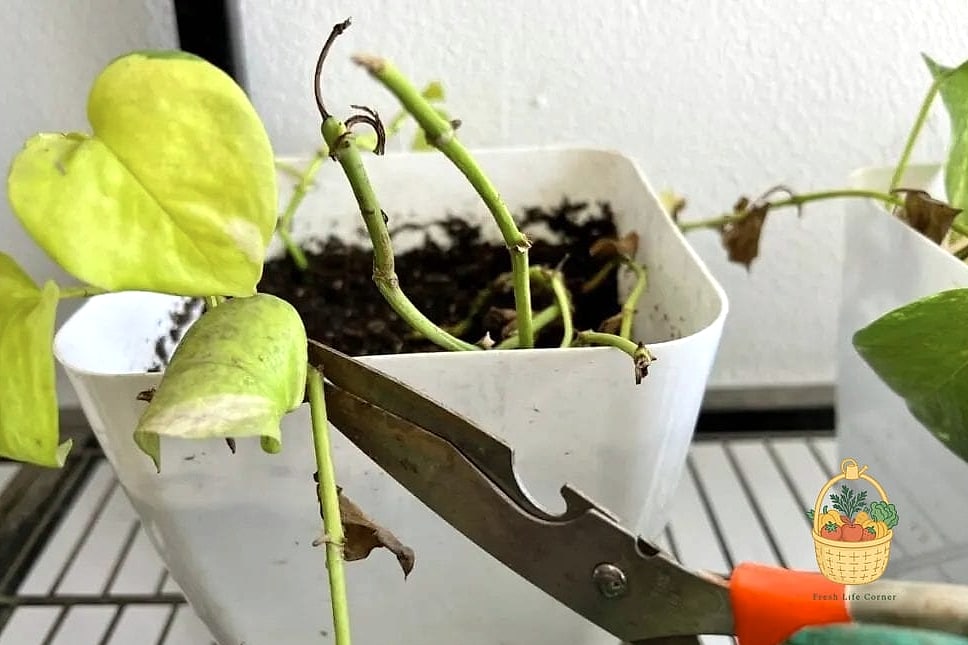
Pothos naturally wants to vine and vine, and without occasional trims it just keeps extending instead of branching out. Regular pruning with clean pruning shears encourages fuller, bushier growth from the base. Think of it as a haircut that pays you back in volume.
Old, Neglected Growth
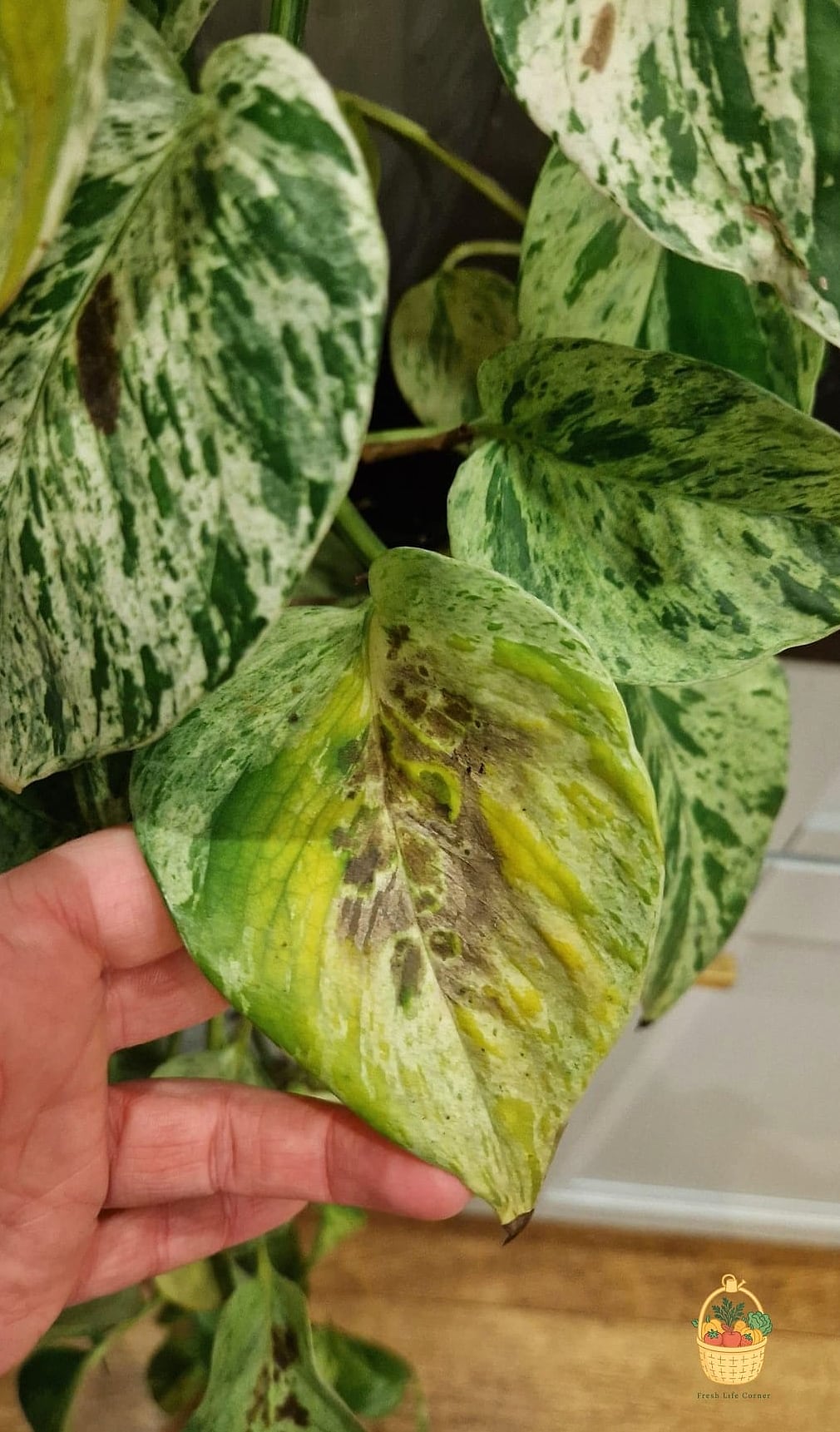
A pothos that’s been sitting in the same pot for years without any attention often develops long, woody, leggy sections near the base. These older stems rarely produce new leaves on their own. Cutting them back hard in spring gives the plant a fresh start.
Nutrient Deficiency
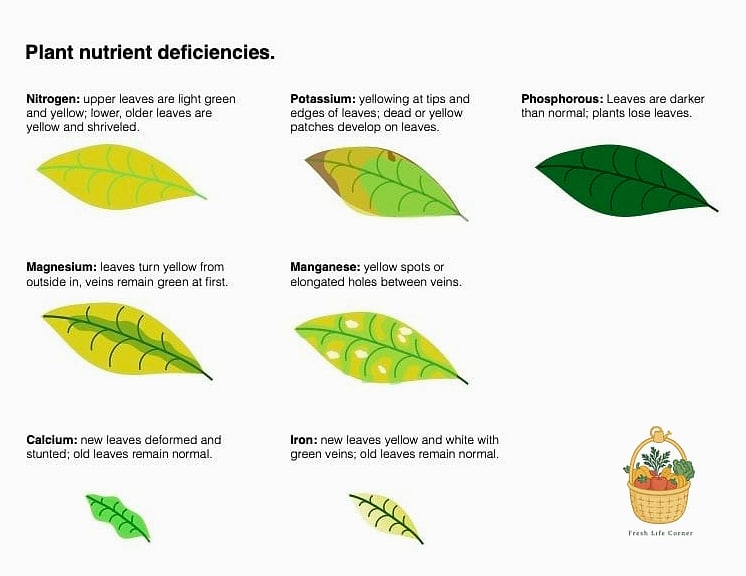
A pothos running low on nutrients puts energy into survival, not fullness, which often shows up as sparse, stretched growth. A balanced liquid fertilizer during spring and summer, diluted to half strength, keeps growth steady without shocking the roots.
Overfertilizing
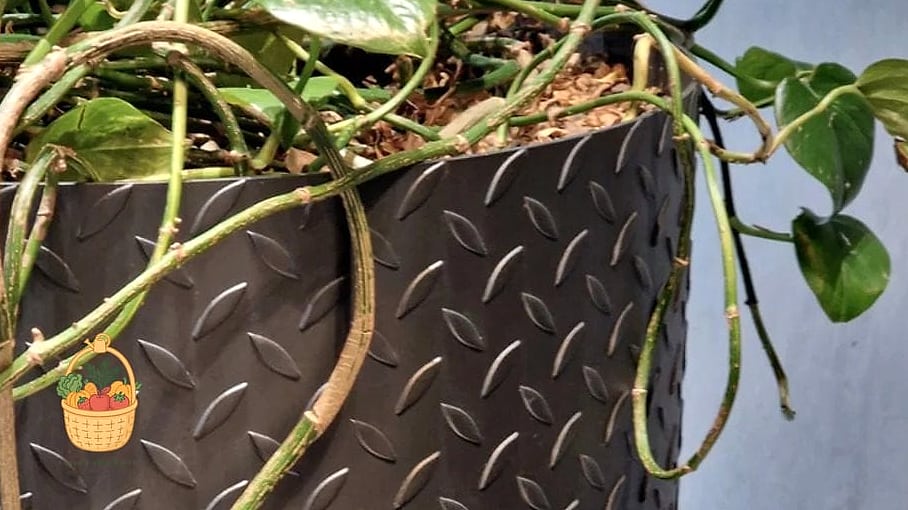
On the flip side, too much fertilizer, especially high-nitrogen formulas, can push rapid vine growth at the expense of leaf density. Stick to a slow-release fertilizer or feed monthly rather than weekly, and always follow label dilution rates.
Compacted or Depleted Soil
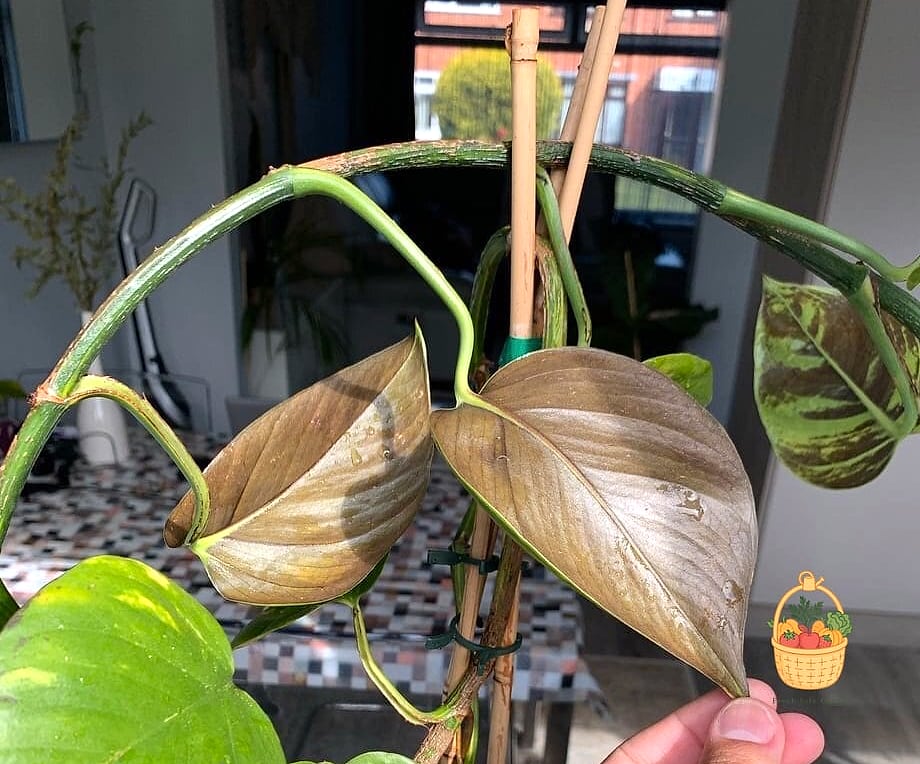
Old potting mix loses structure and nutrients over time, leaving roots struggling in dense, compacted soil. A fresh well-draining soil mix with perlite and compost gives roots room to breathe and access nutrients again.
Rootbound Conditions
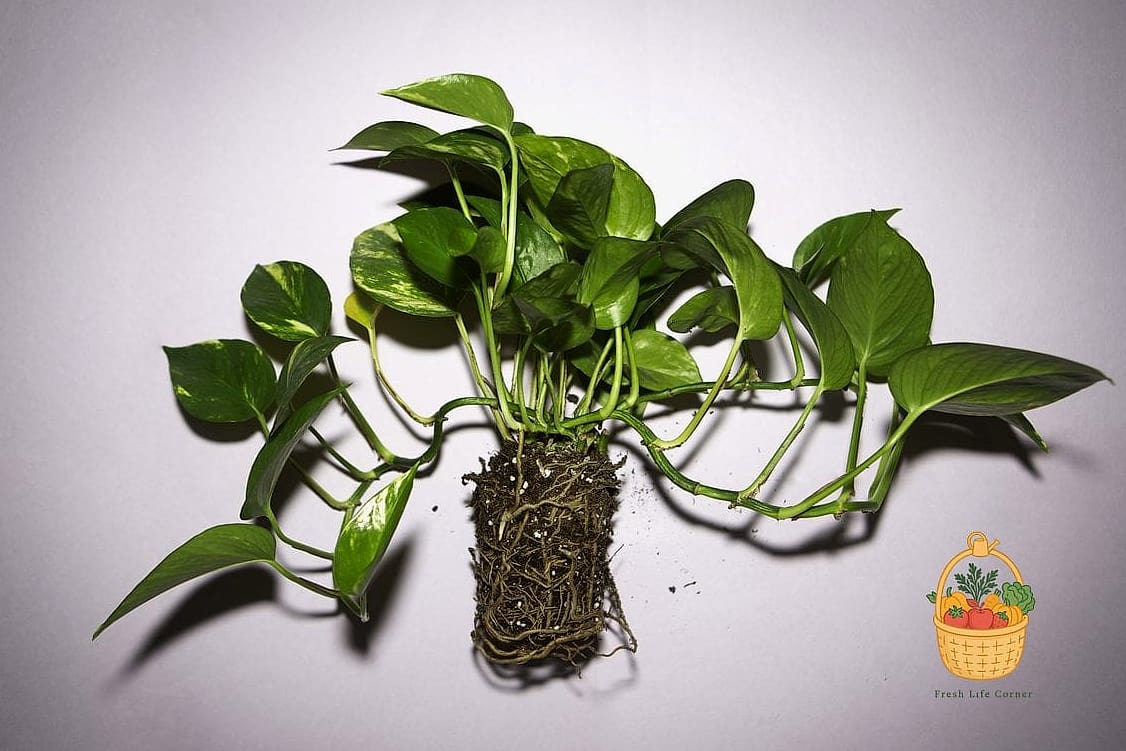
When roots fill every inch of the pot, the plant can’t take up enough water or nutrients to support full, bushy growth. Check the drainage holes — if roots are circling tightly, it’s time to repot into a container one size up.
Inconsistent Watering
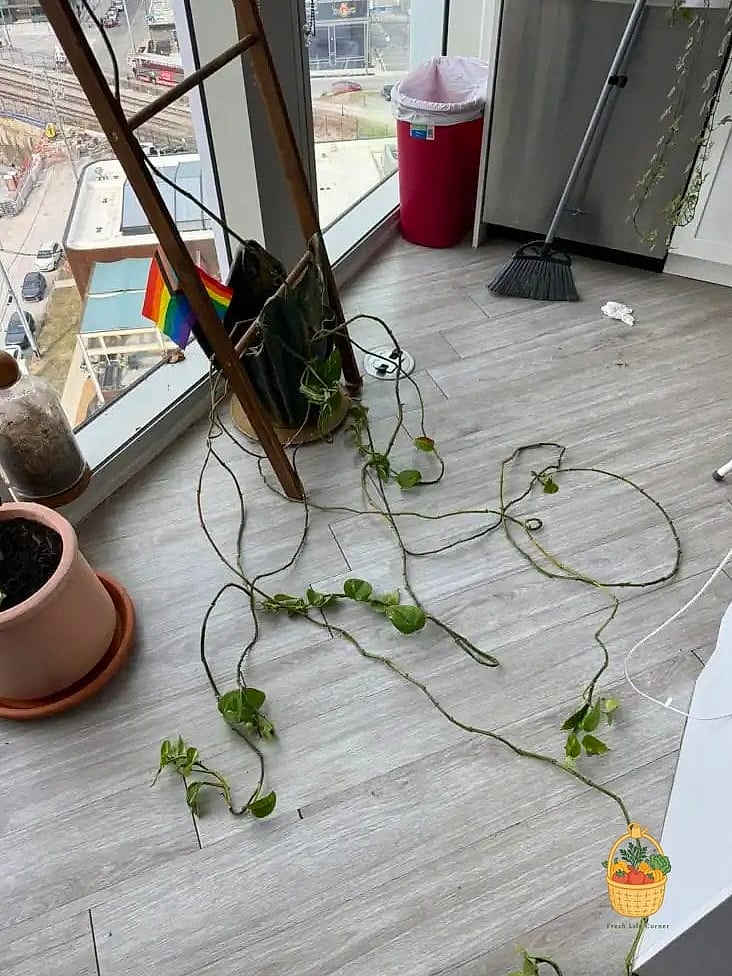
Wildly swinging between bone-dry and soggy soil stresses pothos and often triggers leggy, sparse growth as a survival response. Aim for a consistent rhythm, watering thoroughly when the top two inches of soil feel dry.
Chronic Underwatering
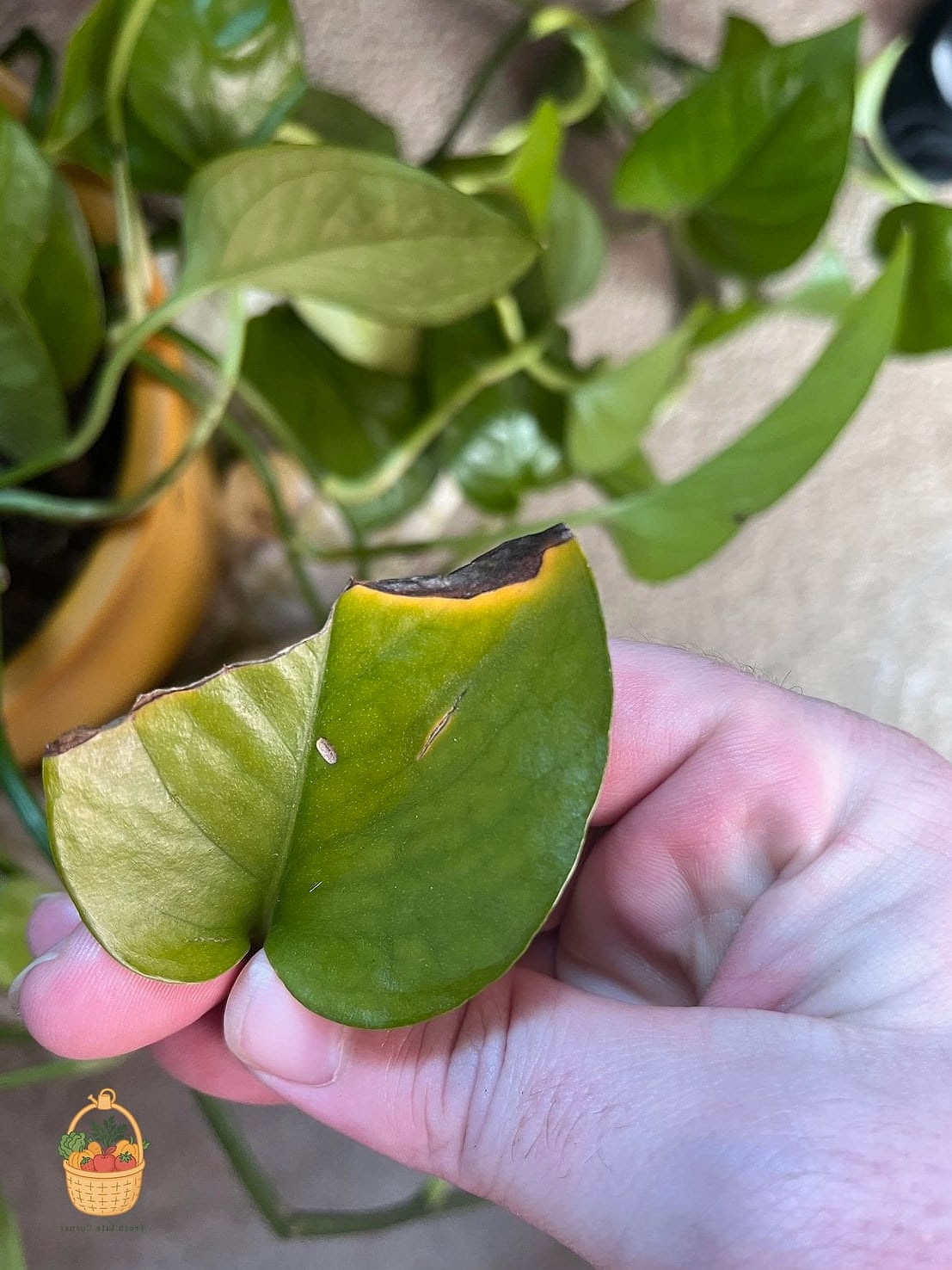
A pothos that’s constantly thirsty will drop lower leaves and focus energy on the newest growth tip, leaving long bare stems behind. A moisture meter or simply sticking a finger in the soil takes the guesswork out of watering schedules.
Overwatering and Root Rot
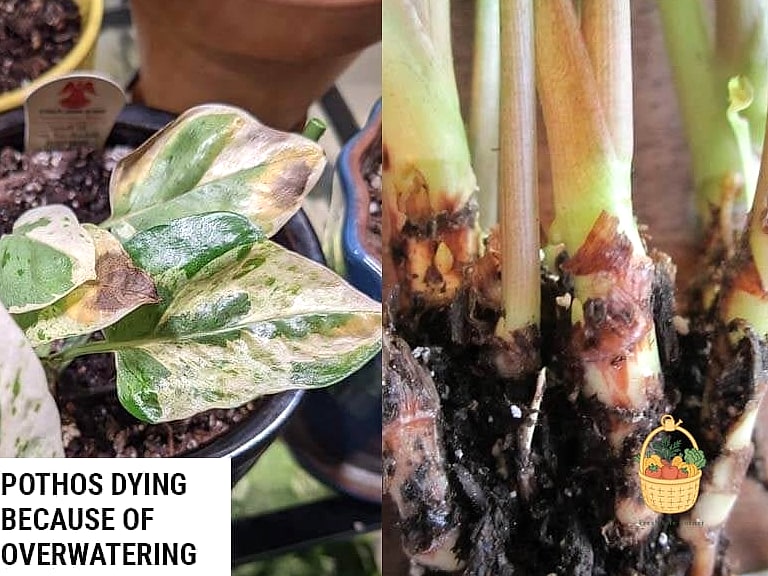
Root rot from soggy soil damages the roots’ ability to support healthy foliage, and legginess is often an early warning sign before things get worse. Always use pots with drainage holes and let soil dry between waterings.
Low Humidity
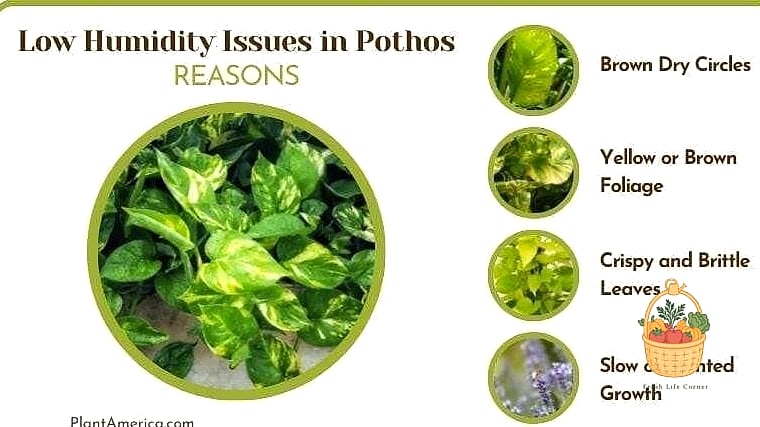
Pothos handles average home humidity fine, but very dry air, especially near heating vents, can cause smaller leaves and stretched internodes. A pebble tray or occasional misting helps, though honestly this is rarely the main culprit.
Temperature Stress
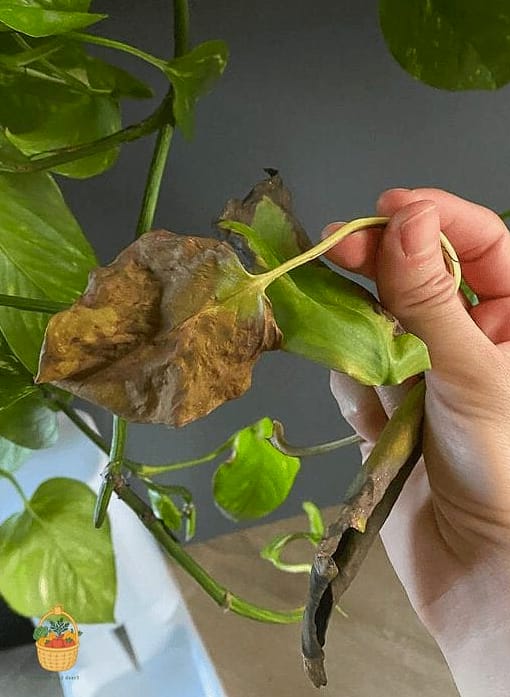
Cold drafts near windows or doors in winter slow leaf production while the vine keeps extending, leaving it leggy and thin. Keep pothos away from drafty spots and aim for temperatures between 65 and 85 degrees Fahrenheit.
Wrong Pot Size
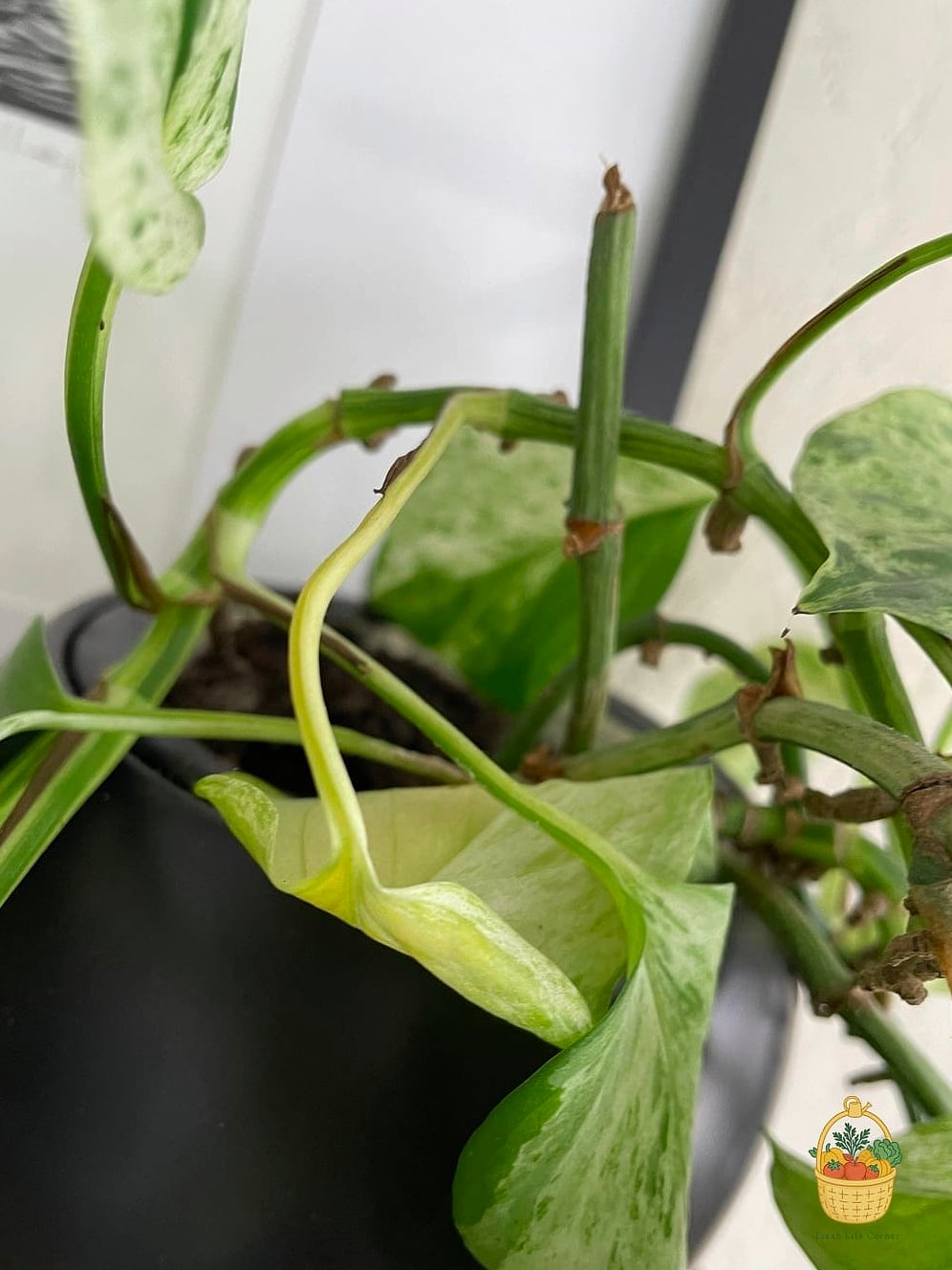
A pot that’s too large holds excess moisture around roots that haven’t filled it yet, which can stall healthy leaf development while stems keep growing. Match pot size to root mass, sizing up gradually rather than jumping several sizes at once.
Natural Vining Growth Habit

Sometimes legginess isn’t a problem at all — it’s just what pothos does as a naturally trailing, vining plant. If you love the cascading look, this is fine as is, but a light trim every few months keeps it from looking sparse.
Lack of Support or Structure

A pothos left to sprawl without a trellis or moss pole often grows long and thin because it has nothing to climb. Adding a support encourages the plant to produce larger, more mature leaves closer together along the stem.
Seasonal Slowdown
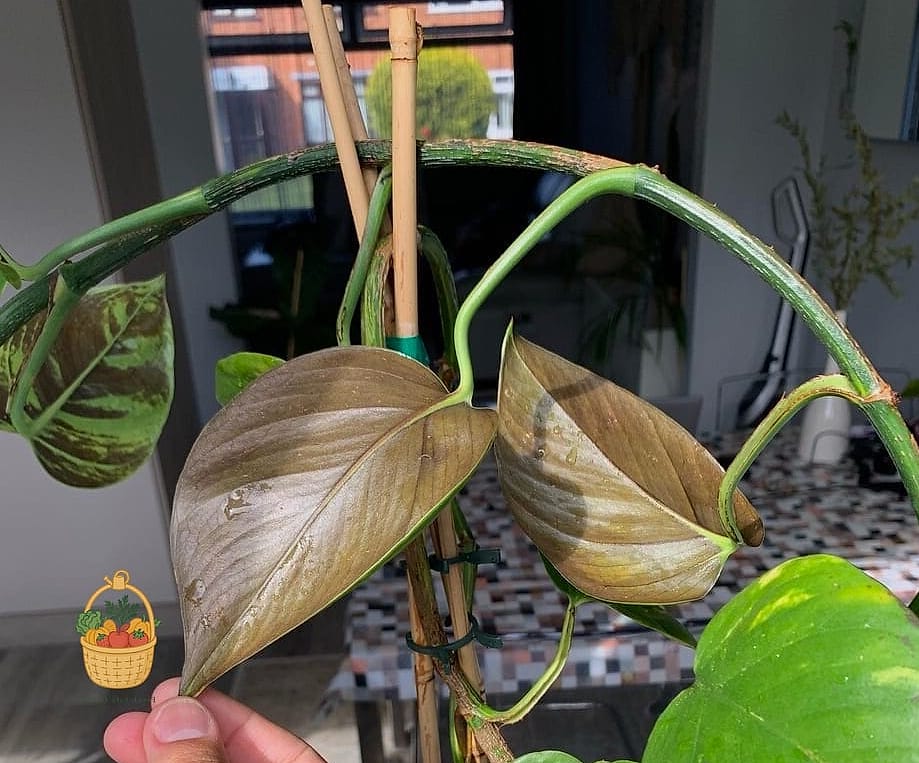
During fall and winter, shorter days naturally slow growth, and any new growth that does appear can look stretched and sparse compared to summer’s lushness. This is completely normal — ease off fertilizing and let the plant rest.
Pest Infestations
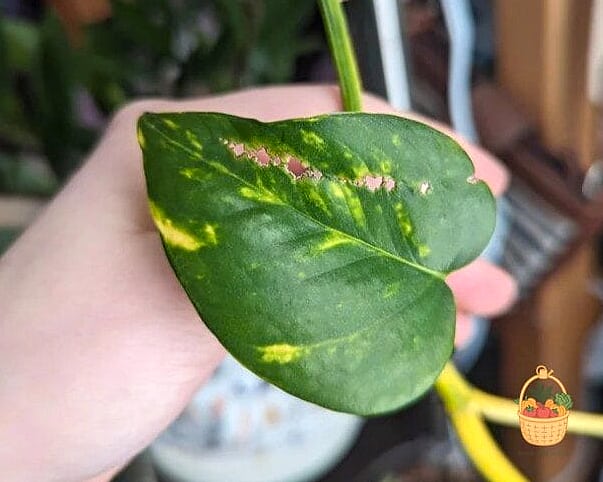
Spider mites, mealybugs, and aphids drain energy from the plant, weakening leaf production while stems continue lengthening. Inspect regularly and treat early with insecticidal soap or a neem oil solution before infestations spread.
Poor Air Circulation
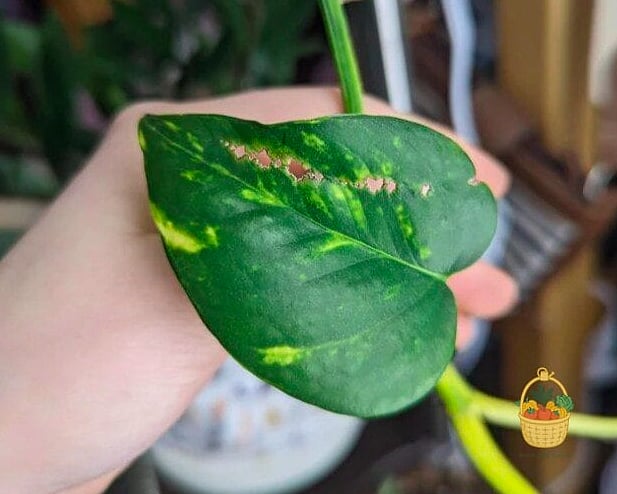
Stagnant air around houseplants can encourage leggy, weak growth and make pests more likely to take hold. A small fan nearby or simply opening a window occasionally strengthens stems and supports fuller growth.
Propagating From a Leggy Cutting

If your original pothos started from a stretched-out cutting, that leggy structure was baked in from day one rather than caused by care issues. Take fresh cuttings from healthy, bushier sections and propagate those instead for better results going forward.
Not Rotating the Plant

A pothos left facing the same direction toward a light source will grow lopsided and leggy on the shaded side. Give the pot a quarter turn every week or two so growth stays even all around.
Using the Wrong Fertilizer Ratio
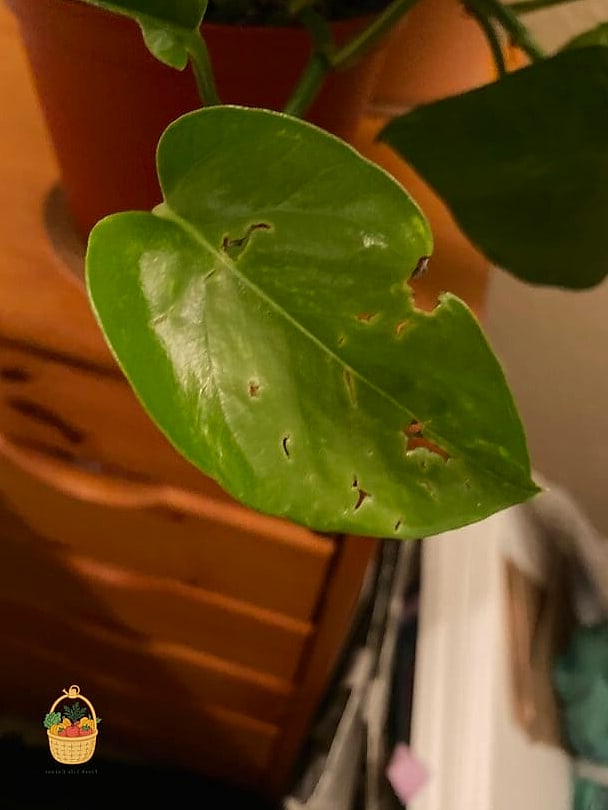
A fertilizer too heavy in nitrogen relative to phosphorus and potassium pushes vine length over leaf fullness. Look for a balanced formula, ideally something close to a 3-1-2 or similar ratio, made for foliage houseplants.
Skipping Repotting for Too Long
Beyond just being rootbound, old soil in a pot that hasn’t been refreshed in years loses its nutrient content and drainage quality together. Repotting every one to two years with fresh soil resets growing conditions and supports denser new growth.
Bringing a leggy pothos back to fullness really comes down to a few consistent habits: better light, regular pruning, fresh soil, and steady watering. None of these fixes are complicated, and most gardeners see new, closer-spaced leaves within a few weeks of adjusting even one or two factors. Pothos is forgiving by nature, which is exactly why it’s such a rewarding plant to work with — a little attention goes a long way toward transforming a sparse vine into the full, trailing beauty it’s meant to be.