20 Fragrant Roses That Will Transform Your Garden
20 Fragrant Roses That Will Transform Your Garden
There’s a reason people stop mid-walk when they catch a whiff of a rose in full bloom. It’s not just pretty flowers doing the work — it’s scent memory, pure and simple. If you’ve ever grown roses that look gorgeous but smell like absolutely nothing, you know the disappointment. This list fixes that problem. These are 20 fragrant roses that will transform your garden from a visual display into a full sensory experience, whether you’re working with a small patio, a cottage-style border, or a proper rose bed.
A quick note before we dive in: fragrance intensity in roses can shift with weather, humidity, and time of day (mornings and evenings tend to be strongest). So don’t panic if a rose smells faint on a hot, dry afternoon — give it a cooler moment and it’ll usually show off.
Mister Lincoln
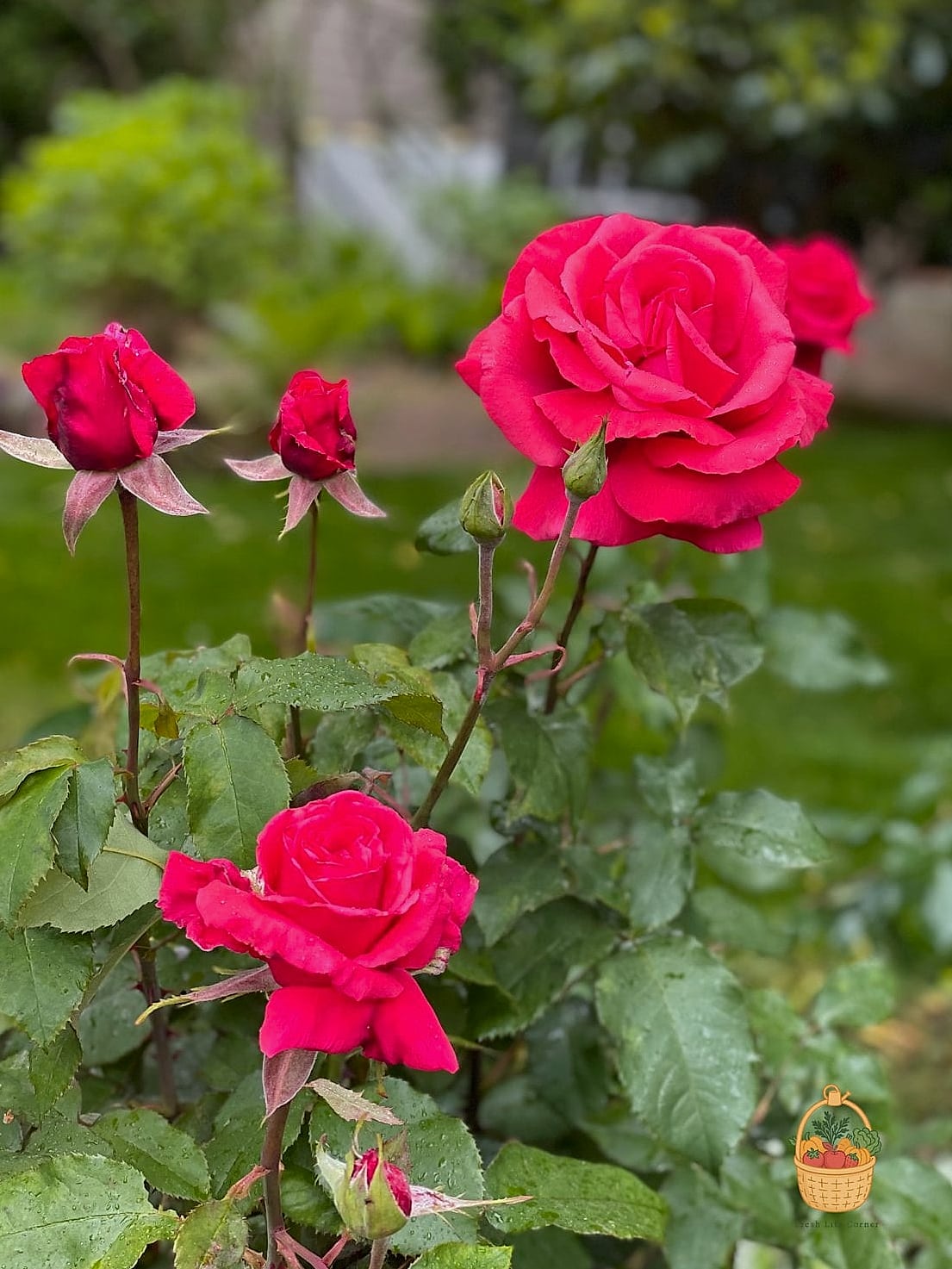
This deep red hybrid tea is the classic “rose garden” rose, and for good reason. The scent is rich, spicy, and unmistakably rose — the kind that fills a whole patio on a warm evening. It grows upright to about 5-6 feet, does best in full sun, and prefers well-draining, slightly acidic soil. Zones 5-9 suit it well. It’s a moderate-effort rose, appreciated by experienced growers who don’t mind regular deadheading and feeding with a slow-release rose fertilizer through the growing season.
Double Delight
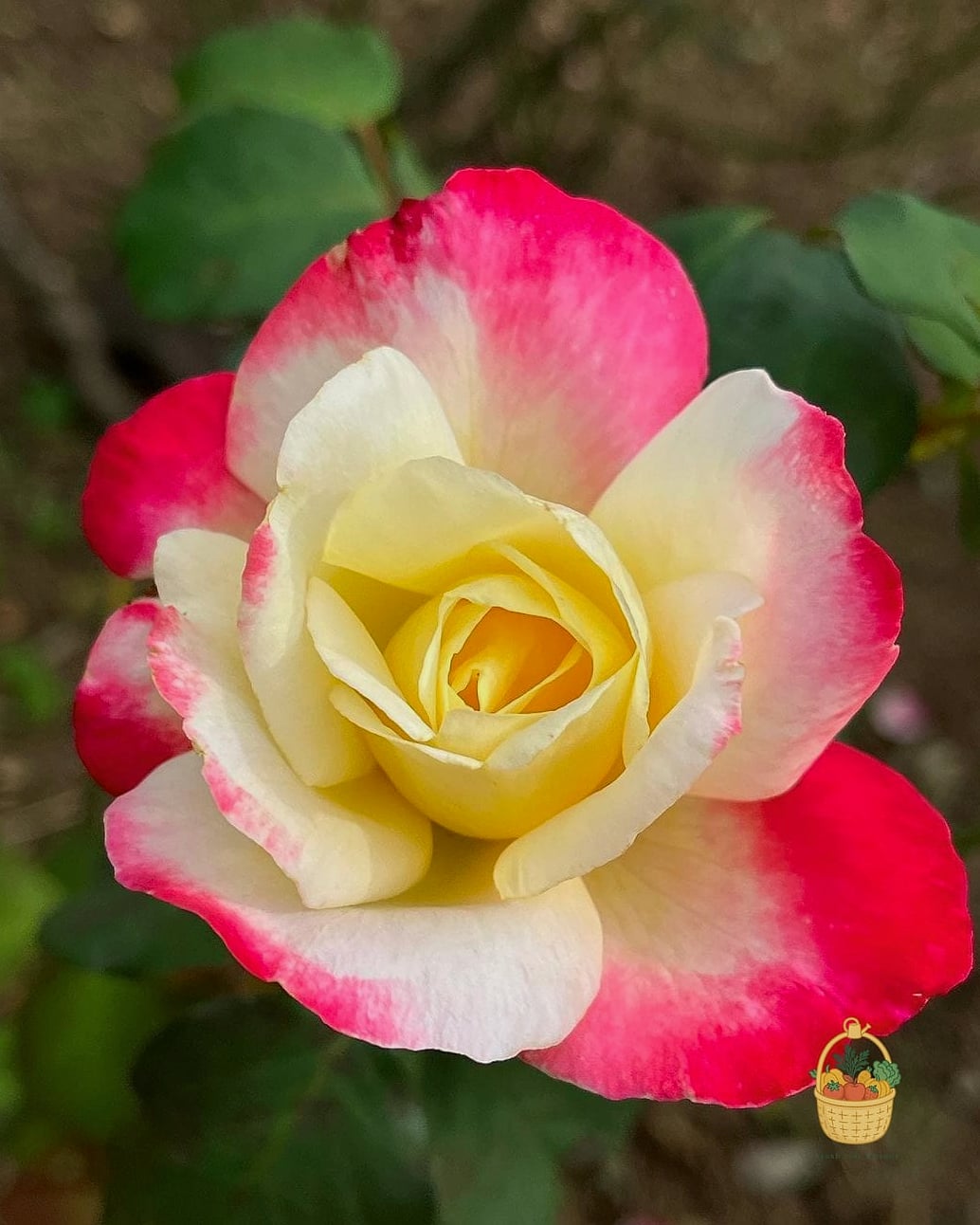
Double Delight earns its name with cream-colored petals edged in raspberry red, and a fragrance that’s often described as spicy-sweet with citrus undertones. It’s a hybrid tea that reaches around 4-5 feet tall, loves full sun, and benefits from consistent watering rather than deep soaking sessions. Gardeners love it for cutting gardens since the color contrast and scent both hold up well in a vase. It’s somewhat prone to blackspot in humid climates, so good air circulation matters.
Munstead Wood
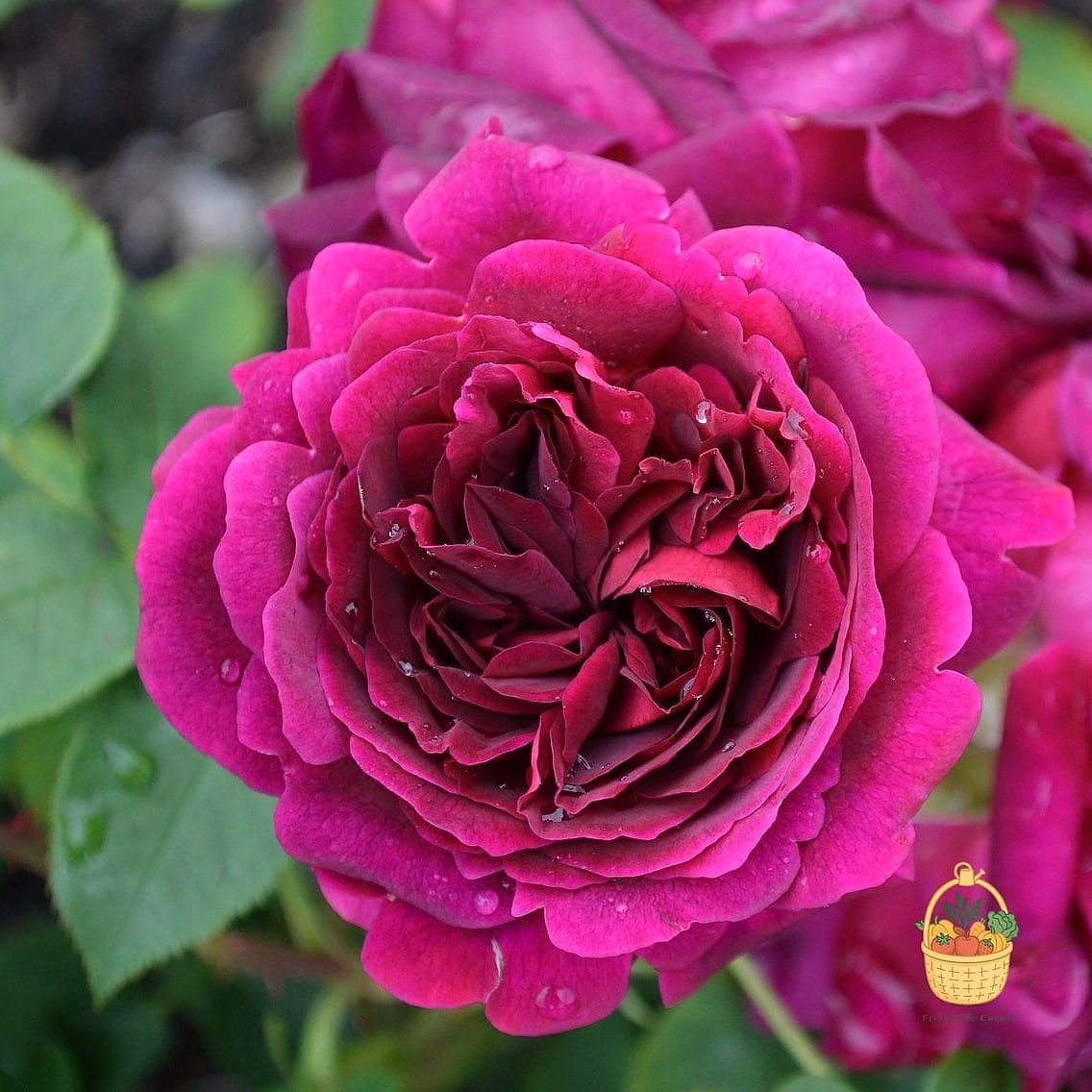
An English shrub rose bred by David Austin, Munstead Wood has velvety, deep crimson blooms and one of the most intoxicating scents in the rose world — think old-world rose mixed with blackberry and a touch of fruit. It stays fairly compact at 3-4 feet, making it a great fit for smaller gardens or large containers. Full sun to light afternoon shade works fine. This one rewards patience; it’s not the fastest grower, but the payoff in fragrance is hard to beat.
Gertrude Jekyll
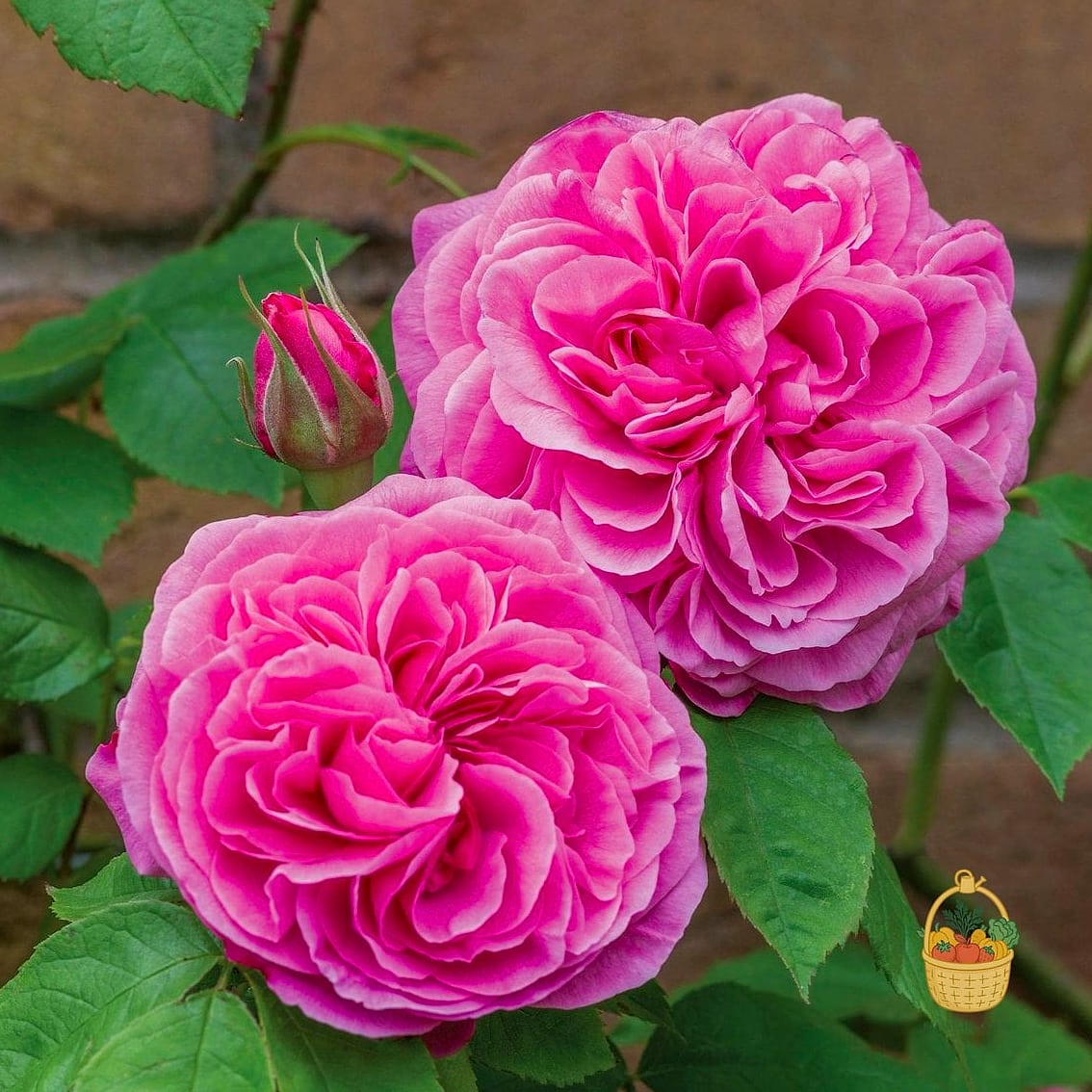
Named after the famous garden designer, this David Austin rose produces large, rosette-shaped pink blooms with what many consider the strongest old rose fragrance available today. It can be grown as a shrub or trained as a short climber, reaching 4-8 feet depending on pruning. It prefers rich, well-draining soil and regular compost feeding. Deer tend to leave it alone, which is a nice bonus if you garden in an area with wildlife pressure.
Fragrant Cloud
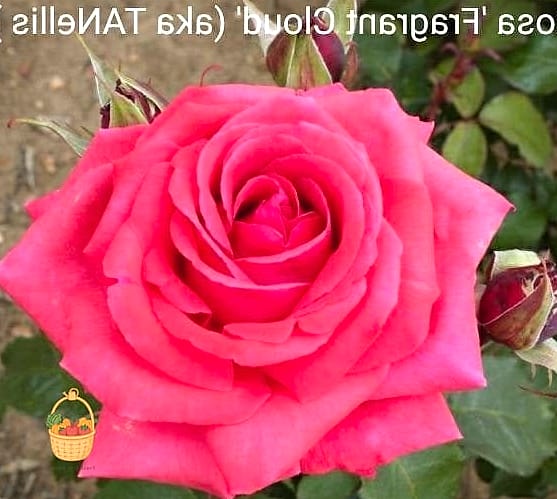
The name isn’t marketing fluff — this coral-red hybrid tea genuinely lives up to it. The scent is heavy, sweet, and carries surprisingly far on a still day. It grows to about 4 feet, wants full sun, and does best with consistent moisture rather than drought conditions. It’s a favorite among gardeners who want maximum scent payoff without needing a huge planting area. Watch for aphids in spring; a strong hose spray or insecticidal soap usually handles them.
Chrysler Imperial
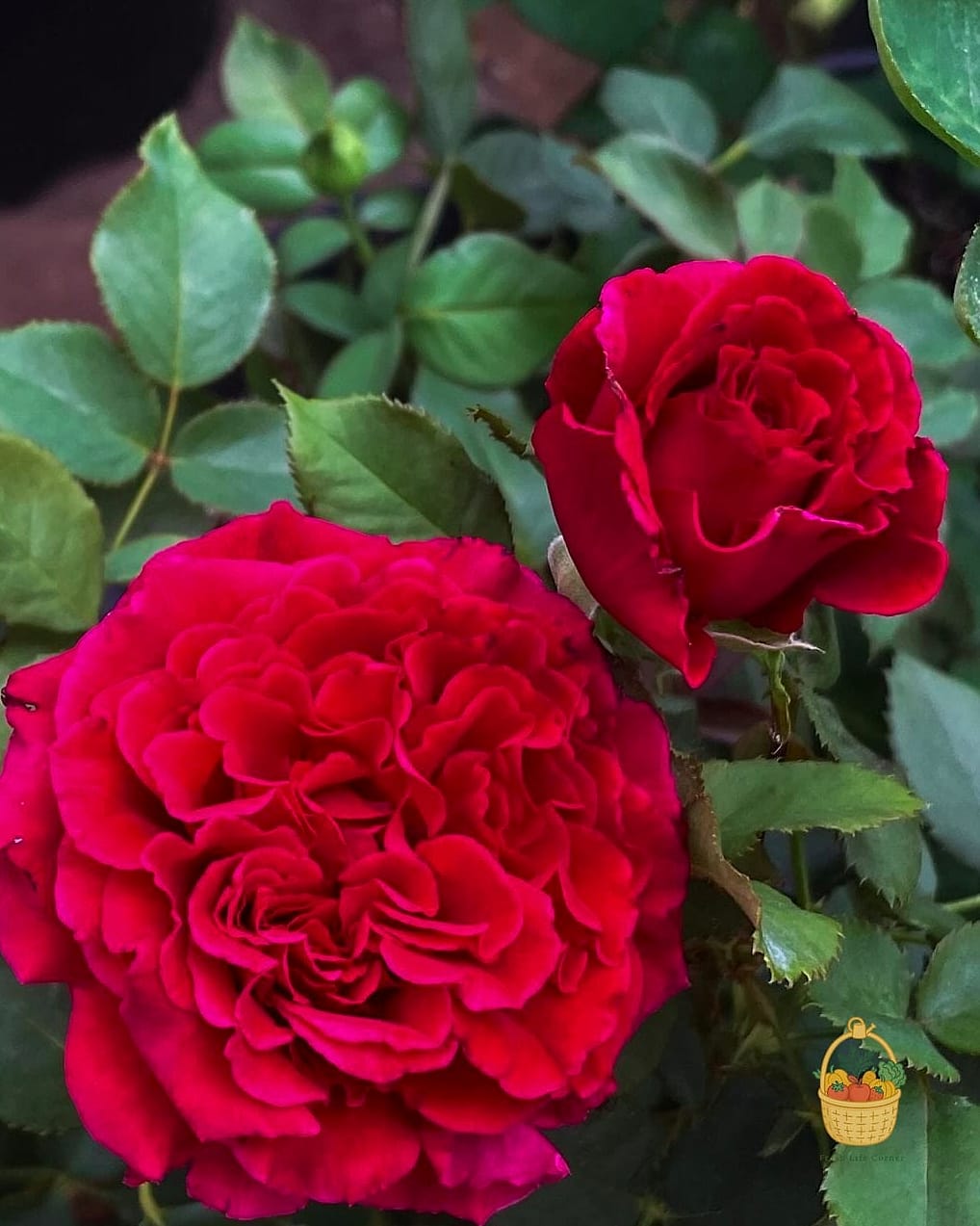
A deep velvety red hybrid tea with a classic, strong damask fragrance, Chrysler Imperial has been a favorite since the 1950s and it hasn’t lost its charm. It reaches 4-5 feet, thrives in full sun, and prefers slightly acidic, well-draining soil. It’s a bit more disease-prone than newer varieties, so gardeners in humid regions should keep an eye out for powdery mildew and space plants well for airflow.
Souvenir de la Malmaison
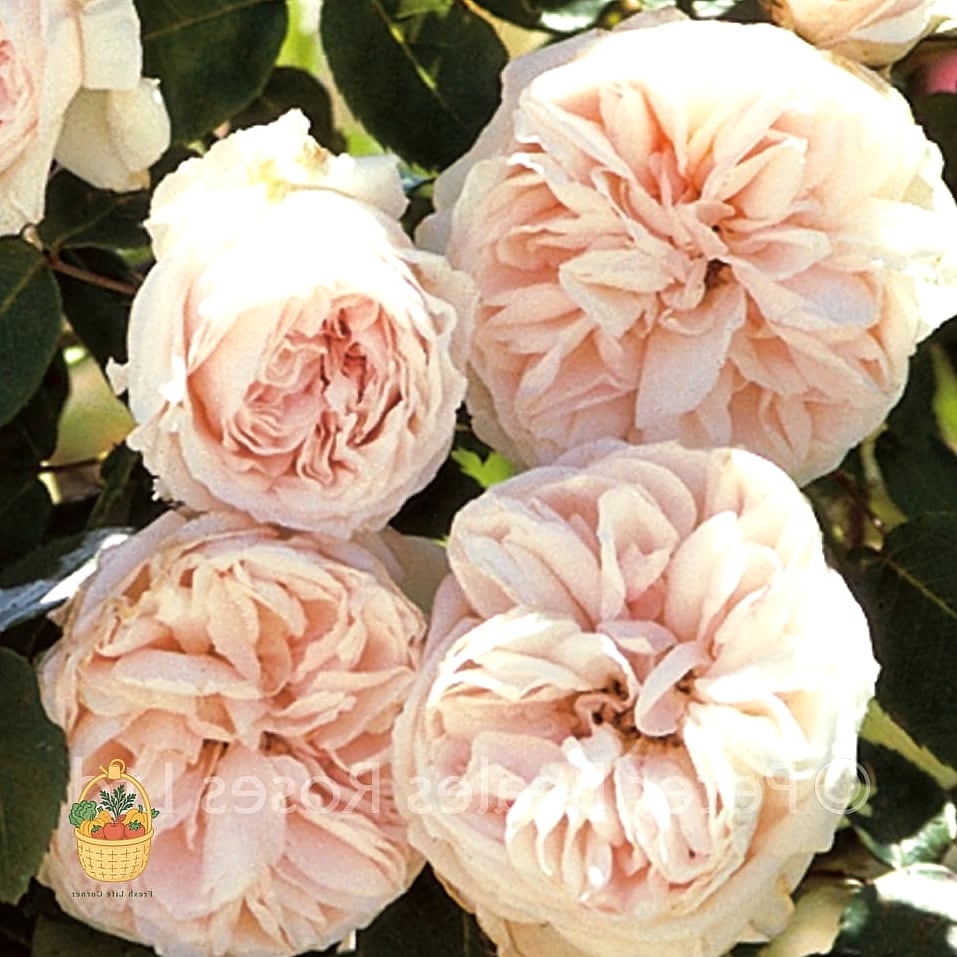
This antique Bourbon rose has pale pink, quartered blooms and a soft, myrrh-like fragrance that feels genuinely old-fashioned. It grows as a compact shrub, around 3-4 feet, and tolerates partial shade better than most roses on this list. Well-draining soil with added compost keeps it happy. It’s a lovely pick for gardeners who want that heirloom cottage-garden look without a huge footprint.
Sheila’s Perfume
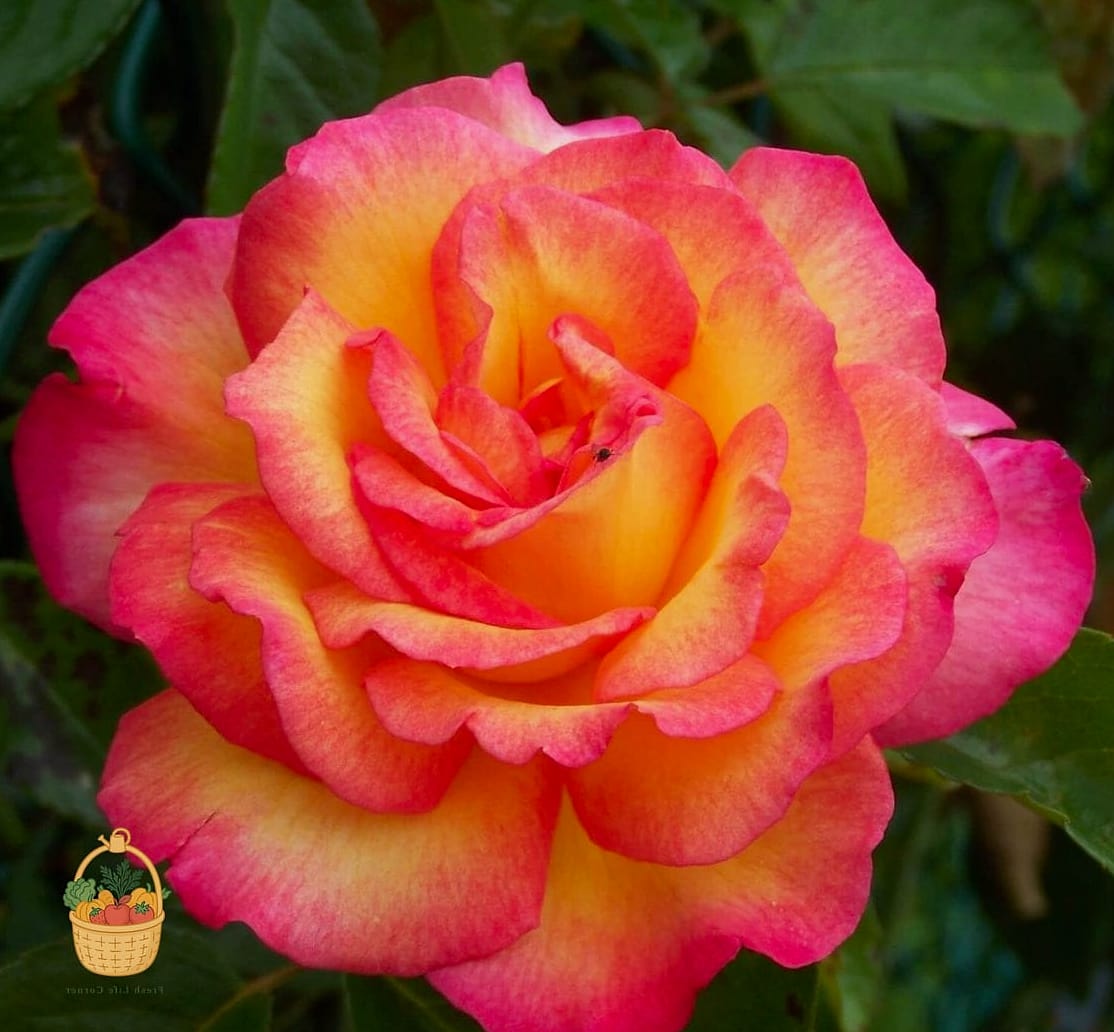
A floribunda with yellow-and-red bicolor petals, Sheila’s Perfume has a fruity, strong fragrance that’s noticeably different from the classic “old rose” scent — more zesty and bright. It stays compact at 3 feet, making it container-friendly, and does well in full sun. It’s considered fairly disease-resistant, which makes it a solid choice for beginner rose growers who want fragrance without a steep learning curve.
Wollerton Old Hall
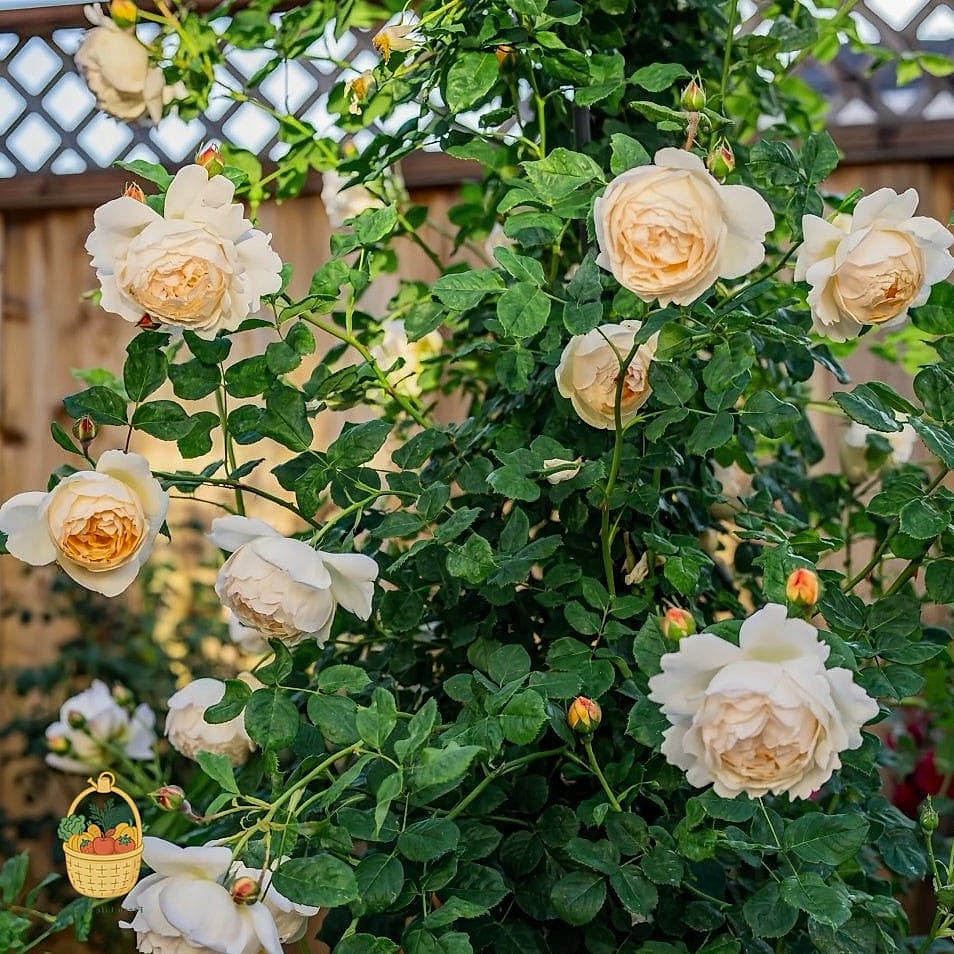
Another David Austin shrub rose, this one has soft apricot-cream blooms and a warm myrrh fragrance with hints of citrus. It can be grown as a shrub or short climber up to 8 feet against a support. It handles partial shade better than many roses, though full sun brings out fuller blooms. Well-draining loamy soil and a spring mulch layer will keep roots cool through summer.
Blue Moon
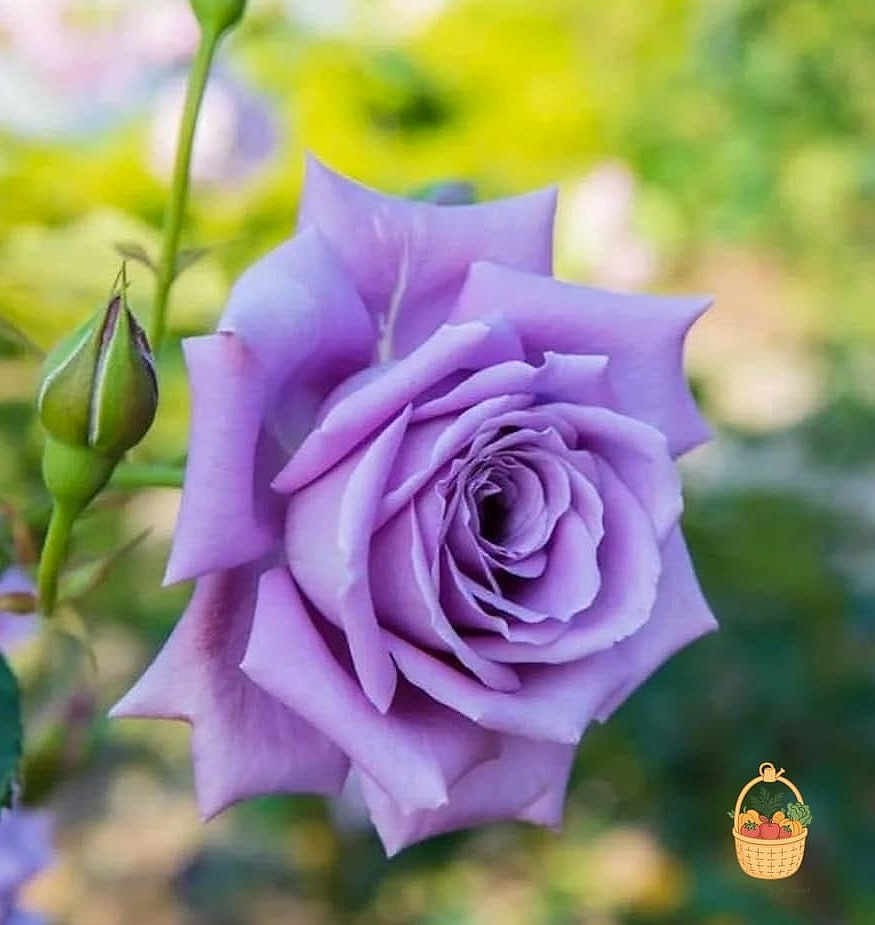
If you want a lavender-mauve rose with a strong, sweet citrus fragrance, Blue Moon is worth a spot in the garden. It’s a hybrid tea reaching 4-5 feet, best in full sun, and appreciates regular feeding with a balanced liquid fertilizer during active growth. The unusual color makes it a conversation piece as much as a fragrance star, and it pairs beautifully with silver-leaved companion plants like lamb’s ear.
Comte de Chambord
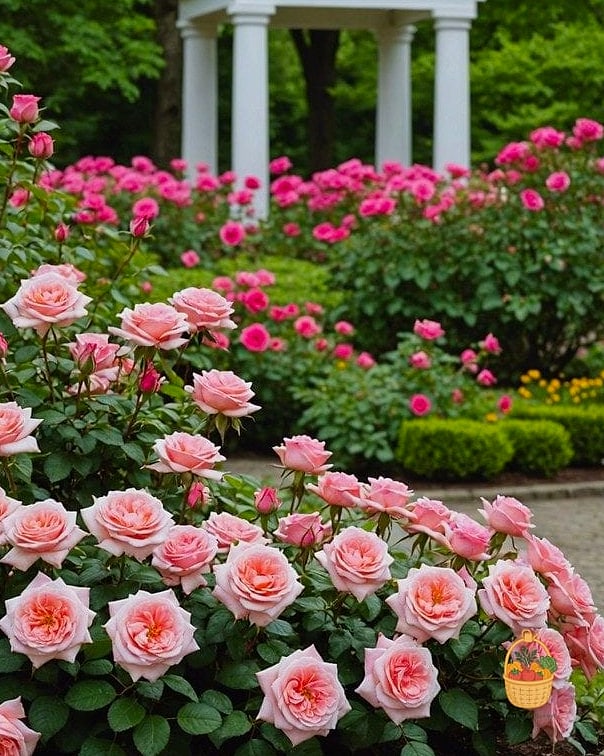
A Portland rose with a rich, warm damask scent, Comte de Chambord produces full, cupped pink blooms repeatedly through the season rather than just once. It stays compact at 3-4 feet, which suits raised beds or smaller borders. It’s fairly cold hardy for an old rose, doing well down to zone 4 with some winter protection. Deadheading regularly keeps the blooms — and the fragrance — coming.
Tiffany
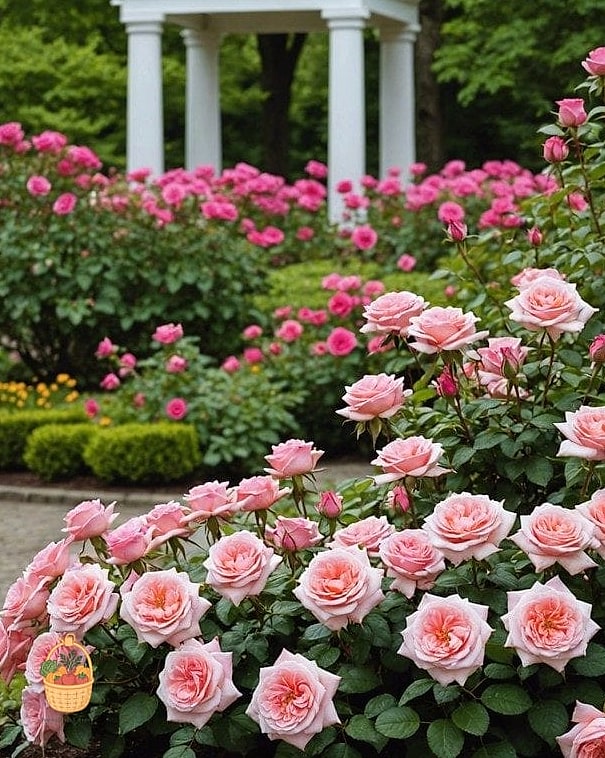
This pink hybrid tea has a spicy, classic rose fragrance and was actually named “World’s Favorite Rose” by the World Federation of Rose Societies back in the day. It grows to about 5 feet, wants full sun, and does best with deep, infrequent watering rather than frequent shallow sips. It’s a good mid-level choice for gardeners who’ve grown a rose or two before and want to step up their fragrance game.
Reine des Violettes
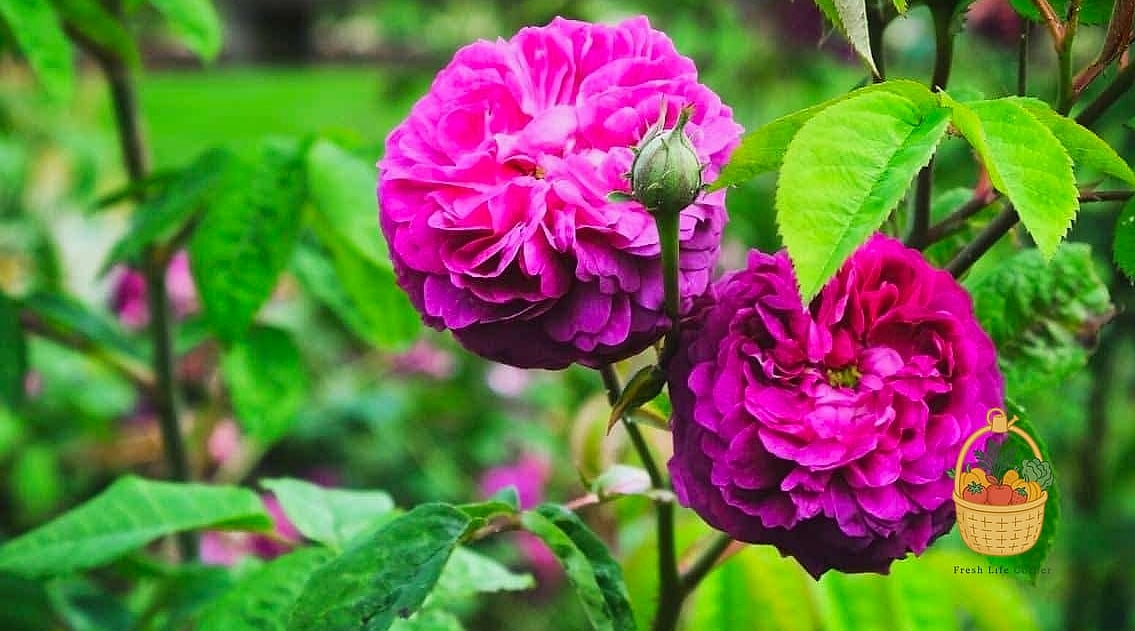
An old hybrid perpetual with violet-purple blooms, this one has a strong, sweet, old-rose fragrance that feels almost velvety. It grows upright to 5-6 feet and is nearly thornless, which is a genuine relief if you’ve ever wrestled with a rose bush that fights back. Full sun and rich, well-draining soil suit it best. It’s a striking pick for anyone wanting unusual color alongside serious scent.
Jude the Obscure
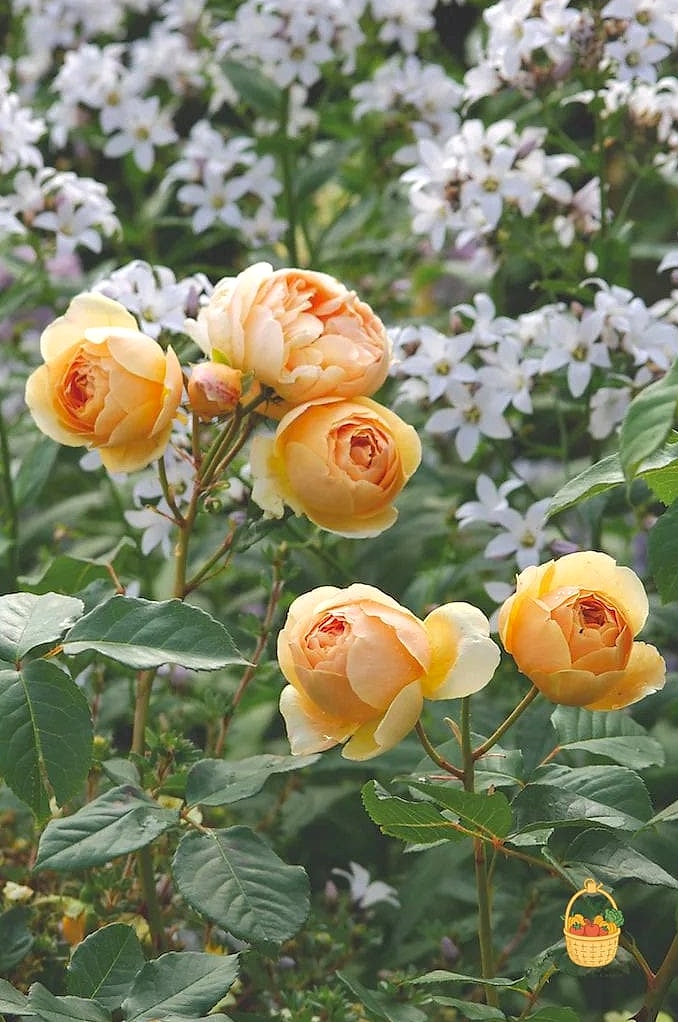
Named after the Thomas Hardy novel, this David Austin rose has large, cupped golden-yellow blooms and a strong fruity fragrance often compared to guava. It reaches 4-5 feet as a shrub and can be trained taller against a wall. It prefers full sun and consistent moisture, and benefits from a spring application of slow-release rose fertilizer. It’s a bit of a diva about feeding, but the fragrance makes the extra effort worthwhile.
Papa Meilland
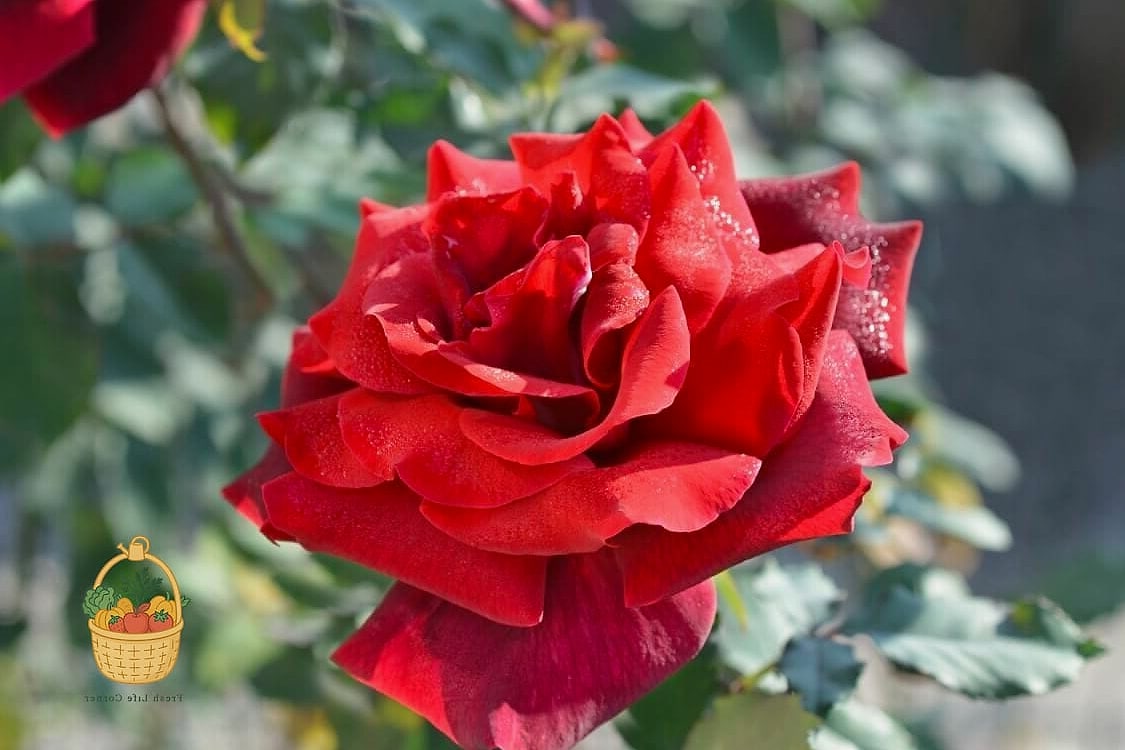
A dark red hybrid tea often considered one of the most fragrant roses ever bred, Papa Meilland has an intensely rich, classic rose perfume. It grows to 4-5 feet, needs full sun, and is admittedly more disease-prone than some newer varieties, so good spacing and airflow are essential. This one’s for gardeners willing to put in a little extra care in exchange for arguably the best scent on this entire list.
Boscobel
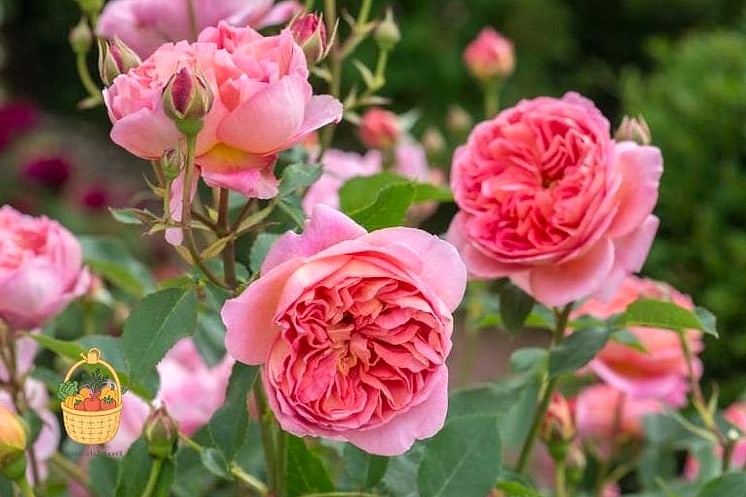
Another David Austin favorite, Boscobel has coral-salmon rosette blooms with a fruity myrrh fragrance that includes hints of apple and pear. It’s compact and bushy at 3-4 feet, making it well-suited to smaller gardens or mixed borders. It’s known for good disease resistance and repeat flowering, so it keeps the fragrance coming well into fall in most climates.
Crown Princess Margareta
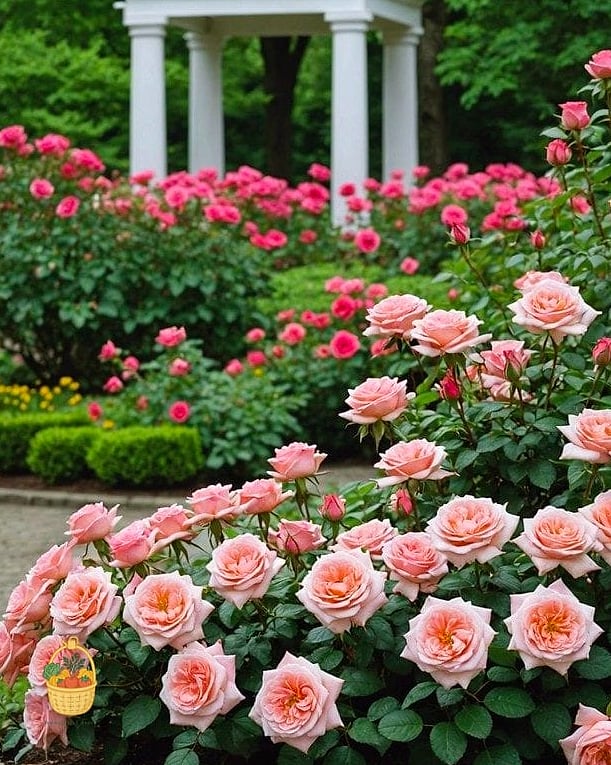
This apricot-orange English shrub rose has a strong tea fragrance with fruity notes, and it’s a vigorous grower that can be trained as a short climber up to 10 feet. Full sun brings out the best bloom color and scent intensity. It’s fairly tolerant of poor soil once established, though it appreciates a yearly compost top-dressing. Great for training over an arbor if you want fragrance right at nose height.
Louise Odier
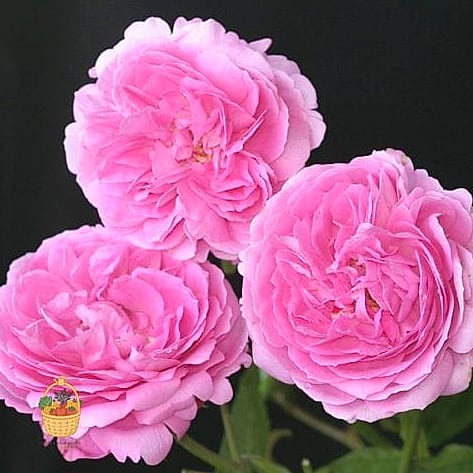
A Bourbon rose with soft pink, cupped blooms, Louise Odier has a strong, sweet classic rose fragrance and blooms repeatedly through the season. It grows to about 5 feet and can be trained as a short climber. It handles partial shade reasonably well and prefers rich, well-draining soil with regular watering. This is one of those roses that feels effortlessly romantic without demanding constant fussing.
Sombreuil
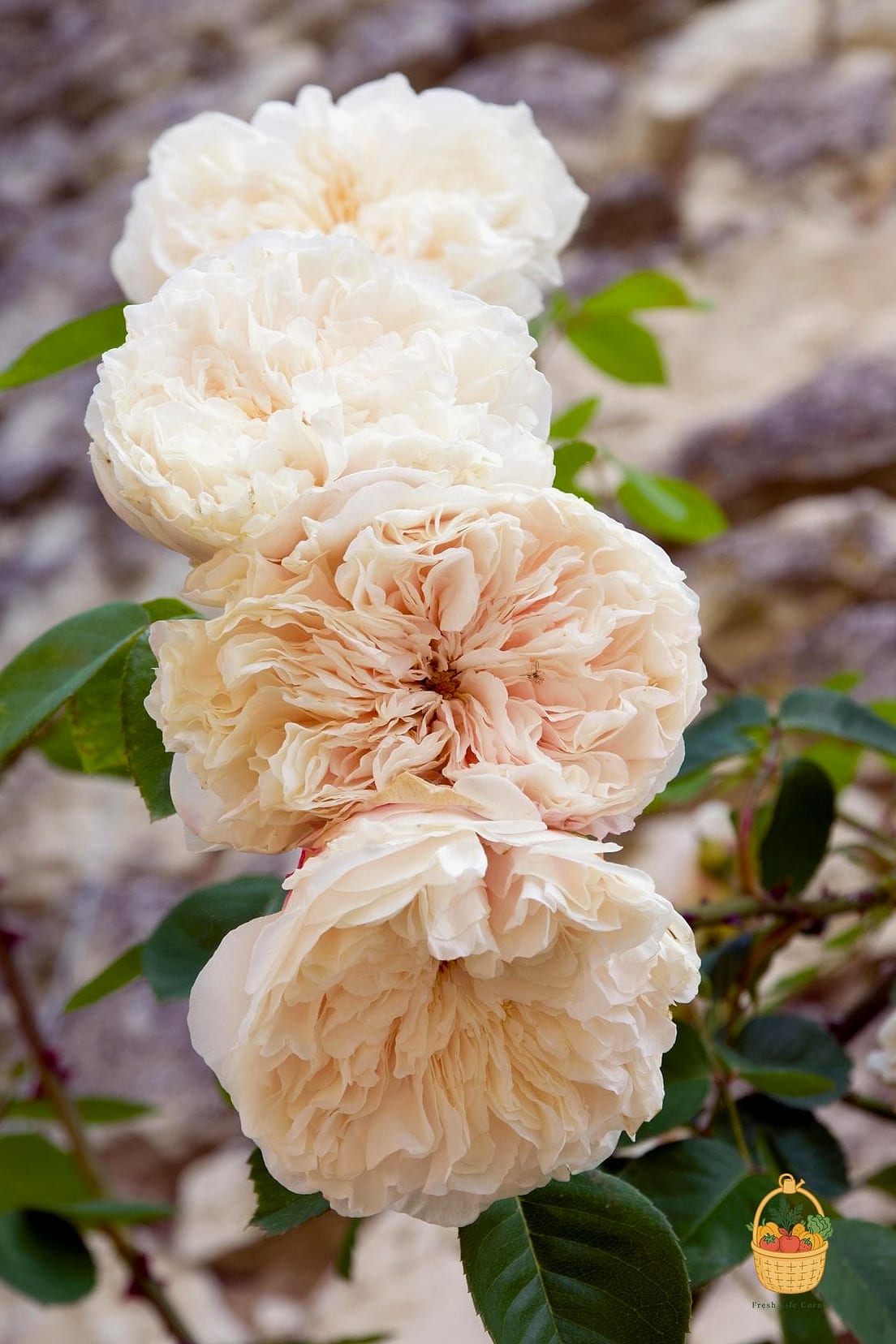
A climbing tea rose with creamy white, quartered blooms, Sombreuil carries a strong tea fragrance that’s slightly different from the sweeter damask scents on this list — more delicate, with a hint of green tea. It can climb to 10-12 feet given a trellis or fence, and prefers full sun with well-draining soil. It’s a lovely choice for framing a doorway or gate where guests will brush past the blooms.
Zephirine Drouhin
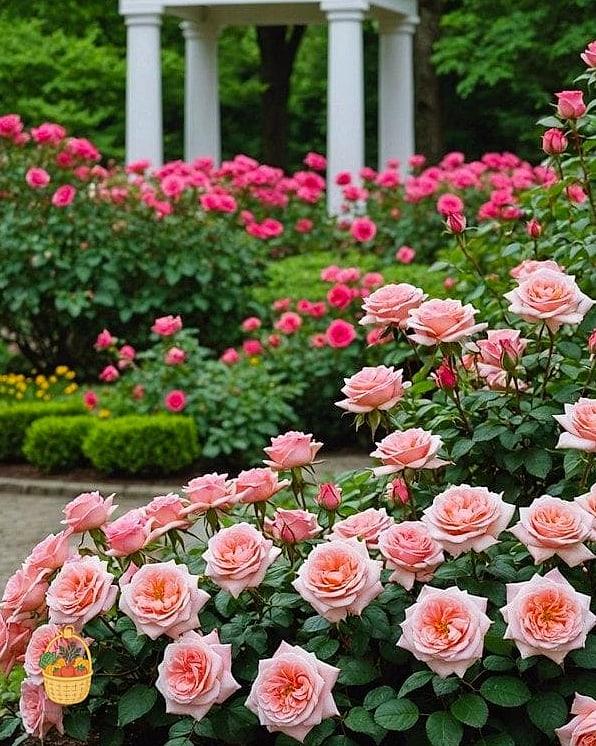
This thornless climbing rose has bright pink blooms and a strong, sweet raspberry-like fragrance that’s genuinely distinctive. It tolerates partial shade better than most climbers, which makes it useful for spots that don’t get full sun all day. It can reach 10-15 feet against a sturdy support, and it’s known for tolerating slightly less-than-perfect soil, which makes it a forgiving choice for newer gardeners who still want serious fragrance payoff.
Building a fragrant rose garden isn’t just about picking pretty faces from a catalog — it’s about layering scents that change through the season and across the day. Mix a few strong damask-scented varieties like Mister Lincoln or Papa Meilland with fruitier options like Jude the Obscure or Zephirine Drouhin, and you’ll get a garden that smells different depending on where you’re standing and when you’re standing there.
A few general notes that apply across the board: most fragrant roses want at least six hours of full sun, well-draining soil enriched with compost, and deep watering a couple of times a week rather than daily light sprinkles. Deadheading spent blooms encourages more flowers (and more fragrance), and a slow-release rose fertilizer applied in spring and again mid-summer keeps most varieties blooming steadily. Watch for common issues like blackspot, powdery mildew, and aphids — good airflow and occasional neem oil treatments go a long way toward prevention.
Whichever of these 20 fragrant roses that will transform your garden you decide to plant, give them a season to settle in before judging their full scent potential. Roses are a bit like people that way — they need time to feel at home before they really open up.