24 Types Of Ferns That Will Transform Your Garden
- Boston Fern
- Maidenhair Fern
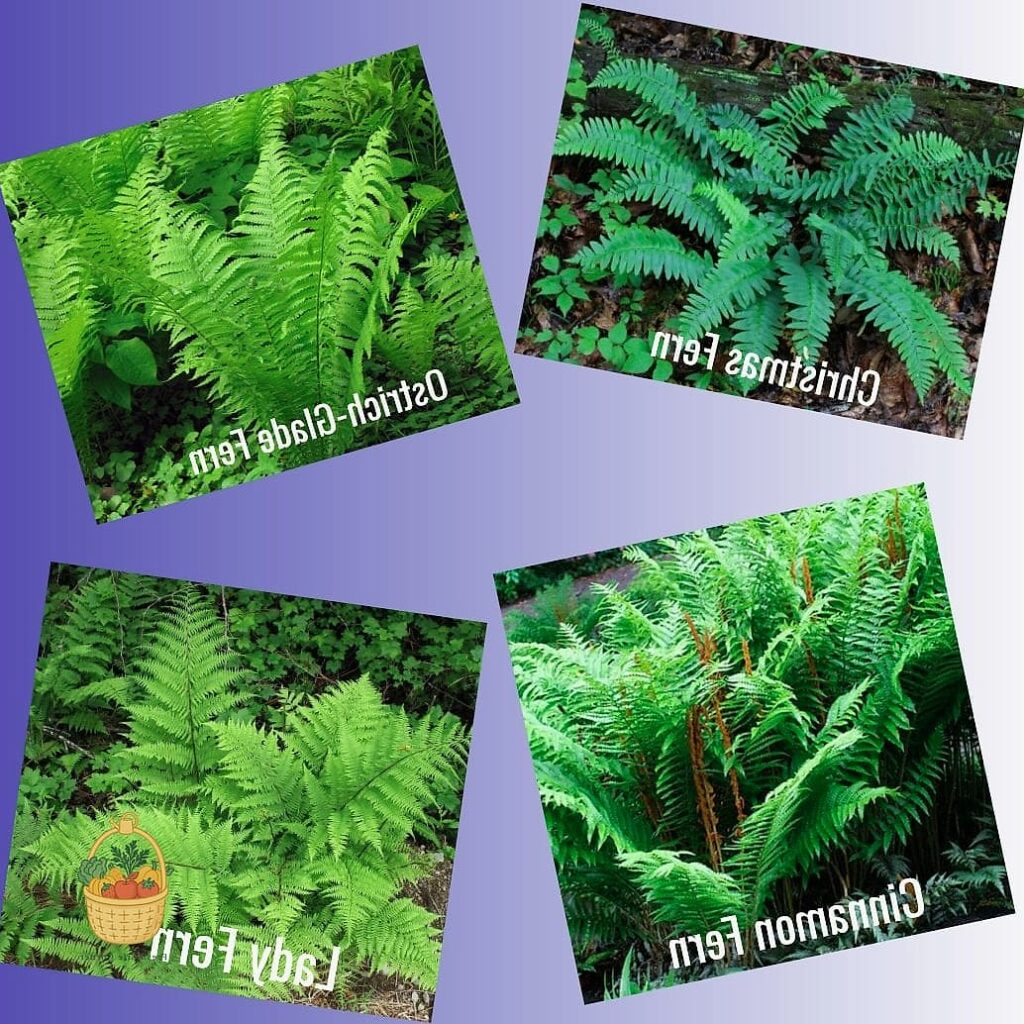
- Ostrich Fern
- Japanese Painted Fern
- Autumn Fern
- Christmas Fern
- Lady Fern
- Cinnamon Fern
- Royal Fern
- Tassel Fern
- Holly Fern
- Bird’s Nest Fern
- Staghorn Fern
- Rabbit’s Foot Fern
- Asparagus Fern
- Southern Wood Fern
- Tree Fern
- Silver Lace Fern
- Sword Fern
- Deer Fern
- Western Sword Fern
- Hay-Scented Fern
- Marginal Wood Fern
- Resurrection Fern
- Korean Rock Fern
24 Types Of Ferns That Will Transform Your Garden
Ferns have a way of making any garden feel like it’s been there forever. That lush, layered look they bring is hard to replicate with anything else, and once you start collecting them, it’s tough to stop. Whether you’ve got a shady corner that nothing else will grow in or you’re looking to fill out a woodland-style bed, there’s a fern for pretty much every situation.
Some of these are tough as nails and practically thrive on neglect. Others need a bit more coddling, but reward you with textures and colors you won’t find anywhere else. Here are 24 types of ferns that will transform your garden, no matter what kind of space you’re working with.
Boston Fern
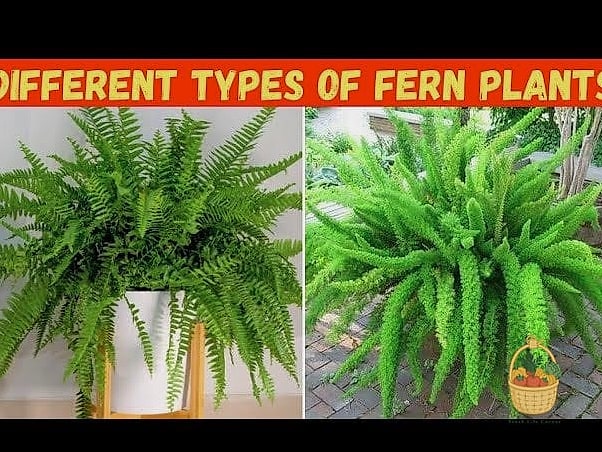
This is the fern most people picture when they hear the word “fern” — those long, arching fronds packed with tiny leaflets that give it a full, feathery look. It’s a classic for a reason.
Boston ferns love humidity and partial to deep shade, and they do best in consistently moist, well-draining soil. Outdoors, they thrive in USDA zones 9 through 11, though plenty of gardeners further north grow them as container plants and bring them in before frost.
They grow at a moderate pace and can get pretty large in a hanging basket, which is honestly their favorite spot to show off. Mist them occasionally if your air is dry, and watch for spider mites if it gets too arid.
Maidenhair Fern
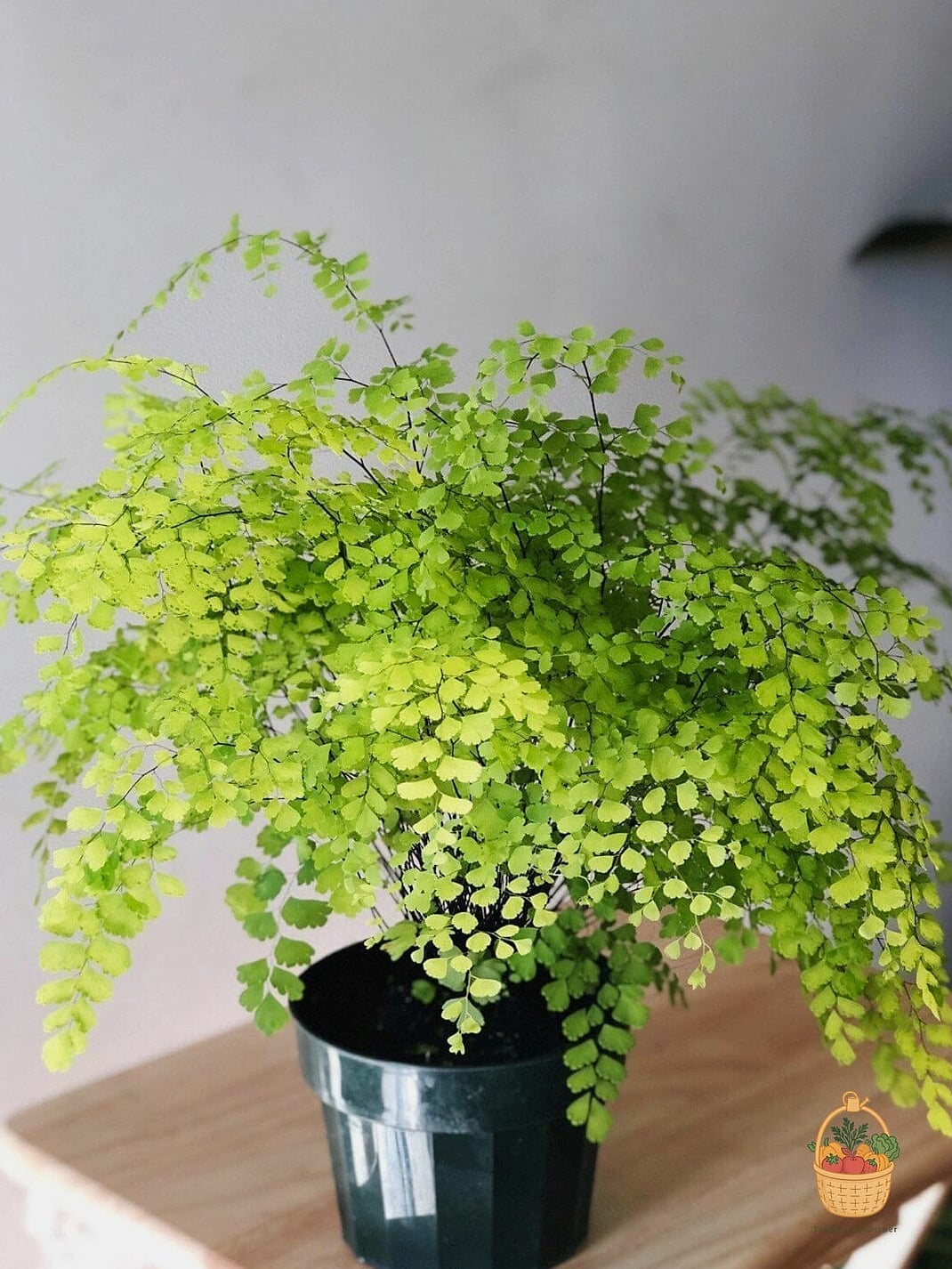
Maidenhair fern has this delicate, almost lacy quality with black wiry stems and fan-shaped leaflets that flutter in the slightest breeze. It’s a bit of a diva compared to some tougher ferns on this list, but worth the effort.
It prefers deep to partial shade and soil that’s consistently moist but never soggy — think rich, humus-heavy soil with good drainage. Hardy in zones 3 through 8 depending on the species, it’s often grown as a houseplant elsewhere.
Growth is slow to moderate. Gardeners love it for shaded rock gardens and woodland borders, and it pairs beautifully with hostas and astilbes for a soft, romantic planting scheme.
Ostrich Fern
If you want drama, ostrich fern delivers. Its tall, vase-shaped fronds can reach four to six feet, giving your garden an almost prehistoric feel.
This one is a fast grower and spreads via underground rhizomes, so give it room or plant it where a bit of spreading is welcome. It handles full shade to partial sun and wants consistently moist, rich soil — it’s actually a great pick for that soggy spot near a downspout. Hardy in zones 2 through 7.
Bonus: the young fiddleheads are edible when properly prepared, which makes this one popular with foragers and adventurous cooks alike.
Japanese Painted Fern
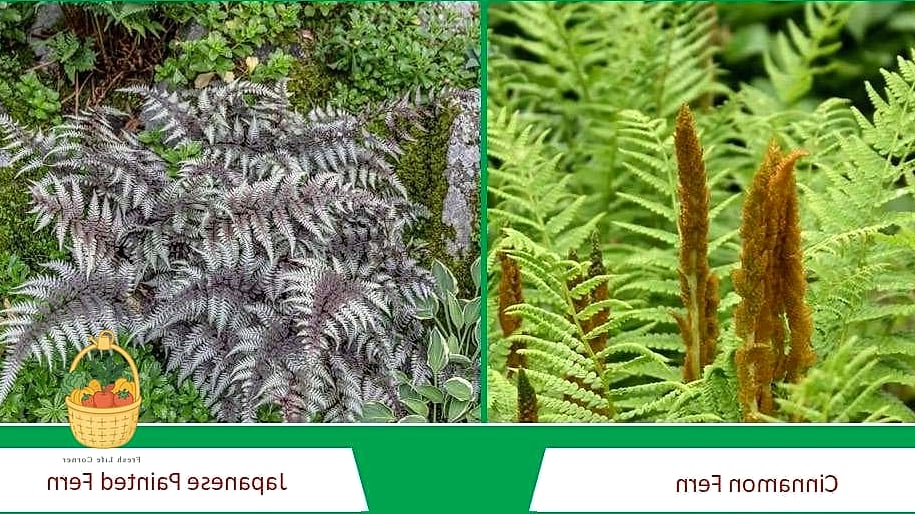
This fern earns its keep purely on color. The fronds come in silvery gray-green with burgundy-red midribs, and honestly, no photo does it justice — you need to see it in person.
It grows best in partial to full shade with moist, well-draining, slightly acidic soil. Hardy in zones 3 through 8, it stays fairly compact at 12 to 18 inches, making it perfect for smaller shade gardens or as an edging plant.
It’s slow-growing and low-maintenance once established. I like tucking a few in among green hostas just to break up all that solid color.
Autumn Fern
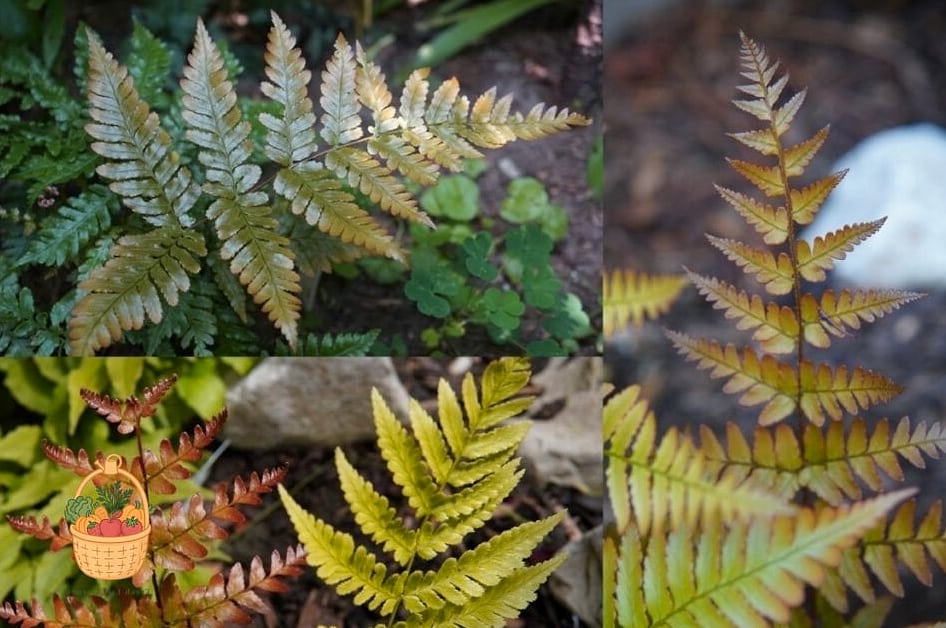
Autumn fern gets its name from the coppery-orange new growth that eventually settles into deep green as the season goes on. It’s one of the more colorful ferns you can grow, and it holds its shape nicely through winter in milder climates.
It tolerates more sun than a lot of ferns, doing fine in partial shade to even a few hours of morning sun, and it’s fairly drought tolerant once established — a nice trait if you tend to forget to water. Best in zones 5 through 9, in rich, well-draining soil.
Growth is moderate, and it’s a solid choice for gardeners who want fern texture without babying a fussy plant.
Christmas Fern
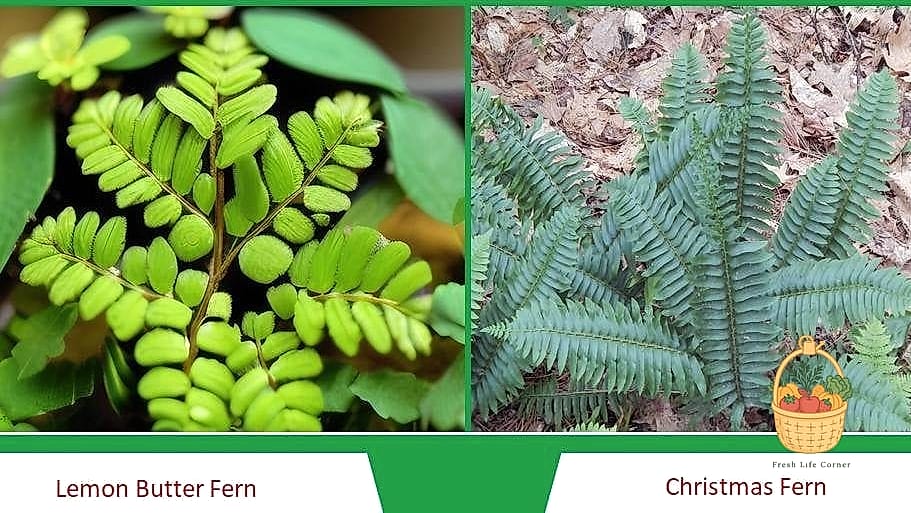
Named for the fact that it stays green right through the holidays, Christmas fern is one of the toughest native ferns for eastern North American gardens. The glossy, dark green fronds have a leathery texture that holds up well.
It grows in partial to full shade and adapts to a range of soils, though it prefers well-draining ground with some organic matter. Hardy in zones 3 through 9, it’s also deer resistant, which is a genuine relief if you garden anywhere near woods.
Slow-growing and clump-forming rather than spreading, it works great along shaded pathways or as a foundation planting under trees.
Lady Fern
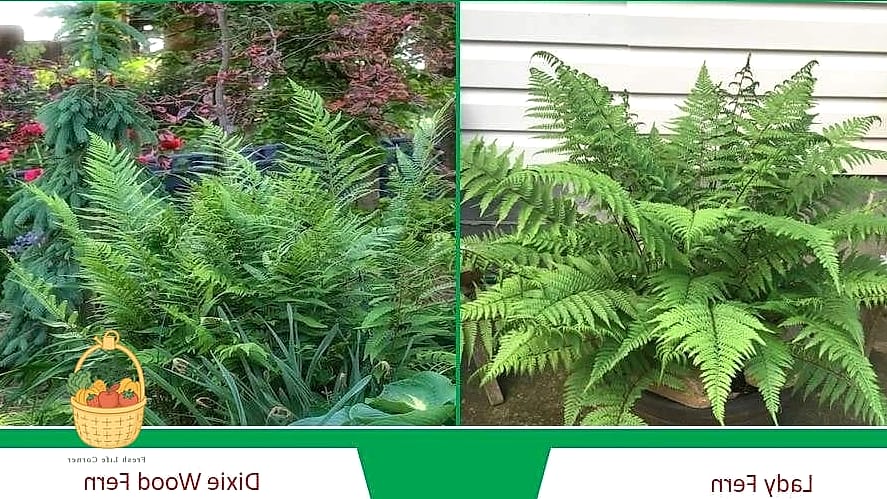
Lady fern is lacy and delicate-looking but a lot more forgiving than its appearance suggests. The fronds are finely divided and bright green, giving beds a soft, feathery texture.
It prefers partial to full shade and moist, humus-rich soil, and it’s hardy in zones 4 through 9. It grows at a moderate pace and forms attractive clumps rather than running rampant, so it plays nicely with neighbors like ferns, columbine, and woodland phlox.
It’s a great beginner fern if you’re new to shade gardening and want something that won’t punish you for the occasional missed watering.
Cinnamon Fern
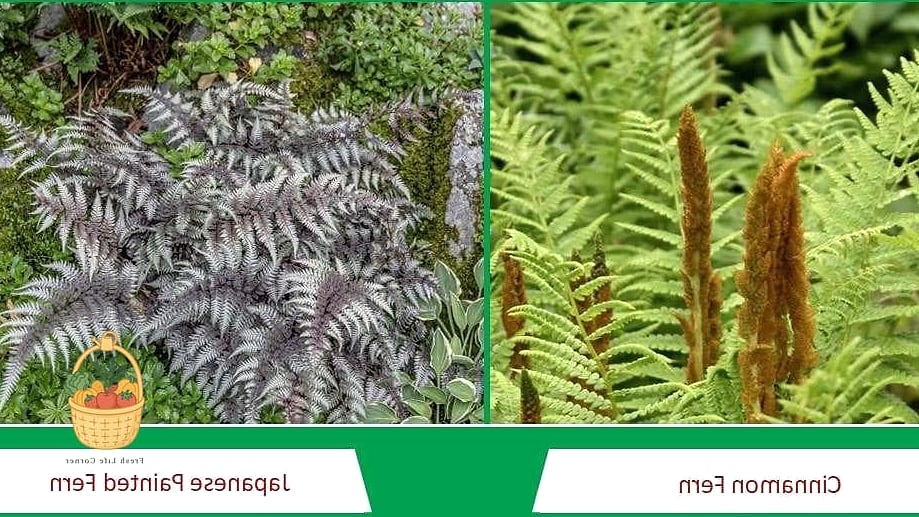
Cinnamon fern gets its name from the rust-colored fertile fronds that shoot up from the center of the plant, looking almost like cinnamon sticks against the green foliage. It’s a striking addition to any damp garden spot.
This one loves consistently moist to boggy soil and does well in partial shade, making it ideal for pond edges or low-lying areas that stay wet. Hardy in zones 3 through 9, it can grow quite large — up to five feet tall in good conditions.
It’s a slower grower but forms substantial, long-lived clumps. Pair it with astilbe or ligularia for a naturalistic wet-garden look.
Royal Fern
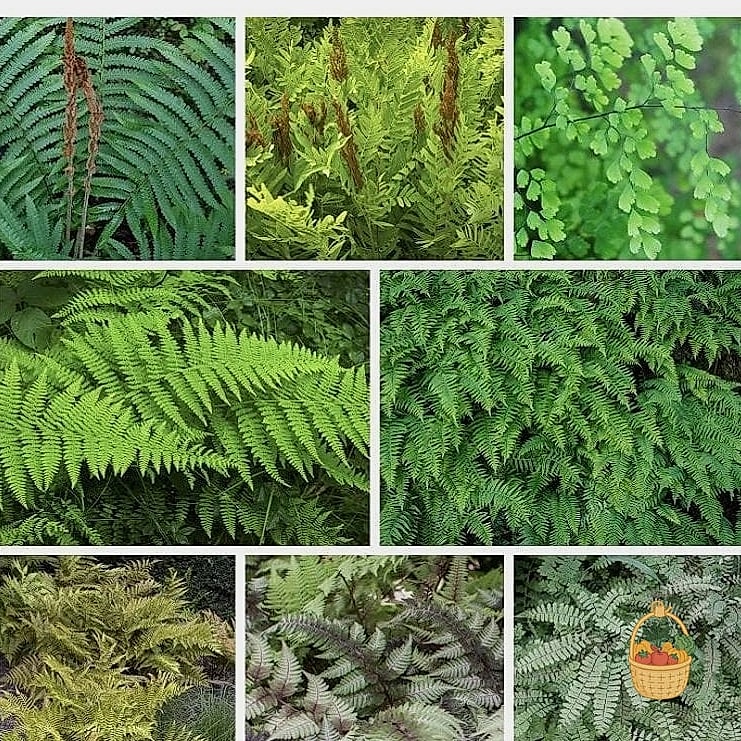
Royal fern is one of the larger species you can grow, with broad, almost shrub-like fronds that look more like a flowering plant than a typical fern. It can reach up to six feet given enough moisture and time.
It thrives in wet, boggy soil and partial shade, making it a natural fit for pond margins or rain gardens. Hardy in zones 3 through 9, it grows moderately and forms impressive clumps over the years.
Gardeners with a damp low spot they don’t know what to do with should seriously consider this one — it turns a problem area into a focal point.
Tassel Fern

Tassel fern has glossy, dark green fronds with a slightly ruffled texture that catches the light nicely in shaded spots. It’s a bit less common than some other ferns here, which makes it a fun conversation piece.
It prefers partial to full shade and rich, well-draining soil, and it’s hardy in zones 6 through 9. Growth is slow to moderate, staying compact enough for smaller gardens or containers.
It’s fairly low-maintenance once settled in, and its shine makes it a nice textural contrast against matte-leaved hostas or ferns with more delicate foliage.
Holly Fern
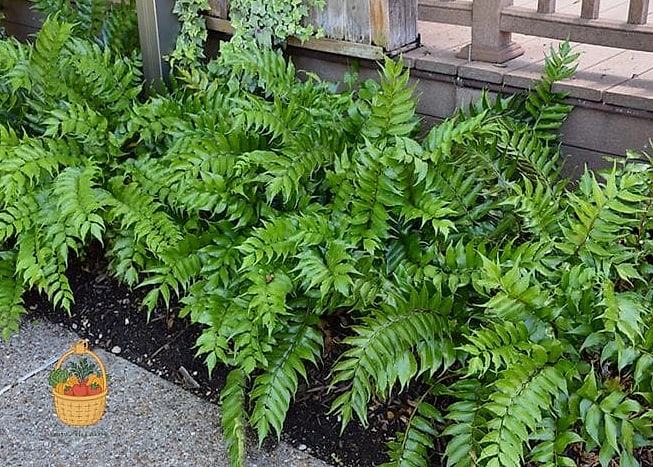
Holly fern has thick, glossy, deep green fronds with a leathery texture that genuinely resembles holly leaves. It’s one of the more sun-tolerant ferns around, handling more light than most.
It grows in partial shade to a few hours of direct sun and prefers well-draining soil, doing well in zones 6 through 10. It’s also more drought tolerant than many ferns, which makes it a decent option for gardeners in drier shaded areas.
Slow-growing and compact, it’s great for foundation plantings or containers on a shaded porch.
Bird’s Nest Fern
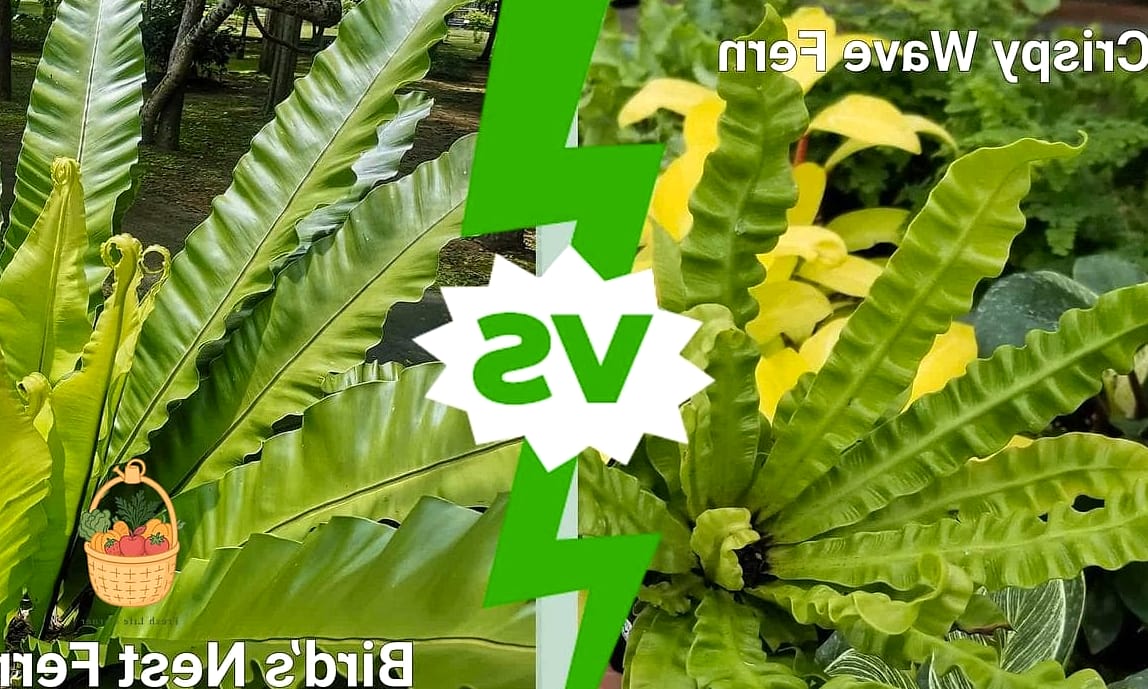
Bird’s nest fern forms a rosette of wide, undivided fronds that really does look a bit like a nest sitting in the center. It’s a popular houseplant, though it can grow outdoors in warmer climates.
It likes bright, indirect light or partial shade and consistently moist but well-draining soil. Outdoors it’s hardy in zones 10 through 12; elsewhere it’s grown indoors or as a patio plant in summer. Fertilize lightly with a diluted liquid fertilizer during the growing season.
It’s an epiphyte in its native habitat, so it also does beautifully mounted on wood or grown in a hanging basket.
Staghorn Fern
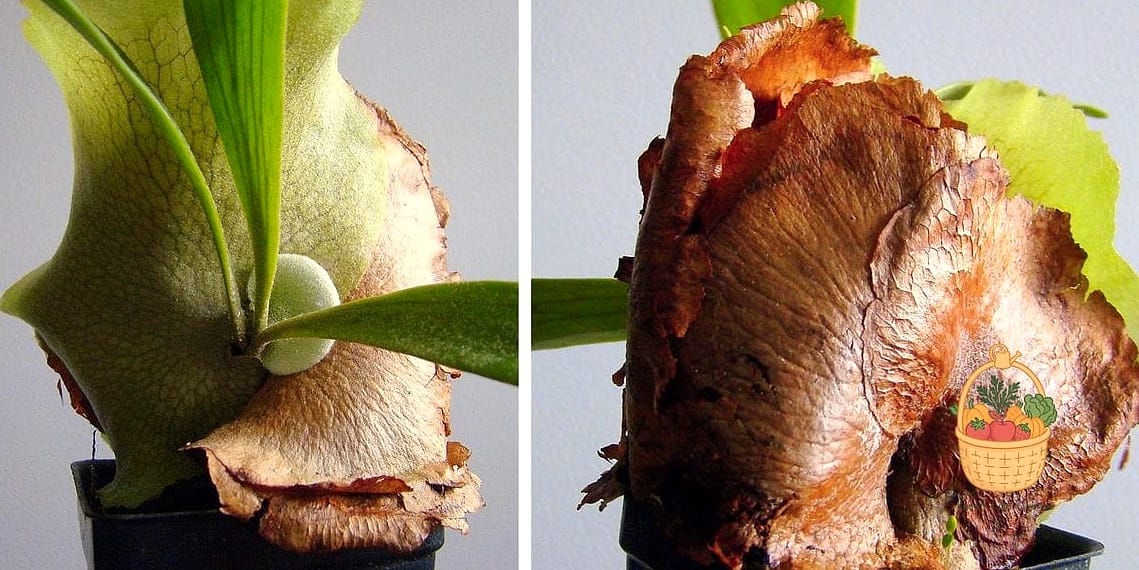
Staghorn fern looks nothing like a typical fern, with antler-shaped fronds that make it one of the most eye-catching plants you can grow. It’s usually mounted on a board rather than potted in soil.
As an epiphyte, it needs bright, indirect light and prefers being mounted with sphagnum moss rather than sitting in regular potting mix. It’s hardy outdoors in zones 9 through 12 and grown as a houseplant elsewhere.
It’s slow-growing but long-lived, and honestly one of the most rewarding ferns to display once it starts producing those dramatic antler fronds.
Rabbit’s Foot Fern
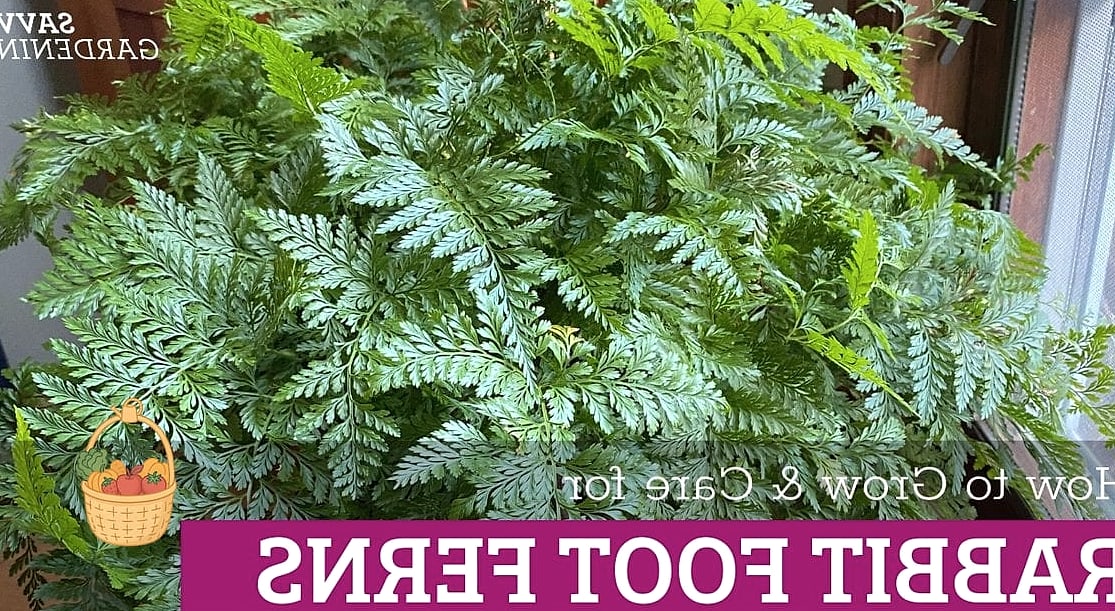
Named for its fuzzy, creeping rhizomes that look like little rabbit paws crawling over the pot’s edge, this fern is as fun to grow as it is to look at. The fronds themselves are delicate and lacy.
It prefers bright, indirect light and slightly moist, well-draining soil, and it’s typically grown as a houseplant or in zones 10 through 12 outdoors. It’s fairly forgiving of occasional underwatering thanks to those water-storing rhizomes.
It’s a great pick for a hanging basket where those furry rhizomes can spill over the sides for everyone to admire.
Asparagus Fern
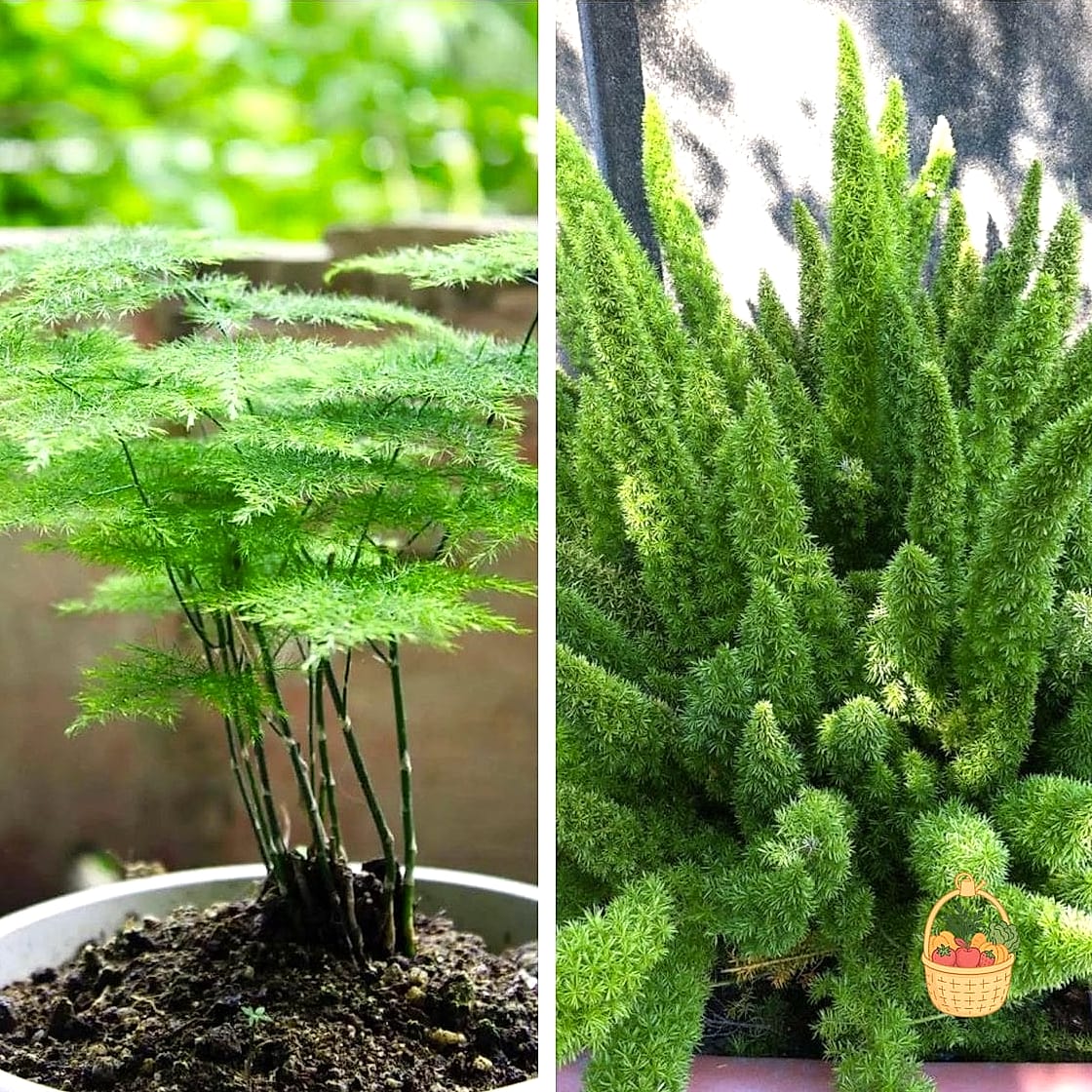
Not a true fern botanically, but it’s sold and used as one so often it earns a spot here. The needle-like foliage gives it a soft, airy texture that works well trailing from containers or hanging baskets.
It tolerates partial shade to filtered sun and prefers well-draining soil, doing well in zones 9 through 11 outdoors or as a houseplant elsewhere. It’s drought tolerant once established, though it appreciates regular watering during active growth.
Growth is fast, and it can get a little enthusiastic about spreading, so keep an eye on it if you’re growing it in the ground in warmer zones.
Southern Wood Fern
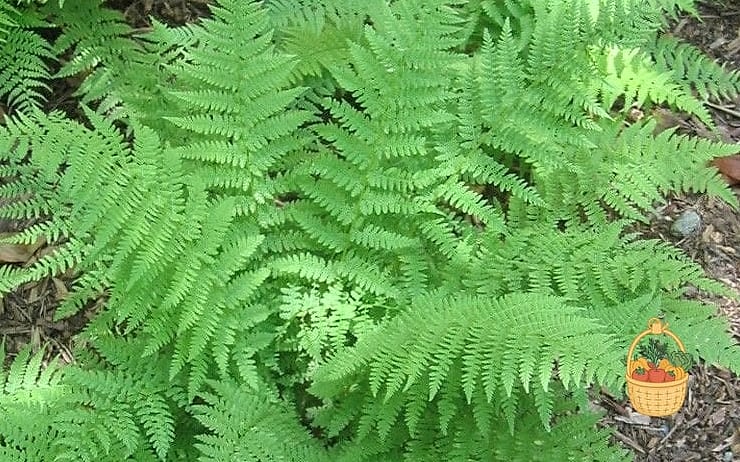
Southern wood fern is a reliable, semi-evergreen fern with finely cut, deep green fronds that hold up well through mild winters. It’s a workhorse for shaded southern gardens.
It grows in partial to full shade and adapts to average garden soil as long as it’s not bone dry, thriving in zones 6 through 9. It’s moderately drought tolerant once established and largely pest-free.
It spreads slowly by rhizomes to form a nice groundcover-like patch, which makes it useful for filling in bare shaded areas under trees.
Tree Fern
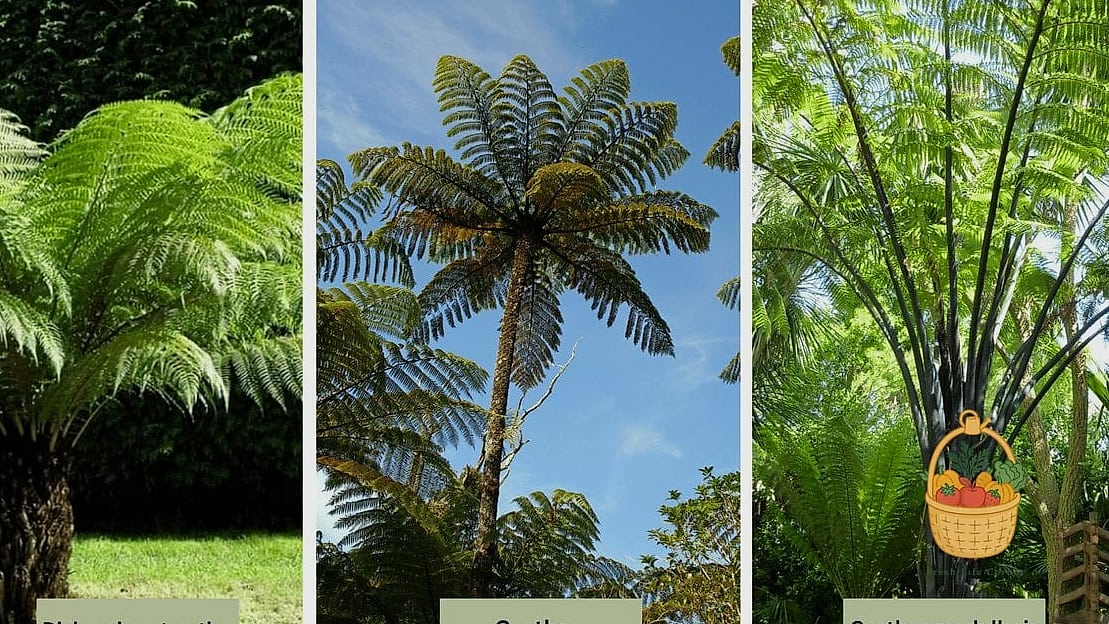
Tree fern brings serious jungle vibes with its trunk-like base topped by a crown of huge, arching fronds. It’s a showstopper if you have the space and the right climate.
It needs partial shade, high humidity, and consistently moist soil, and it’s only reliably hardy outdoors in zones 9 through 11 — colder climates grow it in large containers that get moved indoors for winter. Growth is slow, often just an inch or two of trunk per year.
It’s an investment plant, honestly, but nothing else gives a garden that lush, tropical feel quite the same way.
Silver Lace Fern
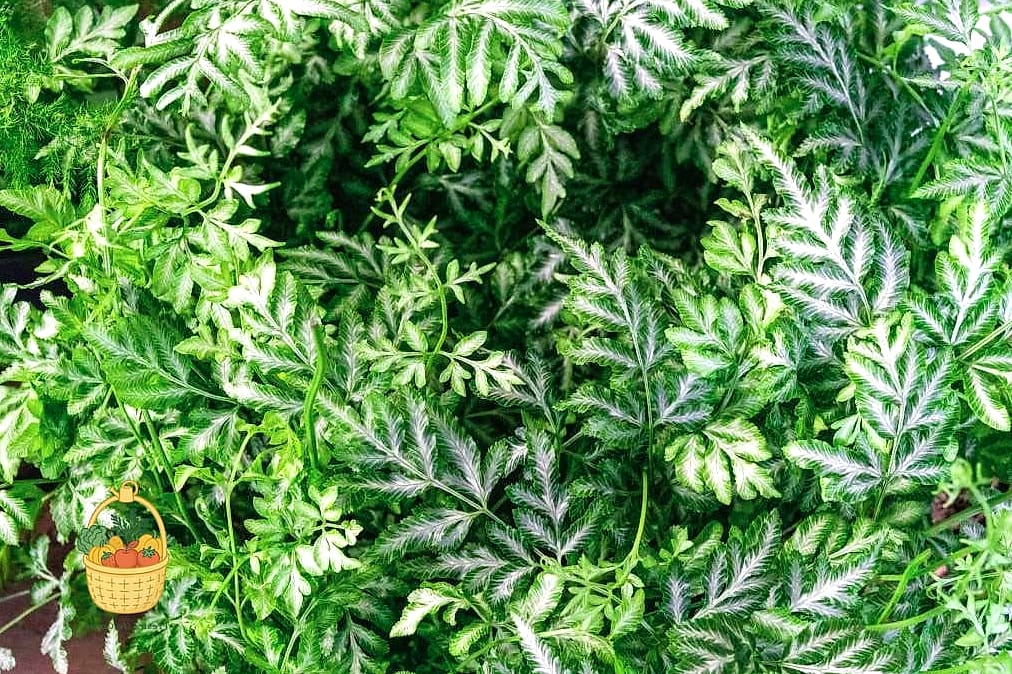
Also called brake fern, this variety has fronds marked with silvery-white stripes down the center, adding a variegated pop to shaded beds. It’s a nice change from the usual solid greens.
It prefers partial to full shade and moist, well-draining soil, and it’s hardy in zones 9 through 11, or grown as a houseplant further north. It stays compact, usually under two feet, and grows at a moderate rate.
It’s a good candidate for mixed container plantings where you want some visual contrast without overwhelming the other plants.
Sword Fern

Sword fern has long, upright, sword-shaped fronds that give it a more structured look than a lot of the softer, lacier ferns on this list. It’s also remarkably tough.
It handles partial to full shade and a range of soil types, though it prefers moist, well-draining conditions. Hardy in zones 8 through 11, it’s fast-growing and can naturalize readily in the right climate, so check whether it’s considered invasive in your area before planting it in the ground.
For contained spaces, it’s an excellent, low-fuss choice that fills space quickly.
Deer Fern
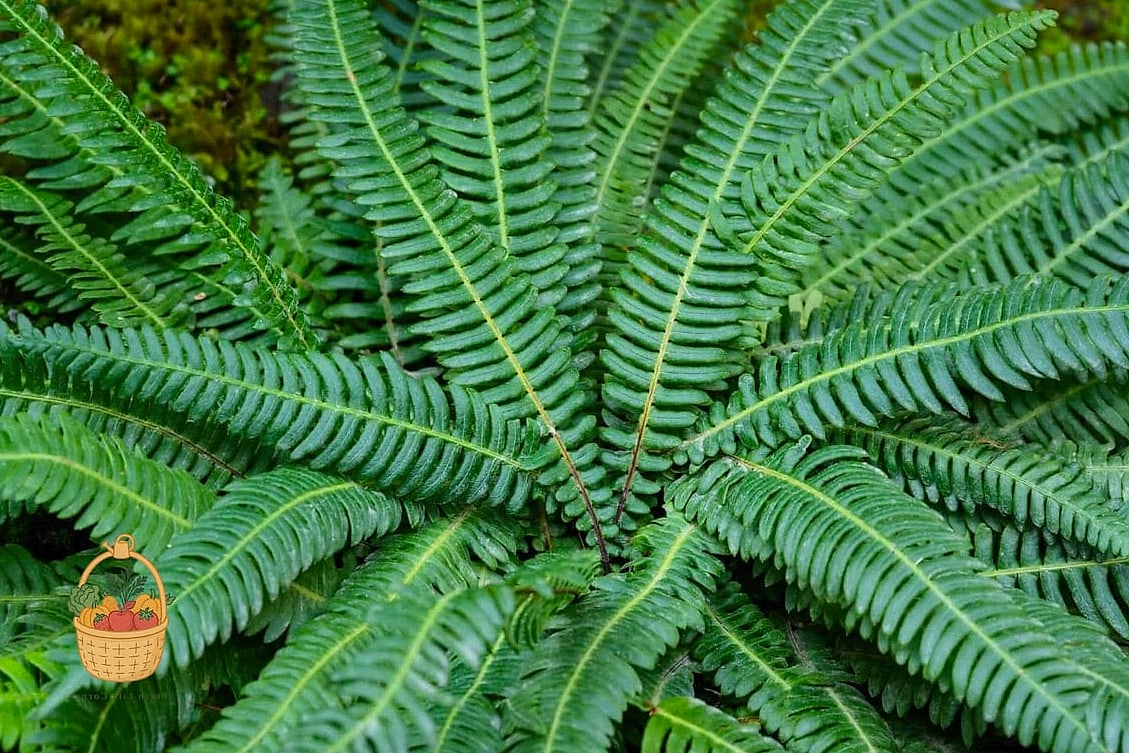
Deer fern has an interesting two-toned look, with sterile fronds lying flat and fertile fronds standing upright in the center. It’s native to the Pacific Northwest and right at home in cool, moist woodland gardens.
It prefers partial to full shade and consistently moist, acidic soil, thriving in zones 5 through 8. As the name suggests, it’s also fairly deer resistant, which is always a nice bonus for anyone gardening near wildlife.
Growth is slow, and it stays fairly compact, making it a good understory choice beneath conifers or larger shrubs.
Western Sword Fern
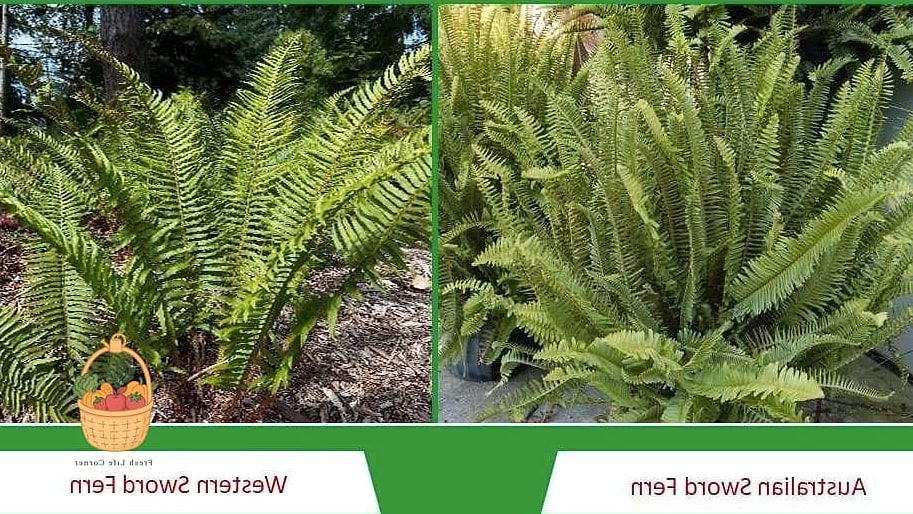
Not to be confused with the tropical sword fern, this Pacific Northwest native has stiff, evergreen fronds that stay attractive year-round, even through cold, wet winters. It’s a backbone plant in a lot of native woodland gardens.
It grows well in partial to full shade and prefers moist, well-draining, slightly acidic soil, doing best in zones 6 through 9. It’s drought tolerant once established, which is impressive for a fern, and it’s also deer resistant.
It’s slow to moderate in growth and forms handsome, long-lasting clumps that need very little from you once they’re settled.
Hay-Scented Fern
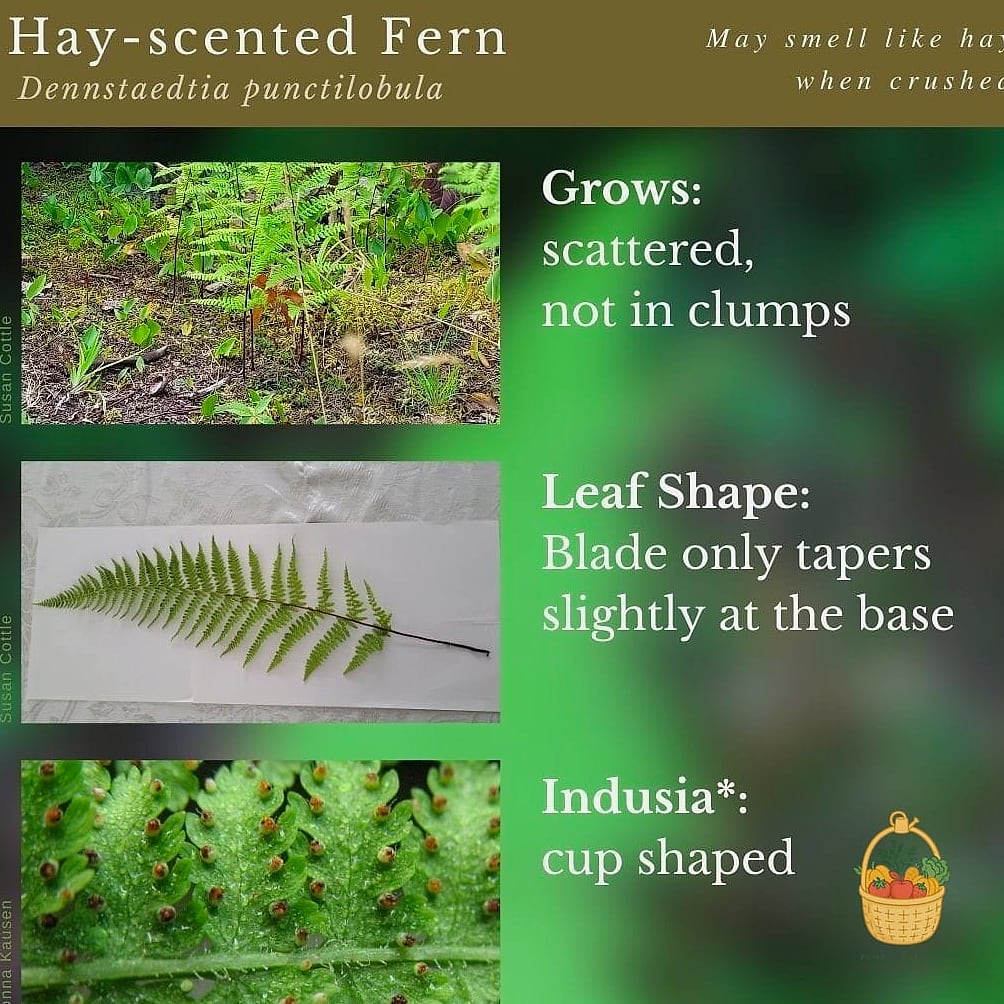
This one earns its name from the faint, sweet, hay-like scent the fronds give off when brushed or crushed, especially after rain. It’s a delicate-looking but surprisingly vigorous grower.
It tolerates partial shade to a good bit of sun and adapts to average, well-draining soil, thriving in zones 3 through 8. It spreads fairly quickly by rhizomes, so it’s a great choice for erosion control on a shaded slope, but maybe not ideal for a tightly curated bed.
It’s low-maintenance and forms a soft, feathery carpet that a lot of gardeners find genuinely relaxing to walk past.
Marginal Wood Fern
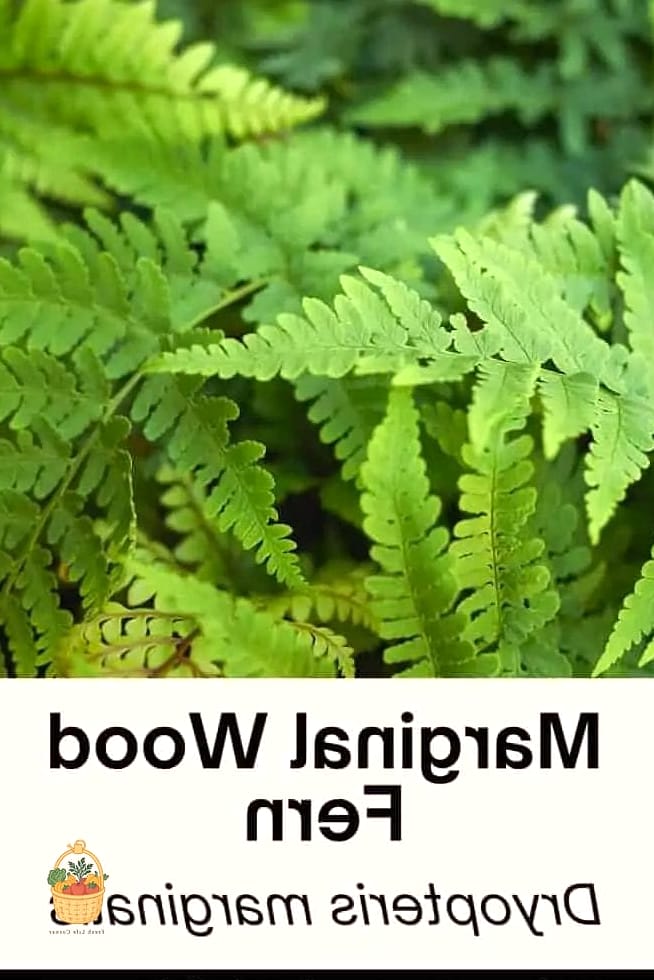
Marginal wood fern is a sturdy, evergreen native with blue-green fronds that hold their color through winter in many climates. It’s one of the more reliable choices for year-round garden structure in shade.
It prefers partial to full shade and well-draining soil with some organic matter, and it’s hardy in zones 3 through 8. It’s also deer resistant and rarely bothered by pests, which makes it a fairly carefree option.
Growth is slow and clump-forming, so it holds its shape nicely without needing much intervention from you.
Resurrection Fern
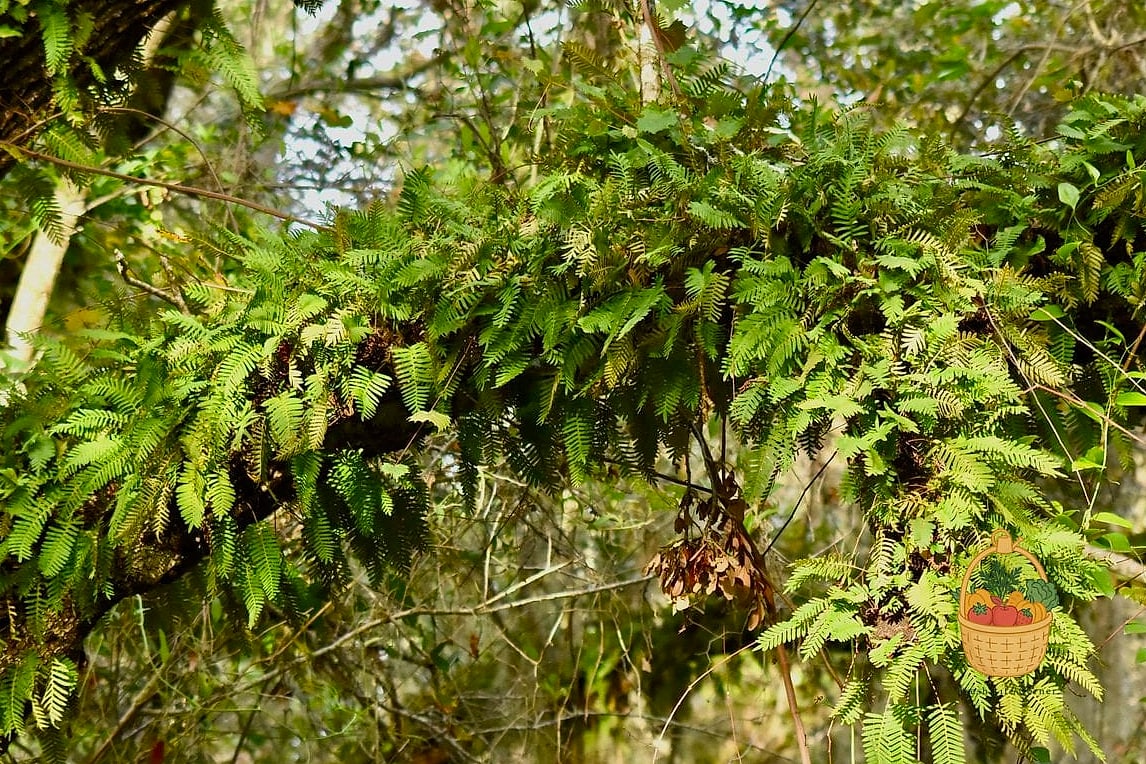
Resurrection fern is a small epiphytic fern that does something genuinely wild: it curls up and looks completely dead during dry spells, then unfurls green and lush within hours of rain. It’s a great teaching plant if you’ve got curious kids or neighbors.
It’s typically found growing on tree bark or rocks in partial shade, and it’s hardy in zones 6 through 10. It needs very little soil, drawing most of what it needs from humidity and rainfall.
It’s low-maintenance almost by definition, since its whole survival strategy is built around tolerating neglect.
Korean Rock Fern
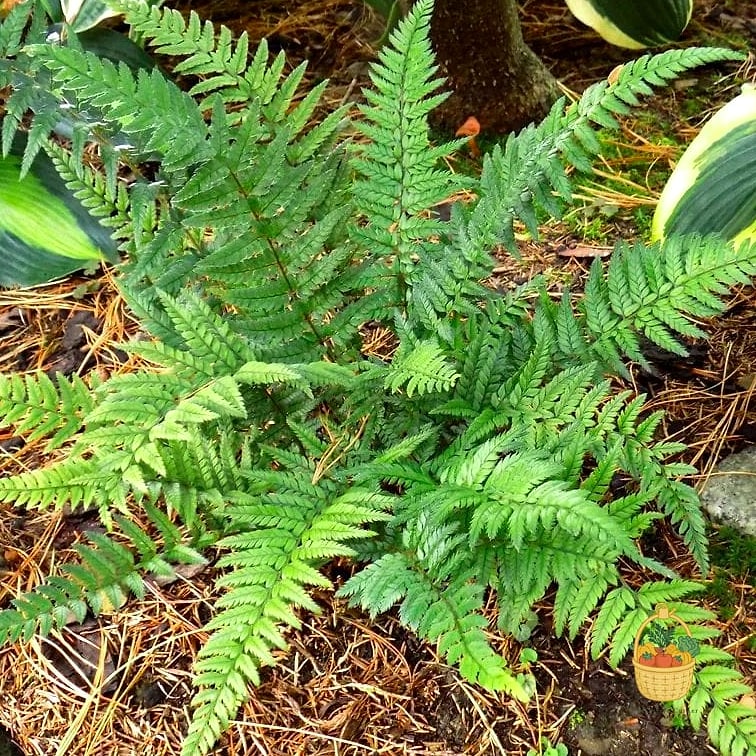
Korean rock fern is a compact, tidy fern with narrow, dark green fronds that hold their shape nicely in rock gardens and stone borders. It’s less commonly grown, which makes it a nice pick if you want something a little different.
It prefers partial shade and well-draining, slightly gritty soil, doing well in zones 5 through 8. It’s fairly drought tolerant once established and appreciates good drainage more than most ferns on this list, making it a natural fit for rock gardens or gravel beds.
Growth is slow, and it stays small, so it works well tucked into crevices between stones or along the edge of a shaded path.
With 24 types of ferns that will transform your garden now on your radar, the hardest part is narrowing down which ones to actually plant. My advice: start with a couple of the tougher varieties, like Christmas fern or autumn fern, get a feel for how they behave in your particular shade, and then branch out into the fussier, showier types once you’ve got the hang of it. Ferns have a way of turning even the most awkward, sunless corner of a yard into the prettiest spot in the garden.