22 Indoor Vining Plants That Actually Work
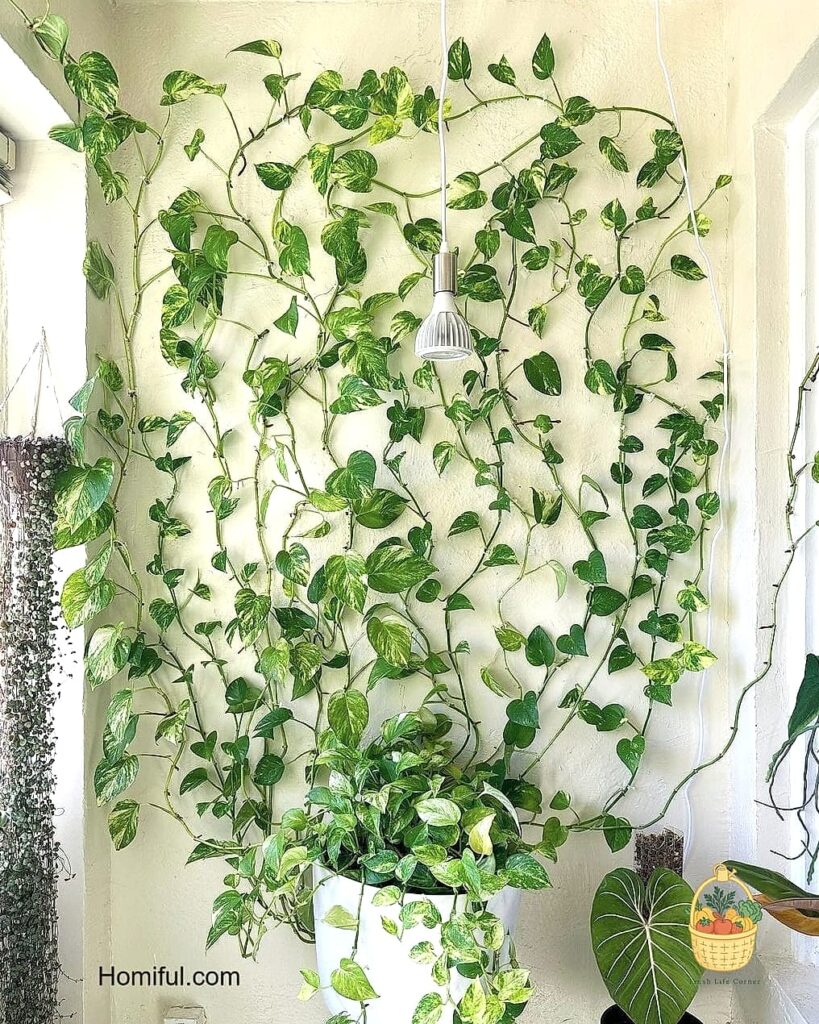
- Pothos
- Heartleaf Philodendron
- English Ivy
- Golden Pothos’s Cousin: Marble Queen Pothos
- String of Hearts
- String of Pearls
- Grape Ivy
- Swedish Ivy
- Wax Plant (Hoya)
- Satin Pothos
- Arrowhead Plant
- String of Turtles
- Creeping Fig
- Devil’s Ivy Variegated Neon
- Rex Begonia Vine
- Philodendron Micans
- Jasmine Vine
- Wandering Dew (Tradescantia)
- Dischidia
- Monstera Adansonii
- Peperomia Scandens
- Passion Flower Vine
22 Indoor Vining Plants That Actually Work
If you’ve ever tried to turn a bare corner or an empty shelf into something lush and alive, vining plants are the answer. They climb, they trail, they drape over bookcases like they’re posing for a magazine shoot, and most of them ask for very little in return.
This list covers 22 indoor vining plants that actually work — not just in theory, but in real homes with average light and busy schedules. Some like to climb a trellis, others prefer to cascade down from a hanging basket, and a few are happy doing either. Let’s get into it.
Pothos
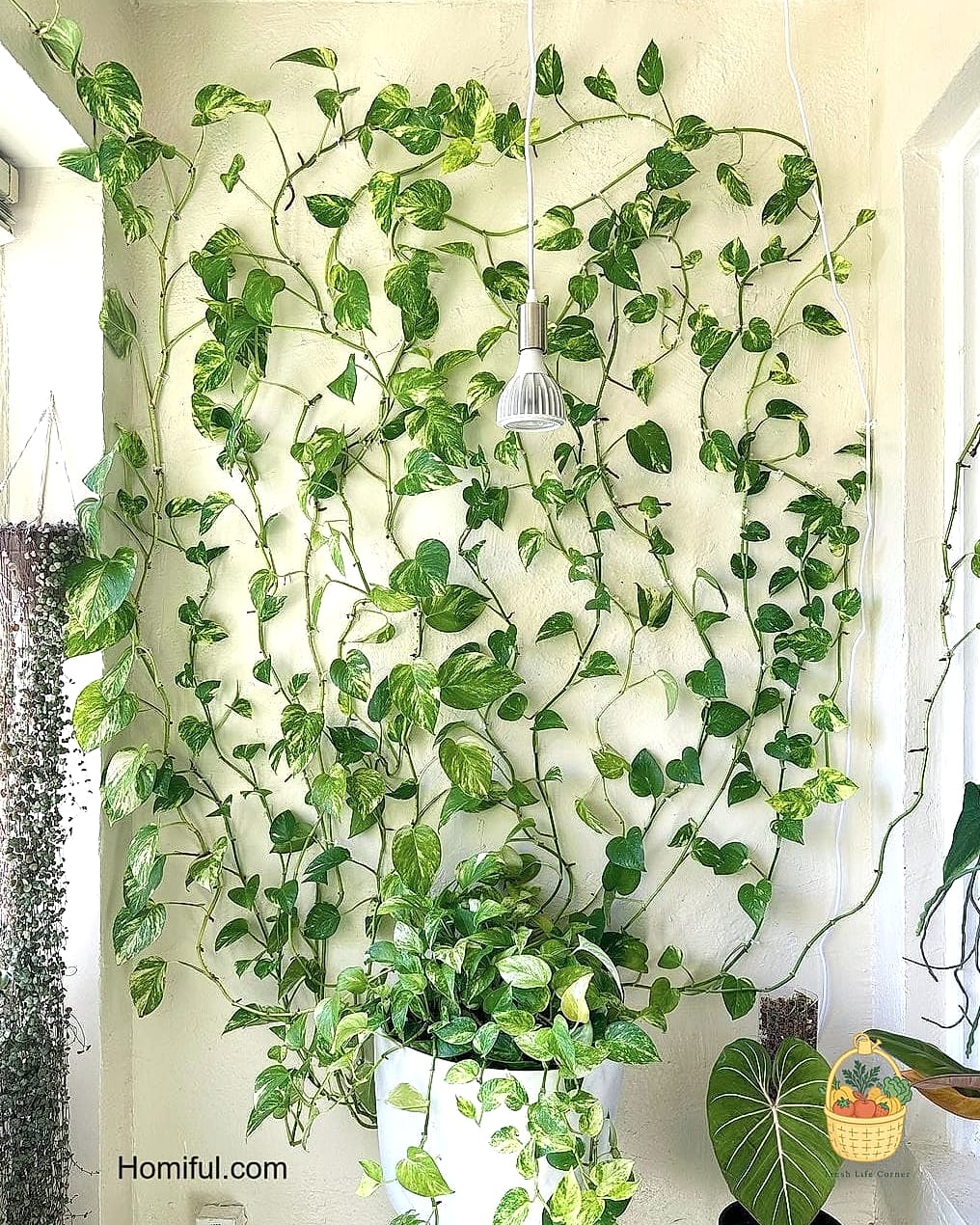
Pothos is the plant most people start with, and for good reason. Its heart-shaped leaves come in green, marbled, or golden variegation, and it grows fast enough that you’ll notice new growth within weeks.
It tolerates low light but really shows off in bright, indirect sun. Let the soil dry out between waterings, and don’t stress if you forget for a few extra days. Propagation is dead simple — snip a stem below a node, drop it in water, and roots show up in about two weeks. Great for beginners and forgiving of overwatering mistakes, though root rot can still creep in if the pot sits soggy too long.
Heartleaf Philodendron
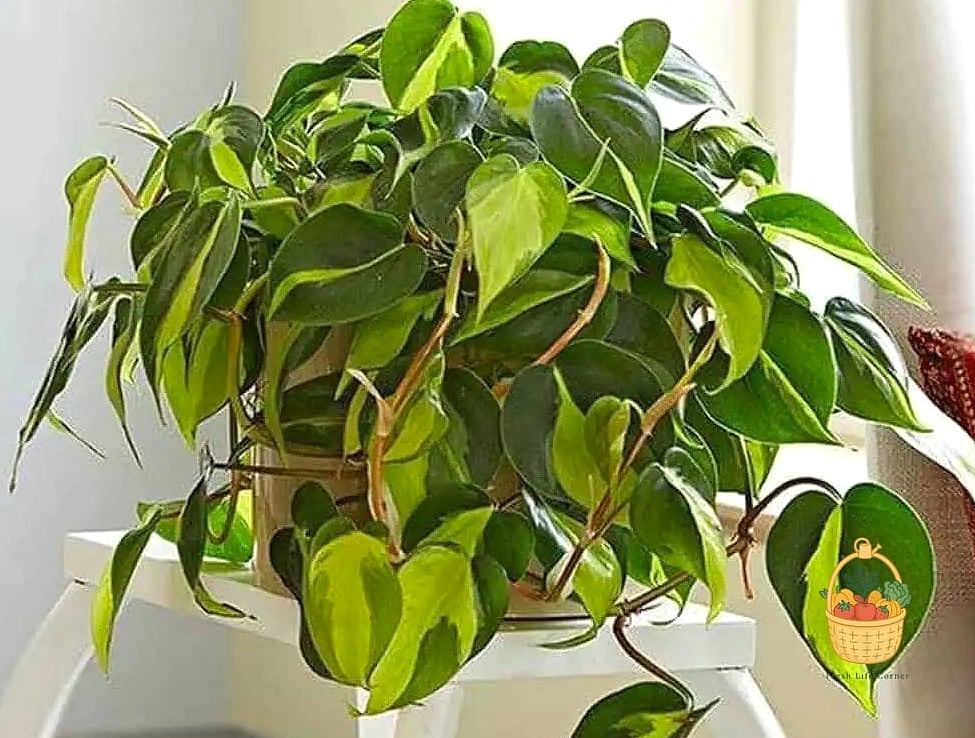
Similar in vibe to pothos but with a slightly glossier, thinner leaf, heartleaf philodendron is another fast grower that handles neglect well.
It prefers medium to bright indirect light and regular watering once the top inch of soil dries out. Use a well-draining potting mix, and feed it with a diluted liquid fertilizer during spring and summer. It’s an excellent candidate for a hanging basket near a north-facing window, and it roots easily from stem cuttings in water or soil.
English Ivy
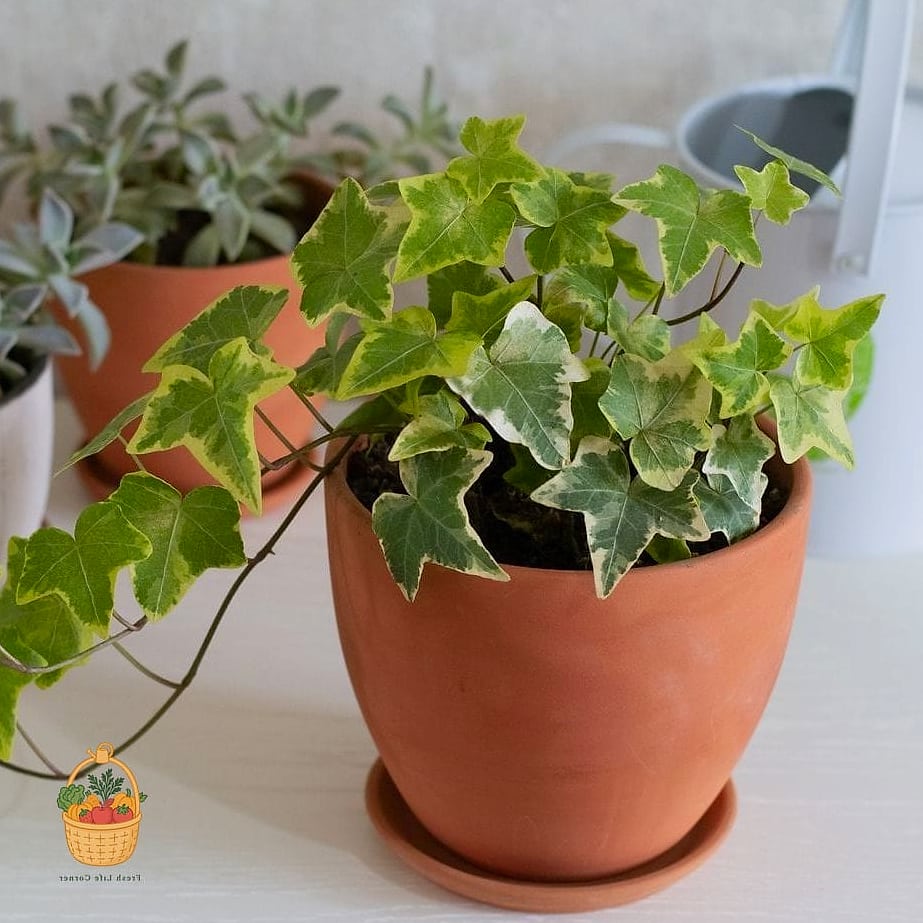
English ivy has that old-world, cottage-garden charm, with small lobed leaves that cascade in dense curtains. It’s technically invasive outdoors in many regions, so keeping it contained indoors is honestly the responsible move.
It likes bright, indirect light and cooler indoor temperatures — think 50 to 70°F. Keep the soil lightly moist but never waterlogged, since root rot is its biggest enemy. Watch for spider mites, especially in dry winter air; a occasional misting or wipe-down of the leaves helps keep them away.
Golden Pothos’s Cousin: Marble Queen Pothos

Worth calling out separately because it behaves differently enough to matter. Marble Queen has heavier white variegation, which means it needs more light than solid green pothos to keep that pattern from fading to plain green.
Bright indirect light is non-negotiable here. Otherwise, care is nearly identical to standard pothos — dry soil between waterings, occasional feeding, and easy propagation from cuttings. It’s a slower grower than its all-green cousin, so patience is part of the deal.
String of Hearts
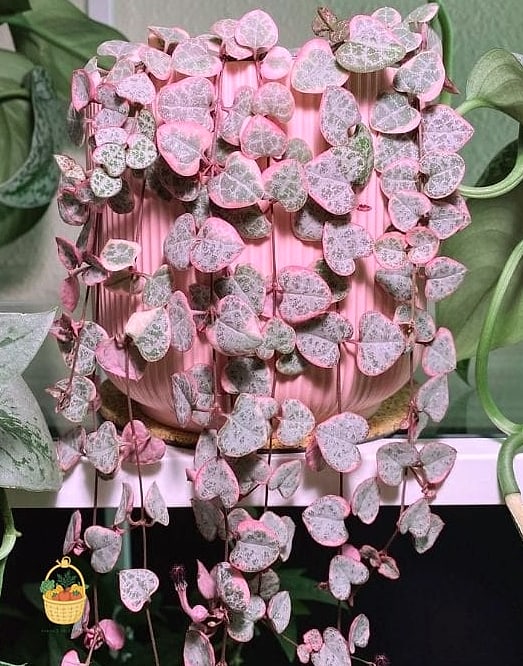
This delicate trailing succulent has thin wiry stems strung with tiny heart-shaped leaves, often with a marbled purple-and-silver pattern. It looks fragile but is actually pretty tough.
Give it bright light, even some direct morning sun, and let the soil dry out completely between waterings — this one is drought tolerant and would rather be underwatered than drowned. A cactus or succulent mix works well for drainage. Propagate by laying stem cuttings on top of soil; they root at the nodes with almost no effort on your part.
String of Pearls

Related in spirit to string of hearts but visually totally different, with round bead-like leaves strung along trailing stems. It’s a conversation starter every time someone spots it.
It wants bright light and very well-draining soil, since overwatering is the fastest way to lose this plant. Water sparingly, especially in winter, and always check that the pearls aren’t shriveling from thirst or turning mushy from too much water. Best suited to more experienced growers who can read the subtle signs of stress.
Grape Ivy
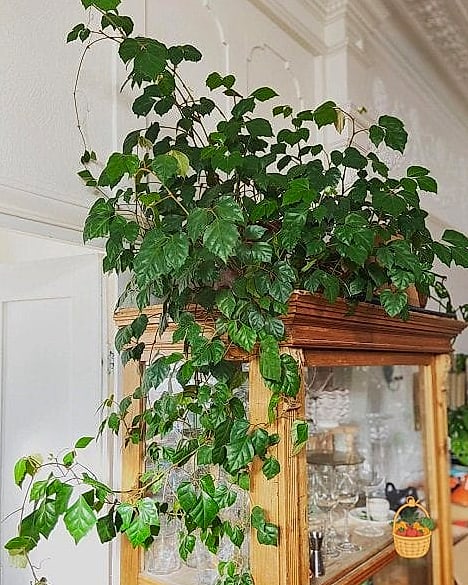
Grape ivy (Cissus rhombifolia) has glossy, three-lobed leaves that resemble tiny grape leaves, and it climbs eagerly if given something to grab onto.
Medium to bright indirect light suits it well, and it prefers to dry out slightly between waterings. It’s naturally pest resistant compared to some other vines, though mealybugs occasionally show up in the leaf joints. A moss pole gives it something to climb, or let it trail from a shelf for a fuller look.
Swedish Ivy
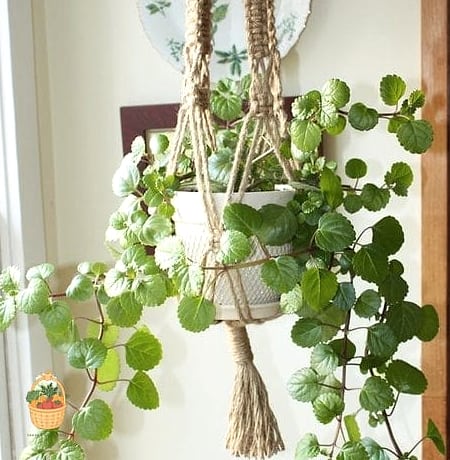
Despite the name, it’s not a true ivy, and it’s not even from Sweden — it’s native to southern Africa. Swedish ivy has rounded, scalloped leaves and a naturally bushy, trailing habit that fills out a hanging pot quickly.
It likes bright indirect light and consistent moisture, though it can handle brief dry spells. Pinch back the tips regularly to encourage denser growth rather than long leggy strands. It’s an easy propagator too — cuttings root readily in water within a couple of weeks.
Wax Plant (Hoya)
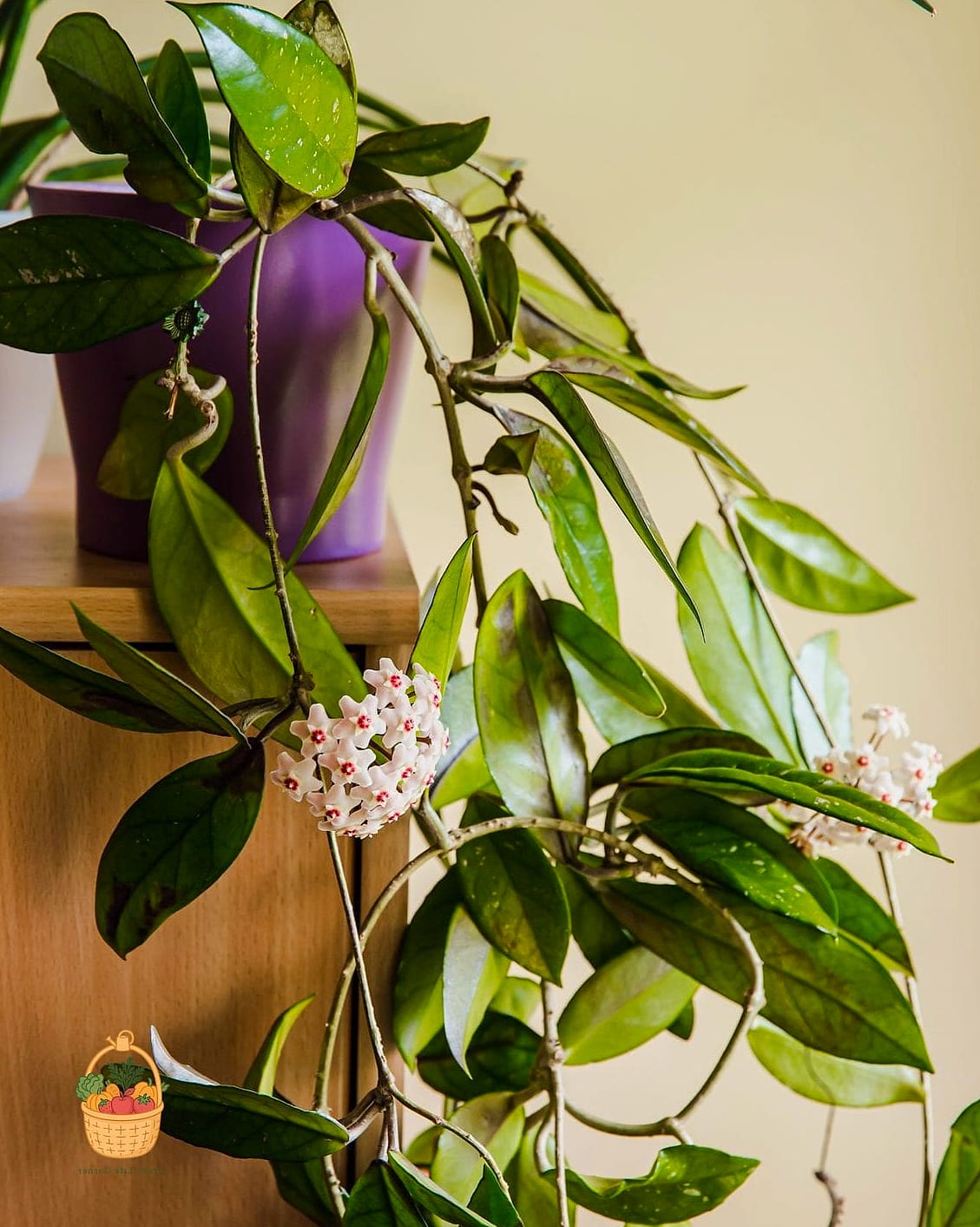
Hoyas have gone from grandma’s windowsill staple to genuinely trendy houseplant, and it’s easy to see why. The thick, waxy leaves store water well, and mature plants reward you with clusters of star-shaped, fragrant flowers.
Bright indirect light encourages blooming, while low light just gets you a nice foliage plant. Let the soil dry out between waterings — hoyas are semi-succulent and don’t like wet feet. They’re slow growers, so think of this as a long-term relationship rather than an instant gratification plant.
Satin Pothos
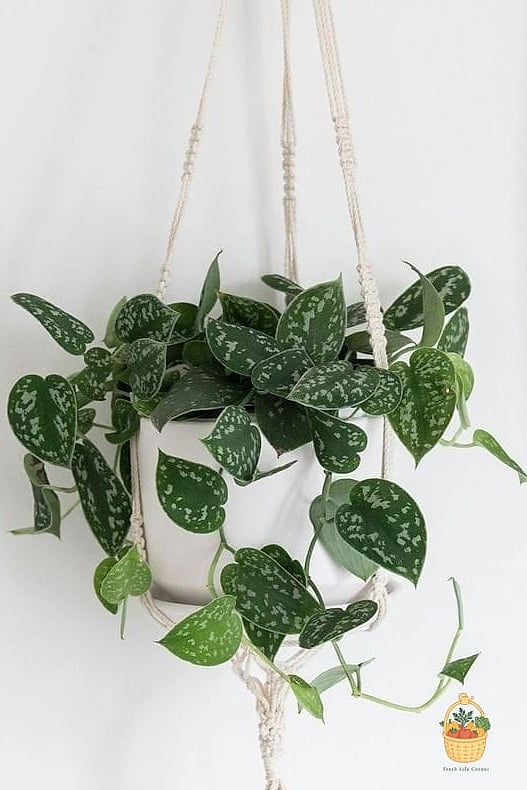
Not a true pothos at all, but a Scindapsus, satin pothos has velvety, silver-splashed leaves that catch the light beautifully. It’s slower growing than golden pothos but arguably more elegant.
It handles medium light fine, though the silver variegation pops more in brighter spots. Water when the top couple inches of soil are dry, and avoid letting it sit in standing water. It makes a lovely addition to a shelf where its trailing stems can hang freely.
Arrowhead Plant
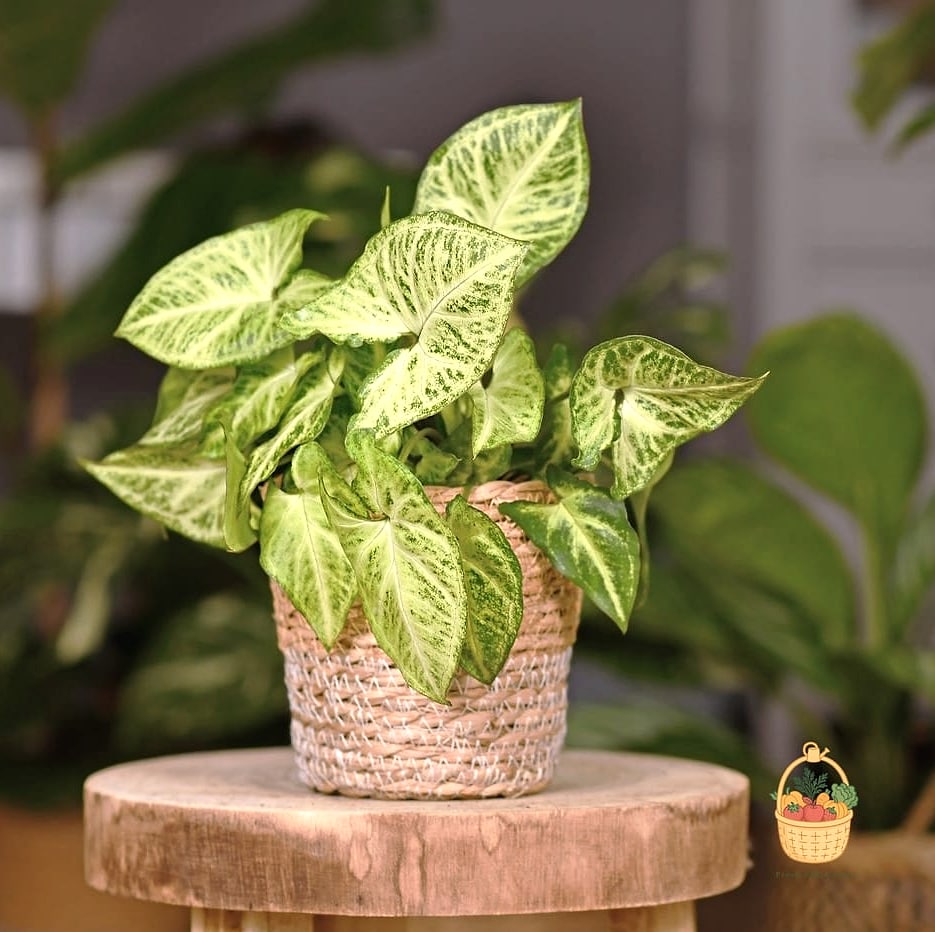
Syngonium, or arrowhead plant, starts out with a compact, upright habit and gradually turns into a trailing vine as it matures — kind of a plant with two lives.
It tolerates a range of light conditions but colors up best in bright, indirect light. Keep soil evenly moist without waterlogging it, and expect fairly quick growth during the warmer months. Pinching back the vines keeps it bushy instead of scraggly, and it propagates easily from stem cuttings.
String of Turtles
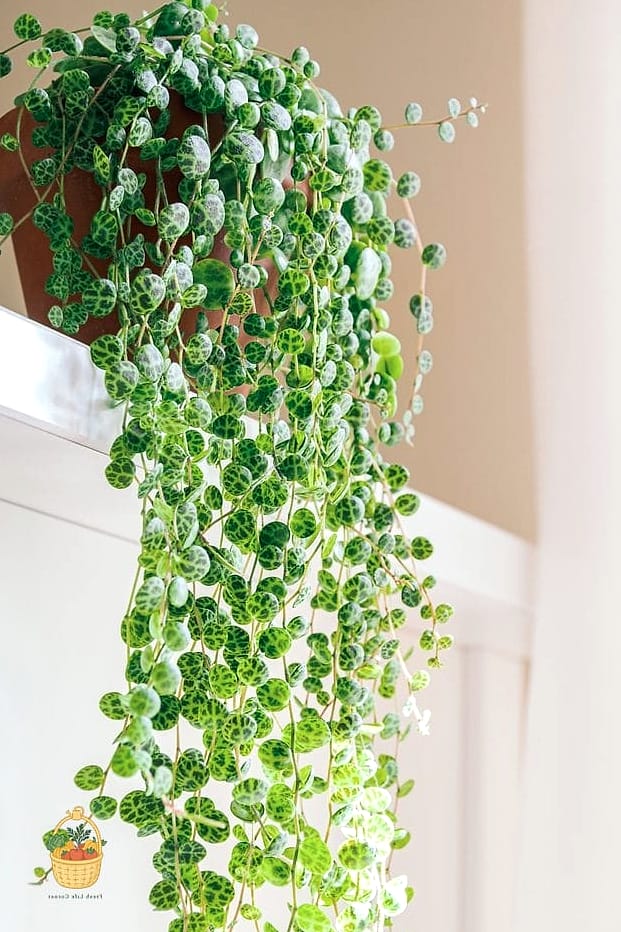
This one has small, patterned leaves that genuinely look like tiny turtle shells strung along thin trailing stems. It’s a slower grower and a bit fussier than some others on this list, so it’s better suited to gardeners who enjoy a small challenge.
Bright, indirect light and a well-draining mix are essential, along with careful watering — let it dry out most of the way before watering again. It’s sensitive to overwatering, and yellowing leaves are usually the first warning sign. Terracotta pots help wick away excess moisture.
Creeping Fig
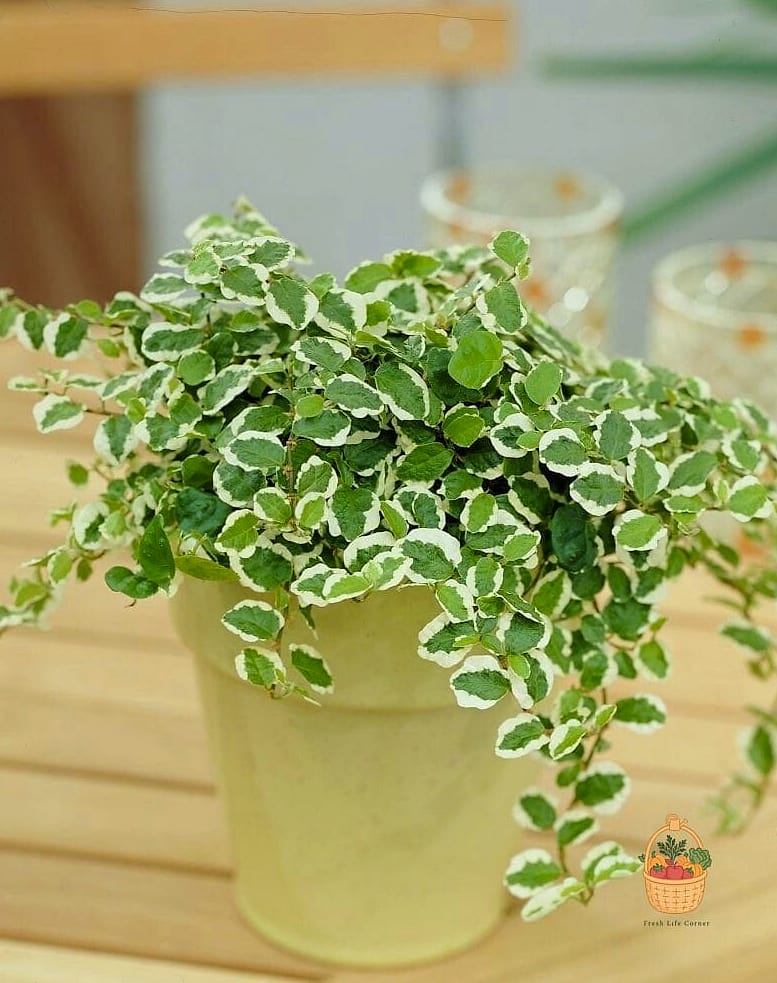
Creeping fig has tiny, dense leaves that eventually cling to surfaces like a living wallpaper, making it a favorite for topiary shapes or moss poles.
It prefers bright indirect light and consistently moist (not soggy) soil. It’s a moderate grower indoors, slower than outdoors where it can become quite vigorous. Occasional misting helps in dry indoor air, and pruning keeps it from getting unruly if you’re training it onto a shape.
Devil’s Ivy Variegated Neon
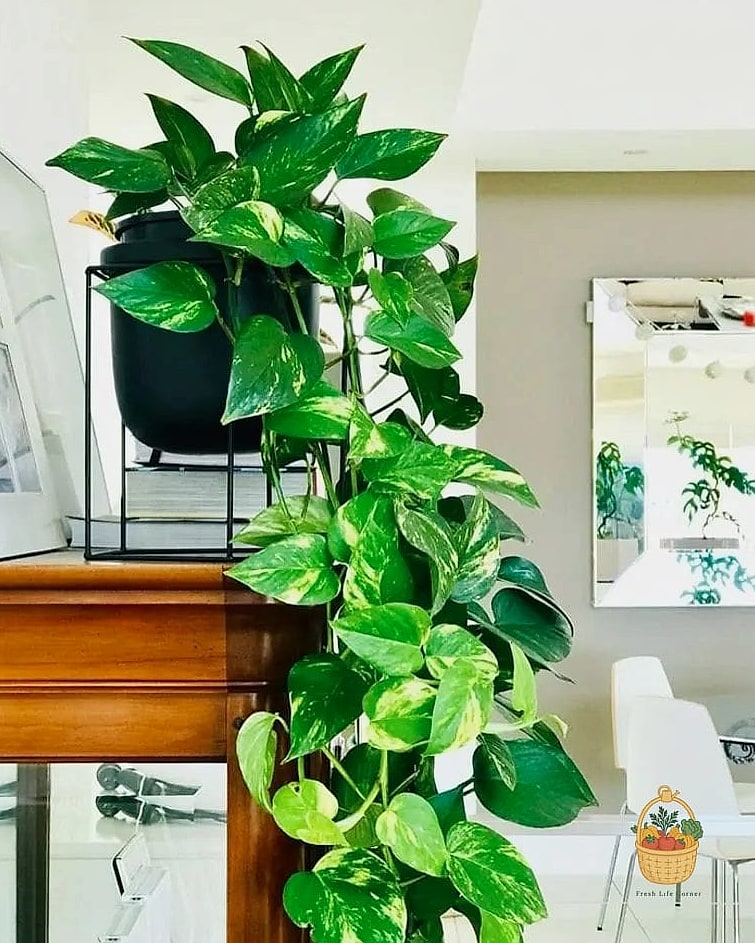
Yes, it’s still pothos, but the neon variety deserves its own mention because it’s such a different look — bright chartreuse leaves that practically glow in a room.
It needs a bit more light than green pothos to keep that vivid color from fading toward a duller green. Water when the topsoil dries out, and feed lightly during the growing season with a diluted liquid fertilizer. It’s just as forgiving as its cousins, making it a great pick for anyone who wants color without added difficulty.
Rex Begonia Vine
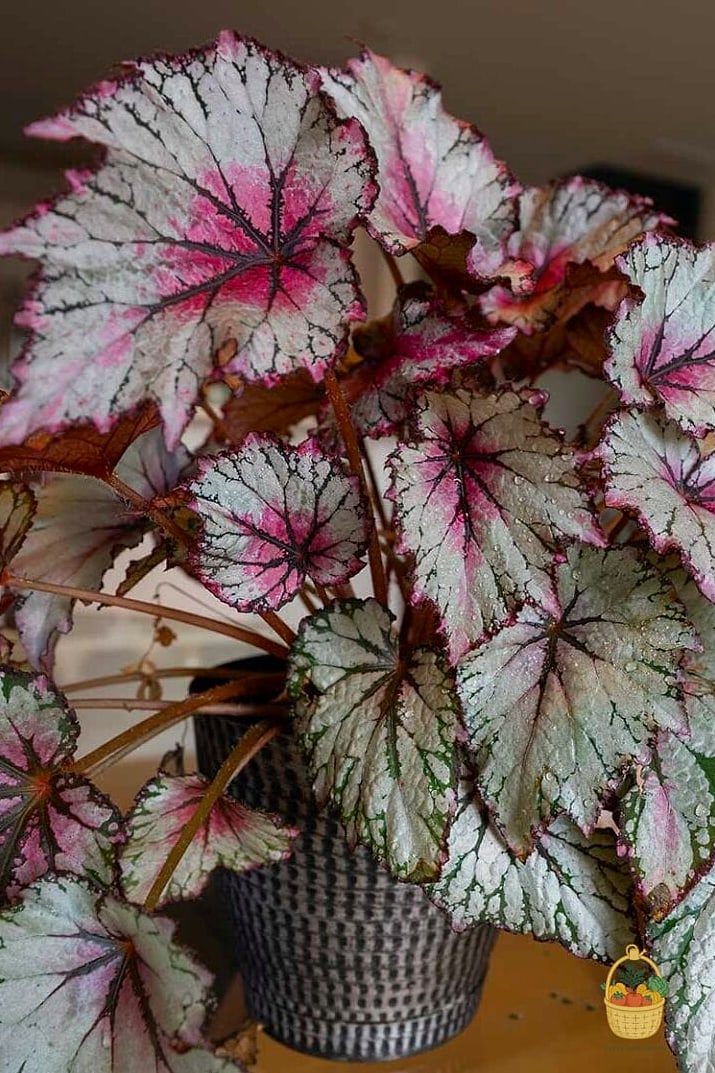
Cissus discolor, sometimes called the rex begonia vine, has stunning silver-patterned leaves with deep burgundy undersides. It’s a bit more particular about humidity than the average vine on this list.
It appreciates bright, indirect light and higher humidity, so a bathroom with a window or a spot near a humidifier suits it well. Keep the soil lightly moist and avoid letting it dry out completely, which is the opposite of many succulent-type vines here. It’s a rewarding pick for someone ready to step up from beginner houseplants.
Philodendron Micans
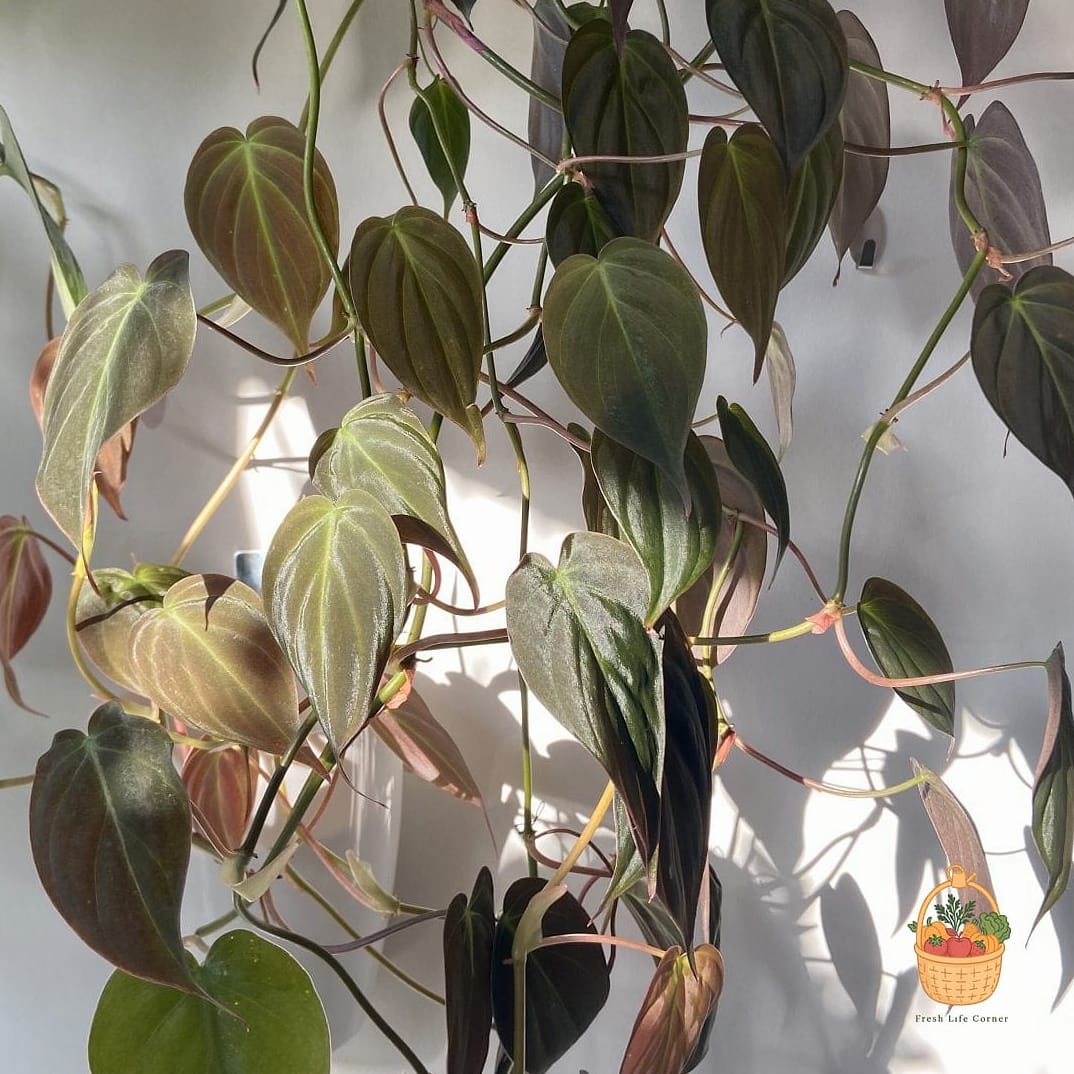
A velvety-leaved cousin of the heartleaf philodendron, Micans has a deep bronze-green sheen that shifts color depending on the light hitting it.
Bright indirect light brings out the richest color, though it tolerates medium light without complaint. Water when the top inch of soil feels dry, and use a chunky, well-draining aroid mix. It climbs beautifully on a moss pole if you want height, or trails nicely left on its own.
Jasmine Vine
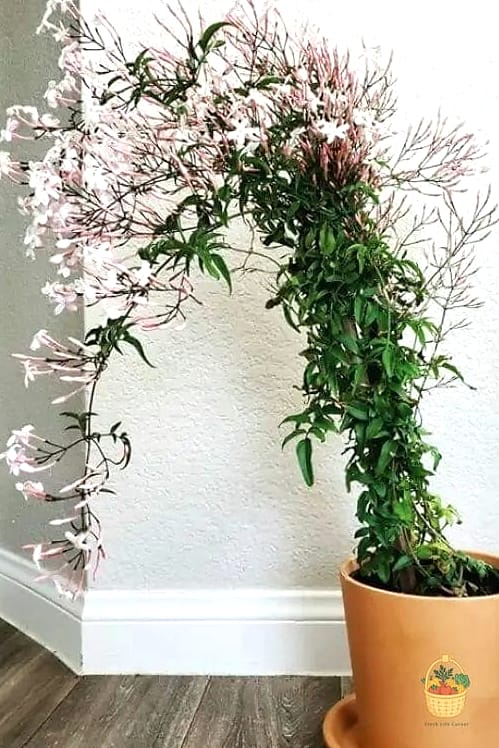
For anyone who wants fragrance along with foliage, jasmine is worth the extra effort. Indoor varieties like Jasminum polyanthum produce clusters of small white flowers with a scent that fills a room.
It wants your brightest window, ideally with a few hours of direct sun, and consistently moist soil during active growth. It also appreciates a cooler dormant period in winter to encourage blooming the following season. It’s a good option for gardeners who don’t mind giving a plant a bit more attention in exchange for flowers.
Wandering Dew (Tradescantia)

Tradescantia zebrina and its relatives are fast, forgiving, and colorful, with striped purple-and-silver leaves that catch light in a way photos never quite capture.
Bright light keeps the colors vivid, while low light causes the stripes to fade toward plain green. It likes evenly moist soil but tolerates missed waterings better than most colorful plants. It’s also one of the fastest plants to propagate — cuttings in water root within days, which makes it a fun one to share with friends.
Dischidia
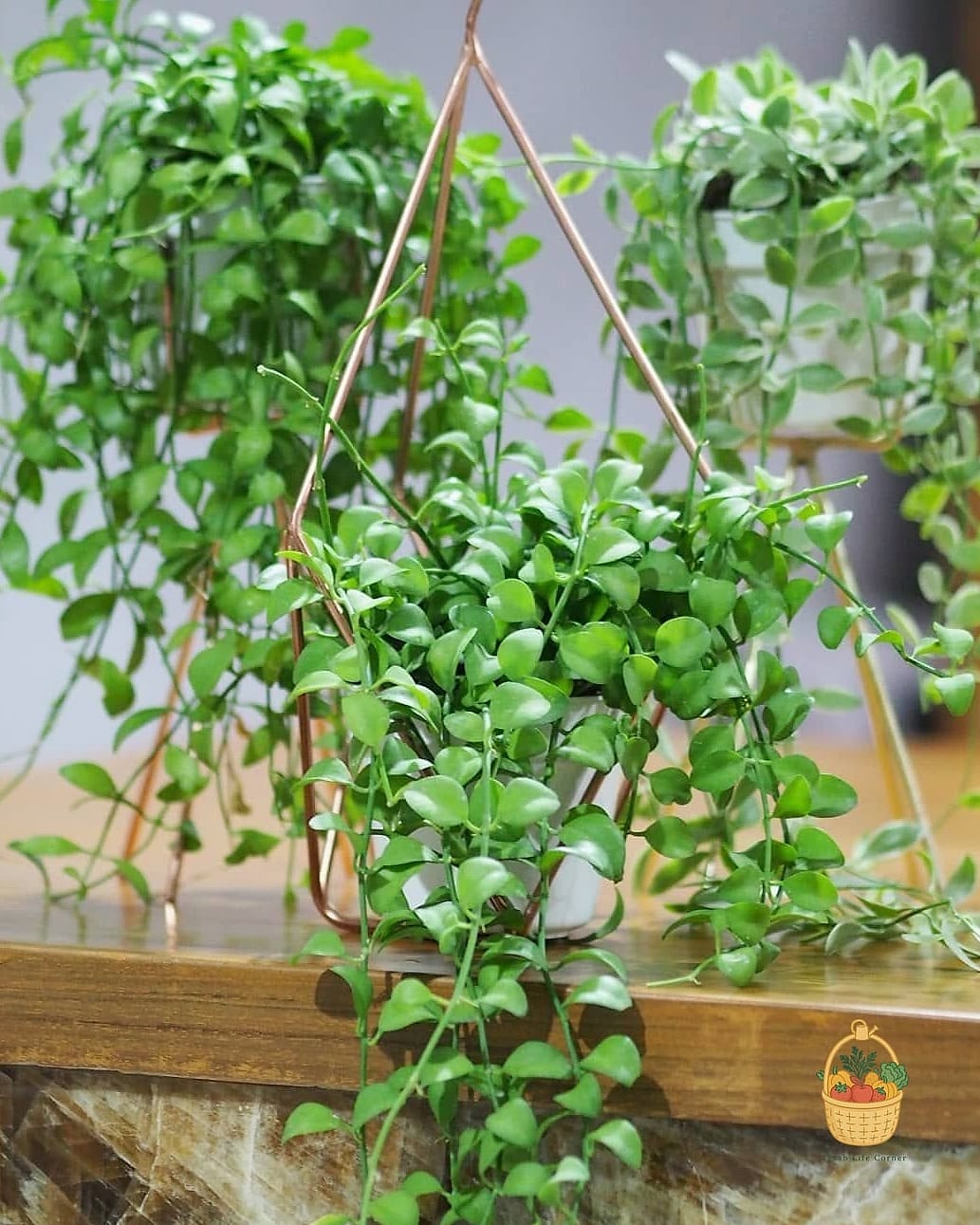
Dischidia species, sometimes called button orchids, are relatives of hoya with small, fleshy leaves that hug their trailing stems tightly. They’re less common, which makes them a fun find for collectors.
They like bright indirect light and a chunky, fast-draining mix similar to what you’d use for orchids or hoyas. Water thoroughly, then let it dry out before watering again. They’re epiphytic in nature, so mounting on bark is an option for gardeners who want to get a little more adventurous.
Monstera Adansonii

Often called the Swiss cheese vine, this smaller relative of the famous Monstera deliciosa has leaves full of natural holes and splits, giving it a lacy, tropical look.
It grows well in bright, indirect light and appreciates consistent moisture without sitting in water. It’s a fast grower once established, and it climbs eagerly if you give it a moss pole or trellis. Propagation from stem cuttings with a node is quick and satisfies that itch to multiply your collection.
Peperomia Scandens

Peperomia scandens, sometimes sold as cupid peperomia, has small, glossy, heart-shaped leaves and a naturally trailing habit that’s less fussy than many of the peperomia family.
Medium to bright indirect light works fine, and it prefers to dry out somewhat between waterings, similar to a semi-succulent. Its thick leaves store some water, so it forgives occasional lapses in your watering schedule. It’s a nice low-drama option if you want trailing foliage without babysitting.
Passion Flower Vine
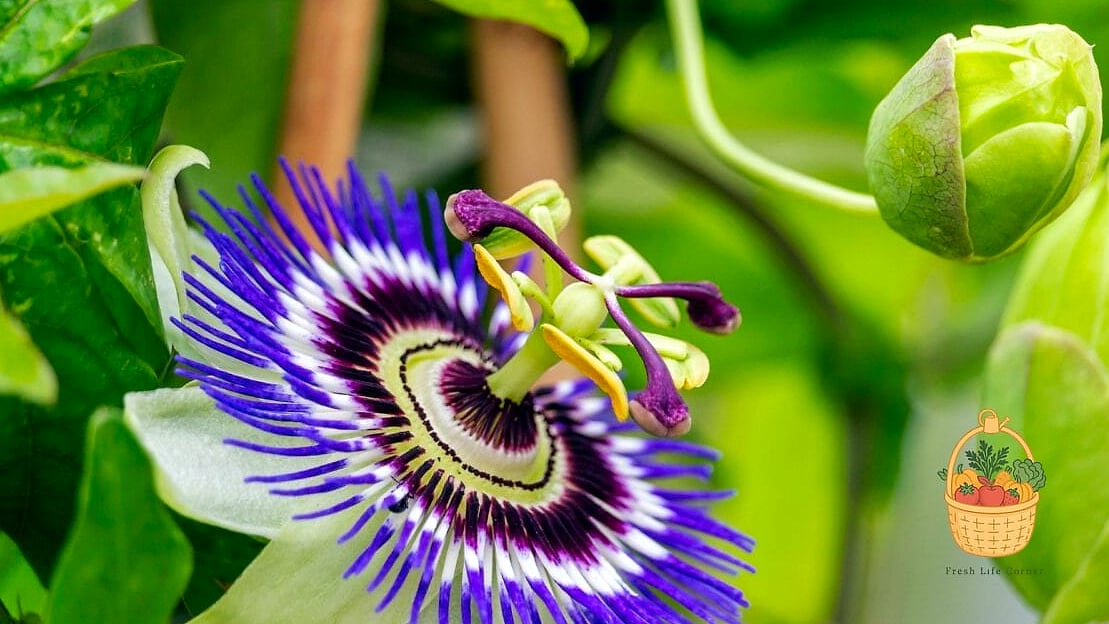
Passiflora is the showiest option here, producing intricate, otherworldly flowers if given enough light and a long enough growing season. It’s more commonly grown outdoors, but a bright sunroom or south-facing window can work indoors.
It needs your strongest available light and a sturdy support to climb, since it grows vigorously once it gets going. Water regularly during the growing season and feed with a balanced liquid fertilizer to support flowering. This one’s best suited for experienced growers who enjoy a bit of a project and have the light to back it up.
Final Thoughts
Whichever plants from this list you decide to bring home, the key to success with vining plants indoors usually comes down to matching light levels honestly, not optimistically, and resisting the urge to overwater just because you feel like you should be doing something.
Start with one or two — pothos and philodendron are nearly impossible to mess up — and build confidence before moving on to the more particular options like string of turtles or rex begonia vine. Once you get the rhythm down, these 22 indoor vining plants that actually work can genuinely transform a room, one trailing stem at a time.