How To Grow & Care For Chinese Money Plant — The Complete Beginner’s Guide

How To Grow & Care For Chinese Money Plant — The Complete Beginner’s Guide
If there’s one houseplant that’s earned its social media fame honestly, it’s the Chinese money plant. Those round, coin-shaped leaves on thin stems have a way of making any windowsill look like it belongs in a magazine. But beyond the good looks, this plant has become a favorite because it’s genuinely easy to live with.
Pilea peperomioides — that’s the botanical name, though nobody at your local garden club is going to judge you for just calling it “the pancake plant” or “UFO plant” — originally comes from the Yunnan province in southern China. It spent decades as a passalong plant, shared cutting by cutting between friends and neighbors, long before it showed up in stores. That history is part of its charm, honestly.
This guide walks through everything a beginner needs to know, from picking the right spot to propagating your own baby pileas to share.
Why Gardeners Love It
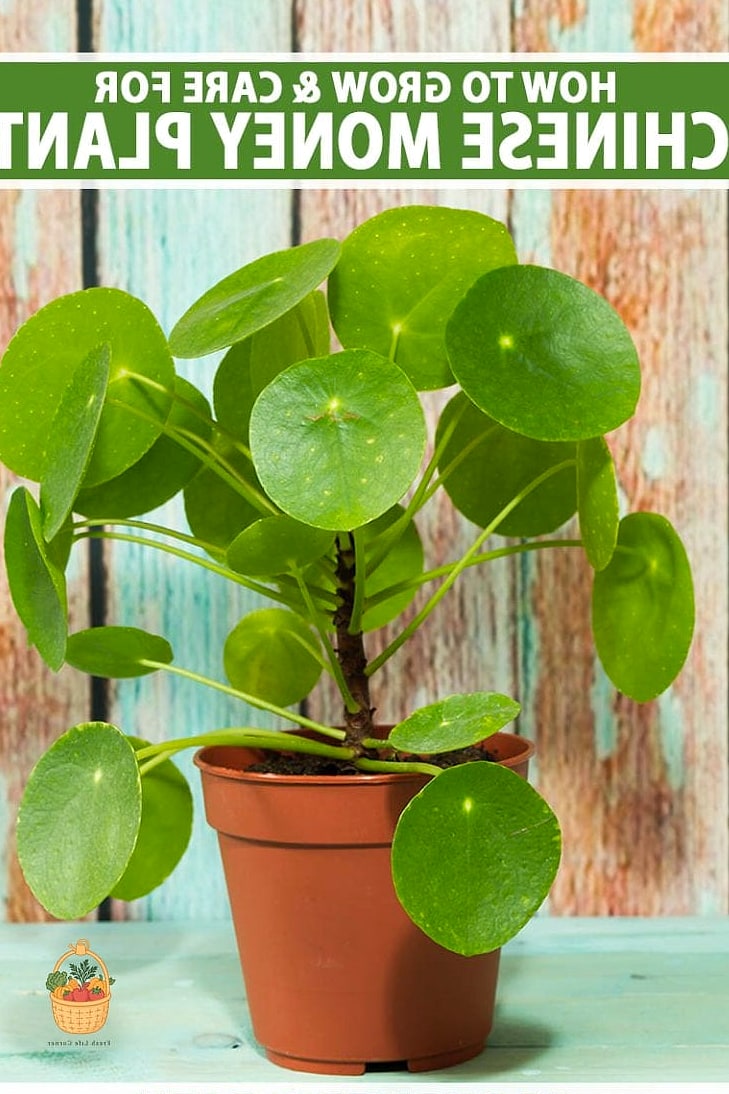
There’s something almost cartoonish about the Chinese money plant’s leaves — perfectly round, glossy green, and perched on stems that seem to defy gravity. It’s a plant that photographs well, which never hurts in the age of plant Instagram.
But the real appeal runs deeper than looks. This is a plant that forgives mistakes. Forget to water it for a week? It’ll sulk a little but bounce back. It also produces “pups,” little baby plants that sprout from the base or roots, which means one plant can turn into five or six over a year or two without much effort on your part.
Gardeners also love that it’s pet-friendly. Unlike so many popular houseplants that are toxic to cats and dogs, the Chinese money plant is considered non-toxic, so it’s a safer pick for households with curious animals wandering around.
Key Features and Appearance

The leaves are the star of the show — round, slightly cupped, and attached to the stem right at the center, which gives the plant its distinctive umbrella-like look. New leaves unfurl a lighter green and darken as they mature.
Mature plants typically reach twelve to eighteen inches tall indoors, though older specimens in ideal conditions can climb higher. The stem grows upright at first, then often leans or curves with age, which some people find adds character rather than counting against it.
One quirk worth mentioning: this plant is phototropic, meaning it leans hard toward its light source. Left alone, it’ll grow sideways trying to reach a window. A quarter turn every week or so keeps growth even and the plant standing upright instead of doing an impression of the Leaning Tower of Pisa.
Growing Conditions
Bright, indirect light is the sweet spot for a Chinese money plant. A spot a few feet back from an east or west-facing window works well, or right in front of a north-facing one. Direct afternoon sun tends to scorch those tender round leaves, leaving pale or crispy patches behind.
Indoors, this plant does fine in typical household temperatures, generally between 65 and 75°F. It’s not a fan of cold drafts or sitting near a heating vent, so keep it away from doors that open to the outside in winter.
Outdoors, Chinese money plants only tolerate USDA hardiness zones 10 through 12 year-round. Everywhere else, treat it strictly as a houseplant, or bring it indoors before temperatures drop below 50°F in fall.
Humidity helps but isn’t a dealbreaker. Average indoor humidity is usually fine, though a nearby humidifier or a pebble tray can make the leaves look extra glossy if your home runs on the dry side.
Soil and Watering Needs
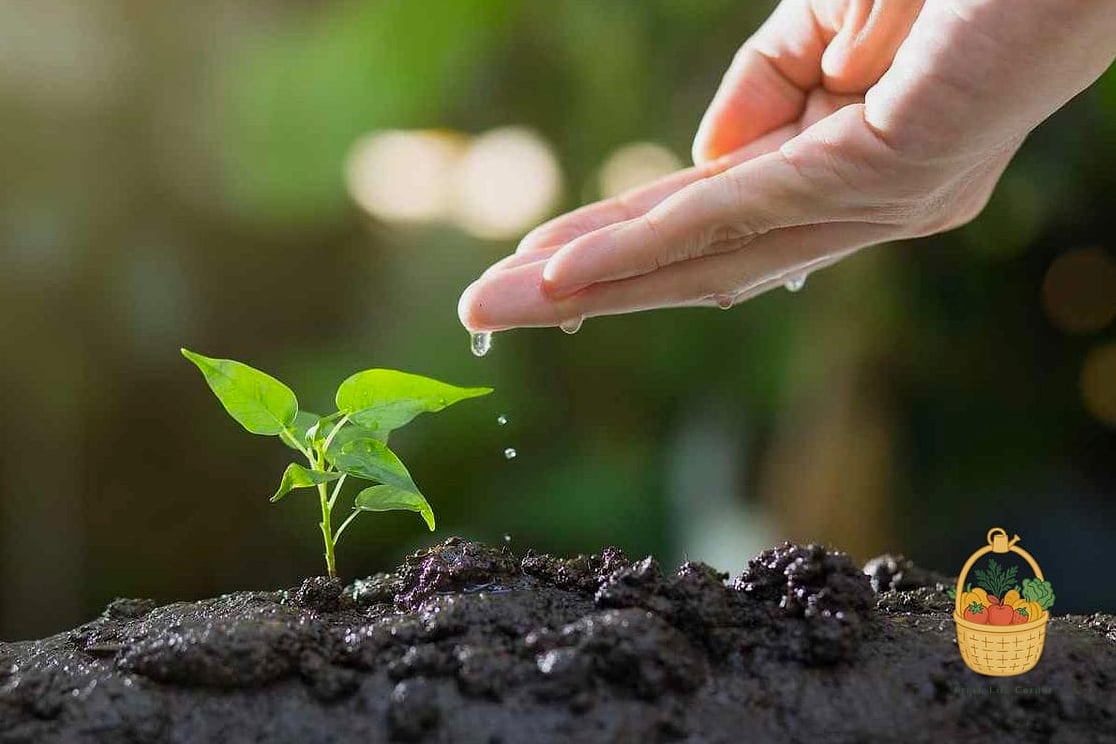
Well-draining soil is non-negotiable here. A standard houseplant potting mix with a bit of perlite mixed in gives roots the drainage they need while still holding onto some moisture. Straight garden soil or anything heavy and clay-like is asking for trouble.
Water when the top inch or two of soil feels dry to the touch — stick a finger in the pot rather than watering on a fixed schedule, since that top layer dries out at different rates depending on the season. Overwatering is the single most common way people lose this plant, leading to root rot and mushy, yellowing leaves.
A terracotta pot with a drainage hole is a smart choice since the porous material wicks away excess moisture. Whatever container you use, always let excess water drain freely rather than letting the pot sit in a saucer full of water.
In winter, cut back watering frequency since the plant’s growth slows down and it simply won’t drink as much.
Fertilizing and Pruning
During spring and summer, when the plant is actively pushing out new leaves, a balanced liquid fertilizer diluted to half strength every four to six weeks keeps it fed without overdoing it. Some growers prefer a slow-release fertilizer applied once at the start of the growing season instead, which is a bit more hands-off.
Skip fertilizing entirely in fall and winter. The plant isn’t actively growing then, and feeding it during dormancy can actually stress the roots rather than help.
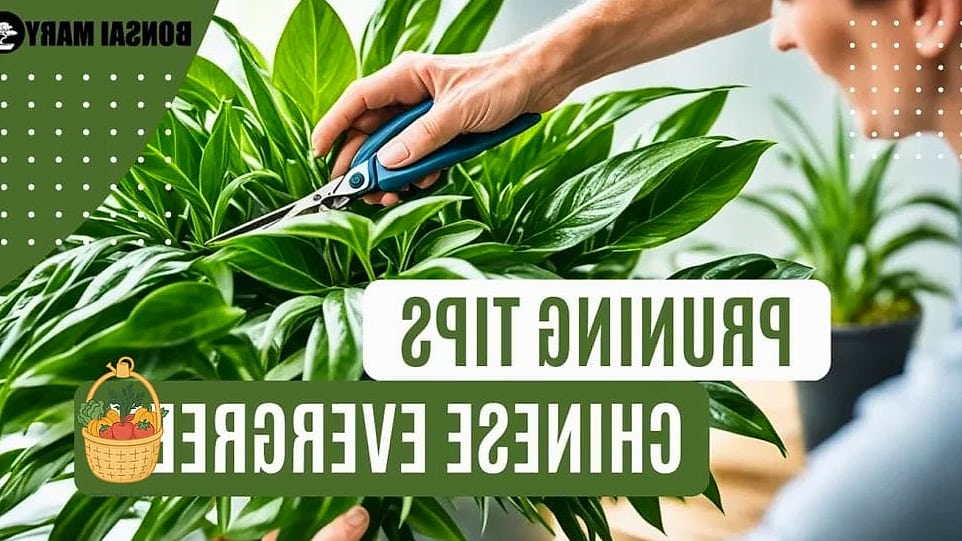
Pruning is minimal with this species — you’re mostly just removing yellow or damaged leaves as they appear, snipping them off close to the stem with clean pruning shears. If the plant gets leggy or lopsided, you can trim the top to encourage bushier growth, and that cutting can go straight into propagation instead of the compost pile.
Common Problems and Solutions
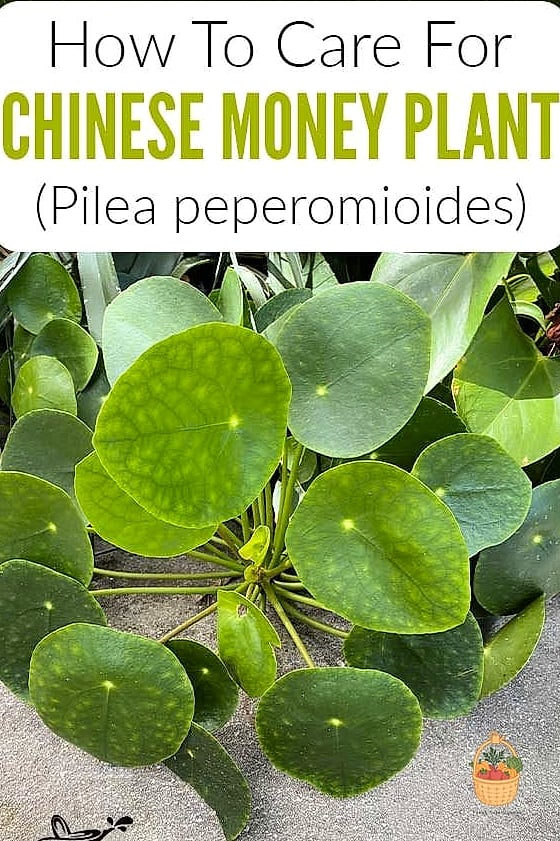
Yellowing leaves are usually the plant’s way of saying it’s getting too much water. Cut back on watering frequency and check that the pot actually drains well; if roots look brown and mushy when you check, you’re likely dealing with root rot and may need to trim away the affected roots and repot in fresh soil.
Drooping, curling leaves often point the other direction — underwatering or too much direct sun. Move the plant out of harsh light and stick to a more consistent watering rhythm.
Pests aren’t usually a huge issue for Chinese money plants, but spider mites and aphids can show up occasionally, especially on a stressed or dusty plant. A wipe-down with a damp cloth every so often keeps leaves clean and makes it easier to spot trouble early. If pests do appear, an insecticidal soap or a diluted neem oil spray handles most infestations without resorting to anything harsh.
Leggy growth with big gaps between leaves usually means the plant wants more light. Move it closer to a bright window and it should fill back in with new growth over time.
Propagation Tips
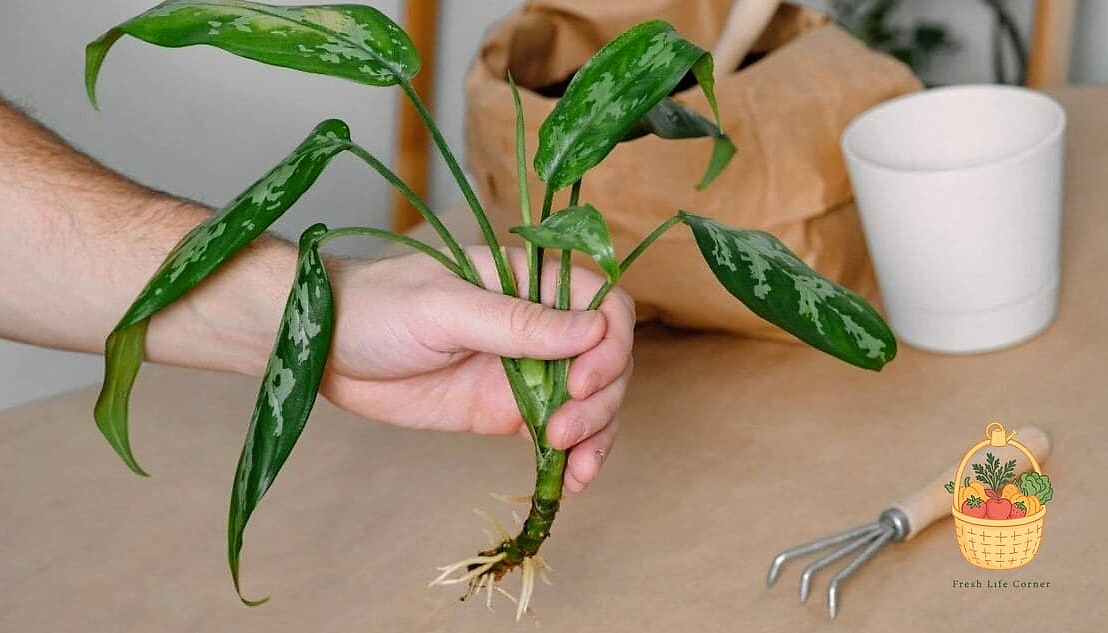
This is where the Chinese money plant really earns its reputation as the ultimate passalong plant. The easiest method is dividing the pups — those little plantlets that pop up around the base of the mother plant or along shallow roots nearby.
Once a pup has a few leaves of its own, gently dig around its base to expose the roots connecting it to the parent plant, then separate it with a clean cut. Pot it in its own small container with fresh, well-draining soil, water lightly, and keep it out of direct sun while it settles in.
Stem cuttings work too, particularly if your plant has gotten tall and leggy. Cut a section of stem with at least one leaf, let the cut end callus over for a day, then place it in water until roots develop before moving it to soil. It’s slower than dividing pups but satisfying to watch happen.
Either way, propagation is genuinely one of the most rewarding parts of owning this plant. Within a year, it’s common to have enough baby pileas to fill out your own collection and still have extras to give away to friends who inevitably ask, “wait, what is that plant?”
Final Thoughts

The Chinese money plant earns its popularity honestly — it looks striking, it’s forgiving of beginner mistakes, and it practically hands you new plants to share. Bright indirect light, well-draining soil, and watering only when the soil actually needs it will keep this one thriving for years.
Give it an occasional turn toward the light, keep an eye out for overwatering, and don’t be surprised when it starts sending up pups of its own. This guide to how to grow and care for Chinese money plant should set any beginner up to keep one alive, and probably propagate a few more before long.