Herbs Grow In Containers — The Complete Beginner’s Guide
- Why Containers Work So Well for Herbs
- Choosing the Right Containers
- Picking the Right Soil Mix
- Sunlight Requirements for Container Herbs
- Watering Herbs the Right Way
- Feeding Your Container Herbs
- Best Herbs for Beginners to Start With
- Indoor vs Outdoor Herb Growing
- Common Pests and Problems
- Repotting and Seasonal Care
- Propagating Herbs to Grow Your Collection
- Final Thoughts
Herbs Grow In Containers — The Complete Beginner’s Guide
If you’ve ever killed a grocery store basil plant within a week of bringing it home, you’re not alone. Most of us start our container herb journey with a casualty or two. The good news is that growing herbs in containers is actually one of the more forgiving corners of gardening, once you understand what these plants actually want.
This guide walks through everything a beginner needs to know about growing herbs in pots, from picking the right container to troubleshooting the yellow leaves that inevitably show up at some point. No horticulture degree required.
Why Containers Work So Well for Herbs
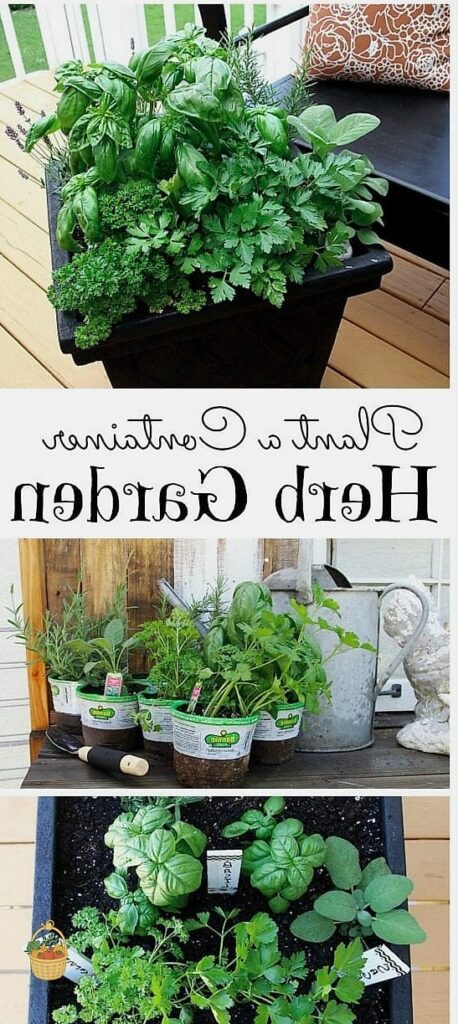
Herbs and containers are basically made for each other. Many culinary herbs — think thyme, rosemary, oregano — actually originated in rocky, dry Mediterranean soil, which means they don’t need rich garden beds to thrive.
Growing in pots also gives you control. You decide the soil, the drainage, the sun exposure, and you can move plants around as the seasons shift. A pot of basil can follow the sun across your patio; a pot in the ground cannot.
There’s also the practical win of having herbs within arm’s reach of your kitchen. Container gardening on a porch, balcony, or windowsill means fresh herbs are seconds away instead of a trip to the store.
Choosing the Right Containers
Drainage is non-negotiable. Any pot without a drainage hole is basically a slow-motion trap for root rot, so if you fall in love with a pot that doesn’t have one, drill it yourself or use it as a decorative outer sleeve instead.
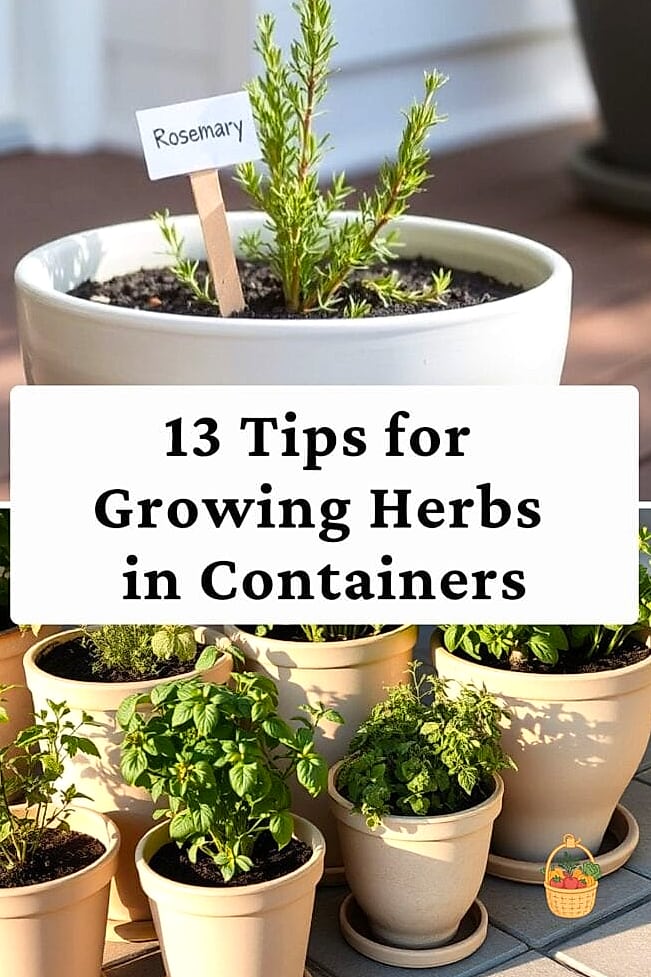
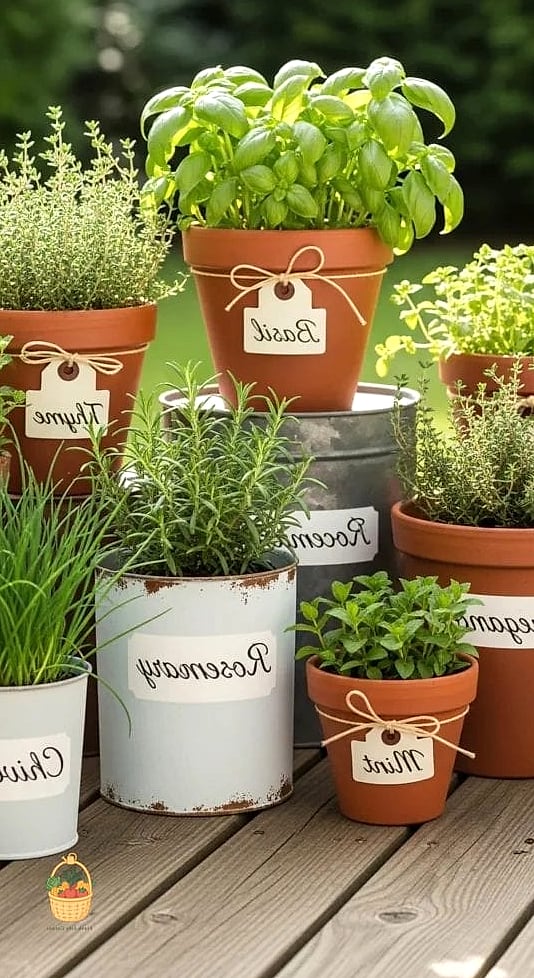
Terracotta pots are a favorite among experienced growers because they’re porous and let excess moisture evaporate, which suits drought-tolerant herbs like rosemary and sage. Plastic and glazed ceramic pots hold moisture longer, which works better for thirstier herbs like basil, mint, and parsley.
Size matters more than people expect. A container that’s too small dries out fast and restricts root growth, while one that’s too large can hold onto excess water longer than a small herb’s roots can use. As a general rule, six to eight inches in diameter is a reasonable starting point for most single herbs, with bigger pots for shared planting.
Picking the Right Soil Mix
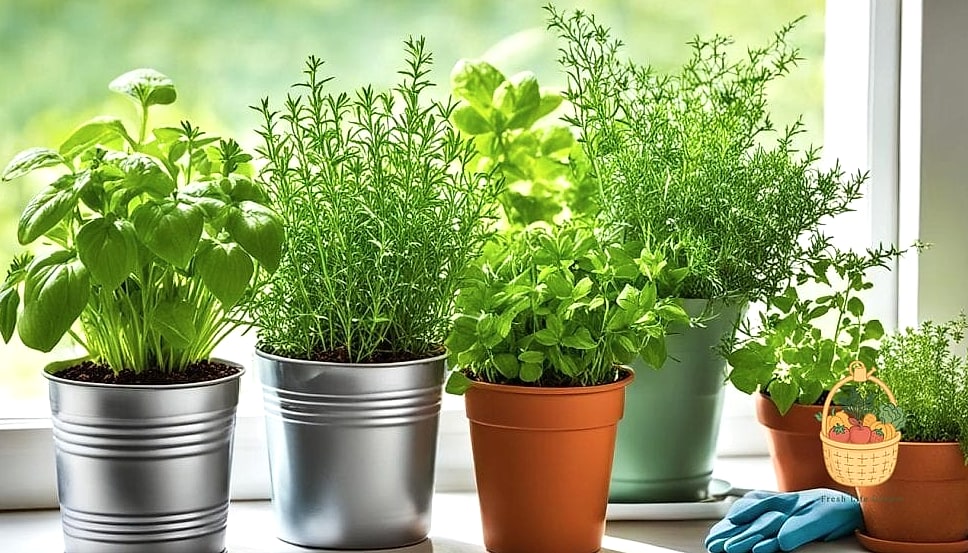
Garden soil is too dense and heavy for containers — it compacts, drains poorly, and can bring pests and disease along with it. Skip it entirely and reach for a quality potting mix instead.
Look for a well-draining mix, ideally one with perlite or coarse sand blended in. Herbs generally prefer soil on the lighter, sandier side rather than heavy clay-like mixes that stay soggy.
Adding a bit of compost at planting time gives young herbs a nutrient boost without overwhelming them. Just don’t go overboard — herbs grown in overly rich soil often produce more leafy growth but weaker flavor, which somewhat defeats the purpose if you’re growing them to cook with.
Sunlight Requirements for Container Herbs
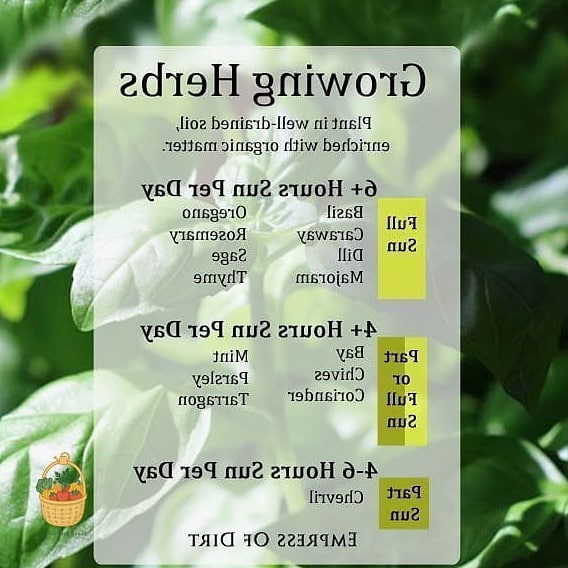
Most culinary herbs are sun lovers. Basil, rosemary, thyme, oregano, and sage all want six or more hours of full sun a day to really perform.
A few herbs are more forgiving of partial shade, including mint, parsley, cilantro, and chives, which can actually benefit from some afternoon relief in hotter climates. Cilantro in particular tends to bolt (flower and go bitter) quickly in intense summer heat, so a bit of shade can extend its usable life.
If you’re growing indoors and don’t have a bright south-facing window, grow lights are worth the investment. Leggy, pale, or slow-growing herbs are usually a sign they’re not getting enough light, not a sign you’re doing something fundamentally wrong.
Watering Herbs the Right Way
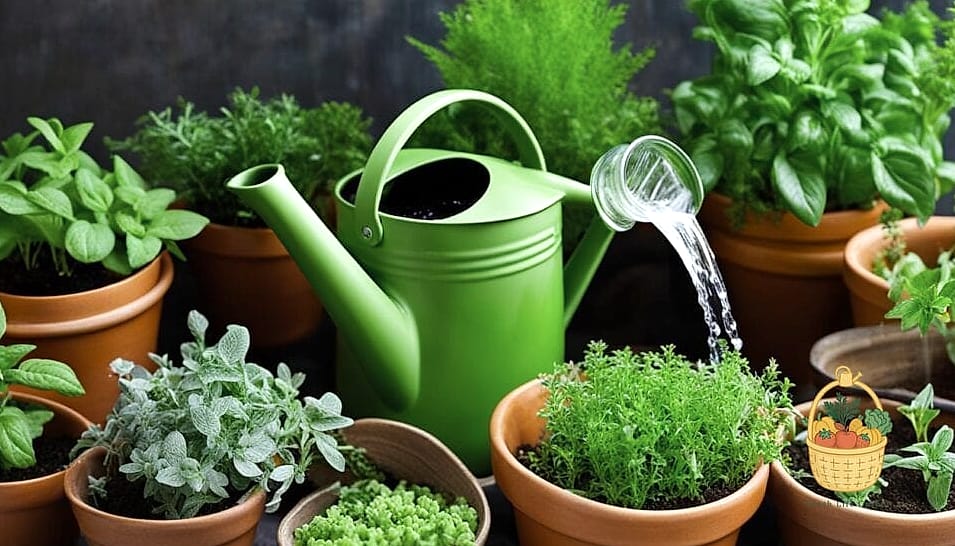
Overwatering is the single most common way beginners lose container herbs. Pots dry out faster than garden beds, but that doesn’t mean daily watering is the answer — it means checking, not guessing.
Stick a finger an inch or two into the soil before watering. If it’s still damp, wait. If it’s dry, water thoroughly until it drains from the bottom, then let the pot dry out somewhat before the next round.
Herbs like rosemary, thyme, and lavender are drought tolerant and actually prefer to dry out between waterings, mimicking their native rocky hillsides. Basil and mint, on the other hand, like consistent moisture and will wilt dramatically the moment they get too dry — though they usually bounce back with a good drink.
Feeding Your Container Herbs
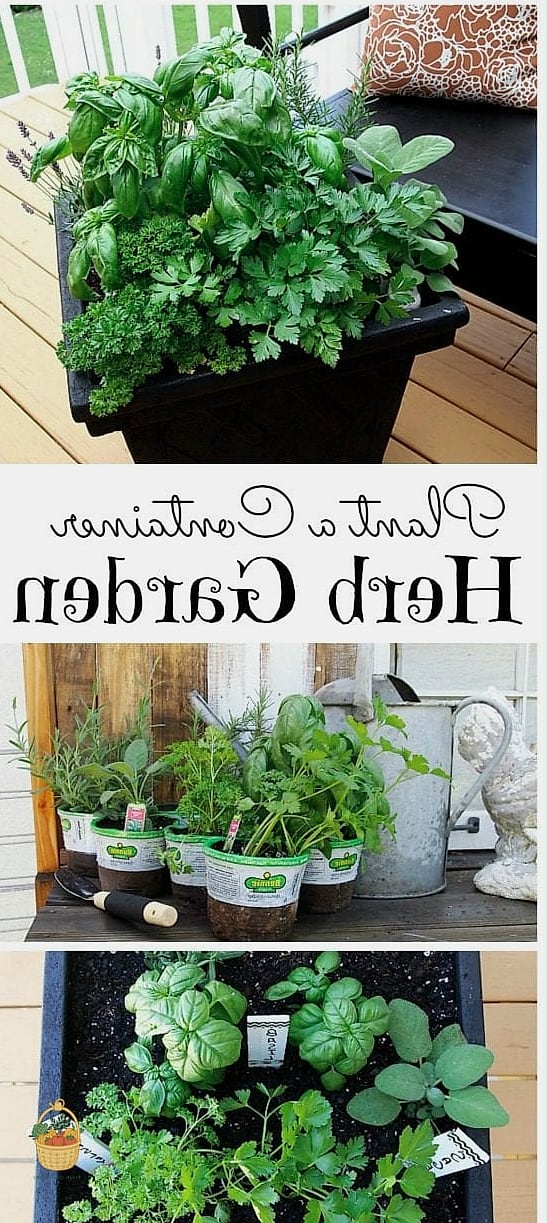
Container soil loses nutrients faster than garden soil because regular watering flushes them out. A light feeding schedule keeps herbs productive without pushing them into bland, watery growth.
A diluted liquid fertilizer every few weeks during the growing season works well for most herbs. Slow-release granular fertilizer mixed into the soil at planting is another low-effort option if you’d rather not remember a weekly routine.
Go easy, though. Over-fertilized herbs often taste weaker and grow leggy, since all that nitrogen encourages soft, fast growth at the expense of the essential oils that give herbs their flavor and aroma.
Best Herbs for Beginners to Start With
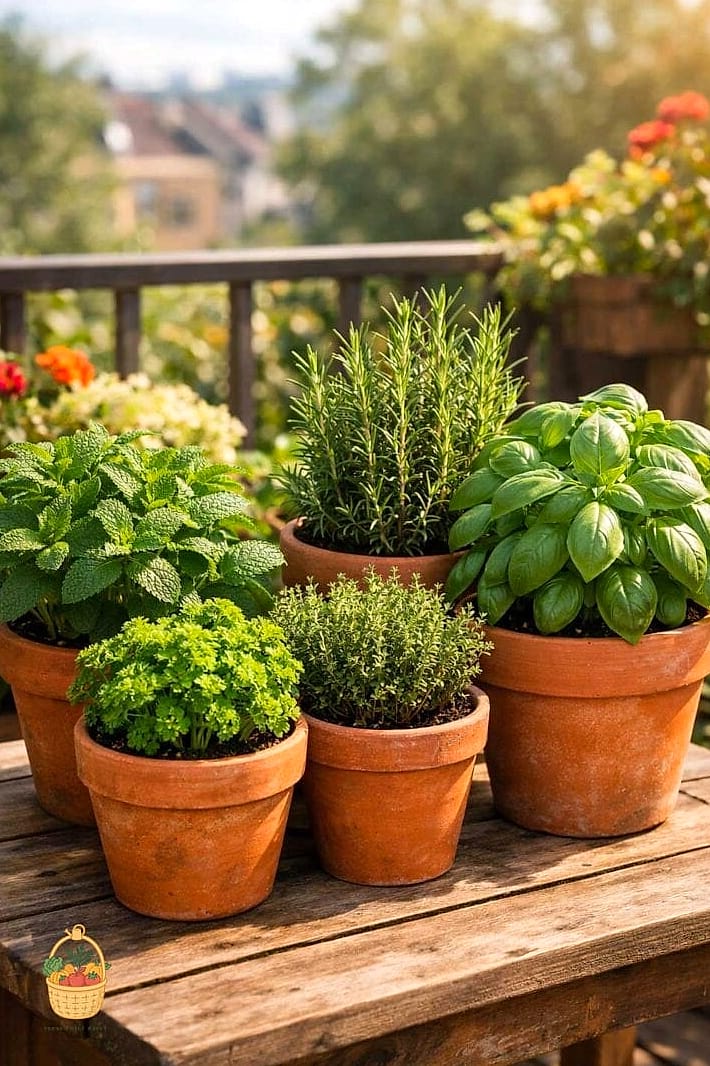
Some herbs are simply more patient with mistakes than others, which makes them a smart starting point.
Mint is nearly impossible to kill, though it should always be grown in its own container — planted anywhere else, it spreads aggressively and takes over. Chives are similarly low-maintenance and come back reliably each season in the right hardiness zone. Rosemary and thyme tolerate a bit of neglect and actually resent being fussed over with too much water.
Basil is a bit more demanding since it dislikes cold and wants consistent moisture, but its fast growth and immediate kitchen payoff make it worth the slightly higher maintenance for most beginners.
Indoor vs Outdoor Herb Growing
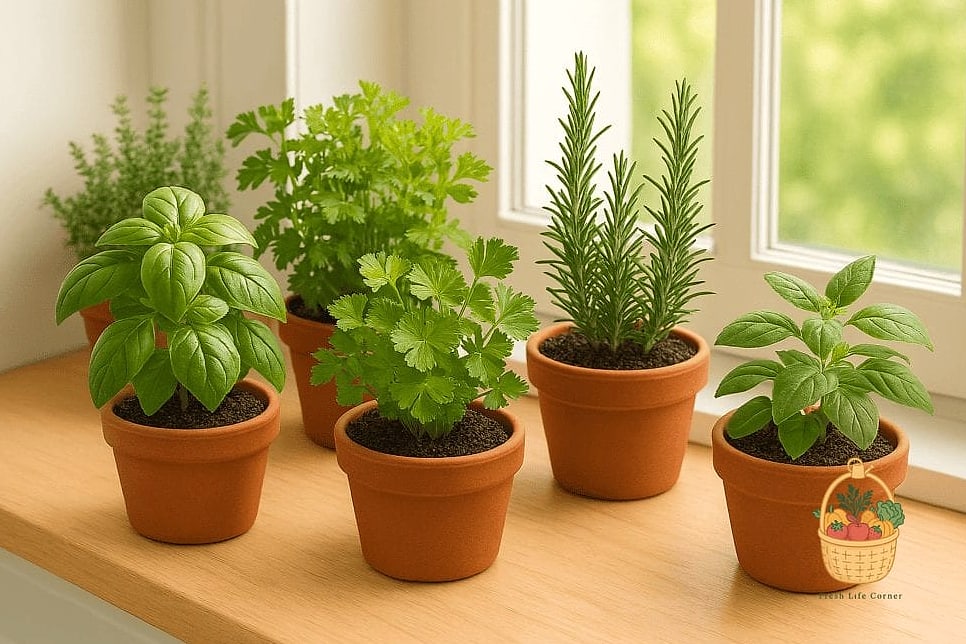
Outdoor herbs generally grow bigger, bushier, and more aromatic thanks to natural sunlight and airflow. If you have a sunny patio, balcony, or windowsill ledge outside, that’s usually the better setup during the warmer months.
Indoor growing extends the herb season through fall and winter, especially in colder hardiness zones where frost would otherwise end things. The tradeoff is light — indoor herbs almost always need supplemental grow lights to avoid getting thin and stretched.
A nice middle ground many gardeners use is moving pots outdoors for spring through fall, then bringing tender herbs like basil indoors before the first frost, since basil is particularly frost-sensitive and won’t survive even a light chill.
Common Pests and Problems
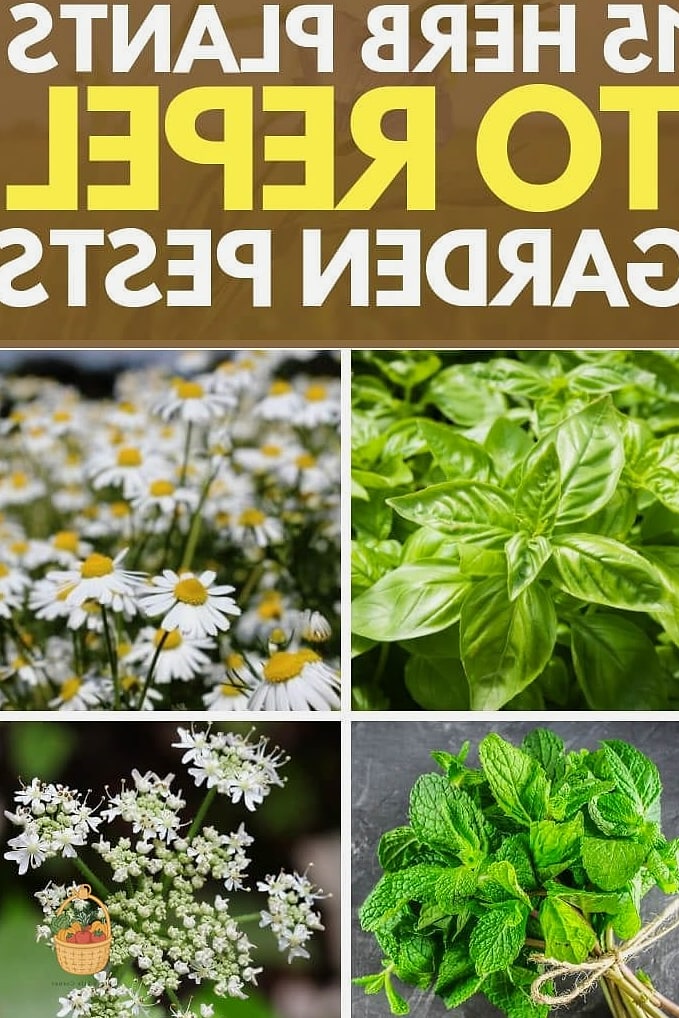
Aphids and spider mites are the most frequent uninvited guests on container herbs, especially indoors where natural predators aren’t around to keep populations in check. A strong spray of water or a diluted insecticidal soap usually handles minor infestations without resorting to harsh chemicals.
Yellowing leaves are almost always a watering issue rather than a pest issue — either too much water causing root stress, or too little causing the plant to shed leaves to conserve resources. Check the soil moisture before assuming the worst.
Powdery mildew can show up on herbs like mint and bee balm in humid, crowded conditions. Spacing plants out and improving airflow around your containers goes a long way toward preventing it in the first place.
Repotting and Seasonal Care
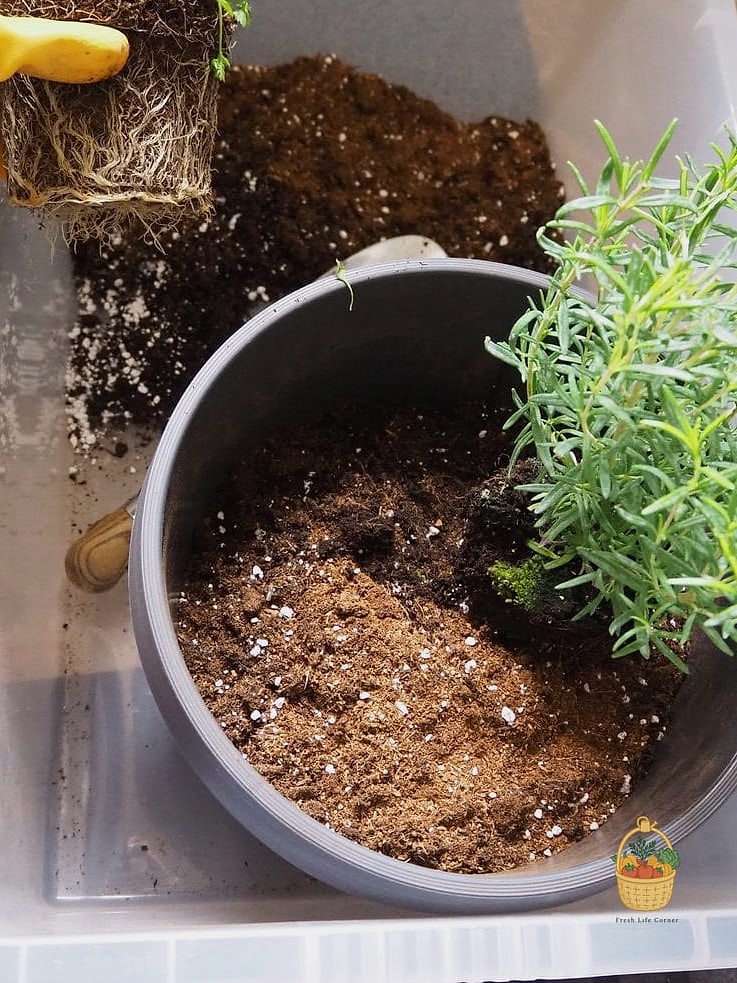
Herbs that outgrow their pots will show it through stunted growth, roots poking out of drainage holes, or soil that dries out unusually fast. Repotting into a slightly larger container with fresh soil once a year keeps most perennial herbs healthy long-term.
Perennial herbs like rosemary, thyme, and sage benefit from a light pruning in early spring to encourage bushier new growth. Annual herbs like basil and cilantro won’t overwinter outdoors in most climates, so treating them as seasonal and starting fresh each year is usually the more realistic approach.
In colder hardiness zones, moving cold-sensitive potted herbs into a garage or indoors before the first frost can keep them alive through winter, even if they go a bit dormant until spring light returns.
Propagating Herbs to Grow Your Collection
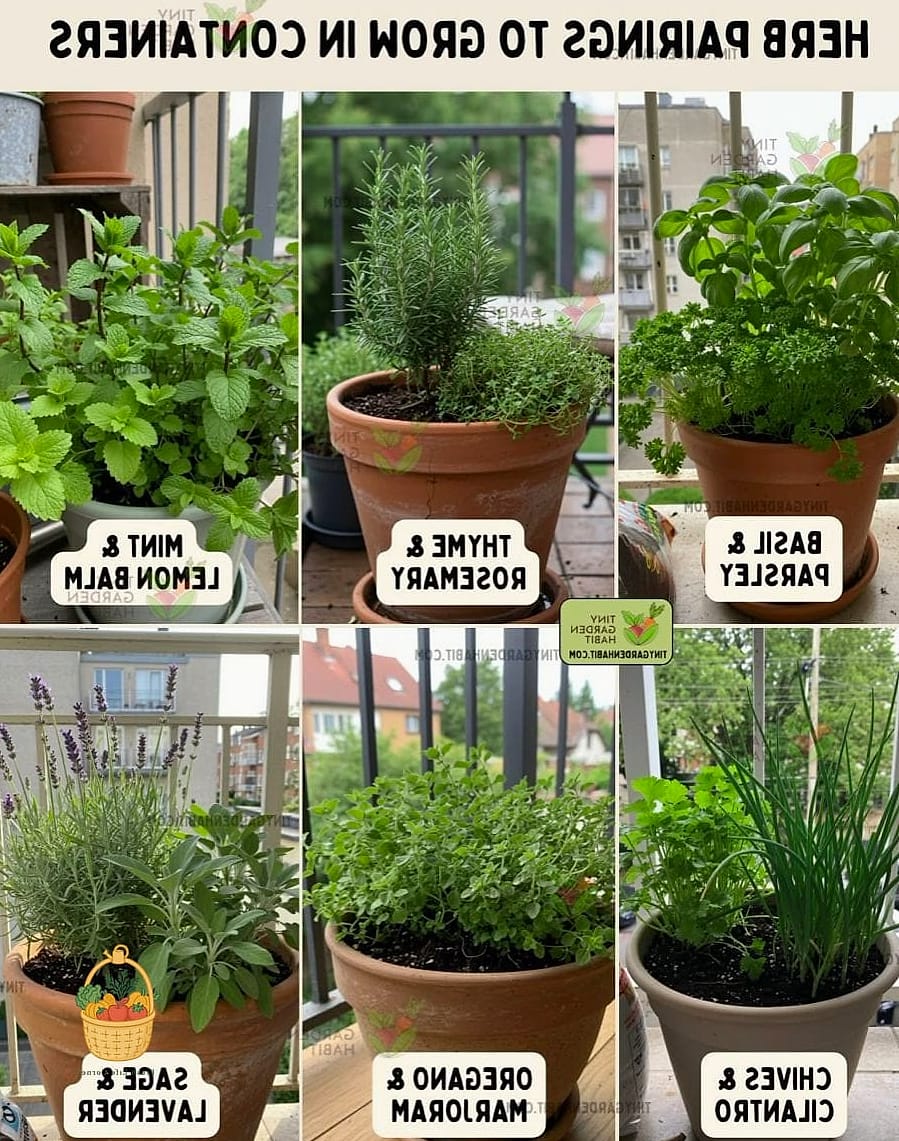
Once you’ve got the basics of herbs grow in containers down, propagation is a natural next step and a nearly free way to expand your herb garden. Many herbs, including mint, basil, and rosemary, root readily from stem cuttings placed in water on a sunny windowsill.
Division works well for herbs that grow in clumps, like chives, where you can simply split an established plant and pot up the sections separately. It’s an easy win for beginners since the new plant is already established rather than starting from scratch.
Patience matters here more than skill. Cuttings can take anywhere from a week to a month to develop enough roots for potting, and rushing the process by potting too early often ends in a wilted cutting.
Final Thoughts
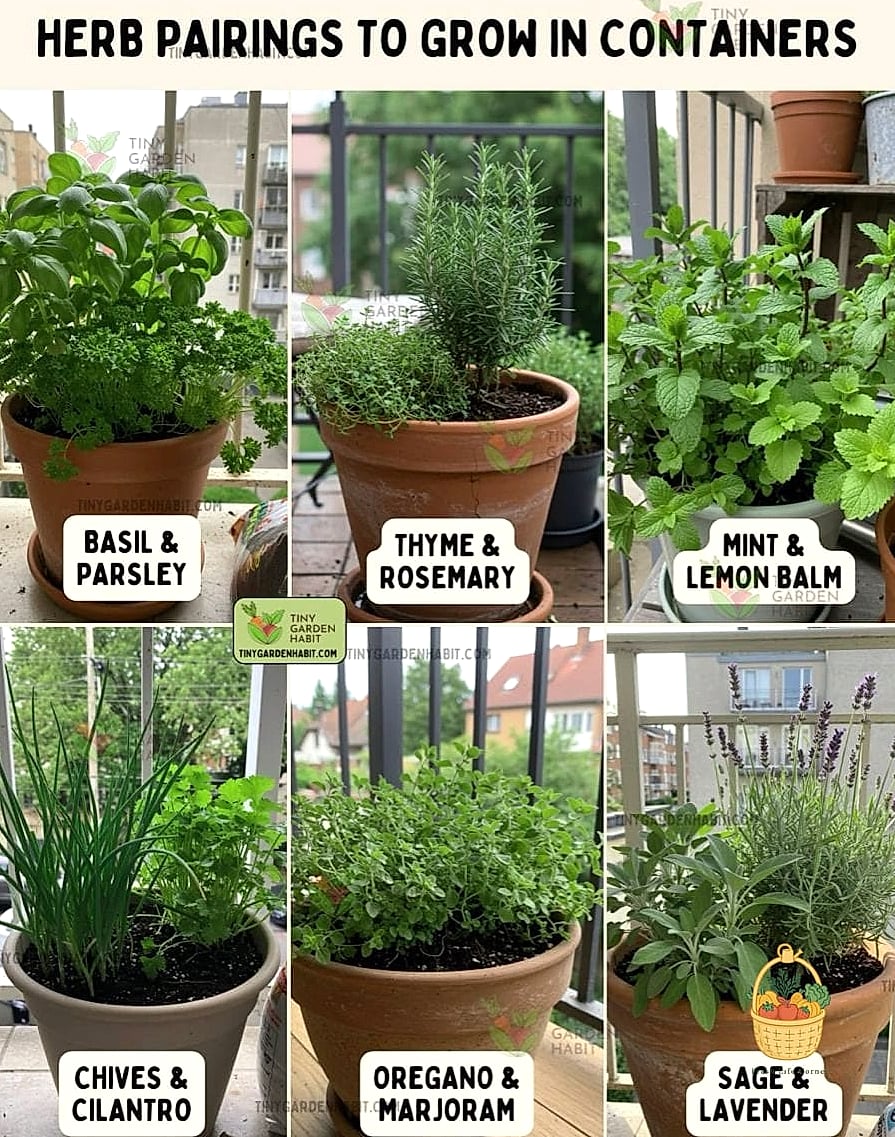
Getting herbs to grow in containers really comes down to a handful of fundamentals: good drainage, the right amount of sun, and watering based on what the soil actually needs rather than a fixed schedule. Everything else is refinement.
Start small, maybe with one forgiving herb like mint or chives, and build confidence before adding more finicky ones like basil to the mix. Every gardener, no matter how experienced, has a container herb story that ends in compost — it’s part of the process, not a sign you’re doing it wrong.
Once you get the rhythm down, a windowsill or patio full of thriving container herbs starts to feel less like a project and more like a habit worth keeping.