How To Grow & Care For Plum Trees — Your Step-by-Step Guide to Success
- Why Gardeners Love Plum Trees
- Choosing the Right Variety for Your Climate
- Picking the Perfect Planting Spot
- Best Soil for Plum Trees
- How to Plant a Plum Tree
- Watering Your Plum Tree the Right Way
- Fertilizing for Healthy Growth and Fruit
- Pruning Tips for Shape and Fruit Production
- Thinning Fruit for Bigger, Better Plums
- Common Pests and How to Deal With Them
- Seasonal Care Throughout the Year
- Growing Plum Trees in Containers
- Companion Planting Ideas for Plum Trees
- Final Thoughts on Growing Plum Trees
How To Grow & Care For Plum Trees — Your Step-by-Step Guide to Success
There’s something deeply satisfying about walking out to your own backyard and picking a sun-warmed plum right off the branch. No grocery store plum has ever tasted quite as good, and once you’ve grown your own, you’ll understand why so many gardeners get a little obsessed with these trees.
Plum trees have a reputation for being fussy, but honestly, that reputation isn’t quite fair. Once you understand what they want, they’re pretty forgiving. This guide walks you through everything from planting to pest control, so you can grow a healthy, fruitful plum tree without the guesswork.
Why Gardeners Love Plum Trees
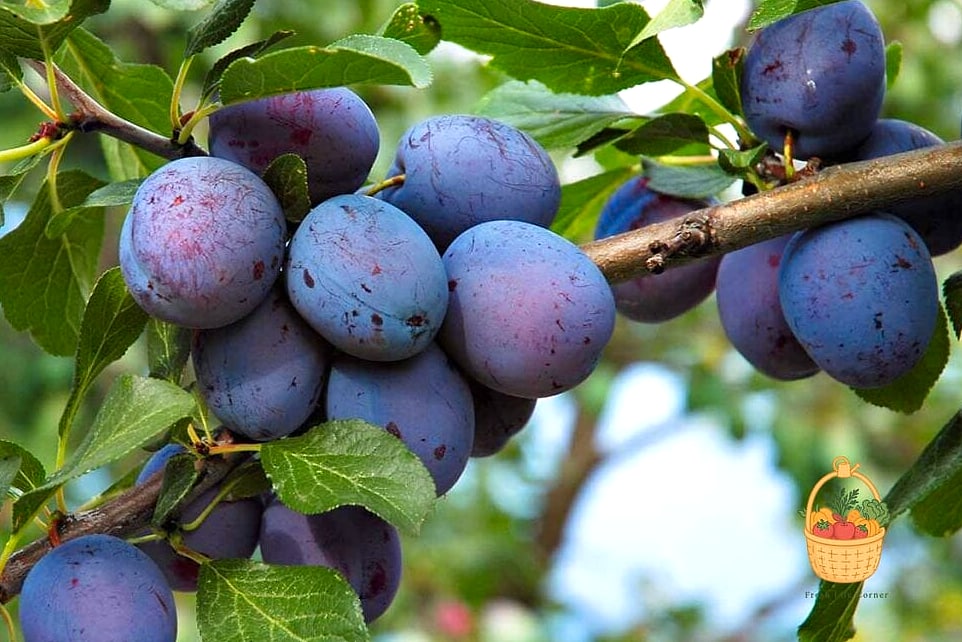
Plum trees give you a lot of reward for a modest amount of effort. They tend to bear fruit sooner than many other fruit trees, sometimes within two to three years of planting.
They’re also gorgeous in spring. Before the leaves even fill in, the branches burst into clouds of white or soft pink blossoms that pollinators absolutely adore. Bees will be all over your yard, which is great news if you’ve got other plants that need pollinating too.
And then there’s the fruit itself. Depending on the variety, you might get anything from small, tart plums perfect for jam to large, honey-sweet ones you’ll eat standing at the counter, juice dripping down your wrist.
Choosing the Right Variety for Your Climate
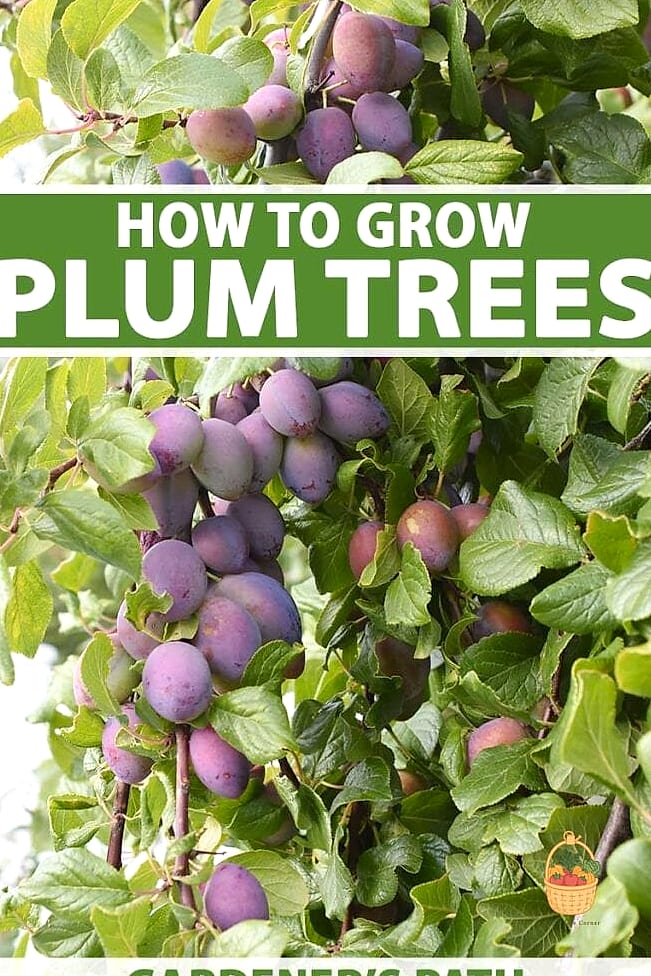
Not all plums are created equal, and picking the right type for your region makes a bigger difference than almost anything else you’ll do.
European plums, like Stanley or Italian prune varieties, tend to do well in cooler climates and are often self-fertile, meaning you don’t necessarily need a second tree for pollination. Japanese plums, like Santa Rosa, prefer milder winters and usually need a pollinator partner nearby.
Most plum trees are happy in USDA hardiness zones 4 through 9, though the exact range depends on the cultivar. If you’re not sure what grows well near you, a quick chat with a local nursery can save you a lot of trial and error.
Picking the Perfect Planting Spot
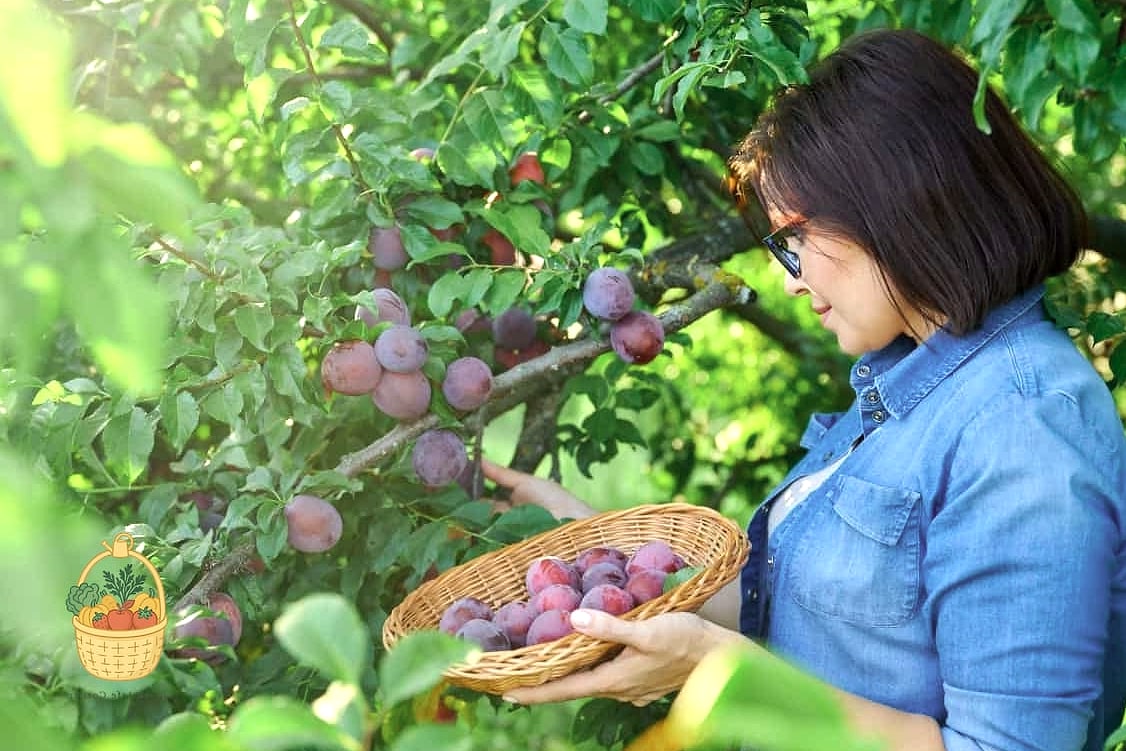
Plum trees want full sun, ideally six or more hours a day. Skimp on sunlight and you’ll end up with a tree that grows fine but fruits poorly.
Air circulation matters too. Avoid low spots where cold air pools or water collects after rain, since plum trees don’t tolerate soggy roots for long. A gentle slope or an open area away from buildings usually works well.
Give your tree room to breathe. Standard plum trees can reach 15 to 20 feet tall and wide at maturity, while dwarf varieties stay more compact, which is great for smaller yards or even large containers.
Best Soil for Plum Trees
Well-draining soil is non-negotiable here. Plum trees are genuinely at risk of root rot if they’re sitting in heavy, waterlogged clay soil for extended periods.
A sandy loam with good organic matter is close to ideal. If your native soil leans toward dense clay, working in compost before planting will improve both drainage and fertility over time.
Plums prefer slightly acidic to neutral soil, somewhere around 6.0 to 6.5 pH. A basic soil test kit from the garden center will tell you exactly where you stand, and it’s a worthwhile few dollars spent before you commit a tree to the ground.
How to Plant a Plum Tree
Timing matters more than people realize. Late winter or early spring, while the tree is still dormant, is the sweet spot in most regions.
Dig a hole roughly twice as wide as the root ball but no deeper than it. Planting too deep is one of the most common mistakes, and it can smother the root flare and invite disease down the line.
Backfill with a mix of native soil and compost, water deeply to settle the roots, and add a layer of mulch around the base—just keep it a few inches away from the trunk itself. Mulch helps retain moisture and keeps weeds from competing for nutrients.
Watering Your Plum Tree the Right Way
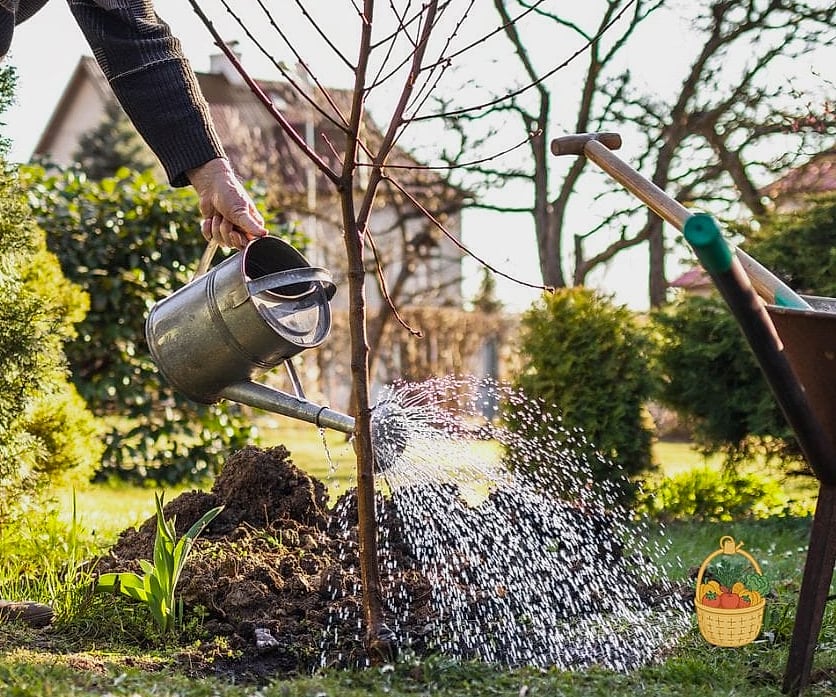
Young plum trees need consistent moisture while they’re establishing, usually about one to two inches of water per week during the growing season.
Once established, plums become fairly drought tolerant, though a long dry stretch during fruit development can still cause smaller, less juicy plums. A deep, infrequent soak is far better than frequent shallow watering, since it encourages roots to grow downward.
Drip irrigation is a great option here if you want consistency without babysitting a hose every few days.
Fertilizing for Healthy Growth and Fruit
A balanced approach works best. In early spring, before new growth kicks in, apply a slow-release fertilizer formulated for fruit trees.
Nitrogen encourages leafy growth, but too much of it can actually reduce fruit production, so resist the urge to overdo it. A layer of compost each year often provides plenty of steady nutrition without the risk of overfertilizing.
If your tree’s leaves start looking pale or yellow between the veins, that’s often a sign of a nutrient deficiency worth addressing with a liquid fertilizer for a quicker fix.
Pruning Tips for Shape and Fruit Production
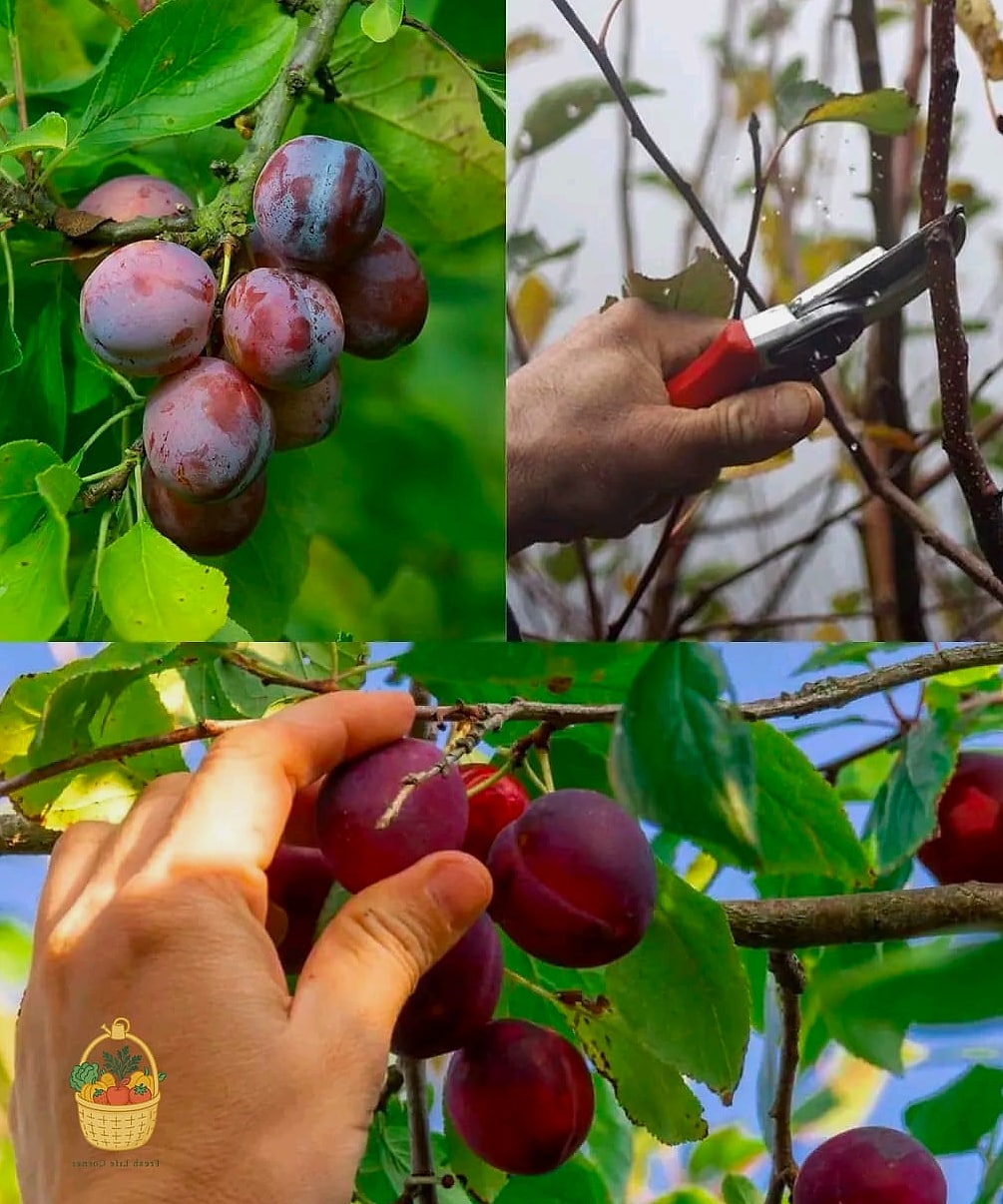
Pruning intimidates a lot of new fruit tree growers, but it’s really just about opening the canopy to light and air. Late winter, while the tree is dormant, is the best time to do major pruning.
Remove any dead, damaged, or crossing branches first. From there, aim for an open center or vase shape, which lets sunlight reach the inner branches and improves air circulation, reducing disease risk.
A clean pair of pruning shears makes all the difference here. Dull blades tear rather than cut, leaving wounds that heal slowly and invite pests or disease in.
Thinning Fruit for Bigger, Better Plums

This step gets skipped a lot, but it genuinely matters. When plums are still small, about the size of a marble, thin them so there’s roughly four to six inches between each fruit.
It feels counterintuitive to remove perfectly good baby fruit, but an overloaded branch produces smaller plums and can even break under the weight later in the season. Thinning redirects the tree’s energy into fewer, better fruits.
Common Pests and How to Deal With Them
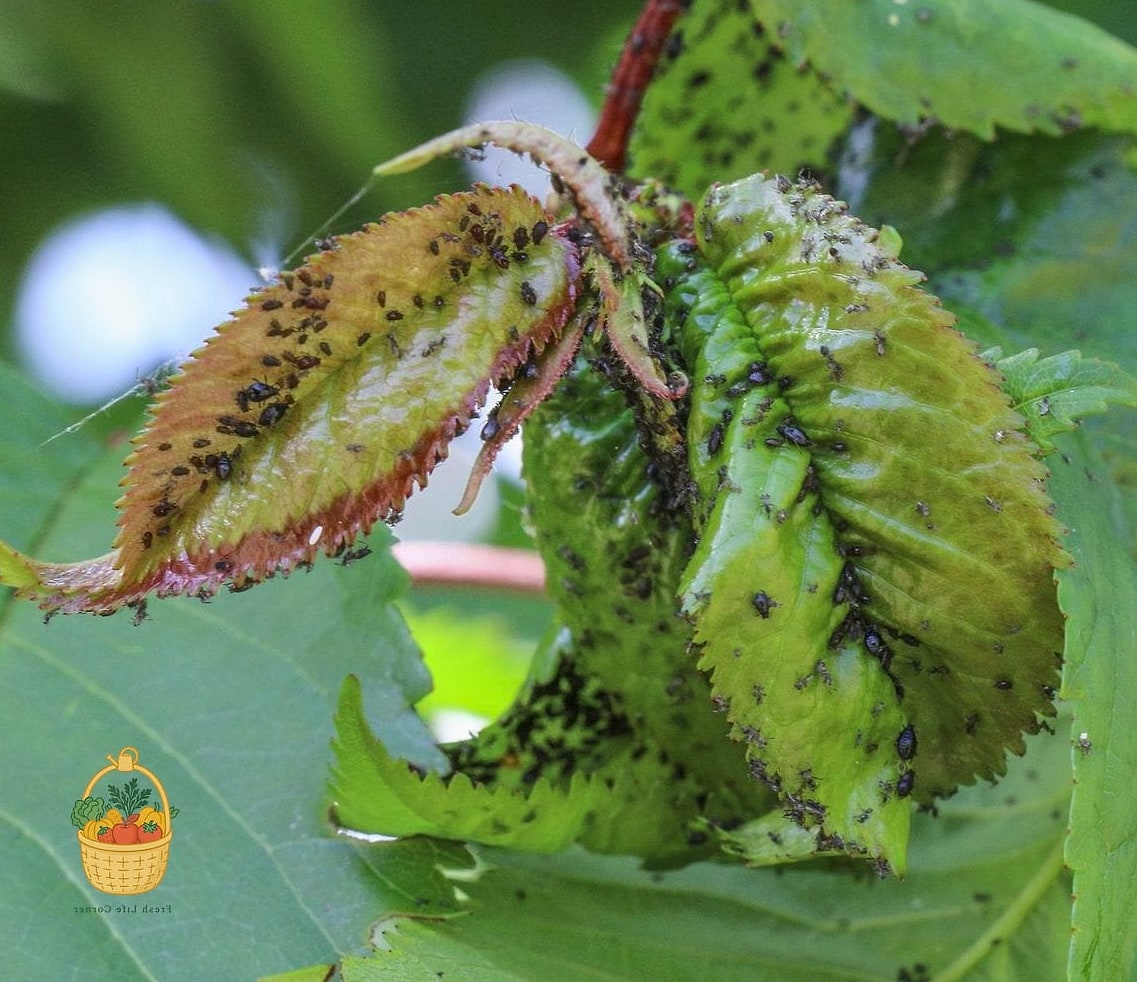
Aphids and spider mites are the usual troublemakers, especially on new growth in warm weather. A strong blast of water from the hose knocks many of them off, and insecticidal soap handles more stubborn infestations without harsh chemicals.
Plum curculio is a more specific pest to watch for, a small beetle that scars fruit and causes early drop. Keeping fallen fruit cleaned up around the base of the tree goes a long way toward breaking its life cycle.
Brown rot is the disease gardeners dread most with stone fruits. It shows up as fuzzy gray-brown patches on fruit and blossoms, especially in humid weather. Good air circulation from proper pruning, along with removing infected fruit promptly, keeps it in check.
Seasonal Care Throughout the Year
Spring is all about watching for blossoms, protecting against late frosts if a cold snap threatens, and starting your fertilizing routine.
Summer means consistent watering, fruit thinning, and keeping an eye out for pests before they become a real problem.
Fall is cleanup season. Rake up fallen leaves and fruit to reduce overwintering pests and disease spores, and consider a light application of compost to feed the soil through winter.
Winter is pruning time, along with a general health check of the trunk and branches while the tree is bare and easy to inspect.
Growing Plum Trees in Containers
If you’re short on space, dwarf plum varieties do surprisingly well in large containers, at least 15 to 20 gallons in size. Terracotta pots look lovely but dry out faster, so you’ll need to water more attentively than you would with an in-ground tree.
Container-grown plums still need full sun and well-draining potting mix, and they’ll appreciate being moved to a sheltered spot if a hard freeze is expected. Repotting every couple of years keeps roots from becoming too cramped.
Companion Planting Ideas for Plum Trees
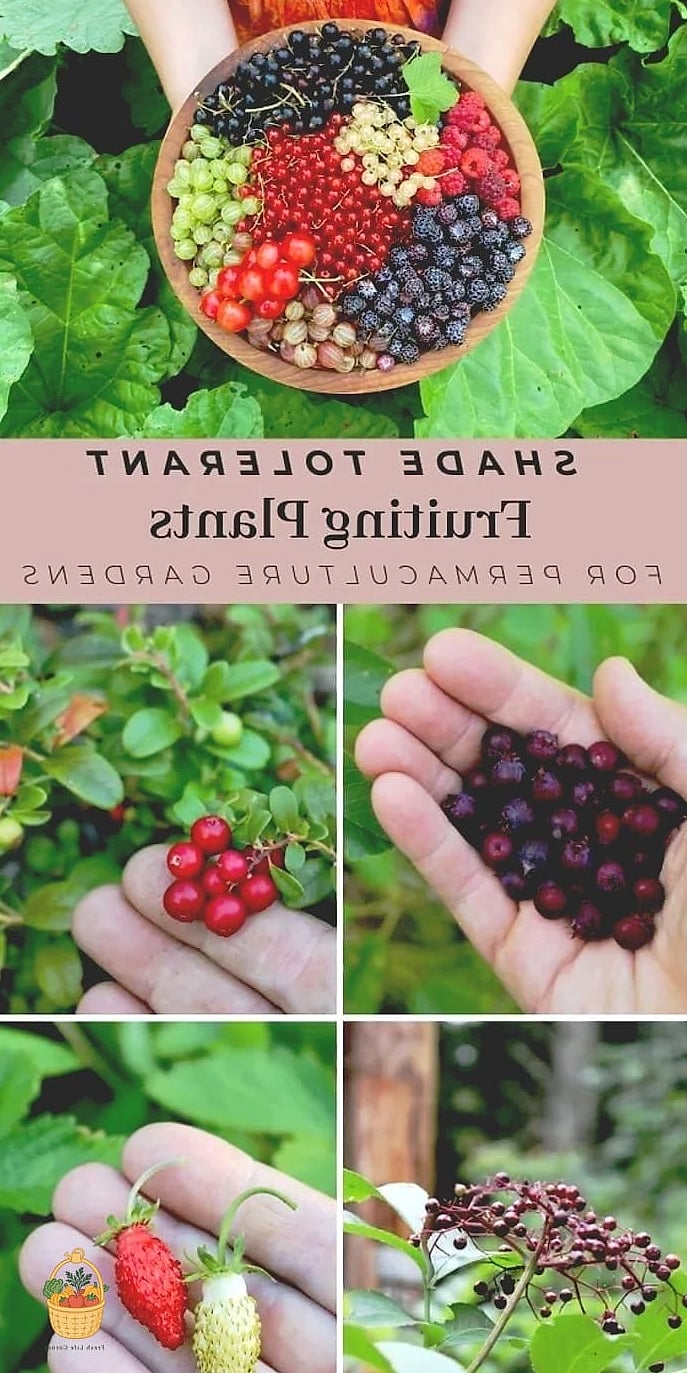
Planting comfrey or clover beneath your plum tree can help suppress weeds while adding organic matter back into the soil as it breaks down. Both are pollinator-friendly too, which never hurts.
Marigolds and nasturtiums are popular choices for natural pest deterrence, and they add a cheerful splash of color at the base of the tree while your plums ripen above.
Final Thoughts on Growing Plum Trees

Growing plum trees rewards patience more than perfection. You don’t need a horticulture degree, just consistent care, the right spot, and a willingness to learn as your tree grows and changes each season.
Once your tree hits its stride, you’ll likely find yourself with more plums than you know what to do with, which is honestly one of the best problems a gardener can have. Between the spring blossoms, the pollinator activity, and that first bite of homegrown fruit, plum trees earn their spot in the garden many times over.