How To Grow & Care For Strawflowers — Everything You Need to Know
How To Grow & Care For Strawflowers — Everything You Need to Know
If you’ve ever run your fingers over a strawflower bloom and thought “wait, is this real?” — you’re not alone. Those papery, almost crunchy petals feel more like origami than something that grew out of the ground. That texture is exactly why gardeners have been drying them into everlasting bouquets for generations.
Strawflowers (Xerochrysum bracteatum, though you’ll also see them labeled Helichrysum) are Australian natives that have made themselves right at home in cottage gardens, cutting gardens, and pollinator patches everywhere. They’re tough, cheerful, and genuinely one of the easier annuals you can grow. Here’s everything you need to know to get them thriving in your own yard.
Why Gardeners Love It
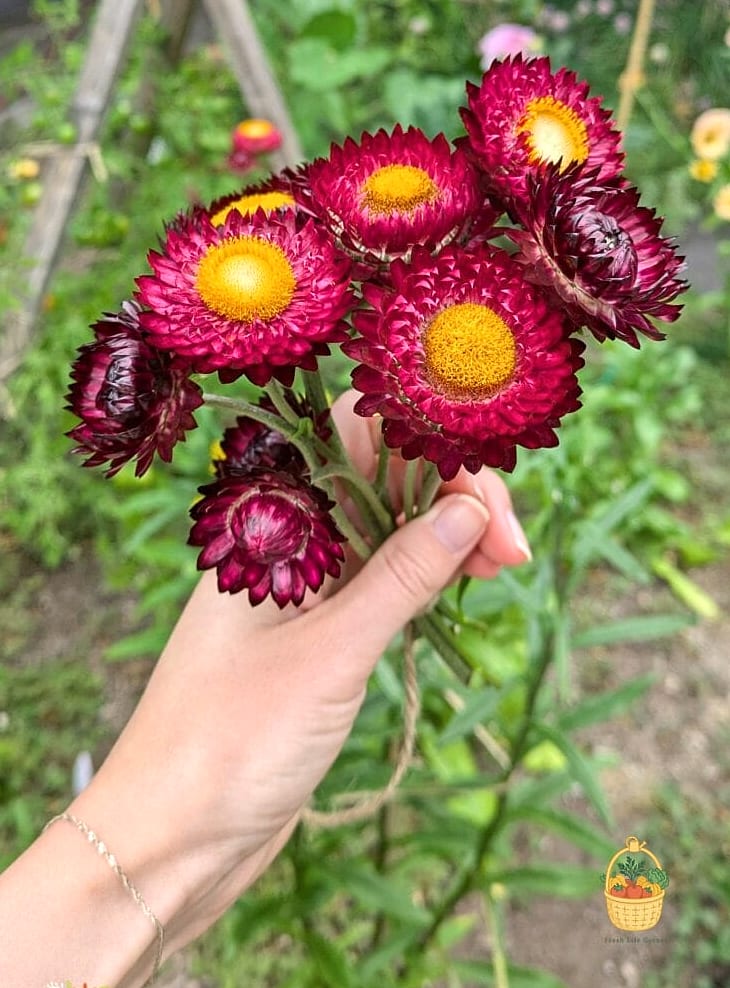
Strawflowers earn their keep in a few different ways, which is probably why they keep showing up in seed catalogs year after year.
For starters, they bloom for months without much fuss. Once they get going in early summer, they’ll keep pumping out flowers right up until frost, especially if you deadhead regularly.
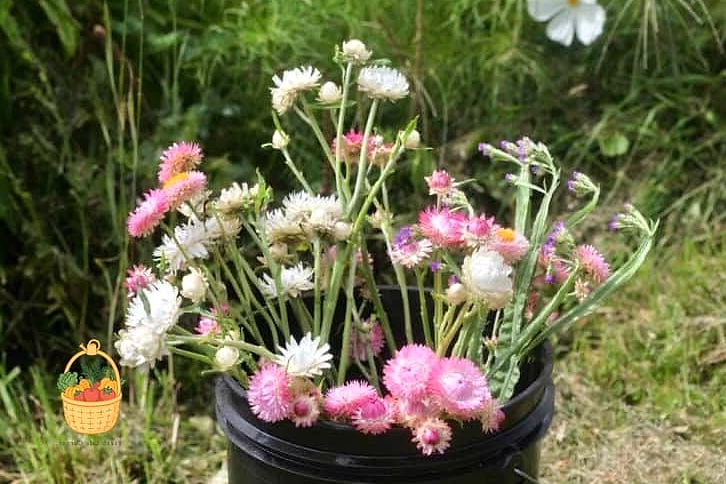
They’re also fantastic for cutting and drying. Unlike most flowers that wilt within days, strawflower blooms hold their shape and color for months when air-dried, making them a favorite for wreaths, dried arrangements, and craft projects.
And then there’s the pollinator factor. Bees and butterflies genuinely seem to love them, so if you’re trying to build a garden that supports local wildlife, strawflowers are an easy addition. They’re also generally left alone by deer and rabbits, which is always a relief for anyone who’s watched a browsing deer treat their flower bed like a salad bar.
Key Features and Appearance
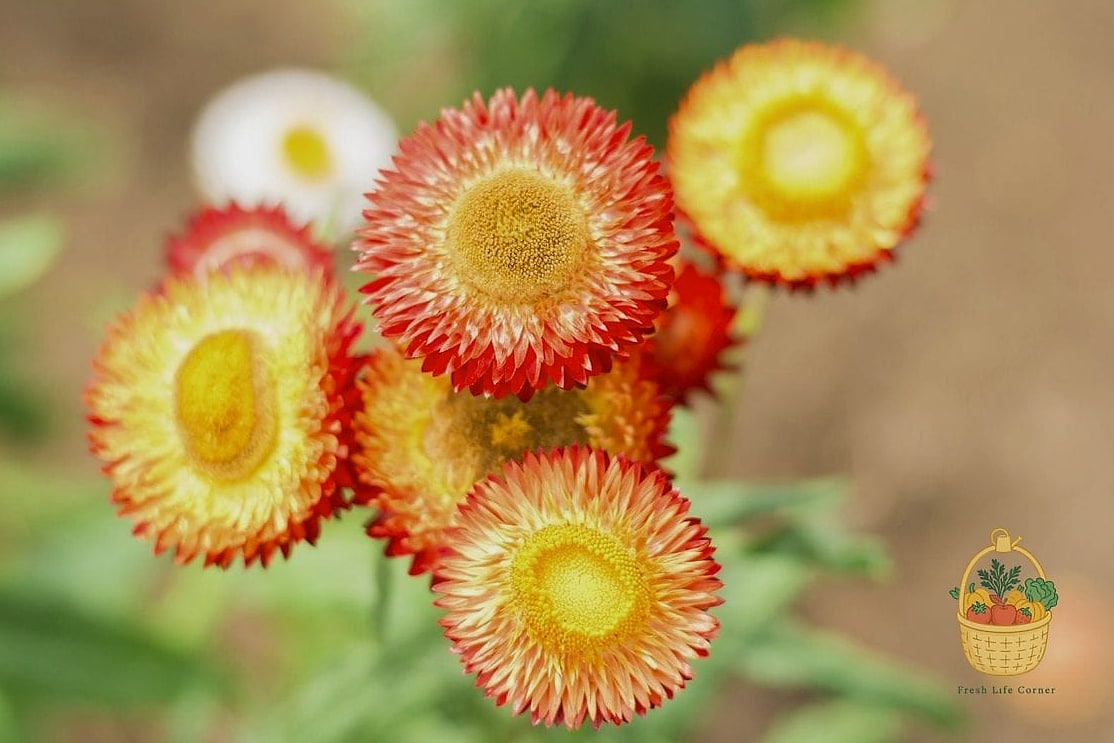
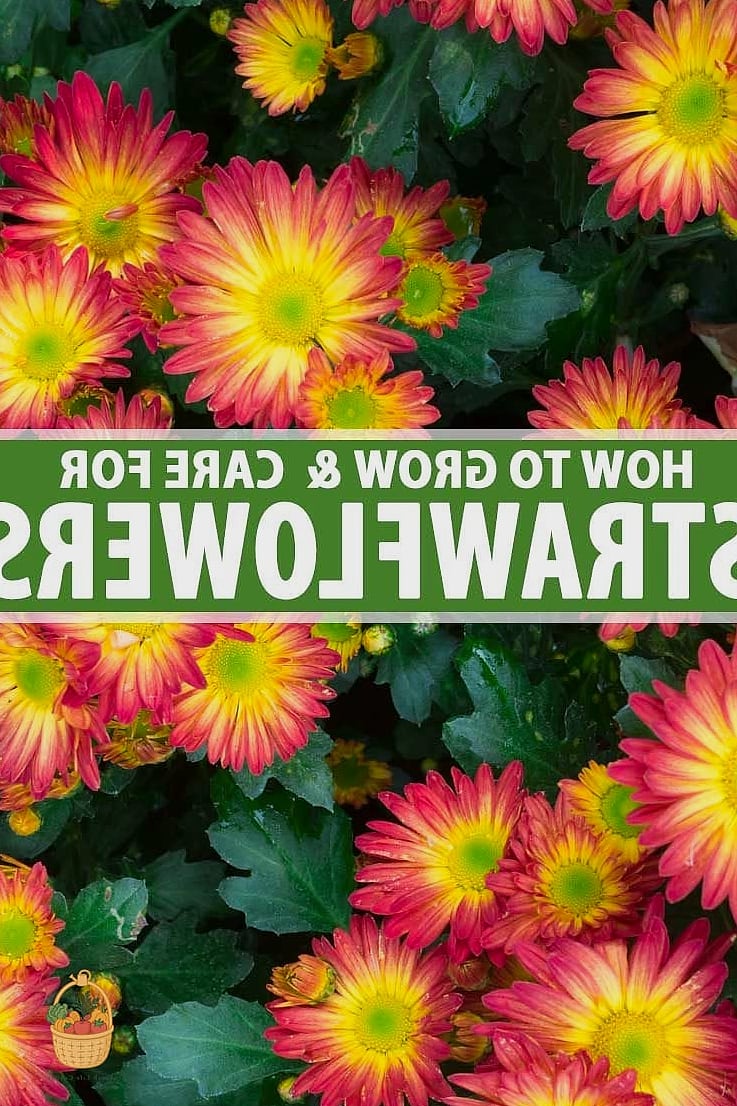
The flowers themselves are the real showstopper. What looks like petals are actually bracts — stiff, papery structures that surround a central disc of tiny true flowers. This is what gives them that dry, crinkly texture even while they’re still alive on the plant.
Colors run the gamut from white and cream to yellow, orange, pink, red, and deep burgundy, often with a contrasting center. Some newer cultivars even have a slightly metallic sheen to them, which is a fun detail up close.
Plants typically grow 18 to 36 inches tall depending on the variety, with narrow, grayish-green leaves that aren’t particularly showy on their own — this is a plant that’s all about the blooms. Dwarf varieties stay closer to 12 inches and work well in containers or the front of a border.
Growth habit is upright and somewhat branching, especially if you pinch the plants when young. Left alone, they can get a bit leggy, so a little early shaping goes a long way.
Growing Conditions
Strawflowers want sun. Full sun, ideally six or more hours a day. Give them anything less and you’ll get a leggier plant with fewer, weaker blooms. This isn’t a plant for a shady corner — save that spot for impatiens or begonias instead.
They’re rated as annuals in most climates, though they can behave as short-lived perennials in warmer zones, roughly USDA zones 9 through 11. Everywhere else, treat them as a one-season annual and enjoy the show while it lasts.
Heat and drought tolerance is genuinely impressive once established, which makes sense given their Australian origins. They actually tend to sulk more in cool, damp, overcast weather than in a scorching midsummer stretch. If your summers run hot and dry, strawflowers might just become your new favorite low-effort bloomer.
Good air circulation matters too. Space plants according to the tag (usually 12 to 18 inches apart) so foliage can dry out between waterings and rains.
Soil and Watering Needs
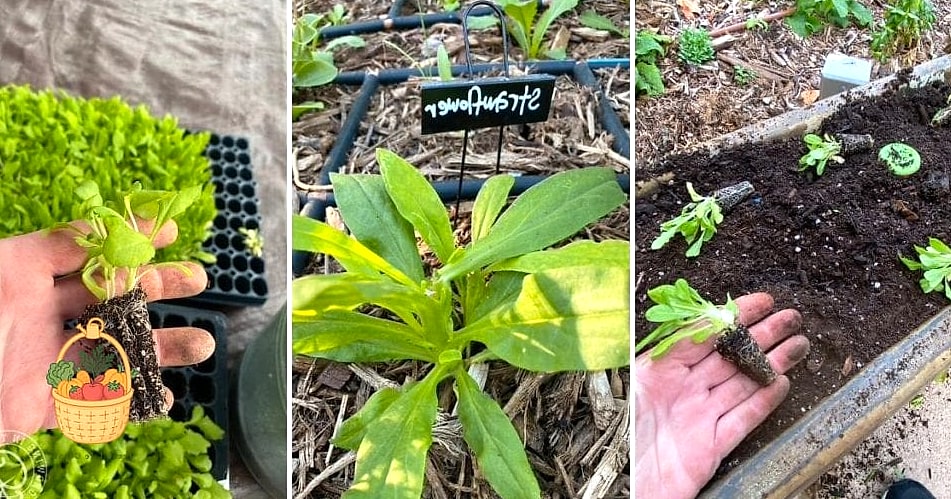
This is where strawflowers really separate themselves from the fussier annuals. They want well-draining soil above almost everything else. Sandy loam is close to perfect, but they’ll tolerate average garden soil as long as water doesn’t sit around the roots.
Heavy clay soil is really the main thing to watch out for. If that’s what you’re working with, either amend generously with compost before planting or grow strawflowers in raised beds or containers instead, where you have full control over drainage.
As for watering, moderate is the word. Let the top inch or so of soil dry out between waterings once plants are established — this is not a plant that wants to stay soggy. Overwatering is honestly a bigger threat to strawflowers than underwatering; root rot shows up fast in soil that never gets a chance to dry.
A layer of mulch helps regulate soil moisture and keeps weeds down, but keep it pulled back slightly from the base of the stems to avoid trapping excess moisture against them. If you’re growing in containers, terracotta pots are a nice choice here since they breathe and help excess moisture evaporate.
Fertilizing and Pruning
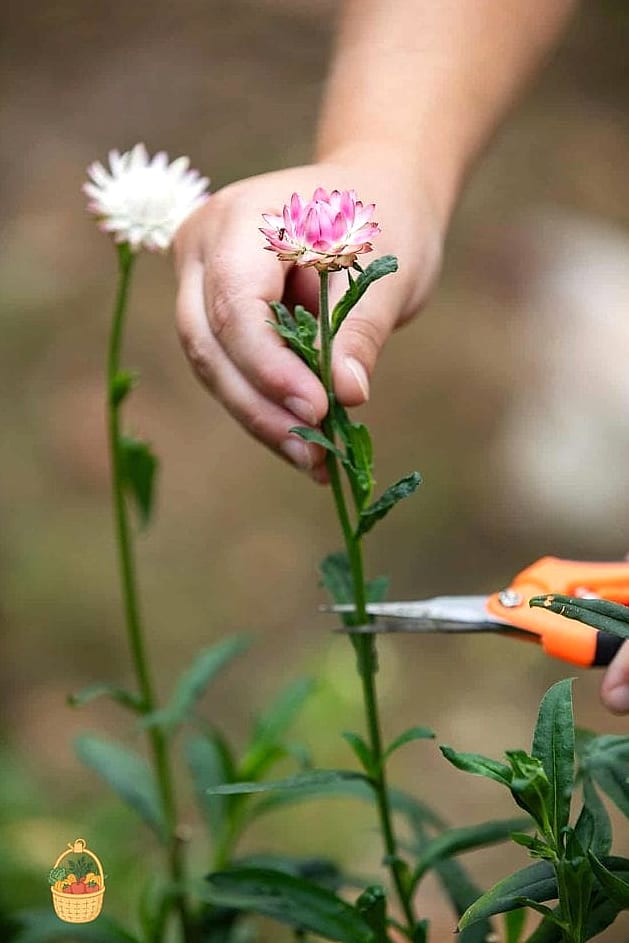
Strawflowers aren’t heavy feeders, but a little support helps them bloom harder and longer. Working some compost into the soil at planting time gives them a solid start.
Beyond that, a balanced liquid fertilizer every three to four weeks during the growing season keeps things moving along nicely. If you’d rather set it and forget it, a slow-release granular fertilizer applied once at planting will carry most varieties through the season without much additional input.
Go easy on nitrogen-heavy formulas, though. Too much nitrogen pushes leafy growth at the expense of flowers, and flowers are really the whole point here.
Deadheading is the single most useful thing you can do to keep blooms coming. Snip spent flowers just above a leaf node with clean pruning shears, and the plant will keep redirecting energy into new buds instead of seed production.
Pinching young plants back by an inch or two when they’re a few inches tall also encourages bushier, fuller growth rather than a single tall, floppy stem. It feels a little counterintuitive to cut back a plant you just started, but it pays off later.
Common Problems and Solutions
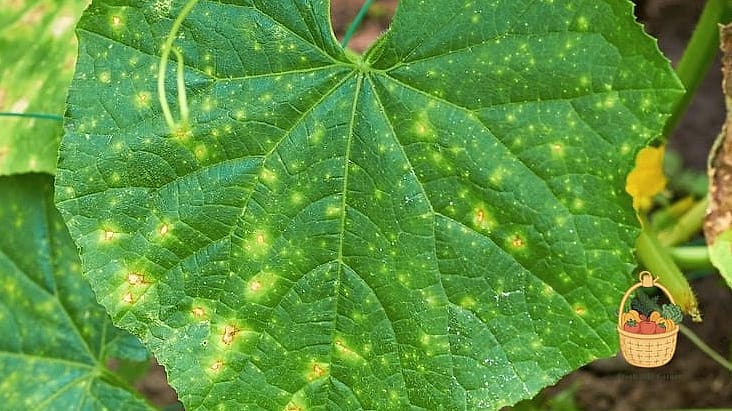
The good news is strawflowers are refreshingly low-drama compared to a lot of garden annuals. Most issues that pop up trace back to moisture problems rather than pests or disease.
Root rot is the big one, and it’s almost always caused by soil that stays too wet for too long. Yellowing leaves paired with mushy stems near the soil line is the telltale sign. The fix is prevention: well-draining soil, careful watering, and containers with actual drainage holes.
Powdery mildew can show up in humid conditions with poor air circulation, appearing as a white, dusty coating on leaves. Spacing plants properly and watering at the base rather than overhead goes a long way toward avoiding it.
As for pests, aphids and spider mites are the occasional visitors, usually during hot, dry stretches. A strong spray of water from the hose knocks most aphid populations back, and insecticidal soap handles more stubborn infestations. Encouraging natural predators like ladybugs is honestly one of the more satisfying long-term pest control strategies — let nature do the work for you.
Leggy, sparse growth usually just means the plant isn’t getting enough sun. If that’s the case, there’s not much to do mid-season except make a mental note for next year’s planting spot.
Propagation Tips
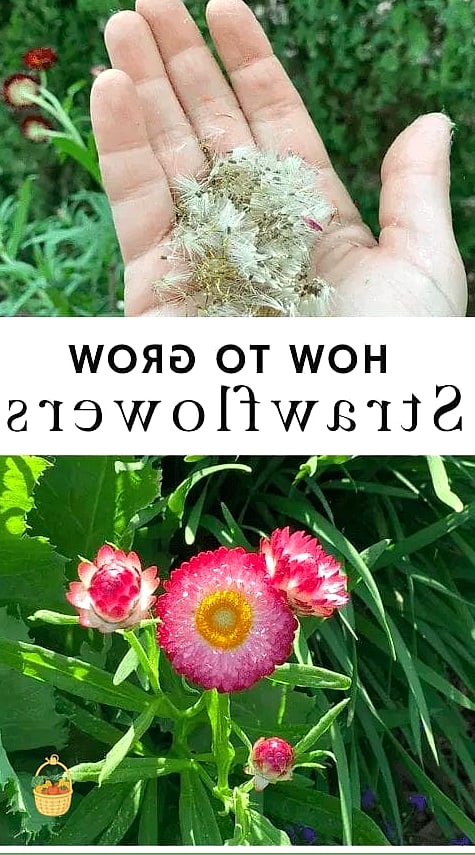
Strawflowers are almost always grown from seed, and honestly, that’s the easiest route. Seeds are inexpensive, germinate reliably, and let you grow a large patch for cutting without much investment.
You can start seeds indoors six to eight weeks before your last expected frost, using seed trays and a light seed-starting mix. Press the seeds lightly into the surface rather than burying them — they need light to germinate. A sunny windowsill works, but grow lights will give you sturdier, less stretched-out seedlings.
Direct sowing outdoors after your last frost date is just as viable once soil has warmed up. Thin seedlings to their final spacing once they have a couple sets of true leaves, since crowded strawflowers compete for light and end up leggy.
Division and cuttings aren’t really part of the standard strawflower playbook since most gardeners treat them as annuals anyway, but in frost-free climates where they persist as short-lived perennials, tip cuttings taken in spring can occasionally be rooted with a bit of patience.
Final Thoughts
Strawflowers are one of those plants that reward you generously for relatively little effort — full sun, decent drainage, and the occasional deadheading session are really all they’re asking for. In return, you get months of cheerful, papery blooms that pollinators adore and that hold their color long after cutting.
Whether you’re growing them for a pollinator border, a cutting garden, or a stash of dried arrangements to get you through winter, strawflowers are worth the space in your garden. Once you’ve grown them one summer, don’t be surprised if they become a permanent fixture on your seed list.