How To Grow & Care For Polka Dot Plant Indoors — Pro Tips for a Healthy Plant
How To Grow & Care For Polka Dot Plant Indoors — Pro Tips for a Healthy Plant
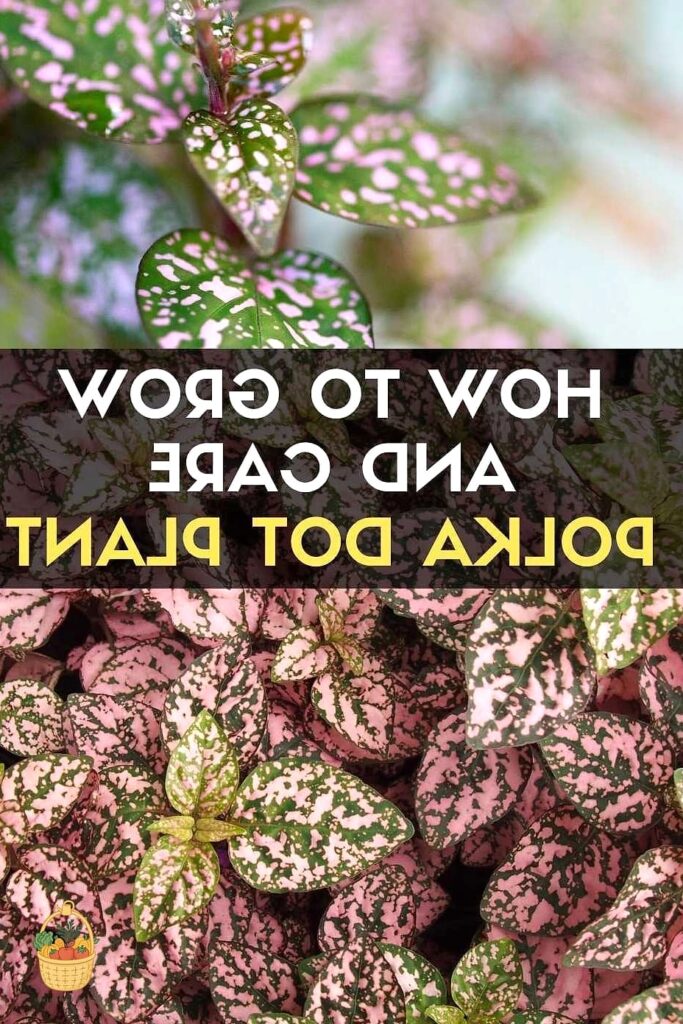
If you’ve ever wanted a houseplant that looks like it got splattered with paint by a very artistic toddler, the polka dot plant (Hypoestes phyllostachya) is your answer. Those speckled leaves in pink, red, white, or magenta make it one of the most cheerful little plants you can keep on a windowsill.
It’s native to Madagascar, which tells you something right away — this plant likes warmth, humidity, and doesn’t love the cold. Indoors, though, it’s a completely manageable little companion once you understand what it wants.
I’ll be honest, polka dot plant has a reputation for being a bit dramatic. It wilts fast when it’s thirsty and it’s not the longest-lived houseplant around. But grown right, it rewards you with some of the most eye-catching foliage in the plant world, and that’s worth the small amount of extra attention it asks for.
Why Gardeners Love It
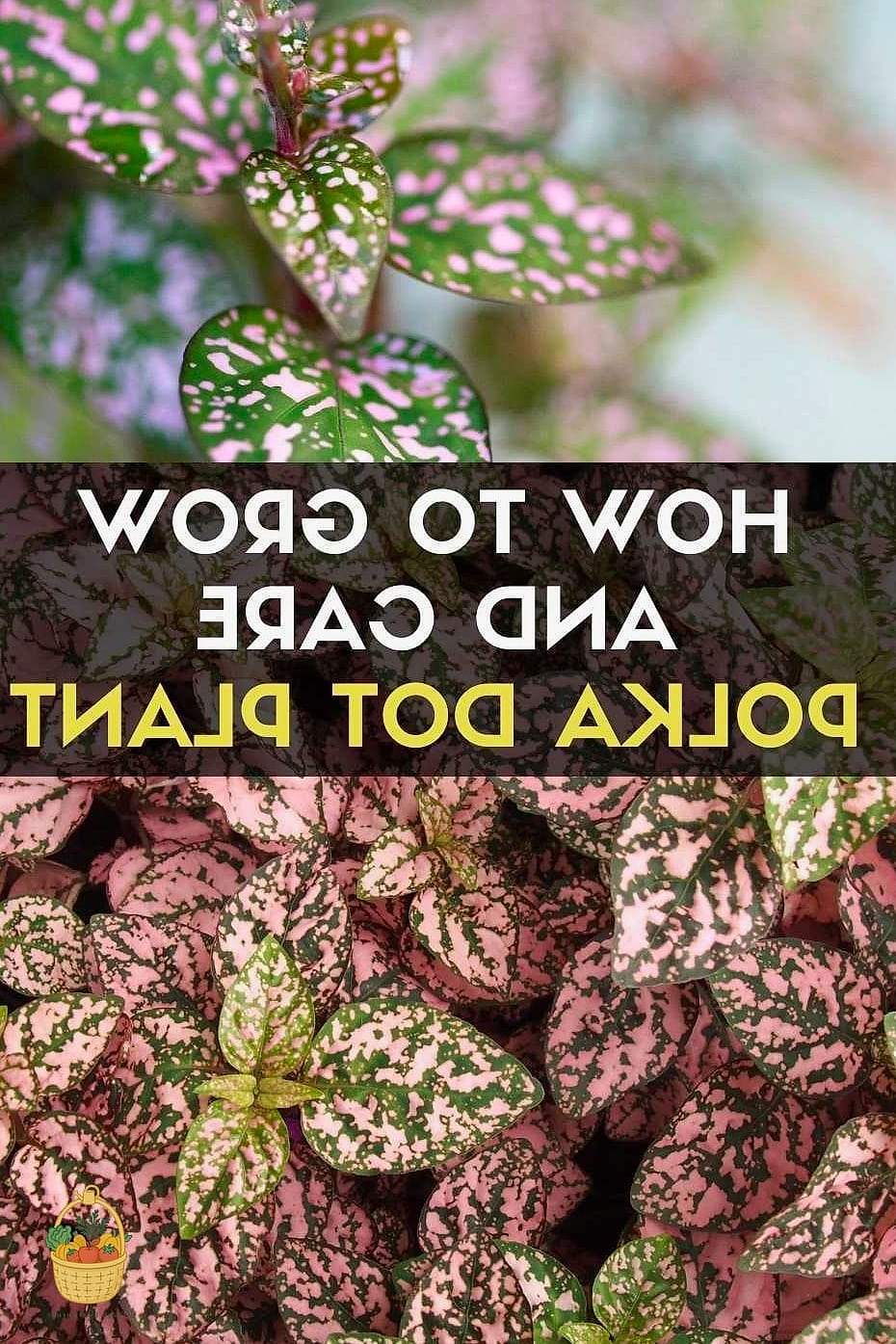
There’s really nothing else that brings this specific splash of color to a shelf of houseplants. Most foliage plants are green with maybe some variegation, but polka dot plant looks almost artificial with its confetti-like pattern.
It’s also compact, which makes it perfect for small apartments, desks, or crowded plant shelves where space is tight. You don’t need a huge pot or a dedicated corner of the room.
Gardeners also love how easy it is to propagate. A few cuttings from one healthy plant can turn into a whole collection, which makes it a fun one to share with friends who are just getting into houseplants.
Key Features and Appearance
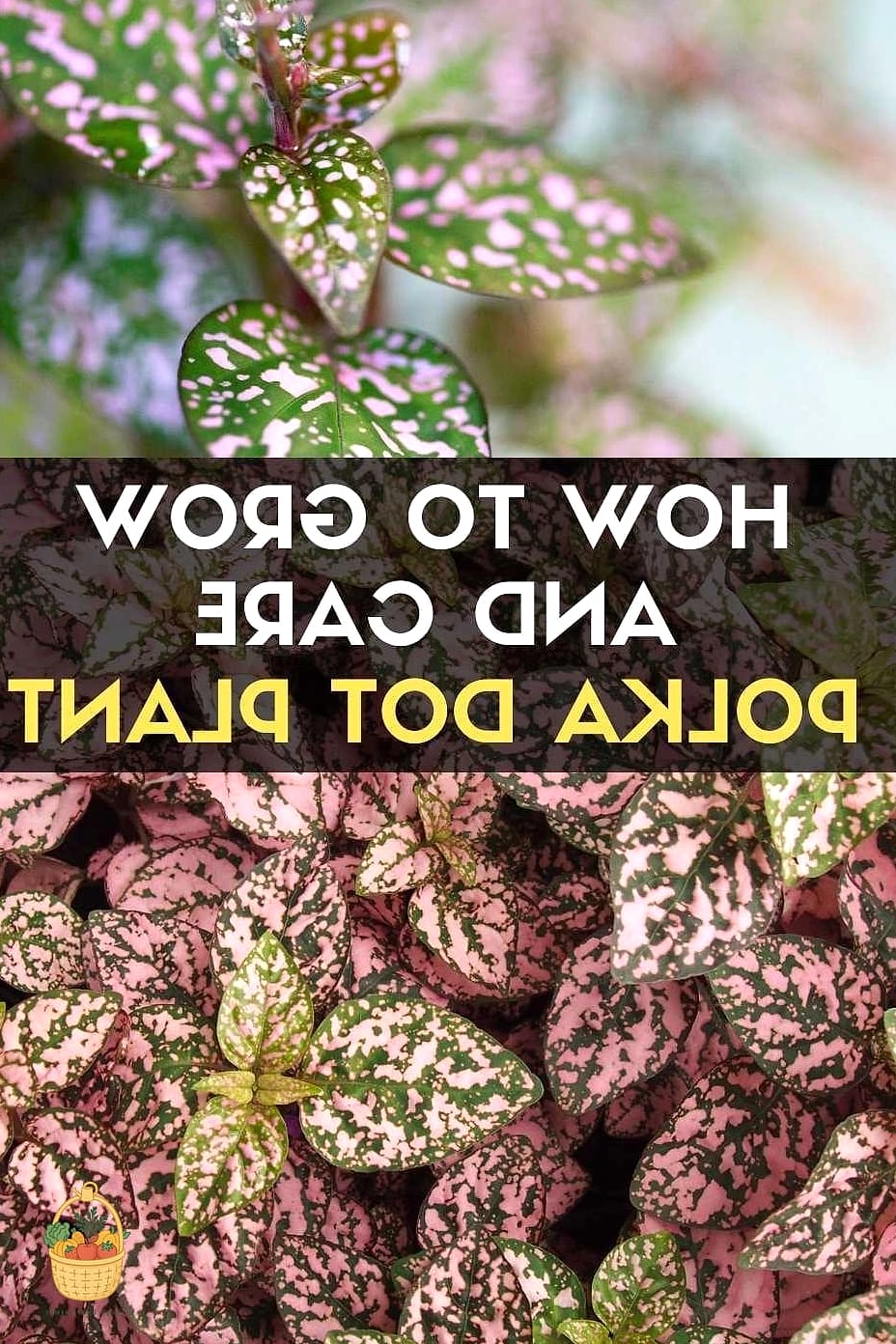
The leaves are oval-shaped with a slightly pointed tip, and the spots or splotches can cover most of the leaf surface depending on the variety. Some cultivars lean heavily pink, others are almost white with just green edges.
It grows in a bushy, mounding form, usually reaching about 12 to 18 inches tall indoors. Left alone, it can get leggy and start reaching for light, so a bit of shaping keeps it looking full.
One thing worth knowing: this plant does flower, sending up small purple spikes. Most growers pinch these off, though, since flowering tends to redirect energy away from the colorful foliage, which is really the whole point of growing it.
Growing Conditions
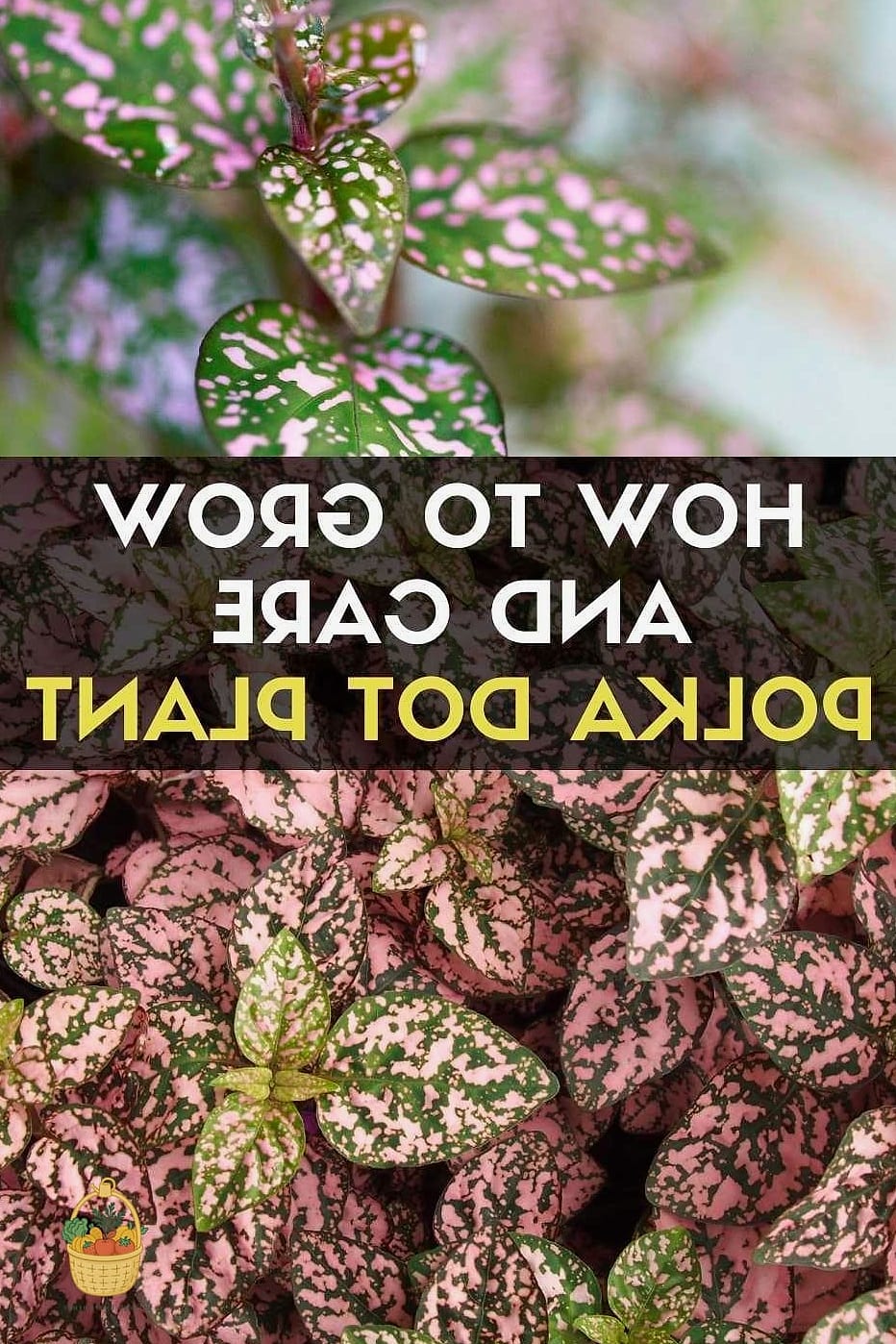
Bright, indirect light is the sweet spot for polka dot plant. Too little light and those vivid colors start fading back to green, which is honestly a little heartbreaking after you’ve fallen for the pattern.
Direct afternoon sun, on the other hand, can scorch the leaves, especially through glass where heat intensifies. An east-facing window or a spot a few feet back from a south-facing one usually works well.
This plant also appreciates warmth and humidity, being tropical at heart. Average room temperatures between 65–80°F are fine, but keep it away from cold drafts, air vents, and drafty winter windows.
If your home runs dry, especially in winter with the heat on, a small humidity tray or occasional misting helps keep the leaves from crisping at the edges. Grouping it with other houseplants can also raise the local humidity a bit.
Soil and Watering Needs
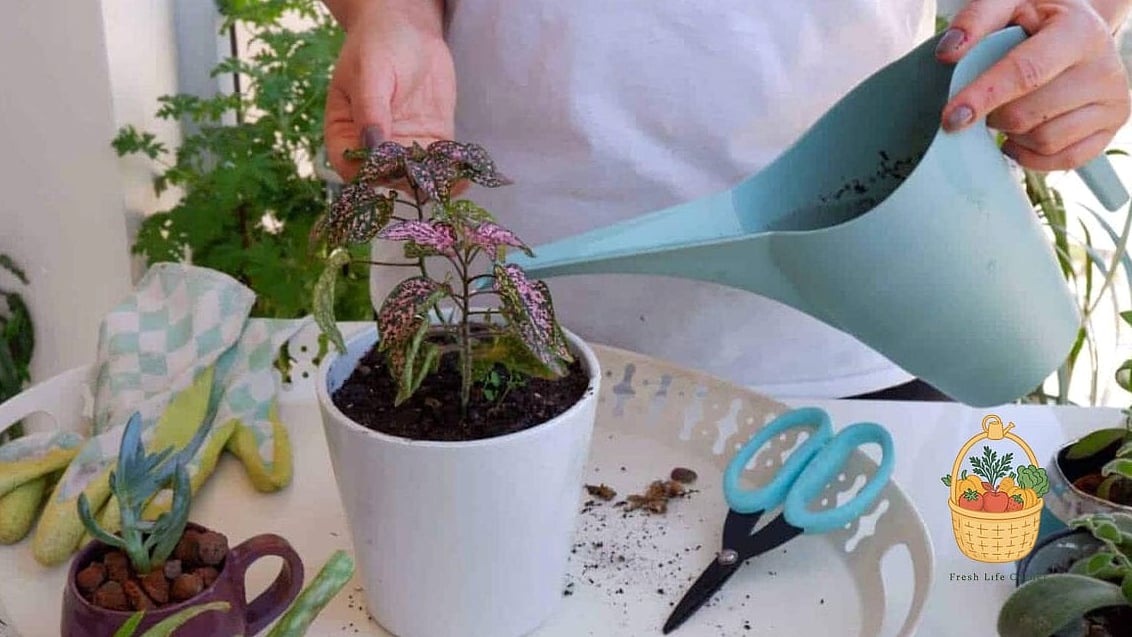
Well-draining soil is non-negotiable here. A standard potting mix with some perlite mixed in works great, giving roots the drainage they need while still holding onto some moisture.
Polka dot plant likes consistent moisture, not soggy soil and not bone-dry either. It has a habit of wilting dramatically the moment it gets thirsty, which is annoying but also useful, since it basically tells you exactly when it needs water.
Check the top inch of soil with your finger, and water when it starts to feel dry. A terracotta pot can help wick away excess moisture if you tend to overwater, while a plastic pot holds moisture longer for those who forget to check in as often.
Overwatering is the bigger risk of the two, since soggy roots invite root rot fairly quickly. Always make sure the pot has drainage holes, because standing water at the bottom is one of the fastest ways to lose this plant.
Fertilizing and Pruning
During spring and summer, a diluted liquid fertilizer every two to four weeks keeps growth steady and colors vibrant. I usually go with something balanced, like a 10-10-10, mixed at half strength so it doesn’t overwhelm the roots.
Ease off in fall and winter, since growth naturally slows down and the plant doesn’t need heavy feeding during that dormant-ish period. Overfeeding during slow growth months tends to cause salt buildup in the soil rather than any real benefit.
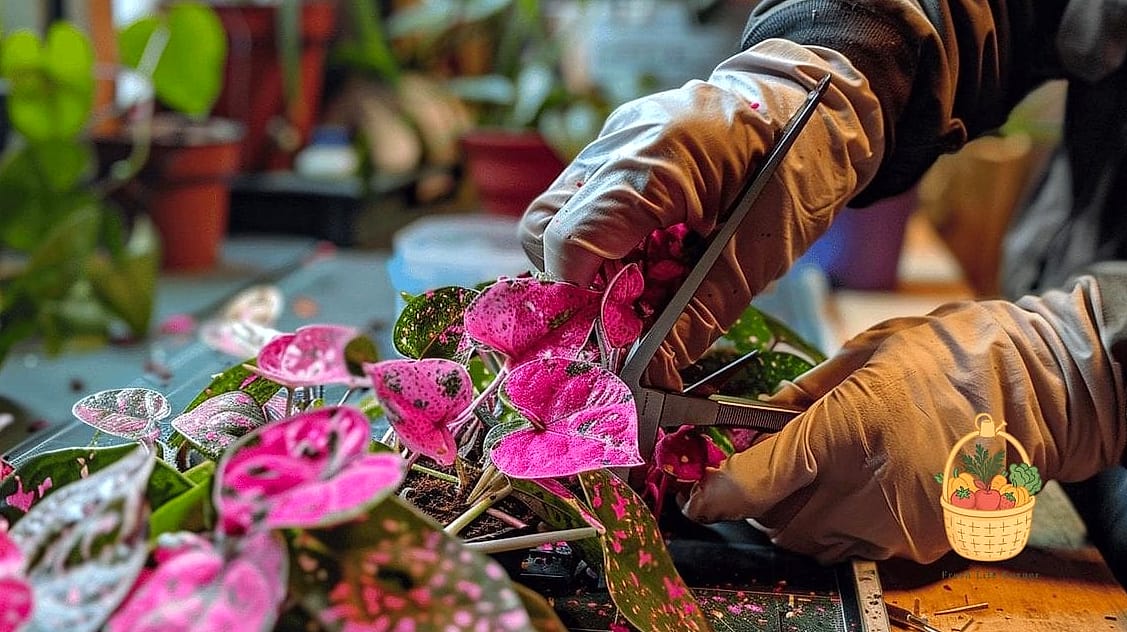
Pruning is honestly part of what keeps this plant looking its best. Pinching back the growing tips every few weeks encourages bushier growth instead of tall, floppy stems reaching toward the window.
If you notice flower spikes forming, snip them off unless you’re trying to collect seed. Removing them keeps the plant’s energy focused on foliage, which is really what you’re growing it for anyway.
Common Problems and Solutions
Fading color is one of the most common complaints, and it almost always comes back to insufficient light. Move it somewhere brighter and you’ll usually see new growth come in with better contrast within a few weeks.
Yellowing leaves typically point to overwatering or poor drainage. Check the roots — if they’re dark and mushy rather than firm and white, you’re dealing with root rot and will need to trim away the affected areas and repot into fresh, dry soil.
Leggy, sparse growth means the plant isn’t getting enough light or hasn’t been pinched back regularly. A little more sun and a round of pruning usually fixes this within a growing season.
As for pests, keep an eye out for aphids and spider mites, which seem to enjoy the soft leaves. A insecticidal soap or a strong rinse in the sink usually handles minor infestations before they spread.
Polka dot plant is also naturally a fairly short-lived houseplant, often looking tired after a year or two even with good care. This is completely normal, and it’s exactly why propagation is so useful — you can keep the bloodline going indefinitely with fresh cuttings.
Propagation Tips
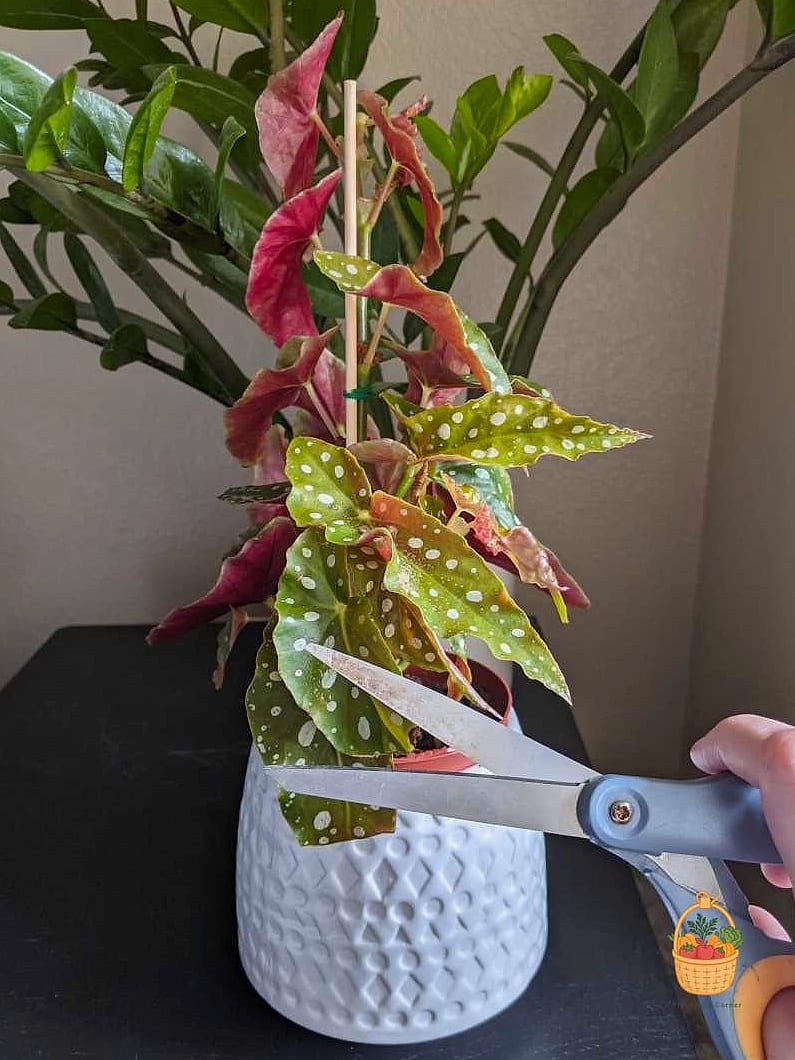
Propagation by cuttings is genuinely one of the easiest parts of growing this plant. Snip a 3-4 inch section just below a leaf node, strip the lower leaves, and place it in water or moist soil.
Roots typically show up within one to two weeks in water, and you’ll see new growth once it’s potted into soil. I usually let roots reach about an inch long before transferring to a pot, since it gives the cutting a better chance of settling in without stress.
Spring and summer are the best seasons to propagate, since the warmth and longer daylight hours push faster root development. Keep cuttings in bright, indirect light and change the water every few days if you’re rooting in a glass.
This is also a great way to refresh an aging plant. Rather than fighting to keep an older, leggy specimen looking good, many growers just take cuttings and start fresh, tossing the parent plant once its best days are behind it.
Final Thoughts

Growing polka dot plant indoors really comes down to a few consistent habits: bright indirect light, steady moisture, regular pinching, and the occasional feeding during the growing season. Get those right and the color show more or less takes care of itself.
It’s not a plant that demands perfection, but it does notice neglect faster than something like a snake plant or ZZ plant might. Think of it as a slightly needier, much more colorful cousin to your tougher houseplants.
If you’re new to houseplants or just want something that adds a genuinely unique pop of color to a shelf or windowsill, this one’s worth trying. And even if it doesn’t live forever, propagating a few cuttings means you’re never really starting over from scratch.