How To Grow Plants Year Round In A Greenhouse — Pro Tips for a Healthy Plant
- Choose the Right Greenhouse Structure First
- Get Serious About Temperature Control
- Ventilation Is Not Optional
- Supplement Light During Short Winter Days
- Water Wisely Through Every Season
- Rotate Crops With the Seasons
- Feed Your Soil Consistently
- Watch for Pests Before They Become an Infestation
- Manage Humidity Levels Carefully
- Insulate for Winter Without Blocking Light
- Choose Plants Suited to Greenhouse Life
- Keep a Simple Seasonal Calendar
How To Grow Plants Year Round In A Greenhouse — Pro Tips for a Healthy Plant
If you’ve ever stood in your garden in January, staring at bare soil and wishing you could still get your hands dirty, a greenhouse is the answer. It’s not just a glass box that keeps frost off your tomatoes — it’s basically a season extender on steroids, letting you grow something worthwhile in every single month of the year.
I’ve been growing in greenhouses for a long time, and I still remember how surprised I was the first winter I harvested lettuce while snow piled up outside. It felt like cheating. It wasn’t. It was just smart planning, decent structure, and a bit of patience.
This guide walks through what actually matters if you want a greenhouse that produces year round, not just a pretty structure that sits empty from November to March.
Choose the Right Greenhouse Structure First

Before you think about soil or seeds, think about the building itself. A flimsy plastic hoop house will get you through spring and fall, but it won’t hold up to a hard winter or a scorching summer without serious help.
Polycarbonate panels insulate far better than single-layer plastic or glass and they’re more forgiving if a stray branch or hailstorm decides to test your patience. Glass looks beautiful, but it’s a poor insulator unless you’re paying for double-glazing.
Size matters more than people expect too. A tiny greenhouse heats up and cools down fast, which makes temperature swings harder to manage. If you’re serious about year-round growing, bigger is genuinely easier to regulate.
Get Serious About Temperature Control
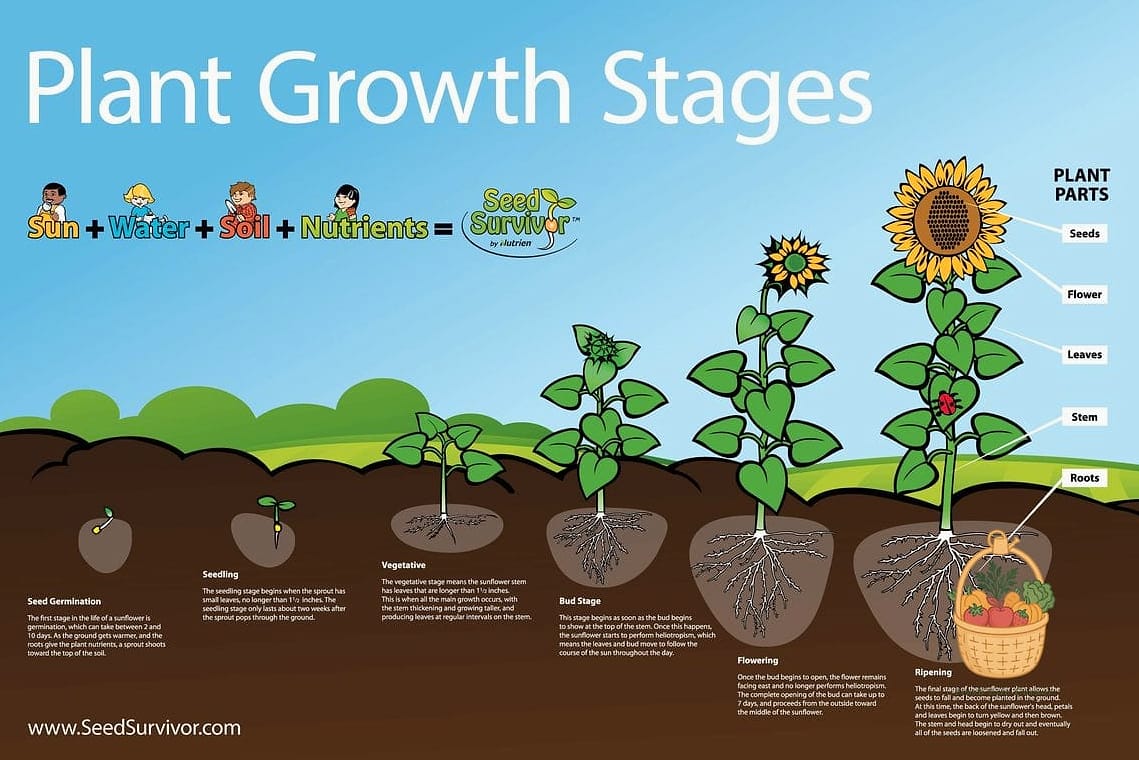
Temperature is the single biggest factor in year-round success, full stop. Most vegetables and flowering plants want daytime temps between 65 and 80°F, and nighttime lows that don’t dip below 50°F for anything tropical or heat-loving.
In winter, a small electric heater or even a simple compost-based heating system can keep things from freezing overnight. In summer, the opposite problem hits — greenhouses can turn into ovens fast, so shade cloth and ventilation aren’t optional extras, they’re survival gear for your plants.
I always tell people to get a cheap min/max thermometer before anything else. You can’t manage what you’re not measuring, and greenhouse temperatures swing more than most people assume.
Ventilation Is Not Optional
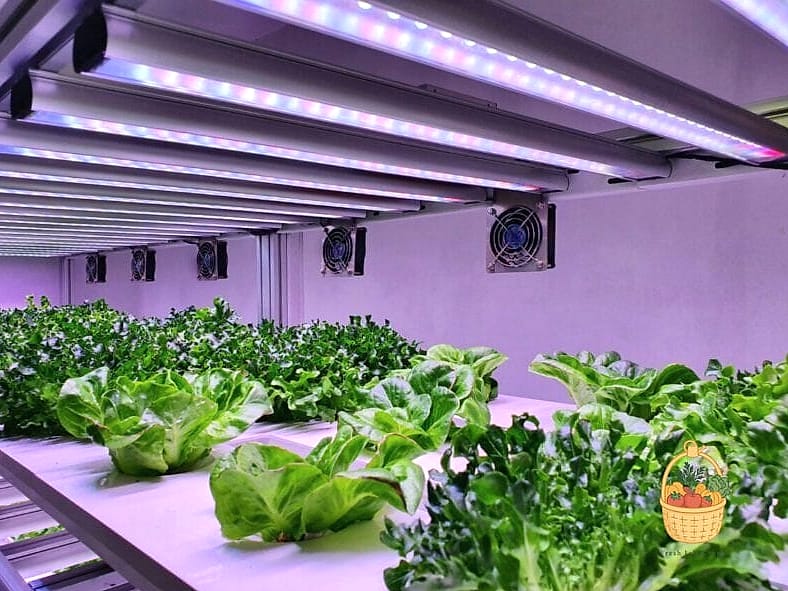
A sealed-up greenhouse in summer is basically a plant sauna, and not the relaxing kind. Poor airflow leads to fungal issues, weak stems, and pests like spider mites that love still, humid air.
Roof vents, side louvers, or even just propping doors open during the day make a huge difference. If your budget allows, a small oscillating fan inside keeps air moving and strengthens stems the same way wind does outdoors.
Automatic vent openers that respond to temperature are one of the best low-effort upgrades you can make. Set it once and stop worrying about it.
Supplement Light During Short Winter Days
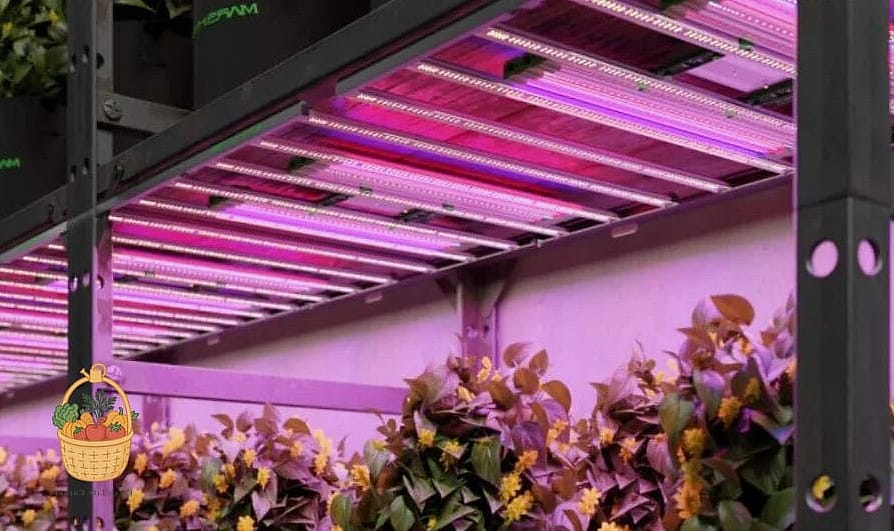
Even with a glass or polycarbonate roof, winter light levels drop hard, especially if you’re in a northern climate. Plants that would normally thrive on natural sun alone start to stretch, pale out, or just stall completely.
Grow lights fill that gap nicely. Full-spectrum LED fixtures aren’t expensive anymore, and running them for a few extra hours a day in December and January can keep leafy greens, herbs, and seedlings growing at a decent pace instead of limping along.
Don’t go overboard on wattage though — too much intense light too close to seedlings can scorch them just as easily as too little light stalls them.
Water Wisely Through Every Season
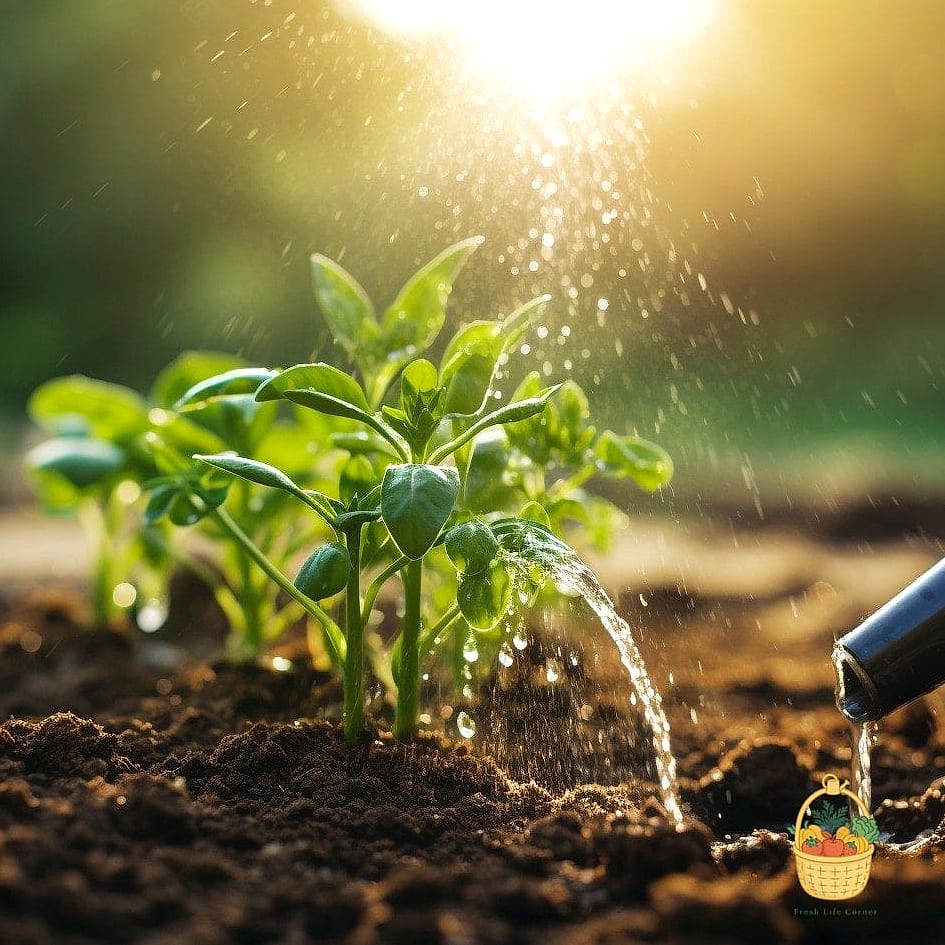
Watering needs shift dramatically between seasons, and this is where a lot of greenhouse growers trip up. Summer heat means daily watering might be necessary, while winter’s cooler, slower growth means overwatering becomes the real threat.
Root rot from soggy winter soil kills more greenhouse plants than cold ever does. Let the top inch of soil dry out between waterings during the colder months, and always use well-draining soil mixes to begin with.
Drip irrigation on a timer takes a lot of the guesswork out of this, especially if you travel or just forget things sometimes — no judgment, we all do.
Rotate Crops With the Seasons
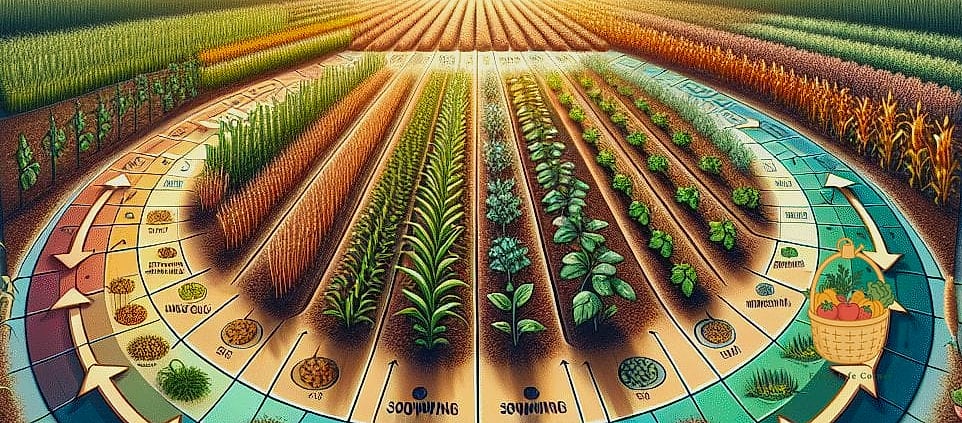
Trying to grow tomatoes in a greenhouse in January is fighting biology, not embracing it. Smart greenhouse growers rotate what they plant based on what actually wants to grow in each season.
Cool-season crops like spinach, kale, lettuce, and radishes handle lower light and cooler greenhouse temps just fine through fall and winter. Come spring, switch over to heat-loving plants like peppers, tomatoes, and basil once daytime temps climb back up.
This rotation also helps soil health, since you’re not draining the same nutrients season after season with identical crops.
Feed Your Soil Consistently
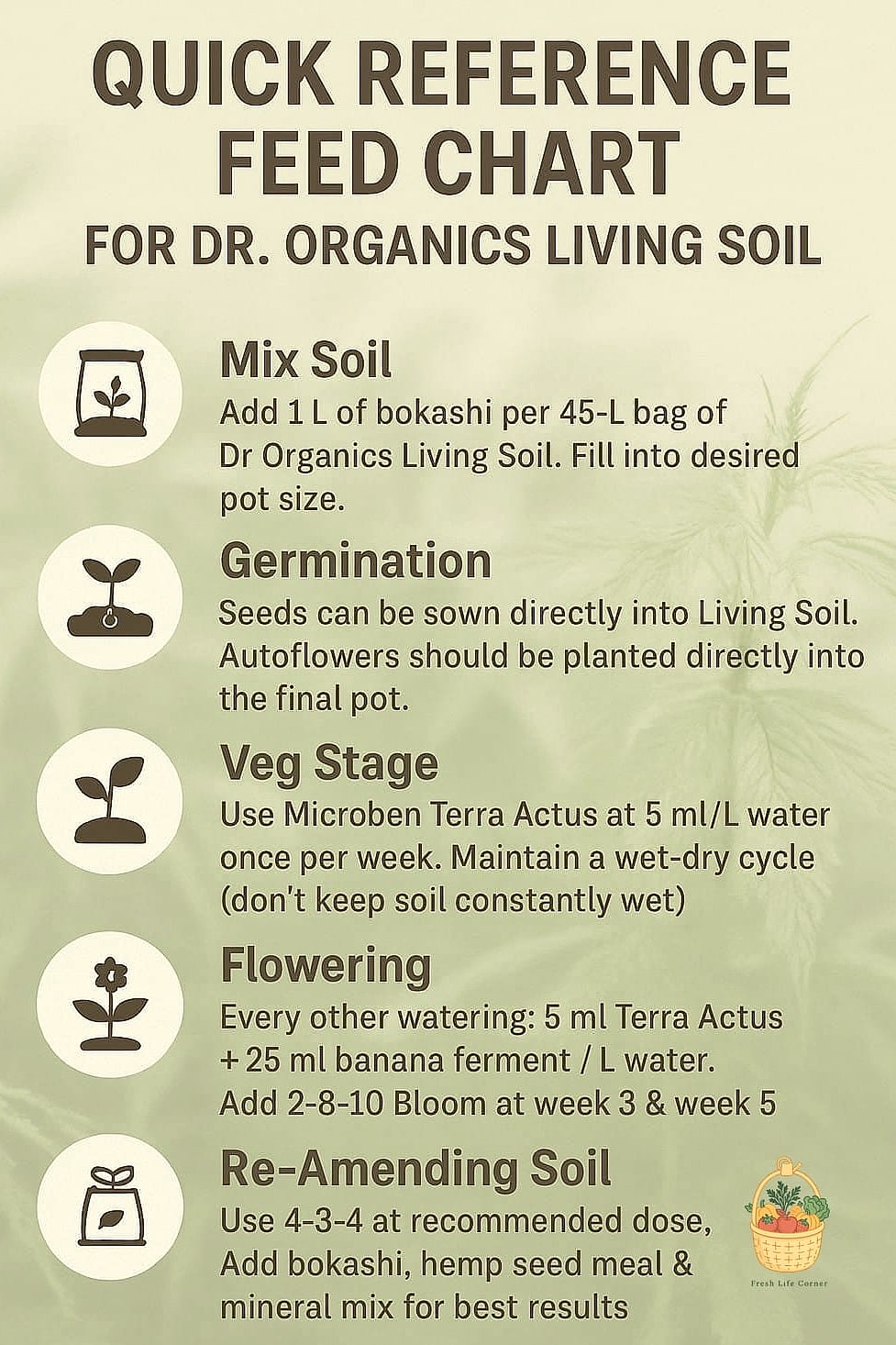
Container and raised-bed greenhouse growing depletes nutrients faster than in-ground gardens, simply because there’s less soil volume to work with. A slow-release fertilizer worked into the soil at planting gives plants a steady baseline.
Compost is honestly one of the best things you can add regularly — it improves drainage, feeds beneficial microbes, and slowly releases nutrients without the risk of burning roots the way synthetic fertilizers sometimes do.
During active growing months, a diluted liquid fertilizer every couple of weeks keeps fast growers like tomatoes and cucumbers from stalling out mid-season.
Watch for Pests Before They Become an Infestation
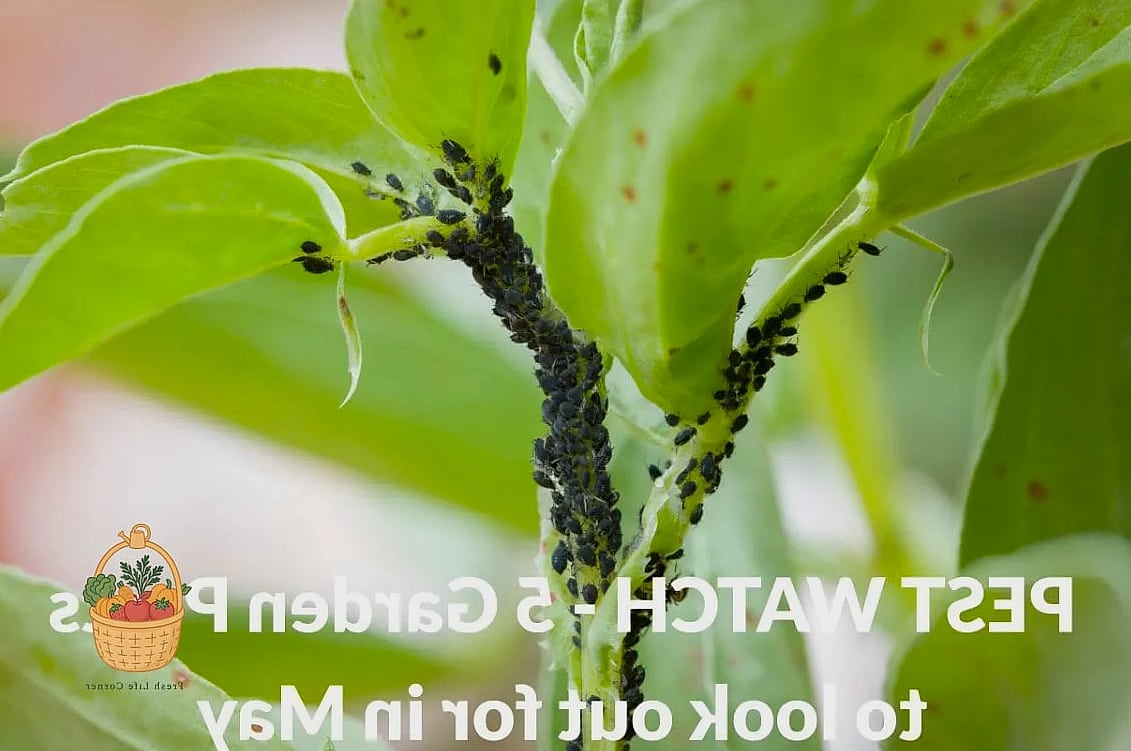
Greenhouses create a cozy, sheltered environment that pests love just as much as your plants do. Aphids, spider mites, and whiteflies can explode in population fast when there’s no outdoor predators or weather to keep them in check.
Check the undersides of leaves regularly — that’s where most trouble starts unnoticed. Yellowing leaves, sticky residue, or fine webbing are all early warning signs worth acting on immediately.
Natural pest control methods like neem oil, insecticidal soap, or introducing ladybugs work well in greenhouse settings without the harsh chemicals that can build up in an enclosed space.
Manage Humidity Levels Carefully

Humidity swings are one of the trickier parts of how to grow plants year round in a greenhouse successfully. Too dry and you’ll see crispy leaf edges and stressed plants; too humid and fungal diseases like powdery mildew move in fast.
Most greenhouse plants are happiest somewhere between 50 and 70 percent humidity, though tropical plants like higher and succulents want it drier. A simple hygrometer helps you track this instead of guessing based on how sticky the air feels.
Misting, gravel trays with water, or just adjusting your ventilation schedule can nudge humidity in whichever direction you need.
Insulate for Winter Without Blocking Light
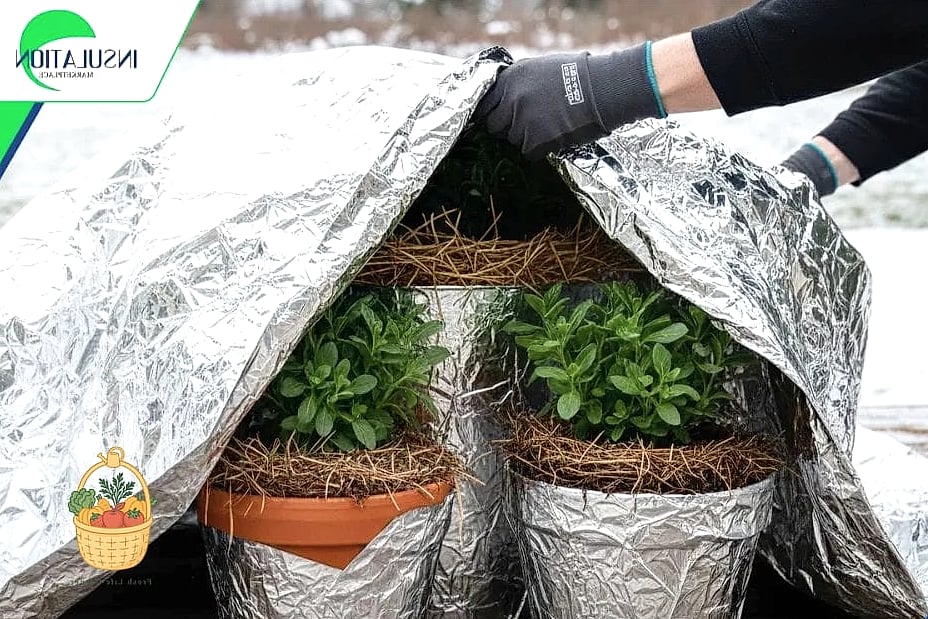
Bubble wrap insulation sounds a little unconventional, but it’s a genuinely effective trick greenhouse growers have used for years. Lining the interior walls with horticultural bubble wrap traps a layer of insulating air while still letting light through.
Thermal mass helps too — large water barrels or dark-colored containers placed inside absorb heat during the day and slowly release it overnight, buffering against sudden temperature drops.
Just make sure you’re not sacrificing too much light in the process, since winter days are already short enough without extra shade.
Choose Plants Suited to Greenhouse Life
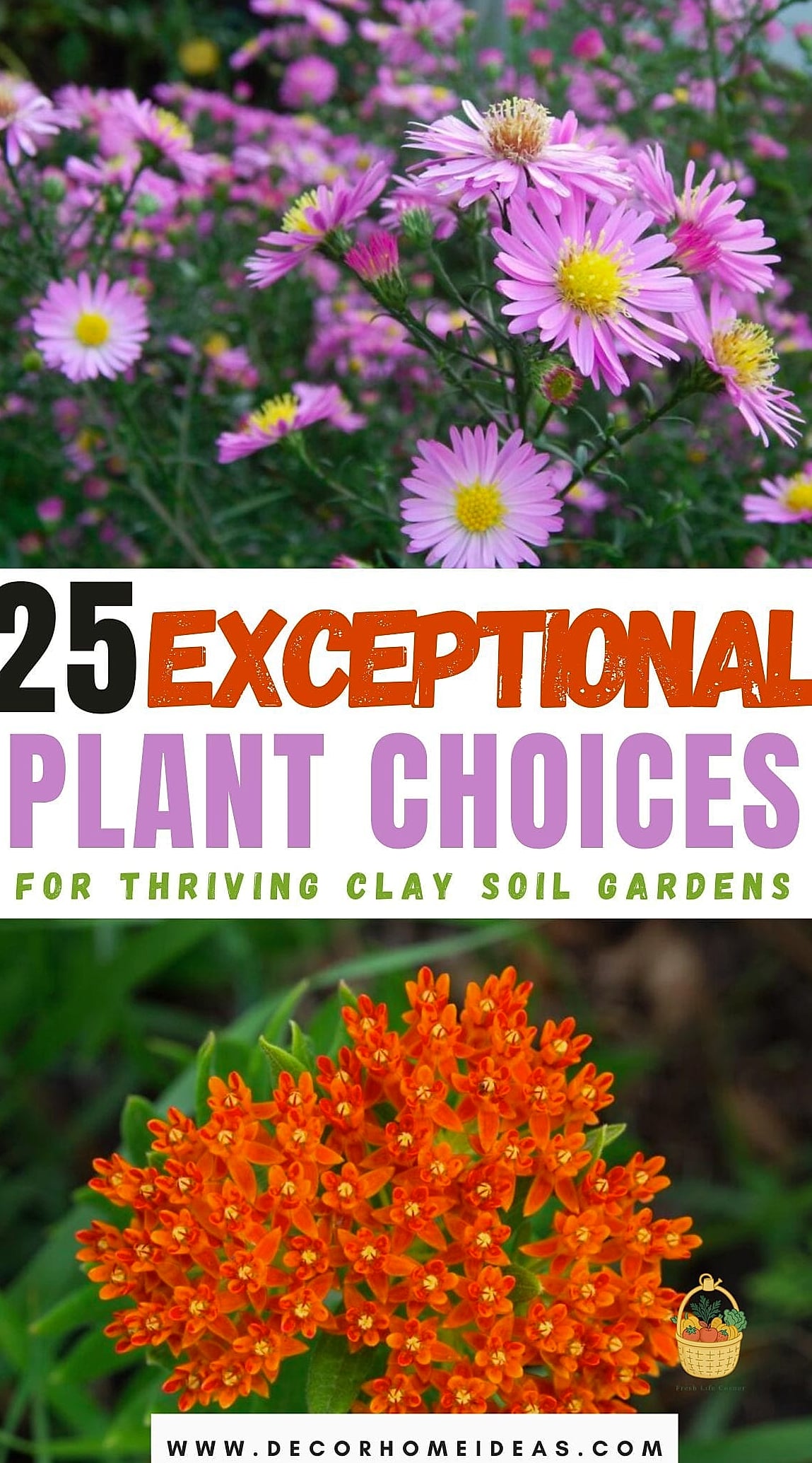
Not every plant loves greenhouse conditions equally, and picking varieties that actually thrive there saves a lot of frustration. Leafy greens, herbs like basil and cilantro, and compact tomato varieties tend to do exceptionally well in the controlled environment a greenhouse offers.
Dwarf or bush varieties of fruiting plants are often a better fit than sprawling types, simply because space is usually at a premium. Pollinator-friendly flowers like marigolds also earn their spot by attracting bees when the greenhouse doors are open during warmer months.
If you’re growing tomatoes, peppers, or cucumbers indoors without natural pollinators visiting, you may need to hand-pollinate by gently shaking flowering stems or using a small brush.
Keep a Simple Seasonal Calendar
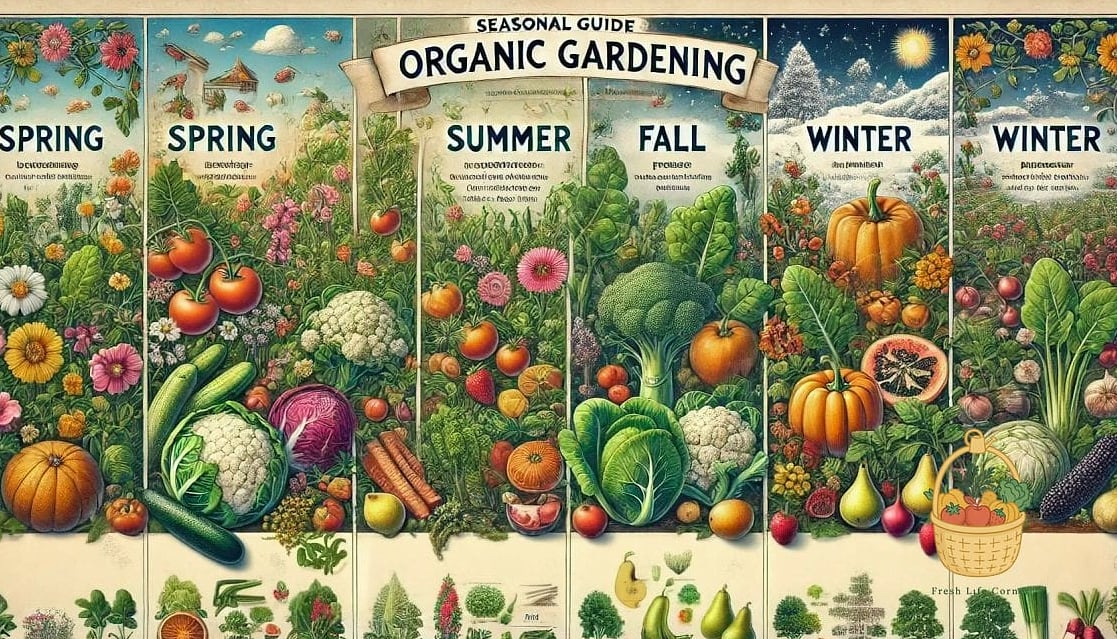
One of the most underrated tips for growing year round is just keeping track of what you planted and when. It sounds basic, but greenhouse growing without a calendar turns into guesswork fast, especially once you’re juggling multiple crops across different seasons.
Jot down planting dates, first harvests, and any issues you ran into — pests, bolting, poor germination. Over a year or two, this turns into a genuinely useful personal reference that beats generic advice because it’s based on your specific greenhouse and climate.
It doesn’t need to be fancy. A cheap notebook hanging on a nail by the door works just as well as any app.
Final Thoughts
Learning how to grow plants year round in a greenhouse really comes down to paying attention to the small stuff — temperature swings, watering habits, airflow, and choosing the right plants for the right season. None of it requires expensive equipment or a horticulture degree.
Start small if you’re new to this. Get comfortable managing temperature and watering before you add grow lights and automated vents into the mix. The learning curve is real, but so is the payoff — fresh greens in February and ripe tomatoes months earlier than your neighbors is a pretty good reward for the effort.