How To Grow Rosemary In Containers — Pro Tips for a Healthy Plant
- Why Rosemary Actually Prefers Pots
- Choosing the Right Container
- Sunlight and Placement
- Best Soil Mix for Container Rosemary
- Watering Without Overdoing It
- Fertilizing Rosemary in Pots
- Pruning for a Fuller, Healthier Plant
- Repotting and Root Space
- Common Pests and Problems
- Overwintering Rosemary Indoors
- Propagating New Rosemary Plants
- Final Thoughts on Growing Rosemary in Containers
How To Grow Rosemary In Containers — Pro Tips for a Healthy Plant
If you’ve ever brushed past a rosemary plant and caught that piney, slightly lemony smell, you already know why so many gardeners want one within arm’s reach. Growing it in a pot means you can keep that fragrance right outside your kitchen door — or even on a sunny windowsill if your winters get rough. The good news is that rosemary is a Mediterranean native, which means it actually prefers a bit of tough love over constant fussing.
That said, container growing changes the rules a little compared to planting rosemary straight into garden soil. Pots dry out faster, drain differently, and limit root space, so a few adjustments make a big difference between a plant that limps along and one that turns into a woody, fragrant shrub you’re proud of.
Why Rosemary Actually Prefers Pots
It might seem backwards, but rosemary often does better in containers than in the ground, especially if your native soil holds onto moisture. This herb evolved on rocky, sun-baked hillsides, so it’s drought tolerant by nature and hates sitting in soggy soil.
A pot gives you full control over drainage, which is the number one thing rosemary needs to thrive. You’re not fighting heavy clay soil or unpredictable rainfall — you’re building the exact environment this plant wants from the start.
Container growing also lets gardeners in colder zones bring rosemary indoors before frost hits. Since rosemary is only reliably frost hardy in USDA zones 8 through 10, a portable pot is basically an insurance policy for anyone living somewhere colder.
Choosing the Right Container
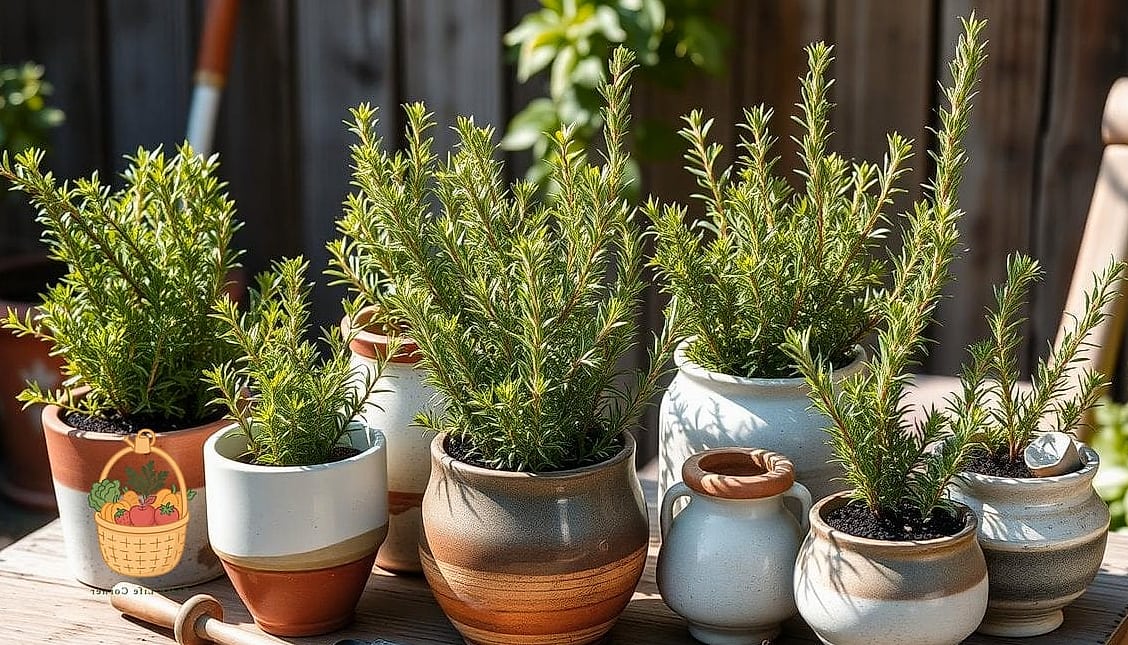
Terracotta pots are pretty much the gold standard for rosemary, and for good reason. The porous material wicks away excess moisture, which helps prevent the root rot that ends so many rosemary plants prematurely.
Size matters too, but not in the way people assume. Rosemary doesn’t need a huge pot right away — starting too big can actually keep the soil wet longer than the roots can use, inviting fungal problems. A six to eight inch pot is plenty for a young plant, and you can size up as it grows.
Whatever container you choose, drainage holes are non-negotiable. If you fall in love with a decorative pot that doesn’t have any, just use it as a cover for a plastic nursery pot with proper drainage tucked inside.
Sunlight and Placement
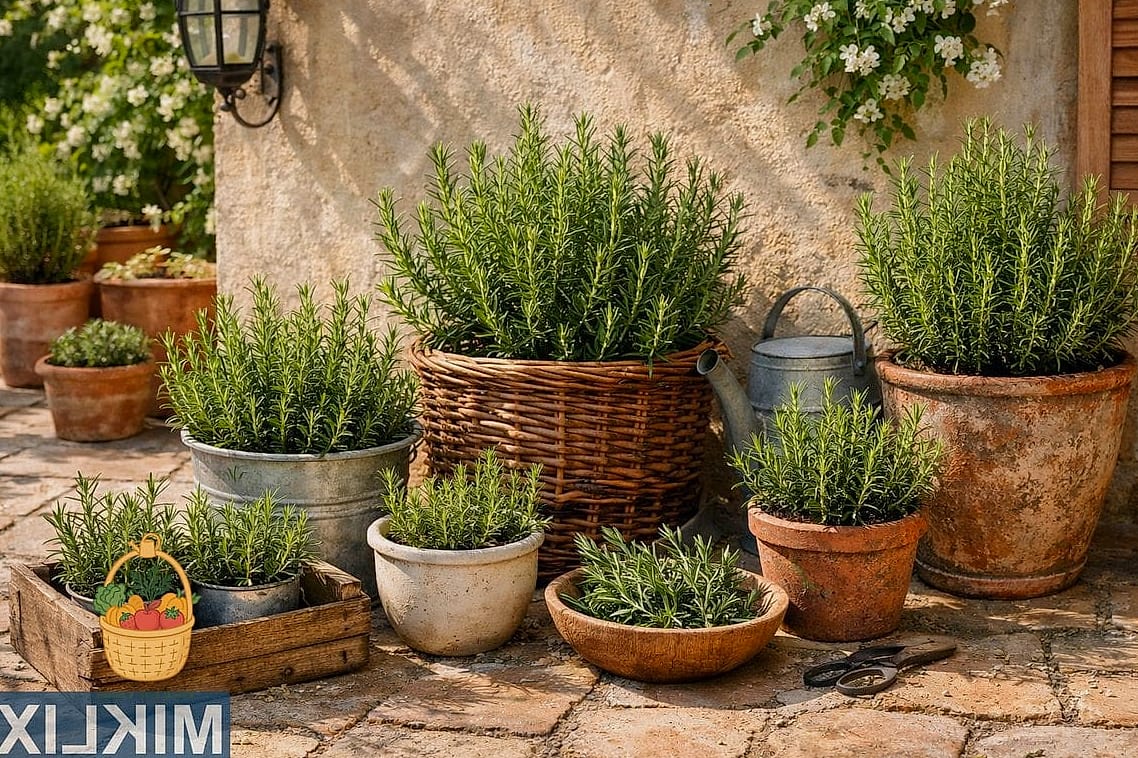
Rosemary is a full sun plant through and through, wanting at least six hours of direct light daily, and honestly, more is better. Plants grown in too much shade tend to get leggy and sparse instead of dense and bushy.
Outdoors, a south-facing patio or balcony is ideal. Indoors, a bright south or west-facing window works, though you may notice the plant stretching a bit toward the light in winter when days are shorter.
If natural light just isn’t cutting it, a simple grow light can fill the gap. I’ve kept rosemary alive through gray winters this way, and while it’s not quite as vigorous as a summer plant basking in full sun, it holds on just fine until spring.
Best Soil Mix for Container Rosemary
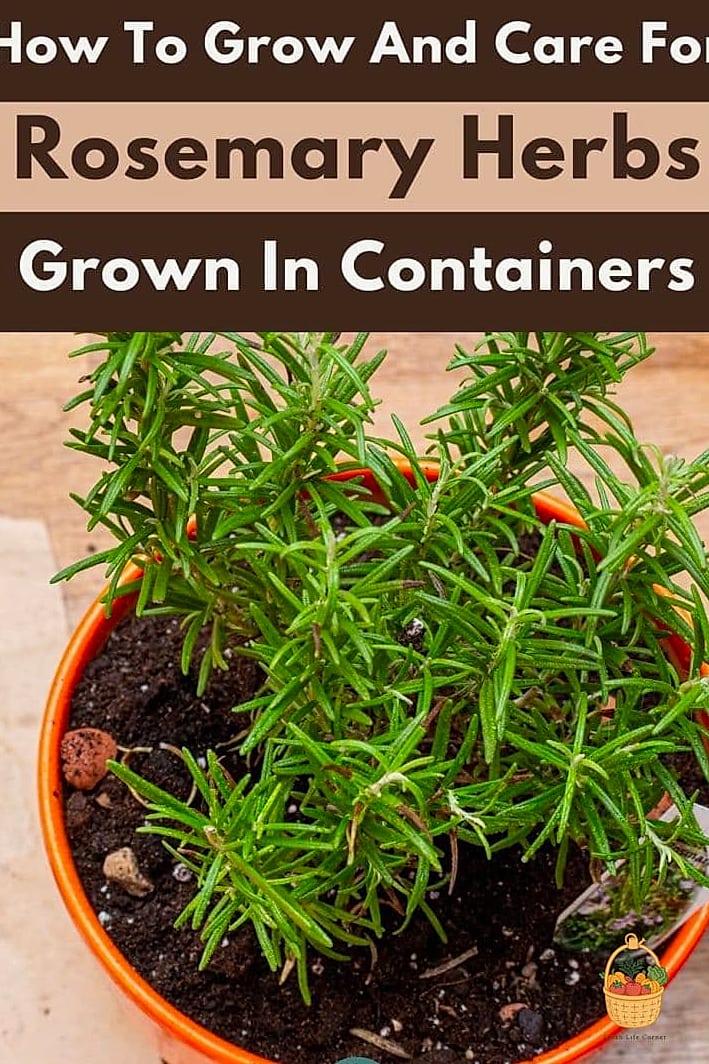
This is where a lot of container rosemary struggles begin and end. Regular potting soil often retains too much moisture for this herb’s taste, so amending it makes a real difference.
A mix of standard potting soil with added perlite, coarse sand, or fine gravel mimics the sandy loam rosemary would naturally grow in. Some gardeners use a cactus or succulent mix as a base and adjust from there, which honestly works quite well too.
Skip rich, dark compost-heavy blends. Rosemary isn’t a heavy feeder and actually performs better in soil that’s on the leaner, well-draining side rather than something packed with organic matter.
Watering Without Overdoing It

If there’s one mistake that kills more potted rosemary than anything else, it’s overwatering. This plant would honestly rather be a little too dry than even slightly too wet for extended periods.
Let the top inch or two of soil dry out completely between waterings. Stick a finger in the pot, and if it still feels damp, wait another day or two before reaching for the watering can.
Yellowing leaves, a musty smell, or soft, blackened stems near the base are all signs of overwatering and potential root rot. On the flip side, rosemary that’s underwatered will show dry, crispy needles and a general droopy look — but it usually bounces back much faster than a plant recovering from wet feet.
Fertilizing Rosemary in Pots

Container plants do need some supplemental feeding since nutrients wash out with each watering, unlike garden soil that gets naturally replenished. Still, rosemary is fairly light on its fertilizer needs compared to many other herbs.
A diluted liquid fertilizer applied every four to six weeks during the growing season is usually plenty. Some gardeners prefer a slow-release fertilizer worked into the soil once in spring, which simplifies things nicely if you’d rather not remember a feeding schedule.
Avoid heavy nitrogen fertilizers meant for leafy vegetables. Too much nitrogen pushes soft, fast growth that’s more prone to pest issues and doesn’t have that concentrated, aromatic flavor rosemary is known for.
Pruning for a Fuller, Healthier Plant
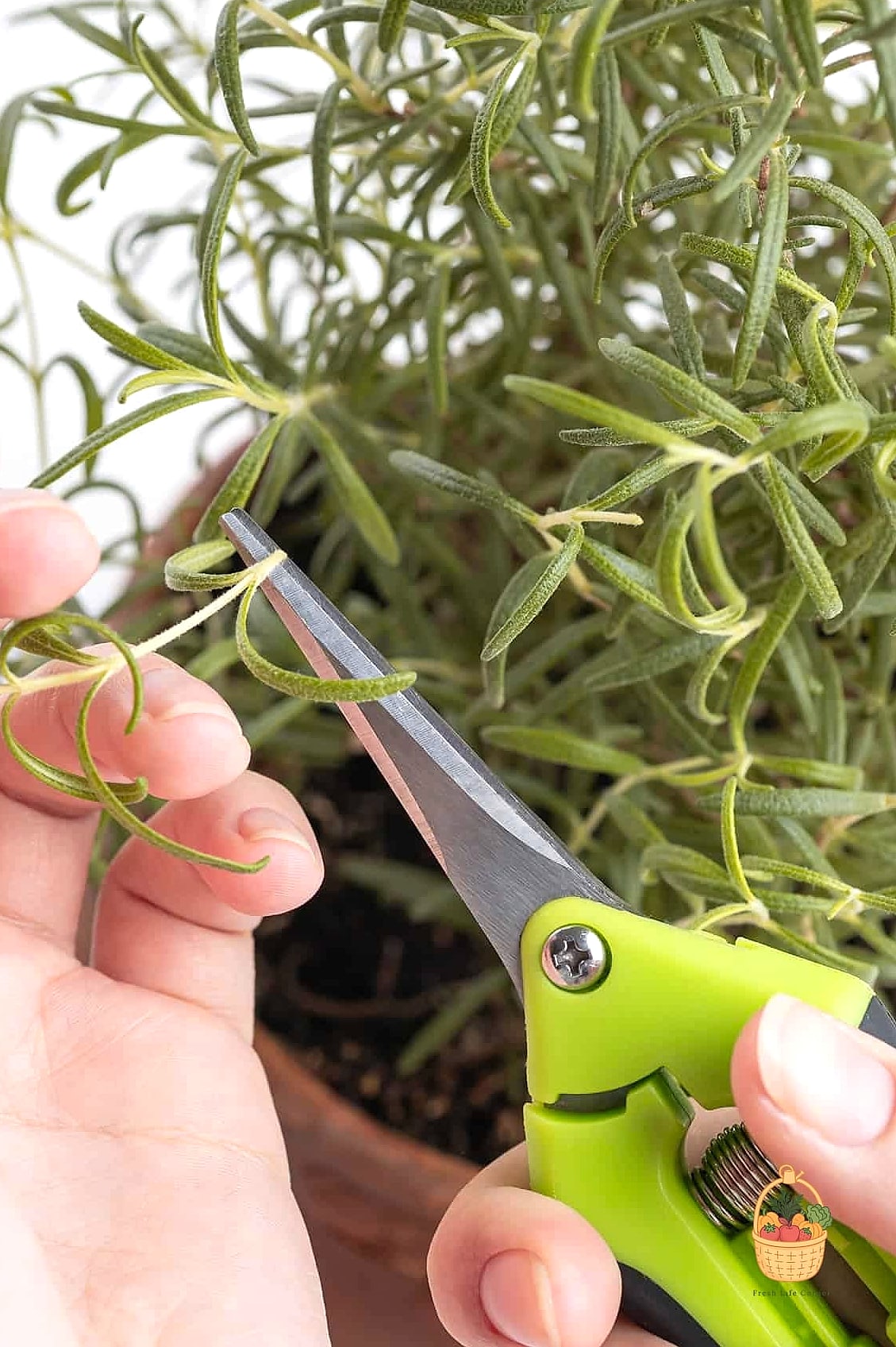
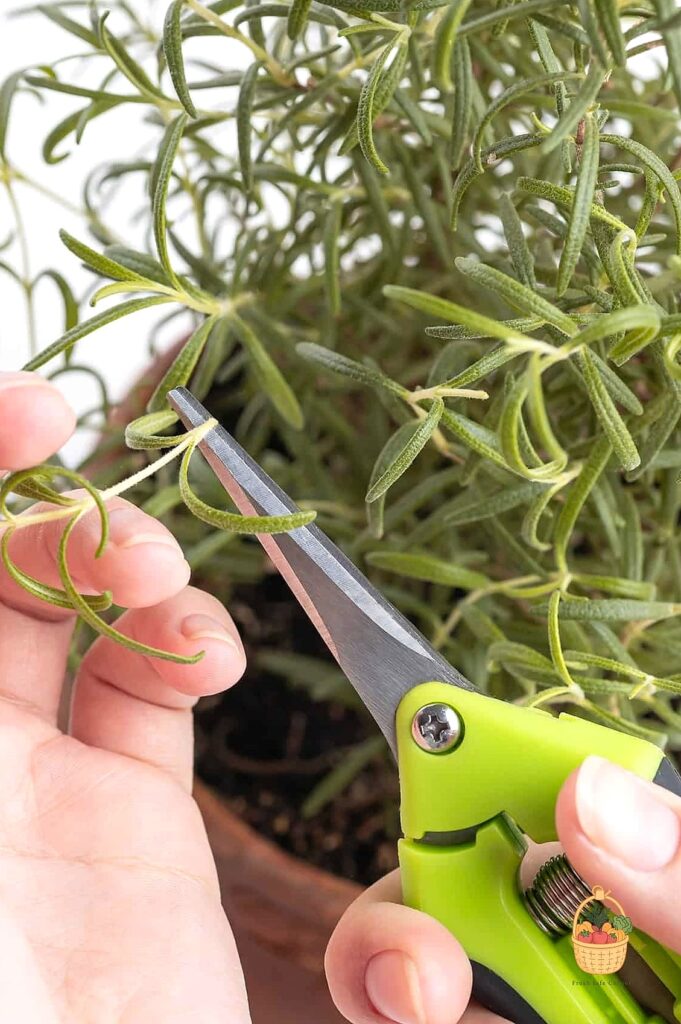
Regular trimming keeps container rosemary from getting woody and sparse at the base, which tends to happen when it’s left completely alone. Pinching back the tips encourages branching, giving you a denser, bushier shrub over time.
Harvesting sprigs for cooking actually doubles as pruning, so this is one of those rare plant care tasks that pays you back immediately. Just avoid cutting more than about a third of the plant at once.
Late winter or early spring, before major new growth kicks in, is a good time for a slightly harder shaping prune if the plant has gotten leggy. Always cut just above a leaf node with clean pruning shears to encourage tidy new growth.
Repotting and Root Space
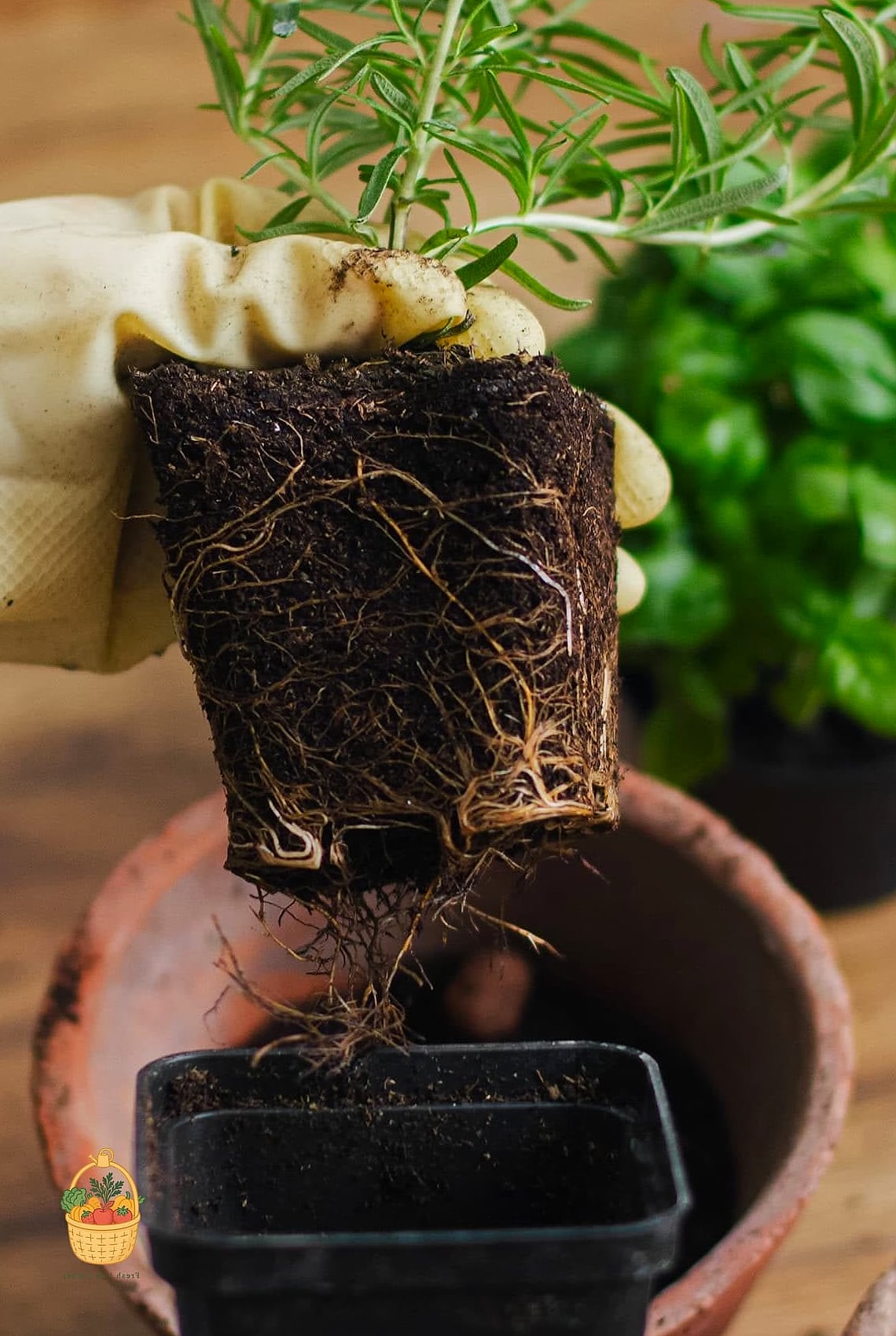
Rosemary grows slowly but steadily, and eventually it will outgrow its container. Roots poking through drainage holes or circling tightly at the surface are good signs it’s time to size up.
Move to a pot just one to two inches larger in diameter rather than jumping to something huge. Spring is the best season for this, giving the plant a full growing season to settle into its new space before any dormancy.
Refresh the soil mix at repotting time too, since old potting mix compacts and loses its drainage quality over a year or two of watering.
Common Pests and Problems
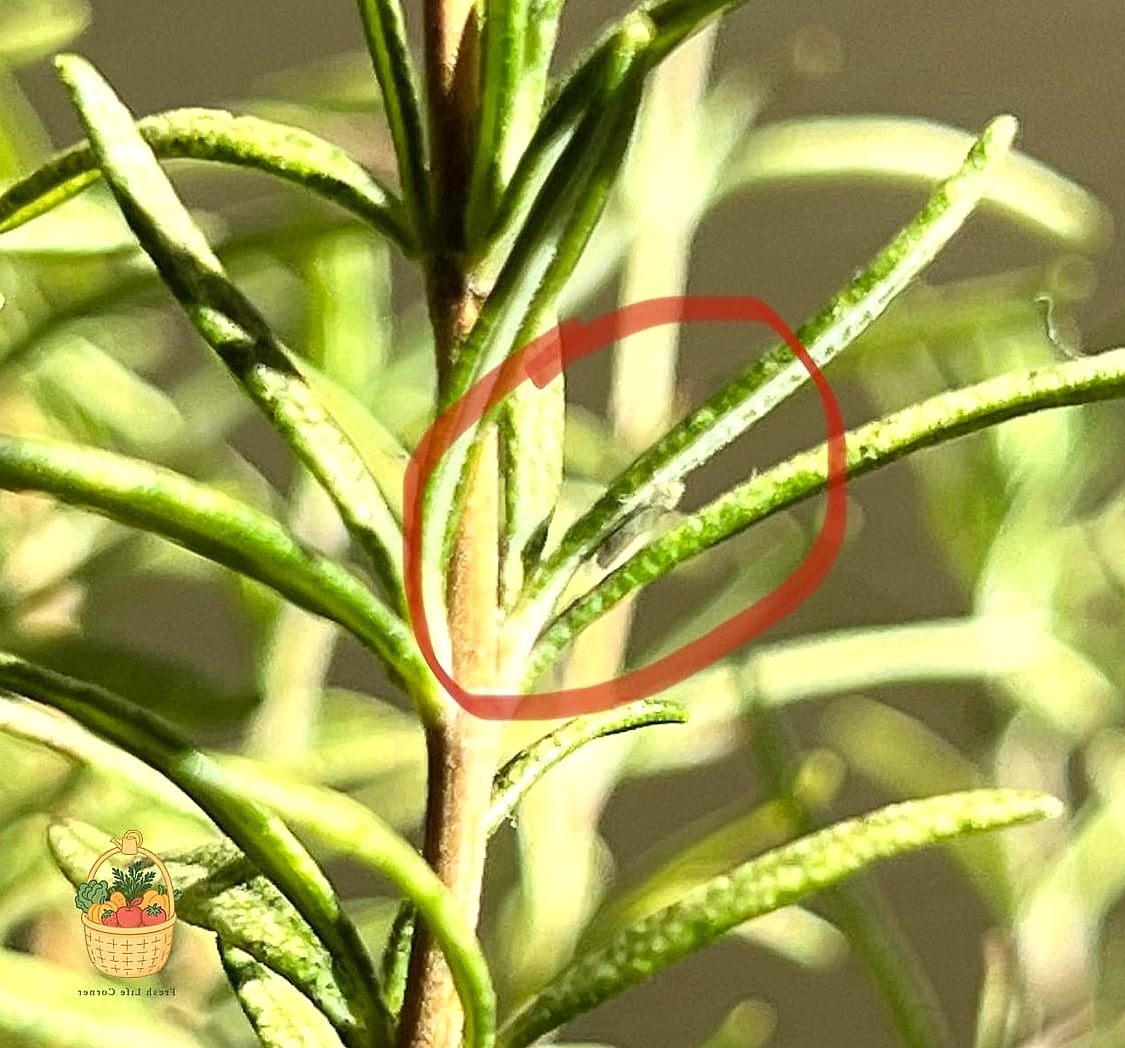
Aphids and spider mites are the most likely uninvited guests, especially on indoor plants during winter when air is drier and airflow is poor. A strong spray of water or diluted insecticidal soap usually handles minor infestations without resorting to anything harsh.
Powdery mildew can show up in humid conditions with poor air circulation. Spacing plants out and avoiding overhead watering in the evening goes a long way toward preventing it.
Root rot from overwatering remains the biggest threat by far, and honestly, most rosemary problems trace back to soil that stays wet too long. When in doubt, err on the side of a little drought — this plant has survived rocky Mediterranean hillsides, so your living room is not going to be its downfall.
Overwintering Rosemary Indoors
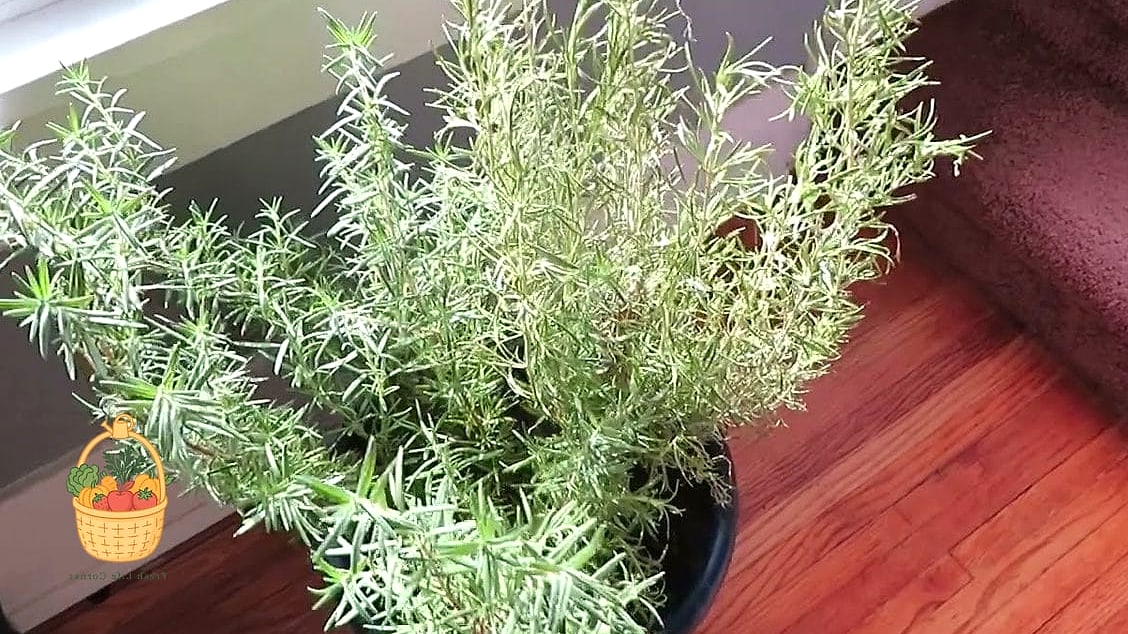
Gardeners in colder zones often bring container rosemary inside before the first frost, and while it’s not always seamless, it’s absolutely doable. The main challenge indoors is replicating the bright light and airflow rosemary is used to outside.
Place the pot near your sunniest window and consider a small fan nearby to keep air moving, which helps prevent fungal issues in the stagnant indoor environment. Cut back on watering frequency too, since the plant’s growth naturally slows during winter months.
Don’t be surprised if indoor rosemary looks a little less vibrant than its summer self. As soon as the weather warms up and frost danger passes, moving it back outside usually perks it right up again.
Propagating New Rosemary Plants
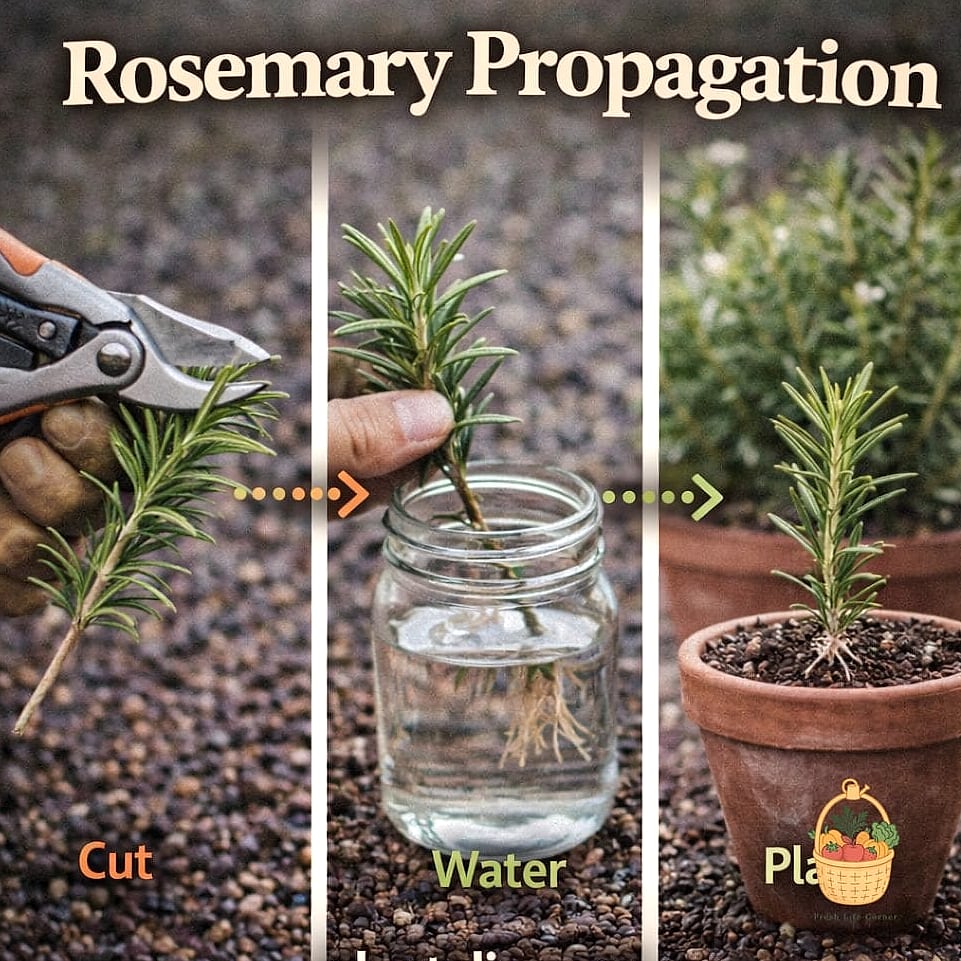
Growing rosemary from cuttings is genuinely one of the easier propagation projects out there, and it’s a great way to multiply a plant you already love. Snip a four to six inch piece of new, non-woody growth and strip the lower leaves off.
Root the cutting in water or directly in a well-draining propagation mix, keeping it warm and out of direct blazing sun until roots develop, which usually takes a few weeks. Once you see decent root growth, it can be potted up just like a mature plant.
Starting rosemary from seed is possible but notoriously slow and inconsistent, so most experienced growers stick to cuttings for reliable results.
Final Thoughts on Growing Rosemary in Containers
Rosemary rewards a slightly hands-off approach more than most herbs, and once you get the watering and soil right, it’s genuinely low-maintenance. The key theme running through pretty much every tip here is drainage, drainage, and more drainage.
Give it plenty of sun, resist the urge to water too often, and prune regularly to keep growth dense rather than leggy. Do that consistently, and you’ll end up with a fragrant, productive plant that’s just as happy flavoring your dinner as it is sitting pretty on a sunny patio.