30 Low Maintenance Palm Trees That Are Going Viral on Pinterest
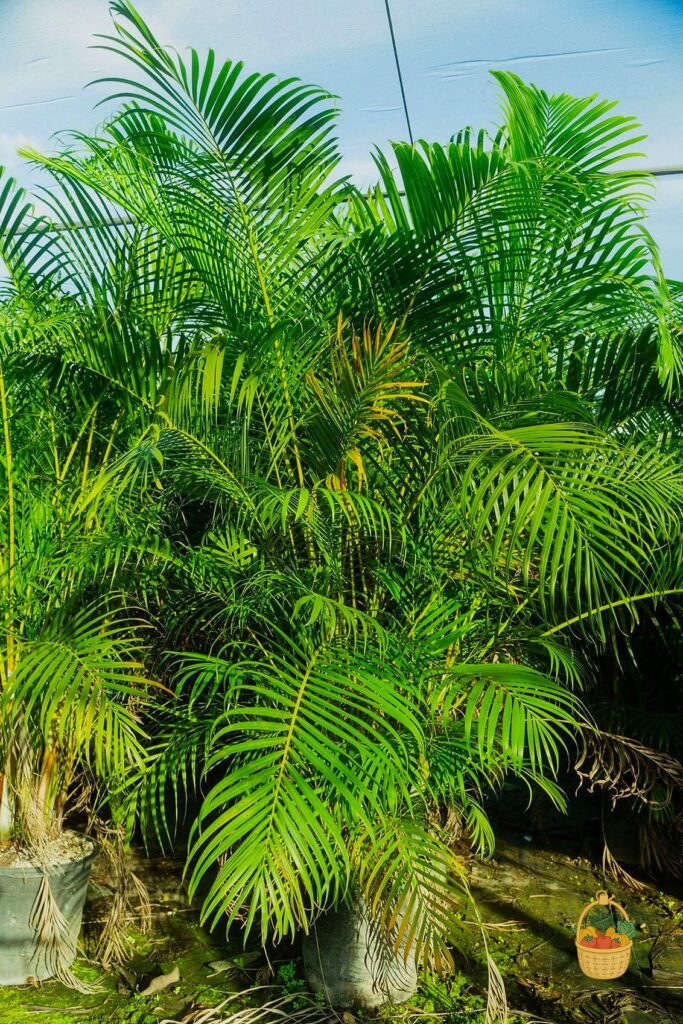
- Areca Palm
- Parlor Palm
- Ponytail Palm
- Majesty Palm
- Bamboo Palm
- Kentia Palm
- Chinese Fan Palm
- Pygmy Date Palm
- Sago Palm
- Windmill Palm
- Canary Island Date Palm
- Foxtail Palm
- Queen Palm
- Pindo Palm
- Mediterranean Fan Palm
- Triangle Palm
- California Fan Palm
- Bismarck Palm
- Christmas Palm
- Lady Palm
- Bottle Palm
- Cat Palm
- Robellini Palm
- Fishtail Palm
- Chinese Windmill Palm
- Needle Palm
- Saw Palmetto
- Spindle Palm
- Silver Saw Palmetto
- Dwarf Sugar Palm
30 Low Maintenance Palm Trees That Are Going Viral on Pinterest
Palm trees have taken over Pinterest boards everywhere, and it’s easy to see why. There’s something about that tropical silhouette that makes any patio, living room corner, or backyard feel like a vacation. The good news for those of us who don’t have a ton of time to fuss over plants is that a lot of these palms are shockingly easy to keep alive.
I’ve spent years growing palms both indoors and out, killing a few along the way (RIP to that one areca palm I overwatered in 2019), and I’ve learned which ones actually deserve their viral status. Below are 30 low maintenance palm trees that are going viral on Pinterest right now, along with what makes each one worth growing.
Areca Palm
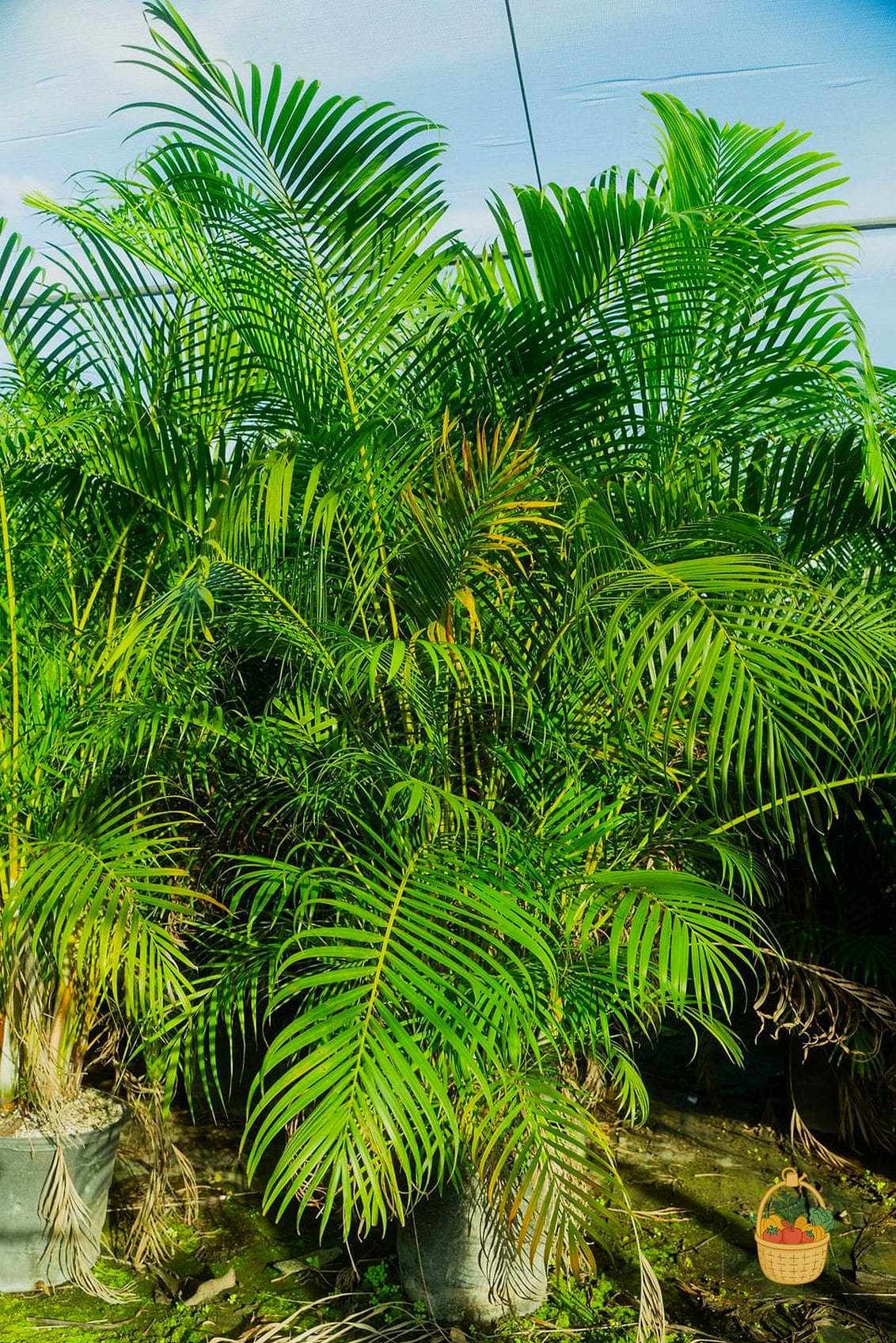
This is probably the palm you’ve seen most on Pinterest, with its feathery, arching fronds that instantly soften a room. It likes bright, indirect light and consistently moist (not soggy) soil. Areca palms are moderate growers and do best in USDA zones 10-11 outdoors, though most people grow them as houseplants. Watch for spider mites in dry indoor air.
Parlor Palm
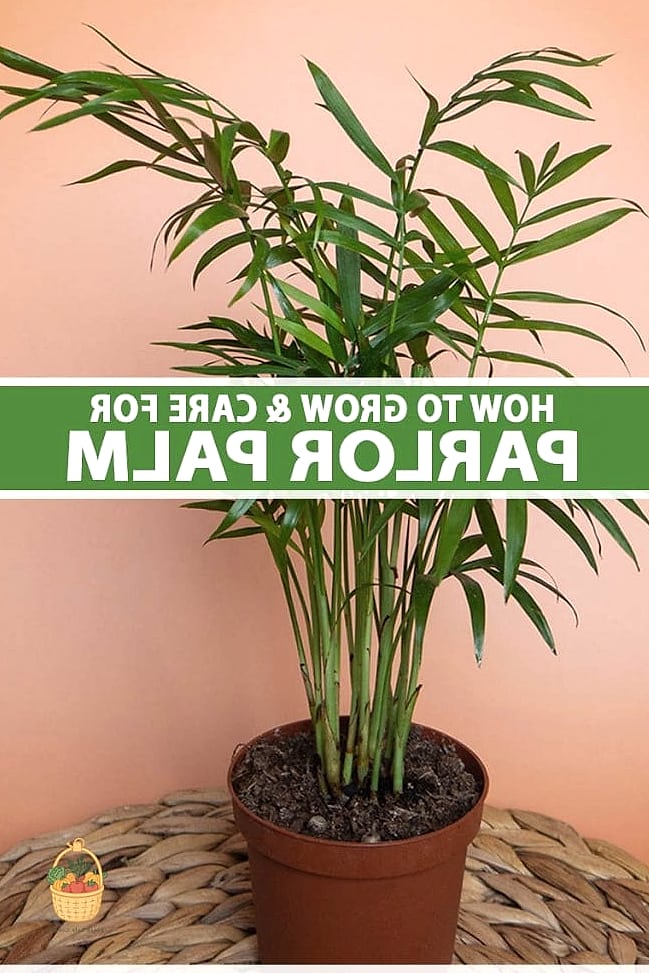
A classic for a reason. Parlor palms tolerate low light better than almost any other palm, making them perfect for offices or apartments without much natural sun. They’re slow growers, which means less repotting, and they’re forgiving if you forget to water them occasionally. Beginner gardeners love this one.
Ponytail Palm
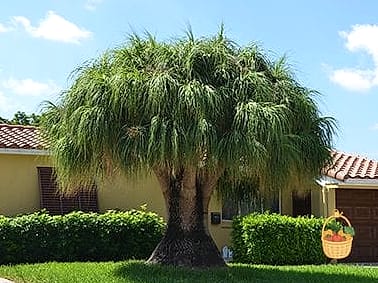
Not technically a true palm (it’s actually related to agave), but it shows up constantly under “palm tree” searches. The bulbous base stores water, so this thing practically thrives on neglect. Give it well-draining soil, bright light, and let it dry out completely between waterings.
Majesty Palm
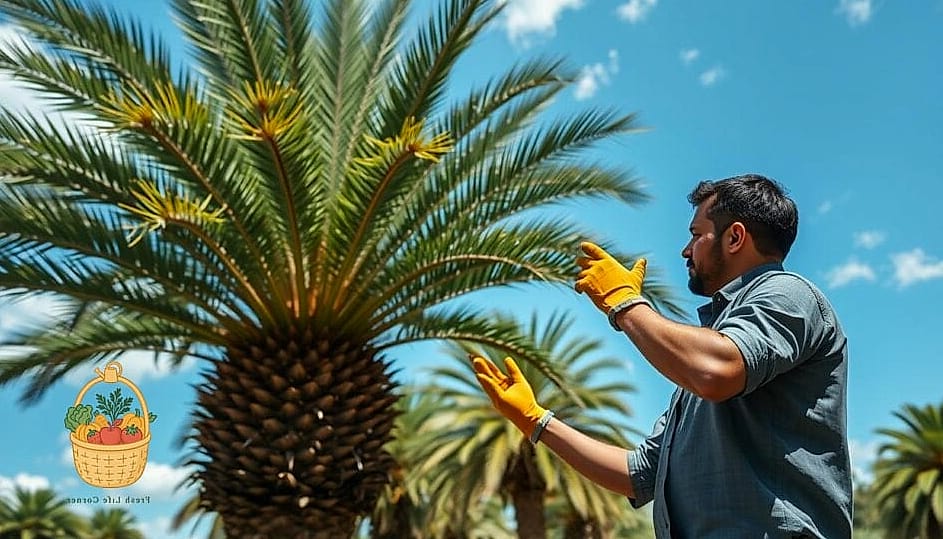
Majesty palms have huge, dramatic fronds that make a statement in any sunny room. They need more consistent moisture than some palms on this list, so a moisture meter helps if you tend to forget watering days. Bright, indirect light keeps the fronds from yellowing.
Bamboo Palm
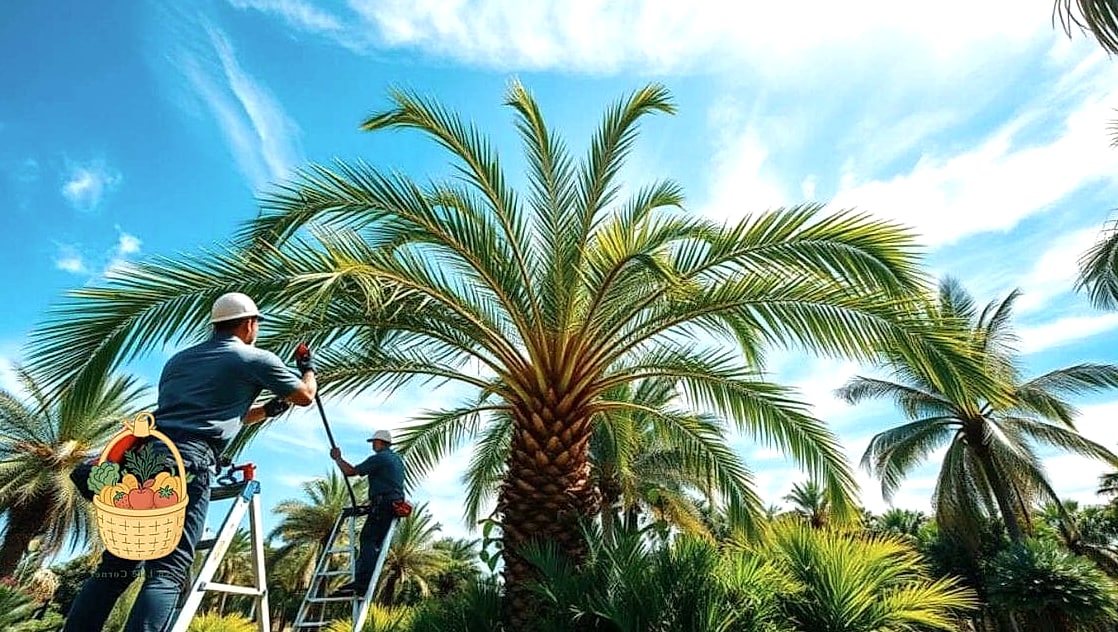
If you’ve got a shadier corner that needs life, the bamboo palm is your answer. It handles low light gracefully and is one of the better air-purifying houseplants around. Keep the soil lightly moist and mist occasionally if your home runs dry.
Kentia Palm
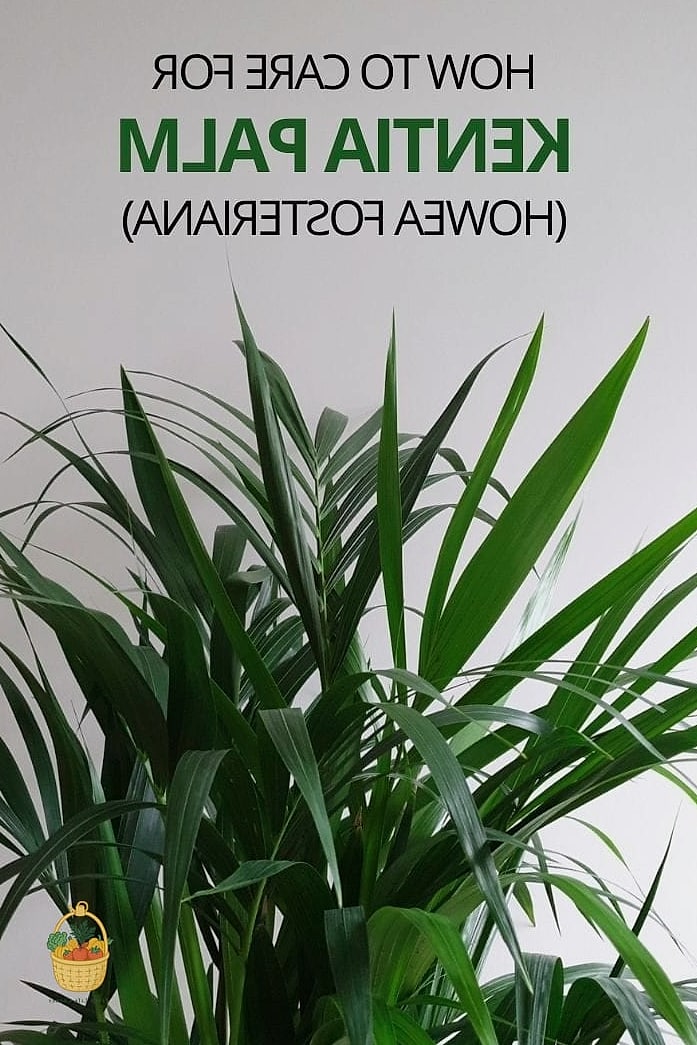
Kentia palms have that elegant, upscale look you see in hotel lobbies and high-end interior design posts. They’re slow-growing and genuinely low maintenance, tolerating both low light and occasional drought once established. This is a splurge-worthy palm that earns its price tag.
Chinese Fan Palm
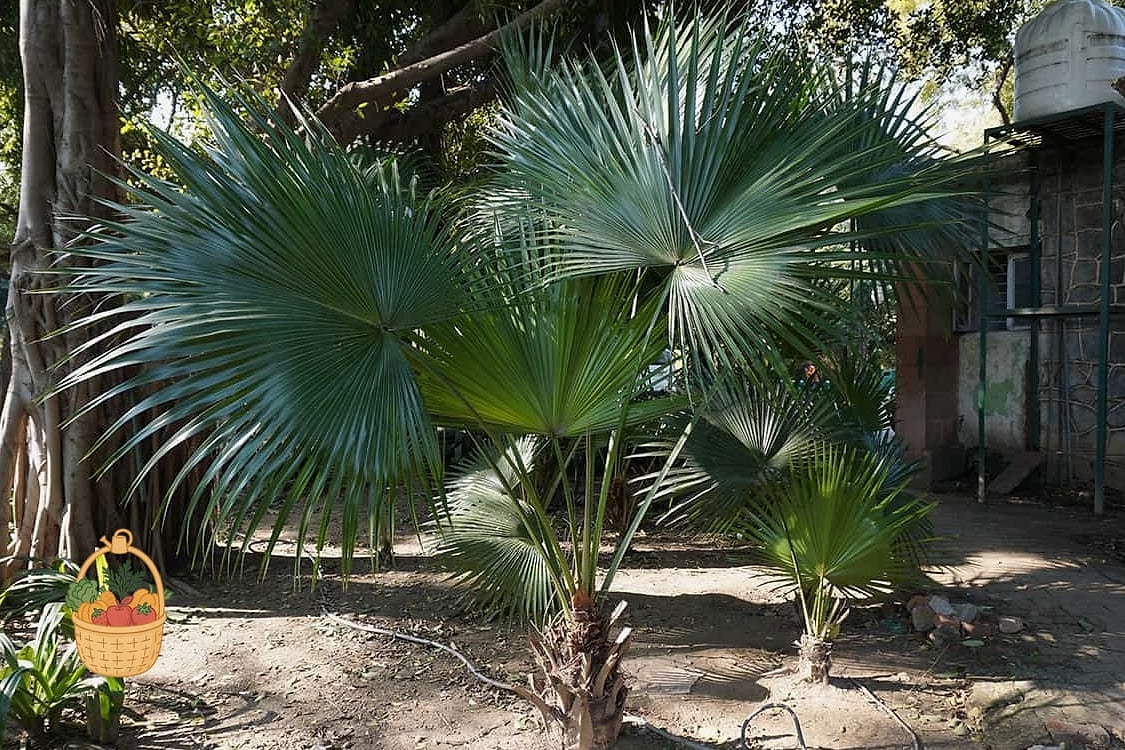
Outdoors, this palm develops gorgeous fan-shaped fronds that create real drama in a landscape. It’s cold hardy down to about zone 8b-9, drought tolerant once established, and adapts to a range of soil types including clay. Slow growing but worth the wait.
Pygmy Date Palm
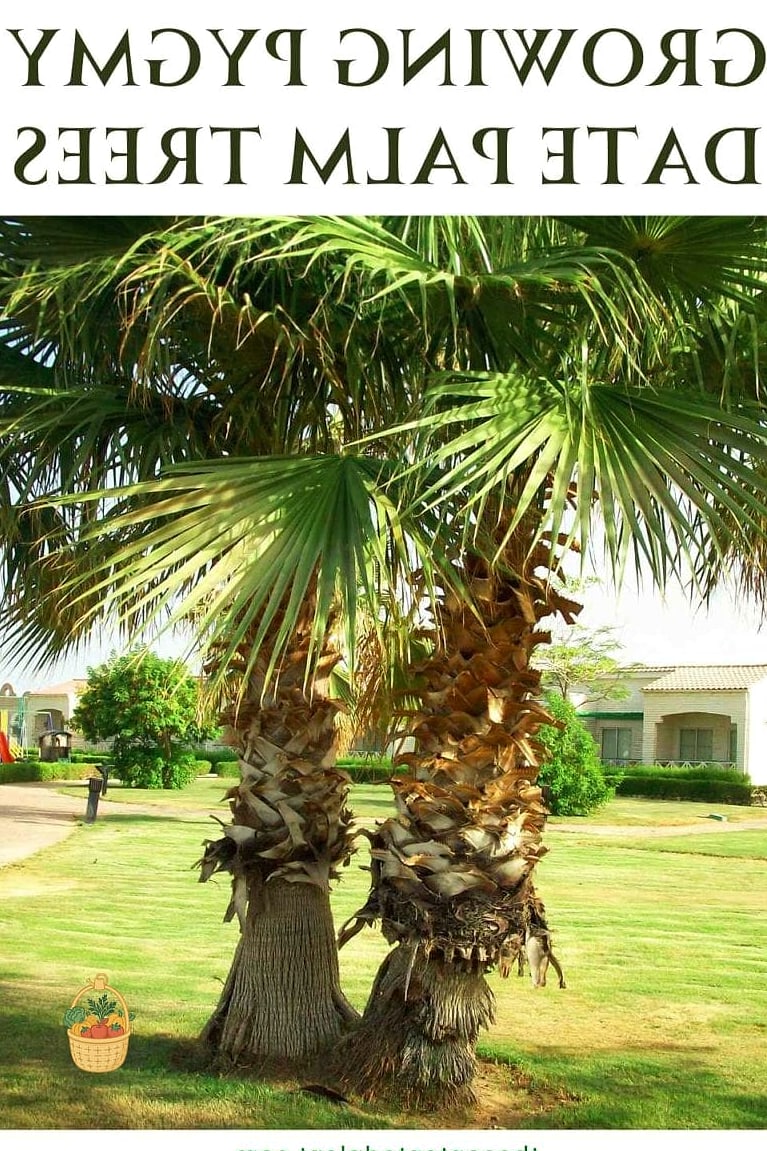
A compact palm that works beautifully in containers or as a statement plant near a pool. It’s drought tolerant, handles full sun to partial shade, and stays relatively small compared to other outdoor palms, usually topping out around 6-10 feet.
Sago Palm
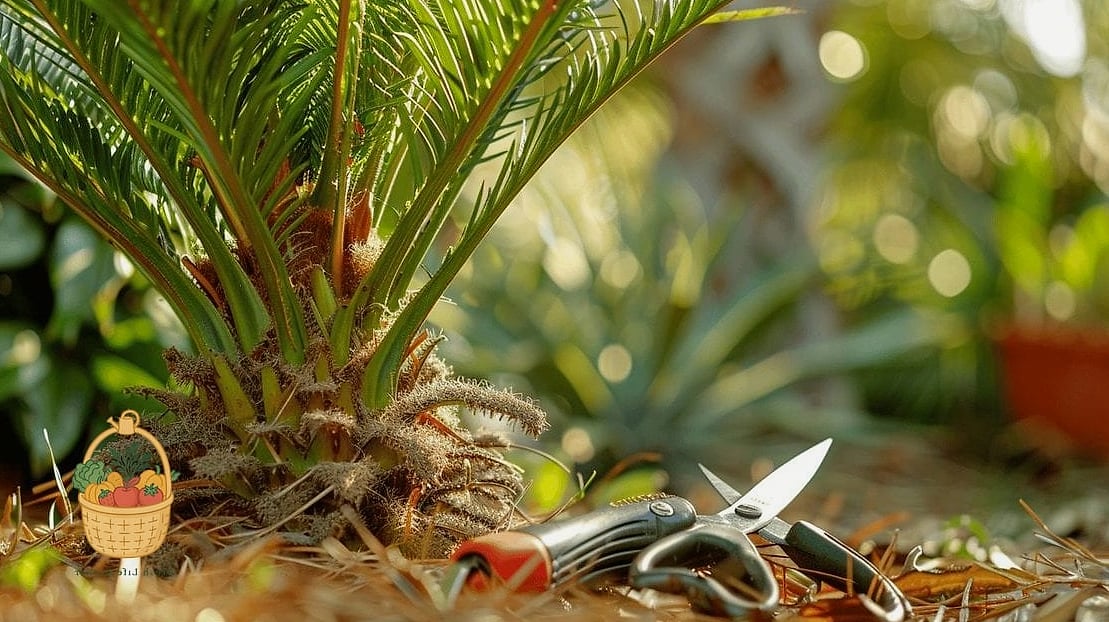
Another Pinterest favorite that isn’t a true palm but gets lumped in anyway. Sago palms are incredibly drought tolerant and slow growing, which means very little pruning or maintenance. Just keep pets away since every part of the plant is toxic if ingested.
Windmill Palm
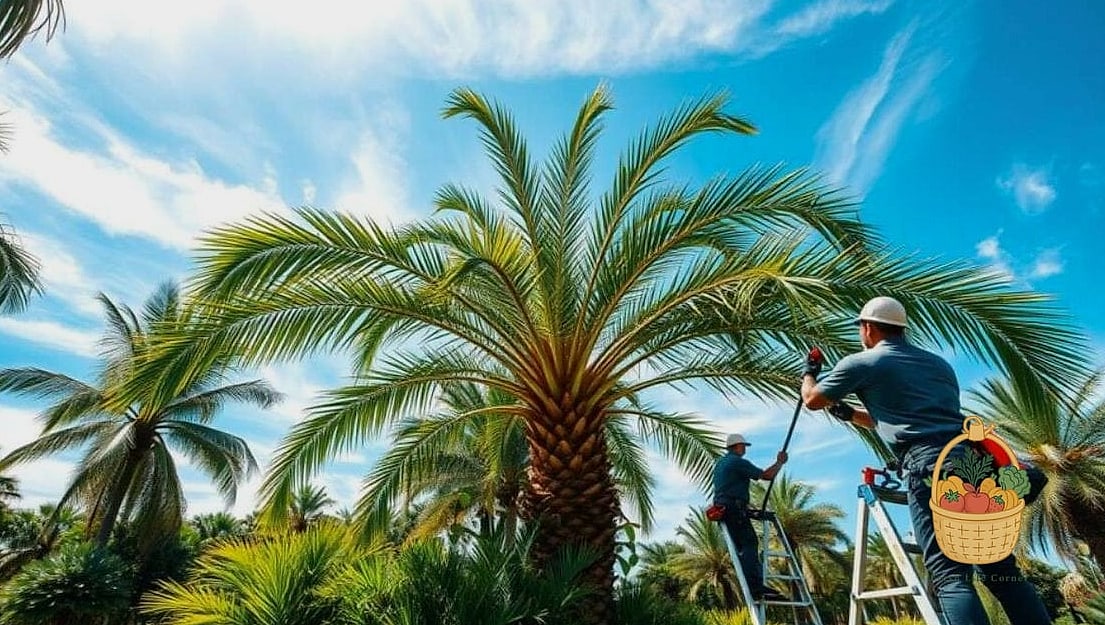
This is one of the most cold hardy palms you can grow, surviving temperatures down to around 5-10°F in zone 7b-8. It has a classic, fuzzy trunk and fan-shaped fronds that photograph beautifully against a blue sky. Well-draining soil is really the only must.
Canary Island Date Palm
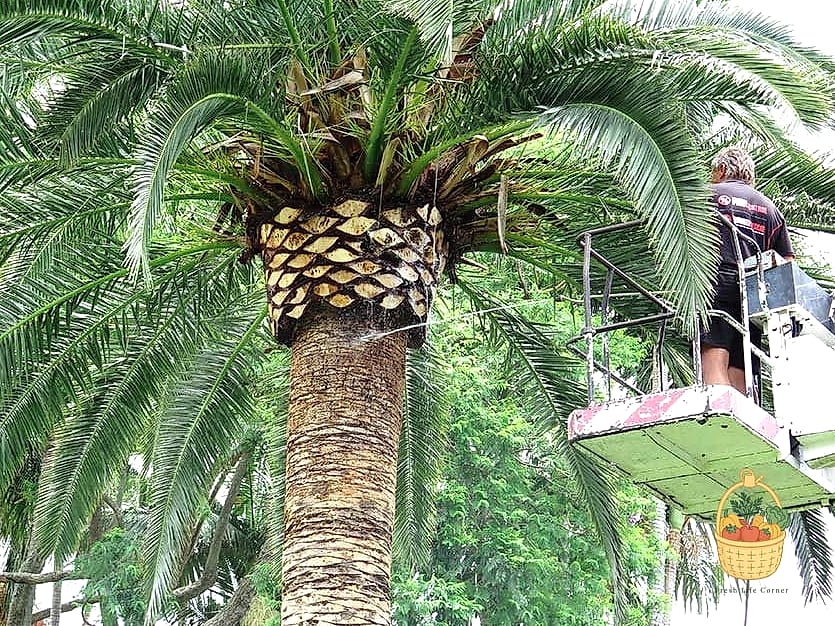
A massive, statuesque palm often featured in Mediterranean-style landscaping photos. It’s drought tolerant once mature and tolerates a range of soils, though it needs plenty of space since it can eventually reach 40-60 feet. Not for small yards, but stunning where it fits.
Foxtail Palm
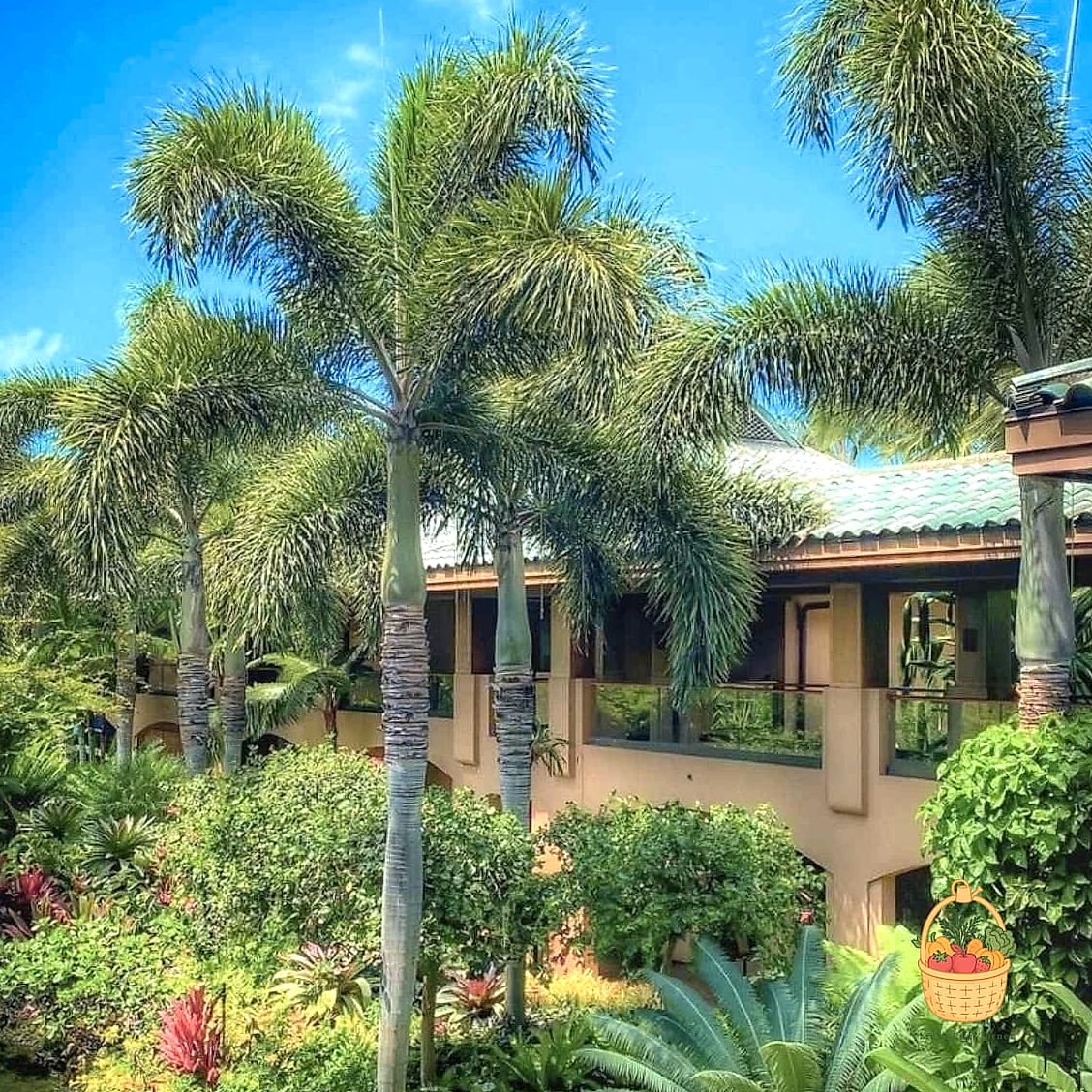
Named for its fluffy, fox-tail-shaped fronds, this palm has become a favorite for modern tropical landscaping. It’s fast growing for a palm, drought tolerant once established, and handles full sun beautifully in zones 10-11.
Queen Palm
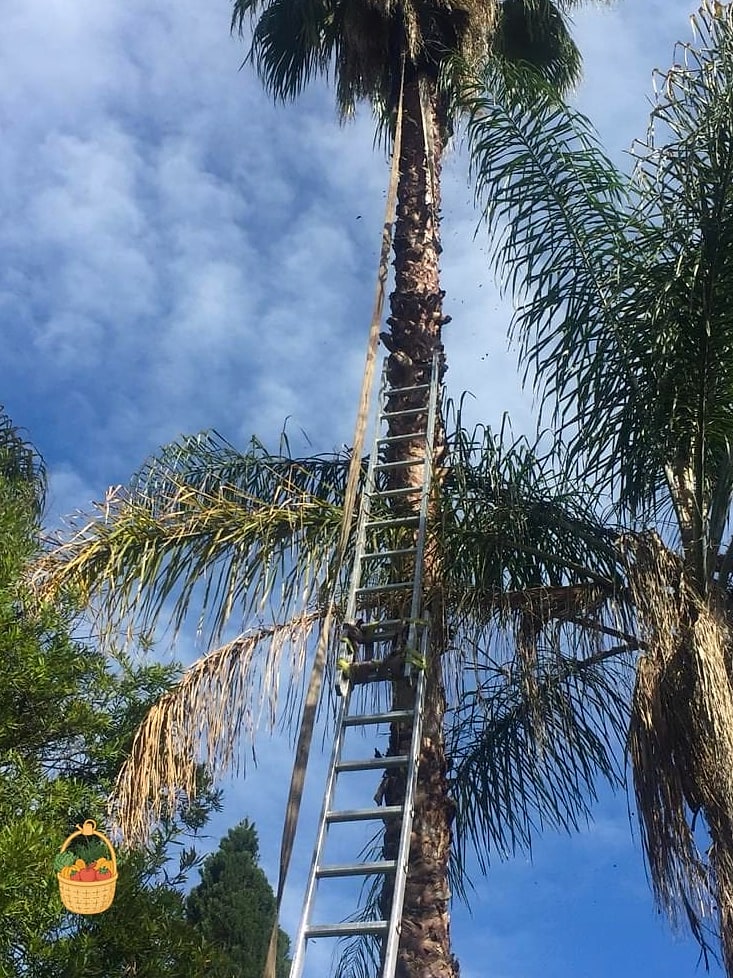
Queen palms give that instant “resort vibe” people search for on Pinterest, with long, graceful fronds atop a slender trunk. They grow relatively fast and tolerate a range of soils, though they appreciate regular watering during establishment. Best in zones 9b-11.
Pindo Palm
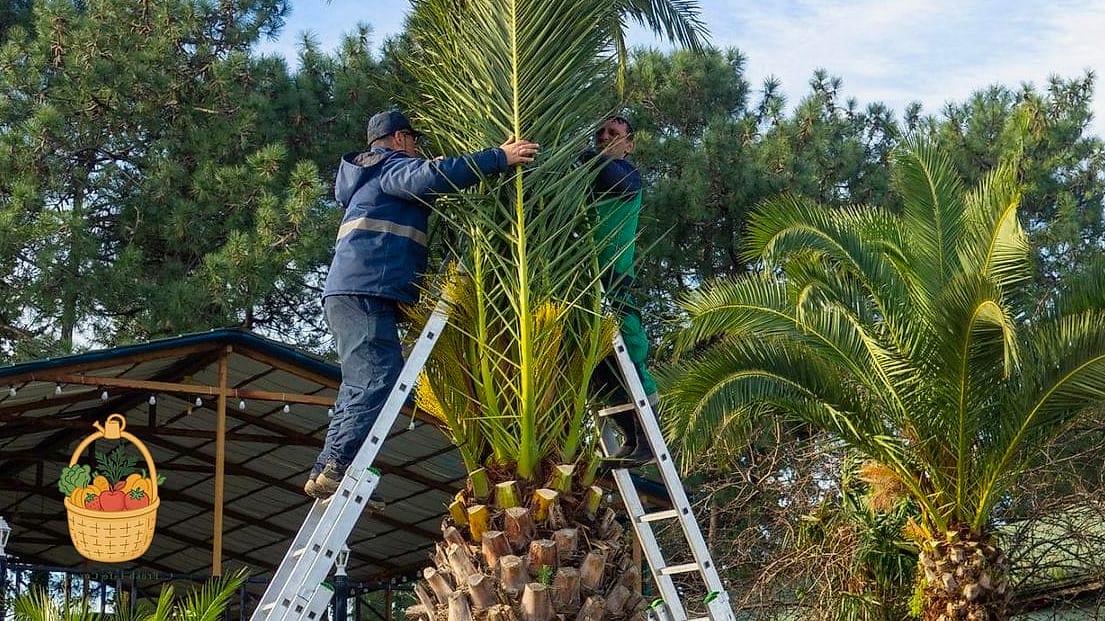
Also called the jelly palm, this one is prized for both its silvery-blue fronds and its edible fruit, which makes surprisingly good jelly. It’s one of the more cold hardy feather palms, tolerating temperatures into the teens, and handles drought well once rooted.
Mediterranean Fan Palm
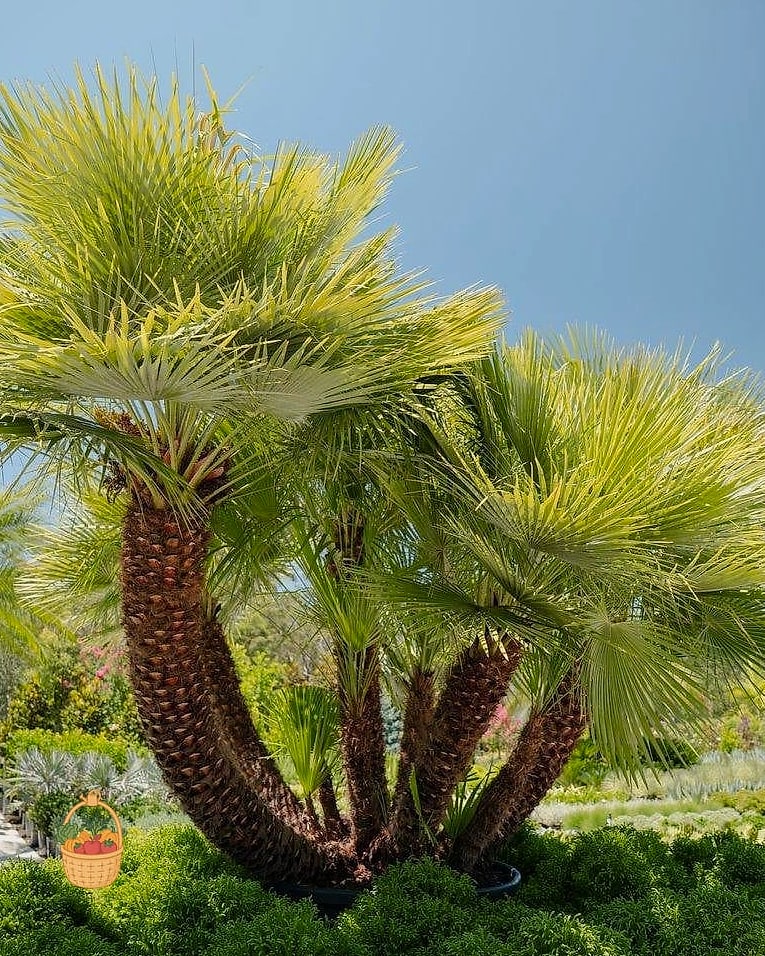
A clumping, multi-trunked palm that stays relatively compact, making it great for smaller landscapes or large containers. It tolerates cold better than most fan palms, handles partial shade, and needs very little fertilizing to look good.
Triangle Palm
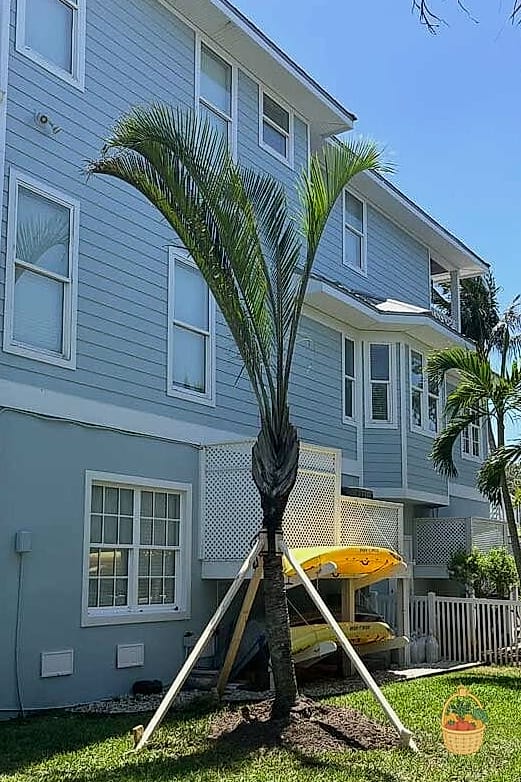
With its distinctive three-sided trunk arrangement, this palm is a favorite for architectural landscape photos. It’s drought tolerant and thrives in full sun, though it’s a bit more cold sensitive, doing best in zones 10-11.
California Fan Palm
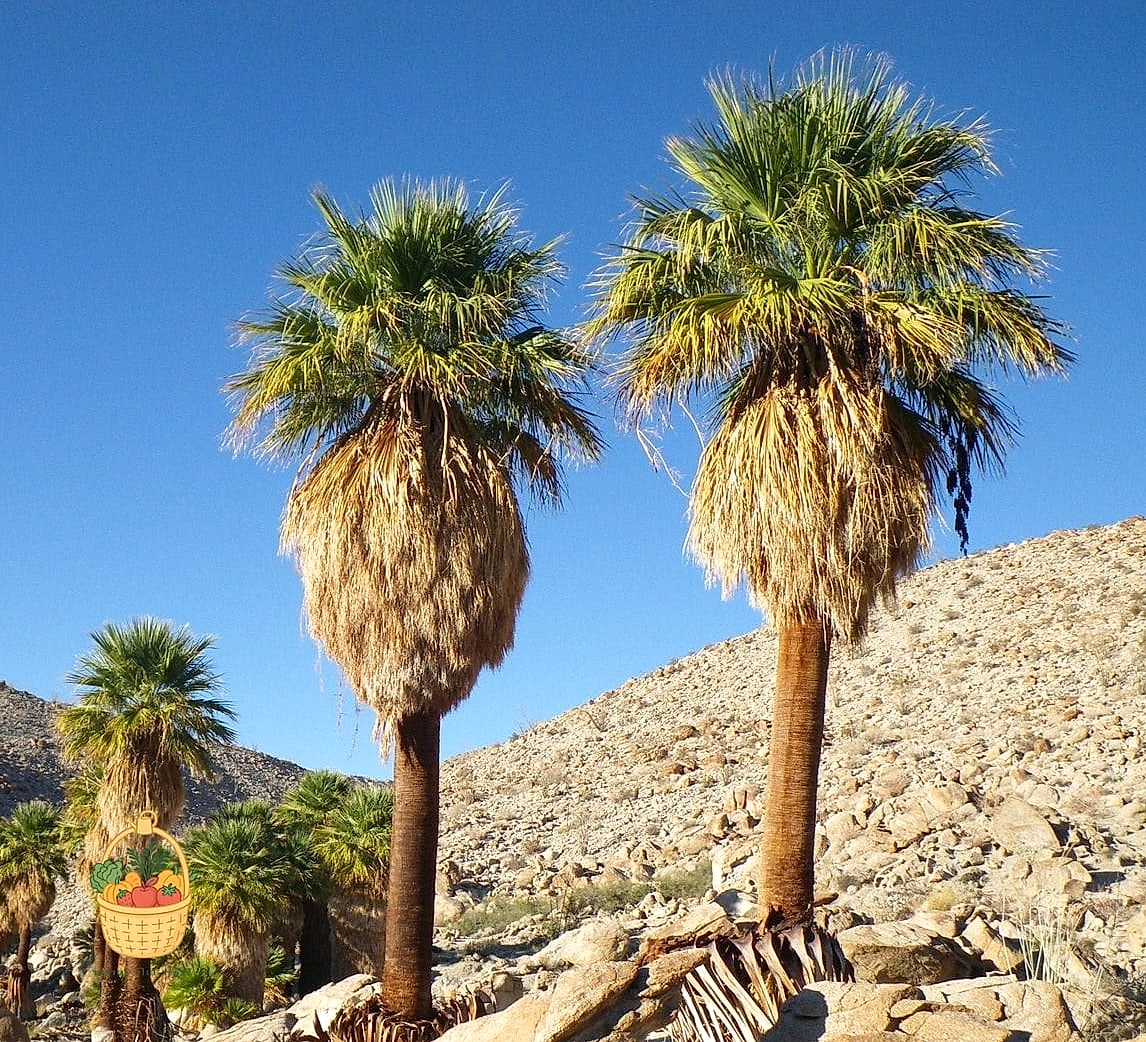
The iconic palm lining streets in old Hollywood photos. It’s extremely drought tolerant once established and adapts to poor soils, which is why you see it thriving in desert landscaping. Fast growing and low maintenance for large properties.
Bismarck Palm
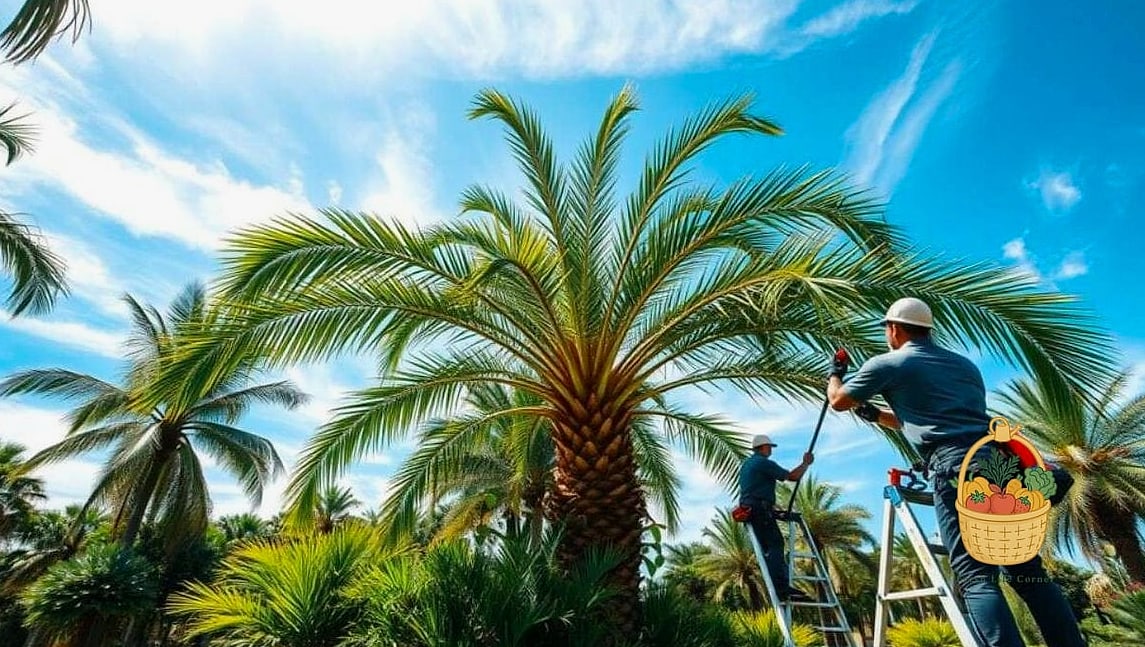
This one is all about the silvery-blue fronds that make it an absolute showstopper in landscape design boards. It needs full sun and well-draining soil, and while it grows slowly, the payoff in color and form is worth the patience.
Christmas Palm
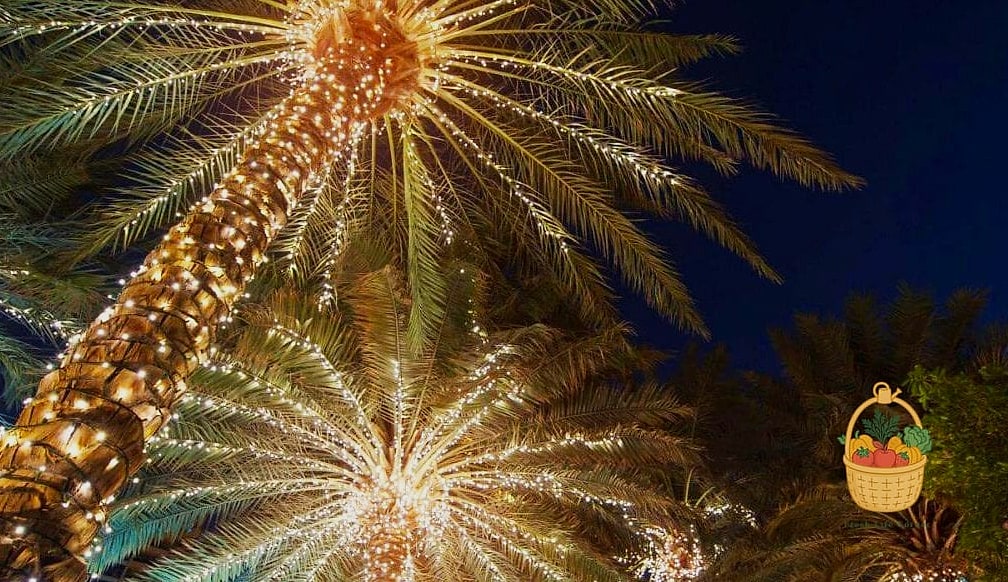
A popular choice for tropical landscaping because of its neat, manicured look and the bright red fruit clusters that appear around the holidays. It’s compact, sun-loving, and fairly low maintenance once established in zones 10-11.
Lady Palm
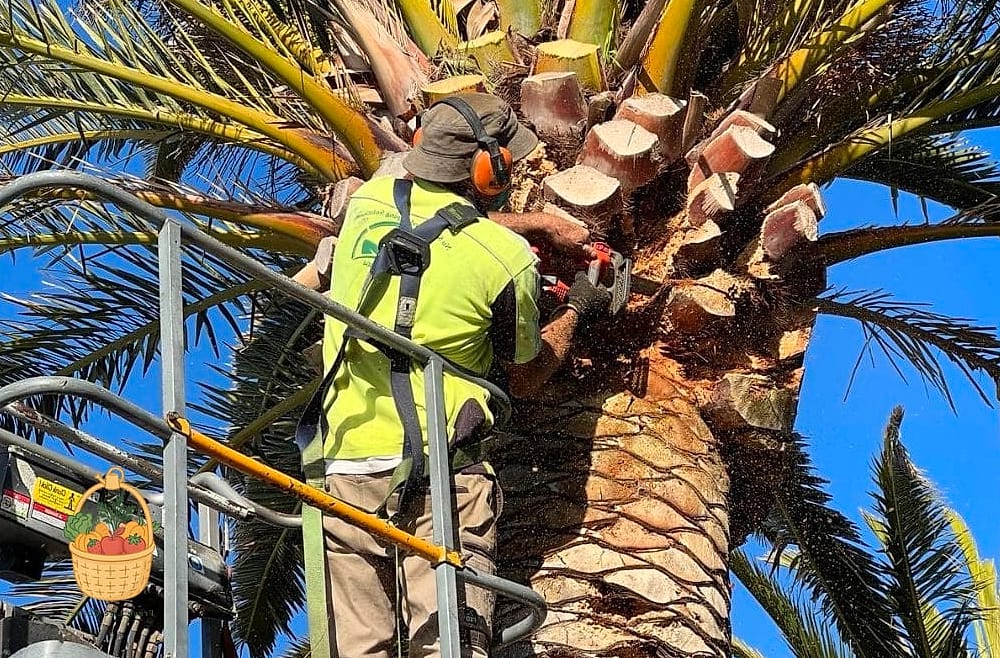
Lady palms are dense, clumping, and genuinely thrive indoors with minimal light, which is part of why they’re everywhere on Pinterest right now. They’re slow growing, pest resistant, and forgiving of inconsistent watering schedules.
Bottle Palm
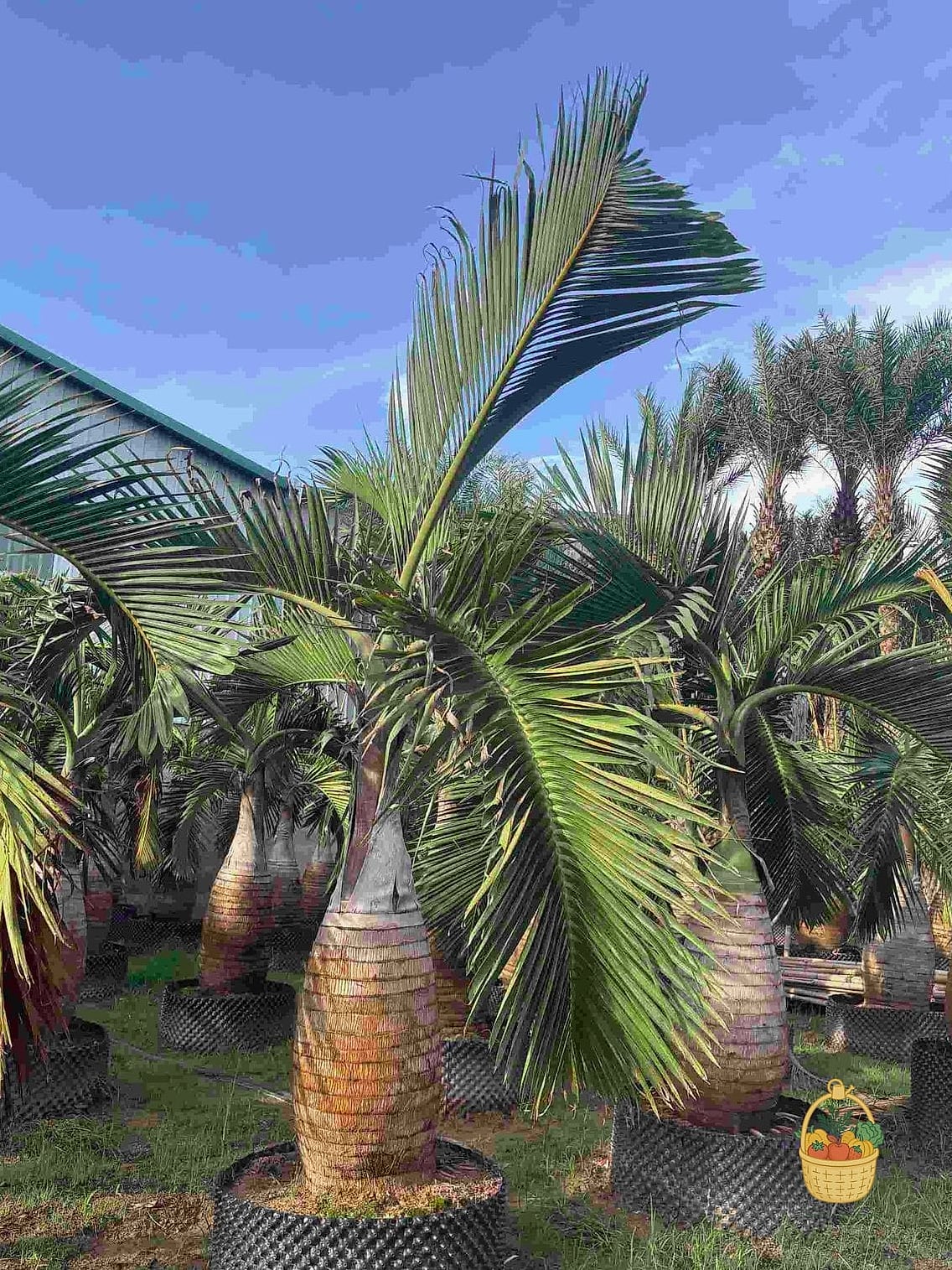
Named for its swollen, bottle-shaped trunk, this quirky palm is a conversation starter in any container garden. It stores water in that trunk, so it handles drought exceptionally well and needs full sun to develop its signature shape.
Cat Palm
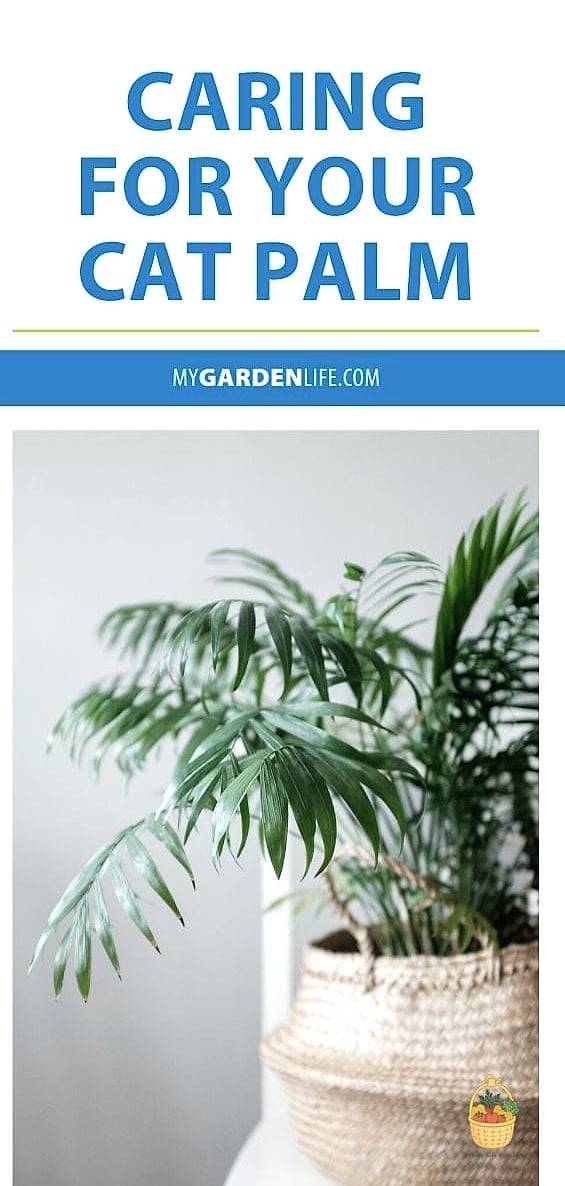
Cat palms have delicate, bright green fronds that give a lush, jungle feel indoors. They like consistent moisture and higher humidity than some palms on this list, so a bathroom or kitchen with good light is often ideal.
Robellini Palm
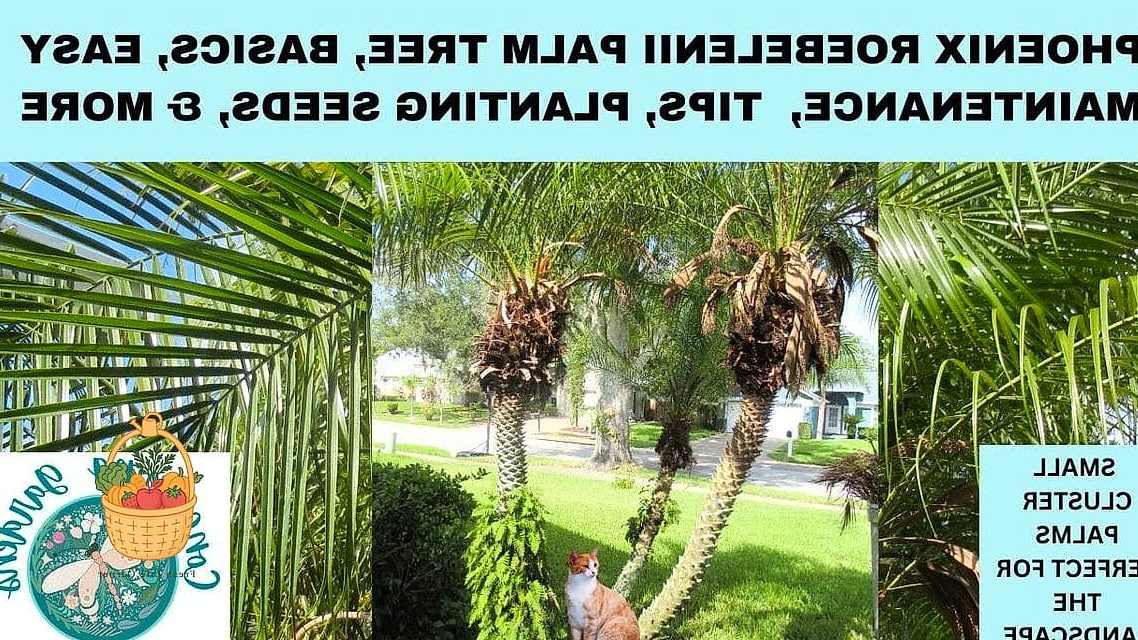
Another name for the pygmy date palm, but worth mentioning separately because of how often it shows up in poolside and patio design photos. It handles partial shade better than most sun-loving palms and stays a manageable size.
Fishtail Palm
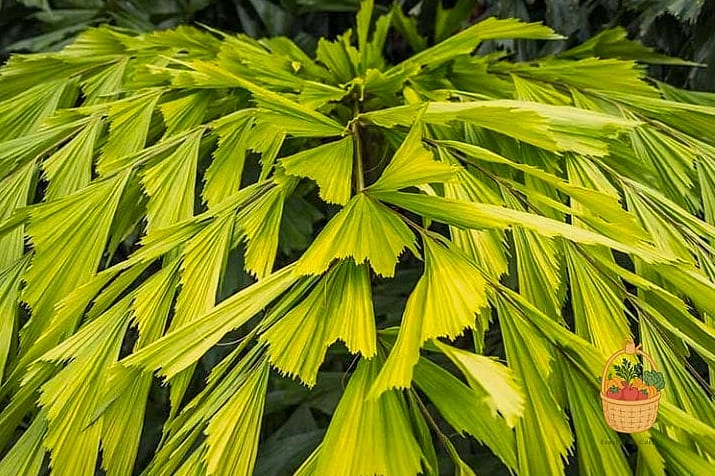
The jagged, fishtail-shaped fronds make this palm instantly recognizable and endlessly photogenic. It prefers filtered light and consistently moist soil, making it a great choice for a shaded patio or bright bathroom.
Chinese Windmill Palm
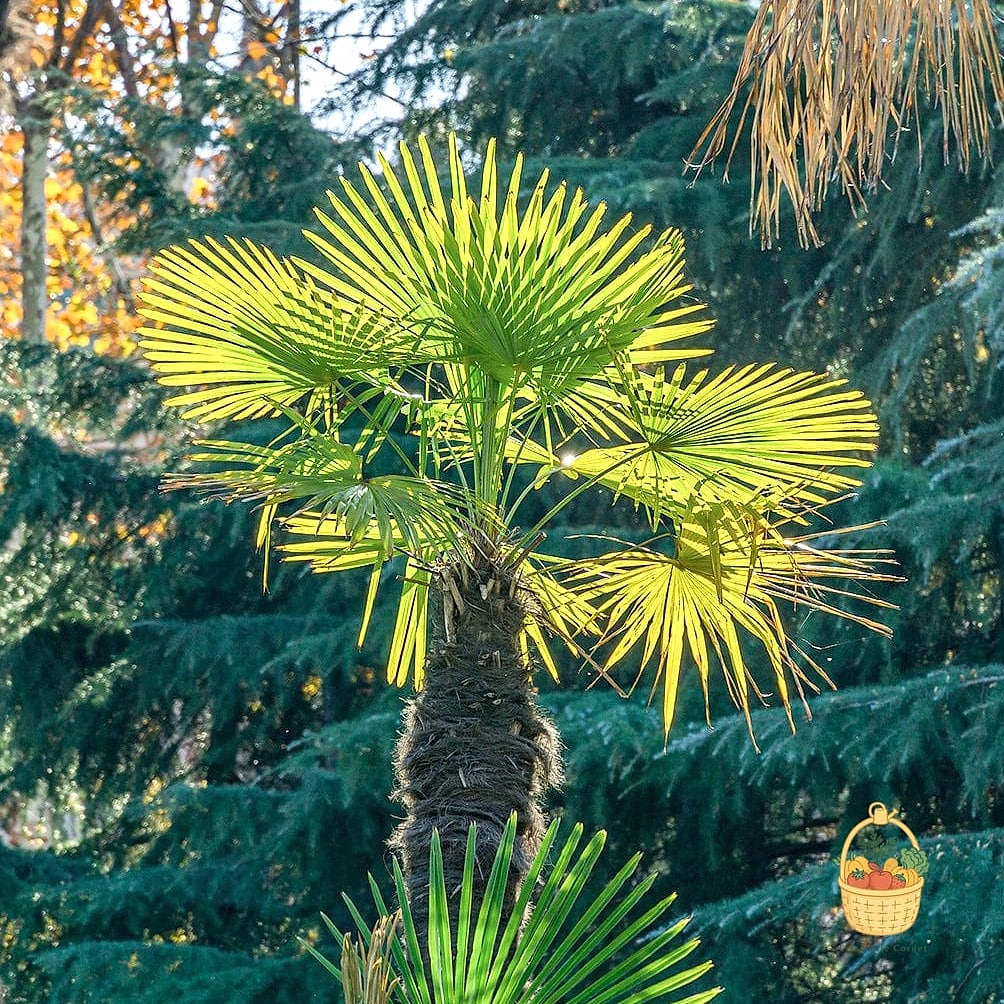
A close cousin to the windmill palm with slightly different frond texture, prized in cold-climate landscaping boards for its cold hardiness. It handles temperatures into the single digits and needs little more than well-draining soil to thrive.
Needle Palm

If you live somewhere with real winters and still want a palm, this is your best bet. Needle palms are the most cold hardy palm species around, surviving down to -10°F in some cases. Slow growing and shade tolerant, it’s an underrated pick.
Saw Palmetto
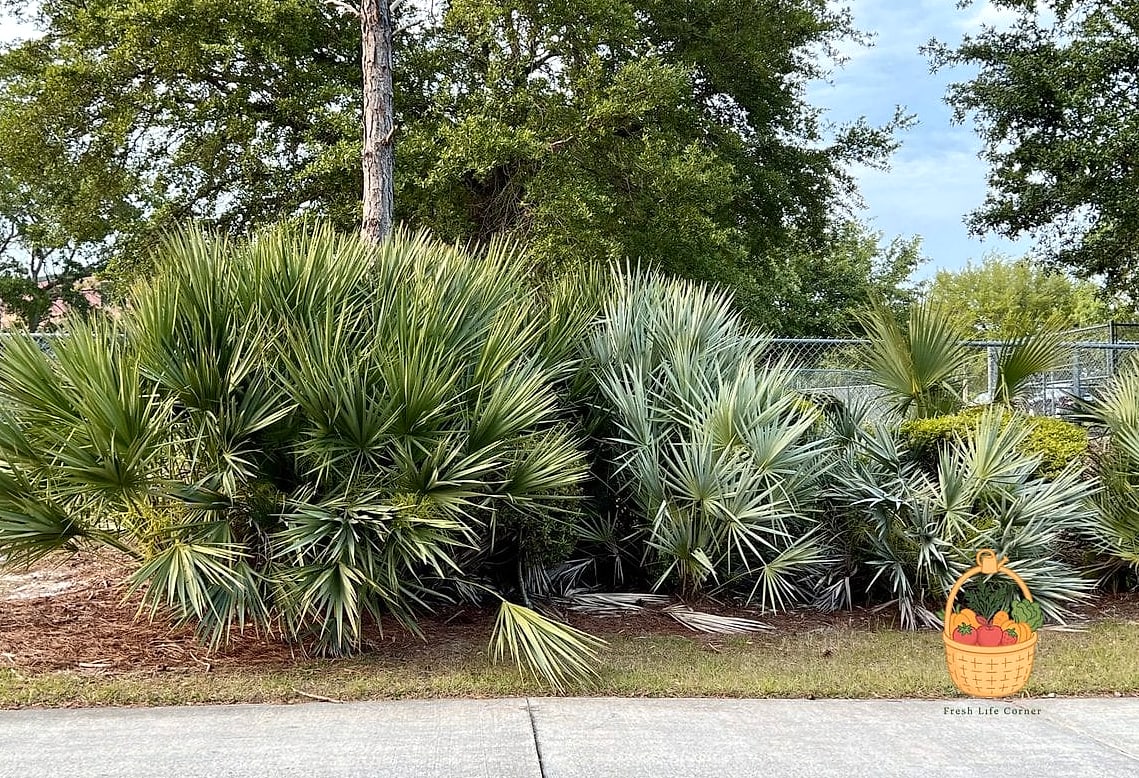
Common in native Florida landscaping, saw palmetto is tough, drought tolerant, and spreads slowly to form dense, low clumps. It handles poor sandy soil without complaint, which makes it a favorite for low-fuss coastal gardens.
Spindle Palm
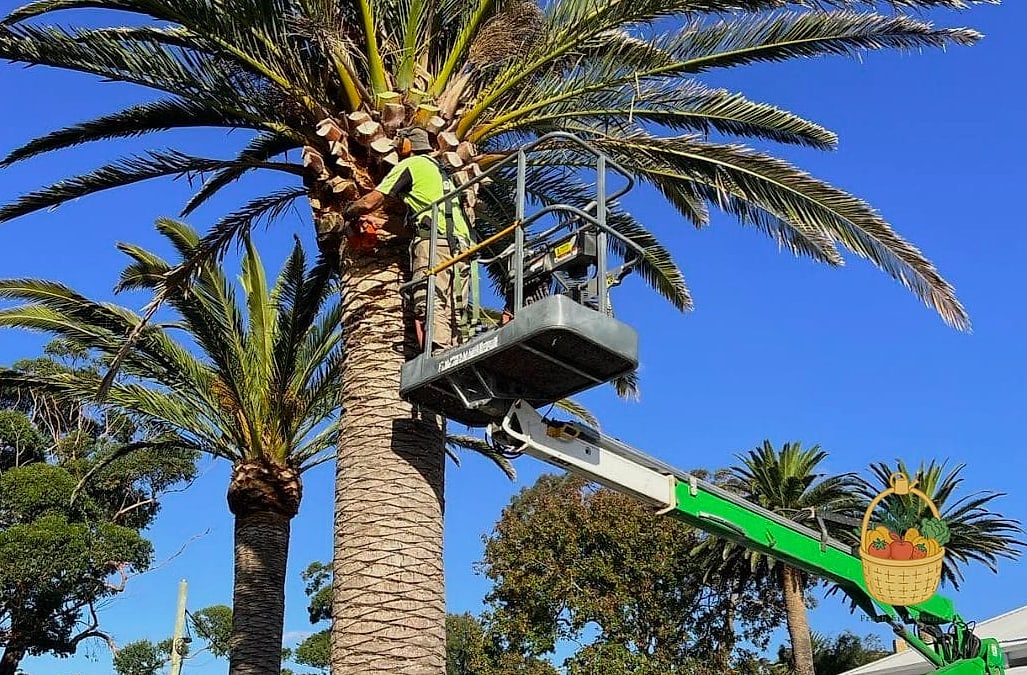
A relative of the bottle palm with a smoother, more elongated trunk shape. It’s drought tolerant once established and prefers full sun, developing a striking silhouette that photographs beautifully against modern architecture.
Silver Saw Palmetto
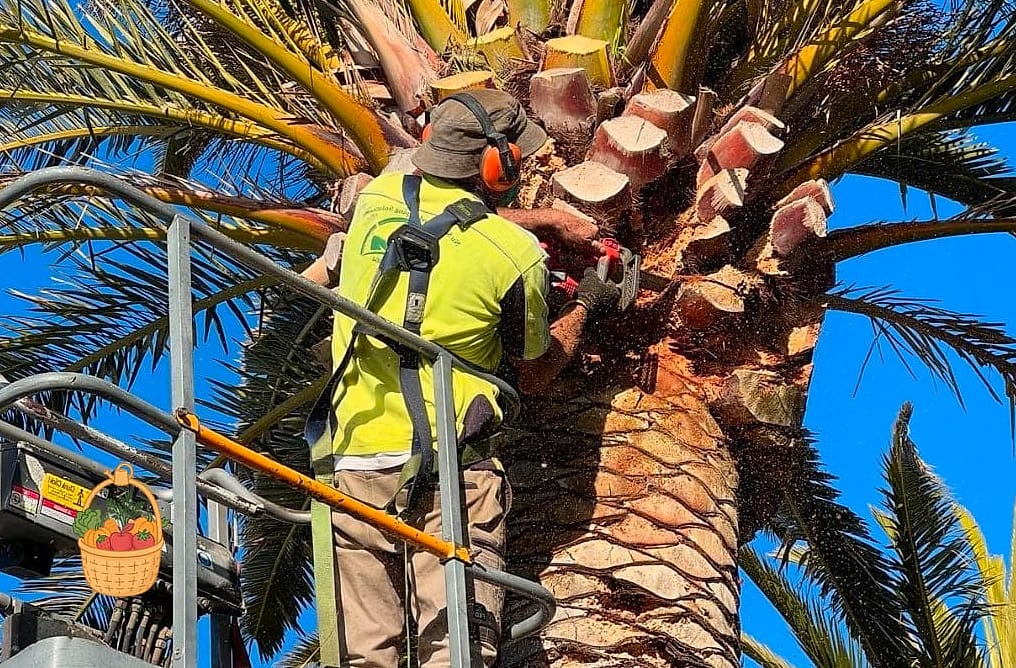
A striking variation with silvery-blue foliage that stands out in xeriscaped or coastal gardens. It’s extremely drought tolerant, slow growing, and tolerates poor soil, sandy conditions, and salt spray without much complaint.
Dwarf Sugar Palm
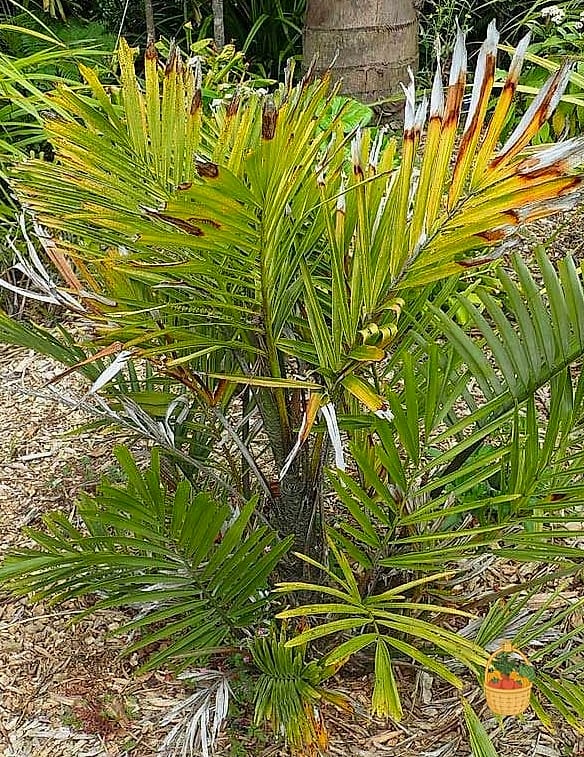
A compact option for smaller landscapes or large patio containers, offering that classic feathery palm look without the massive footprint. It appreciates well-draining soil and consistent watering while establishing, then settles into a fairly drought tolerant routine.
Whether you’re filling an apartment with greenery or redesigning a backyard into a mini resort, there’s a palm on this list for almost any light condition, climate zone, or skill level. Start with one or two, get a feel for their rhythm, and you’ll likely find yourself adding more before long. That’s usually how it goes with palms.