21 Avocado Tree Indoors That Are Going Viral on Pinterest
- The Classic Toothpick and Water Glass Method
- Avocado Tree in a Rustic Terracotta Pot
- Multiple Avocado Pits Grouped Together
- Avocado Tree with a Macrame Plant Hanger
- Braided Avocado Tree Trunks
- Avocado Bonsai-Style Tree
- Avocado Tree Grown Directly in Soil
- Avocado Tree with Trailing Pothos Underneath
- Mini Avocado Forest in a Shallow Tray
- Avocado Tree as a Kitchen Windowsill Feature
- Avocado Tree Grown Under Grow Lights
- Avocado Tree with Decorative Pebble Top Dressing
- Variegated-Looking Avocado Foliage Displays
- Avocado Tree in a Vintage Ceramic Pot
- Pruned and Pinched Avocado for Bushier Growth
- Avocado Tree Paired with Warm Boho Textiles
- Fast-Growing Avocado Tree Progress Timelines
- Avocado Tree with Hand-Painted Plant Pot
- Avocado Tree Grown from a Store-Bought Fruit Pit
- Avocado Tree with Yellowing Leaves Being Rescued and Revived
- Statement-Sized Mature Avocado Tree as Indoor Decor
21 Avocado Tree Indoors That Are Going Viral on Pinterest
Scroll through Pinterest lately and you’ll notice the same thing popping up again and again: glossy-leaved avocado trees sprouting from toothpick-suspended pits, thriving on sunny windowsills, and turning into full-blown houseplant statements. There’s a reason this trend refuses to die down. Growing an avocado indoors feels like a tiny magic trick — you eat the fruit, save the seed, and a few weeks later you’ve got a living plant with almost zero cost involved.
I’ve grown more avocado pits than I can count over the years, and I’ll be honest — not every one of them turns into a lush little tree. But the ones that do are absolute showstoppers, and they make for some of the most satisfying plant content out there. Below are 21 avocado tree setups, styles, and approaches that are lighting up Pinterest boards right now, each with its own personality and appeal.
The Classic Toothpick and Water Glass Method
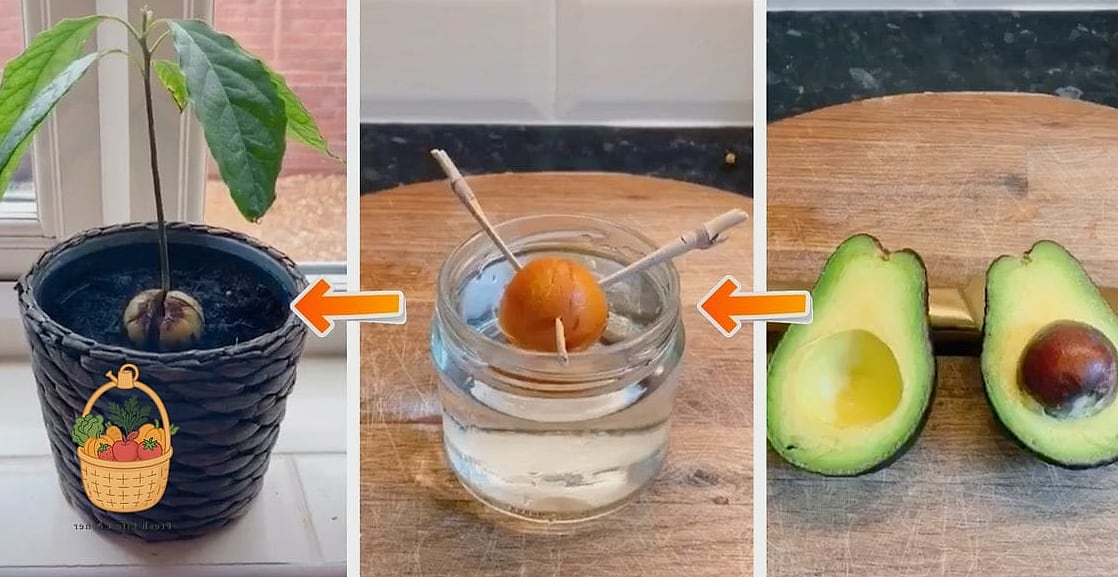
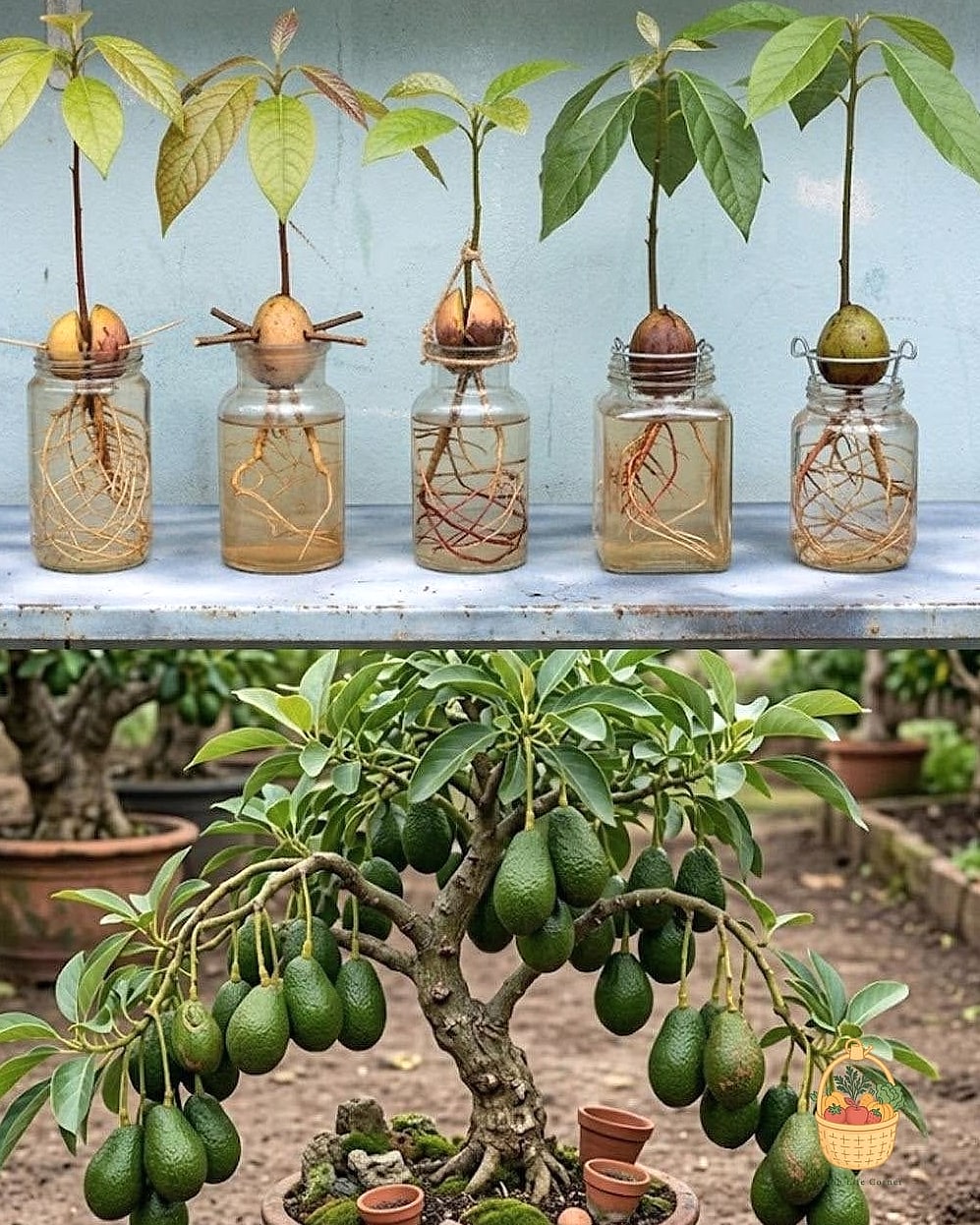
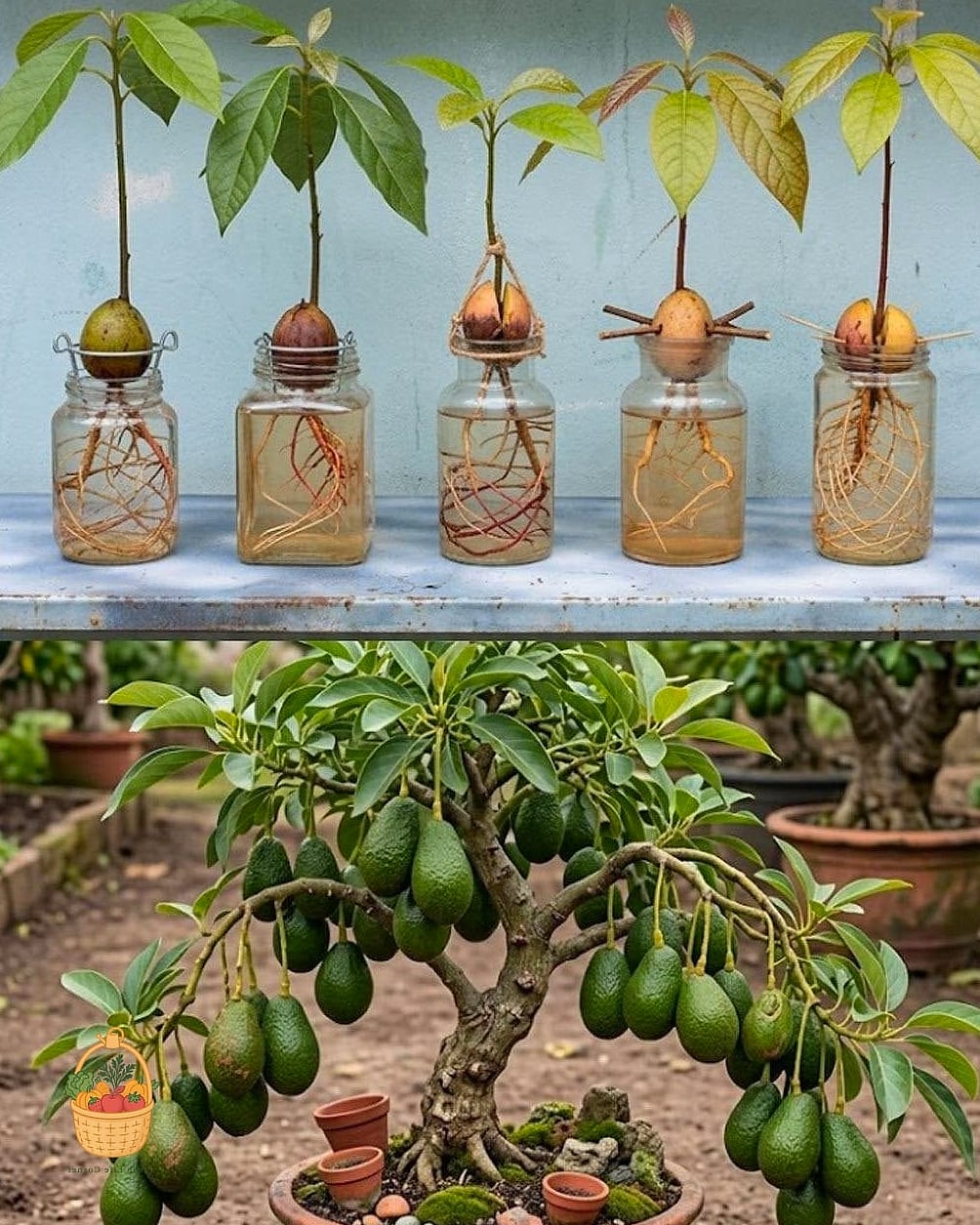
This is the one that started it all, and it’s still everywhere on Pinterest for good reason. You suspend the pit half-submerged in a glass of water using three or four toothpicks, then wait for roots and a stem to emerge.
It works best in bright, indirect light near a kitchen window, and you’ll want to change the water every few days to prevent it from turning cloudy or smelly. It’s a slow process — sometimes six to eight weeks before you see anything — but watching those white roots unfurl feels like a small miracle. Beginners love this method because it requires zero soil knowledge and lets you watch the whole germination process happen in real time.
Avocado Tree in a Rustic Terracotta Pot
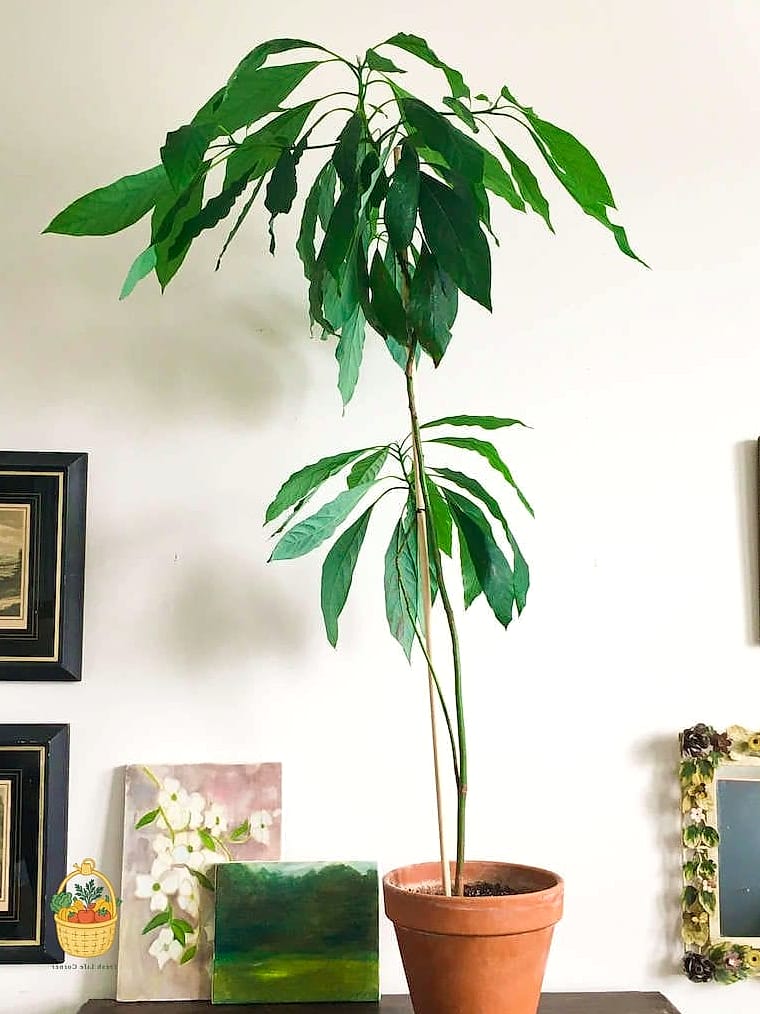
There’s something about the warm, earthy tone of terracotta that makes an avocado’s deep green leaves pop even more. This pairing shows up constantly on cottagecore and Mediterranean-style Pinterest boards.
Terracotta is porous, which actually helps prevent overwatering since excess moisture evaporates through the clay walls. Use well-draining soil, ideally a mix with perlite or coarse sand blended in, and place the pot somewhere it gets at least six hours of bright light daily. This look works especially well in kitchens with a farmhouse aesthetic.
Multiple Avocado Pits Grouped Together
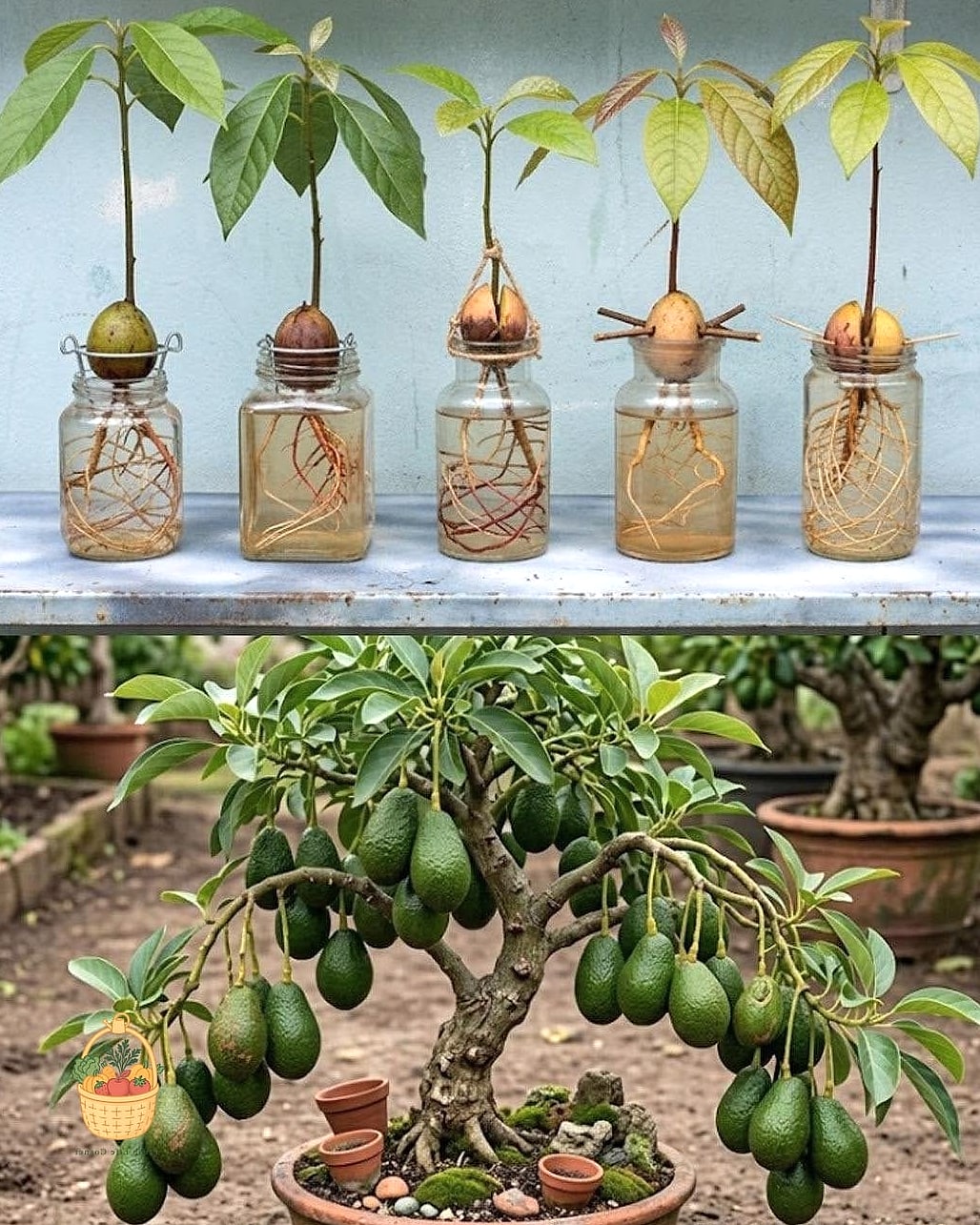
One pit is charming, but a cluster of three or five at different growth stages creates a fuller, jungle-like look that photographs beautifully. This is a popular styling trick among plant influencers because it hides the awkward leggy stage that single young avocado trees often go through.
Stagger your pits by starting new ones every couple of weeks so you always have a mix of heights and leaf density in the grouping. Keep them in bright indirect light and rotate the pots occasionally so growth stays even on all sides.
Avocado Tree with a Macrame Plant Hanger
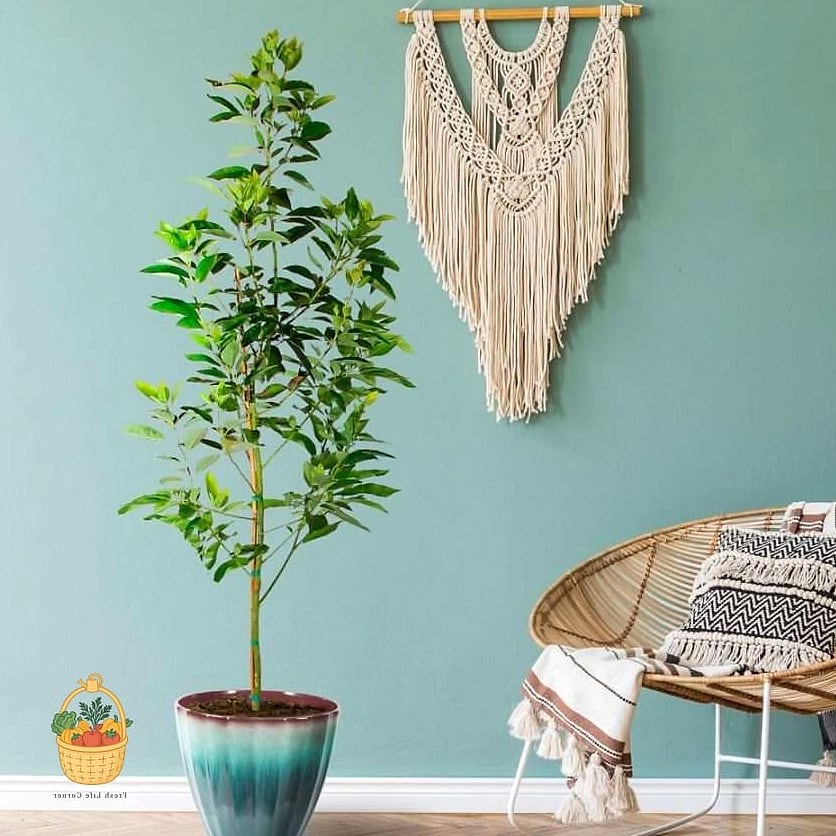
This one surprised me, honestly, because avocados aren’t naturally trailing plants. But younger, still-flexible avocado stems look wonderful cascading gently from a hanging planter, especially against a plain wall where the macrame knots become part of the visual texture.
You’ll need to prune occasionally to keep the stem from getting too heavy and snapping under its own weight. Hanging planters also mean faster-draining soil, so check moisture levels more often than you would with a floor-standing pot.
Braided Avocado Tree Trunks
Nurseries have been doing this with money trees and ficus for years, and now it’s trending with avocados too. While it takes some patience, gently braiding three young, flexible avocado stems together as they grow creates a thick, sculptural trunk that looks intentional and high-end.
This only works while the stems are still pliable, so start early and secure them loosely with soft plant ties. Full sun to partial shade and consistent watering keep the braided stems growing at a similar rate, which matters for a neat finished look.
Avocado Bonsai-Style Tree
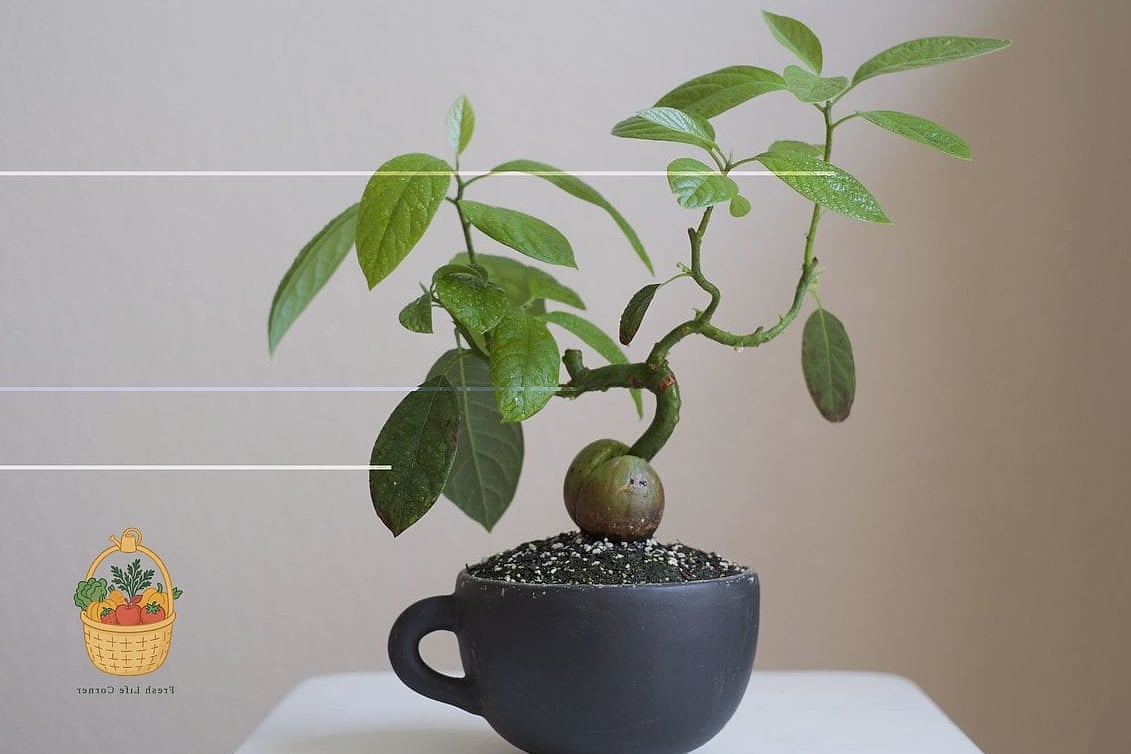
Avocados aren’t traditional bonsai material, but that hasn’t stopped creative gardeners from pruning them into miniature tree shapes anyway, and the results are genuinely striking on Pinterest.
This requires regular pruning of both the roots and the canopy to keep the plant small and proportioned, plus a shallow, wide container. It’s a project best suited to experienced gardeners who don’t mind a slower, more hands-on growing style, but the payoff is a totally unique centerpiece plant.
Avocado Tree Grown Directly in Soil
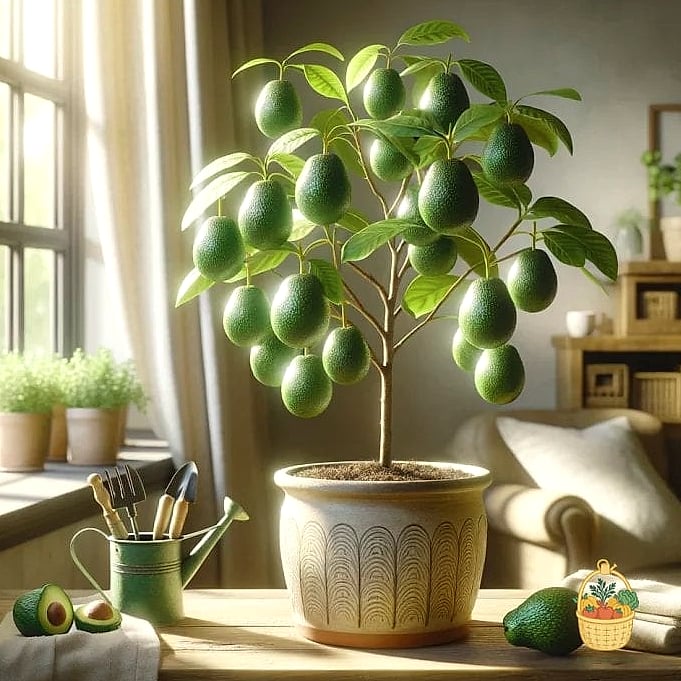
Skipping the water-glass stage entirely and planting the pit straight into a pot of soil is quicker and, in my experience, produces sturdier root systems from the start. Bury the pit about halfway, pointed end up, in loose, well-draining potting mix.
Keep the soil consistently moist but never soggy, since root rot is the number one killer of young avocado plants. This method appeals to gardeners who find the water-glass approach a little too slow and fussy.
Avocado Tree with Trailing Pothos Underneath
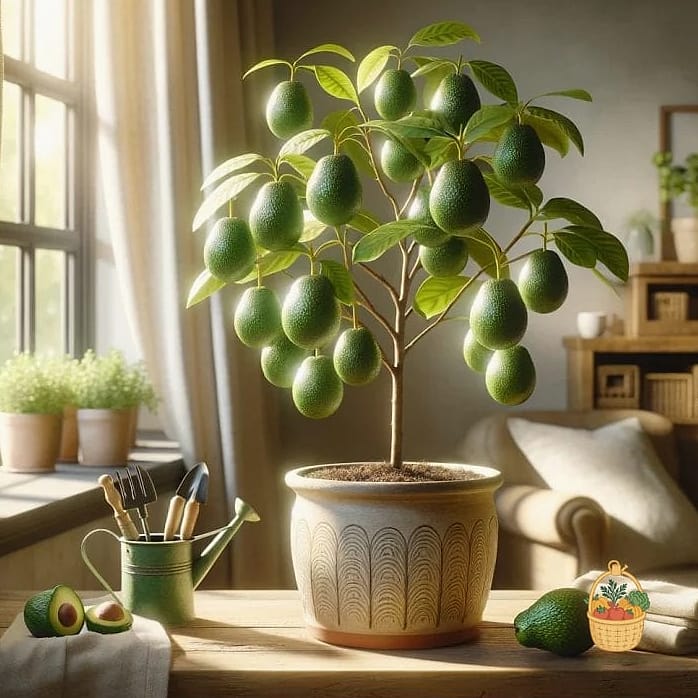
Pairing a tall, upright avocado with a low, trailing pothos in the same large planter creates a layered, jungle-corner effect that’s incredibly popular in boho and eclectic interior photos.
Both plants tolerate similar bright, indirect light conditions, though you’ll want to water according to each plant’s needs rather than treating them as one unit. This combo works particularly well in a large floor planter near a south-facing window.
Mini Avocado Forest in a Shallow Tray
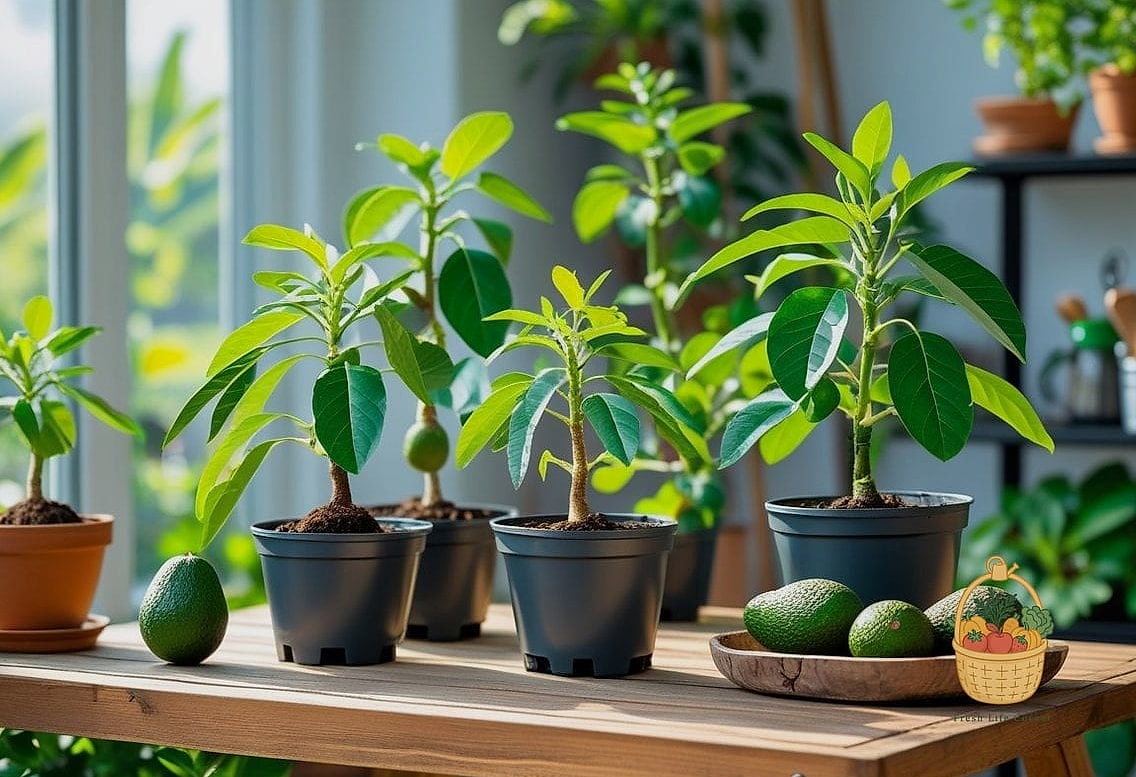
Instead of individual pots, plant several sprouted avocado pits close together in one wide, shallow tray filled with well-draining soil. The crowded roots and multiple trunks mimic the look of a tiny forest, which is a huge hit on nature-inspired Pinterest boards.
This setup needs a container with excellent drainage holes since shallow trays hold less soil volume and dry out or flood more easily than deep pots. Bright light and regular misting help keep the whole grouping lush.
Avocado Tree as a Kitchen Windowsill Feature
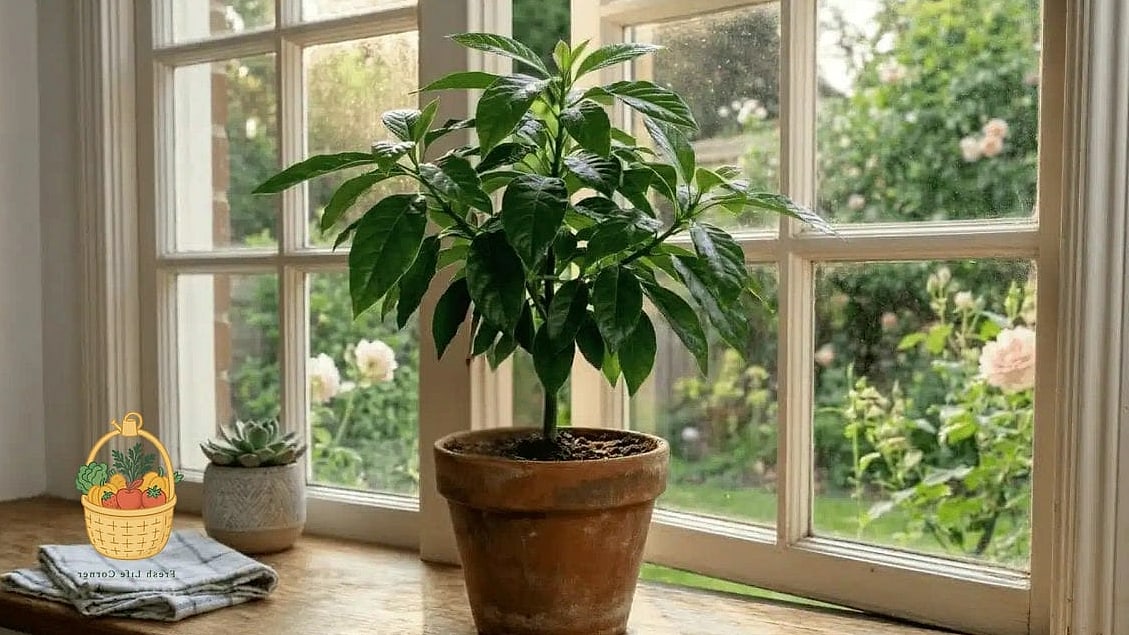
There’s a wholesome, cottagecore charm to a young avocado tree sitting right on the windowsill above the sink, catching morning light while you do dishes. It’s an incredibly relatable image, which is probably why it circulates so widely.
Windowsills often run cooler at night, so keep an eye on temperature swings, since avocados prefer consistent warmth and dislike cold drafts. Rotate the pot weekly so the plant doesn’t lean too hard toward the light source.
Avocado Tree Grown Under Grow Lights
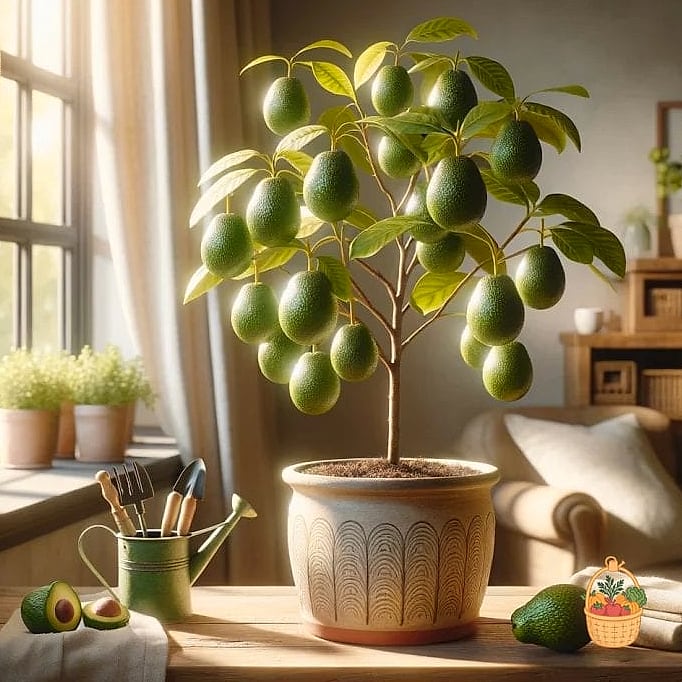
For anyone without great natural light, grow lights have become a popular workaround, and the moody purple-pink glow of LED grow lights makes for surprisingly aesthetic Pinterest photos.
Position full-spectrum grow lights about twelve inches above the plant and run them for around twelve to fourteen hours a day. This setup is ideal for apartment dwellers with north-facing windows or limited direct sun exposure.
Avocado Tree with Decorative Pebble Top Dressing
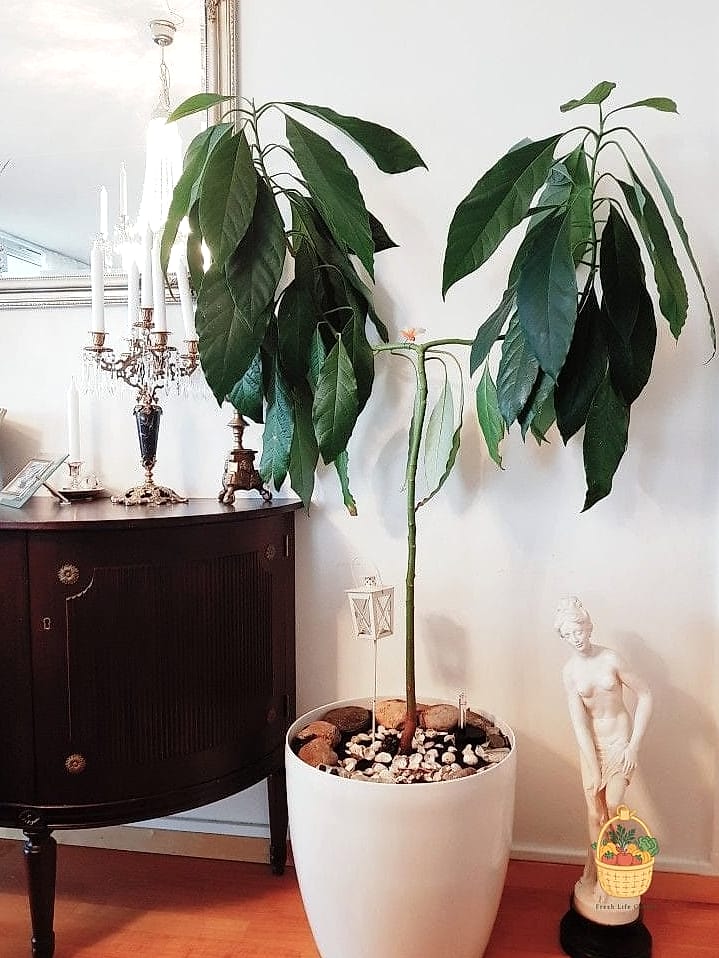
A simple styling trick that makes a huge visual difference: covering the topsoil with smooth decorative pebbles or river rocks. It gives the pot a finished, polished look and also helps retain a bit of soil moisture.
Just be sure the drainage holes underneath are doing their job, since pebbles can sometimes mask overwatering issues until it’s too late. This look pairs beautifully with neutral, minimalist pots.
Variegated-Looking Avocado Foliage Displays

True variegated avocados are rare and mostly a novelty among collectors, but Pinterest boards love showcasing avocado leaves with natural color variation, from deep green to bronze-red new growth. New leaves often emerge reddish before maturing to green, which creates a naturally eye-catching two-tone look.
Bright indirect light encourages the healthiest color development in new leaves. This is less about a special variety and more about photographing the plant at just the right growth stage.
Avocado Tree in a Vintage Ceramic Pot
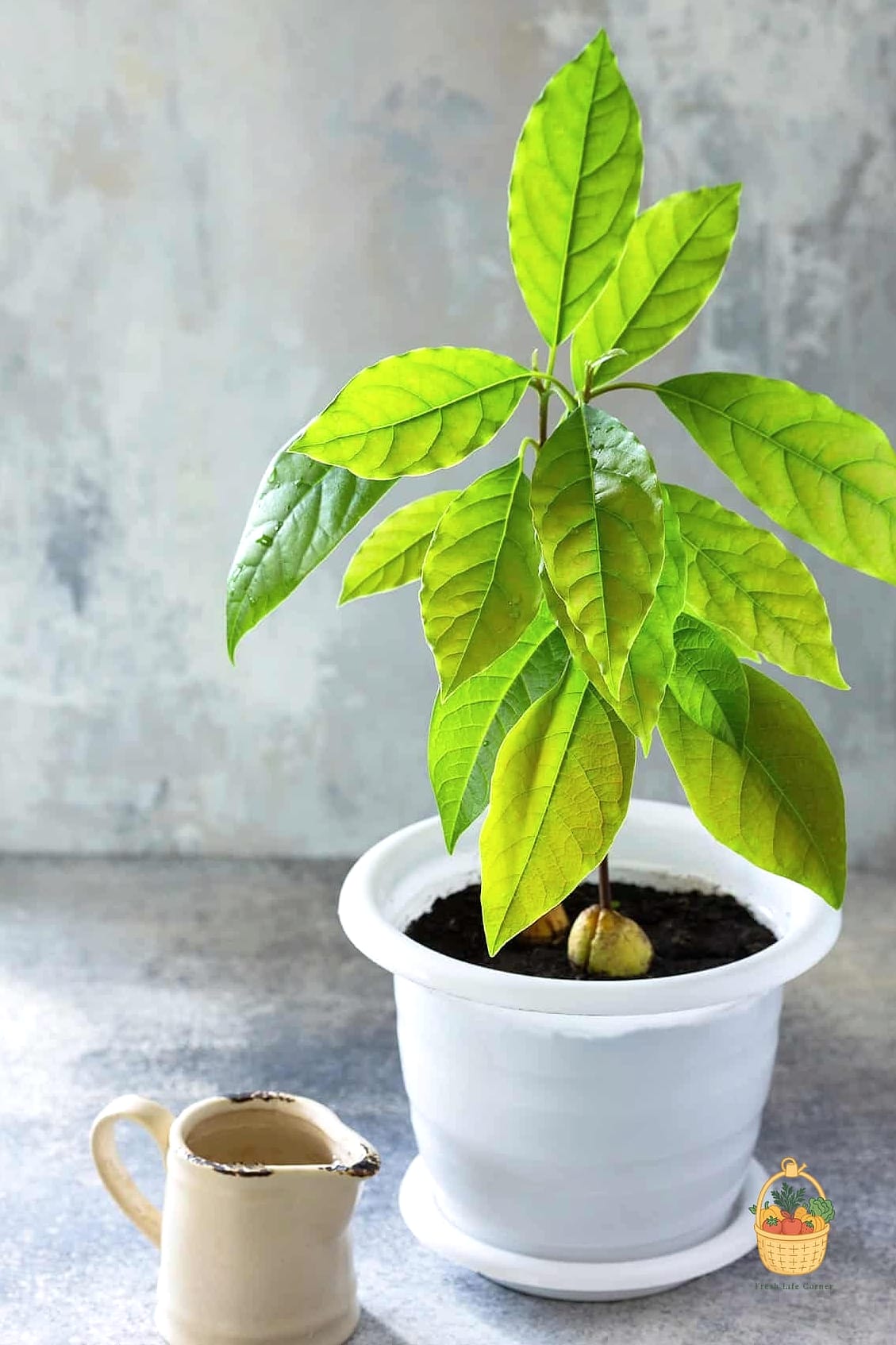
Swapping a plain plastic nursery pot for a vintage or antique-style ceramic planter instantly elevates an avocado tree’s whole vibe, and this pairing shows up constantly in cozy, grandmillennial-style interiors.
Make sure whatever vintage pot you choose actually has drainage, or drill a hole yourself, since many decorative ceramic pieces weren’t originally made for live plants. A layer of gravel at the bottom can help if drilling isn’t an option.
Pruned and Pinched Avocado for Bushier Growth
Left alone, avocado trees tend to shoot straight up into a single leggy stem, which honestly isn’t the most photogenic look. Pinching back the growing tip once the plant reaches six to twelve inches encourages branching and a fuller, bushier silhouette.
This simple pruning trick is one of the most shared tips in avocado-growing content because it solves the “why does my plant look like a stick” problem so many beginners run into.
Avocado Tree Paired with Warm Boho Textiles
Styling isn’t just about the plant — it’s about everything around it. Photos featuring an avocado tree next to woven baskets, patterned rugs, and warm-toned throw blankets consistently perform well because the greenery softens and complements the textures.
From a care standpoint, just make sure the plant still gets adequate light in these cozier, more tucked-away styled corners, since decorative placement sometimes sacrifices sun exposure.
Fast-Growing Avocado Tree Progress Timelines

A specific genre of Pinterest content tracks an avocado’s growth week by week, from cracked pit to several feet of height. These progress-photo series are oddly satisfying and have inspired a lot of first-time growers to start their own pits.
Fast growth typically depends on consistent warmth, bright light, and regular feeding with a diluted liquid fertilizer during the growing season, roughly every four to six weeks in spring and summer.
Avocado Tree with Hand-Painted Plant Pot
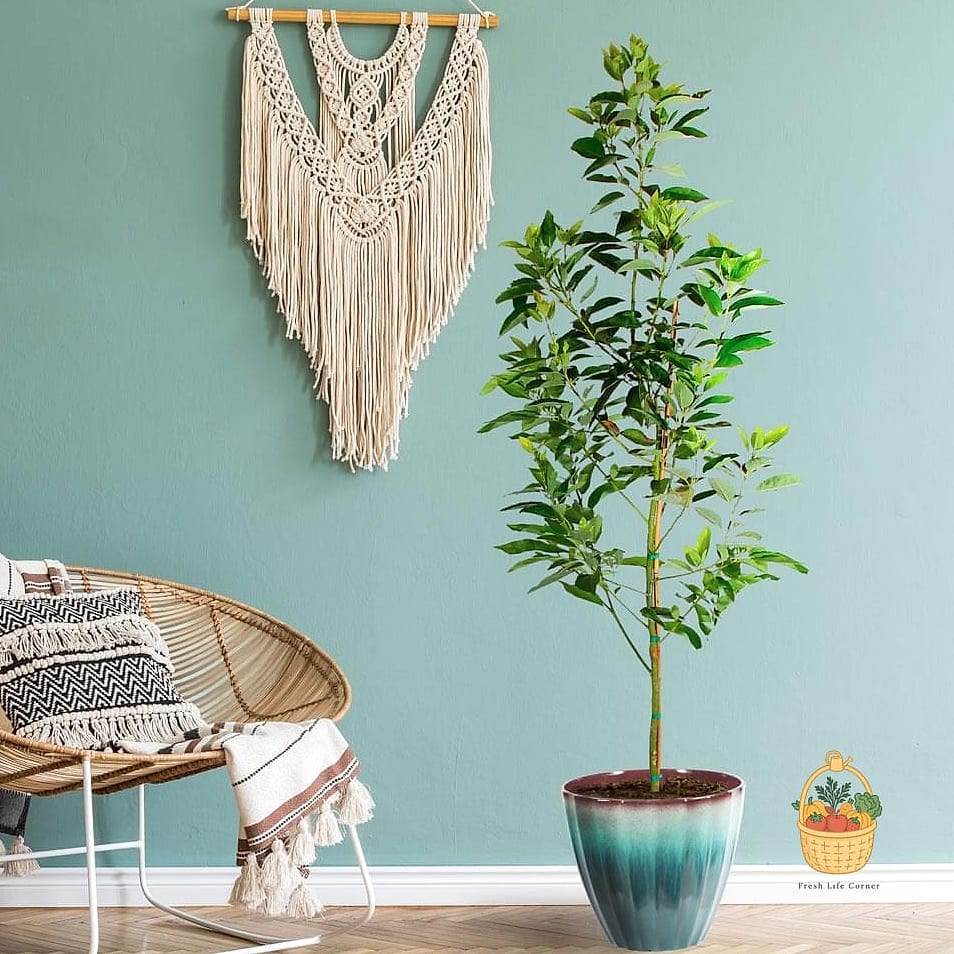
DIY-friendly and endlessly customizable, hand-painted terracotta or ceramic pots featuring plant names, faces, or patterns give an avocado tree a personal, handmade touch that photographs wonderfully for craft-focused boards.
This is purely a styling choice, so care requirements stay the same as any other potted avocado — good drainage, bright light, and soil that dries slightly between waterings.
Avocado Tree Grown from a Store-Bought Fruit Pit
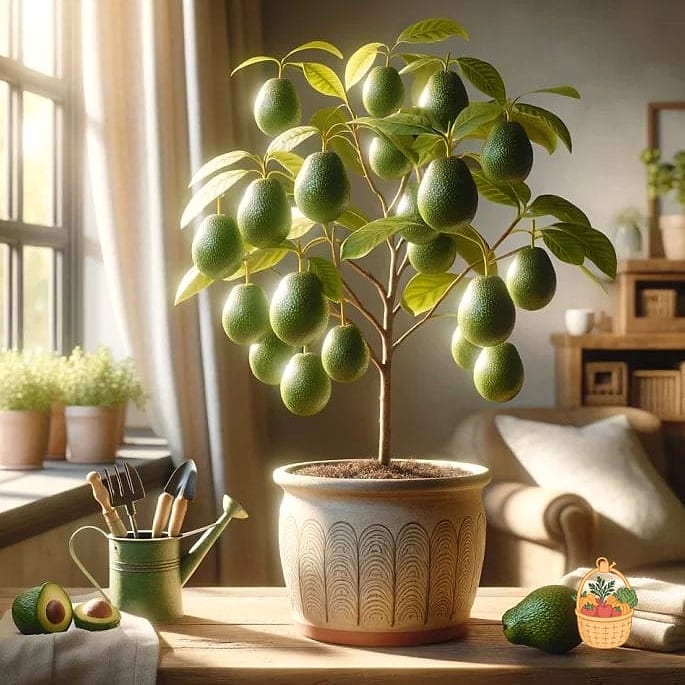
There’s something satisfying about starting a whole plant from what would otherwise be kitchen scraps, and this zero-waste angle is a big part of why the trend has stuck around. Any ripe avocado pit from the grocery store can technically be sprouted.
Success rates vary depending on how the fruit was handled and stored, so don’t be discouraged if your first attempt doesn’t take. Try a few pits at once to improve your odds.
Avocado Tree with Yellowing Leaves Being Rescued and Revived
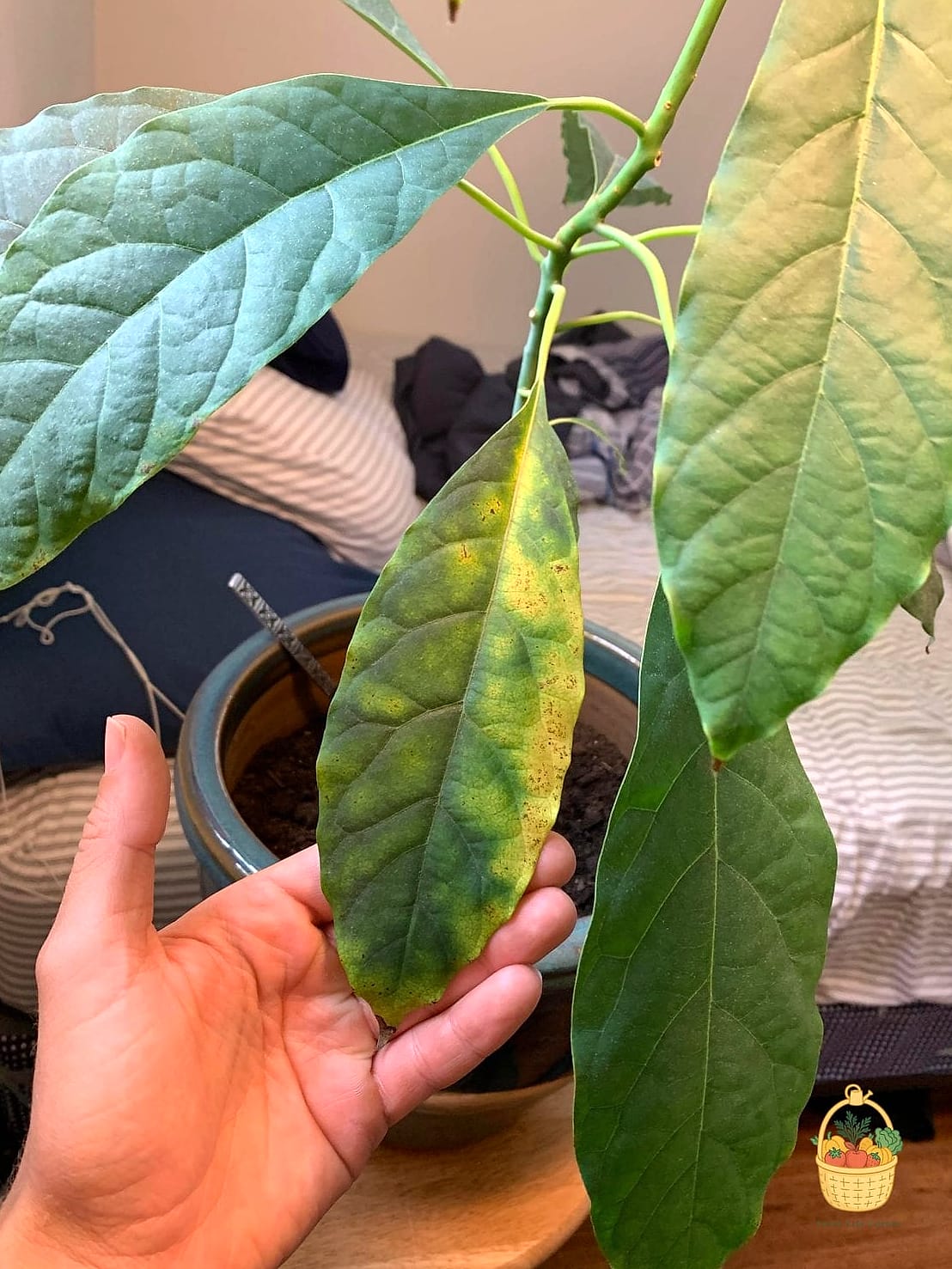
Not every Pinterest post is about picture-perfect plants — a good chunk of the trend involves troubleshooting content, particularly rescuing an avocado with yellowing or drooping leaves. These “plant recovery” posts resonate because most of us have been there.
Yellowing leaves usually point to overwatering, poor drainage, or occasionally low light, so adjusting your watering schedule and checking for root rot are the first steps. It’s reassuring content, honestly, and it makes the whole trend feel more approachable.
Statement-Sized Mature Avocado Tree as Indoor Decor
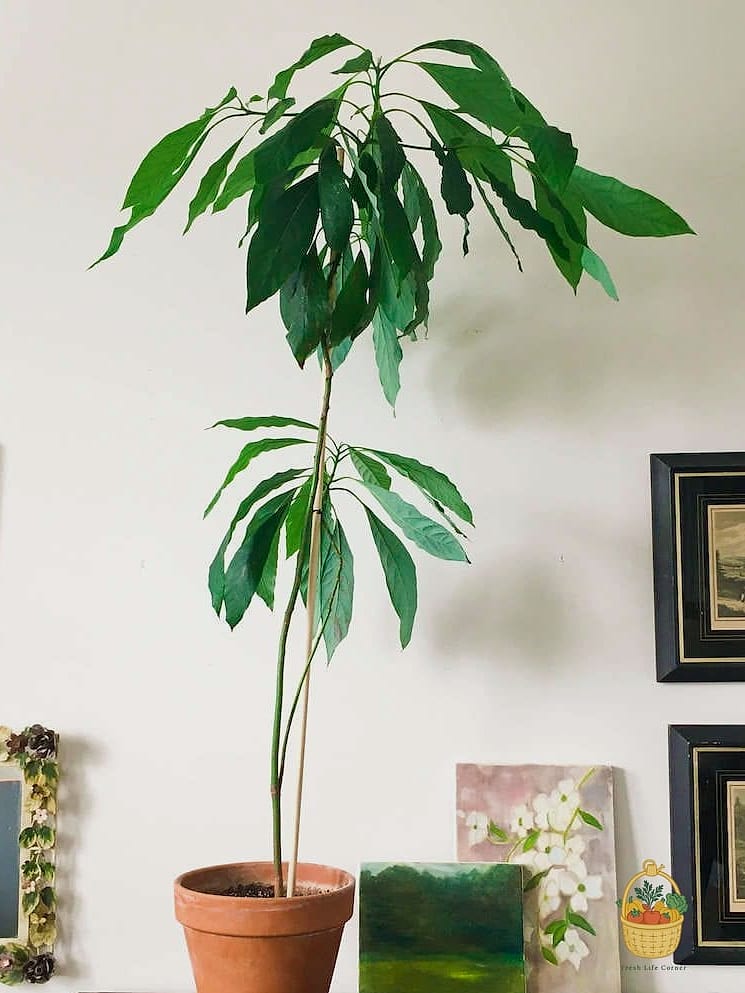
Finally, the aspirational end of the trend: fully mature, several-foot-tall avocado trees serving as living sculptural features in bright living rooms and sunrooms. These photos represent the long-term payoff of the whole process.
Getting here takes years of consistent care, occasional repotting into larger containers as the root system grows, and plenty of patience, since indoor avocados rarely fruit but make gorgeous, glossy-leaved specimens regardless.
Whichever version of this trend catches your eye, the appeal is the same — avocado trees turn a piece of kitchen waste into a genuinely rewarding houseplant project. Start a pit this week, be patient with the slow parts, and don’t be surprised if your own windowsill ends up looking suspiciously like a Pinterest board.