Low Growing Shrubs For The Front Of House — Pro Tips for a Healthy Plant
- Dwarf Boxwood
- Compact Inkberry Holly
- Dwarf Japanese Holly
- Little Devil Ninebark
- Dwarf Fothergilla
- Gulf Stream Nandina
- Dwarf Korean Lilac
- Little Lime Hydrangea
- Emerald Green Arborvitae, Dwarf Form
- Dwarf Weigela
- Dwarf Spirea
- Get the Soil Right Before You Plant
- Match Sun Exposure to the Shrub, Not the Other Way Around
- Water Deeply, Not Frequently
- Mulch Like You Mean It
- Prune with Purpose, Not Habit
- Watch for Common Pests Early
Low Growing Shrubs For The Front Of House — Pro Tips for a Healthy Plant
The front of your house says a lot before anyone even rings the doorbell. Low growing shrubs are one of the easiest ways to make that first impression count without blocking windows, hiding your house numbers, or turning into a jungle by August.
I’ve planted more foundation beds than I can count over the years, and the shrubs that keep homeowners happiest are almost always the compact, well-behaved ones. They fill in nicely, they don’t demand constant pruning, and they still give you that lush, established look. Below are some of the best low growing shrubs for the front of house plantings, along with the pro tips that actually keep them healthy for years, not just one good season.
Dwarf Boxwood
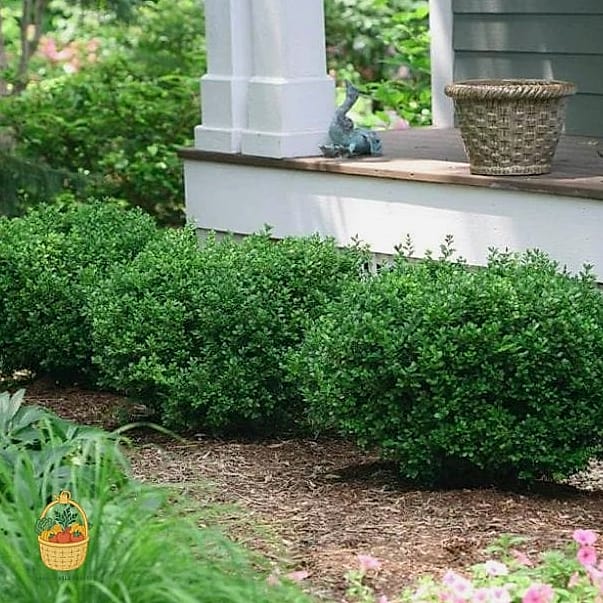
Dwarf boxwood is the classic front-of-house shrub for a reason. It stays compact, usually topping out around two to three feet, and holds a tidy rounded shape with very little effort on your part.
It prefers well-draining soil and does best in full sun to partial shade. Boxwood is fairly slow-growing, which is actually a plus here since you won’t be out there trimming it every other weekend. It’s hardy in USDA zones 5 through 9 and tolerates both clay and loamy soils as long as drainage is decent.
Watch for boxwood blight and leaf miner in humid climates, and avoid overhead watering that keeps foliage wet for long stretches. Gardeners love it because it gives that classic, manicured look without the size of full-grown boxwood hedges.
Compact Inkberry Holly

If you want something native-friendly with a similar look to boxwood, compact inkberry holly is worth a look. It stays small, usually three to four feet, and has that same dense, evergreen structure.
This shrub handles wet soil far better than boxwood, which makes it a smart pick if your front bed tends to hold moisture after rain. It grows well in full sun to partial shade and is hardy in zones 5 through 9.
Inkberry is also deer resistant, which matters a lot if you’re gardening somewhere with a healthy deer population wandering through at dusk. It’s low-maintenance and rarely needs fertilizer beyond an annual dose of compost.
Dwarf Japanese Holly
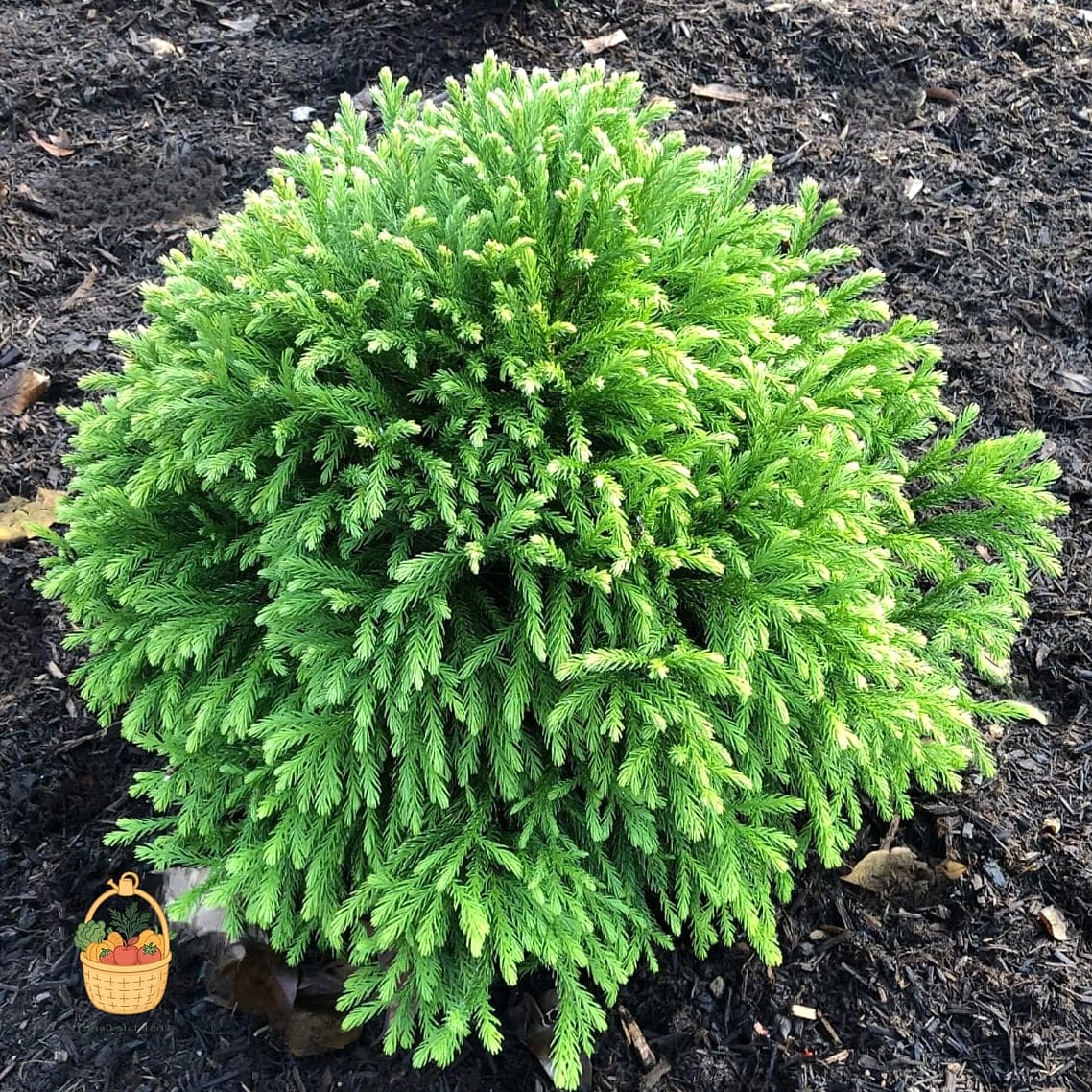
Dwarf Japanese holly gives you that boxwood aesthetic with slightly glossier leaves and a bit more tolerance for heat and humidity. It typically grows two to four feet tall and responds well to light shaping.
It prefers slightly acidic soil and consistent moisture, though established plants handle brief dry spells fine. Full sun to partial shade works best, and it’s hardy in zones 5 through 8.
This one is a favorite for foundation plantings because it doesn’t mind being pruned into soft mounds or kept more natural. Either way, it looks intentional rather than overgrown.
Little Devil Ninebark
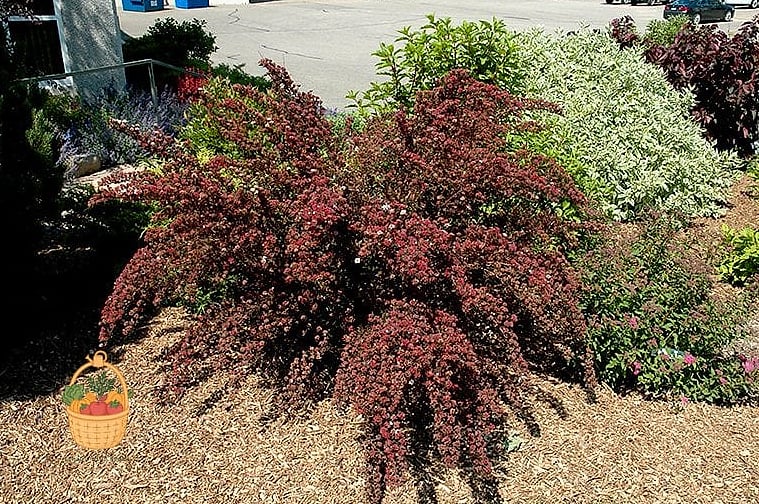
Little Devil ninebark brings something different to the mix: deep burgundy foliage that adds real color contrast against a light-colored house. It stays compact at around three to four feet and has an airy, slightly wild texture.
It’s drought tolerant once established and adapts to nearly any soil type, including clay, which makes it a forgiving choice for beginner gardeners. Full sun brings out the richest leaf color, though it tolerates partial shade too. Hardy in zones 3 through 7, it handles cold winters without complaint.
Pollinators appreciate the small white or pink spring flowers, so if you’re trying to support bees near your entryway, this is a nice pick.
Dwarf Fothergilla
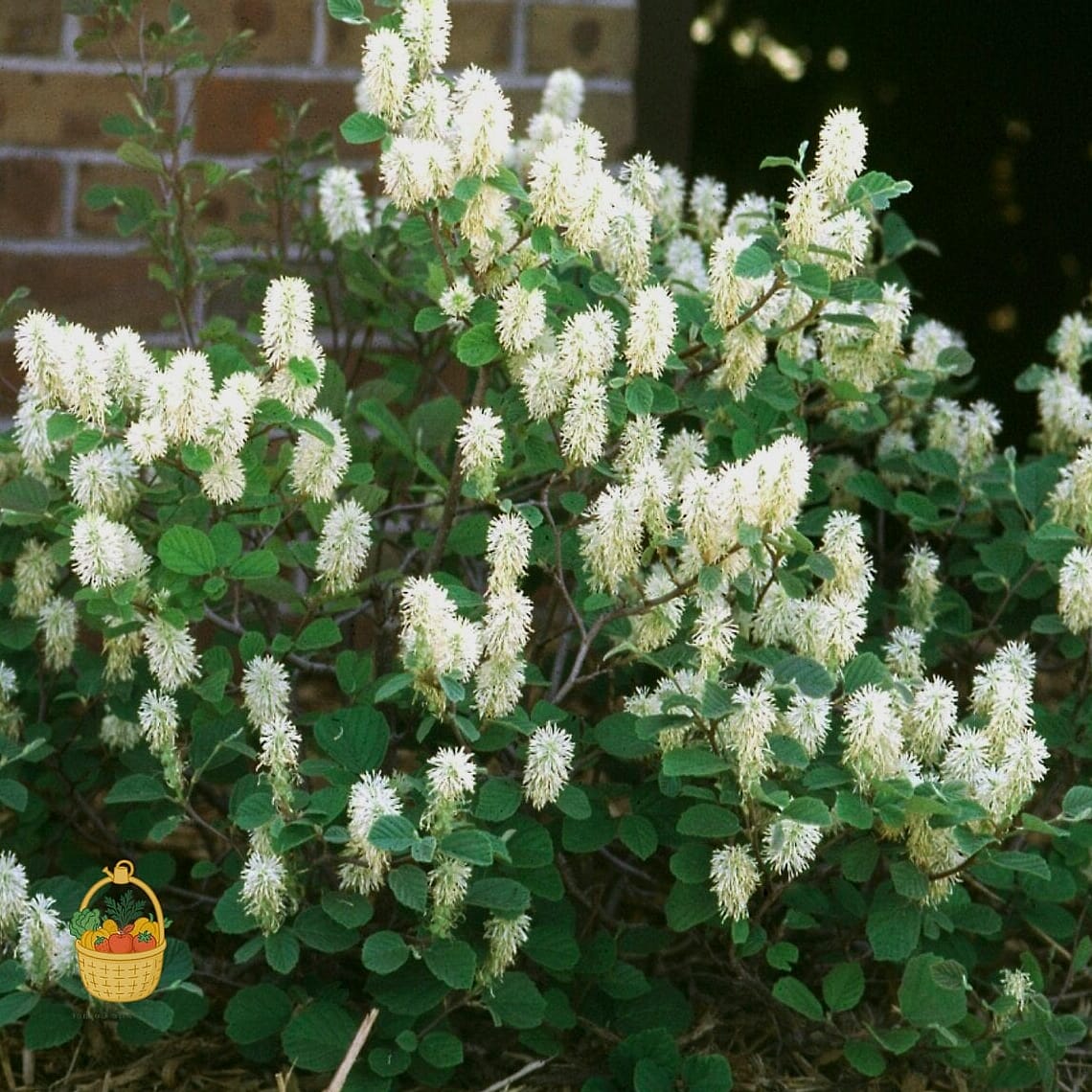
Dwarf fothergilla is one of those underused shrubs that deserves more attention. It has fragrant white bottlebrush flowers in spring and blue-green summer foliage that turns brilliant orange and red in fall.
It grows two to three feet tall and prefers acidic, well-draining soil with consistent moisture. Partial shade to full sun both work, though some afternoon shade helps in hotter climates. It’s hardy in zones 4 through 8.
This shrub is genuinely low-maintenance once it’s settled in, and the fall color alone makes it worth the space. Gardeners who want seasonal interest instead of a static green blob tend to fall for this one fast.
Gulf Stream Nandina
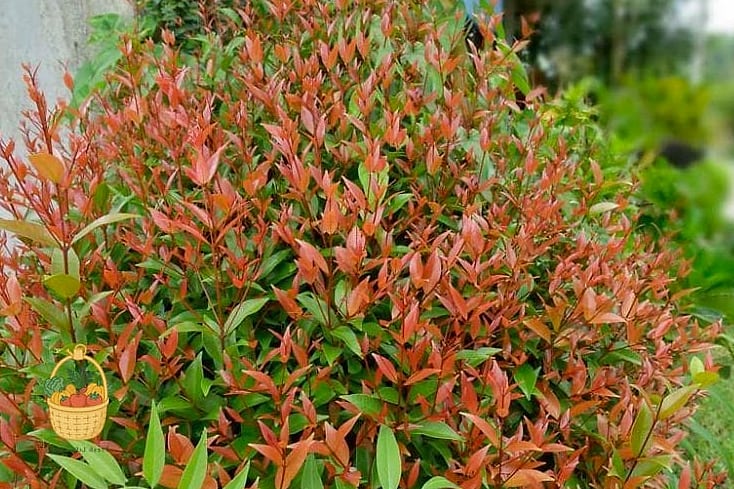
Gulf Stream nandina is a compact cultivar of heavenly bamboo that stays around two to three feet tall, which is a relief if you’ve ever dealt with the taller, more aggressive nandina varieties.
It tolerates a wide range of soil types and handles both sun and shade, making it flexible for tricky front-yard light conditions. It’s drought tolerant once established and hardy in zones 6 through 9. Winter brings a reddish tint to the foliage, which adds nice color when everything else looks dormant.
Just double check your local regulations, since nandina is considered invasive in some regions, particularly in parts of the southeastern US.
Dwarf Korean Lilac
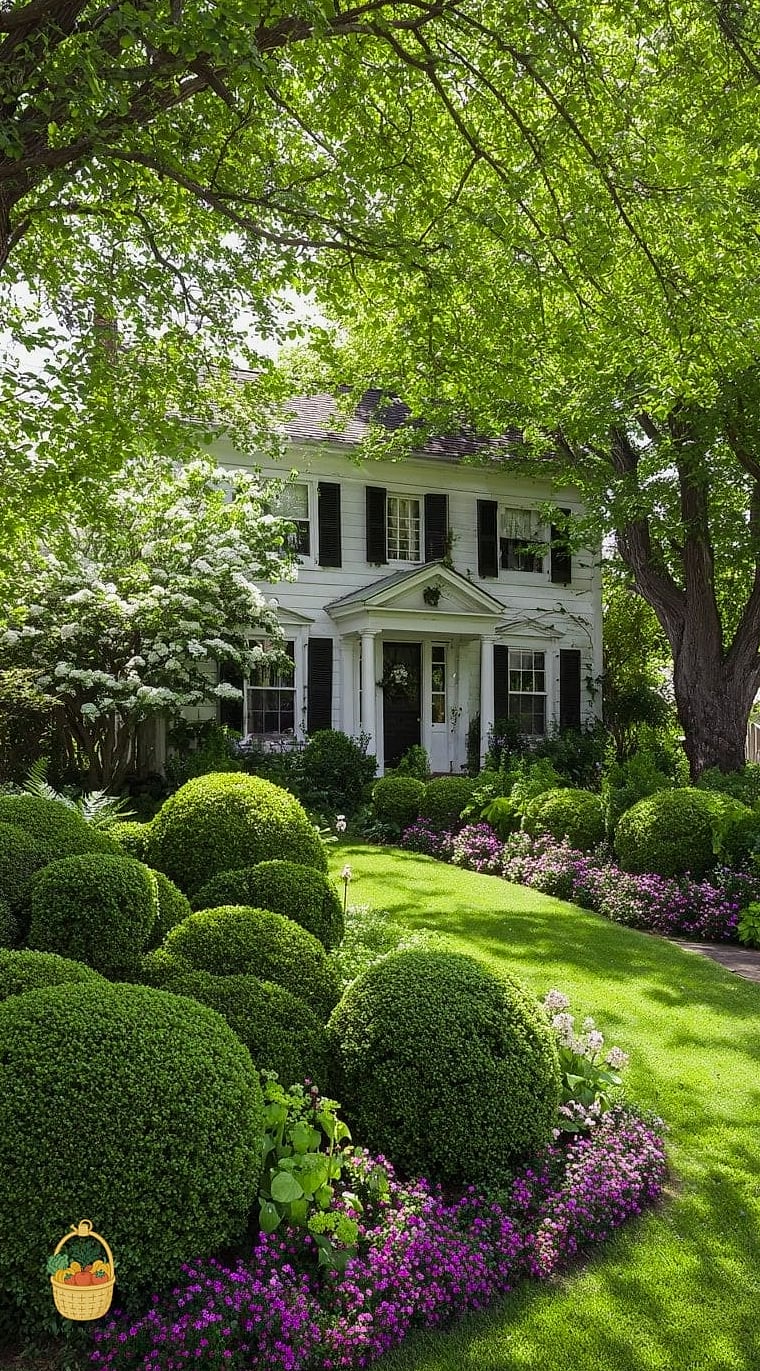
Dwarf Korean lilac is a compact shrub, staying around four to five feet, that still delivers that classic lilac fragrance every spring without taking over the entire front bed.
It prefers full sun and well-draining, slightly alkaline soil. It’s fairly drought tolerant once established and hardy in zones 3 through 7, so it handles cold winters without issue. This one’s a slow to moderate grower, which keeps maintenance light.
Butterflies and bees love the blooms, and honestly, so does anyone walking past your front door in May.
Little Lime Hydrangea
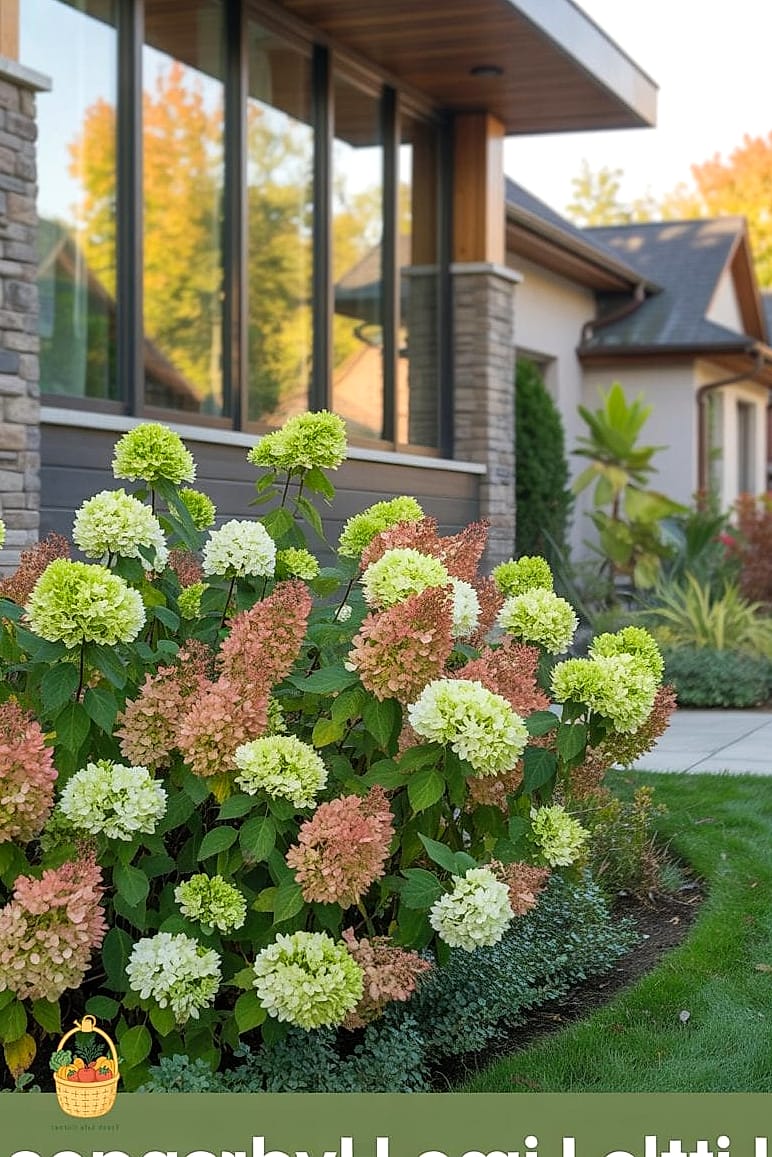
Little Lime hydrangea is a dwarf version of the popular Limelight hydrangea, growing three to five feet tall with cone-shaped blooms that shift from lime green to soft pink as the season progresses.
It likes consistent moisture and rich, well-draining soil, and it tolerates both full sun and partial shade, though some afternoon shade helps in hotter regions. It’s hardy in zones 3 through 8.
This shrub rewards a bit of attention. Deep watering during dry spells and a layer of mulch around the base will keep it looking full and healthy rather than wilted by midsummer heat.
Emerald Green Arborvitae, Dwarf Form

The dwarf form of emerald green arborvitae gives you that soft, columnar evergreen texture without the towering height of standard varieties. It typically stays under four feet, which works nicely flanking a front door or under windows.
It prefers full sun and well-draining soil, and it’s fairly adaptable once established. Hardy in zones 3 through 7, it handles cold winters well. Watch for bagworms in summer, since arborvitae can be a favorite target.
Gardeners like this one because it adds vertical softness to a bed that’s otherwise full of rounded shapes.
Dwarf Weigela
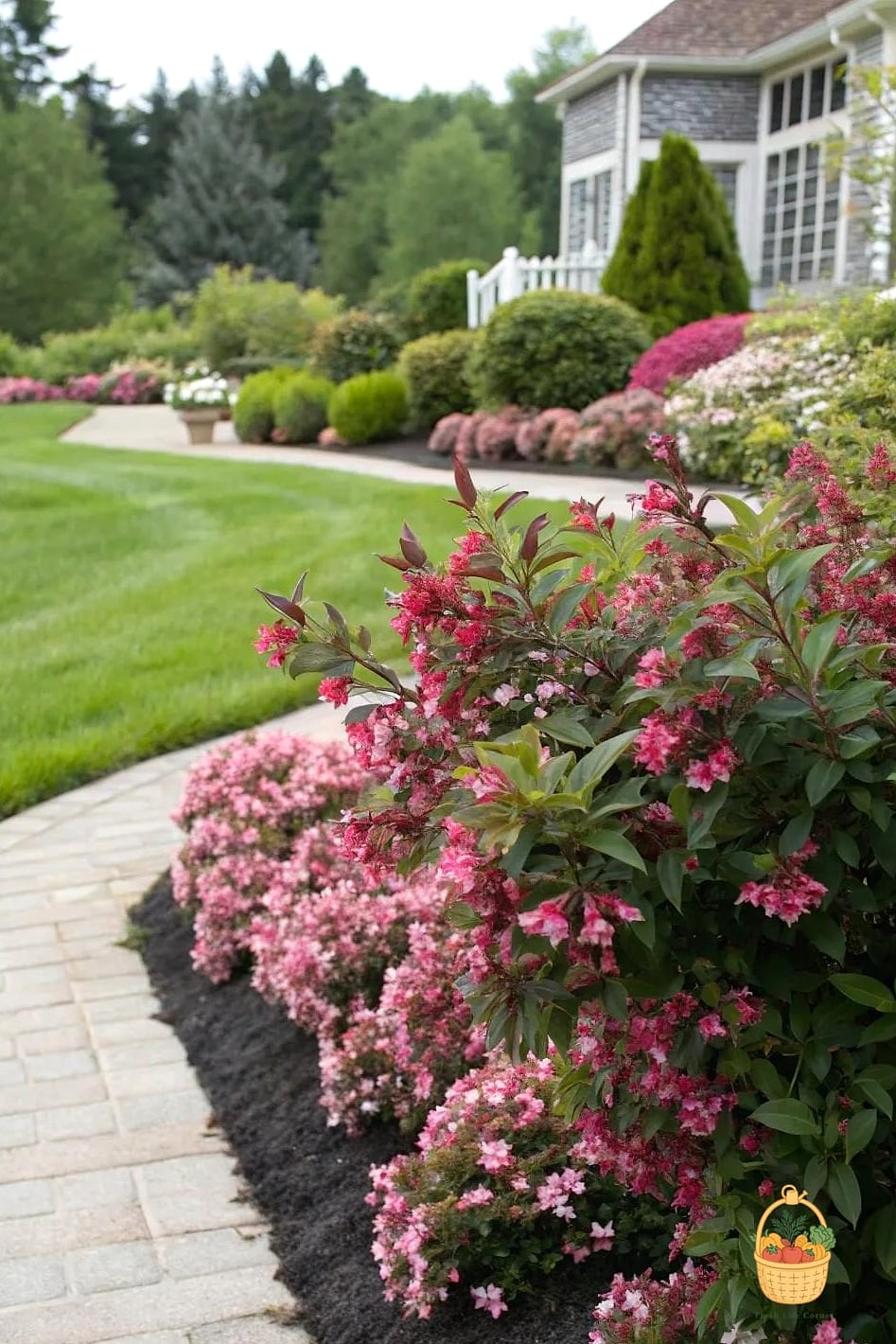
Dwarf weigela stays compact at around two to three feet and puts on a solid show of trumpet-shaped pink or red flowers in late spring, often with a smaller rebloom later in summer.
It grows best in full sun for the strongest flowering, though it tolerates light shade. It prefers well-draining soil and is fairly drought tolerant once established. Hardy in zones 4 through 8, it’s a reliable, low-fuss choice.
It’s not the most exciting shrub in the off-season, but during bloom time it earns its spot near the front walkway.
Dwarf Spirea
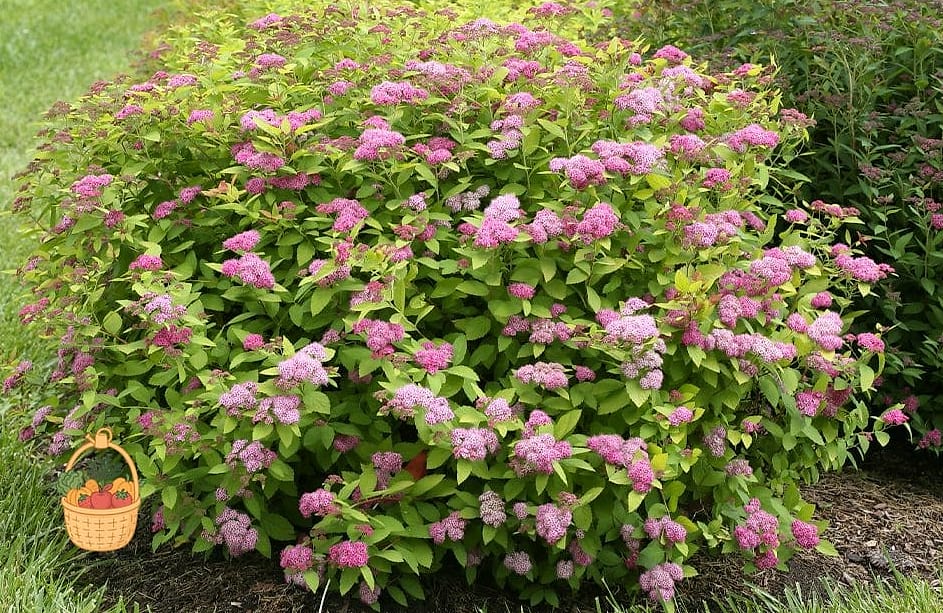
Dwarf spirea, especially varieties like Little Princess or Goldflame, stays under three feet and offers both colorful foliage and clusters of pink flowers through summer.
It handles full sun to partial shade and adapts to most soil types as long as drainage is reasonable. It’s drought tolerant once established and hardy in zones 4 through 8. This is a fast grower, so a light trim after the first flush of blooms keeps it tidy.
Spirea is a great pick for beginner gardeners since it’s genuinely hard to kill and forgives the occasional missed watering.
Now for the part that actually determines whether these shrubs thrive or just survive.
Get the Soil Right Before You Plant
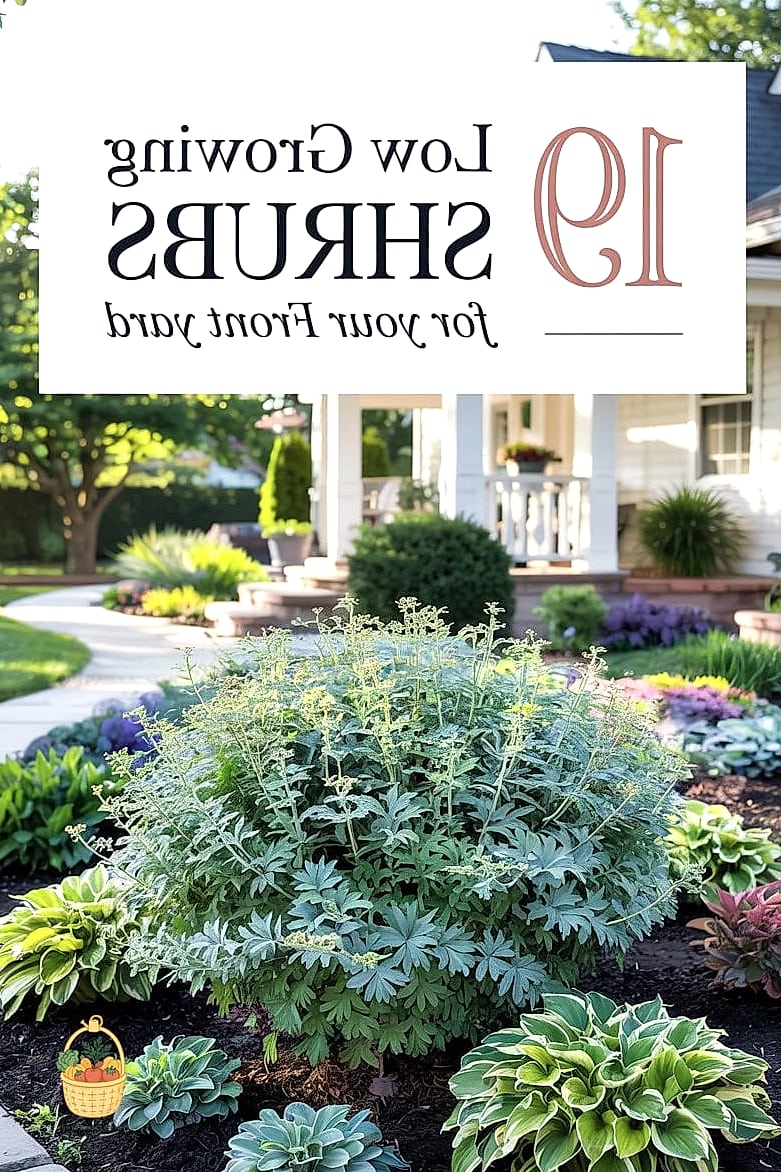
Most low growing shrubs for the front of house struggle not because of the wrong plant choice, but because of poor soil prep. Before planting, work compost into the existing soil rather than relying on foundation fill dirt, which is often compacted and low in nutrients.
If your yard has heavy clay, consider amending with coarse sand or planting slightly proud of grade so water doesn’t pool around the roots. A simple garden trowel and a bit of patience here saves years of frustration later.
Match Sun Exposure to the Shrub, Not the Other Way Around

Front-of-house beds often have tricky, uneven light thanks to roof overhangs, porches, and shifting shade from mature trees. Watch your bed for a full day before choosing plants, rather than guessing.
A shrub rated for full sun that’s stuck in deep shade all day will get leggy and sparse. One rated for shade planted in blazing afternoon sun will scorch. This single step prevents more problems than any fertilizer ever will.
Water Deeply, Not Frequently
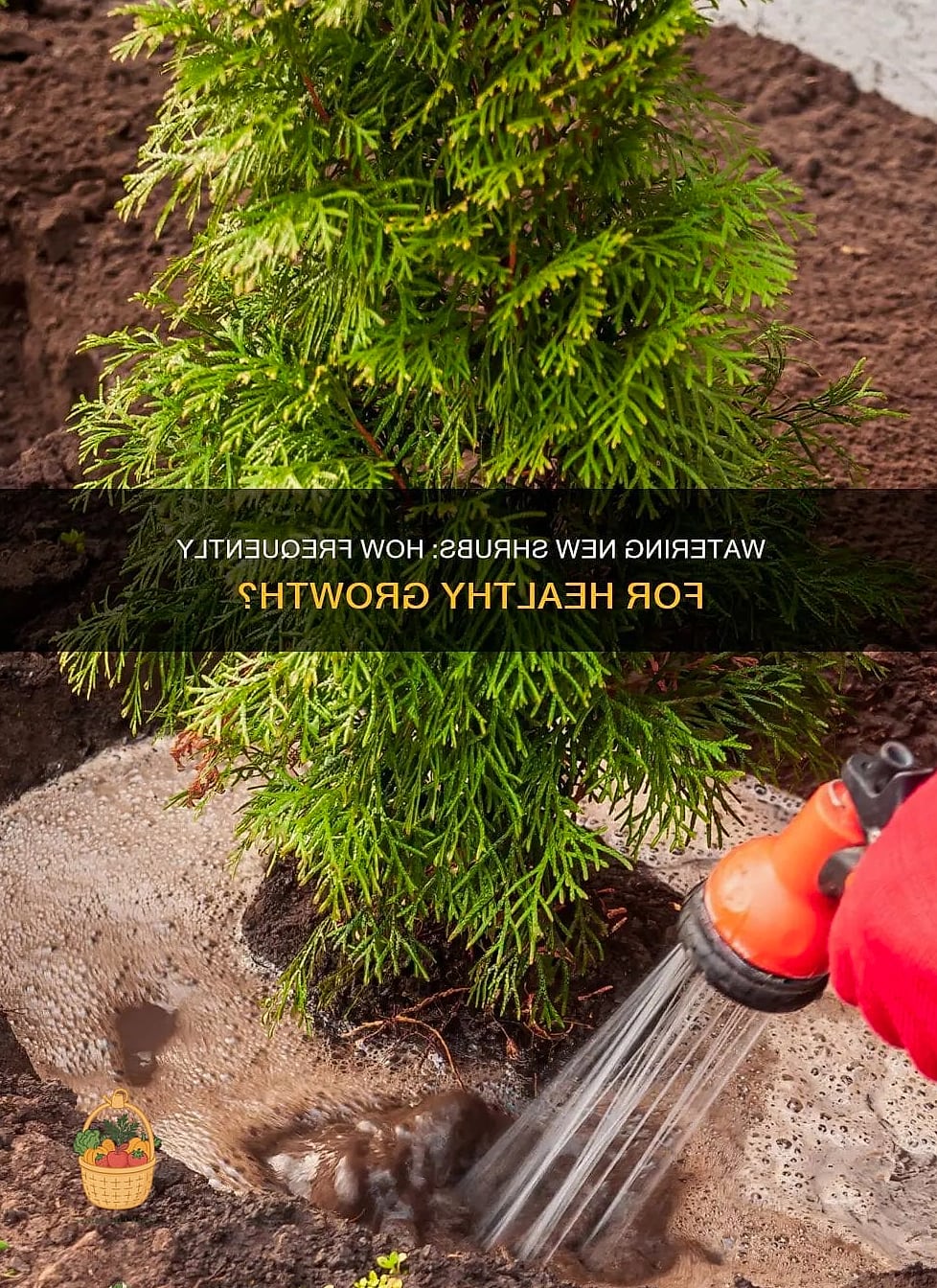
New shrubs need consistent moisture for the first year while roots establish, but that doesn’t mean daily light sprinkles. Deep, infrequent watering encourages roots to grow downward and outward, which builds real drought tolerance over time.
Drip irrigation is worth considering for foundation beds since it delivers water right to the root zone without wetting foliage, which also helps prevent fungal issues.
Mulch Like You Mean It
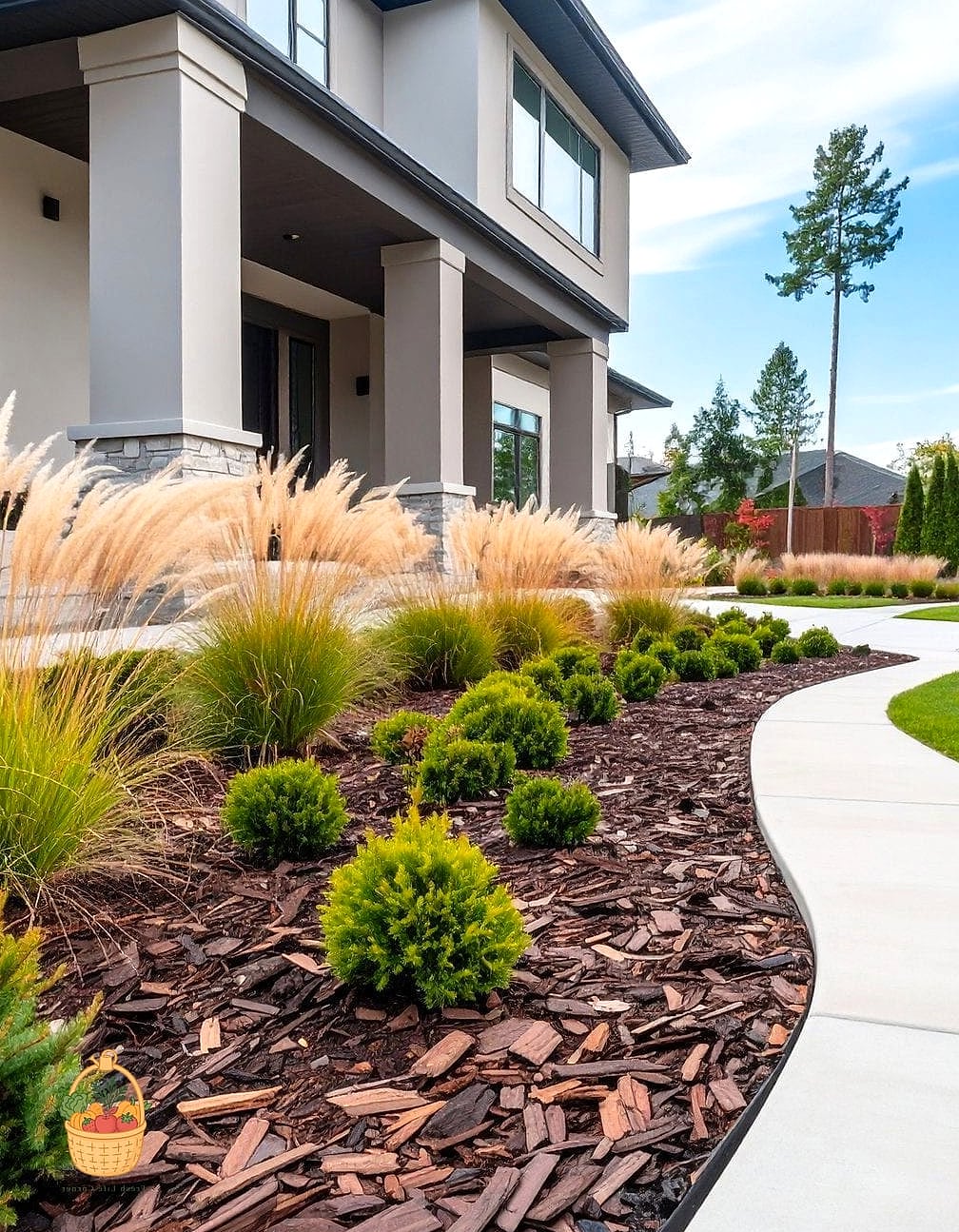
A two to three inch layer of mulch around the base of each shrub regulates soil temperature, holds moisture, and cuts down on weeds competing for nutrients. Just keep it pulled back a couple inches from the stems to avoid rot.
Prune with Purpose, Not Habit
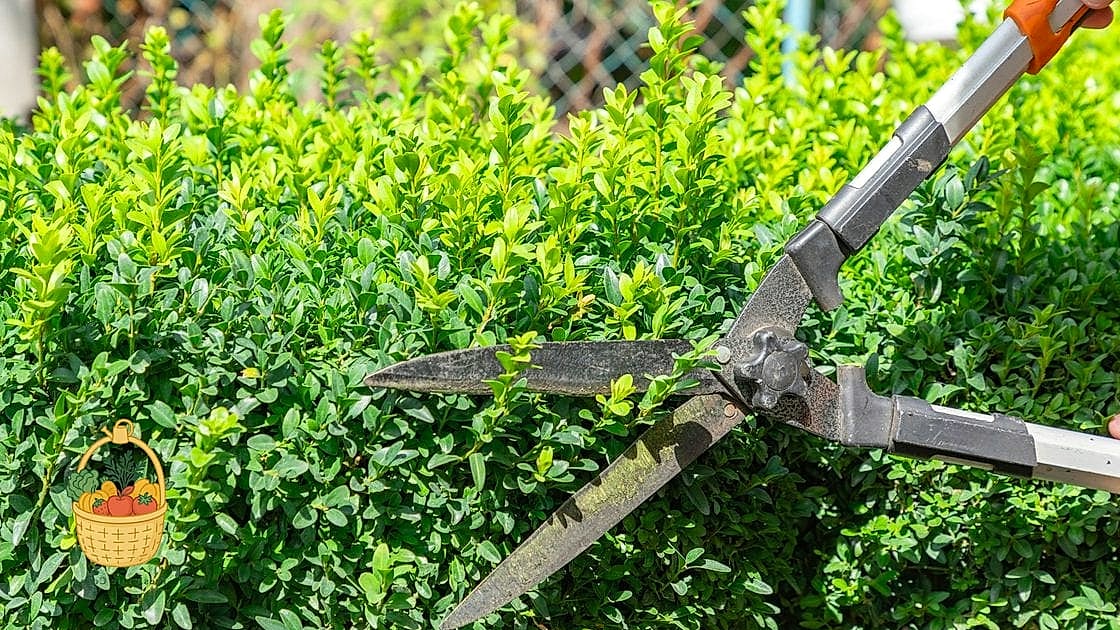
Not every shrub needs pruning every year. Know whether your shrub blooms on old wood or new wood before you grab the shears, since pruning at the wrong time can remove next season’s flower buds entirely. When in doubt, prune right after flowering rather than in early spring or fall.
Watch for Common Pests Early
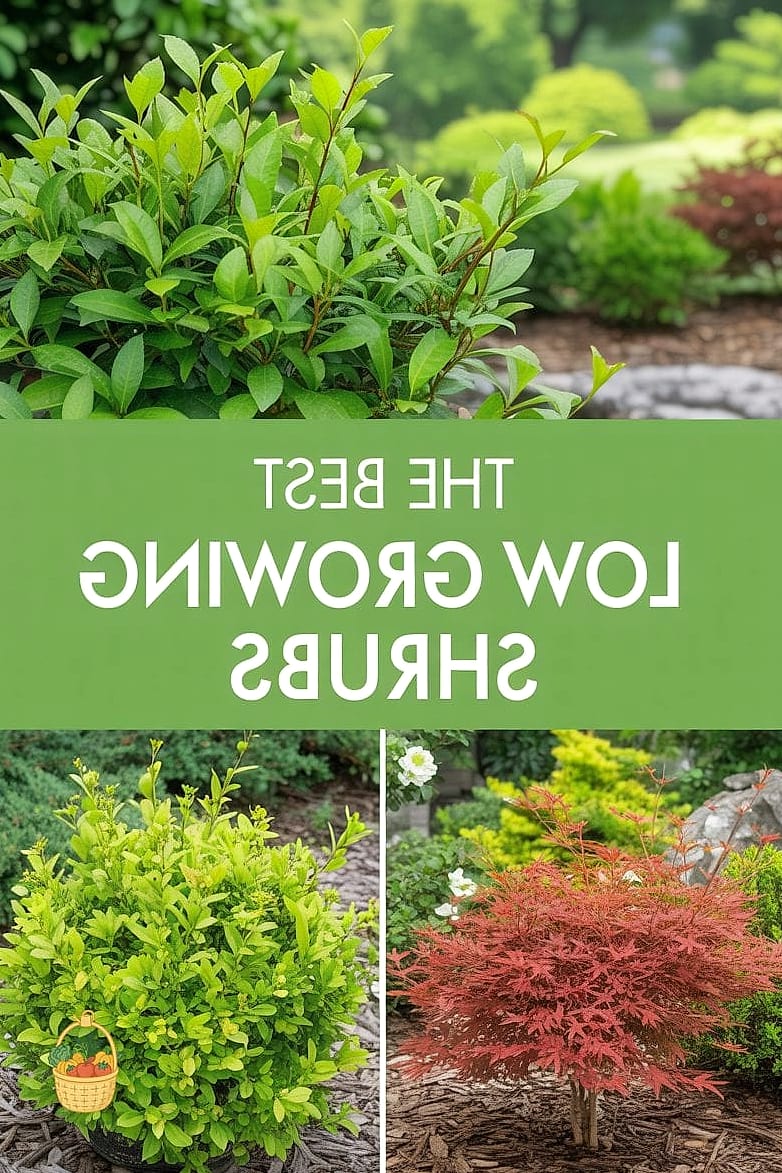
Aphids, spider mites, and bagworms are the usual suspects in foundation plantings. A regular walk-by inspection catches problems early, and often a strong spray of water or insecticidal soap handles minor infestations without reaching for harsher chemicals.
Low growing shrubs for the front of house don’t need to be complicated to get right. Choose plants suited to your actual light and soil conditions, give them a solid start, and let their natural growth habit do the work. A little attention up front pays off in a front yard that looks good in every season, not just the one right after planting.