25 Vegetables You Can Grow in Pots — Perfect for Small Spaces
25 Vegetables You Can Grow in Pots — Perfect for Small Spaces
If your growing space is a balcony, patio, or a sunny windowsill, don’t let that stop you from raising your own food. Vegetable gardening in containers has become one of the most popular ways to grow fresh produce when you don’t have a traditional backyard plot. With the right pot size, decent soil, and a bit of sun, you can grow an impressive amount of food in a surprisingly small footprint.
Below are 25 vegetables that do well in pots, along with what each one needs to thrive. Whether you’re working with a few five-gallon buckets or a proper container garden setup, there’s something here for you.
Tomatoes
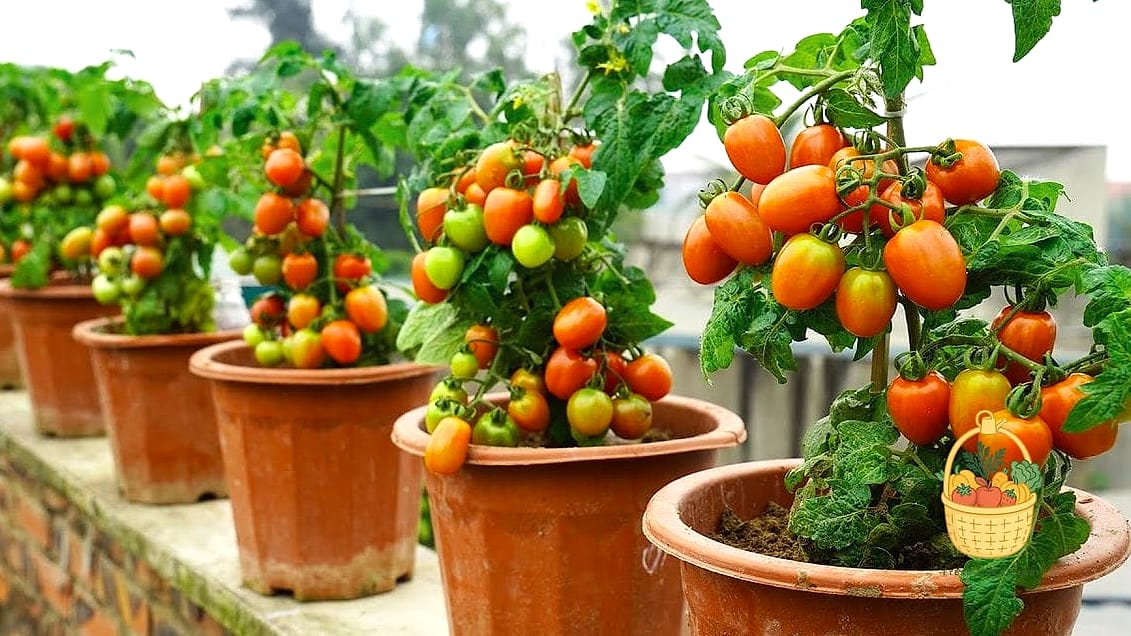
Tomatoes are probably the most popular container vegetable, and for good reason. Determinate or dwarf varieties like Tiny Tim or Patio Princess stay compact and manageable, while indeterminate types need a cage or stake for support.
They want full sun, at least six to eight hours daily, and consistently moist but well-draining soil. A container of five gallons or more works well, and a slow-release fertilizer formulated for tomatoes will keep them fruiting all season. Watch for blossom end rot, which usually means uneven watering rather than a disease.
Peppers
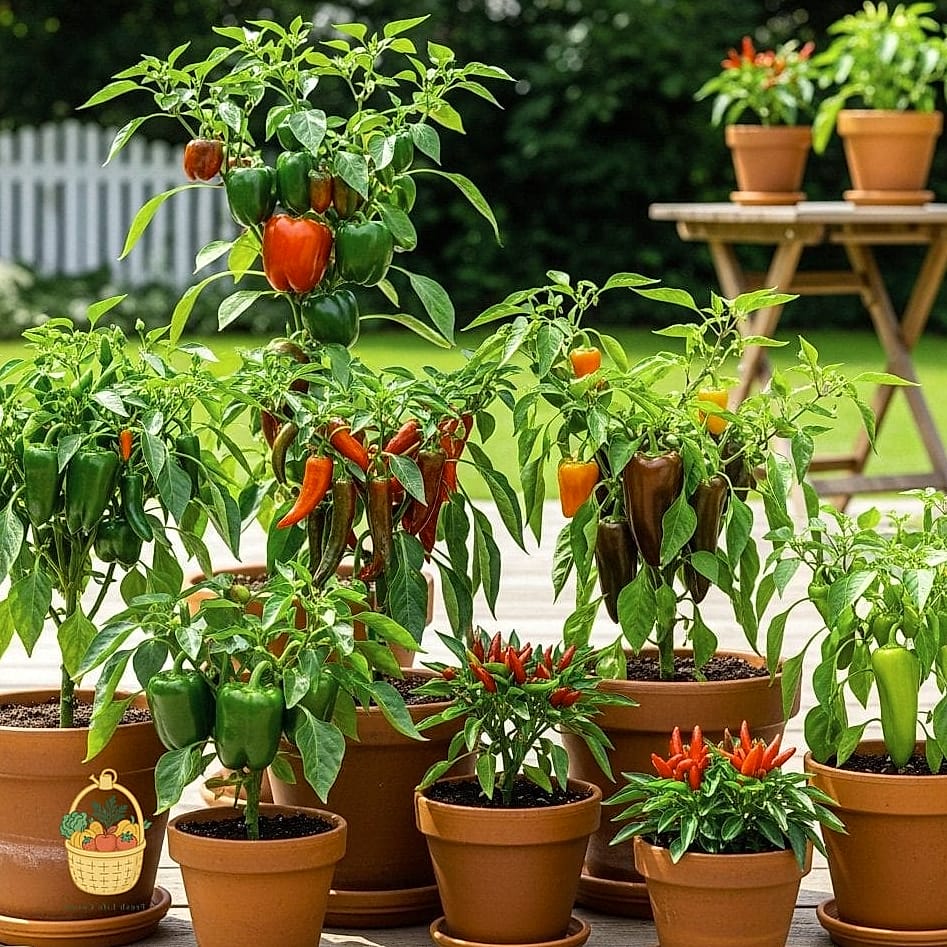
Both sweet and hot peppers adapt beautifully to pots. They’re compact, ornamental, and honestly kind of fun to grow since you get to watch the fruit change color as it ripens.
Give them full sun and a container at least twelve inches deep. Peppers like slightly warm soil, so dark-colored pots can actually help them get going earlier in spring. Feed with a balanced liquid fertilizer every couple of weeks once flowering starts.
Lettuce
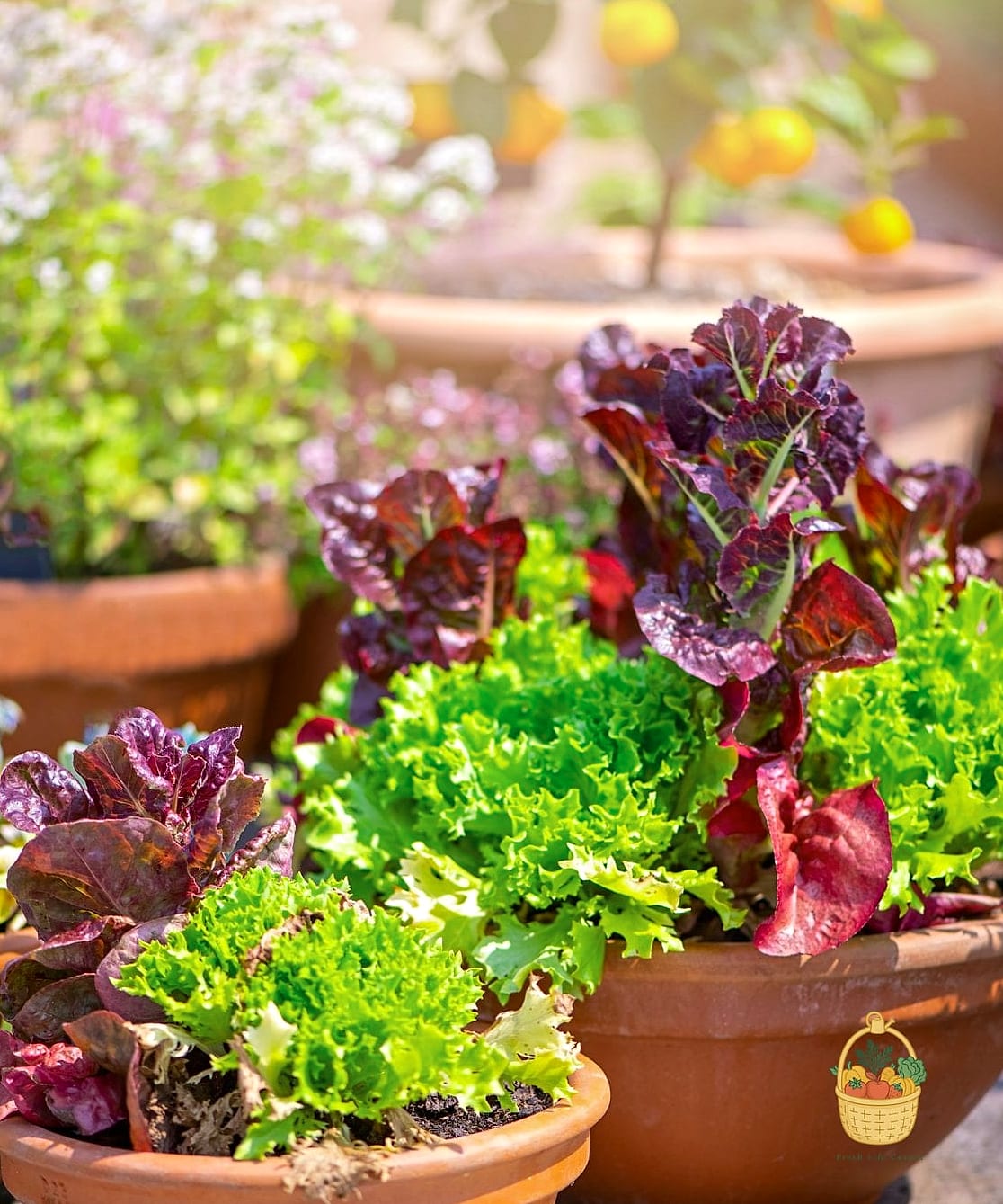
Lettuce is about as beginner-friendly as vegetables get. It’s shallow-rooted, so even a wide, relatively shallow pot works fine, and it grows fast enough that you’ll be harvesting within a month.
It prefers partial shade in hot climates and full sun in cooler ones, since heat makes it bolt and turn bitter. Keep the soil consistently moist. Succession planting a few seeds every couple of weeks keeps a steady supply coming.
Radishes
If you want quick results, radishes are hard to beat — some varieties are ready in as little as three weeks. They’re perfect for filling in gaps in a container garden while slower crops mature.
They like full sun to partial shade and loose, well-draining soil so the roots can swell without obstruction. Consistent watering matters here; irregular moisture leads to woody, overly spicy roots.
Carrots
Carrots need a deeper pot than people expect, especially if you’re growing full-sized varieties. Look for containers at least twelve inches deep, or choose shorter round types like Paris Market if your space is limited.
Full sun and loose, rock-free soil are essential for straight roots. Thin seedlings early so they have room to develop, and keep the soil evenly moist to avoid cracking.
Green Onions (Scallions)
Green onions are almost embarrassingly easy in containers, and you can even regrow them from kitchen scraps by placing the root ends in soil or water.
They tolerate partial shade but do best with several hours of sun. A shallow pot works fine since roots stay compact. Harvest by snipping what you need and letting the rest keep growing.
Cucumbers
Cucumbers grow vigorously, so bush varieties like Bush Champion or Spacemaster are much better suited to pots than sprawling vine types. A trellis still helps keep things tidy even with compact cultivars.
They need full sun, a large container of at least five gallons, and steady watering since inconsistent moisture leads to bitter fruit. Cucumbers are heavy feeders, so a balanced liquid fertilizer every two weeks pays off.
Zucchini
Zucchini plants get big, but dwarf or bush varieties like Astia handle container life reasonably well. Give them the largest pot you can manage, ideally fifteen gallons or more.
Full sun and rich, well-draining soil with plenty of compost mixed in will keep them productive. Zucchini are famous for going from perfect to baseball-bat-sized overnight, so check on them daily once fruiting begins.
Bush Beans
Unlike pole beans, bush beans don’t need staking, which makes them a low-maintenance choice for containers. They’re also nitrogen-fixers, so they actually improve the soil they’re growing in.
Full sun and moderate watering suit them well. A twelve-inch-deep pot gives roots enough room. Beans are usually pretty pest-resistant, though aphids can show up occasionally and are easy to manage with insecticidal soap.
Spinach
Spinach is a cool-season crop that handles partial shade better than most vegetables, making it a solid pick for a container that only gets morning sun.
It grows quickly in rich, moisture-retentive soil and tends to bolt once temperatures climb, so spring and fall are the best windows in most climates. Harvest outer leaves first and let the center keep producing.
Kale
Kale is tough, cold-tolerant, and honestly gets sweeter after a light frost, which is a neat trick most vegetables can’t pull off. It’s a great choice for extending your container garden into fall.
Full sun to partial shade works, along with rich, well-draining soil. It’s a fairly heavy feeder, so compost or a balanced fertilizer every few weeks keeps leaves lush rather than tough.
Swiss Chard
Chard is one of those vegetables that’s as pretty as it is productive — the rainbow varieties look genuinely striking in a decorative pot on a patio.
It tolerates partial shade, prefers consistently moist soil, and keeps producing for months if you harvest outer leaves rather than cutting the whole plant. It’s slow to bolt compared to spinach, which makes it more forgiving in warm weather.
Beets
Beets give you two vegetables in one, since the greens are edible right alongside the roots. They need a container at least ten inches deep with loose soil free of rocks and clumps.
Full sun and even moisture produce the best-shaped roots. Thin seedlings to about three inches apart so the bulbs have room to size up properly.
Peas
Peas actually prefer cooler weather, so they’re a great early spring or fall crop for containers. Dwarf varieties like Tom Thumb stay compact enough for a window box.
They like full sun, well-draining soil, and a small trellis or stakes for the vines to climb. Peas fix their own nitrogen, so go light on fertilizer — too much nitrogen gives you lush leaves and disappointing pods.
Eggplant
Eggplant loves heat more than almost anything else on this list, and it rewards a long, warm growing season with glossy, dramatic-looking fruit. Compact varieties like Fairy Tale are especially well suited to pots.
Give it full sun, a container of at least five gallons, and rich, well-draining soil. Consistent watering and monthly feeding with a balanced fertilizer keep production steady through summer.
Arugula
Arugula grows fast and has a peppery bite that gets more intense as the weather warms, so it’s best grown in the cooler parts of the season if you want milder flavor.
It handles partial shade, needs only a shallow container, and can be harvested repeatedly by cutting leaves and letting the plant regrow. It’s about as low-effort as leafy greens come.
Bok Choy
Bok choy is compact, quick-growing, and does well in the same conditions as most Asian greens. Baby varieties are especially well suited to smaller pots.
It prefers full sun to partial shade and rich, evenly moist soil. Like other brassicas, it can bolt in heat, so it’s best planted in spring or fall in most climates.
Green Beans (Pole Type)
If you have vertical space, pole beans make excellent use of it, climbing a trellis or stakes instead of sprawling outward like bush types do.
They want full sun, a deep container of at least twelve inches, and regular watering. Once they start producing, check plants every couple of days, since beans left too long on the vine get tough and stringy.
Broccoli
Broccoli takes a bit more patience than some vegetables here, but a single large container can still give you a respectable head plus smaller side shoots afterward.
It needs full sun, deep and fertile soil, and consistent moisture, since drought stress can trigger premature flowering. A slow-release fertilizer at planting time supports the long growing period broccoli requires.
Cauliflower
Cauliflower is a bit fussier than its cousin broccoli, preferring steady cool temperatures and consistent watering to form a tight, well-formed head.
It needs a deep pot, full sun, and rich soil amended with compost. Some gardeners tie the outer leaves over the developing head to keep it pale, a technique called blanching, though self-blanching varieties skip that step.
Turnips
Turnips are fast, forgiving, and give you edible greens along with the root, similar to beets. They’re a nice option if you want quick results without much fuss.
Full sun to partial shade and loose, well-draining soil suit them best. Keep moisture consistent for smooth roots, and thin seedlings early so they aren’t competing for space.
Celery
Celery has a reputation for being difficult, but in a container with rich, constantly moist soil, it’s more manageable than people expect. It’s a heavy drinker, so don’t let the pot dry out.
Give it full sun to partial shade and a deep container, since the root system runs deeper than the stalks suggest. Regular feeding with a balanced liquid fertilizer keeps the stalks from turning stringy.
Garlic
Garlic is a long-season crop, often planted in fall and harvested the following summer, but it takes up very little space the whole time it’s growing, making it an efficient container choice.
It needs full sun and well-draining soil, and it’s genuinely low-maintenance once planted. Reduce watering as the tops start to yellow and fall over, which signals the bulbs are ready.
Potatoes
Potatoes might be the most satisfying container vegetable simply because of the harvest reveal — tipping over a grow bag to find a pile of tubers never really gets old.
Use a deep container or fabric grow bag, add soil gradually as the plant grows (a technique called hilling), and give it full sun. Consistent watering matters most during tuber formation, roughly midseason.
Okra
Okra loves heat and doesn’t mind being a little neglected, which makes it a good match for gardeners in warm climates who want something forgiving during peak summer.
Full sun and a container of at least five gallons work well, along with well-draining soil. Harvest pods when they’re small and tender, since larger ones turn woody fast.
Growing vegetables in pots isn’t a compromise so much as a different way of gardening — one that gives you more control over soil quality, sun exposure, and pest problems than an in-ground bed often allows. Start with a few vegetables that match your climate and sunlight, use quality potting mix rather than garden soil, and keep an eye on watering, since containers dry out faster than the ground. However much space you’re working with, there’s a version of a container vegetable garden that fits it.