20 Stunning Container Hydrangeas Every Gardener Needs to Know About
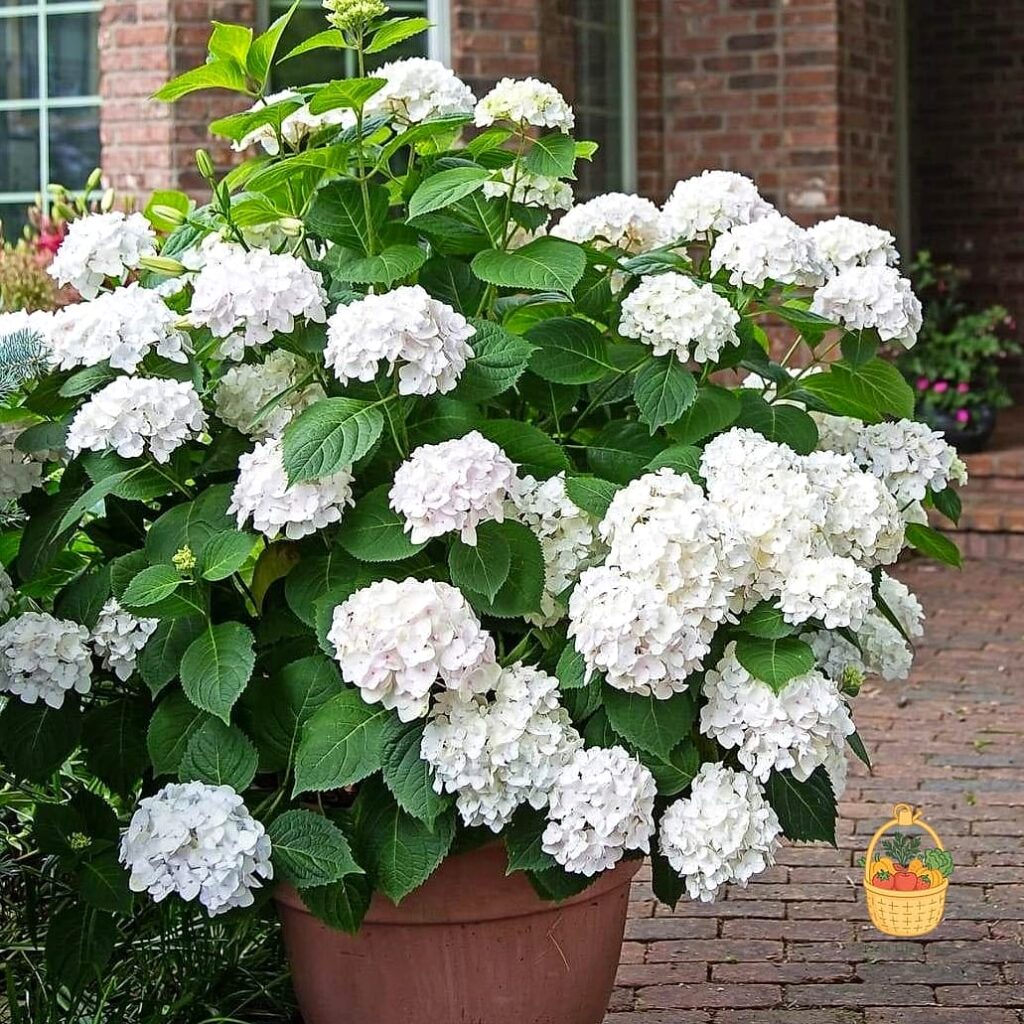
20 Stunning Container Hydrangeas Every Gardener Needs to Know About
If you’ve ever stood in a garden center staring at a wall of hydrangeas wondering which one won’t die in your patio pot within a month, you’re in good company. Container growing changes the rules a bit compared to planting hydrangeas straight in the ground, and picking the right variety makes all the difference between a thriving showpiece and a sad, crispy stick by August.
The good news is that hydrangeas are surprisingly well-suited to pots when you match the variety to your space and light conditions. Some stay compact and tidy for years. Others get big fast and need a serious container to match their ambitions. Below are twenty varieties worth knowing about, whether you’re working with a shady balcony or a sunny patio that could use a little drama.
Endless Summer
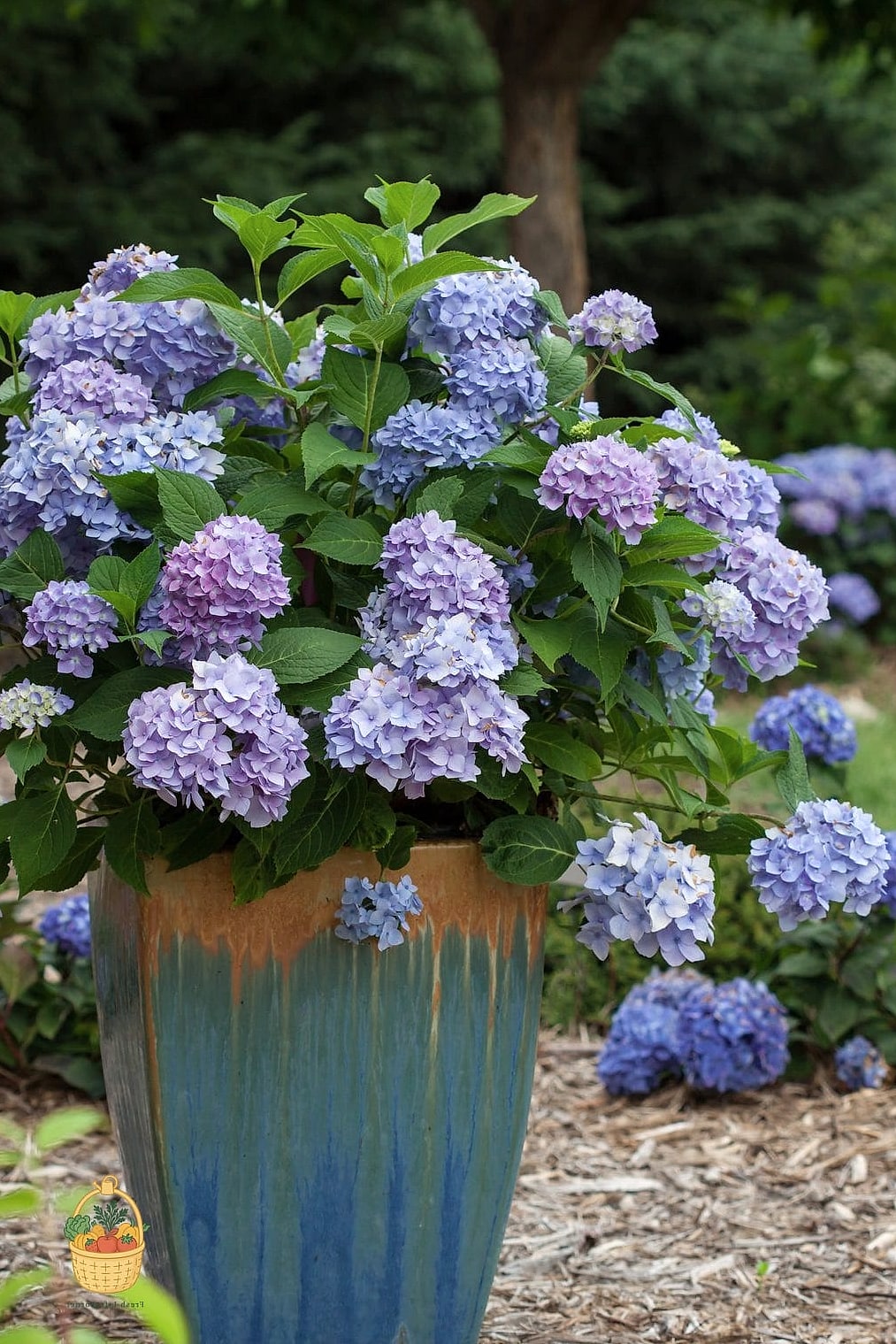
This one basically started the whole “hydrangeas in containers” trend, and for good reason. Endless Summer blooms on both old and new wood, so even if a late frost nips the buds, you’ll still get flowers later in the season. It prefers partial shade, consistently moist but well-draining soil, and does well in zones 4 through 9. The blooms shift from blue to pink depending on soil pH, which is a fun little science experiment for anyone who enjoys tinkering with their container mix.
Little Lime
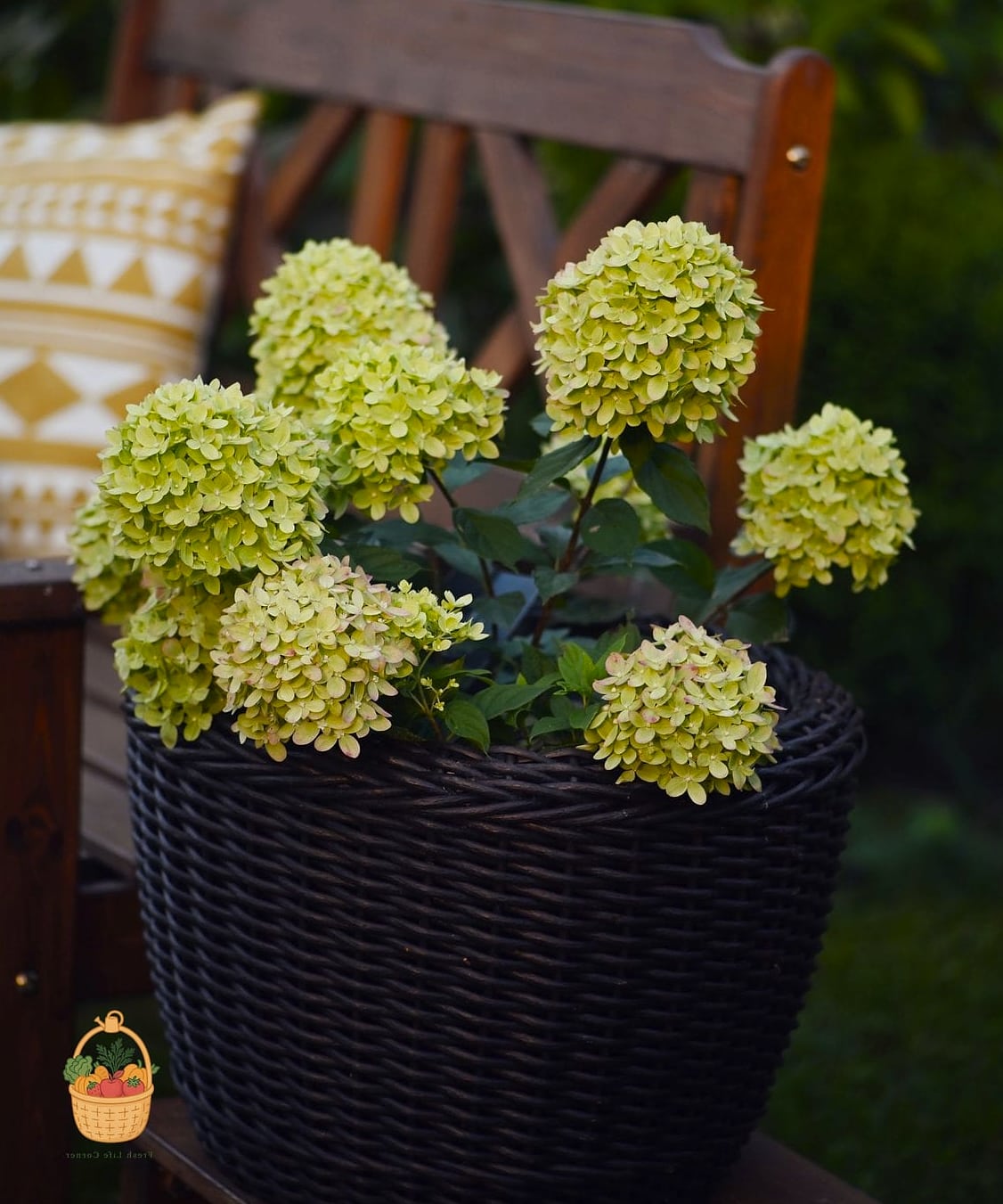
A dwarf version of the ever-popular Limelight, Little Lime tops out around three to five feet, making it far more container-friendly than its parent plant. The cone-shaped blooms start lime green, fade to pink and burgundy in fall, and hold up beautifully as cut flowers. It handles more sun than most hydrangeas, tolerates zones 3 through 8, and grows at a moderate pace. Deer tend to leave it alone, which is a nice bonus if your patio backs up to a wooded area.
Bobo
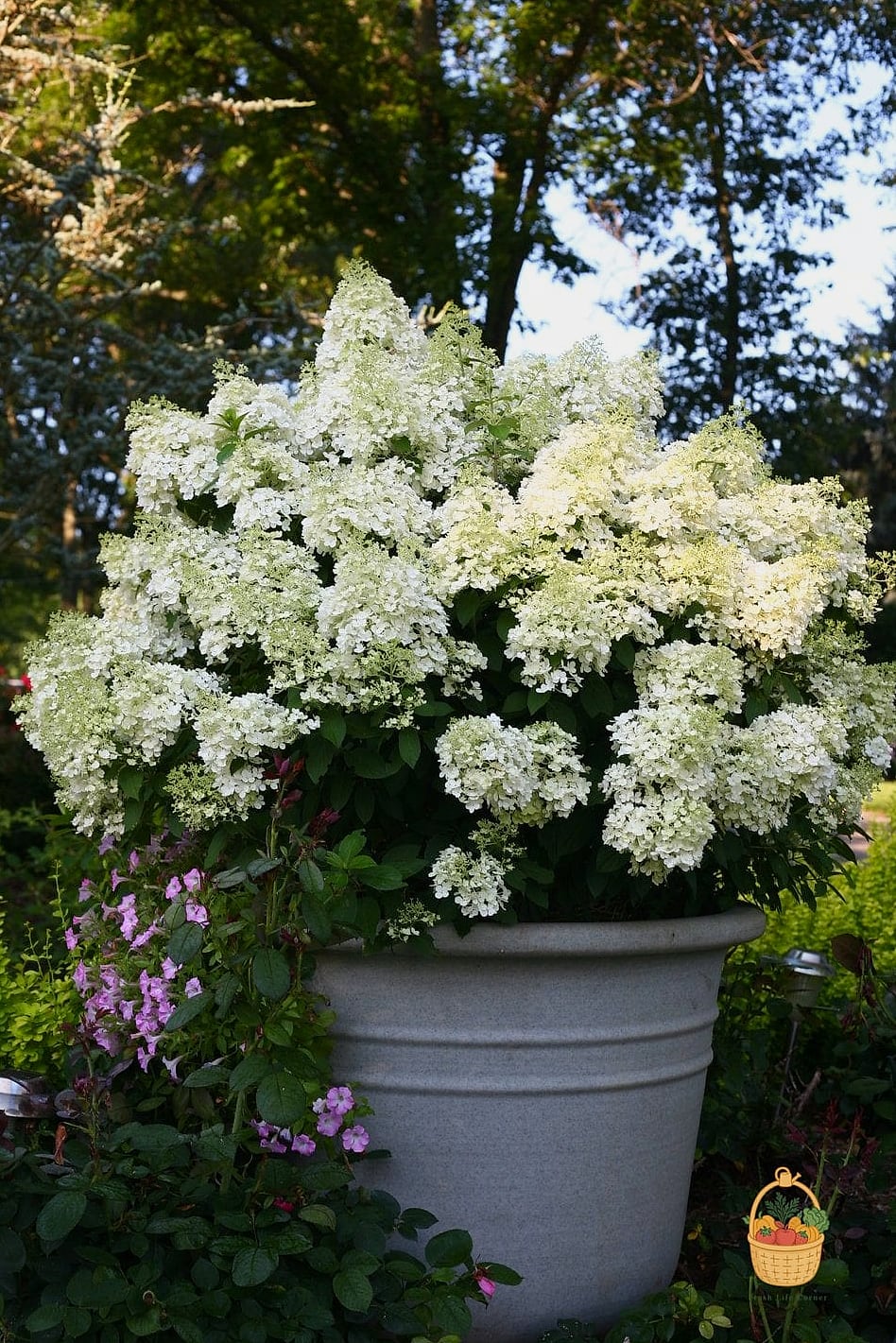
Bobo is proof that you don’t need a huge shrub to get huge blooms. This compact panicle hydrangea stays under three feet tall but produces flower heads so large they sometimes flop the branches over, which honestly just adds to the charm. It’s fast-growing for its size, thrives in full sun to partial shade, and works well in zones 3 through 8. Great for smaller pots on a front step or entryway.
Pistachio
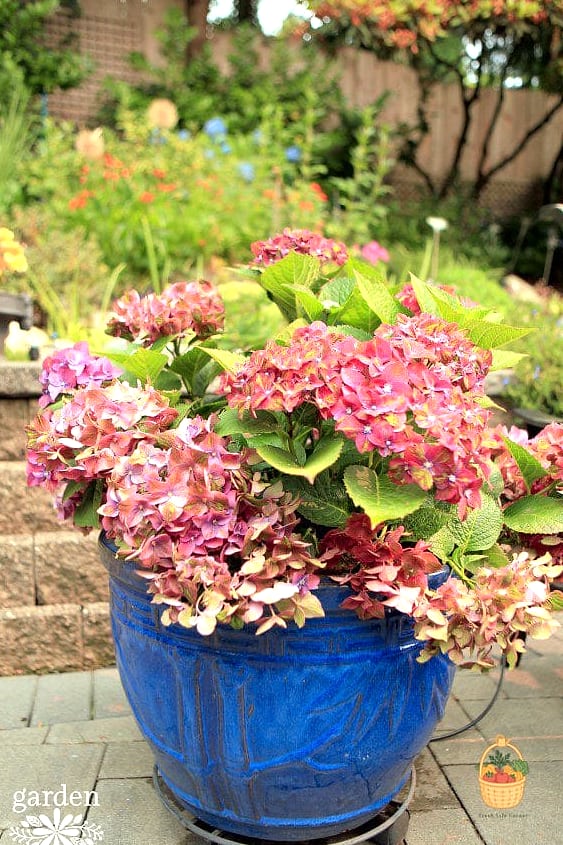
Named for its unusual green-and-pink bicolor blooms, Pistachio brings a slightly funky, unexpected look to container displays. It’s a mophead type, so it prefers partial shade and steady moisture, and it does best in zones 5 through 9. This is one for gardeners who want something a little different from the classic blue or pink hydrangea look everyone else has.
Cityline Paris
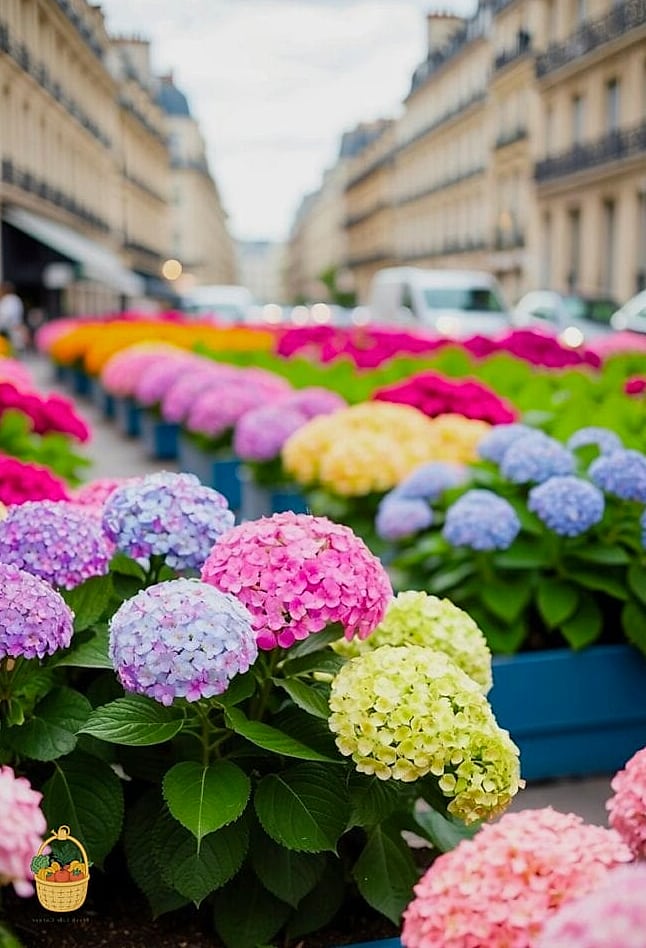
Bred specifically with small spaces in mind, Cityline Paris stays compact at around two to three feet, making it one of the better choices for a balcony or tight patio corner. The deep rose-red blooms are dramatic without overwhelming a small container. It likes partial shade, rich well-draining soil, and suits zones 6 through 9. Slow and steady growth means less repotting hassle over the years.
Tuff Stuff
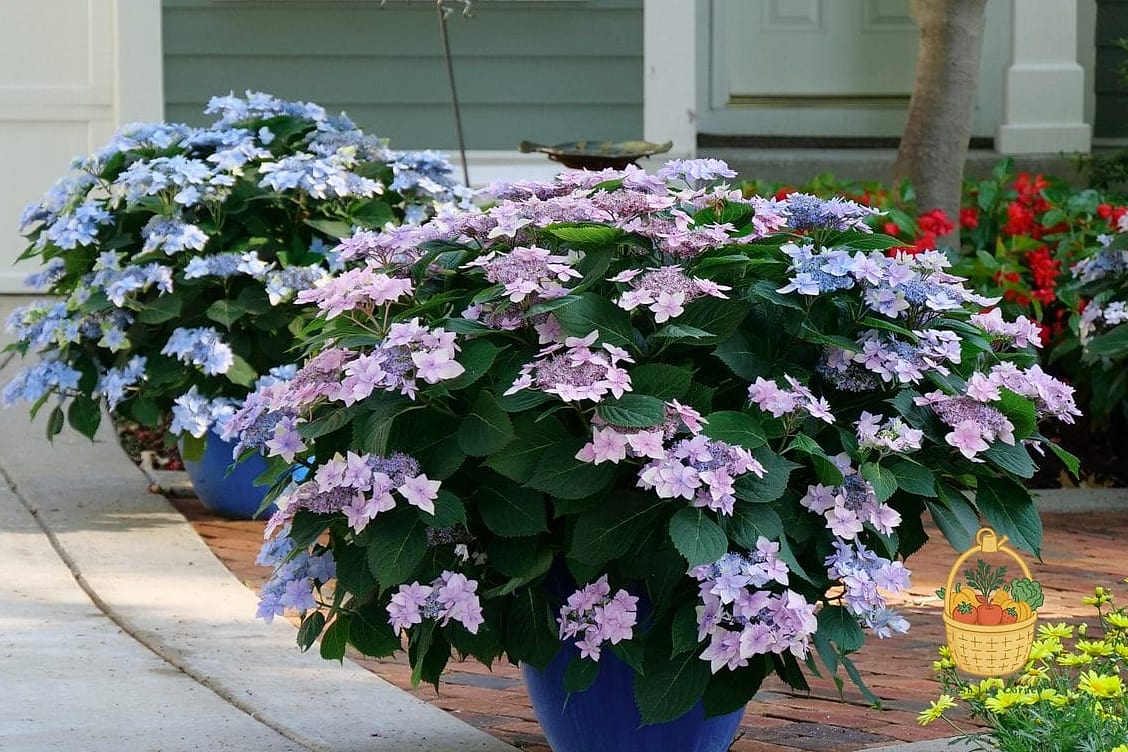
This reblooming mountain hydrangea has lacecap-style flowers that give it a softer, more delicate look compared to the classic mophead varieties. Tuff Stuff is more sun-tolerant and a bit more drought-resistant once established, which makes it forgiving for gardeners who occasionally forget a watering day. It grows well in zones 5 through 9 and stays a manageable three feet tall.
Vanilla Strawberry
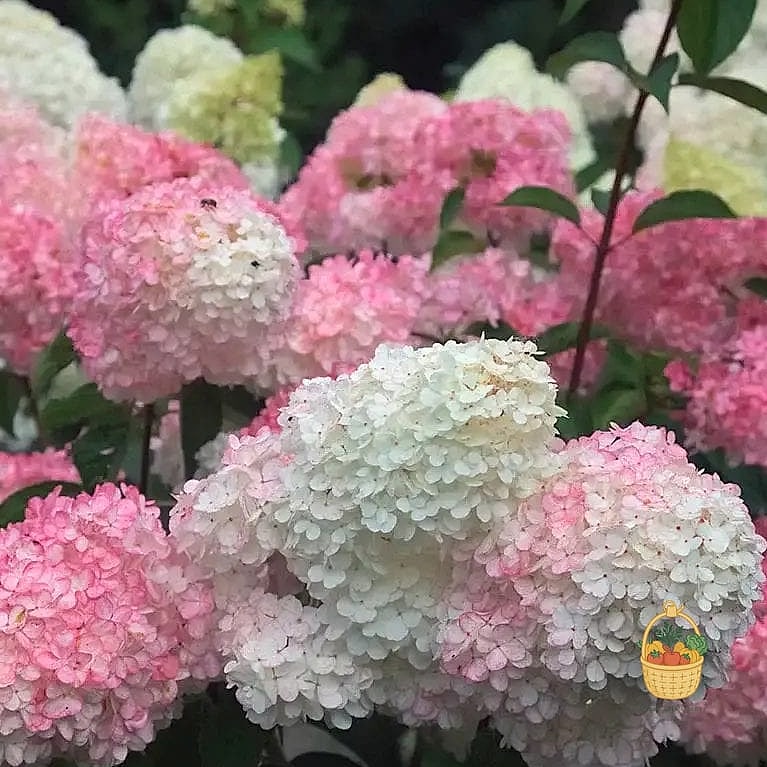
If you want a showstopper, this is it. Vanilla Strawberry’s massive panicle blooms open white, then blush to pink and eventually deepen to strawberry-red as the season goes on, often showing all three colors on the same plant at once. It needs a sturdy, large container since it can reach six feet, plus full sun to partial shade and zones 4 through 8. This one’s a slower grower but worth the patience.
Nikko Blue
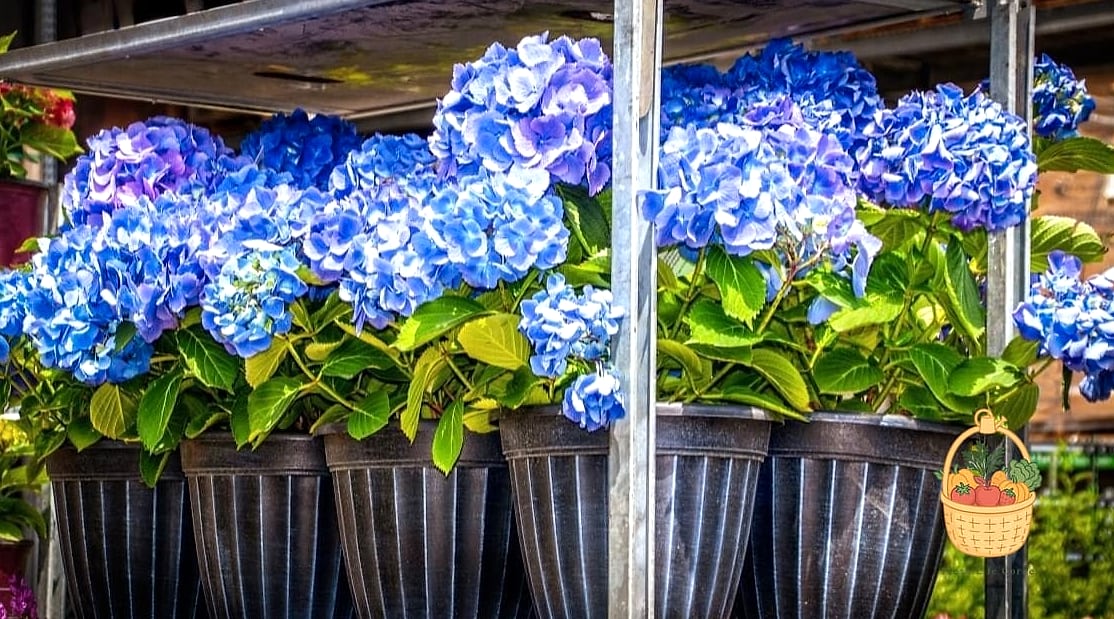
A classic mophead that’s been a garden favorite for decades, Nikko Blue produces those big, rounded, true-blue flower clusters everyone pictures when they think “hydrangea.” It needs acidic soil to keep that blue color true — alkaline soil will push it toward pink or purple. Partial shade, consistent moisture, and zones 6 through 9 suit it best. It’s a moderate grower and a lovely choice if you want that traditional cottage-garden feel on a patio.
Fire Light
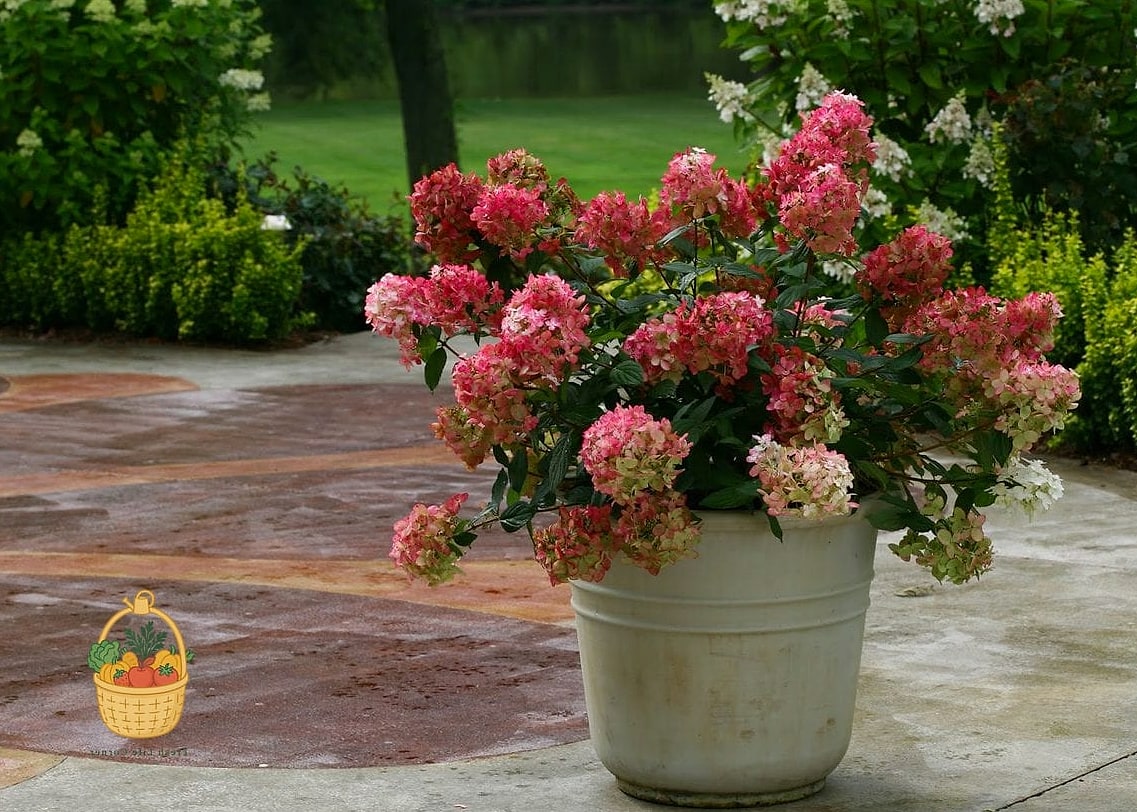
Fire Light is a panicle type bred for strong stems that don’t flop, even when loaded with blooms — a genuinely useful trait in a windy container spot. The white flowers age to a rich red in fall, giving it great seasonal interest. It tolerates full sun better than most hydrangeas and does well in zones 3 through 8. Fast growing and fairly low-maintenance once established.
Let’s Dance Rhapsody Blue
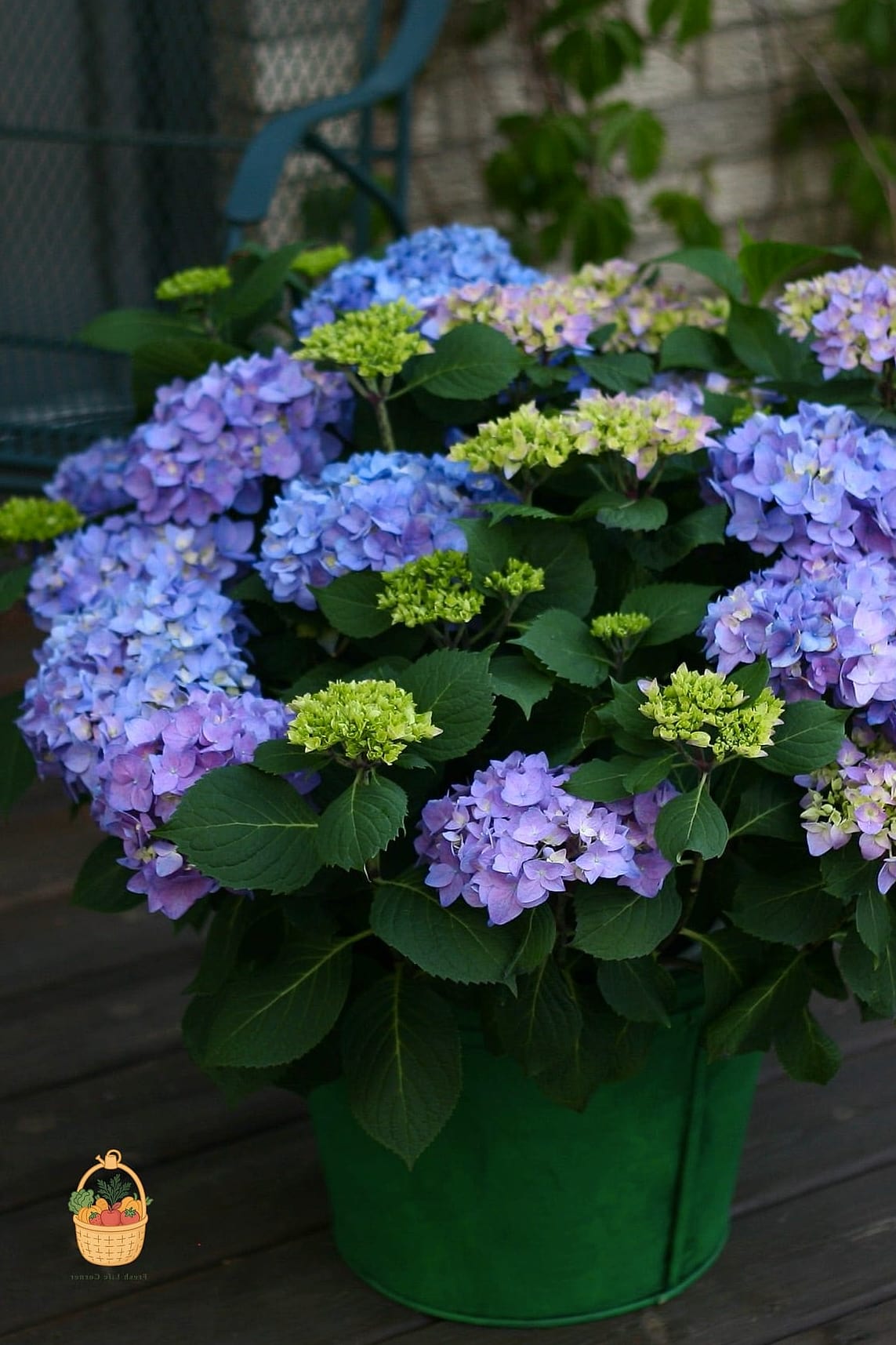
A reblooming mophead that keeps producing flowers through summer instead of just one big spring flush, this variety is ideal for anyone who wants a longer season of color from a single pot. It prefers partial shade, moist well-draining soil, and thrives in zones 4 through 9. Compact size makes it a solid pick for smaller containers on a shaded porch.
Zinfinity Blue
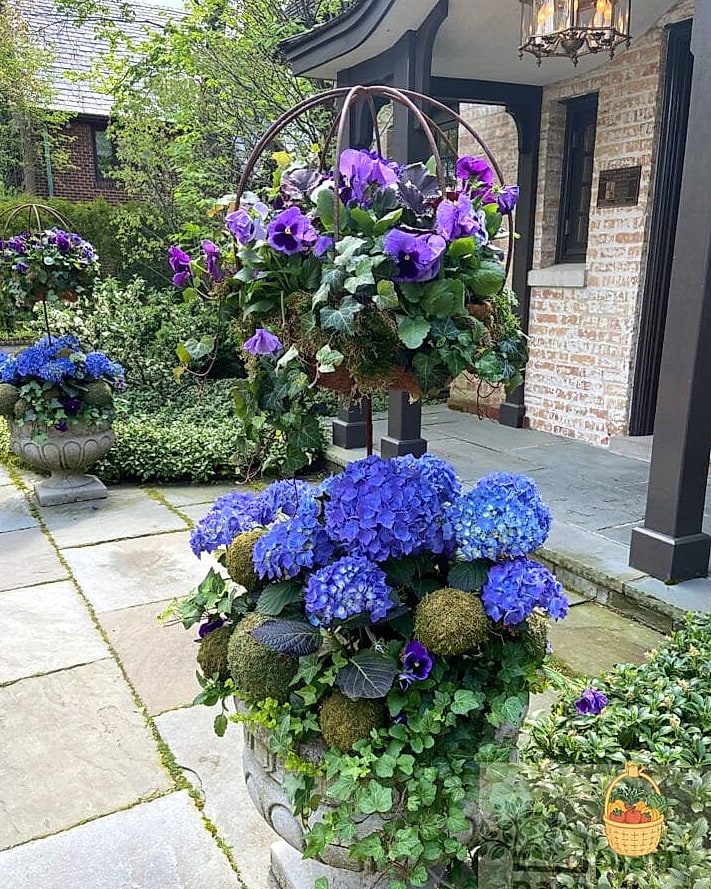
Grown almost as much for its dried-flower potential as its fresh blooms, Zinfinity Blue holds its color and shape remarkably well even as it fades late in the season, which makes it popular with people who like to cut and dry their own hydrangea bouquets. It does well in partial shade, zones 4 through 9, and stays a manageable size for patio pots.
Quick Fire
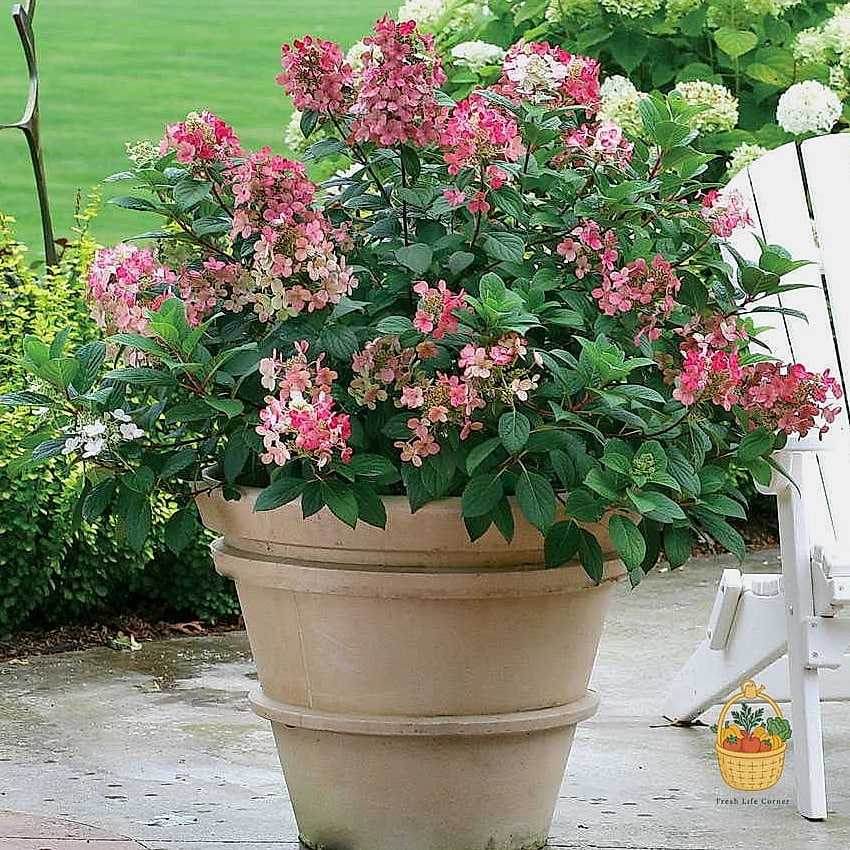
True to its name, Quick Fire blooms about a month earlier than most panicle hydrangeas, giving you color before the summer rush even starts. It handles full sun well, adapts to a range of soil types as long as drainage is decent, and suits zones 3 through 8. It’s a fast grower, so plan for a container with room to spare or expect to size up within a few seasons.
Mini Penny
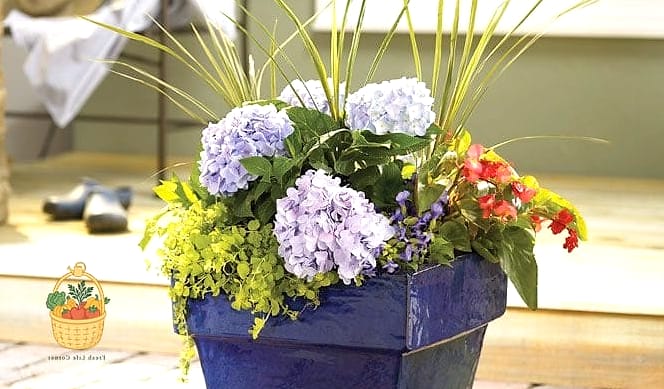
A dwarf reblooming mophead bred to stay compact, Mini Penny is one of the better choices if you’re working with a genuinely small space, like a windowsill-adjacent balcony pot. It produces pink or blue blooms depending on soil pH, prefers partial shade, and grows well in zones 5 through 9. Slow growth means it won’t outgrow its pot as quickly as some other varieties.
Limelight
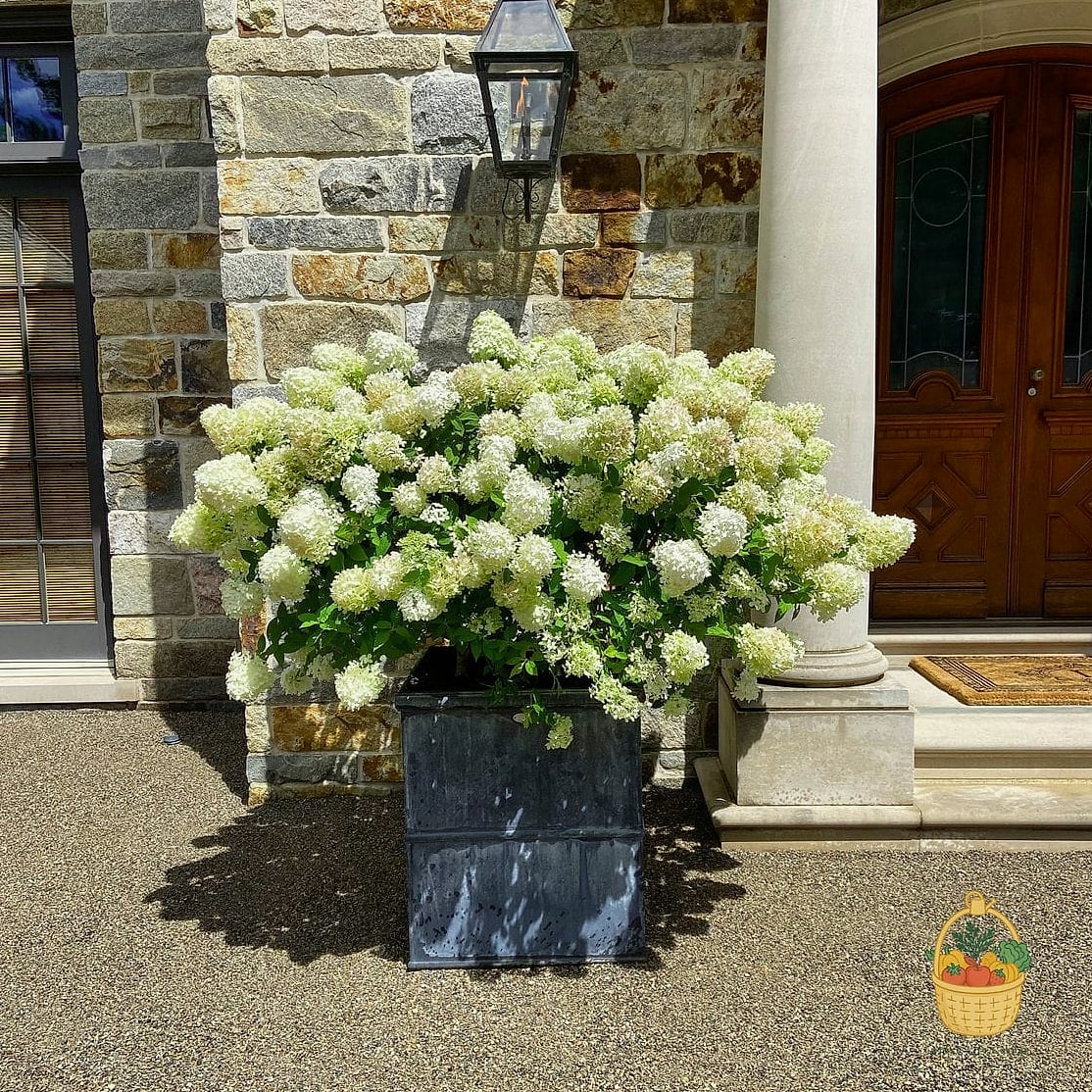
The bigger sibling to Little Lime, full-size Limelight can reach six to eight feet, so it needs a substantial container and probably isn’t the right pick for a tiny balcony. But if you have the space, the enormous chartreuse-to-pink cone blooms are genuinely striking as a specimen plant. It handles full sun well and suits zones 3 through 8.
Twist-n-Shout
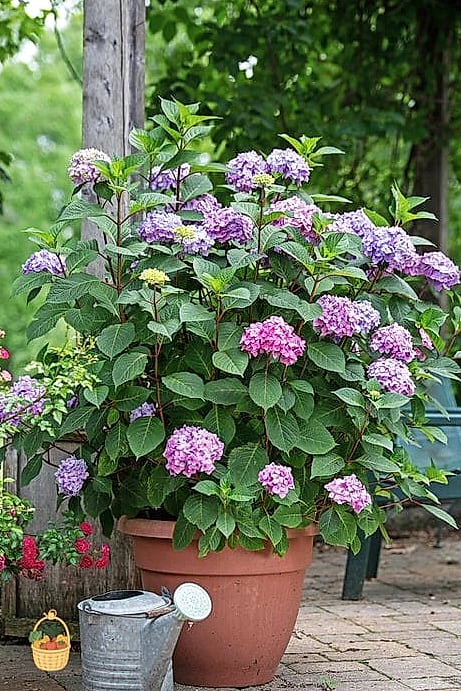
Another reblooming lacecap type, Twist-n-Shout has flat, delicate flower clusters surrounded by showy sterile florets, giving it a lighter, airier look than a full mophead. Its fall foliage color is an underrated bonus, turning burgundy as temperatures drop. It likes partial shade, consistent moisture, and thrives in zones 4 through 9.
Blushing Bride
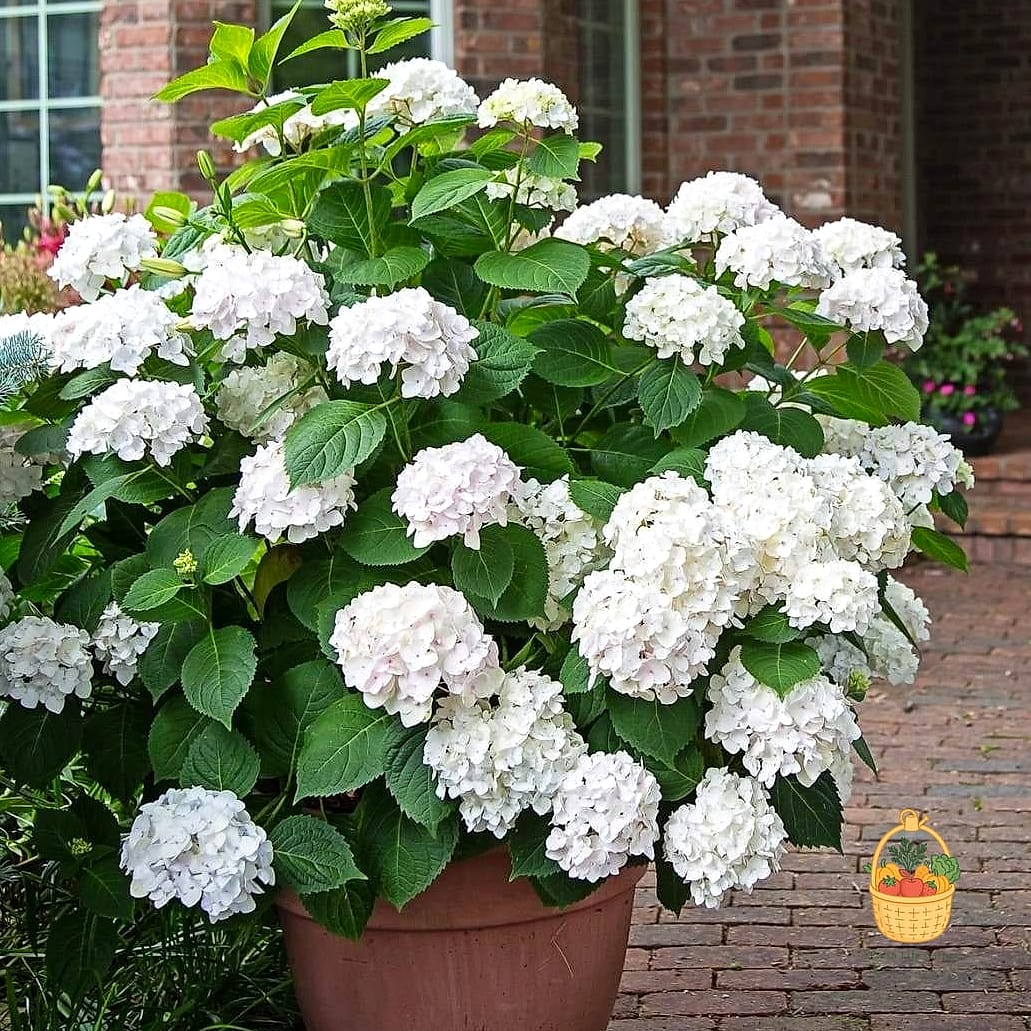
Part of the Endless Summer series, Blushing Bride opens white and slowly blushes pink as it matures, giving you a soft, romantic color palette that pairs beautifully on a shaded porch. It reblooms on both old and new wood, tolerates partial shade, and works in zones 4 through 9. A great choice for anyone drawn to a softer color story than the bold blues and pinks.
Little Quick Fire
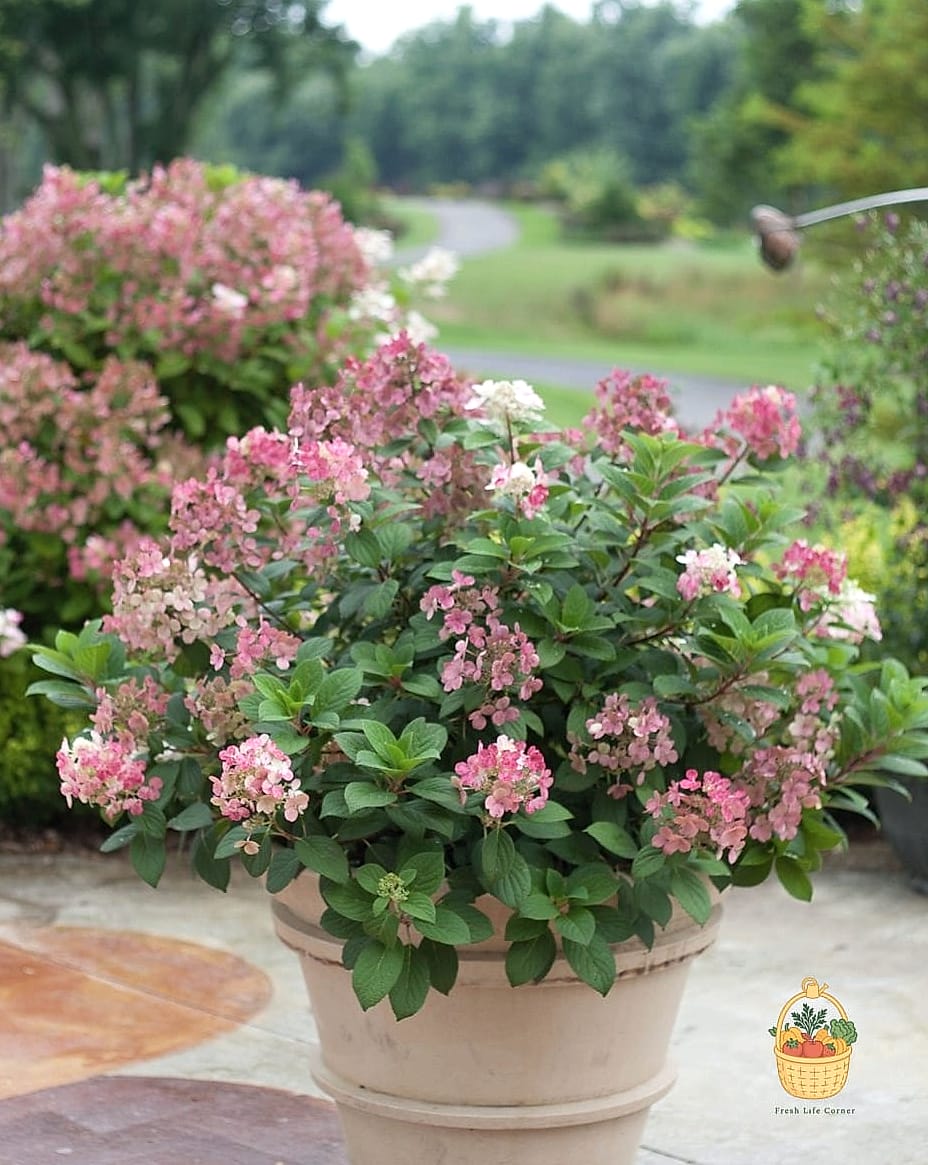
A dwarf version of Quick Fire, this variety blooms early and stays compact at around three to five feet, making it a genuinely practical panicle option for containers. It tolerates full sun better than most, adapts to average soil, and suits zones 3 through 8. Fast growing but not so fast that it becomes unmanageable in a pot.
Glowing Embers
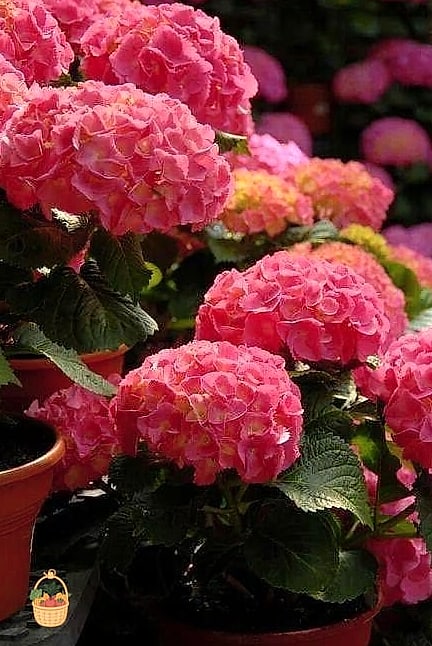
This one deserves more attention than it gets. Glowing Embers produces rich rosy-red mophead blooms and holds its color well even in less-than-ideal soil pH, which takes some of the guesswork out of color management. It prefers partial shade, moist well-draining soil, and does well in zones 5 through 9.
Preziosa
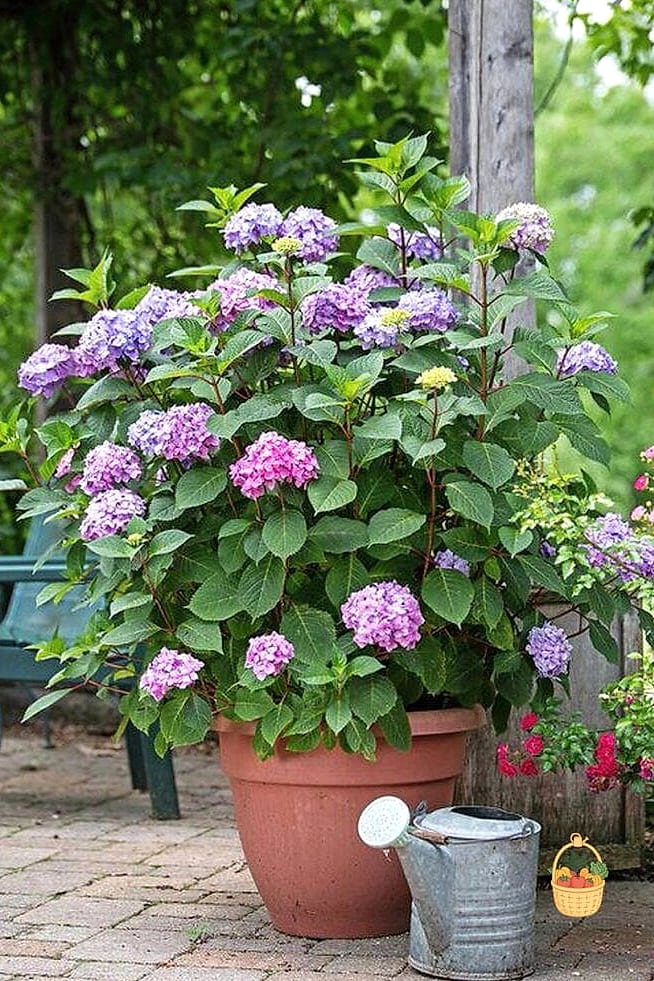
A mophead-mountain hybrid, Preziosa starts with pale pink or white blooms that deepen to a rich rose-red as the season progresses, almost like the flowers are aging in reverse of what you’d expect. It’s more heat and sun tolerant than many mopheads, grows in zones 5 through 9, and stays a compact, tidy size that suits mid-size pots.
Invincibelle Spirit
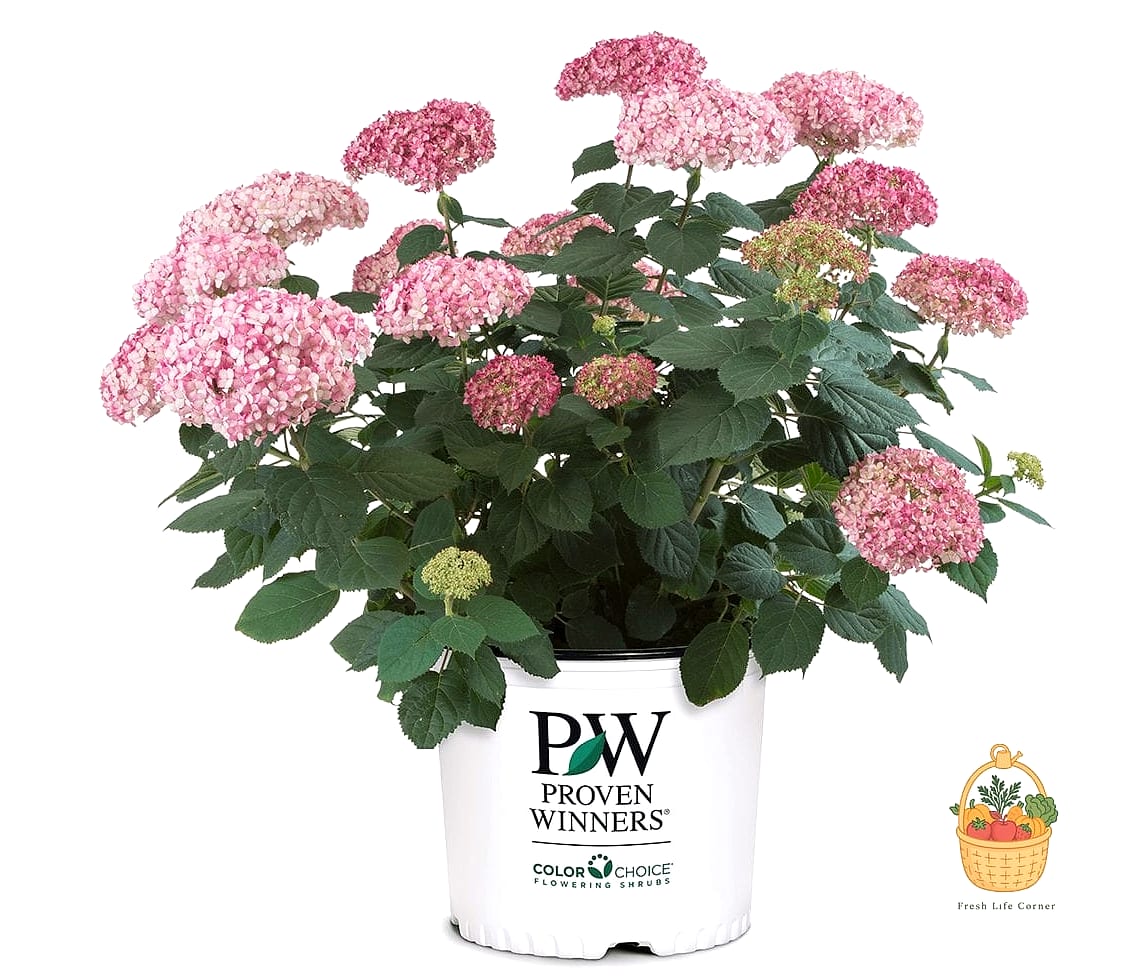
A smooth hydrangea (arborescens type) rather than the more common bigleaf varieties, Invincibelle Spirit produces rounded pink blooms on sturdy stems and blooms reliably on new wood, so a hard pruning in late winter won’t cost you flowers. It’s notably cold-hardy down to zone 3, handles a bit more sun than most, and is a solid choice for gardeners in colder climates who assumed hydrangeas were off the table for containers.
Whichever of these twenty container hydrangeas you end up trying, a few basics carry across nearly all of them: use a pot with real drainage holes, refresh the top few inches of soil each spring, and keep an eye out for aphids or spider mites, especially on plants tucked into sheltered corners with less airflow. A slow-release fertilizer in spring and a mulch layer to retain moisture will carry most of these varieties through a full season without much fuss. Once you find the right match for your light and space, container hydrangeas have a way of becoming the plant you end up bragging about to every neighbor who walks by.