26 Whats Not Plant Together That Are Going Viral on Pinterest
- Tomatoes and Corn
- Tomatoes and Potatoes
- Beans and Onions
- Cucumbers and Aromatic Herbs
- Peppers and Fennel
- Carrots and Dill
- Strawberries and Cabbage
- Asparagus and Onions
- Rosemary and Basil
- Mint and Literally Everything
- Sunflowers and Potatoes
- Lavender and Hostas
- Broccoli and Tomatoes
- Squash and Potatoes
- Roses and Boxwood
- Eggplant and Fennel
- Blueberries and Vegetables in Regular Garden Soil
- Dill and Tomatoes
- Garlic and Peas
- Zucchini and Pumpkins in Small Spaces
- Chamomile and Full Sun Perennials
- Walnut Trees and Nearly Every Vegetable
- Basil and Rue
- Lettuce and Broccoli
- Peonies and Aggressive Groundcovers
- Elderberry and Grapes
26 Whats Not Plant Together That Are Going Viral on Pinterest
Pinterest has turned into a goldmine for garden hacks, and lately the pins getting saved like crazy are all about plant combinations to avoid. Turns out, not every pretty pairing works out in the soil the way it looks in a mood board. Some plants compete for nutrients, some release chemicals that stunt their neighbors, and some just attract the wrong bugs when placed side by side.
I’ve been gardening long enough to have made most of these mistakes myself, so consider this list a shortcut past the trial and error. Here are 26 plant combinations that keep going viral because gardeners are finally talking about what NOT to plant together.
Tomatoes and Corn
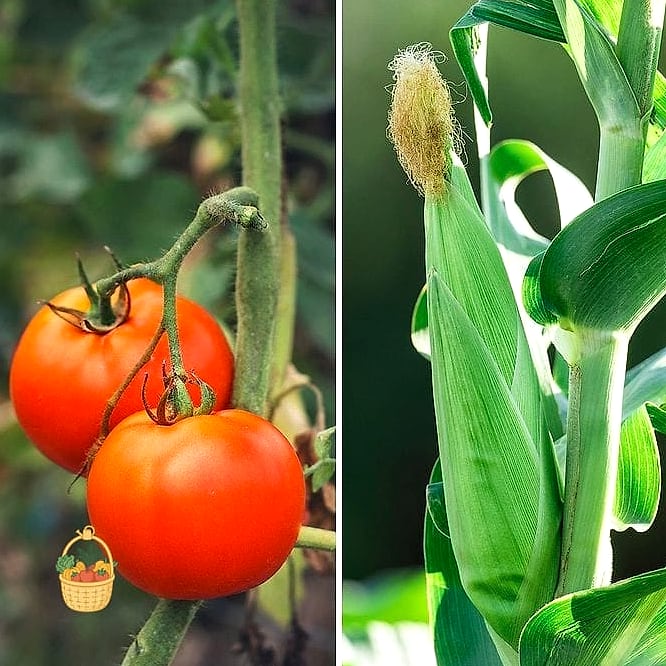
Both of these are heavy feeders, and worse, they attract the same pest — the corn earworm, which doubles as the tomato fruitworm. Planting them side by side in a raised bed or backyard plot is basically rolling out a welcome mat for infestations. Give your tomatoes their own sunny spot with well-draining soil and keep the corn several rows away.
Tomatoes and Potatoes
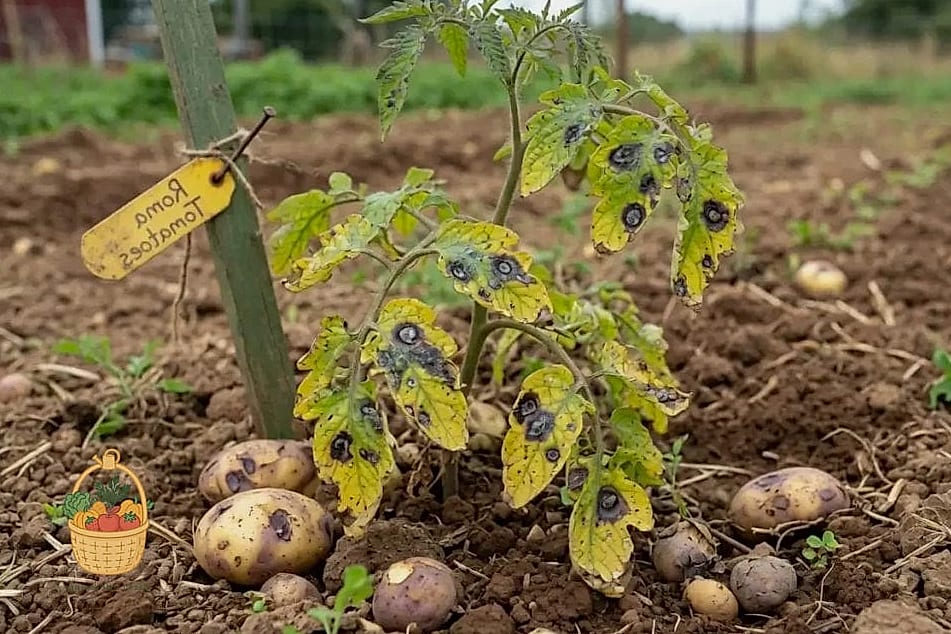
These two are both in the nightshade family, which means they’re vulnerable to the same blights. If one gets late blight, the other is next. I learned this the hard way after losing an entire potato patch because it was too close to a struggling tomato row. Rotate them into separate beds instead.
Beans and Onions
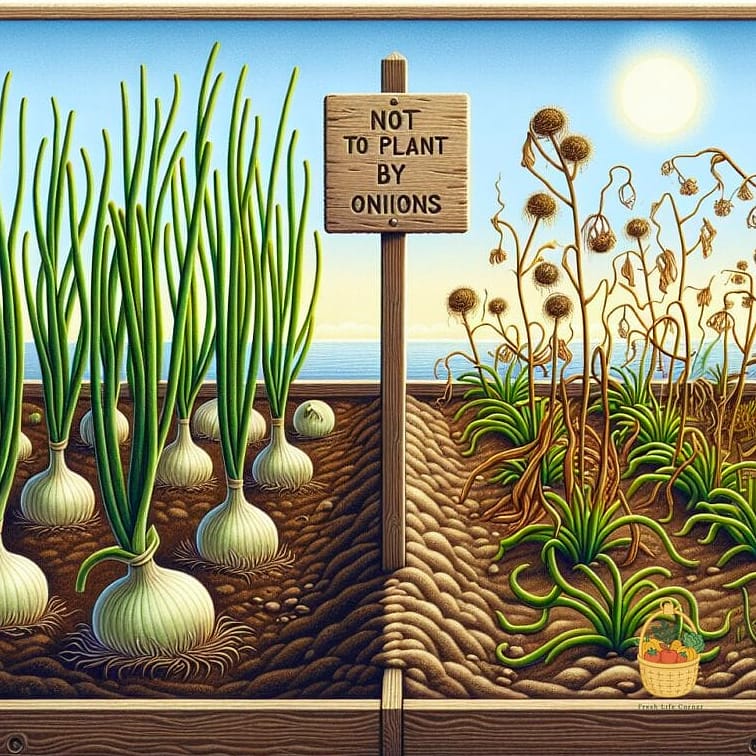
Beans rely on nitrogen-fixing bacteria in their root systems, and onions (along with garlic and leeks) actually suppress that bacterial activity. The result is stunted, underwhelming bean plants. Keep your alliums in their own bed and let your beans do their nitrogen magic elsewhere.
Cucumbers and Aromatic Herbs
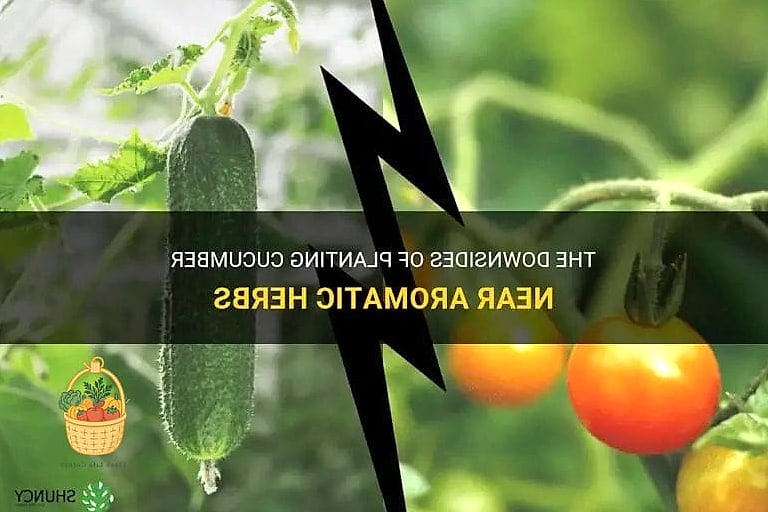
Sage, basil in large quantities, and other strong aromatic herbs can stunt cucumber growth. Cucumbers are sensitive to strong-smelling companions more than people expect. Pair cucumbers with corn or beans instead if you want a friendlier trellis situation.
Peppers and Fennel
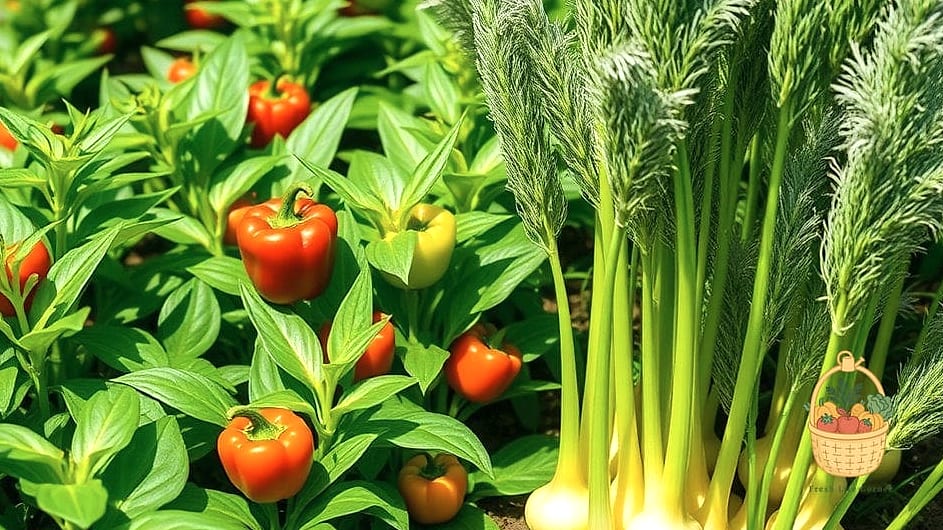
Fennel is a bit of a garden loner — it releases compounds into the soil that inhibit the growth of most vegetables, peppers included. It’s gorgeous with its feathery foliage, which is exactly why it keeps showing up in aesthetic garden layouts on Pinterest, but it really needs its own container or isolated bed.
Carrots and Dill
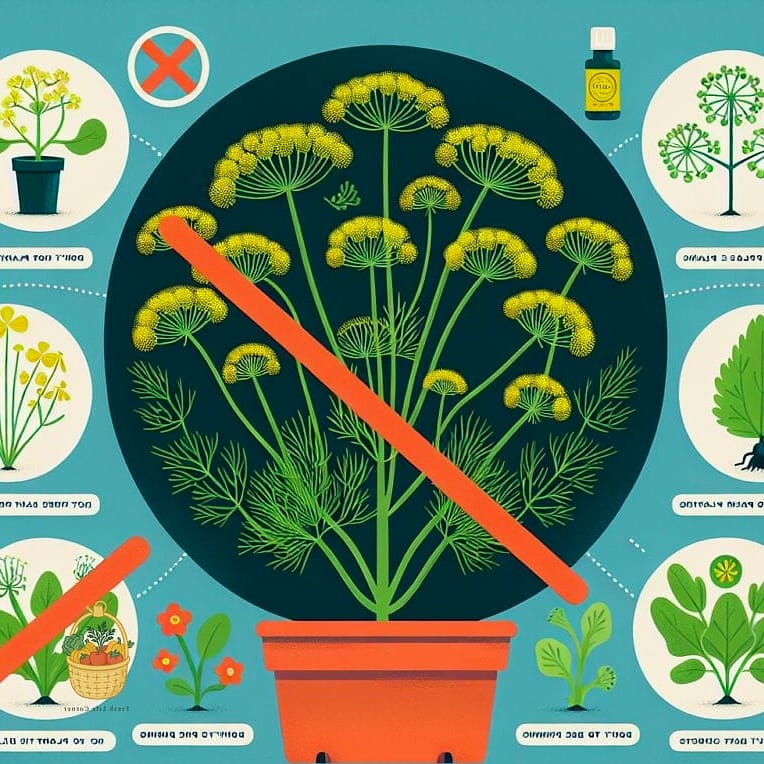
This one surprises a lot of beginner gardeners. Dill can cross-pollinate with carrots when left to flower, which affects seed quality if you’re saving carrot seeds. Mature dill also stunts carrot root development. Keep dill on the other side of the garden, especially once it starts to bolt.
Strawberries and Cabbage
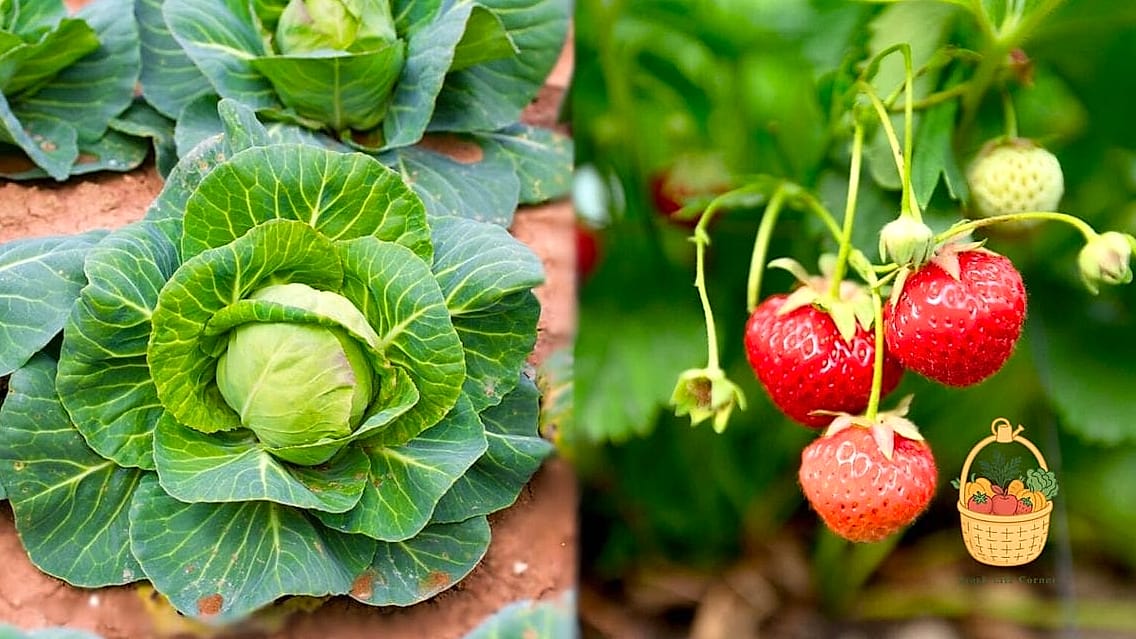
Cabbage and other brassicas can inhibit strawberry growth pretty noticeably. Strawberries prefer slightly acidic soil and don’t love competing with heavy brassica root systems. Try strawberries with spinach or lettuce as a border plant instead.
Asparagus and Onions
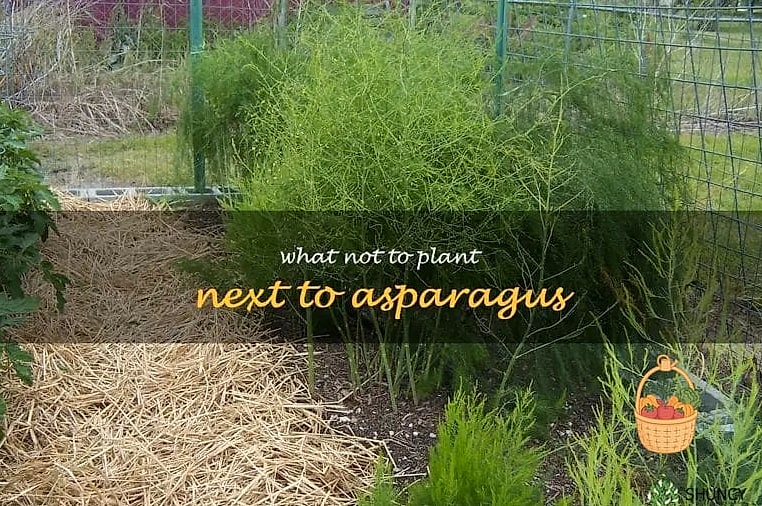
It’s the reverse problem from beans — asparagus doesn’t do well near onions or garlic, which can slow its long-term establishment. Since asparagus is a perennial that takes a few years to mature, it’s worth giving it a permanent bed away from your allium rotation.
Rosemary and Basil
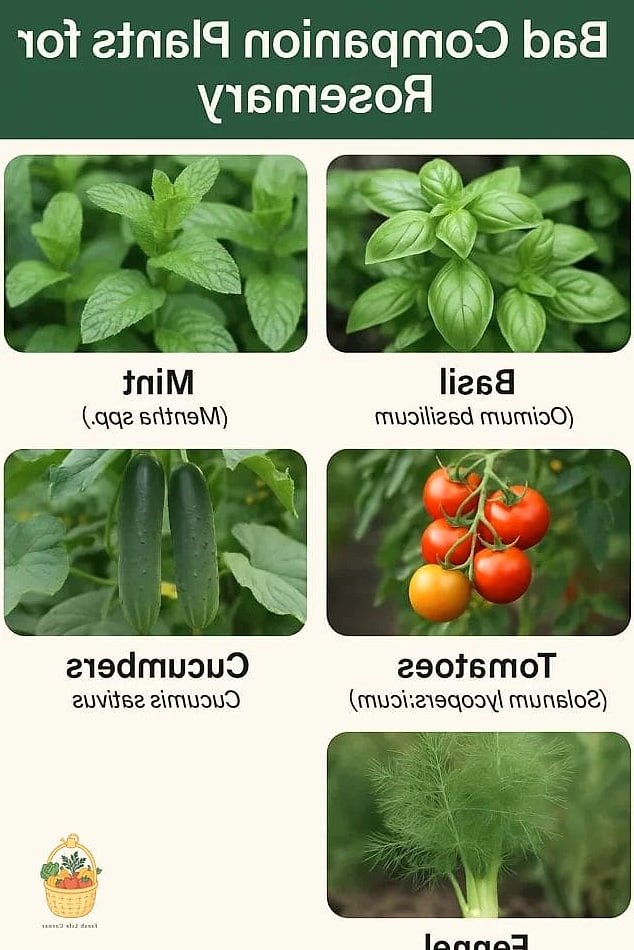
Both are Mediterranean herbs, but their watering needs are opposites. Rosemary wants dry, well-draining soil and minimal water, while basil is thirsty and wilts fast without consistent moisture. Growing them in the same container usually means one of them suffers.
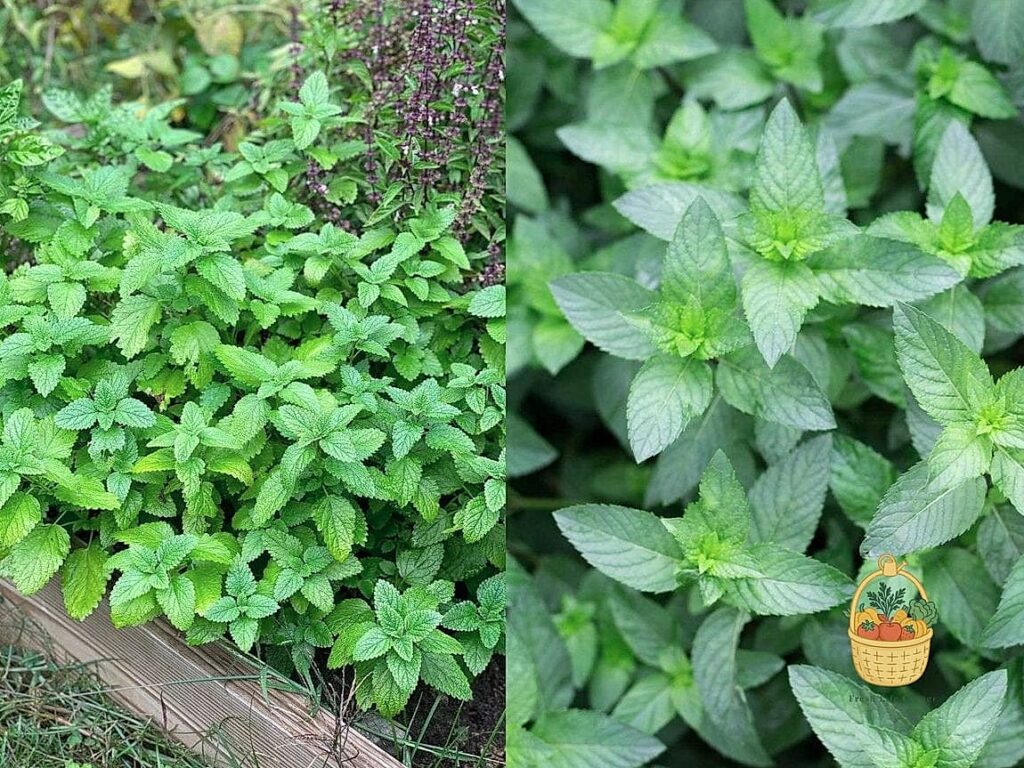
Mint and Literally Everything
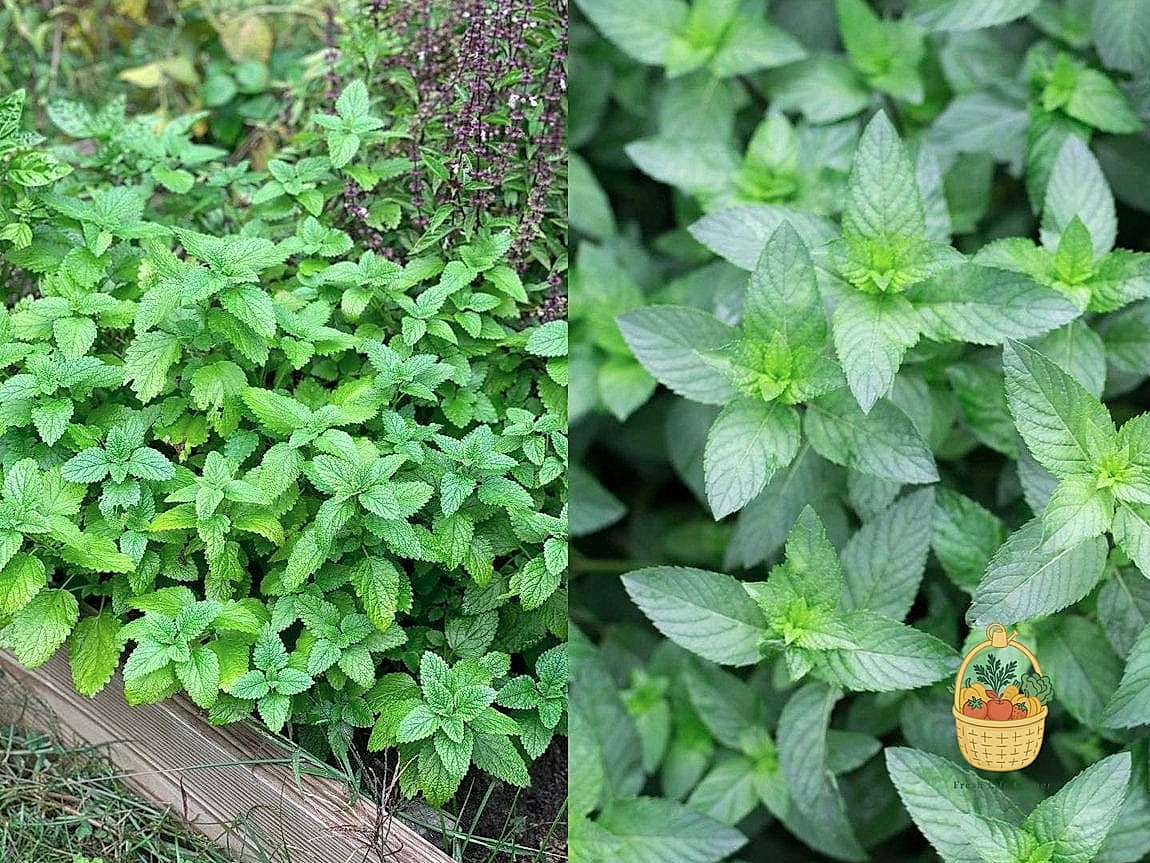
Mint deserves its own paragraph because it’s basically the neighbor from a bad sitcom. It spreads aggressively through underground runners and will choke out nearby plants within a season. Always grow mint in a container, even if you’re planting it in the ground — sink the pot into the soil to contain the roots.
Sunflowers and Potatoes
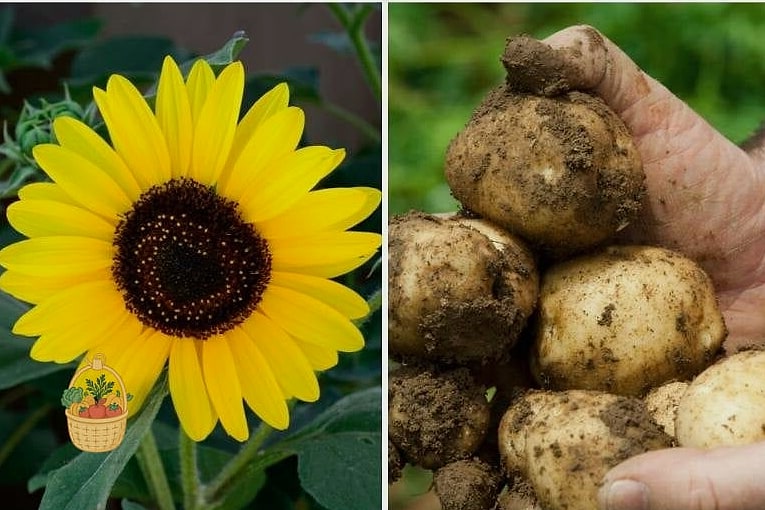
Sunflowers release allelopathic chemicals from their roots that can hinder potato tuber development. They’re stunning together in a photo, which explains the Pinterest traffic, but the potatoes underneath usually pay the price. Keep sunflowers along a fence line instead of interspersed in a vegetable bed.
Lavender and Hostas
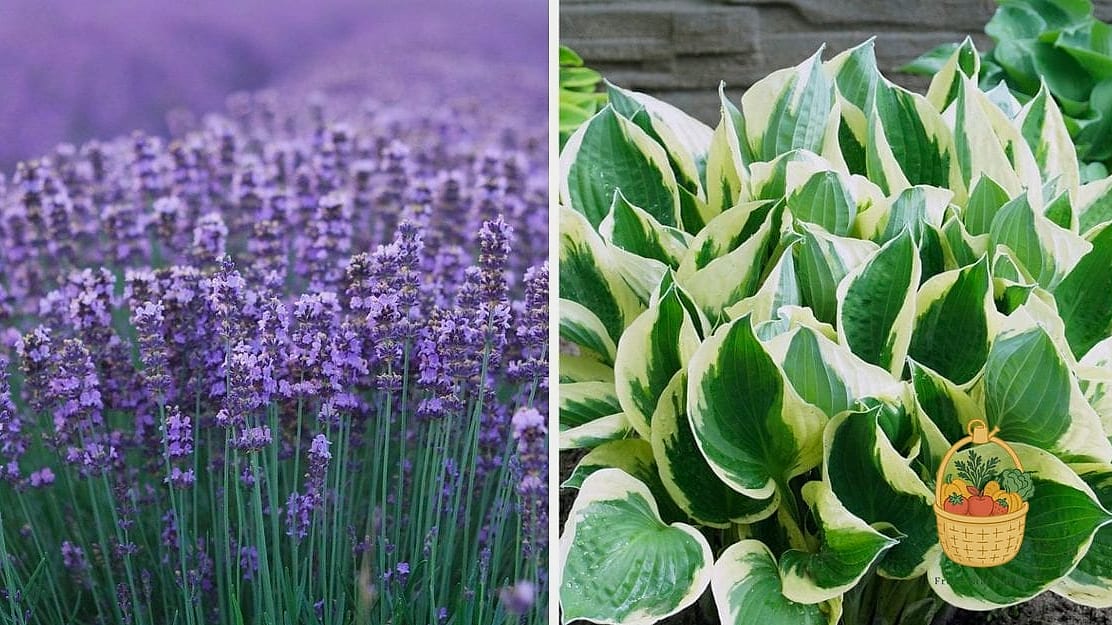
Lavender wants full sun, sandy soil, and drought-like conditions. Hostas want partial to deep shade and consistently moist soil. It’s a classic case of a design pairing that photographs beautifully but fails horticulturally — pick one microclimate and stick with it.
Broccoli and Tomatoes
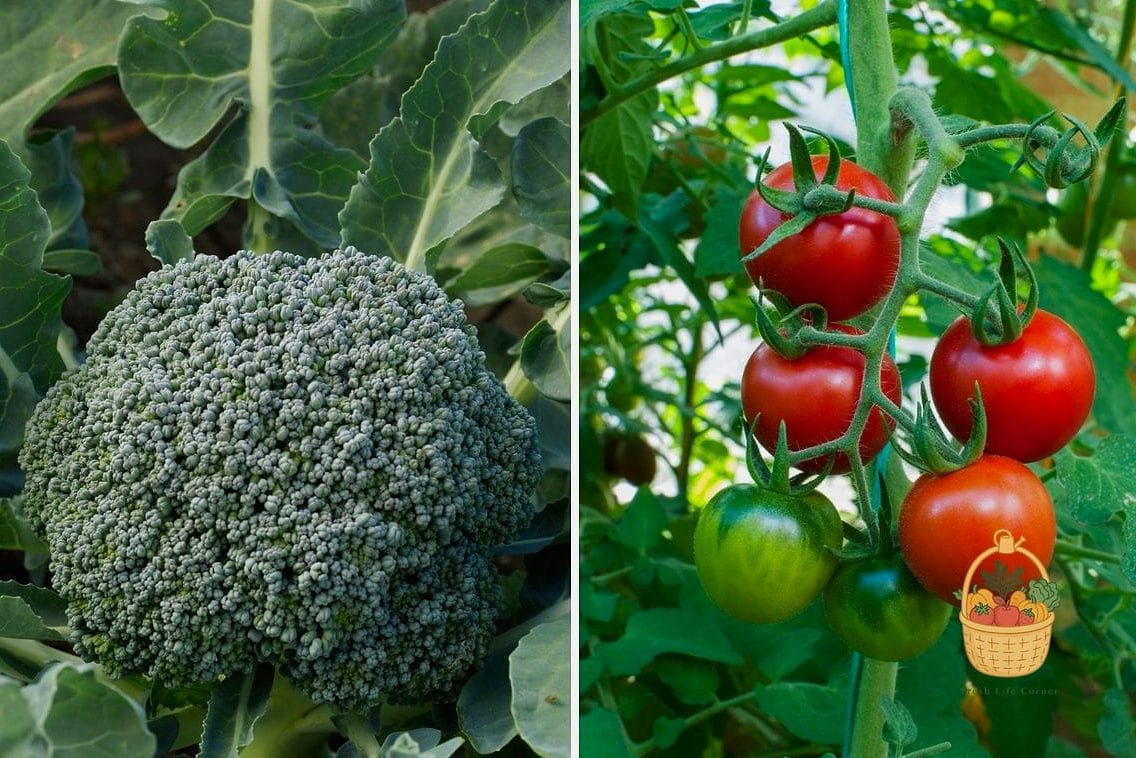
Broccoli and other brassicas can stunt tomato growth when planted too closely, partly due to competition for calcium and other nutrients in the soil. Both are also susceptible to different pest pressures that can spread when crowded. Give each its own row with decent spacing.
Squash and Potatoes
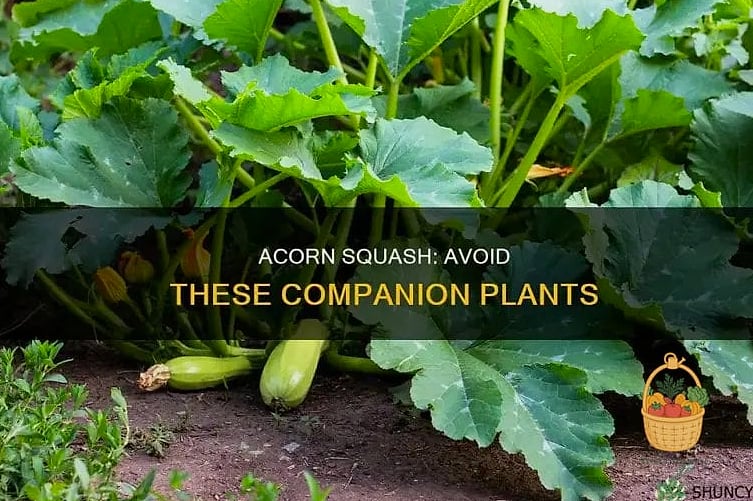
Squash vines sprawl aggressively and will happily smother potato foliage before the tubers have a chance to mature. Potatoes also need room to be hilled with soil as they grow, and a squash vine crawling over that space makes maintenance nearly impossible.
Roses and Boxwood
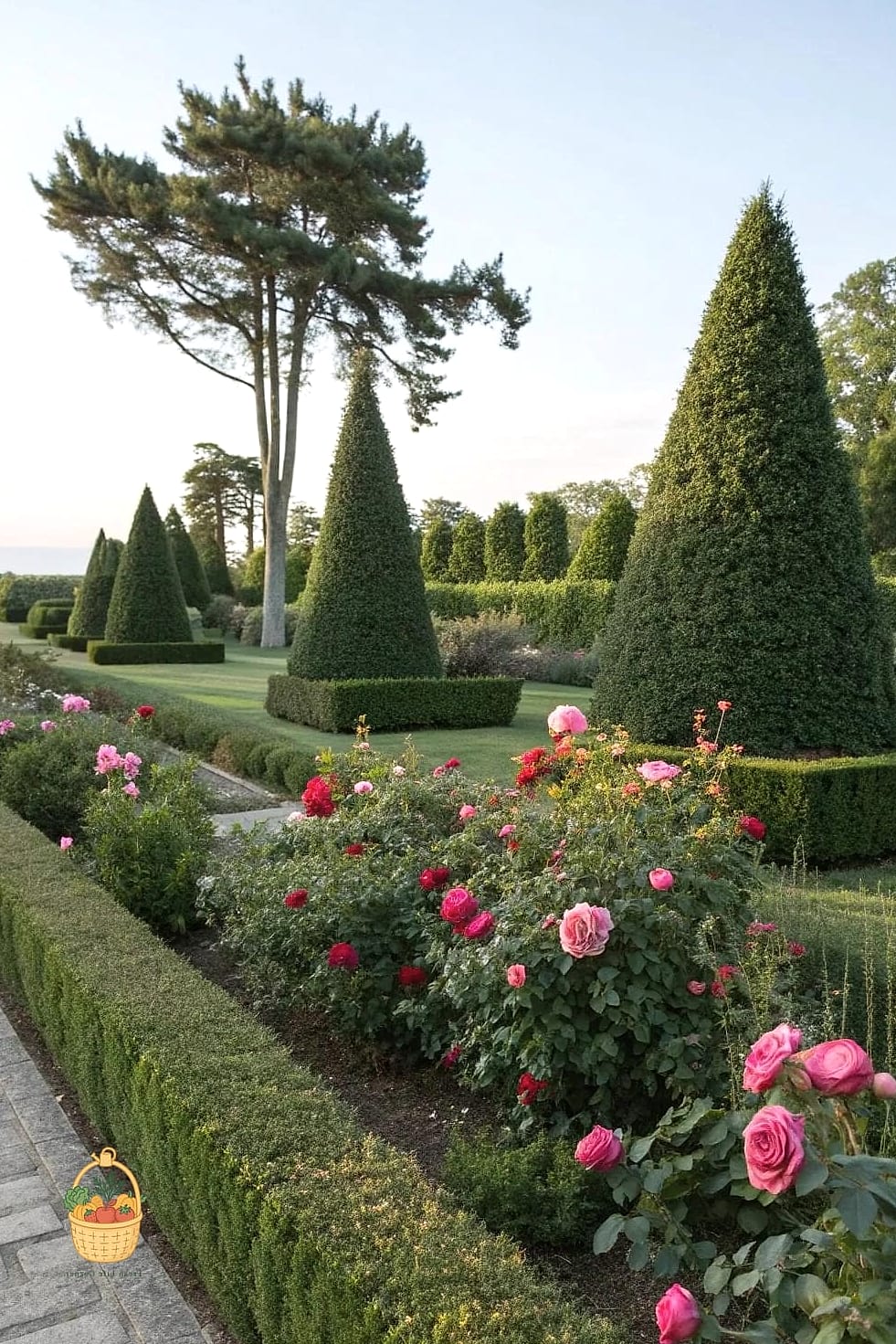
This is a popular formal garden look, but boxwood has shallow, water-hungry roots that compete directly with rose root zones. Roses also need excellent air circulation to avoid fungal issues like black spot, and dense boxwood hedging blocks that airflow. A better border plant for roses is lavender or catmint.
Eggplant and Fennel
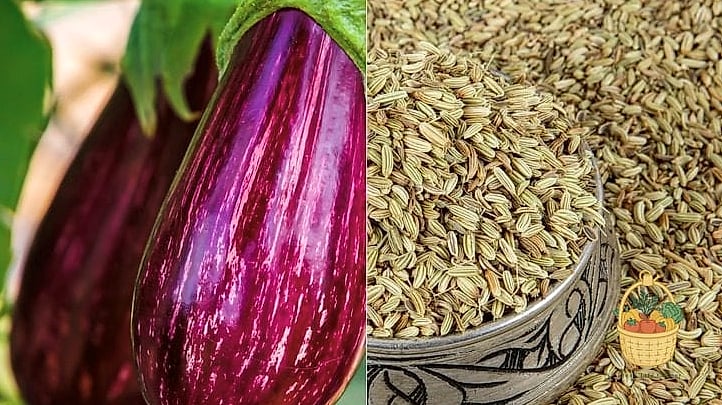
Same issue as peppers — fennel’s root exudates inhibit nightshade family growth. Eggplant is already a bit finicky, needing warm soil, consistent watering, and protection from flea beetles, so it doesn’t need extra competition dragging it down.
Blueberries and Vegetables in Regular Garden Soil
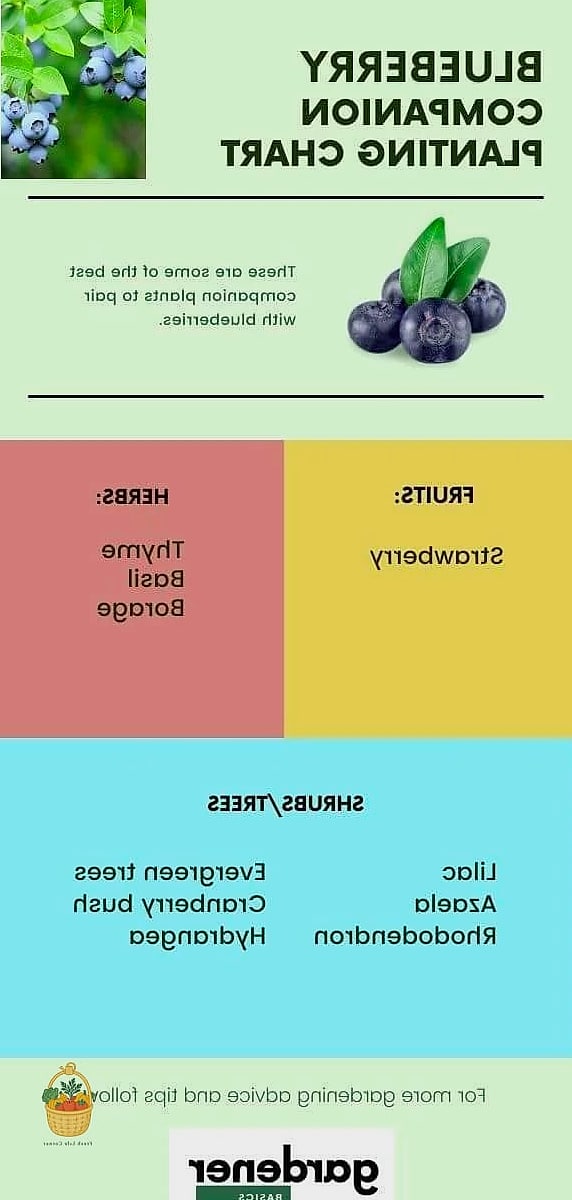
Blueberries need acidic soil, typically a pH between 4.5 and 5.5, while most vegetables prefer closer to neutral. Planting them in the same bed means compromising one or the other’s soil chemistry. Blueberries do best in their own raised bed with amended, acidic soil and a nice layer of pine bark mulch.
Dill and Tomatoes
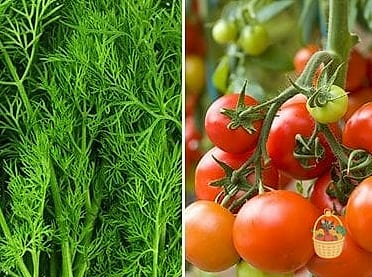
While young dill can actually help tomatoes by attracting beneficial predatory insects, mature, flowering dill competes for nutrients and can stunt tomato growth. Pull dill before it bolts if it’s anywhere near your tomato bed, or just plant it elsewhere entirely.
Garlic and Peas
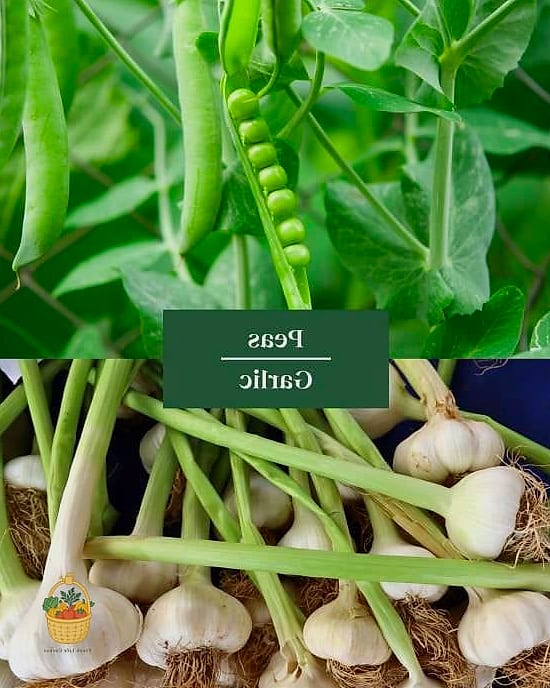
Garlic’s sulfur compounds can inhibit the growth of peas and other legumes, much like it does with beans. Peas are already delicate climbers that need a gentle nitrogen boost from their own root bacteria, and garlic just gets in the way of that process.
Zucchini and Pumpkins in Small Spaces
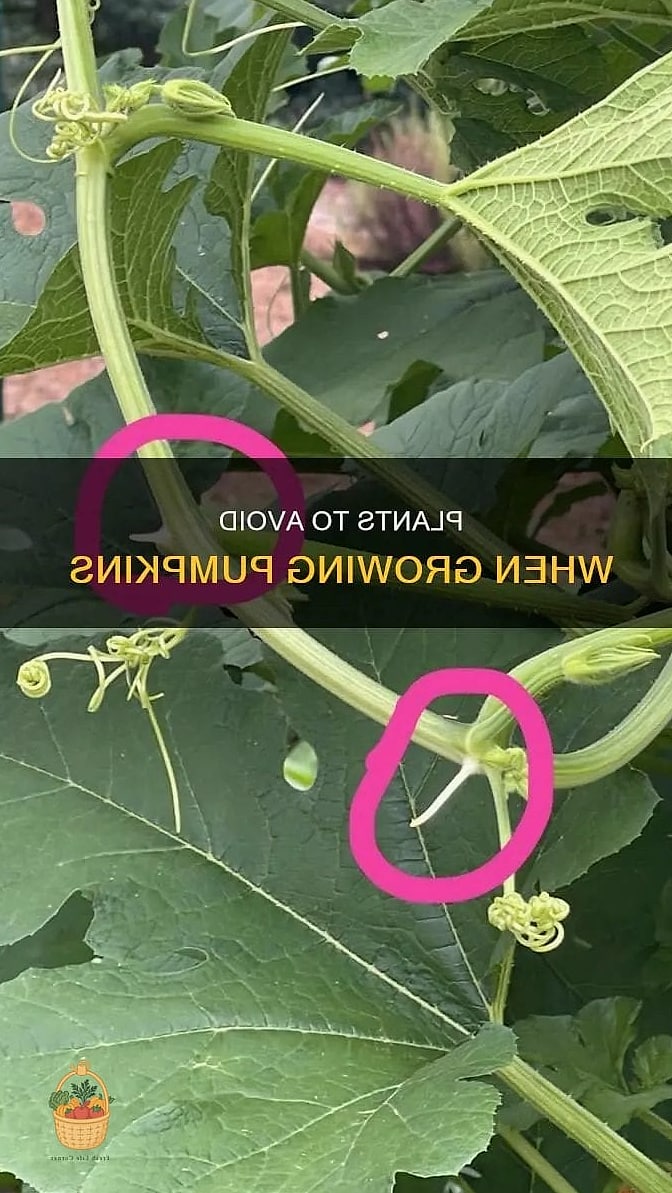
Not exactly a chemical conflict, but a very real space conflict that Pinterest doesn’t always show. Both are vigorous vines that need six to ten feet of room to sprawl, and planting them close together in a small backyard leads to tangled vines fighting for sunlight and nutrients.
Chamomile and Full Sun Perennials
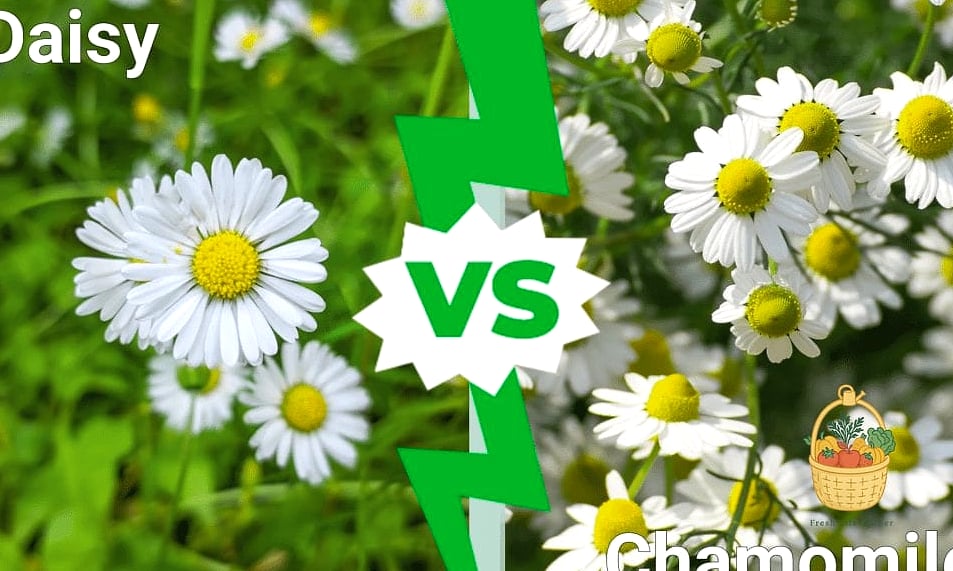
Chamomile prefers partial shade and cooler soil, so pairing it in a bed designed for full-sun perennials like coneflowers or black-eyed susans usually means the chamomile struggles or bolts early. It looks dreamy in cottage garden photos, but give it a slightly shadier spot for best results.
Walnut Trees and Nearly Every Vegetable

Black walnut trees release a compound called juglone that’s toxic to many plants, including tomatoes, peppers, and potatoes. If you have a walnut tree nearby, keep vegetable beds at least 50 feet away from the drip line, since juglone travels through the root zone and leaf litter.
Basil and Rue
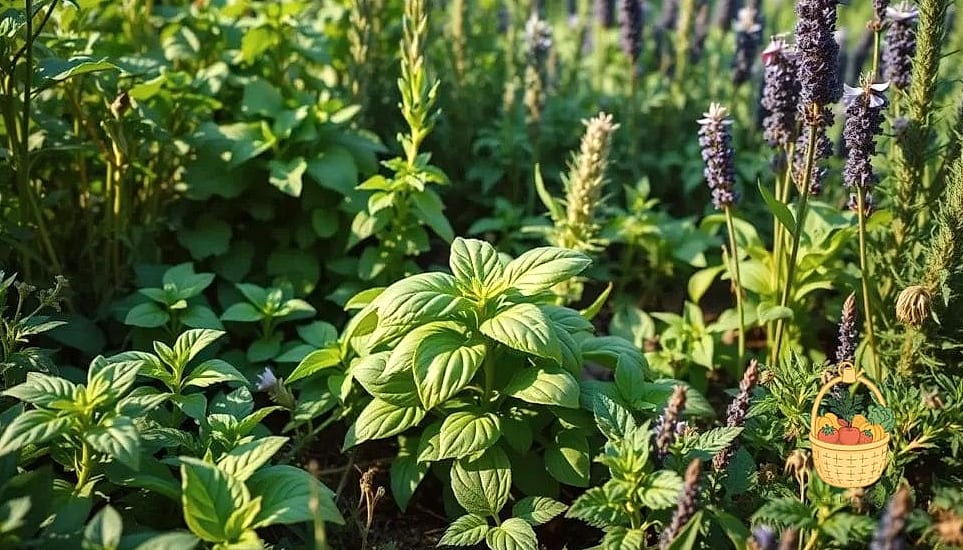
Rue is a bitter, aromatic herb that stunts basil’s growth when planted nearby. It’s not a common pairing, but rue shows up in a lot of “cottage herb garden” Pinterest boards without the warning label. Keep bitter herbs like rue separate from your culinary basil patch.
Lettuce and Broccoli

Broccoli grows tall and casts significant shade, which sounds helpful for heat-sensitive lettuce until you realize it also steals nutrients and water from the shallow-rooted lettuce below. Lettuce does better paired with carrots or radishes, which share space more generously.
Peonies and Aggressive Groundcovers
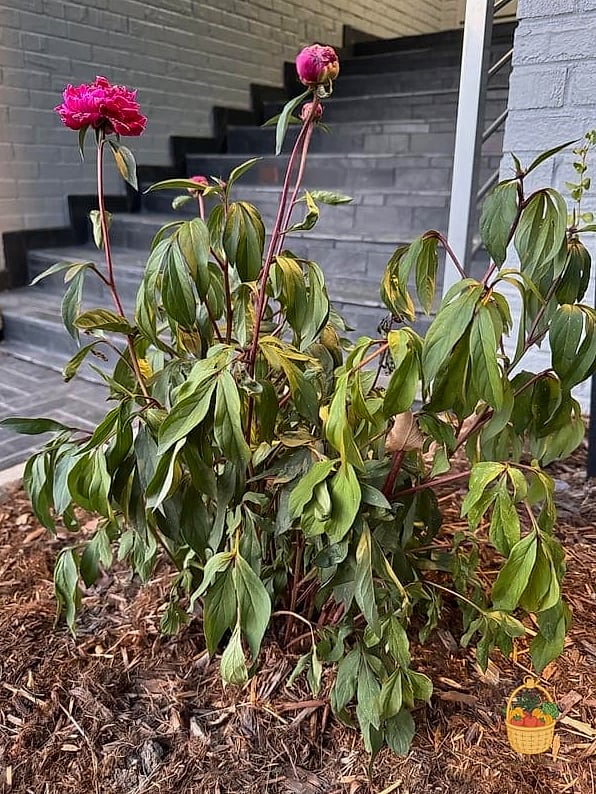
Peonies dislike root competition, especially from spreading groundcovers like creeping jenny or vinca that can smother their crown and reduce blooming. Peonies are slow to establish and can sulk for a year or two if their root zone gets crowded. Give them open, well-draining soil with room to breathe.
Elderberry and Grapes
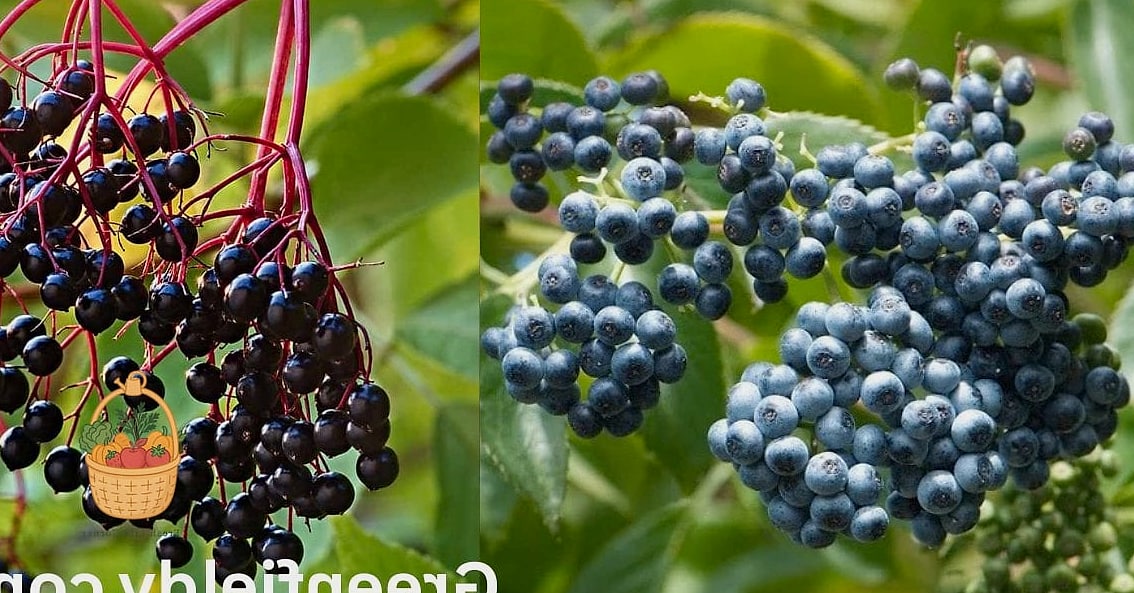
Elderberry shrubs can host verticillium wilt, a soil-borne fungus that grapevines are especially susceptible to. Since both are increasingly trendy backyard fruit choices, this pairing shows up more than it should on foraging and homestead Pinterest boards. Plant them on opposite sides of the yard to avoid cross-contamination.
Most of these plant combination mistakes come down to three things: competing nutrient needs, incompatible watering habits, or one plant releasing chemicals that quietly sabotage the other. None of this means any of these plants are bad — it just means pairing matters as much as placement. Next time a gorgeous garden pin catches your eye, it’s worth a quick gut check on what’s actually happening underground before you commit your whole season to it.