24 Feeding Jade Plant Wrong That Actually Work
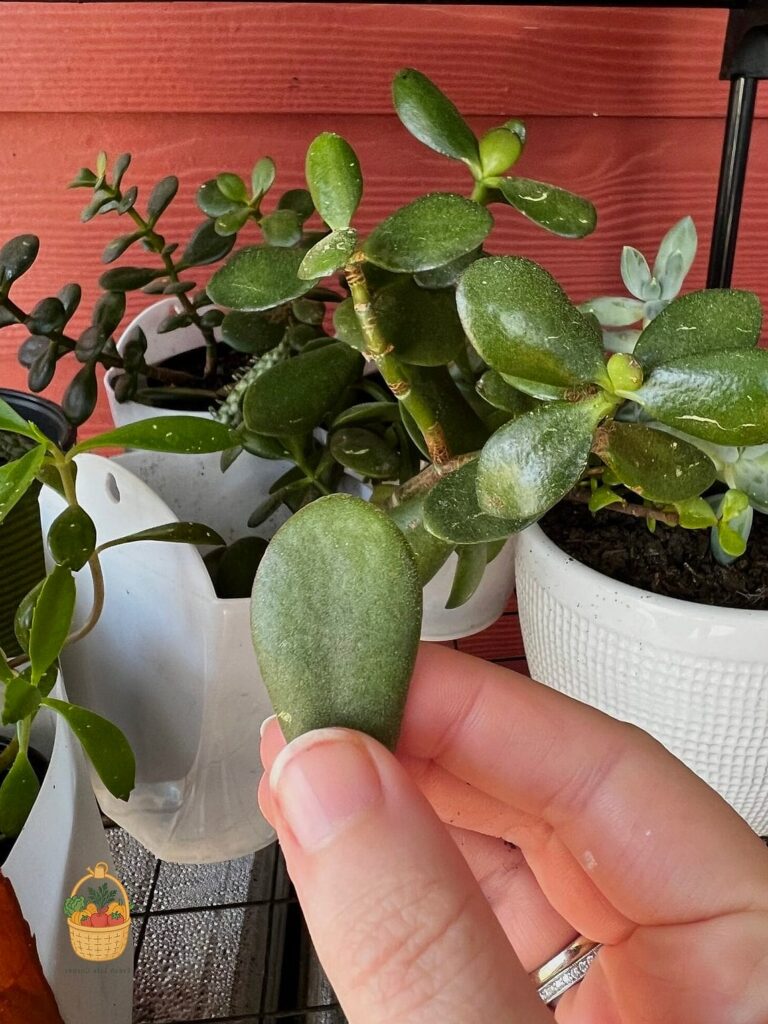
- Feeding It Diluted Way Below the Recommended Strength
- Skipping Fertilizer Entirely for the First Year
- Using Coffee Grounds Instead of Store-Bought Fertilizer
- Feeding Only in Spring and Summer, Never Fall or Winter
- Fertilizing Straight Into Dry Soil
- Using a Fertilizer Made for Vegetables
- Feeding Through the Leaves Instead of the Roots
- Mixing Fertilizer Into the Water You Already Use
- Feeding It Once a Year and Calling It Done
- Using Old, Expired Fertilizer
- Feeding Newly Propagated Cuttings Right Away
- Overfeeding on Purpose During a Growth Spurt
- Using Banana Peel Water
- Feeding It With Aquarium Water
- Choosing a High-Nitrogen Fertilizer
- Fertilizing Right After Repotting
- Feeding It in Low Light Conditions
- Using Slow-Release Pellets Sprinkled on Top
- Feeding It During a Drought Stress Period
- Using Leftover Tea as Fertilizer
- Feeding a Stressed or Sunburned Plant
- Skipping Fertilizer and Relying on Compost Top-Dressing
- Feeding It Right Before a Cold Snap
- Ignoring the "Feed Monthly" Instructions on the Label
Thought for 11s
24 Feeding Jade Plant Wrong That Actually Work
If you’ve ever felt guilty about how you feed your jade plant, take a breath. Jade plants (Crassula ovata) are succulents that evolved to survive on very little, and a lot of the “rules” floating around the internet are more suited to thirsty tropical foliage than to a slow-growing, drought-tolerant succulent. Over the years of growing jade plants in terracotta pots, on sunny windowsills, and outdoors in warmer zones, I’ve broken plenty of “correct” fertilizing advice — and my plants have thrived anyway. Here are 24 supposedly wrong ways to feed a jade plant that, in practice, work just fine.
Feeding It Diluted Way Below the Recommended Strength
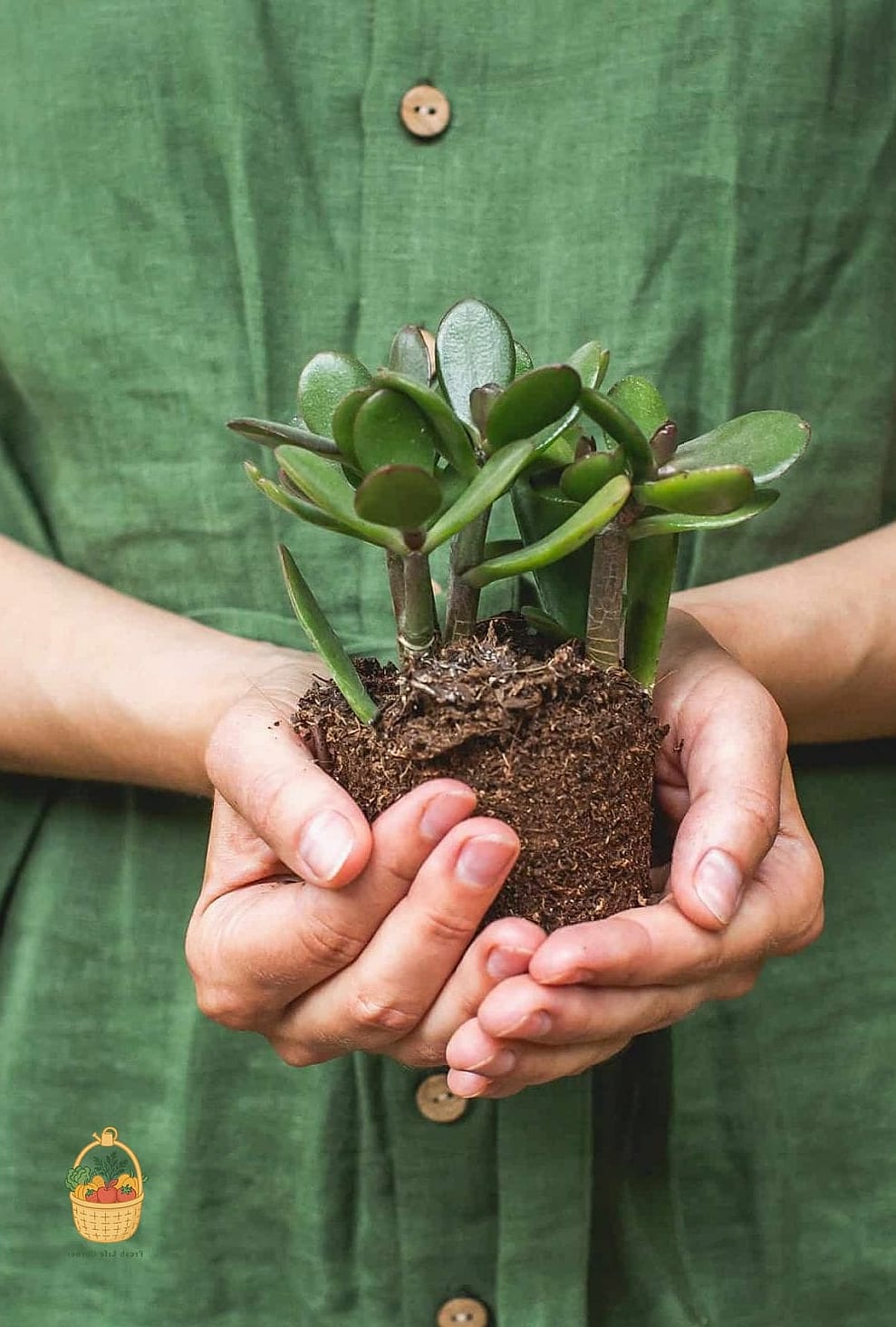
Most fertilizer labels are written with leafy, fast-growing plants in mind, not succulents. Cutting the recommended dose to a quarter strength sounds like you’re shortchanging your jade plant, but it actually matches its slow metabolism much better. Full-strength feeding on a plant this efficient tends to cause salt buildup and mushy new growth instead of the compact, tree-like form jade plants are known for.
Skipping Fertilizer Entirely for the First Year
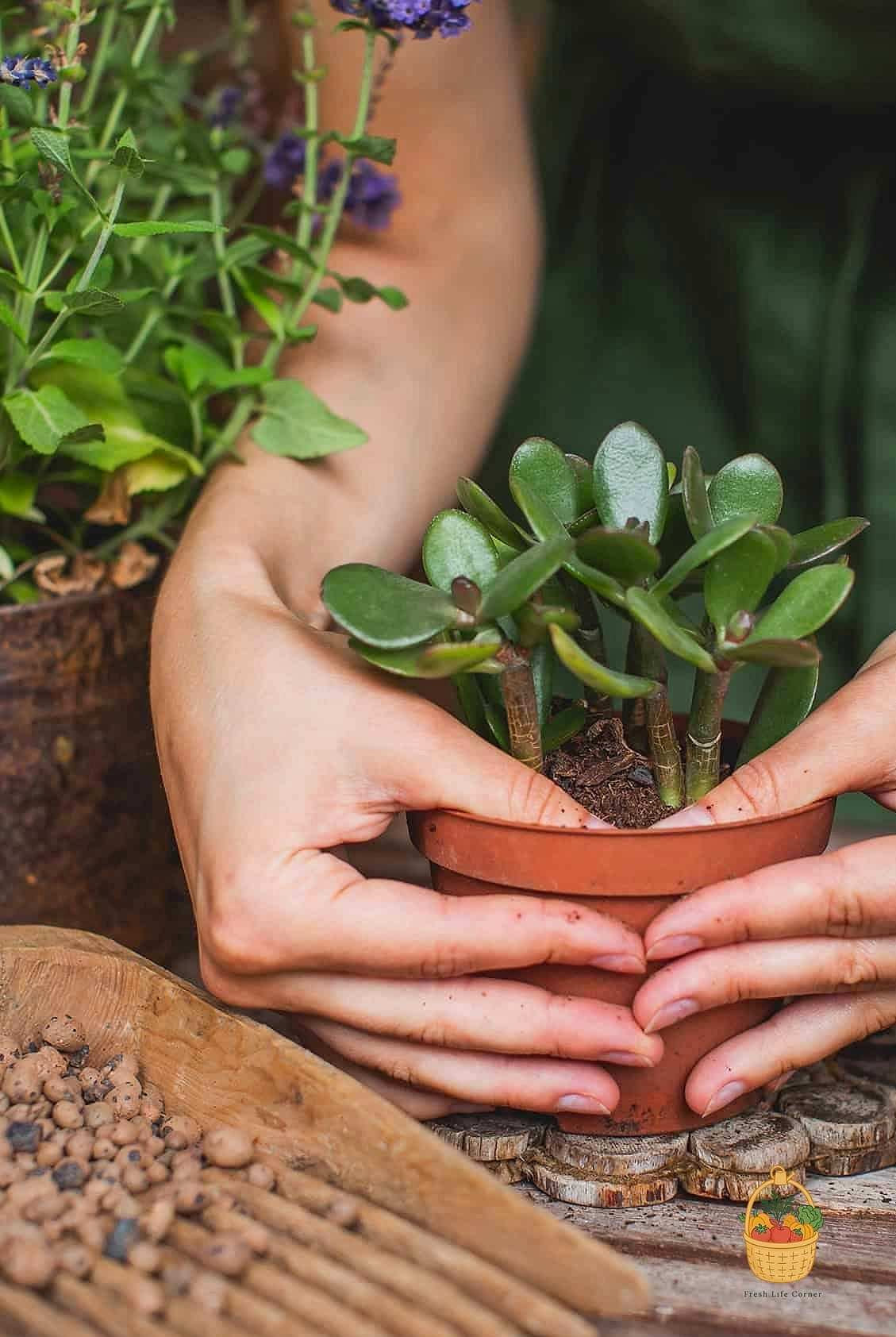
New jade plant owners are often told to start feeding right away, but holding off for a full year usually works out better. A young jade plant is busy establishing roots in its well-draining soil mix, and unnecessary fertilizer just adds stress it doesn’t need. Let it settle in first — the growth will come.
Using Coffee Grounds Instead of Store-Bought Fertilizer
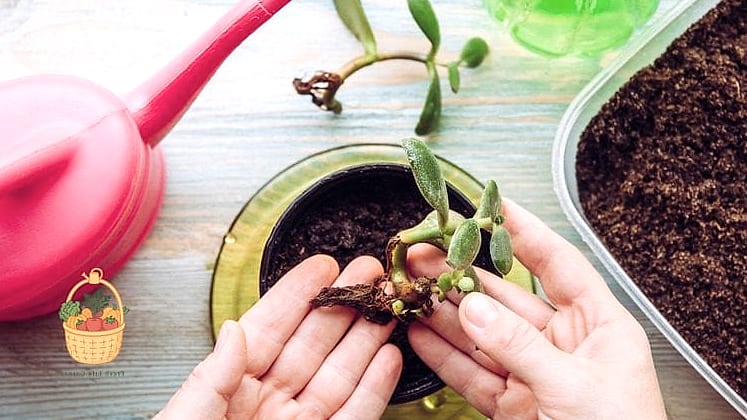
This one raises eyebrows because coffee grounds are usually recommended for acid-loving plants, not succulents. Used sparingly and mixed into the top layer of soil rather than piled on, though, they add a slow trickle of nitrogen without overwhelming the plant. Just don’t overdo it, since too much can throw off the alkaline-leaning soil jade plants prefer.
Feeding Only in Spring and Summer, Never Fall or Winter
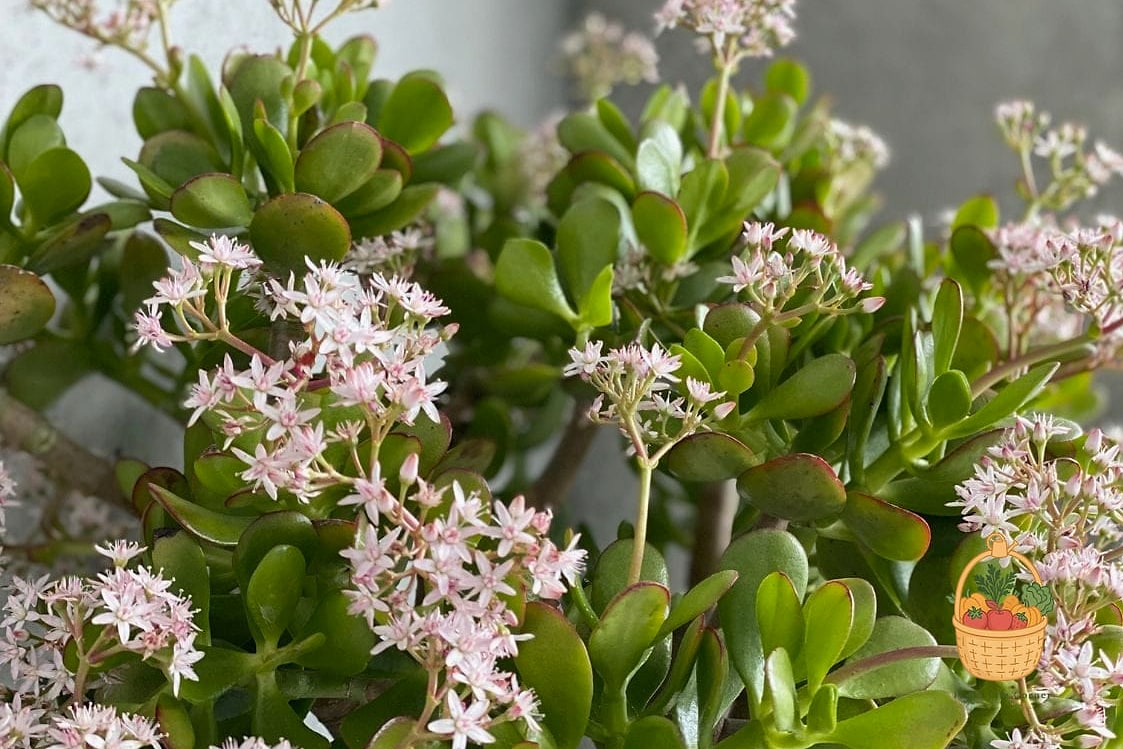
Conventional advice sometimes suggests year-round feeding, but jade plants naturally slow down once temperatures drop and daylight shortens. Fertilizing only during the active growing season respects that rhythm. It sounds like you’re neglecting the plant for half the year, but you’re really just working with its natural dormancy instead of against it.
Fertilizing Straight Into Dry Soil
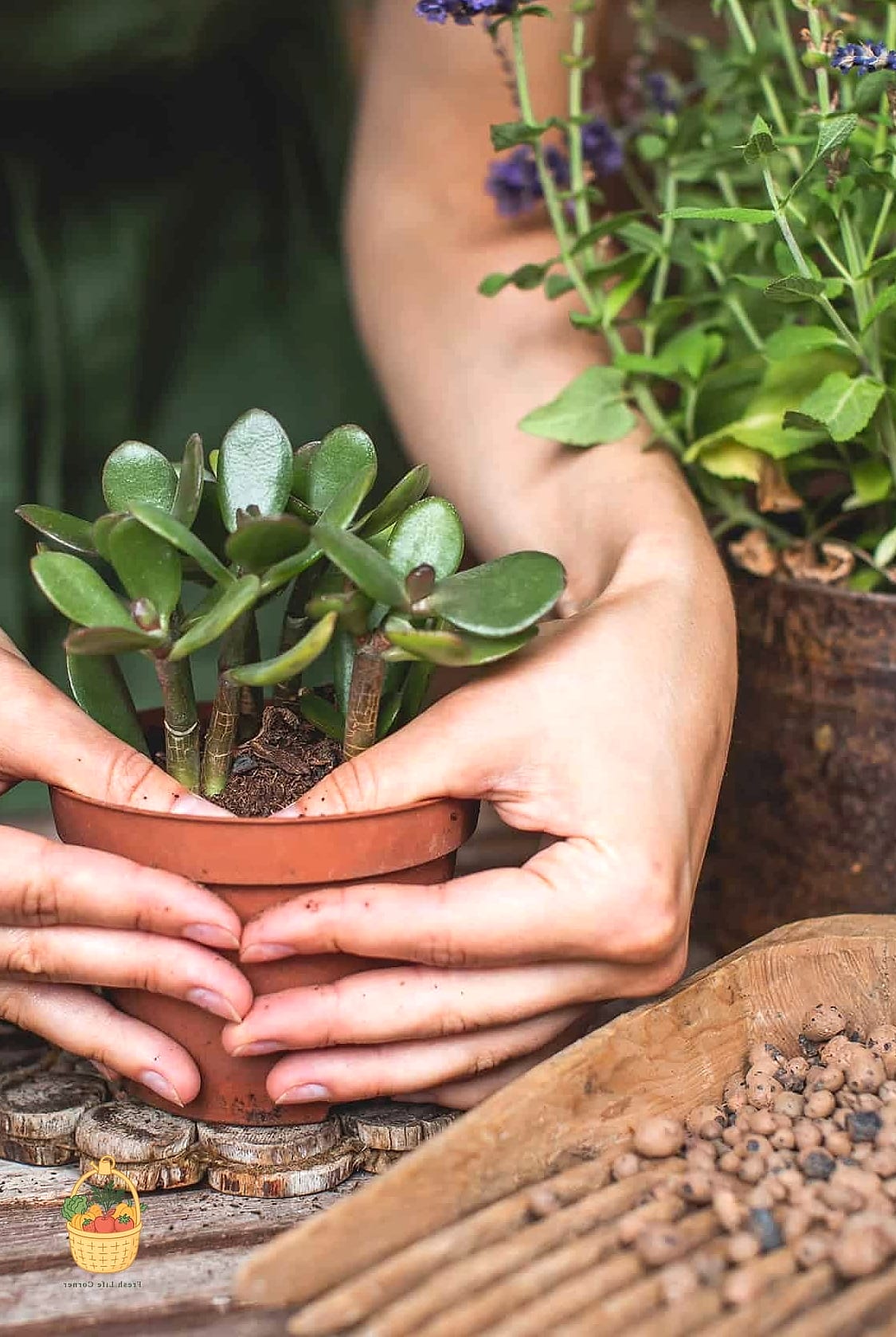
Most guides insist you water first and fertilize after, but I’ve had good luck feeding jade plants when the soil is already on the dry side, right before a scheduled watering. The fertilizer gets carried down to the roots along with that first drink, and there’s less risk of the soil staying soggy, which jade plants hate.
Using a Fertilizer Made for Vegetables
It seems mismatched — vegetable fertilizer is formulated for fruiting plants, not ornamental succulents. But a balanced, low-strength vegetable fertilizer diluted heavily can still supply the modest nitrogen, phosphorus, and potassium a jade plant needs, especially if that’s what you already have in the garden shed. No need to buy a specialty succulent blend if you’re careful with the ratio.
Feeding Through the Leaves Instead of the Roots
Foliar feeding is usually reserved for plants with thin, absorbent leaves, and jade plant leaves are thick and waxy, so this seems like a lost cause. In practice, a very light misting of extremely diluted liquid fertilizer on the leaves, done occasionally, gives a small boost without disturbing the roots. It shouldn’t replace root feeding, but as an occasional supplement it does no harm.
Mixing Fertilizer Into the Water You Already Use
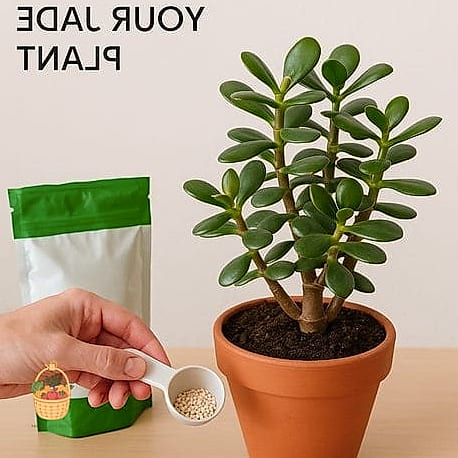
Rather than treating fertilizing as its own separate task, I just mix a weak dose into the watering can every third or fourth watering. It feels like cutting corners, but it actually keeps nutrient levels steady and low, which matches how jade plants like to be fed compared to occasional strong doses.
Feeding It Once a Year and Calling It Done
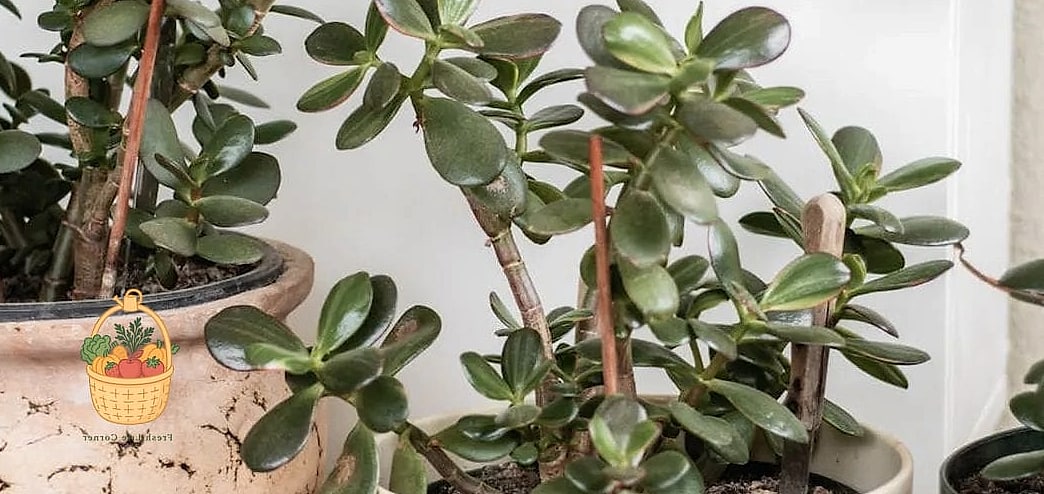
A single feeding in early spring, using a slow-release granular fertilizer, sounds far too minimal for a growing plant. Yet jade plants growing in average potting soil, especially older established ones, often do perfectly well on this once-a-year approach. Their thick stems and leaves store nutrients efficiently, so they’re not constantly hungry.
Using Old, Expired Fertilizer
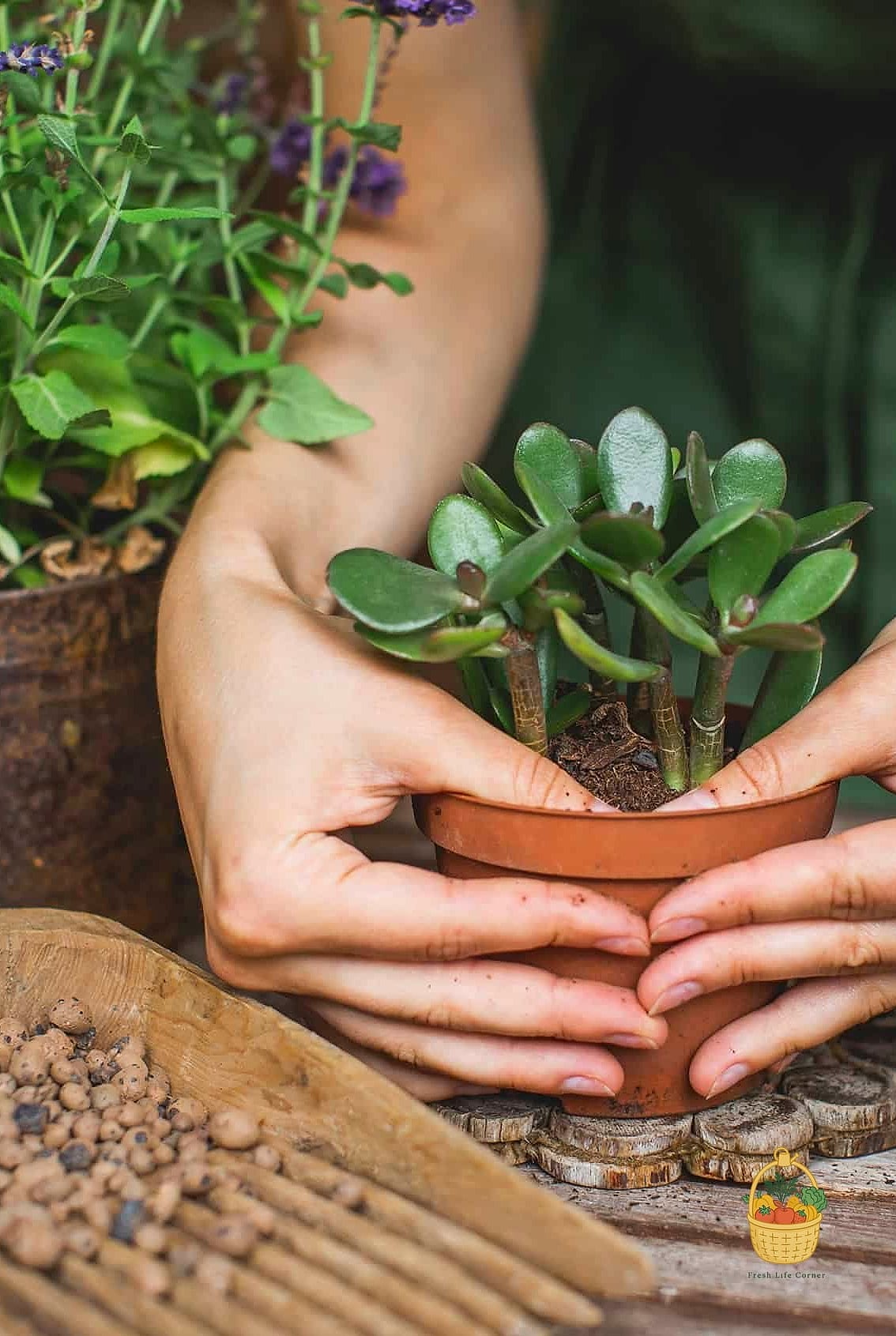
Expired fertilizer isn’t exactly recommended, but for a slow feeder like a jade plant, a fertilizer past its “best by” date usually still has enough nutrient value to be useful, just at a slightly reduced potency. Since you’re diluting it anyway, the difference is barely noticeable. I wouldn’t rely on this for hungrier plants, but jade plants are forgiving.
Feeding Newly Propagated Cuttings Right Away
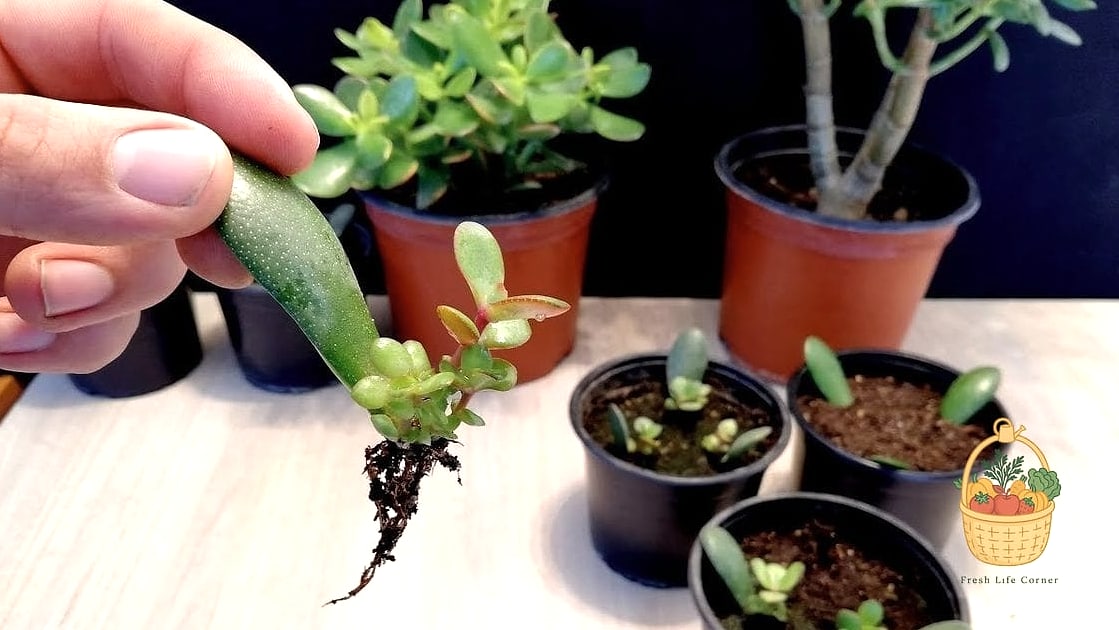
Standard advice says to wait until a cutting has rooted before feeding it. I’ve found that a very weak dose applied once roots just barely start to form, rather than waiting for a fully established root system, gives propagated jade plant cuttings a gentle head start without shocking them, as long as the strength stays low.
Overfeeding on Purpose During a Growth Spurt
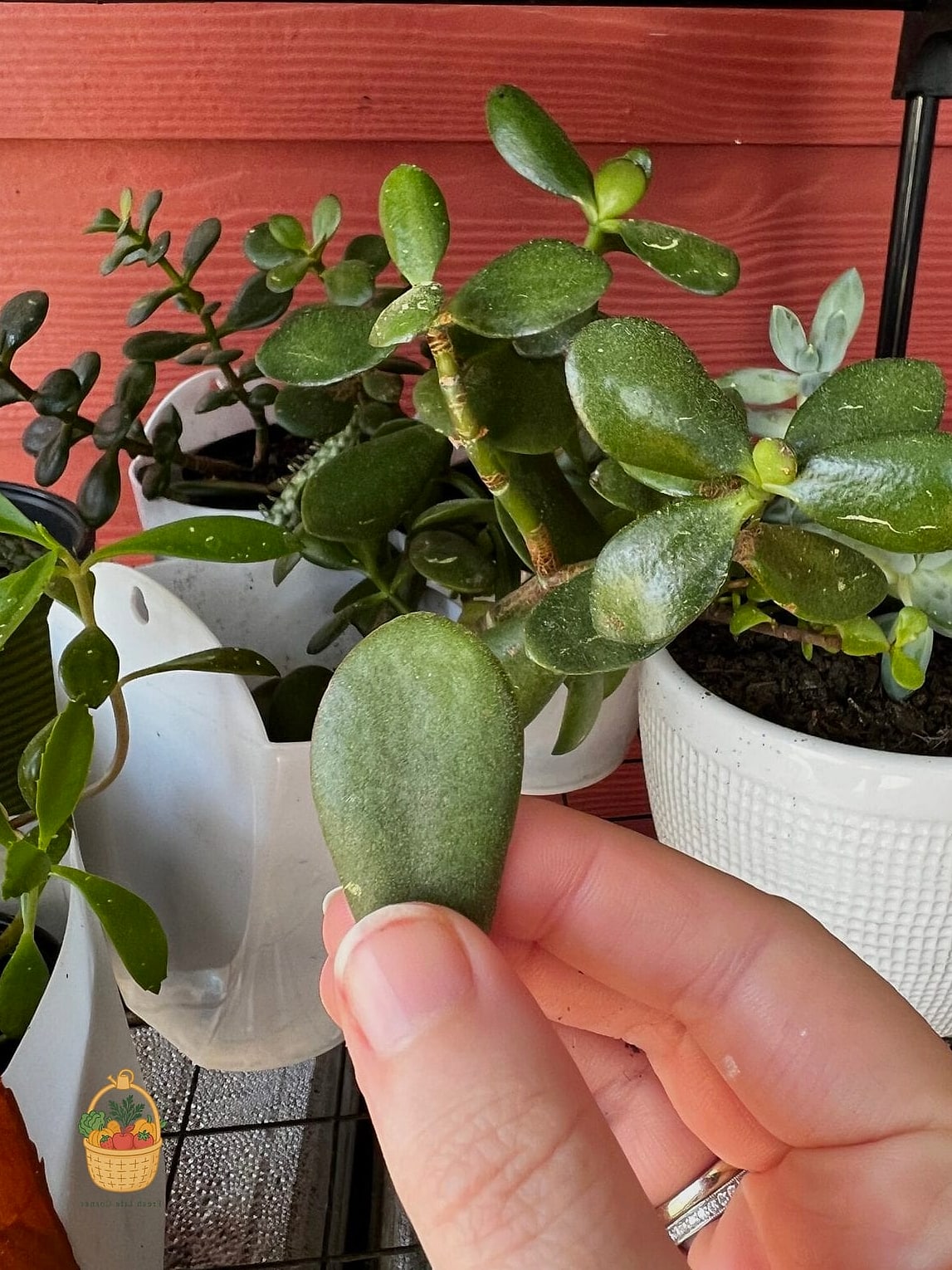
When a jade plant suddenly puts out a flush of new leaves in late spring, giving it a slightly stronger dose than usual for just that one feeding can support the extra energy demand. It goes against the “less is more” mantra, but a temporary, modest increase during active growth doesn’t cause the harm you’d expect, as long as you scale back afterward.
Using Banana Peel Water
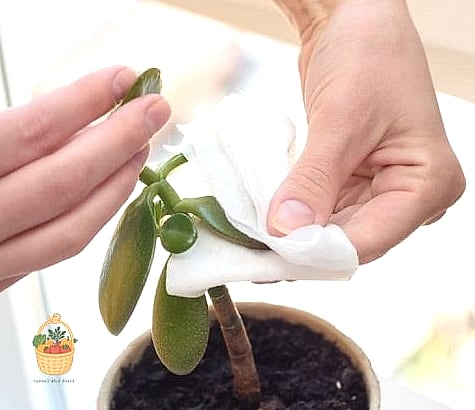
Soaking banana peels in water to make a potassium-rich liquid sounds like folk wisdom rather than science, but jade plants respond well to the mild potassium boost. It’s gentle enough not to burn the roots, and it’s a nice way to use kitchen scraps instead of the compost bin, especially for gardeners who like a more natural approach.
Feeding It With Aquarium Water
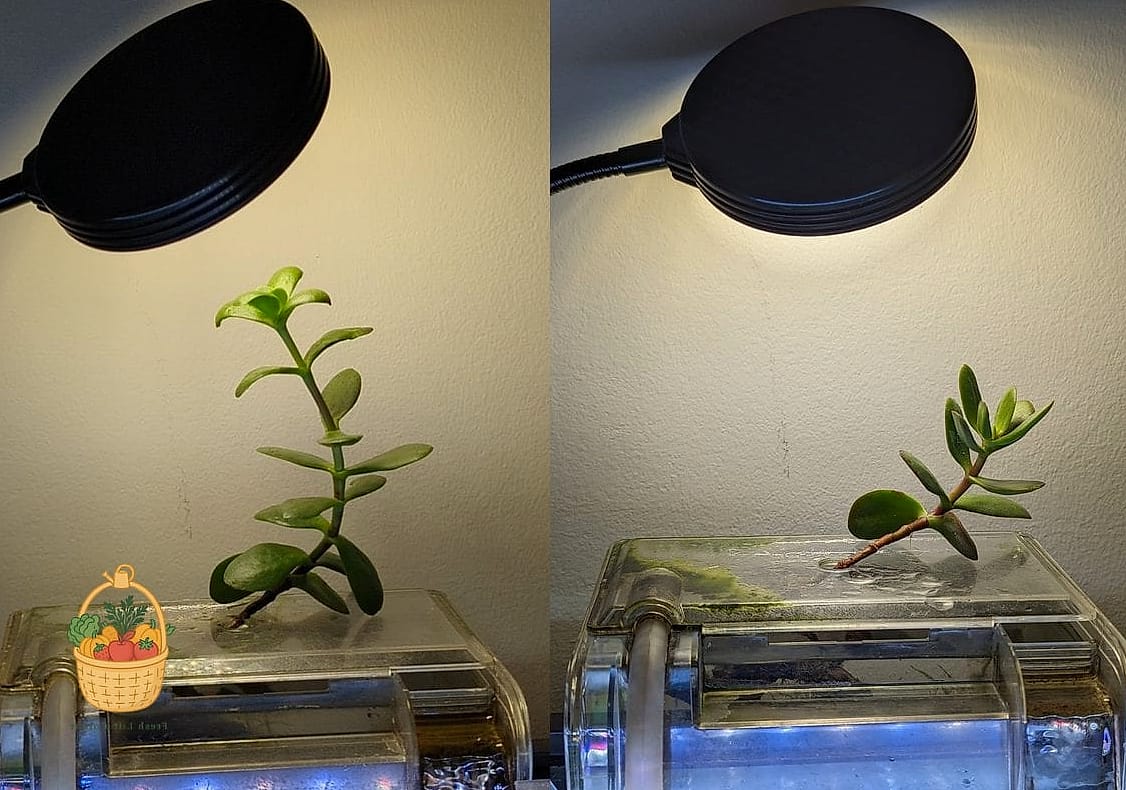
Water from a fish tank contains nitrogen-rich waste that most people would never think to pour on a succulent. Used occasionally and only from a freshwater, unsalted aquarium, though, it acts as a mild organic fertilizer. It’s not something to do every watering, but as an occasional treat it works surprisingly well.
Choosing a High-Nitrogen Fertilizer
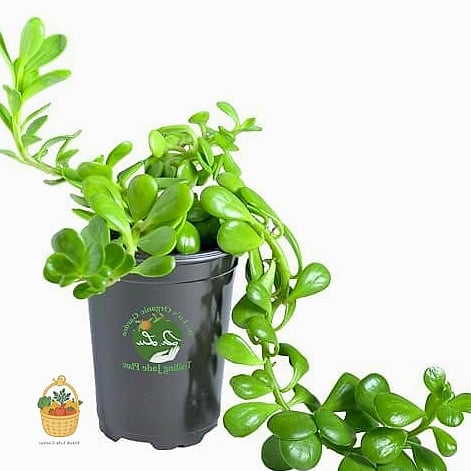
Nitrogen-heavy fertilizers are usually discouraged for succulents because they can produce weak, leggy growth. But if your jade plant is looking sparse or you’re trying to bulk up a young plant before shaping it, an occasional higher-nitrogen feeding, used sparingly, can encourage denser leaf growth before you switch back to a balanced formula.
Fertilizing Right After Repotting
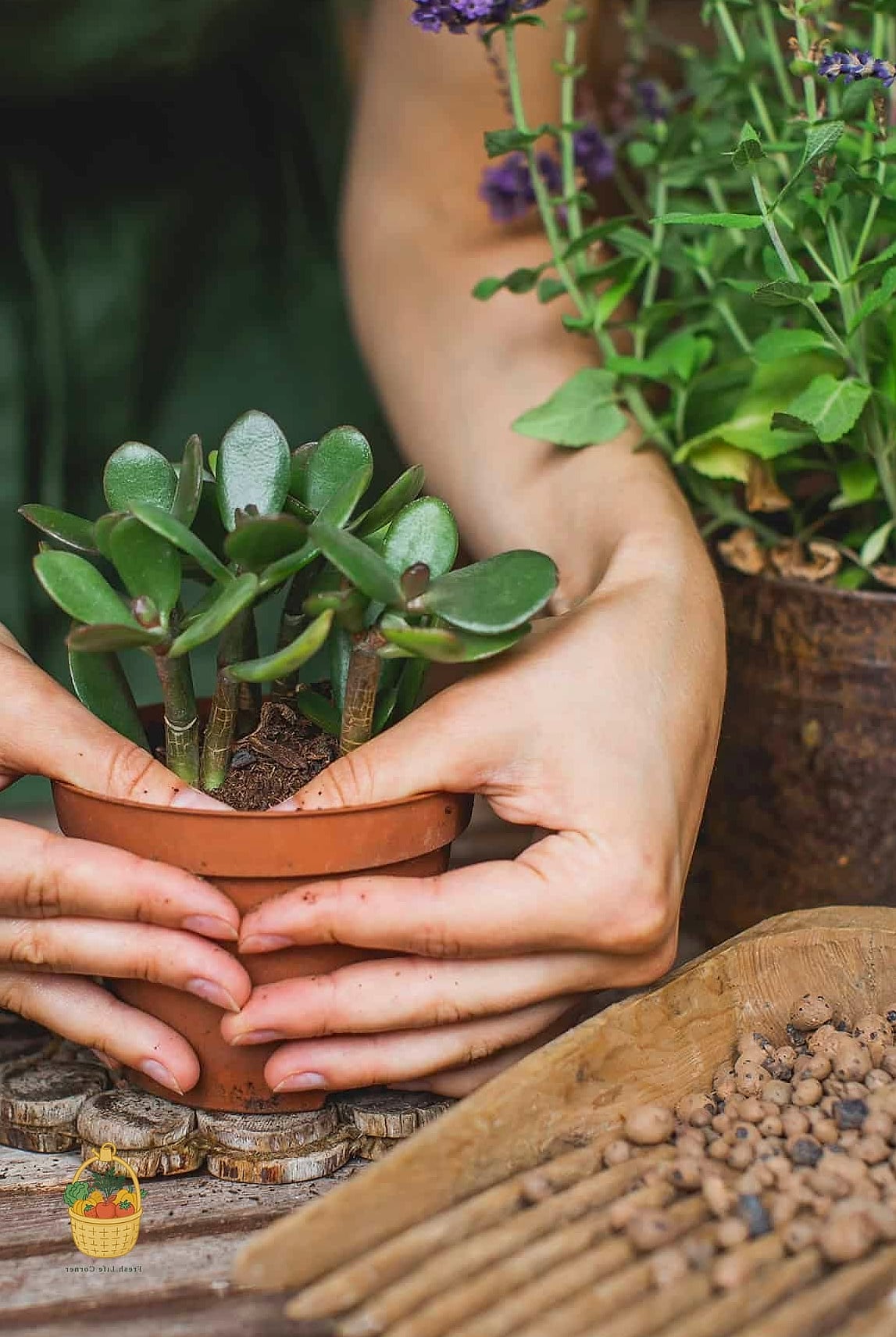
Most care guides warn against feeding right after repotting because it can stress disturbed roots. I’ve had success giving a very dilute feeding about a week after repotting instead of waiting the usual month, especially when the new potting mix is already fairly nutrient-poor. The key is going light, not skipping it altogether.
Feeding It in Low Light Conditions
Fertilizing a plant that isn’t getting much light seems counterproductive since it can’t use the nutrients efficiently. A light, infrequent feeding schedule for a jade plant living in a lower-light spot, rather than no feeding at all, helps maintain leaf color and prevents the plant from looking washed out, even if it isn’t growing quickly.
Using Slow-Release Pellets Sprinkled on Top
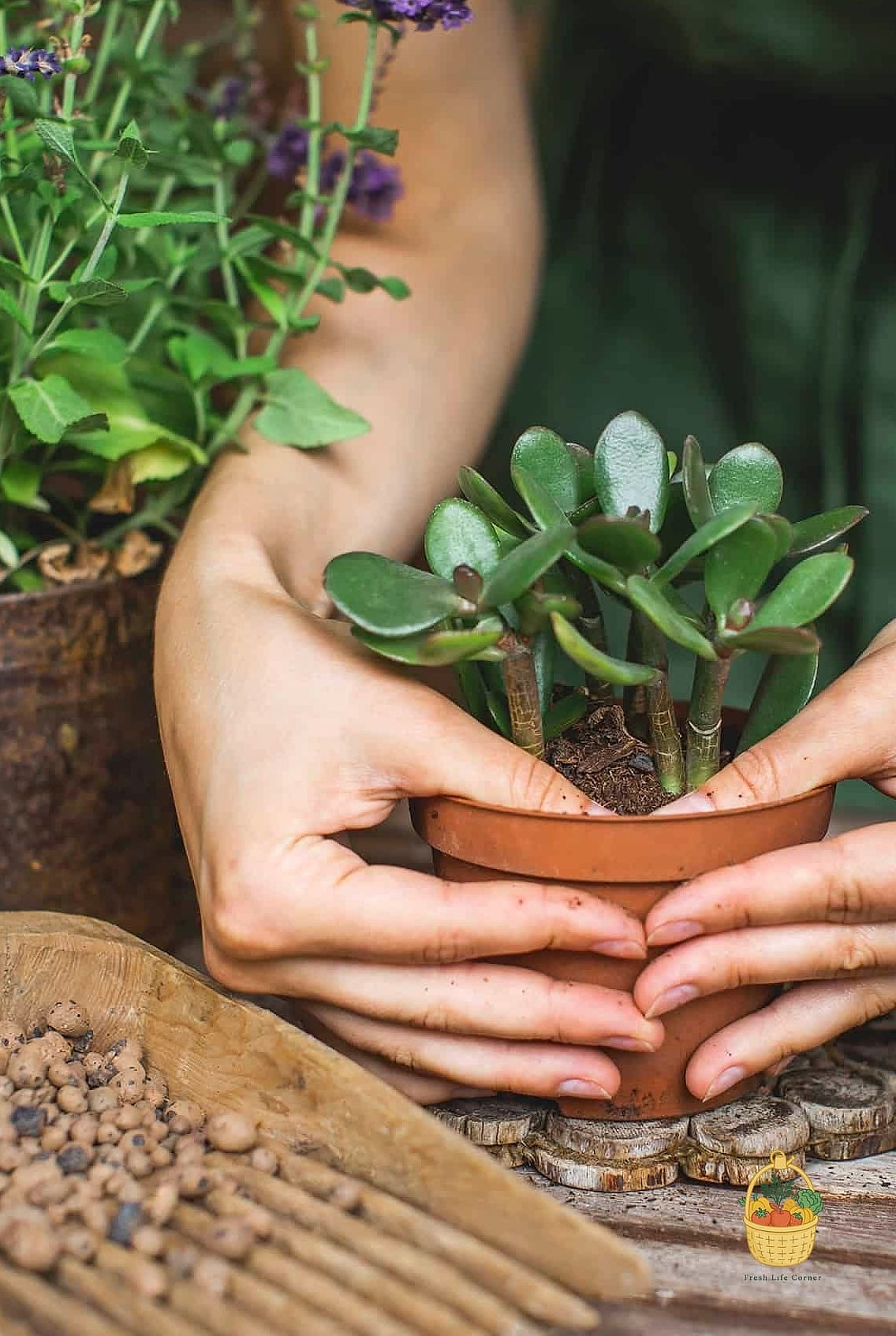
Pellets are often mixed into the soil during potting, but sprinkling them on the surface of established plants instead works just as well for jade plants. Watering gradually dissolves them into the root zone over weeks, and it’s a lot less disruptive than digging around an established plant’s roots.
Feeding It During a Drought Stress Period
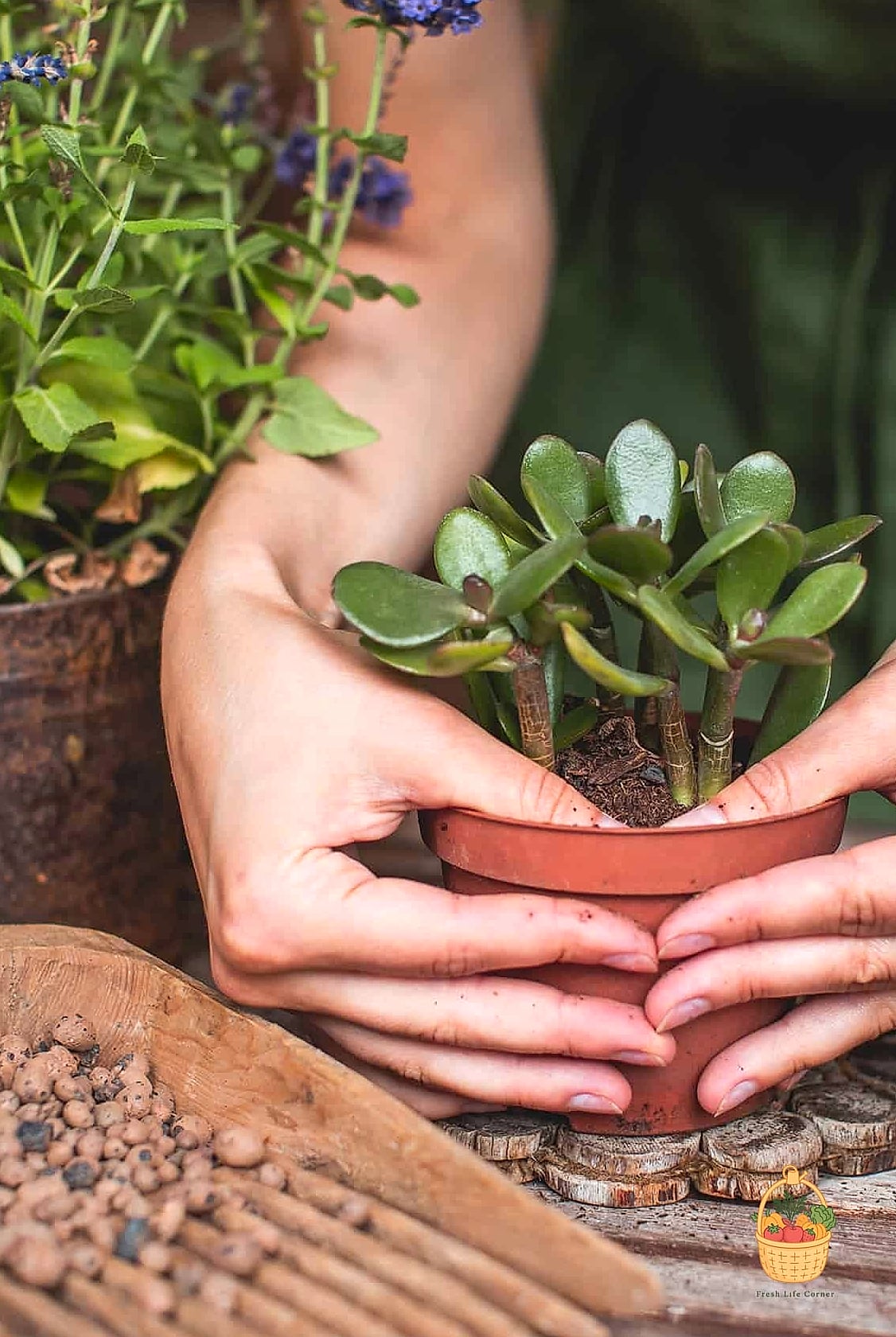
Feeding a stressed plant is generally discouraged, but a very mild, diluted feeding during a mild drought period, once the plant has been rehydrated, can help it recover its color and firmness. This isn’t for a plant in crisis, but for one that’s simply gone a bit too long between waterings.
Using Leftover Tea as Fertilizer
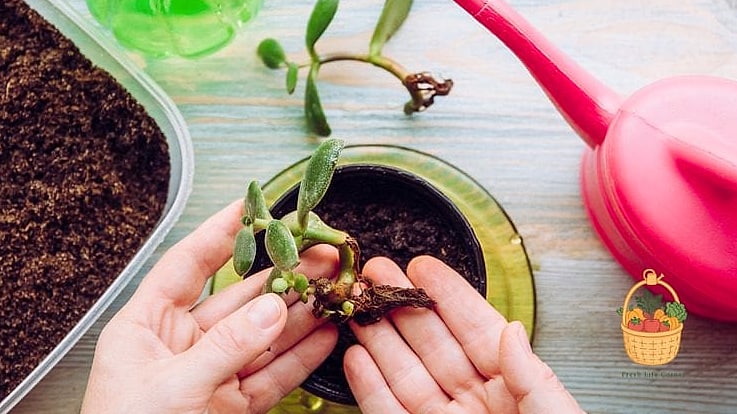
Cooled, unsweetened black or green tea poured occasionally into the soil adds trace nutrients and a mild acidity that jade plants tolerate better than you’d expect. It’s not a primary fertilizer by any means, but as an occasional addition between regular feedings, it’s a low-effort way to supplement what you’re already giving.
Feeding a Stressed or Sunburned Plant
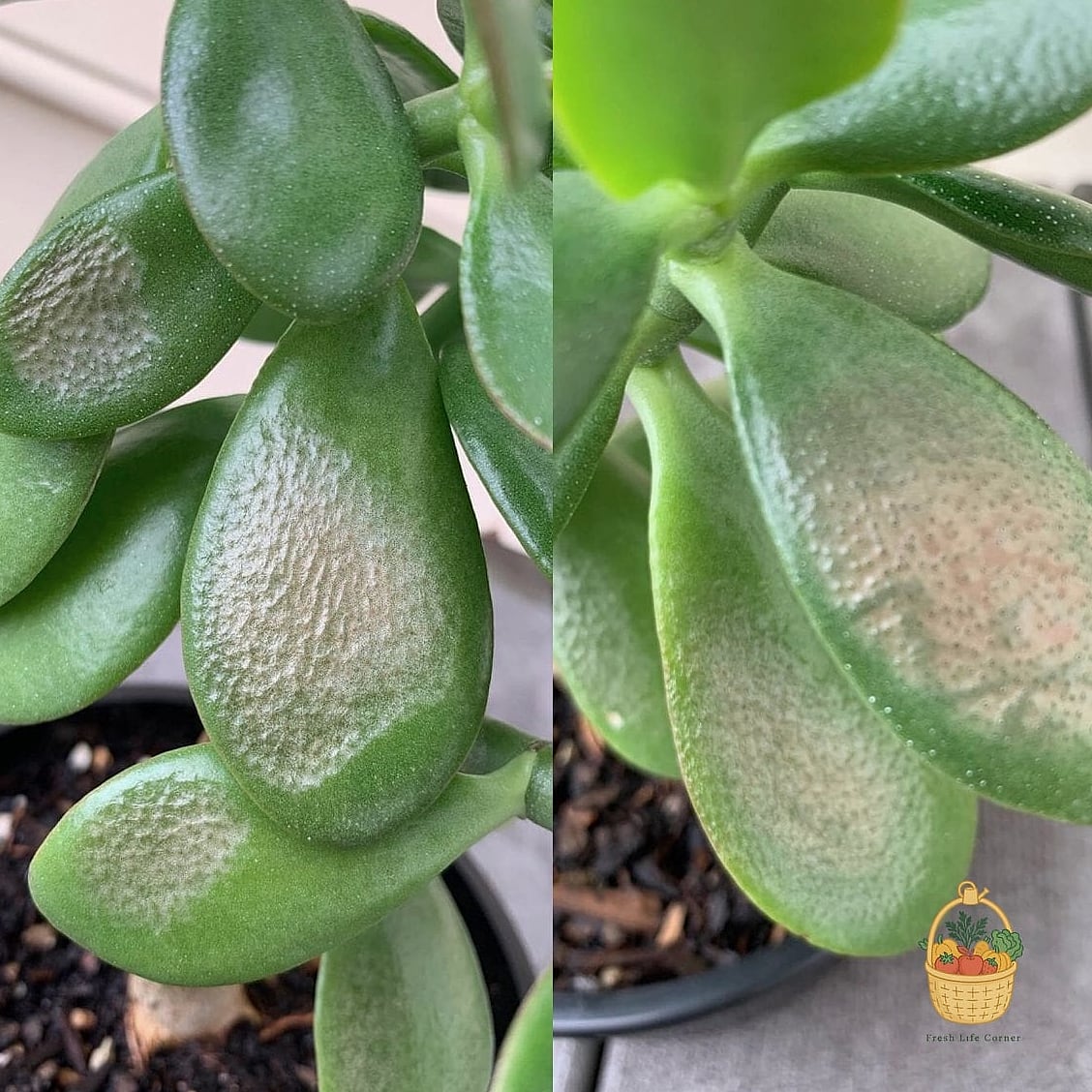
Feeding stressed plants is usually a hard no, but jade plants recovering from mild sunburn — bronzed rather than blistered leaves — often bounce back faster with a very weak feeding once they’re out of direct stress and back in indirect light. The key word is mild; a severely stressed plant still needs rest first.
Skipping Fertilizer and Relying on Compost Top-Dressing
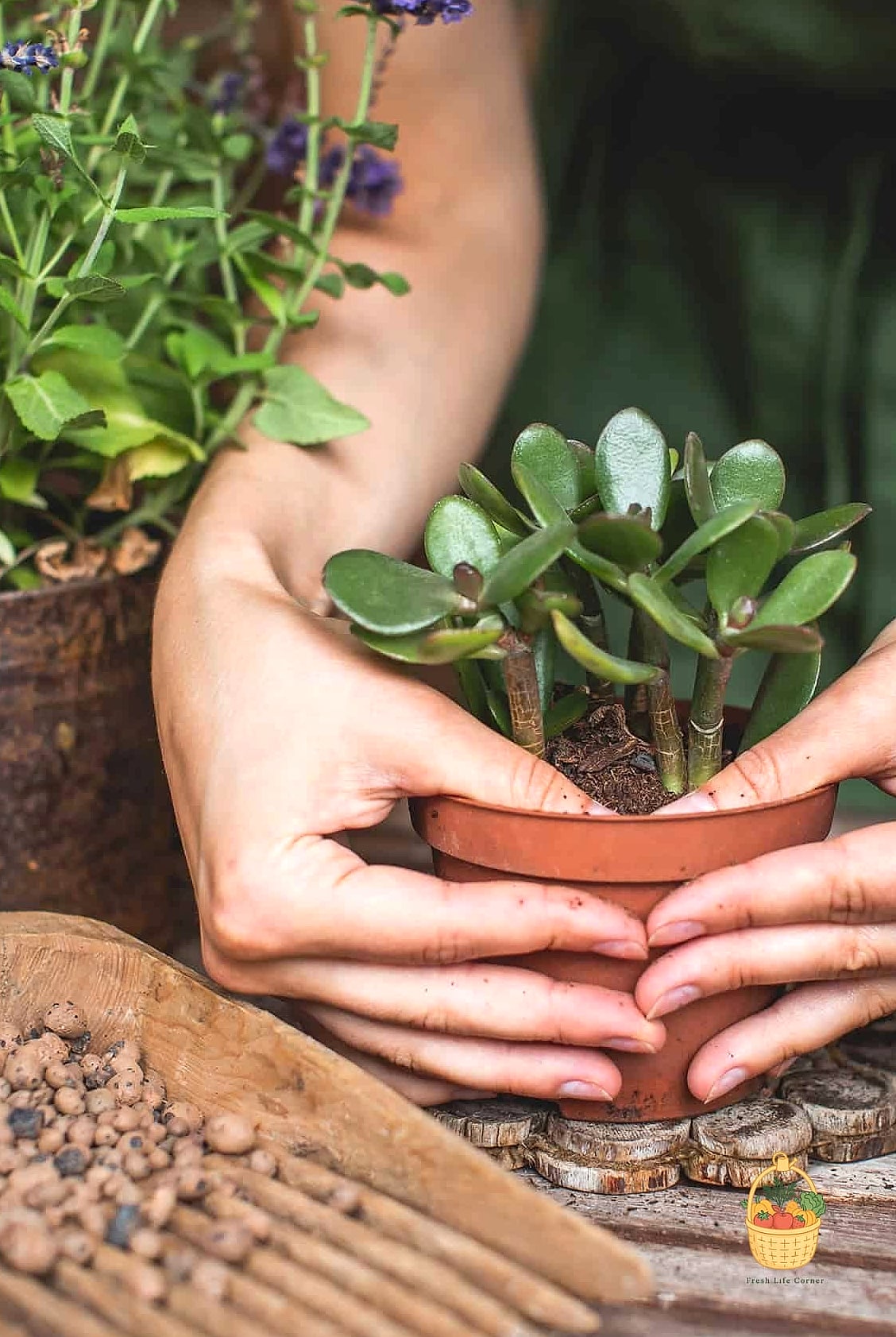
Rather than liquid or granular fertilizer, adding a thin layer of well-aged compost to the soil surface once or twice a year provides a slow, steady nutrient release. It feels like avoiding “real” fertilizing, but for outdoor jade plants in warmer zones, this method keeps the soil healthy without any risk of over-fertilizing.
Feeding It Right Before a Cold Snap
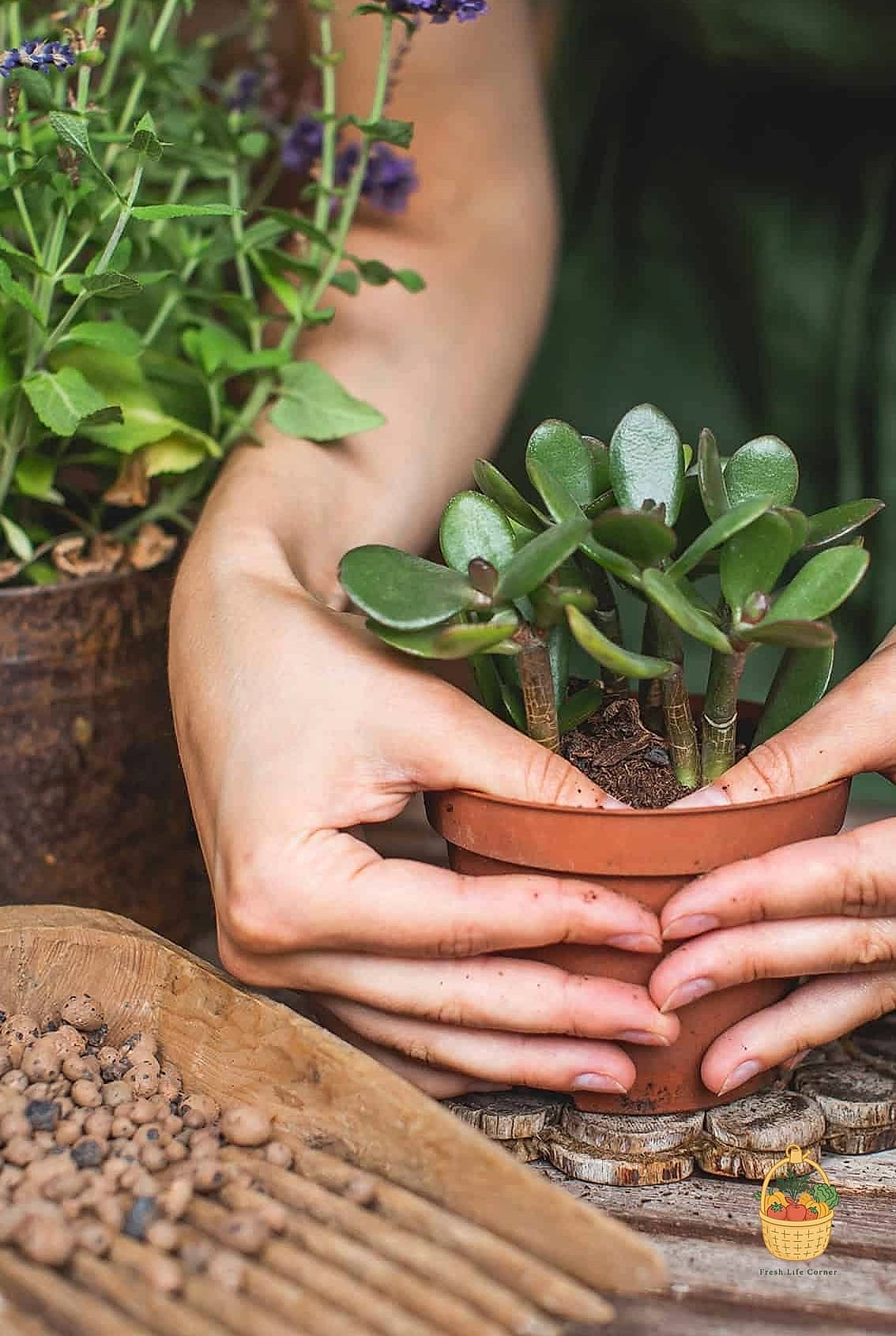
Feeding before cold weather is typically discouraged because it can encourage tender new growth that’s vulnerable to frost. For jade plants grown in mild climates where a cold snap means a light chill rather than a hard freeze, a light feeding beforehand can actually help the plant maintain firmness and resist minor cold stress.
Ignoring the “Feed Monthly” Instructions on the Label
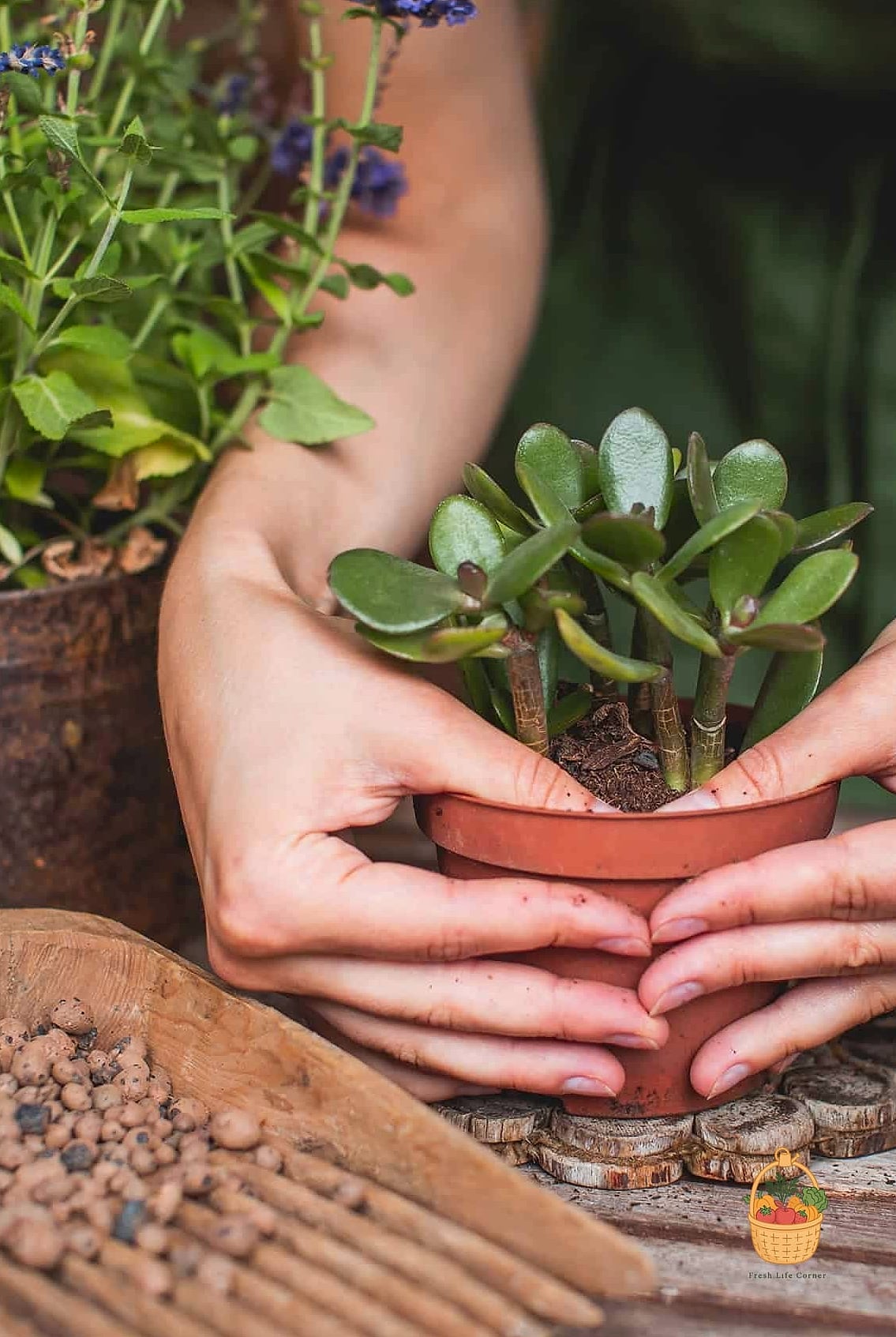
Most all-purpose fertilizer labels recommend monthly feeding, which is far too frequent for a slow-growing succulent. Stretching that out to once every six to eight weeks, even though it contradicts the packaging, keeps jade plants healthier in the long run. Labels are written for a broad range of plants, not the specific needs of a succulent that thrives on neglect.
Jade plants have a way of rewarding gardeners who don’t overthink things. Most of these “wrong” feeding methods work precisely because they lean into what a succulent actually needs — infrequent, diluted, well-timed nutrition rather than a rigid schedule borrowed from thirstier houseplants. If your jade plant has thick, firm leaves, a sturdy trunk, and steady if unhurried growth, whatever you’re doing is working, rules or no rules.