26 Types Of Trees That Are Going Viral on Pinterest
- Japanese Maple
- Weeping Cherry
- Dragon’s Blood Japanese Maple
- Redbud
- Flowering Dogwood
- Crape Myrtle
- River Birch
- Weeping Willow
- Autumn Blaze Maple
- Magnolia
- Saucer Magnolia
- Paper Birch
- Flowering Pear
- Tulip Poplar
- Eastern Redcedar
- Ginkgo
- Serviceberry
- Crimson King Maple
- Southern Live Oak
- Paperbark Maple
- Aspen
- Crabapple
- Sweetgum
- Chinese Fringe Tree
- Bald Cypress
- October Glory Maple
26 Types Of Trees That Are Going Viral on Pinterest
Pinterest has always been a rabbit hole for garden dreamers, but lately the tree boards have taken over completely. Scroll through any landscaping tag and you’ll see the same trees popping up again and again — moody, sculptural, dripping with blossoms, or turning entire yards into autumn postcards. If you’ve ever saved a photo of a tree and thought “I need that in my yard,” you’re definitely not alone.
What’s interesting is that these viral picks aren’t random. They tend to have a few things in common: striking silhouettes, seasonal drama, and just enough personality to make a plain yard look intentional. Below are 26 types of trees that are going viral on Pinterest right now, along with what makes each one worth considering for your own space.
Japanese Maple
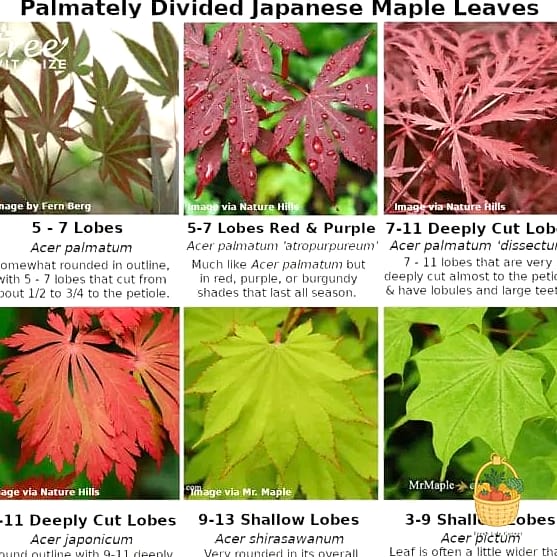
This is probably the single most-pinned tree on the platform, and it’s easy to see why. The lacy, layered foliage turns shades of crimson, orange, and burgundy in fall that photograph beautifully in almost any light. Japanese maples prefer partial shade with protection from harsh afternoon sun, and they do best in well-draining, slightly acidic soil. They’re slow growers, which actually makes them great for smaller yards or container gardening on a patio. Hardy in zones 5 through 8, they’re a favorite for anyone wanting a “finished” look without a decade-long wait.
Weeping Cherry
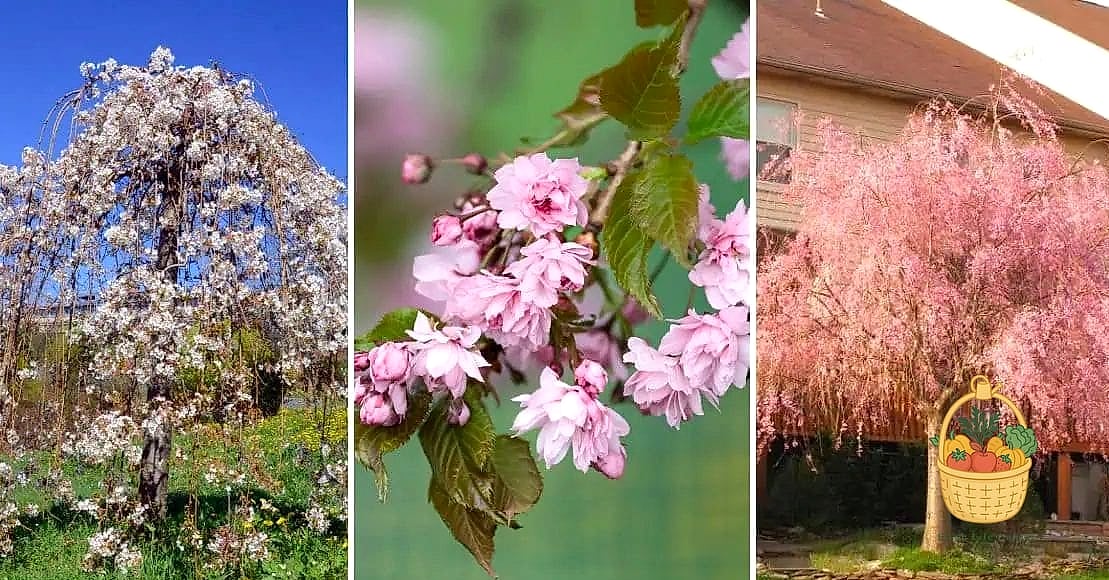
There’s a reason weeping cherry trees flood Pinterest every spring — that cascading curtain of pink blossoms looks like something out of a storybook. They want full sun and rich, well-draining soil to really thrive, and they’re reasonably fast growing once established. Zones 5 through 8 suit them well. Beyond the spring show, the graceful branch structure keeps them interesting through winter, too.
Dragon’s Blood Japanese Maple
A slightly different take on the classic maple, this variety has deep red-purple leaves that hold their color longer into summer than most cultivars. It stays compact, making it perfect for foundation plantings or as a specimen tree near a patio. Full sun to partial shade and consistent moisture keep it looking its best. Gardeners love it because it delivers color without the maintenance headaches of pickier ornamentals.
Redbud
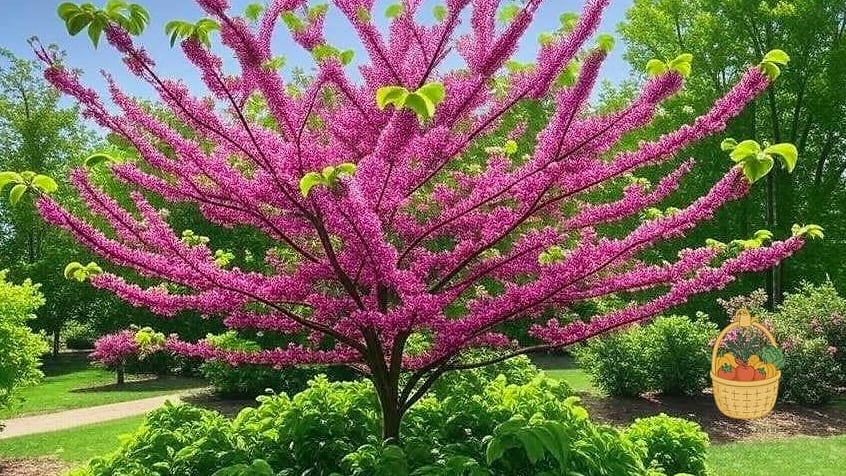
Redbuds go viral every spring when their branches burst into clouds of magenta-pink blooms before the leaves even appear. They tolerate a wide range of soils, including clay, and handle both full sun and partial shade with ease. Native to much of the eastern and central US, they’re also a solid pollinator-friendly choice. Fast-growing and forgiving, this is a great pick for beginner gardeners who want instant curb appeal.
Flowering Dogwood
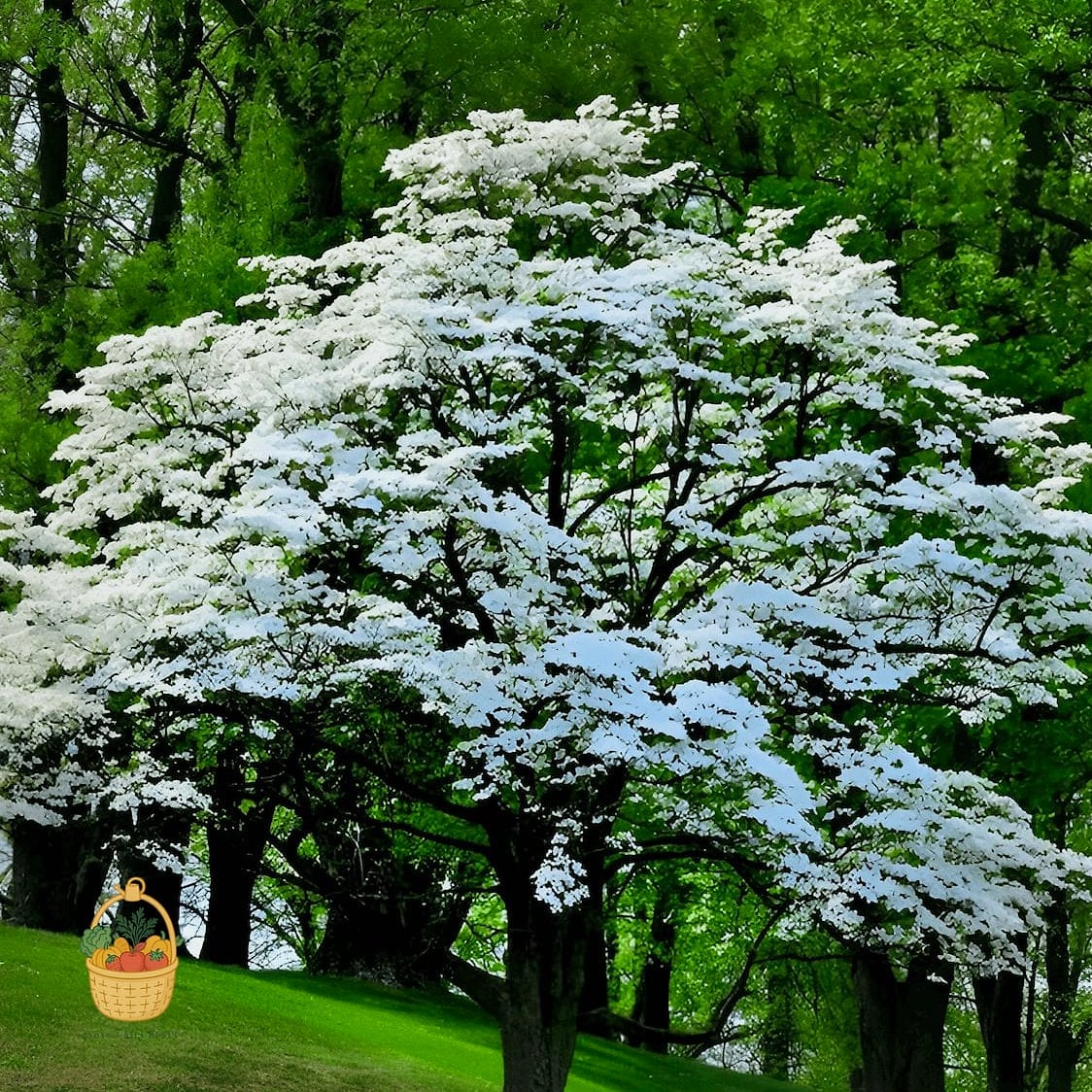
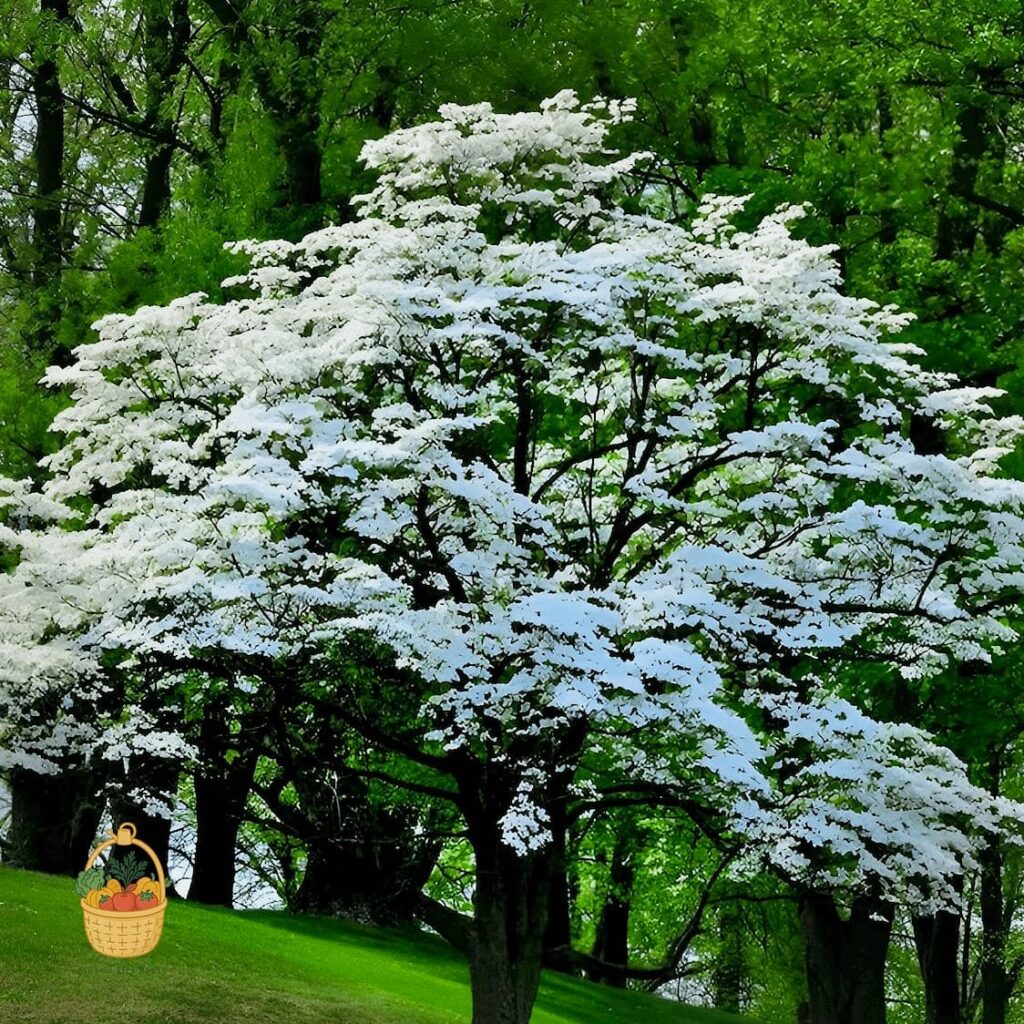
Dogwoods have that classic Southern charm that photographs beautifully against a blue spring sky. They prefer partial shade and moist, well-draining, slightly acidic soil — think of the dappled light at a woodland edge. Growth is moderate, and mature trees stay a manageable size for most residential yards. Deer tend to leave them alone once established, which is a bonus if that’s a battle in your area.
Crape Myrtle
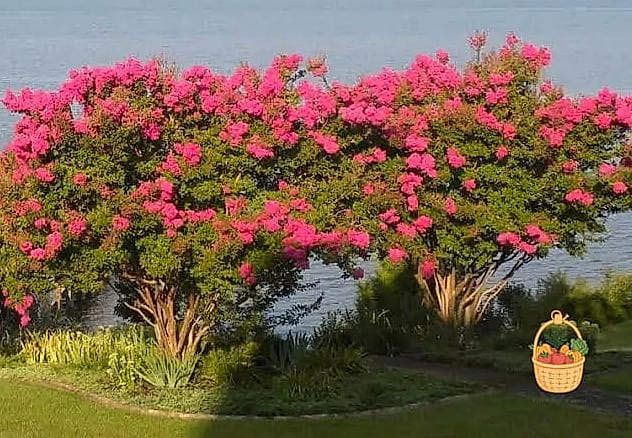
Crape myrtles are all over Pinterest for their long summer bloom season, when they’re covered in ruffled pink, red, purple, or white flowers for weeks on end. They love full sun and are remarkably drought tolerant once established, making them low-maintenance in warmer climates. Zones 6 through 9 are their sweet spot. The peeling, mottled bark also adds winter interest long after the flowers are gone.
River Birch
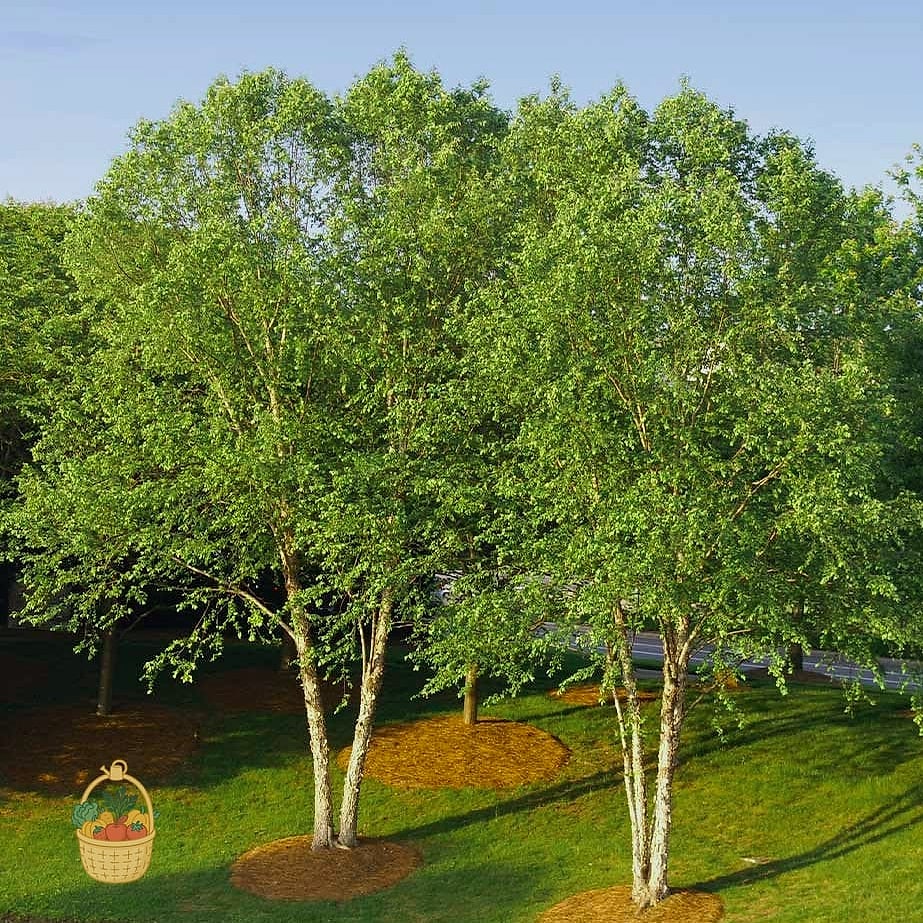
The peeling, cinnamon-colored bark on a river birch is a texture lover’s dream, and it’s a frequent feature in modern landscaping boards. It thrives in moist soil and full sun to partial shade, and it’s notably more resistant to the birch borer than other birch species. Fast-growing and adaptable, it works well near ponds, rain gardens, or anywhere drainage tends to collect.
Weeping Willow
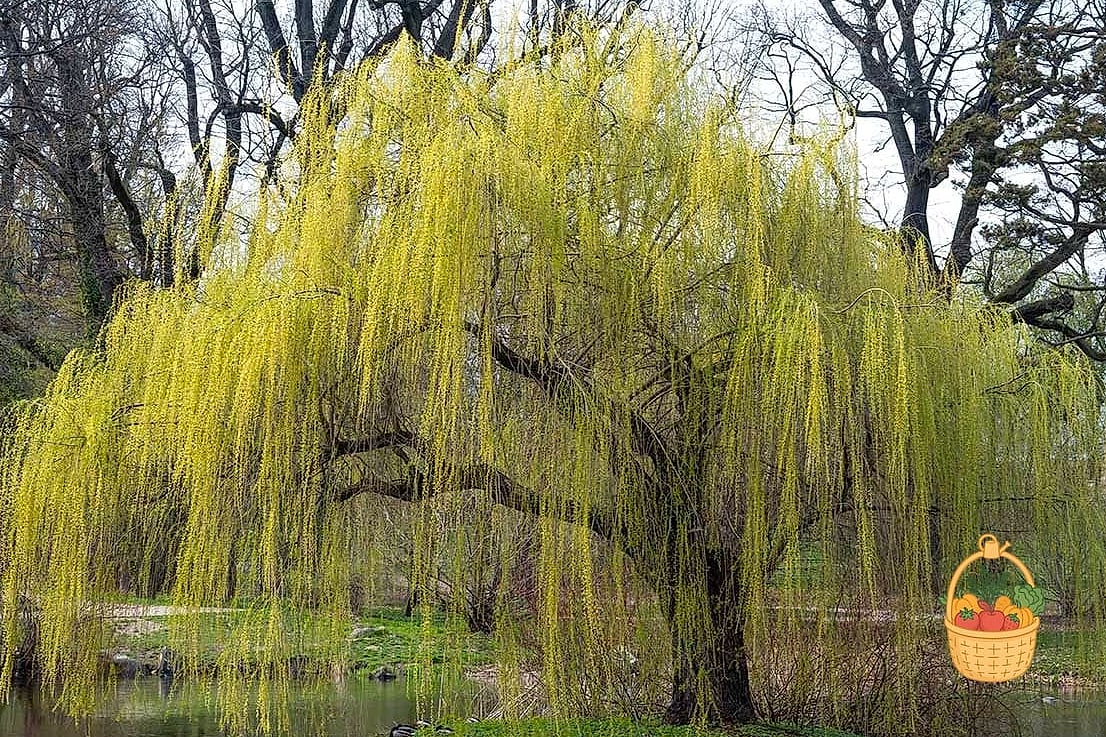
Few trees create the same dreamy, romantic mood as a weeping willow with its branches trailing into a pond or creek. They want full sun and consistently moist soil, which is why they’re often planted near water features. Growth is fast, sometimes surprisingly so, and they can get large, so give them room. This one is less suited to small suburban lots and more at home on larger properties.
Autumn Blaze Maple
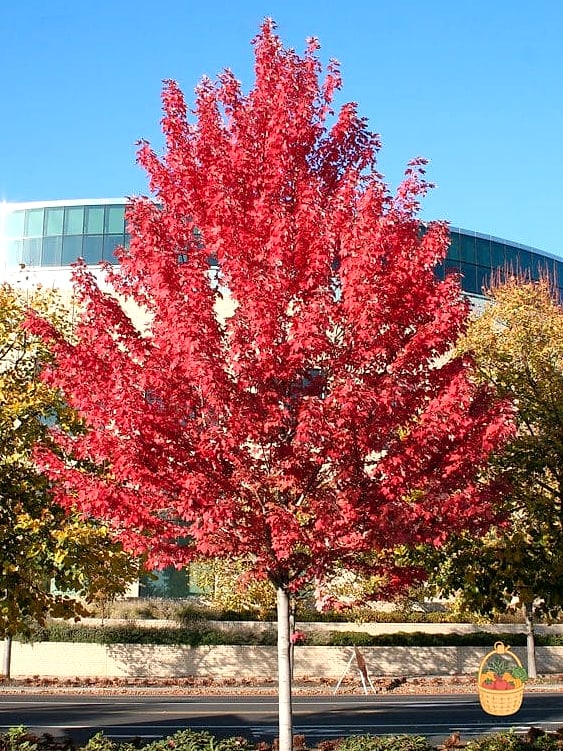
This hybrid maple is a fall-color superstar, turning a fiery orange-red almost overnight once temperatures drop. It grows quickly, tolerates a range of soil types, and handles both full sun and light shade. Hardy in zones 3 through 8, it’s a popular shade tree pick for people who want that classic New England autumn look without waiting forever.
Magnolia
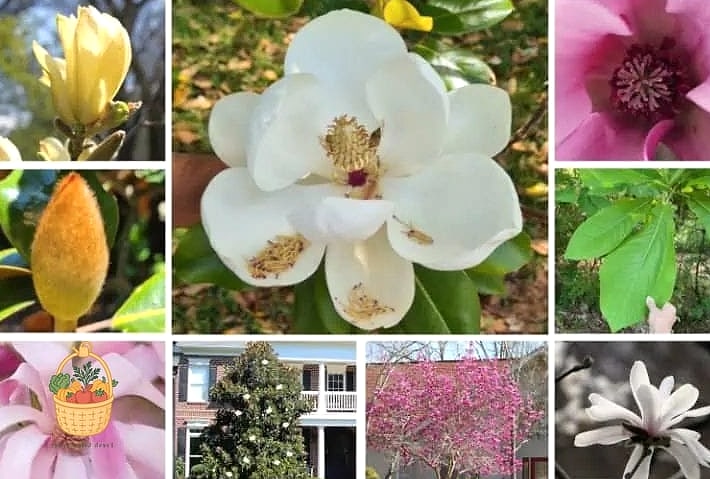
Southern magnolias with their glossy evergreen leaves and enormous fragrant white blooms are a Pinterest staple for a reason — they look almost too perfect to be real. They prefer full sun to partial shade and rich, well-draining, slightly acidic soil. Growth is moderate, and they can get sizable over time, so they work best as a statement tree rather than a foundation planting. Zones 6 through 10 fit them well.
Saucer Magnolia
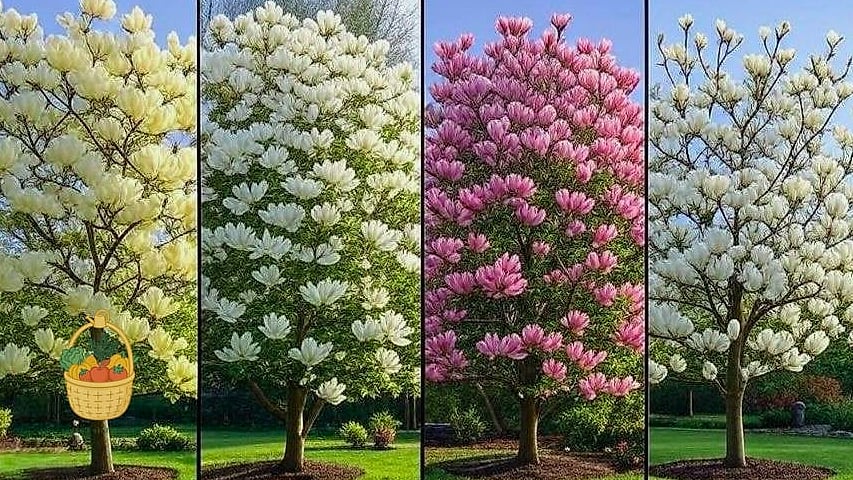
A smaller cousin to the Southern magnolia, this deciduous variety produces tulip-shaped pink and white blooms in early spring before the leaves emerge. It handles full sun to partial shade and appreciates well-draining soil with regular moisture while establishing. It’s a moderate grower and stays more compact, making it a better fit for smaller yards than its evergreen relative.
Paper Birch
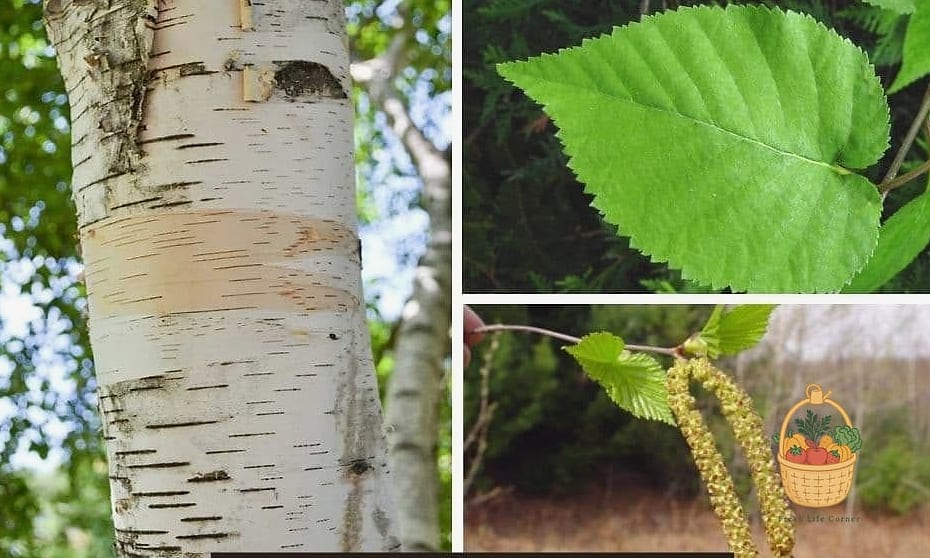
With its stark white, papery bark, this tree brings a striking contrast to any landscape, especially against dark evergreens. It prefers cooler climates, full sun, and moist, well-draining soil. Zones 2 through 7 suit it best, and it doesn’t love hot, humid summers, so it’s more of a Northern favorite. The bark peels naturally in curling strips, which photographs beautifully in winter light.
Flowering Pear
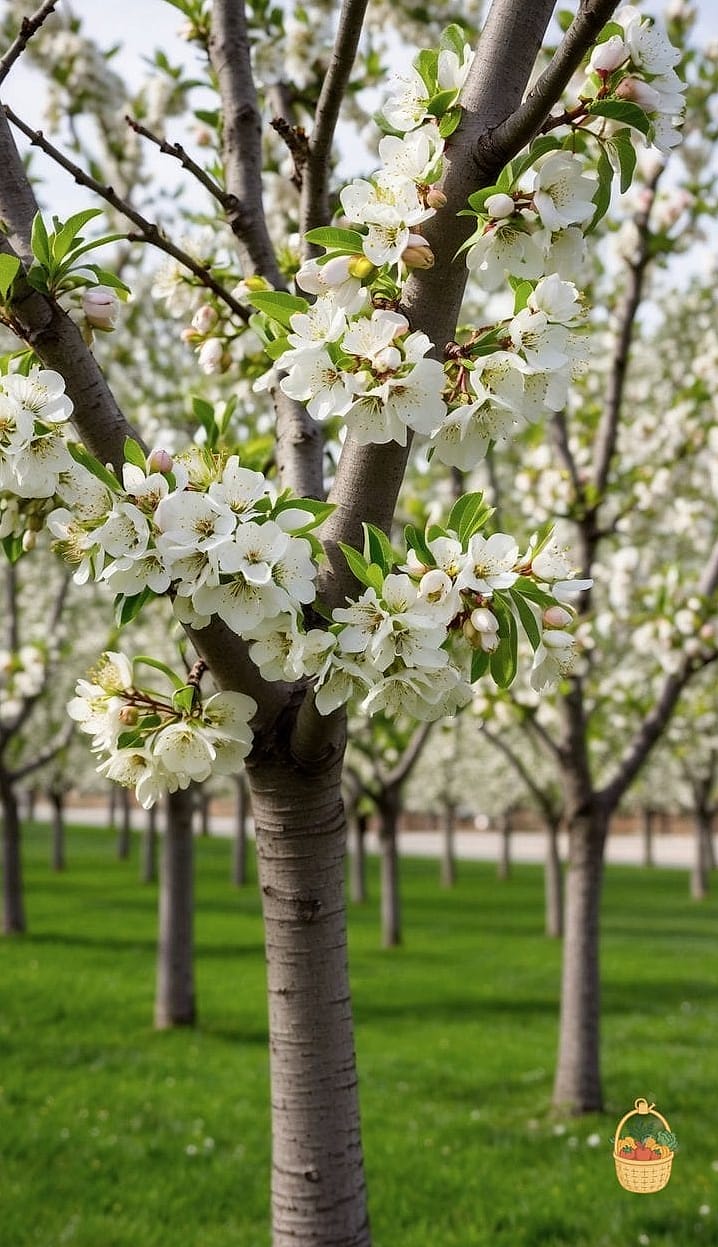
Ornamental pear trees explode into clouds of white blossoms in early spring, often before most other trees have even budded. They’re adaptable to nearly any soil type and tolerate both drought and occasional wet spells once established. Full sun brings out the best bloom. They’re fast growers, though some gardeners note the wood can be a bit brittle in storms, so a sheltered spot is wise.
Tulip Poplar

Named for its unusual tulip-shaped flowers and leaves, this native tree is a favorite for anyone wanting height and shade fast. It prefers full sun and deep, well-draining soil, and it can grow remarkably quickly once established. It’s a large tree at maturity, so it’s best suited to bigger properties rather than tight urban lots.
Eastern Redcedar
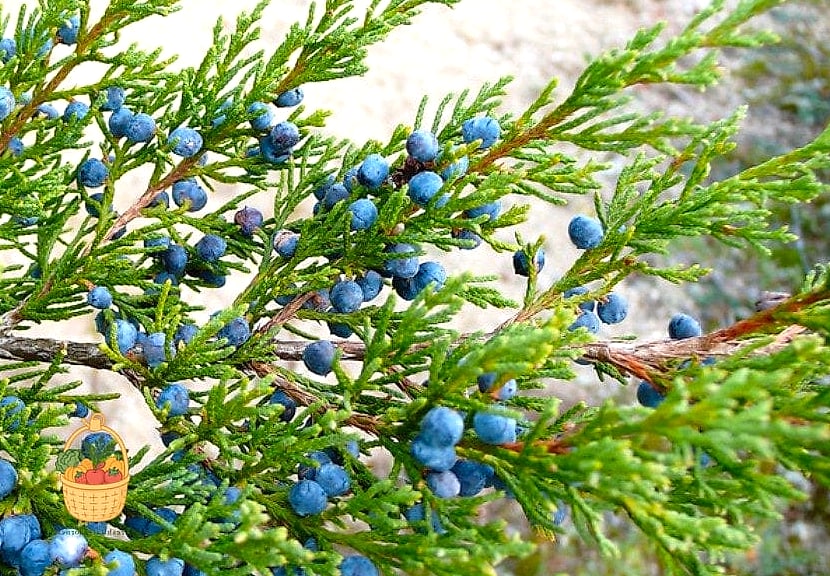
This native evergreen shows up often in cottagecore and rustic landscaping boards for its dense, blue-green foliage and berry-like cones. It’s remarkably drought tolerant and adaptable, growing happily in poor soil, full sun, and a range of conditions most other trees would sulk in. It’s a slow to moderate grower and works well as a privacy screen or windbreak.
Ginkgo
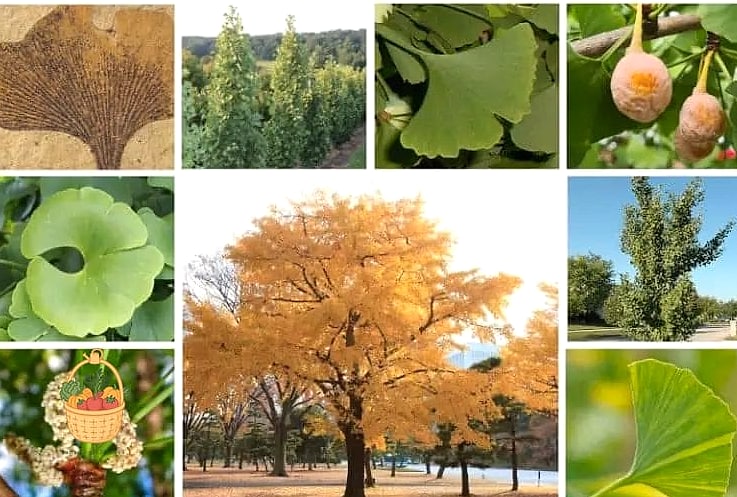
Ginkgo trees go viral every autumn when their fan-shaped leaves turn a uniform, brilliant gold and often drop all at once, carpeting the ground in yellow. They tolerate urban pollution and compacted soil better than most trees, which is part of why you see them lining city streets. Full sun and well-draining soil keep them happy, and they’re notably pest and disease resistant. Just be sure to plant a male cultivar, since female trees produce famously smelly fruit.
Serviceberry
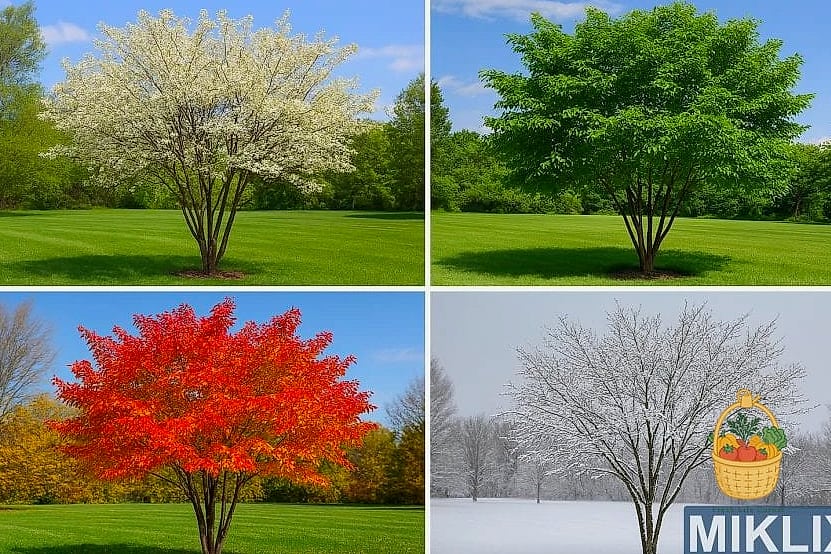
Serviceberry trees offer a bit of everything: white spring blooms, edible summer berries, and fiery fall foliage. They adapt well to full sun or partial shade and aren’t picky about soil as long as it drains reasonably well. Birds love the berries, which makes this a favorite for wildlife-friendly and pollinator-conscious gardens. It’s a smaller tree, so it fits nicely into more modest yards.
Crimson King Maple
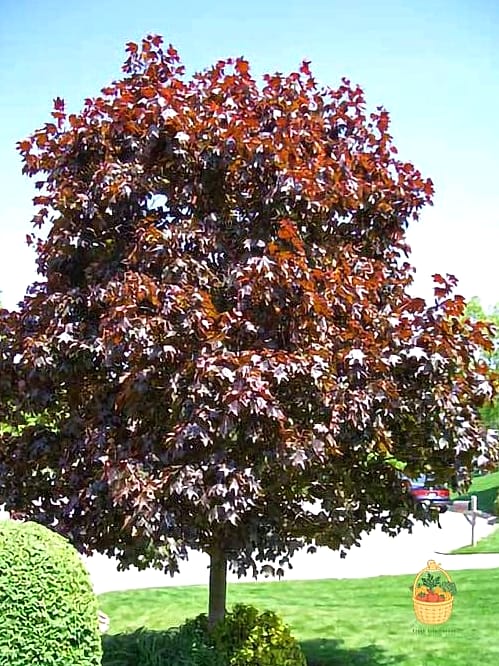
This maple keeps its deep purple-red foliage all season long instead of just in fall, which makes it a favorite for adding consistent color to a landscape. It prefers full sun for the best leaf color and adapts to most well-draining soils. Growth is moderate, and it holds up well in zones 3 through 7. Gardeners often use it as a bold contrast tree against lighter green plantings.
Southern Live Oak
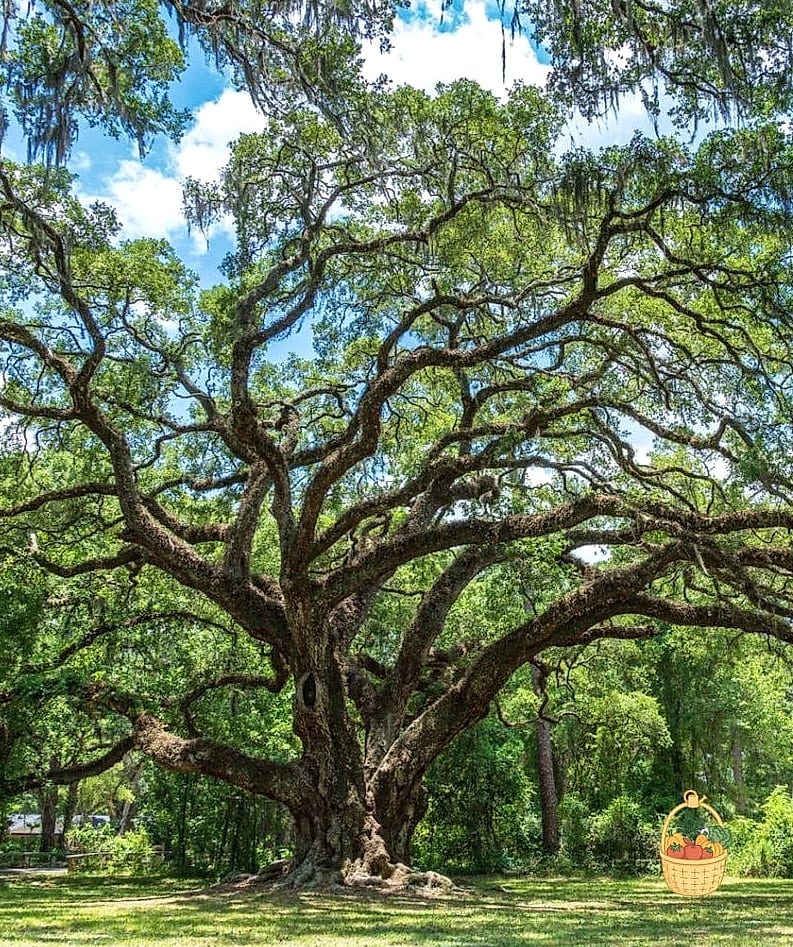
Draped in Spanish moss and sprawling wide with age, live oaks are the definition of Southern romance in a landscape photo. They tolerate a wide range of soils and are quite drought tolerant once established, though they do need room to spread. Full sun brings out their best form. This is a long-term investment tree — slow to moderate growing, but it rewards patience with serious longevity.
Paperbark Maple
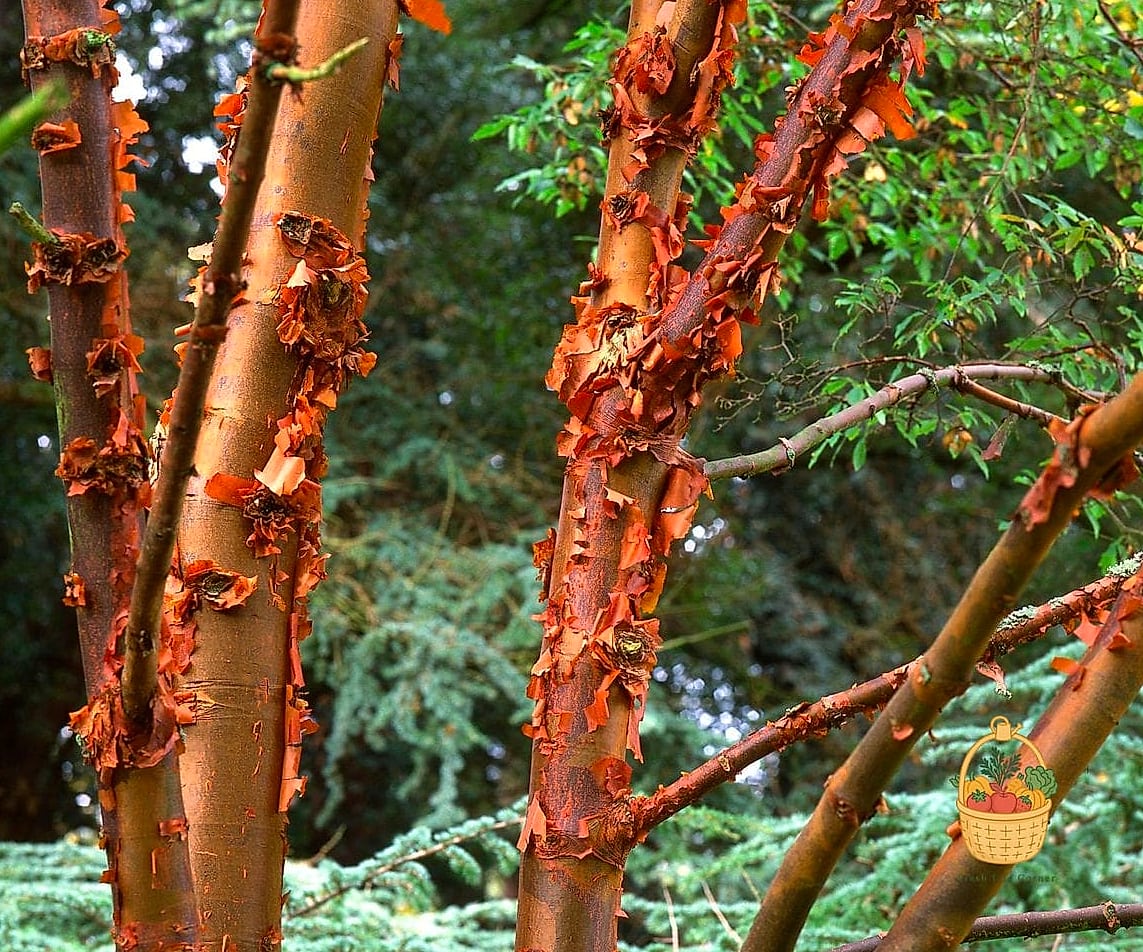
The cinnamon-colored, peeling bark on this maple makes it a four-season standout, especially striking against snow in winter. It prefers partial shade and consistently moist, well-draining soil. It’s a slow grower and stays fairly small, which makes it an excellent choice for smaller gardens or as a specimen near an entryway.
Aspen
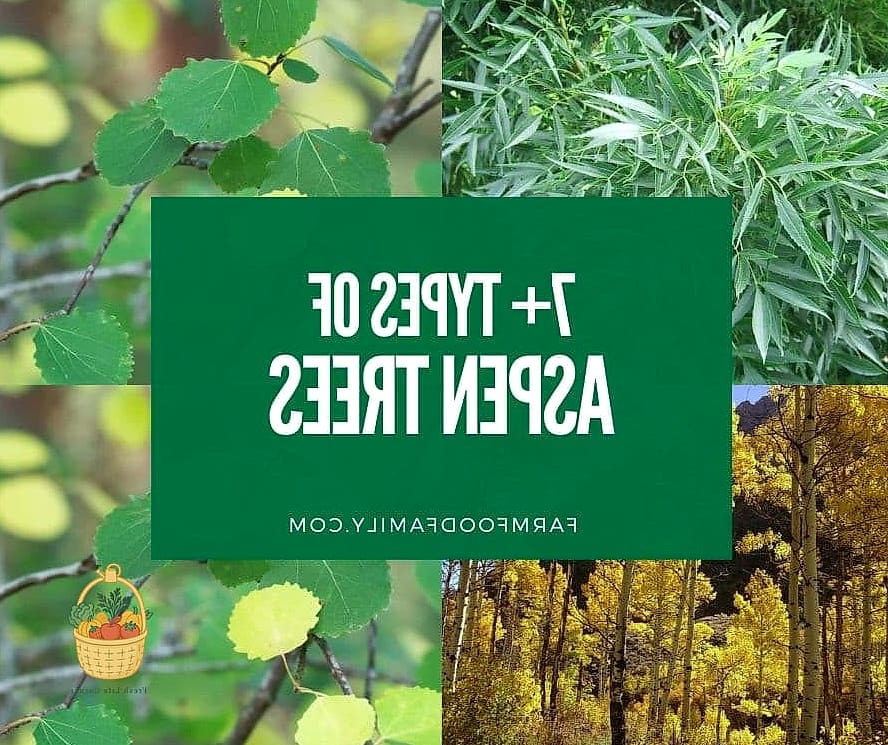
Quaking aspens are known for their leaves that flutter and shimmer in even the slightest breeze, plus brilliant gold fall color that lights up mountain landscapes. They prefer full sun and cooler climates, doing best in zones 1 through 6. They spread by root suckers, so they’re better suited to larger properties where a grove can form naturally rather than tight suburban lots.
Crabapple
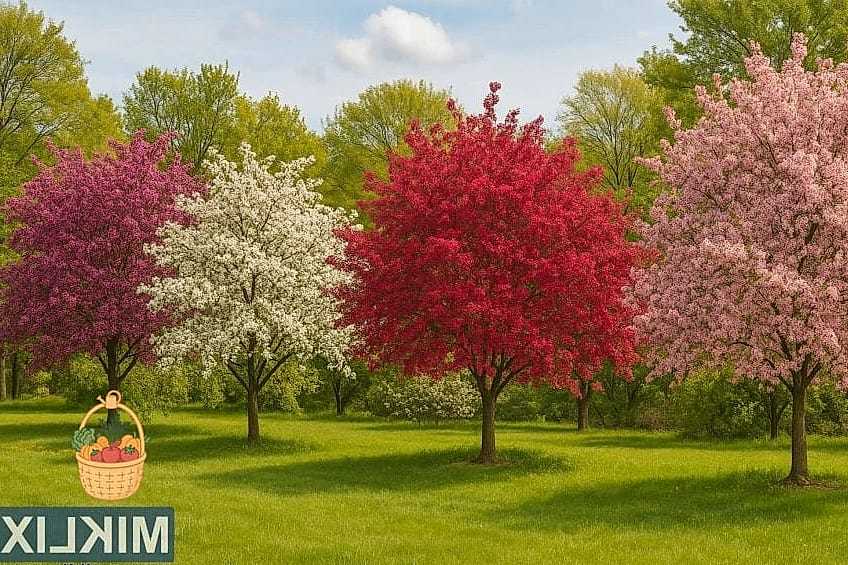
Crabapples bring a burst of pink or white spring blossoms followed by small, colorful fruit that birds absolutely love. They do best in full sun with well-draining soil and are fairly adaptable once established. Many newer disease-resistant varieties have made them a much lower-maintenance option than they used to be. They stay compact, making them a popular pick for smaller yards and pollinator gardens alike.
Sweetgum
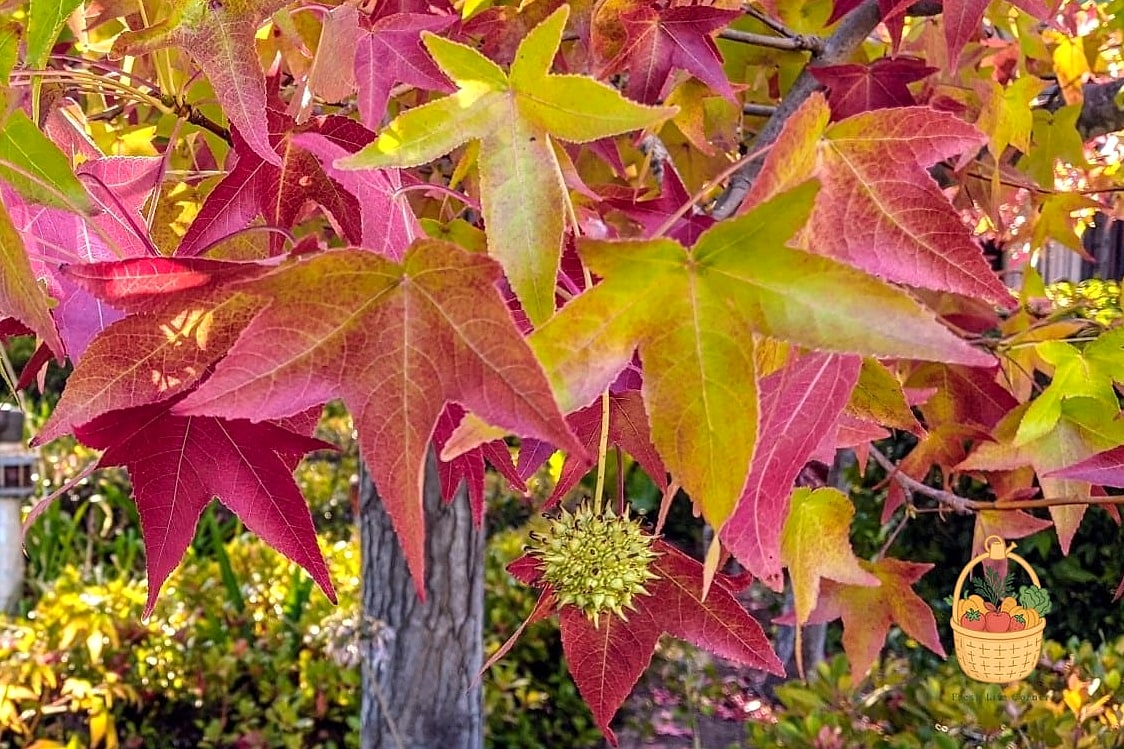
Sweetgum trees are polarizing thanks to their spiky seed pods, but their star-shaped leaves turn a stunning mix of purple, red, orange, and yellow in fall, all on the same tree. They prefer full sun and moist, well-draining soil, and they grow at a moderate to fast pace. If you want multicolor autumn drama without planting several different trees, this one does it solo.
Chinese Fringe Tree
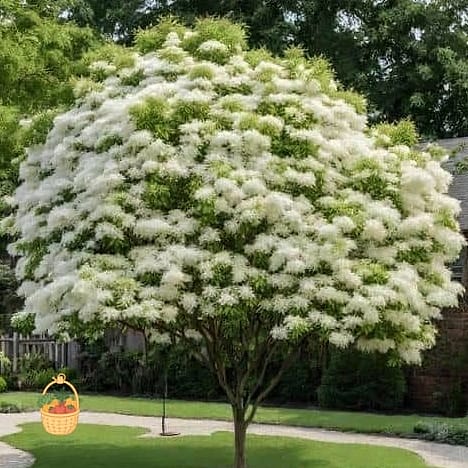
This lesser-known variety is having a Pinterest moment thanks to its delicate, wispy white blooms that look almost like frost draped over the branches. It handles full sun to partial shade and adapts to most well-draining soils. Growth is slow, so patience is part of the deal, but the payoff is a genuinely unique specimen tree that most neighbors won’t recognize.
Bald Cypress
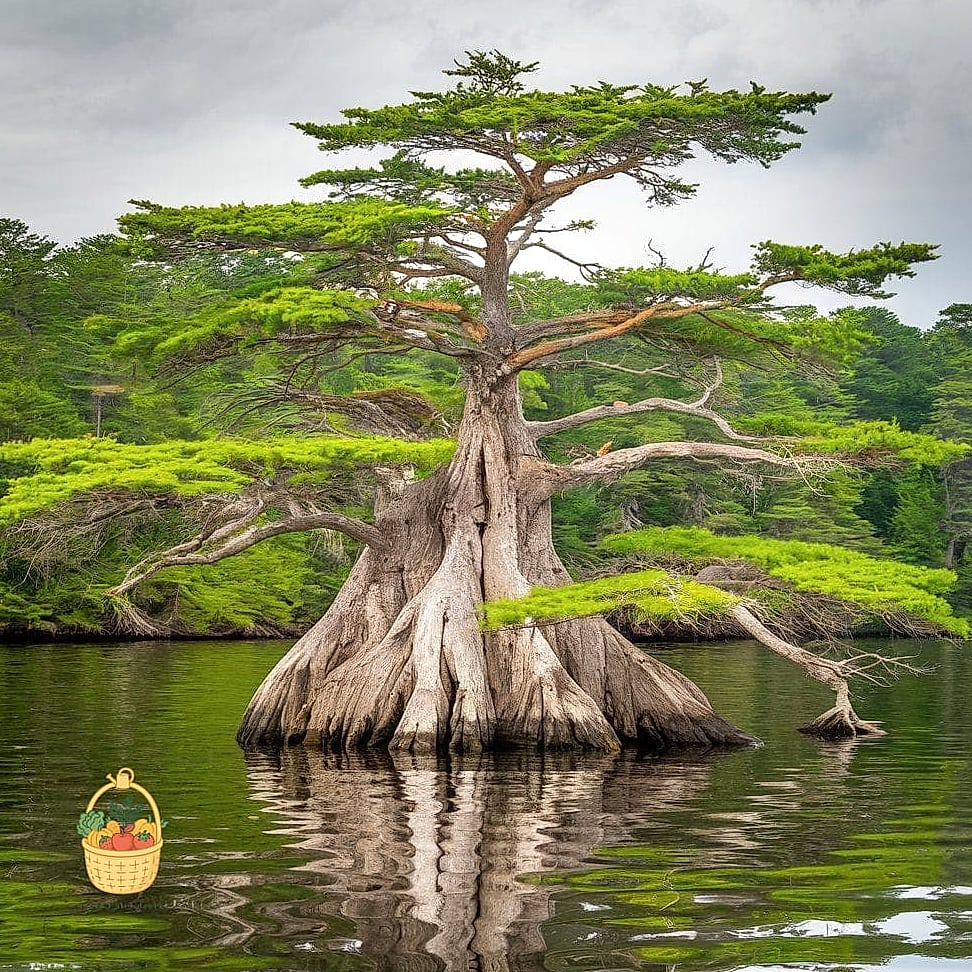
Bald cypress trees bring soft, feathery foliage that turns a warm rust-orange in fall, and they’re beloved for thriving in wet, swampy conditions where other trees struggle. They tolerate full sun and a wide range of moisture levels, from soggy soil to surprisingly dry spells once established. Zones 4 through 9 work well. Their distinctive “knees” poking up around the base add an interesting textural element near ponds or low-lying yards.
October Glory Maple
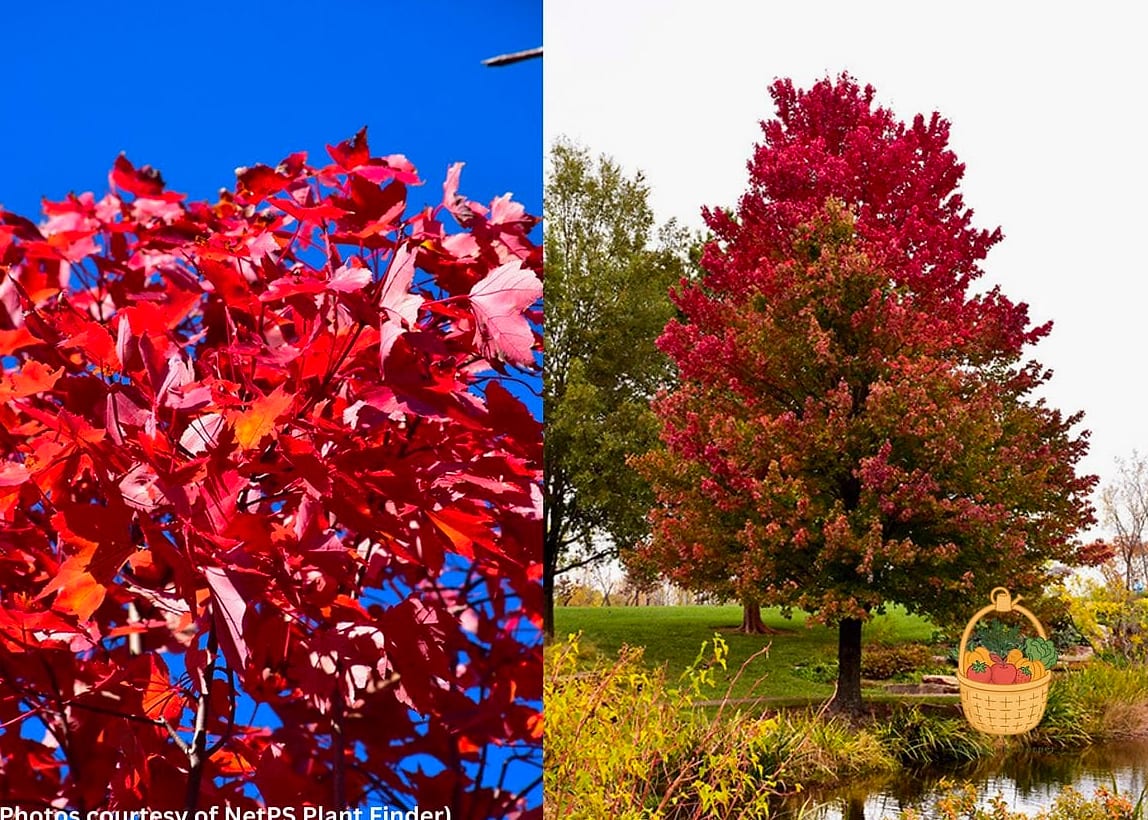
Living up to its name, this maple holds its brilliant red fall color later into the season than most other maples, giving you a longer window to enjoy it. It prefers full sun and adapts to a range of soil types, including slightly wet conditions. It’s a moderate to fast grower and works well as a shade tree for zones 4 through 9. For anyone chasing that perfect fall photo a little later in the season, this is the one to plant.
Between the delicate spring bloomers and the bold fall color changers, it’s not hard to see why these trees keep showing up in everyone’s saved pins. A lot of them are more forgiving than they look in photos, too — plenty tolerate average soil, moderate neglect, and a range of climates once they’re settled in. If you’re planning a new planting this season, it’s worth matching your pick to your actual growing conditions rather than just the prettiest photo, but honestly, with this list, it’s hard to go wrong either way.