25 Clever Strawberry Planter Ideas to Grow Fresh Berries Anywhere
- Classic Terracotta Strawberry Jar
- Hanging Strawberry Basket
- Vertical PVC Pipe Planter
- Repurposed Rain Gutter Planters
- Strawberry Pyramid Planter
- Mason Jar Windowsill Planters
- Repurposed Wooden Pallet Planter
- Galvanized Metal Tub Planter
- Strawberry Pot Tower with Grow Lights
- Old Wine Barrel Planter
- Strawberry Tower with Recycled Buckets
- Fabric Grow Bags
- Strawberry Planter with Companion Marigolds
- Raised Bed Planter Box with Netting
- Strawberry Planter Made from an Old Dresser Drawer
- Strawberry Ladder Planter
- Self-Watering Strawberry Planter
- Strawberry Planter in a Repurposed Wheelbarrow
- Strawberry Planter Built into a Garden Bench
- Strawberry Planter with Drip Irrigation Timer
- Strawberry Planter Made from Stacked Terracotta Pots
- Strawberry Planter for a Balcony Railing
- Strawberry Planter Using a Ceramic Chimney Pot
- Strawberry Planter Combined with a Vertical Pallet Herb Garden
- Strawberry Planter Made from a Repurposed Bathtub
25 Clever Strawberry Planter Ideas to Grow Fresh Berries Anywhere
If you’ve ever tried growing strawberries straight in the ground, you already know the drill — slugs get there first, the runners take over the whole bed, and half your berries end up rotting against damp soil. The good news is that strawberries are some of the most container-friendly fruits you can grow, and a smart planter setup solves nearly every one of those headaches at once.
Whether you’ve got a sprawling backyard or a six-foot balcony, there’s a strawberry planter idea here that’ll fit. Below are 25 clever strawberry planter ideas to grow fresh berries anywhere, from classic terracotta setups to repurposed junk-drawer genius. Let’s dig in.
Classic Terracotta Strawberry Jar

This is the one most people picture when they think of strawberry planters — a tall clay jar with side pockets poking out at angles. Each pocket holds one plant, so you can fit eight to twelve strawberries in a footprint the size of a dinner plate. Terracotta breathes well, which helps prevent root rot, but it also dries out fast, so plan on watering every day or two in summer. Set it in full sun and use well-draining potting mix with a bit of compost worked in.
Hanging Strawberry Basket
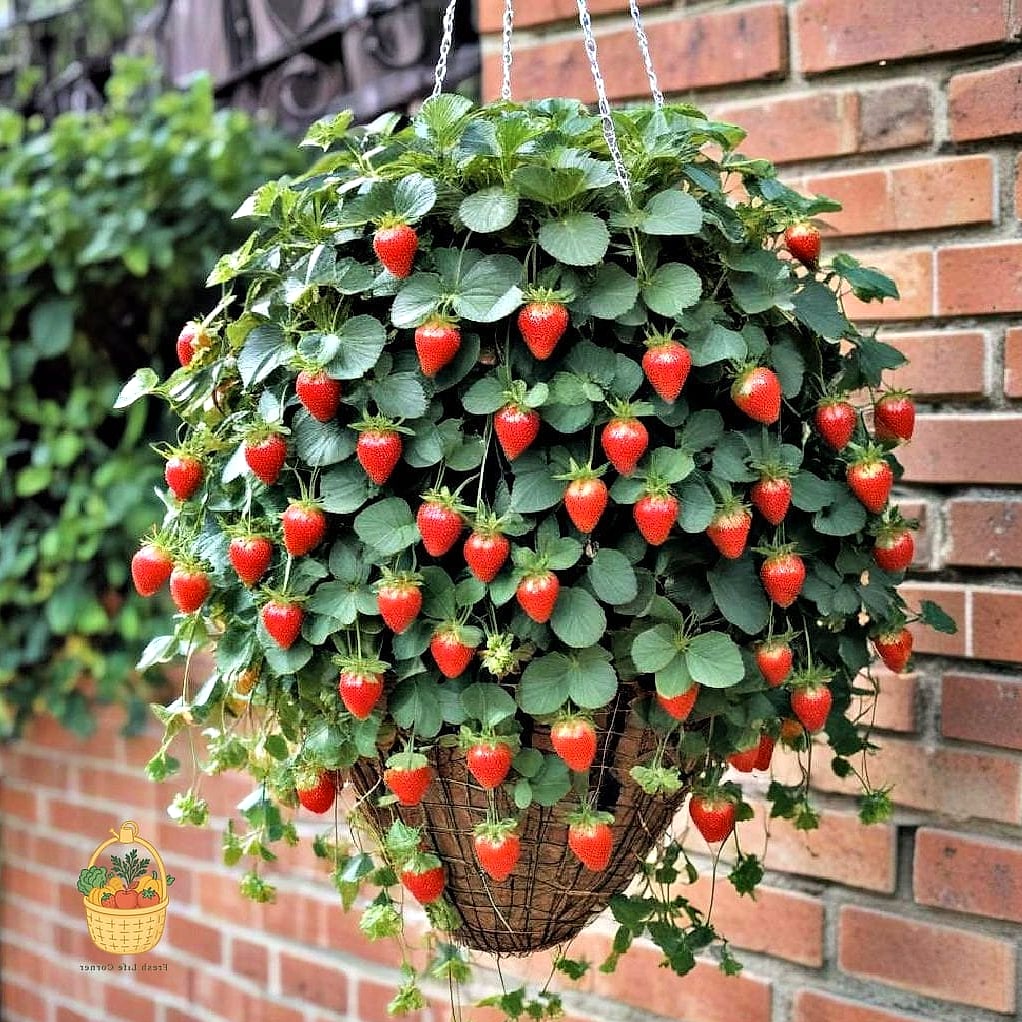
Hanging baskets keep berries up off the soil, which cuts down on slug damage and rot dramatically. Look for varieties described as “trailing” or day-neutral types, since they’ll cascade nicely over the basket edge. Line the basket with coco coir to help retain moisture, and hang it somewhere that gets at least six hours of sun. Just don’t forget these dry out quicker than ground planters — a hanging basket with drip irrigation attached is a lifesaver if you travel often.
Vertical PVC Pipe Planter
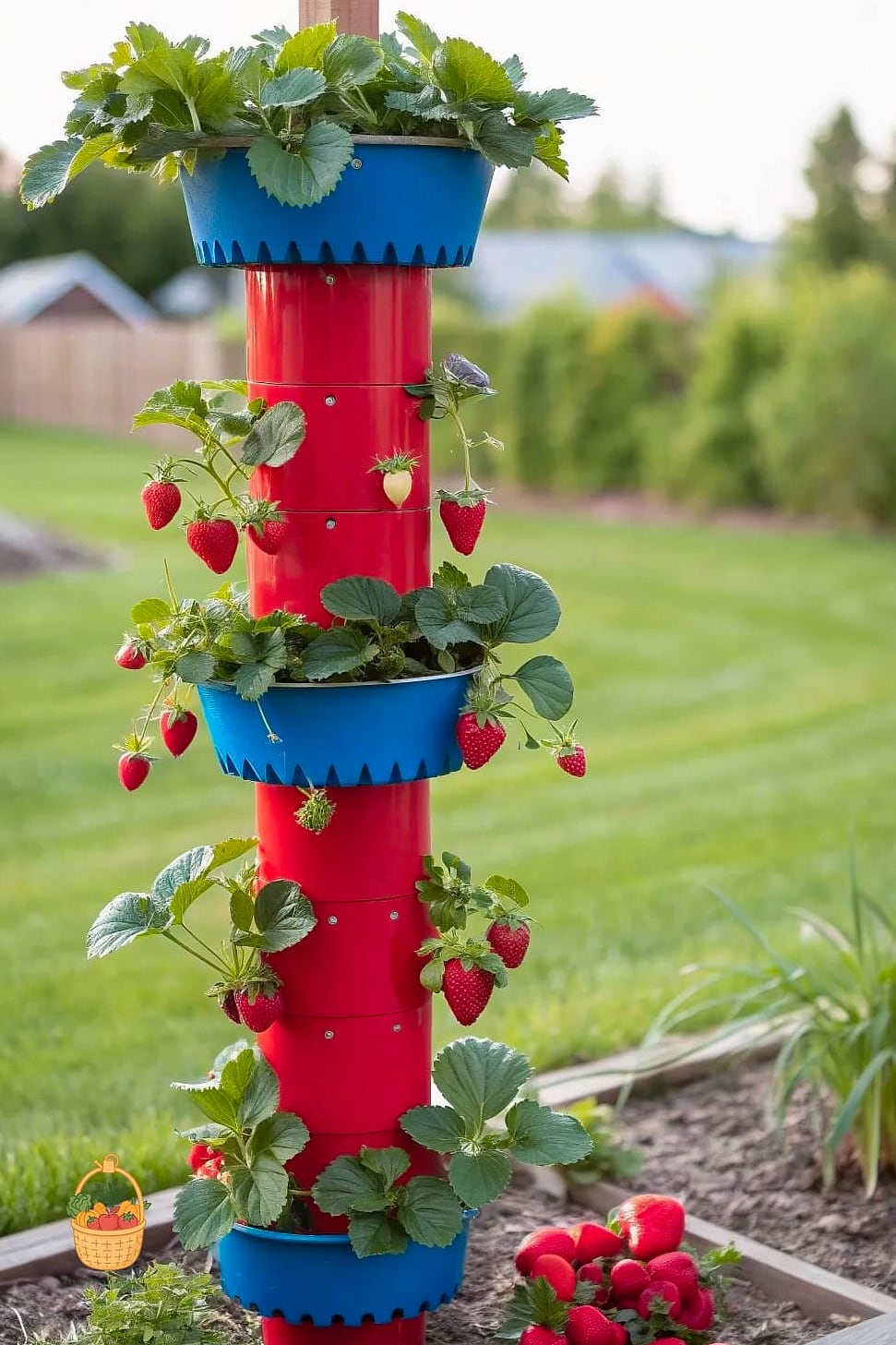
This is a favorite among gardeners tight on space. Take a length of PVC pipe, drill planting holes in a staggered pattern around the sides, cap the bottom, and fill with soil. Stand it upright and you’ve got a berry tower that takes up almost no floor space. It looks a little industrial on its own, so some folks paint it or wrap it in twine for a softer look.
Repurposed Rain Gutter Planters
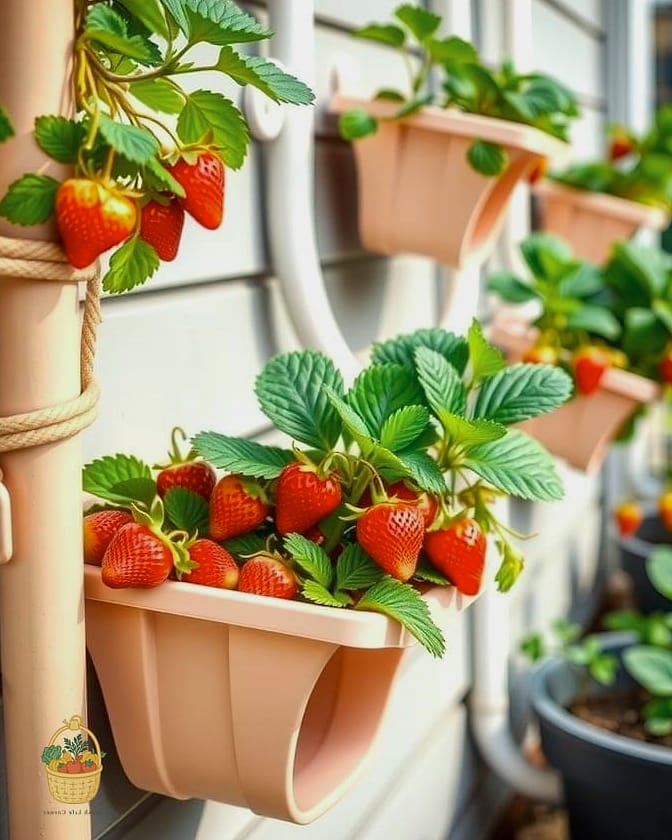
Old rain gutters mounted horizontally on a fence or wall make surprisingly good strawberry planters. They’re shallow, which strawberries don’t mind since their roots aren’t deep, and you can mount several rows stacked above each other for a living wall of berries. Drill drainage holes along the bottom before filling with soil, and use end caps to keep everything contained.
Strawberry Pyramid Planter
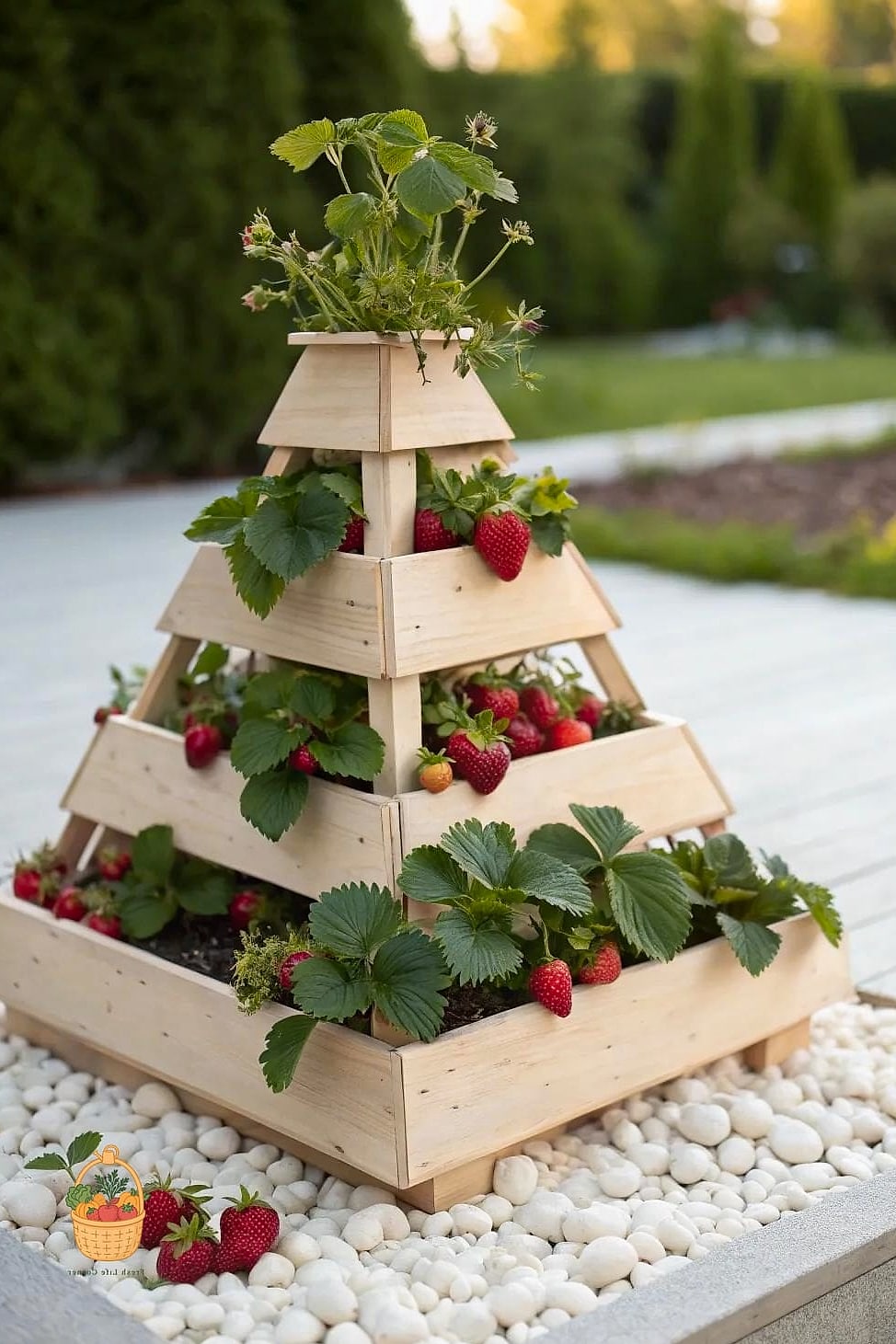
A tiered pyramid — basically three or four square or round planters stacked in decreasing size — gives every plant equal access to sun while keeping the whole thing compact. These work great on patios and are often sold as kits, though a handy person could easily build one from cedar boards. Fill each tier with fresh potting soil and add slow-release fertilizer at planting time.
Mason Jar Windowsill Planters
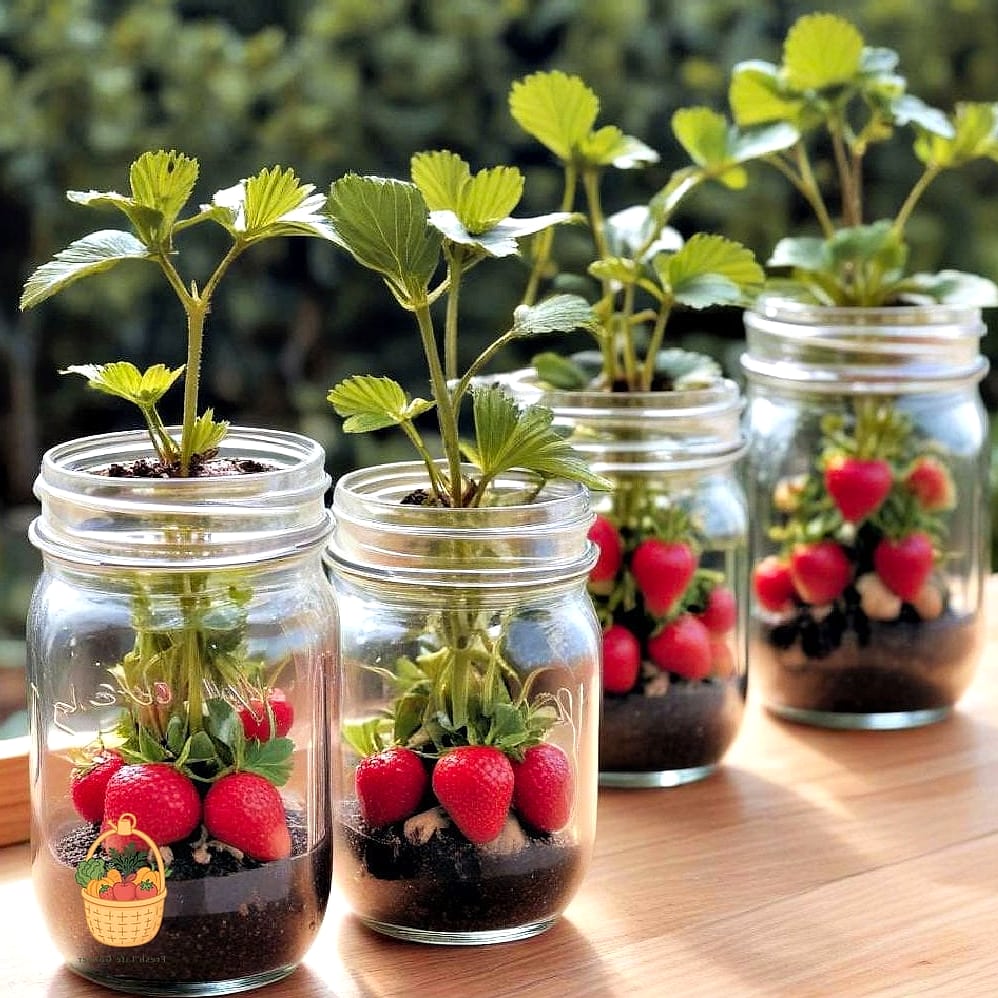
For anyone growing strawberries indoors or in a tiny apartment, mason jars turned on their sides (with the mouth cut or a hole drilled for drainage) make a charming little planter. This setup won’t produce a huge harvest, but a couple of alpine strawberry plants tucked in a sunny window can give you a handful of berries all season, and honestly the smell alone is worth it.
Repurposed Wooden Pallet Planter
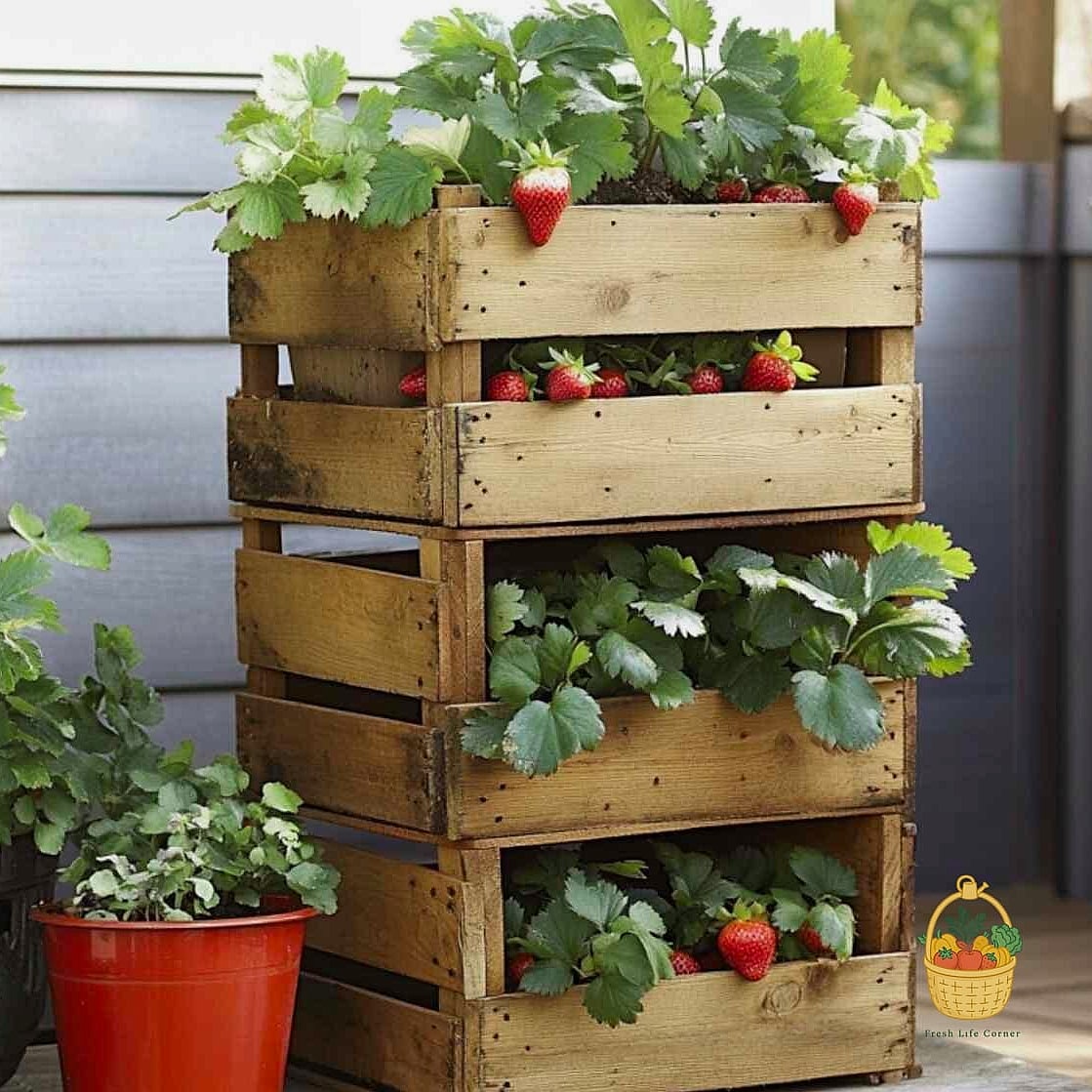
Pallet planters have been trendy for years, and strawberries are one of the best uses for them. Stand a pallet upright, staple landscape fabric across the back and bottom of each slat gap, then pack soil in from the top. Lay it flat for a few weeks first so the soil settles before standing it up. This gives you rows of pockets that drain well and look rustic without much effort.
Galvanized Metal Tub Planter
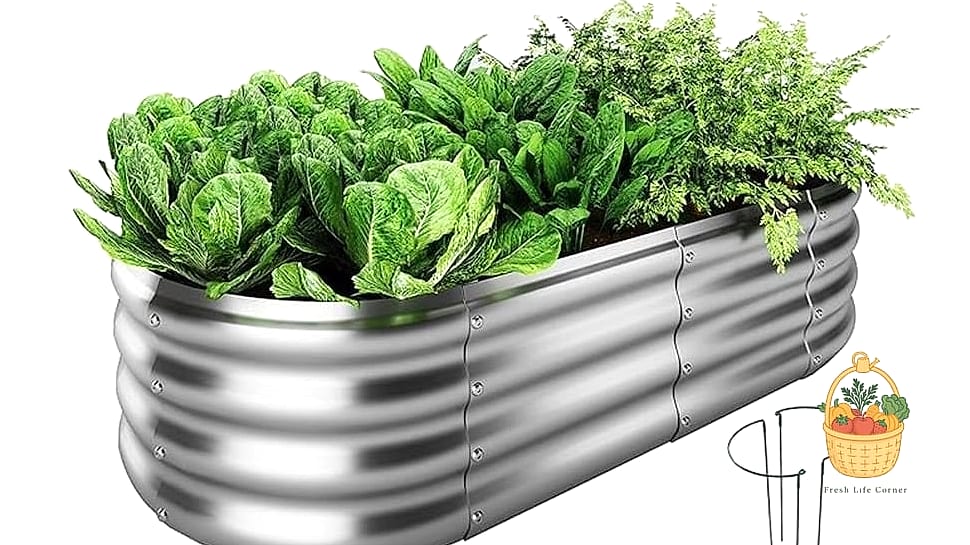
A big galvanized tub brings a farmhouse feel and holds enough soil for six to eight plants comfortably. Drill several drainage holes in the bottom before planting, since these tubs hold water and root rot is a real risk otherwise. Metal heats up in direct sun, so in hotter climates it helps to give plants a little afternoon shade or mulch the soil surface to keep roots cooler.
Strawberry Pot Tower with Grow Lights
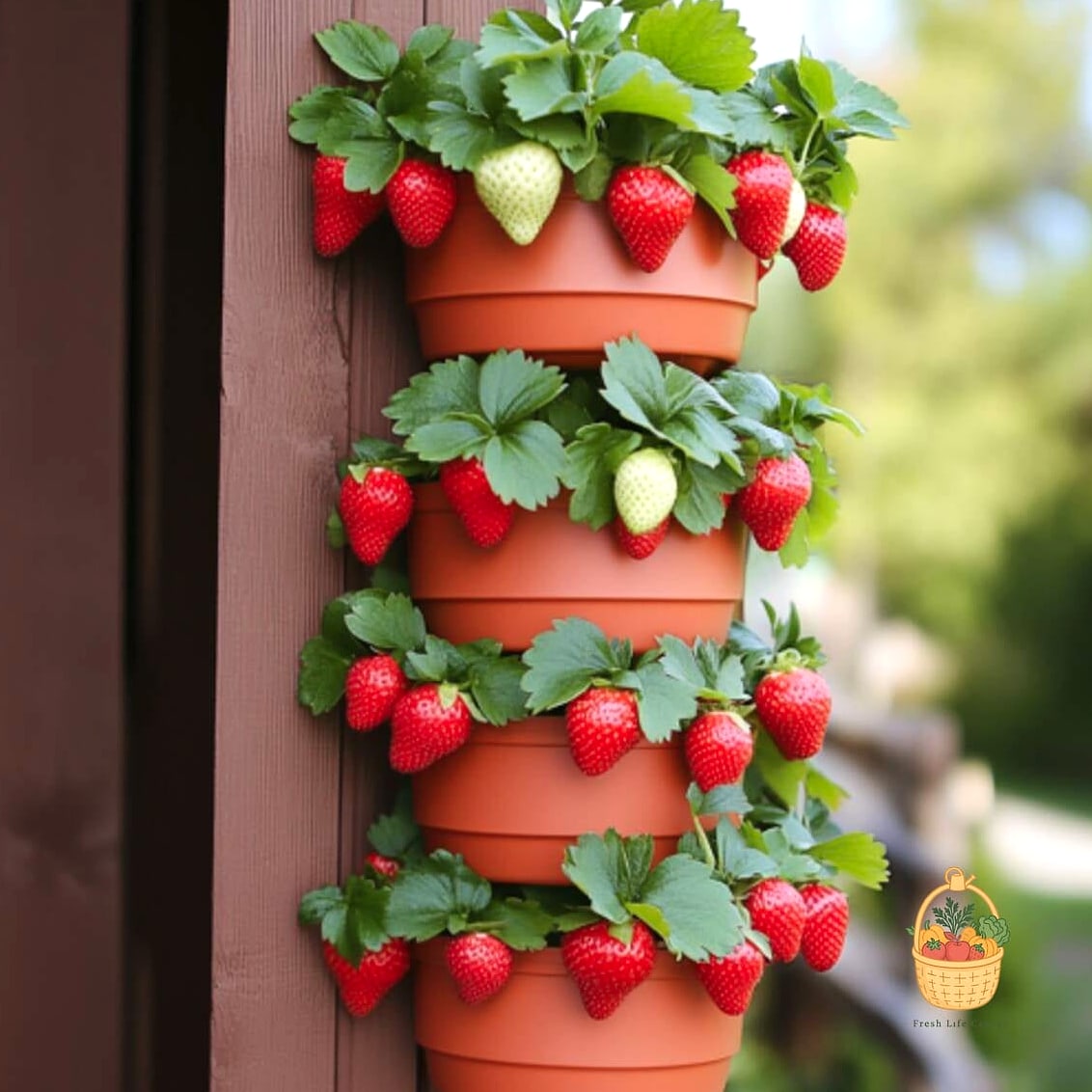
For gardeners dealing with short growing seasons or mostly indoor space, a tiered pot tower paired with an adjustable grow light setup can keep strawberries producing well past the outdoor season. Position the light six to twelve inches above the plants and run it for about twelve to fourteen hours a day. It’s a bit of an investment, but fresh winter strawberries are hard to argue with.
Old Wine Barrel Planter
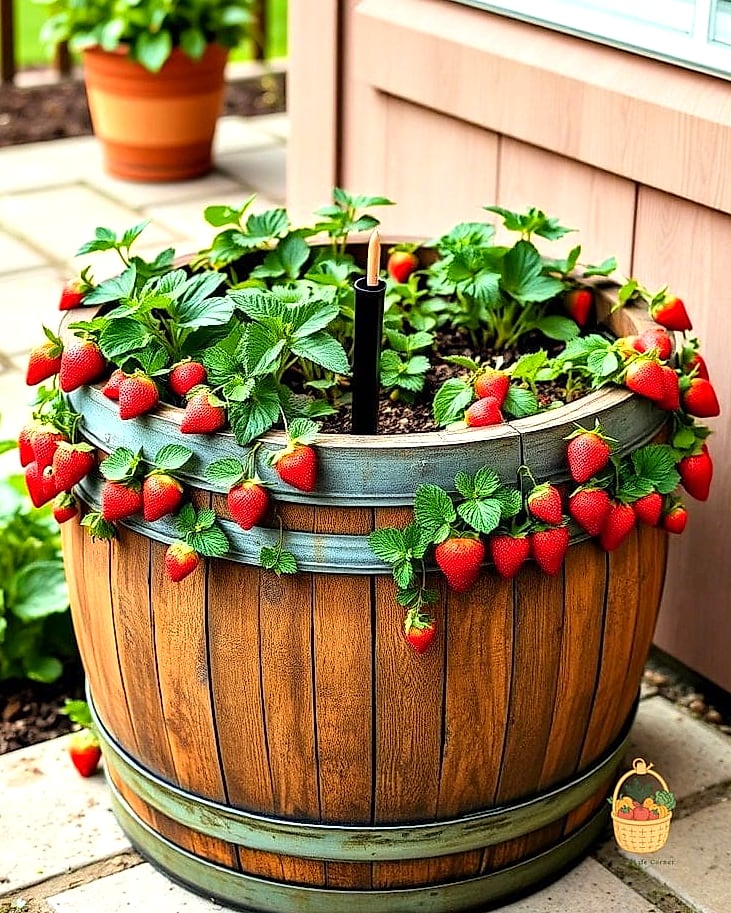
Half a wine barrel, sold at most garden centers, makes a generous strawberry planter with real personality. There’s enough depth and width for a dozen or more plants, plus room for a few companion herbs like thyme or chives around the edges. Drill drainage holes if there aren’t any already, and expect these barrels to need less frequent watering than smaller pots thanks to their size.
Strawberry Tower with Recycled Buckets
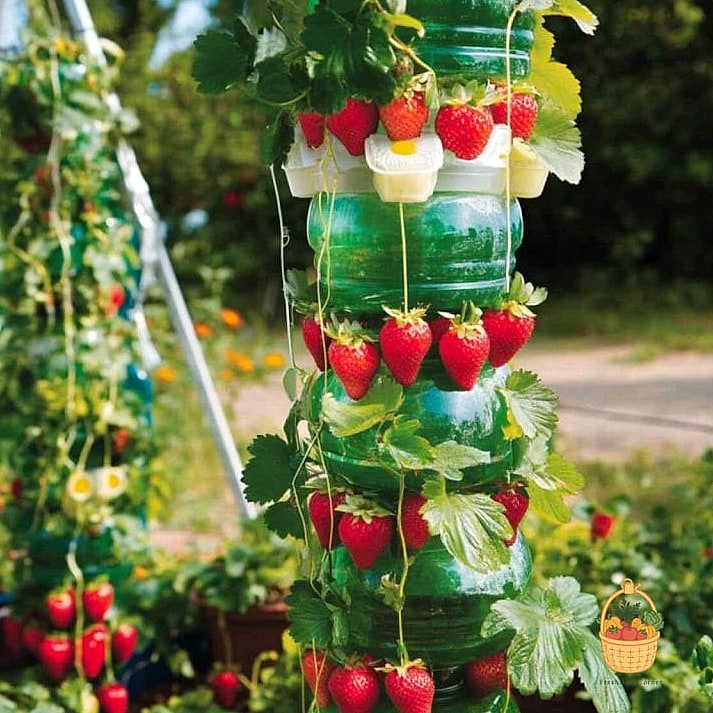
Stack a few five-gallon buckets with staggered holes cut into the sides, and you’ve built a DIY strawberry tower for next to nothing. Nest the buckets so the top one is smaller and fill each with soil as you go. It’s not the prettiest option on this list, but for cost-conscious gardeners it’s hard to beat, and painting the buckets can dress it up considerably.
Fabric Grow Bags
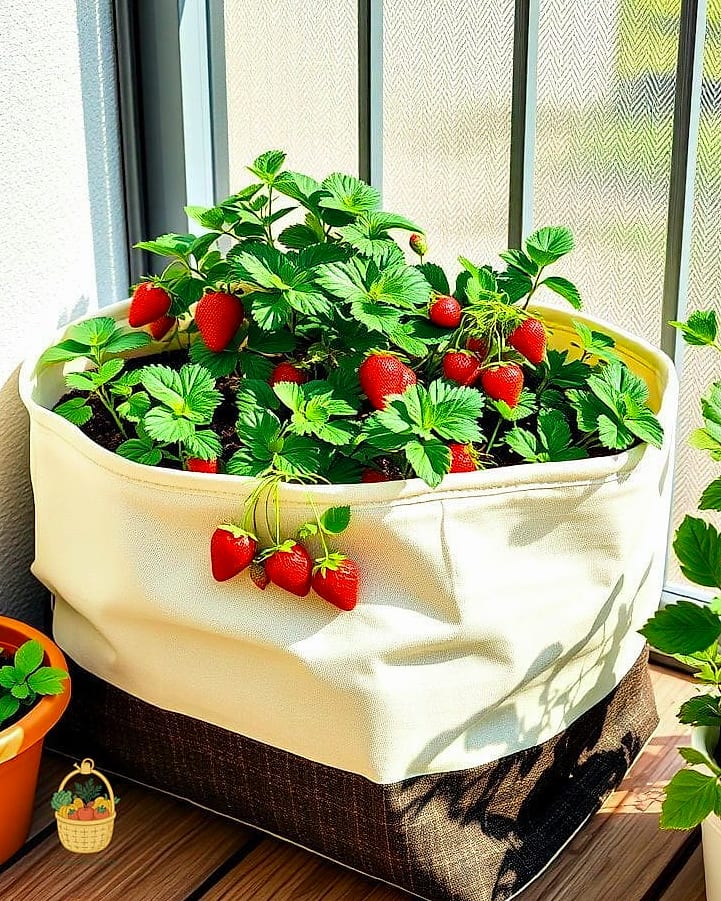
Fabric pots have become popular for a good reason — they let roots breathe and naturally prune themselves at the fabric wall, which encourages a healthier root system than plastic pots often allow. Choose a bag at least ten inches deep, and expect to water more frequently since fabric dries out faster than ceramic or plastic. These are also easy to store flat once the season ends.
Strawberry Planter with Companion Marigolds
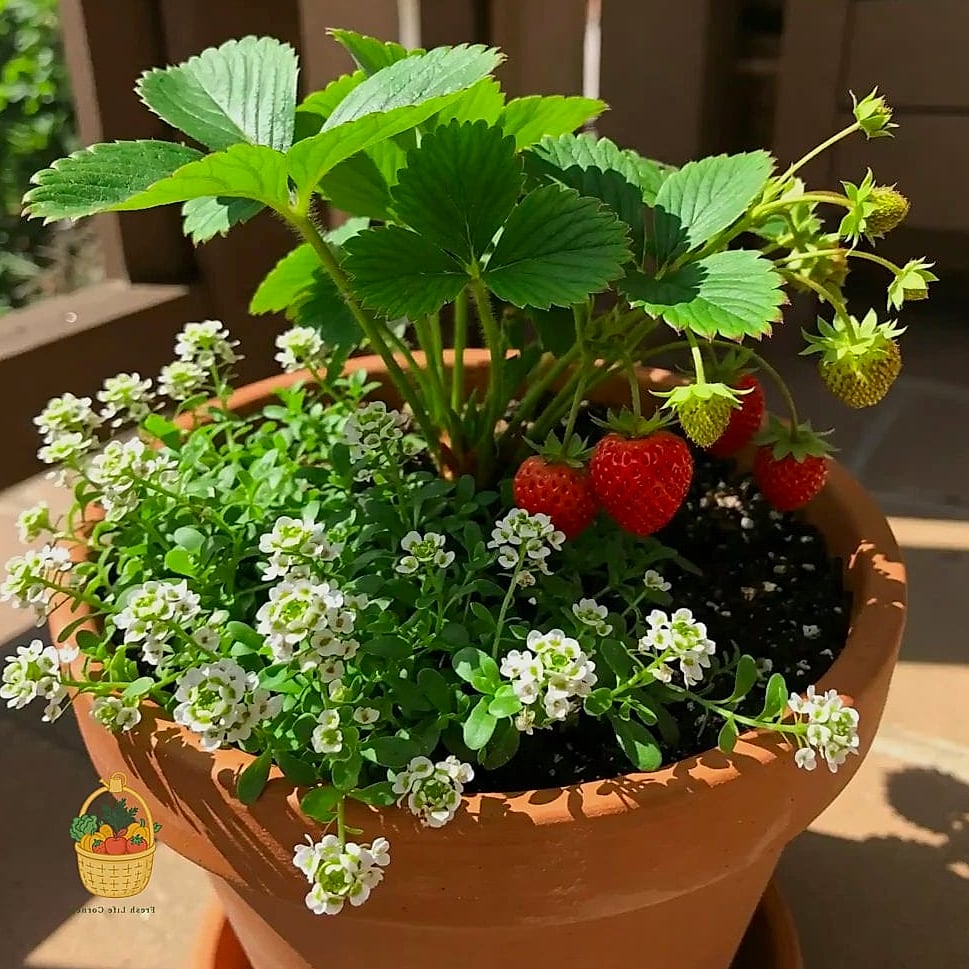
Tucking marigolds in alongside your strawberries isn’t just decorative — marigolds are known to help deter certain pests and attract pollinators to the area. Use a wide, shallow planter so there’s room for both without overcrowding roots. This combination works especially well in a container placed near a vegetable garden, since it doubles as a bit of natural pest management.
Raised Bed Planter Box with Netting
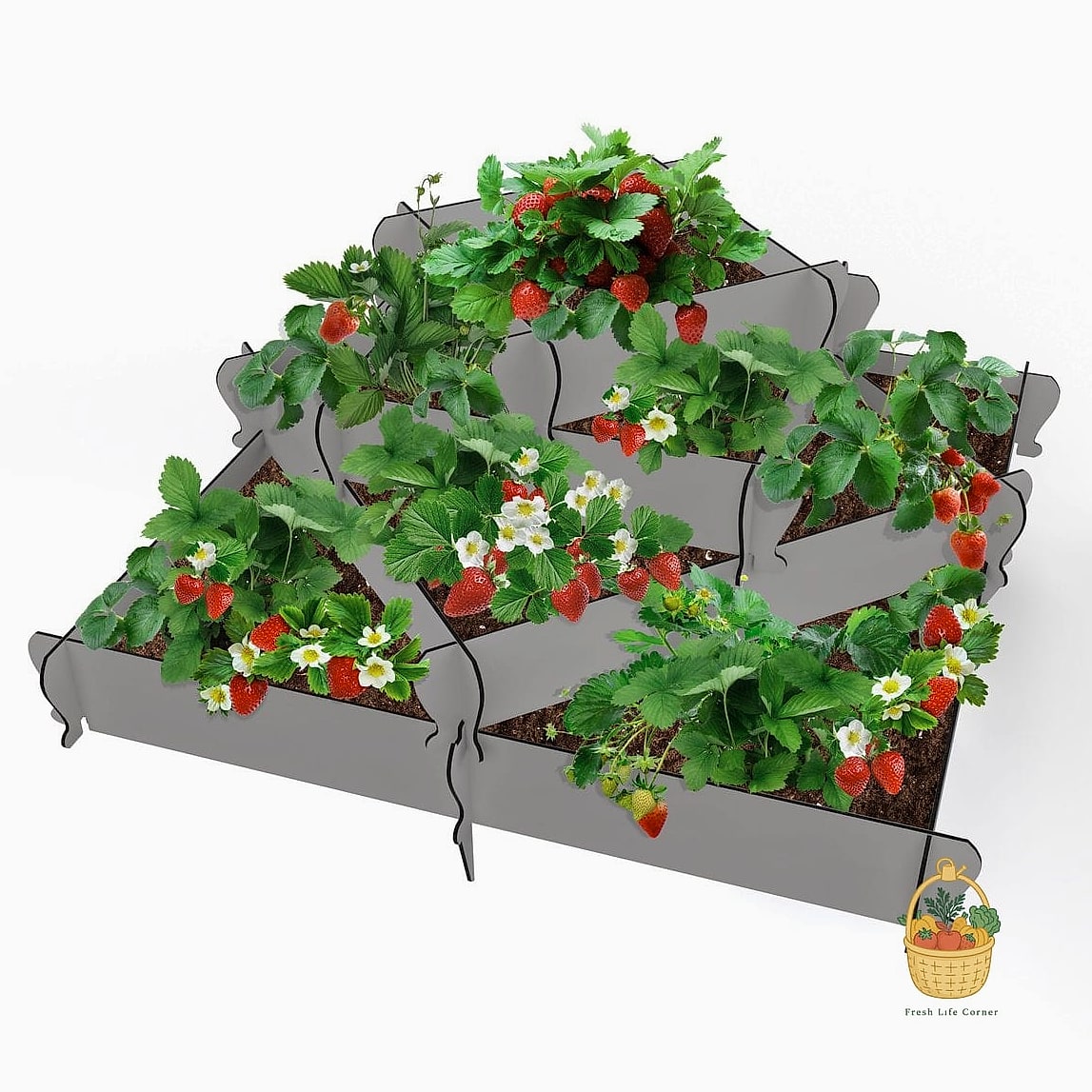
A simple raised bed, even a small one, can be converted into an excellent strawberry planter with the addition of a hooped netting cover. The netting keeps birds from stealing your harvest right before it ripens, which is one of the most common frustrations strawberry growers run into. Fill the bed with a mix of compost and well-draining soil, and space plants about twelve inches apart.
Strawberry Planter Made from an Old Dresser Drawer
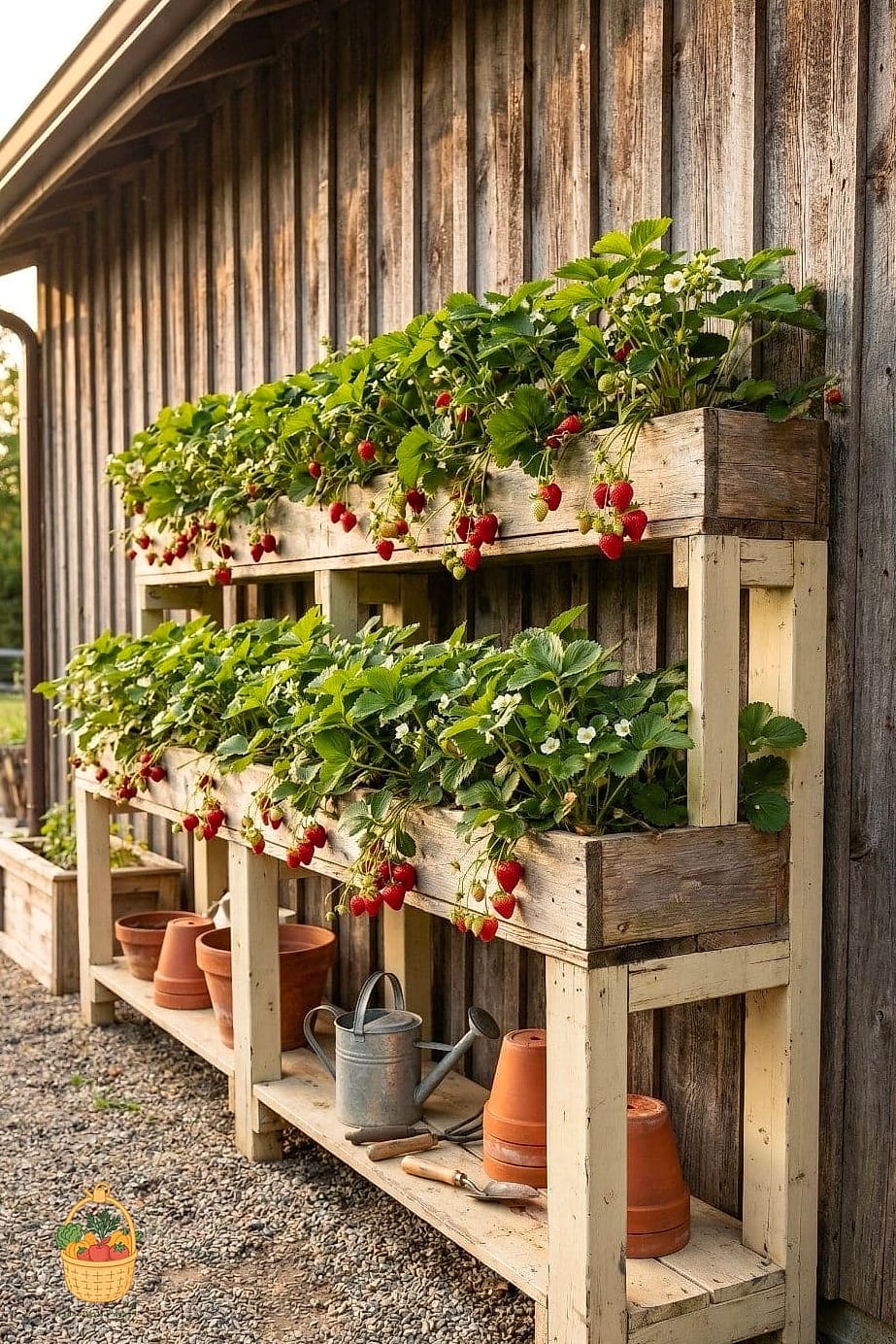
If you’ve got an old dresser heading to the curb, pull a drawer or two before it goes. Drill drainage holes in the bottom, sand down any rough edges, and you’ve got a rustic, ready-made planter with real charm. Set it on bricks or a stand so it drains properly and doesn’t rot the surface underneath.
Strawberry Ladder Planter
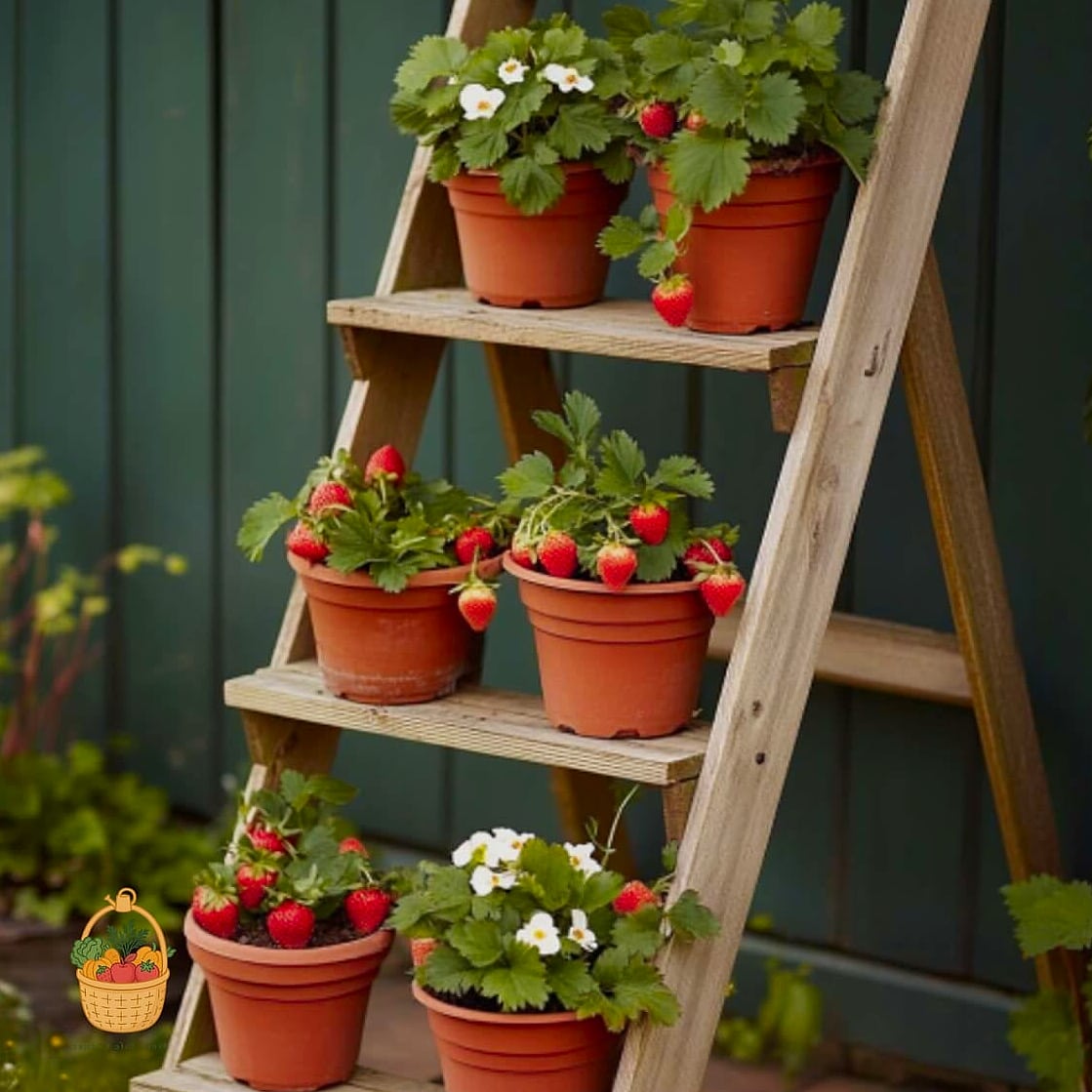
An old wooden ladder laid at an angle against a wall or fence, with pots nestled between the rungs, creates a tiered display that’s both functional and genuinely pretty. Use lightweight plastic or fabric pots so the ladder isn’t overloaded, and stagger plant sizes so smaller varieties sit up top where they’ll get the most consistent sun.
Self-Watering Strawberry Planter
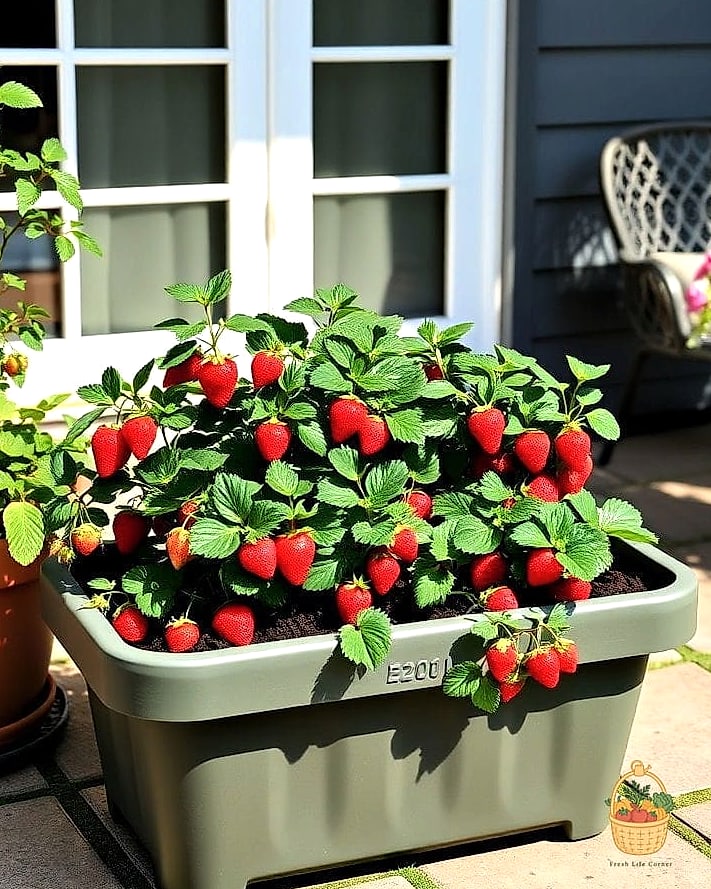
For anyone who’s killed a plant through forgetfulness, a self-watering planter with a built-in reservoir takes a lot of the guesswork out of strawberry care. Water wicks up from the reservoir as the soil dries, which keeps moisture levels steady — something strawberries genuinely appreciate since inconsistent watering is a common cause of small or misshapen fruit.
Strawberry Planter in a Repurposed Wheelbarrow
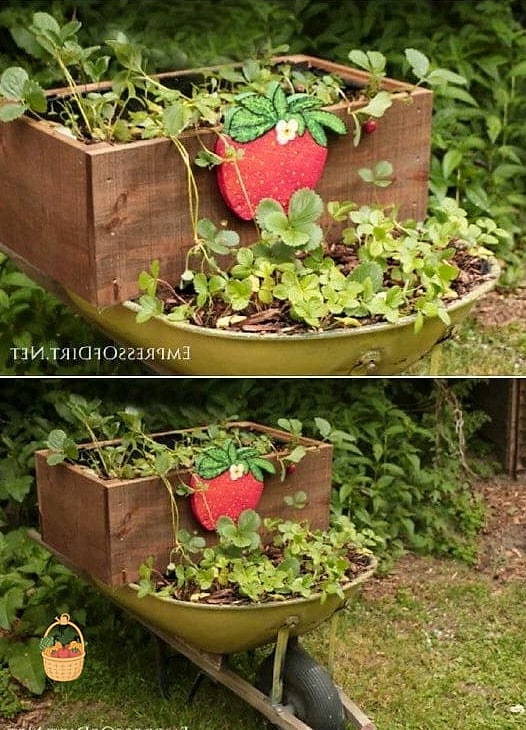
An old wheelbarrow with a rusted-out bottom doesn’t have to go to waste. Line it with landscape fabric, drill a few extra drainage holes, and fill it with soil for an instantly mobile strawberry planter. Being able to wheel it into full sun or under cover during a cold snap is a genuinely useful perk most planters don’t offer.
Strawberry Planter Built into a Garden Bench
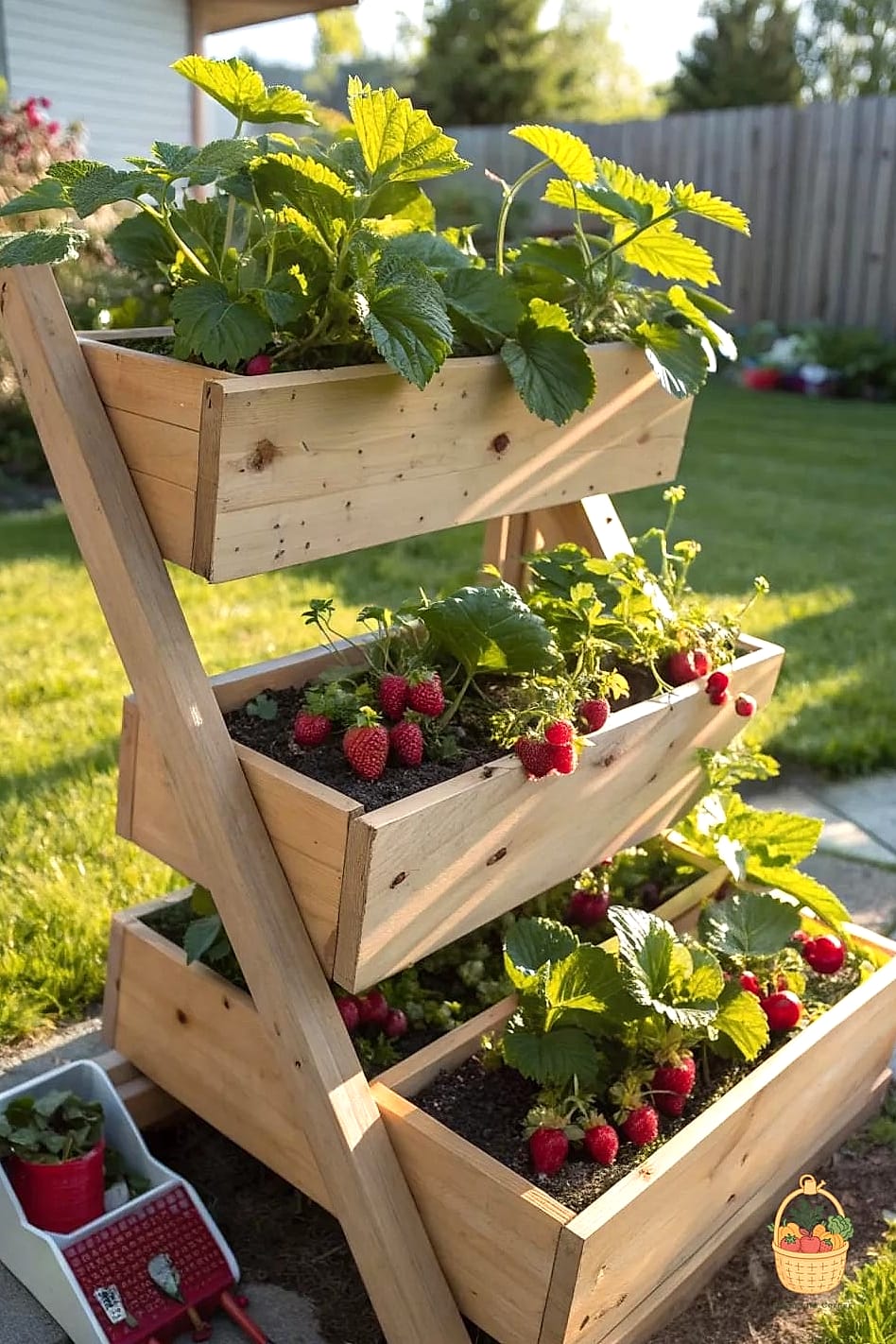
Some clever garden builders incorporate planting boxes right into the armrests or base of an outdoor bench, letting you grow strawberries within arm’s reach while you sit. It’s a fun weekend project for anyone comfortable with basic woodworking, and it makes harvesting almost too easy — you can literally pick berries without standing up.
Strawberry Planter with Drip Irrigation Timer
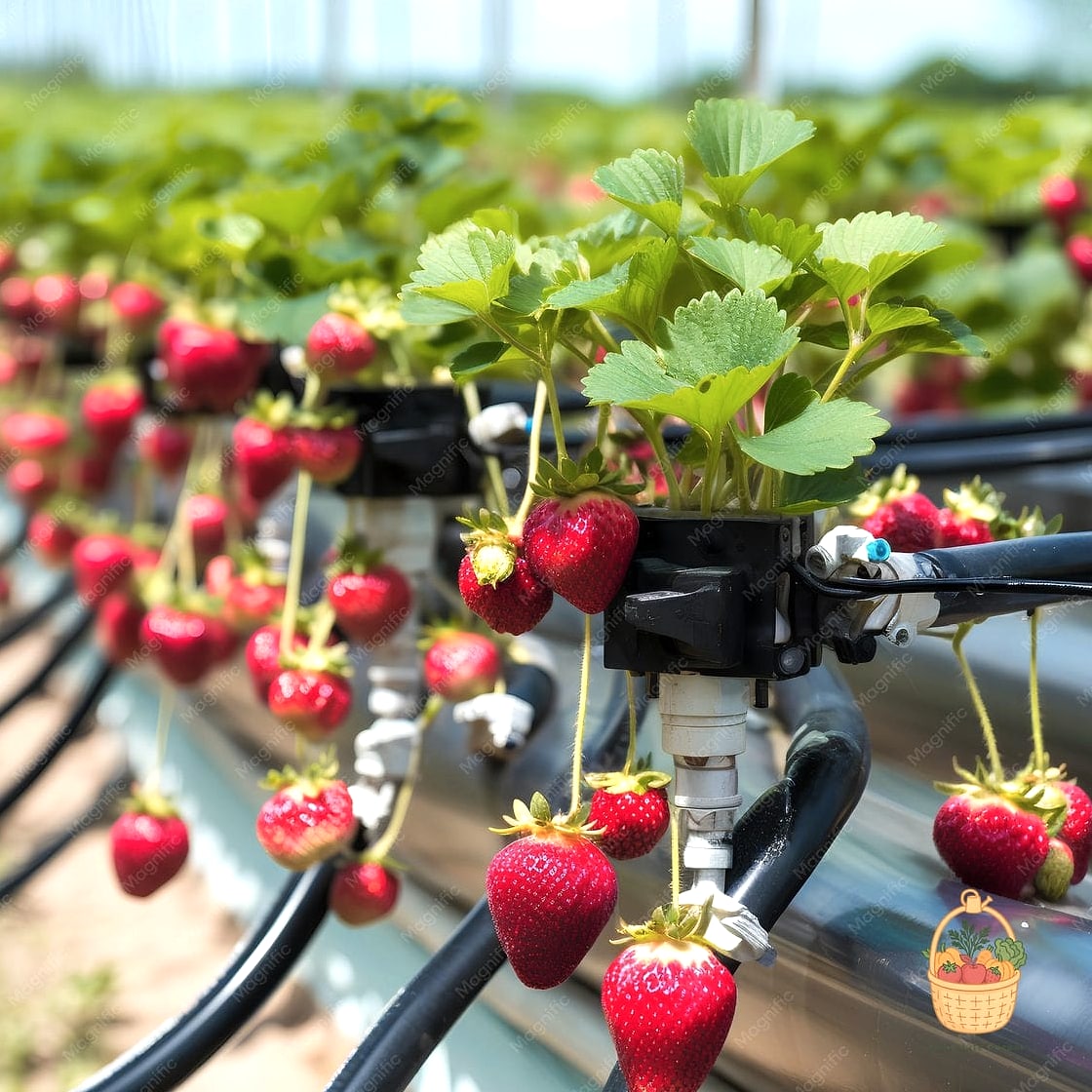
Pairing any container setup with a small drip irrigation timer takes strawberries from high-maintenance to nearly hands-off. Since these plants have shallow roots, they dry out fast in warm weather, and consistent moisture directly affects fruit size and sweetness. This setup works especially well for larger multi-plant containers like barrels or raised beds.
Strawberry Planter Made from Stacked Terracotta Pots
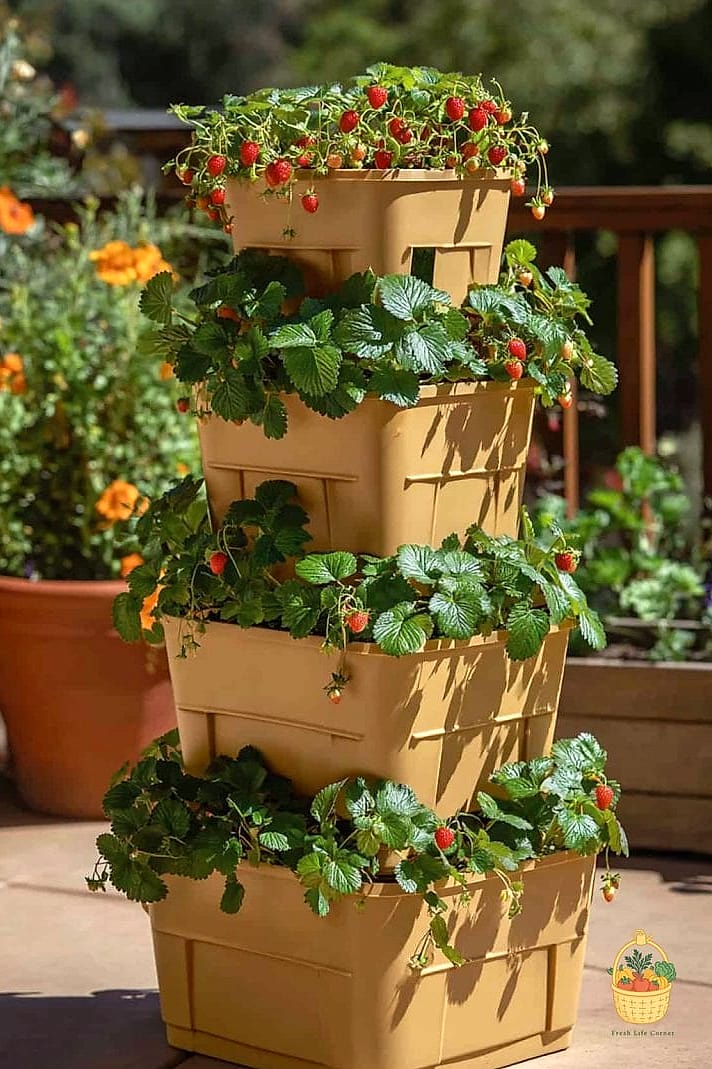
Rather than buying a formal strawberry jar, you can stack ordinary terracotta pots of decreasing size, each offset slightly so plants around the rim of every pot get sun. Secure them with a center dowel or rebar rod running through the drainage holes for stability. It’s an easy, budget-friendly way to mimic that tiered jar look with pots you may already have.
Strawberry Planter for a Balcony Railing
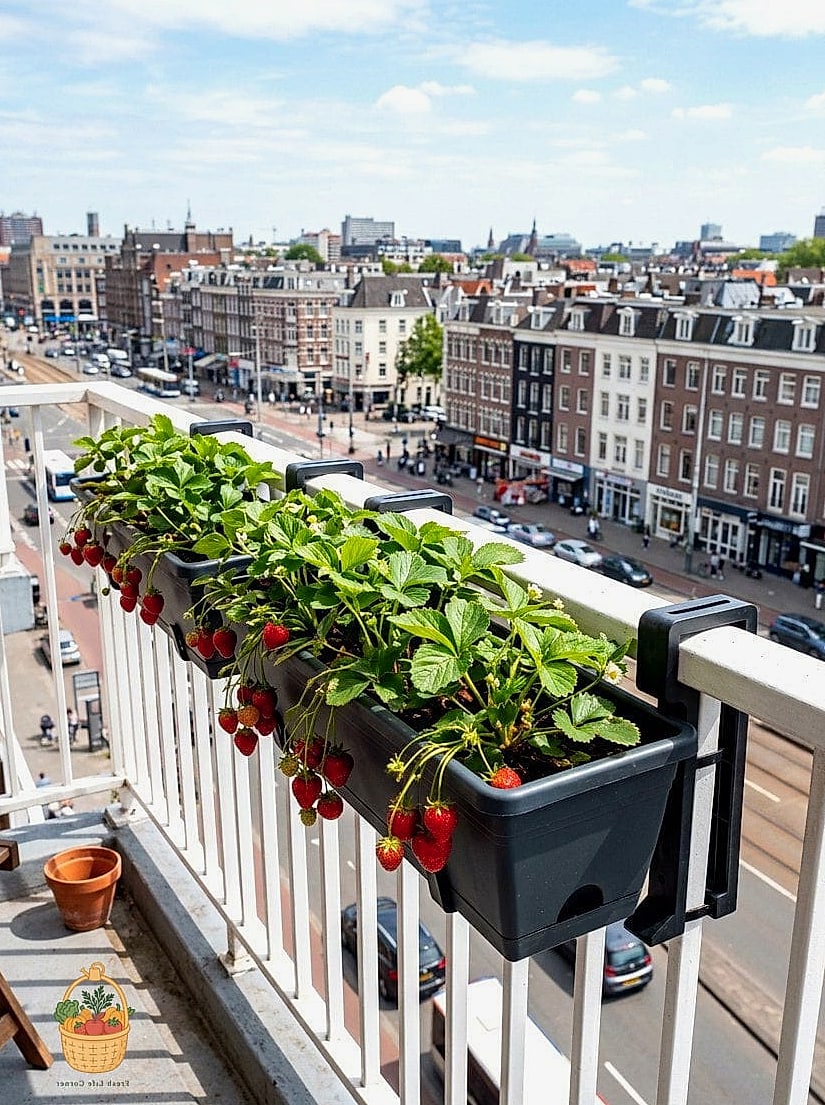
Railing planters that clip directly onto a balcony rail are perfect for small-space gardeners who don’t have floor room to spare. Choose a variety bred for compact growth, and make sure the planter has a sturdy drainage tray underneath so you’re not dripping onto the neighbors below. These do best with morning sun and a bit of afternoon shade in hot climates.
Strawberry Planter Using a Ceramic Chimney Pot
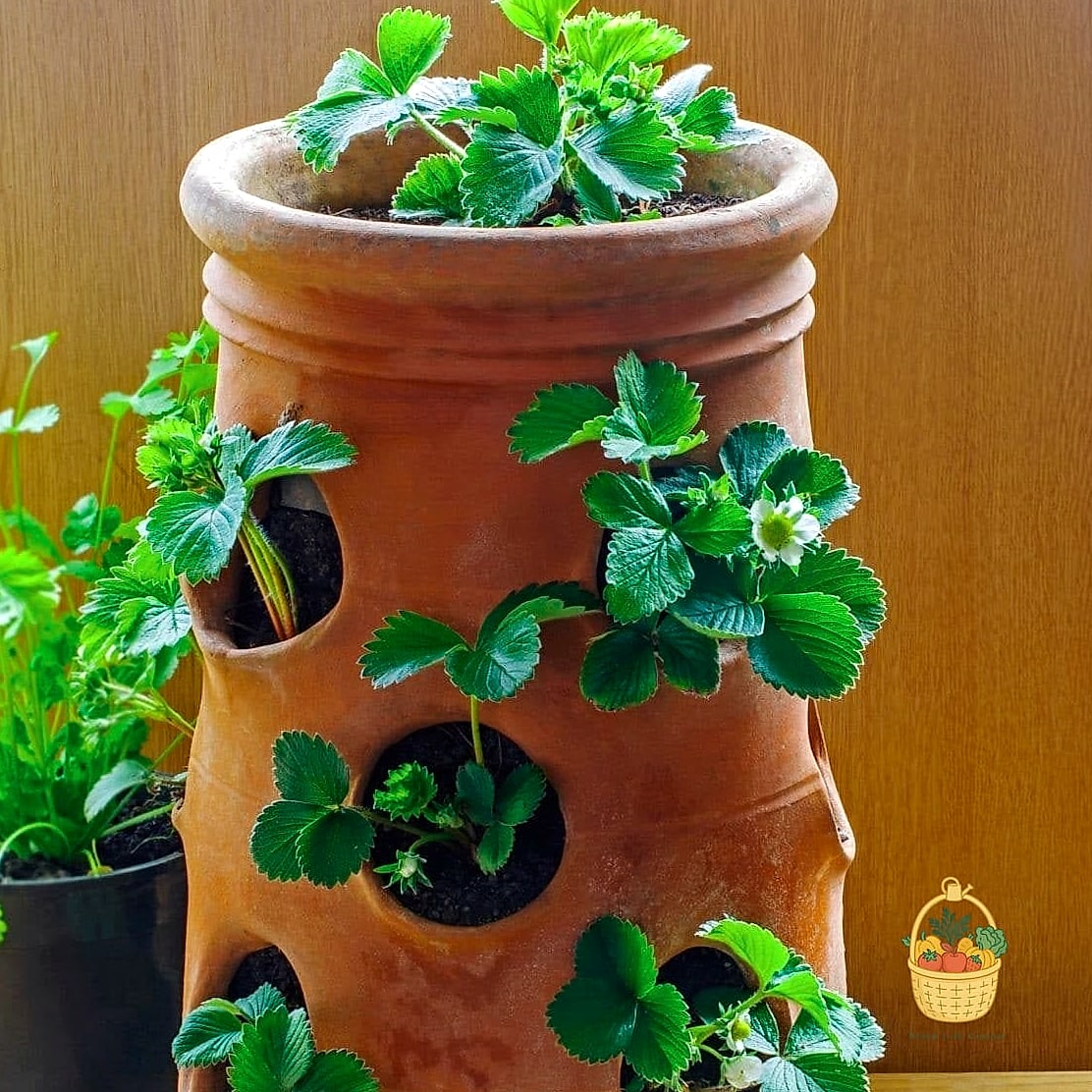
Decorative ceramic chimney pots, sometimes found secondhand, make an unexpectedly elegant strawberry planter with their tapered shape and side openings similar to a strawberry jar. They’re heavier than terracotta jars, which makes them more stable in windy spots, though that same weight means picking a permanent spot before filling it with soil.
Strawberry Planter Combined with a Vertical Pallet Herb Garden
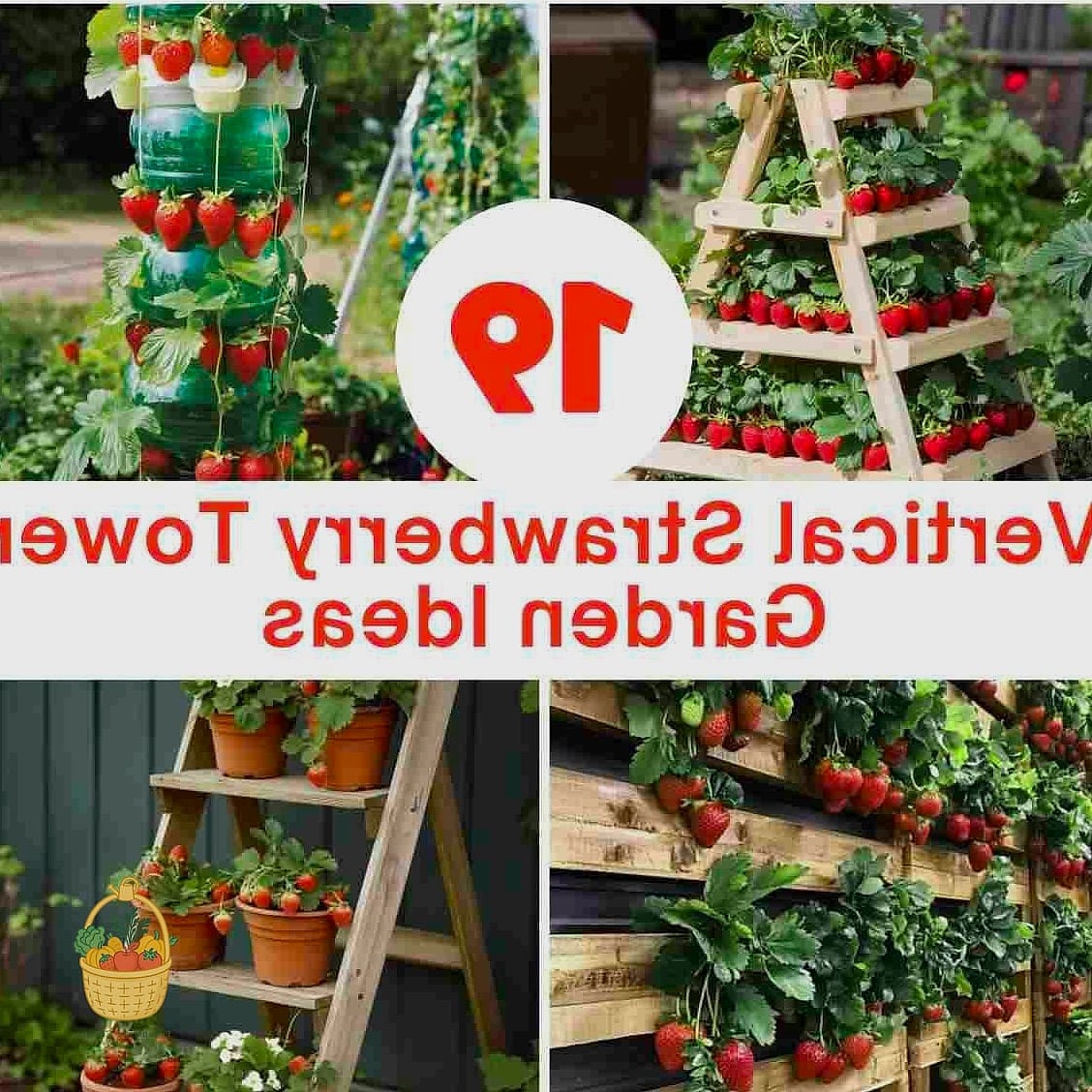
Pair strawberries with companion herbs like basil or oregano in a shared vertical pallet setup, giving each plant its own pocket while keeping everything within one tidy structure. This is a nice option for gardeners who want a productive edible display without dedicating separate containers to every plant.
Strawberry Planter Made from a Repurposed Bathtub
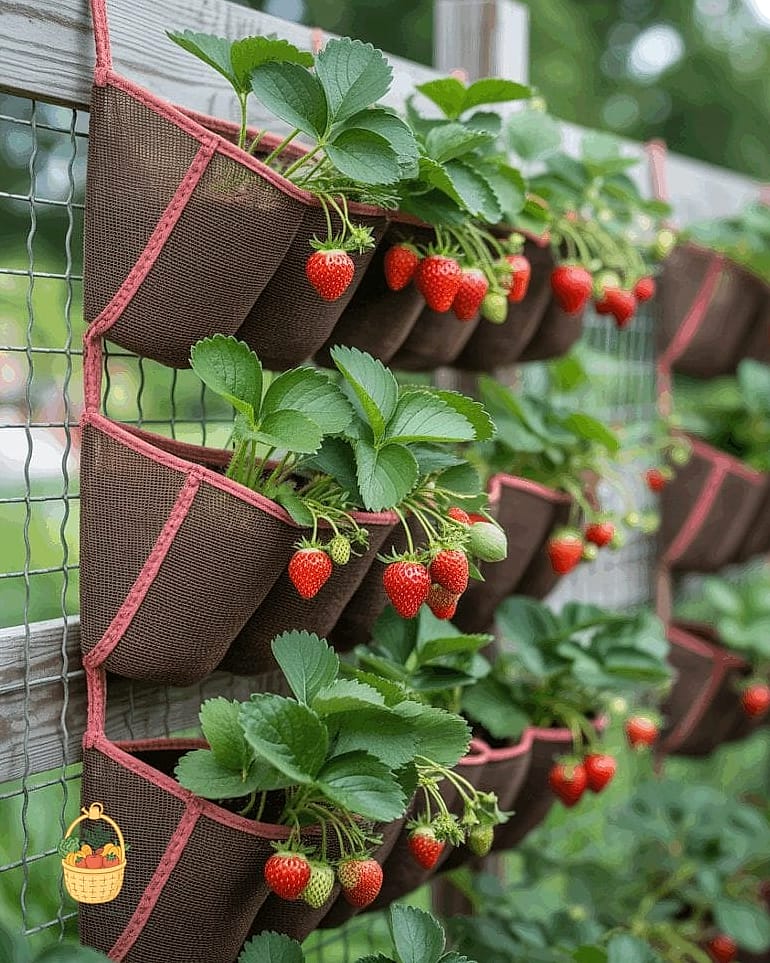
An old clawfoot or standard tub, drilled with generous drainage holes, offers an enormous amount of planting space — easily two dozen plants or more. It’s a statement piece as much as a planter, and the depth means you can layer in compost, worm castings, and mulch for a rich growing medium that holds moisture better than shallower containers.
However you decide to grow them, strawberries reward a little planning with a genuinely satisfying harvest — there’s nothing quite like walking outside and picking a sun-warmed berry straight off the plant. Start with one or two of these strawberry planter ideas, see what fits your space and your watering habits, and expand from there. Once you get the hang of it, it’s hard to stop at just one planter.